Margaret Atwood cumple setenta y cinco años…
Posted: November 18, 2014 Filed under: English, Spanish, ZP Translator: Alexander Best Comments Off on Margaret Atwood cumple setenta y cinco años…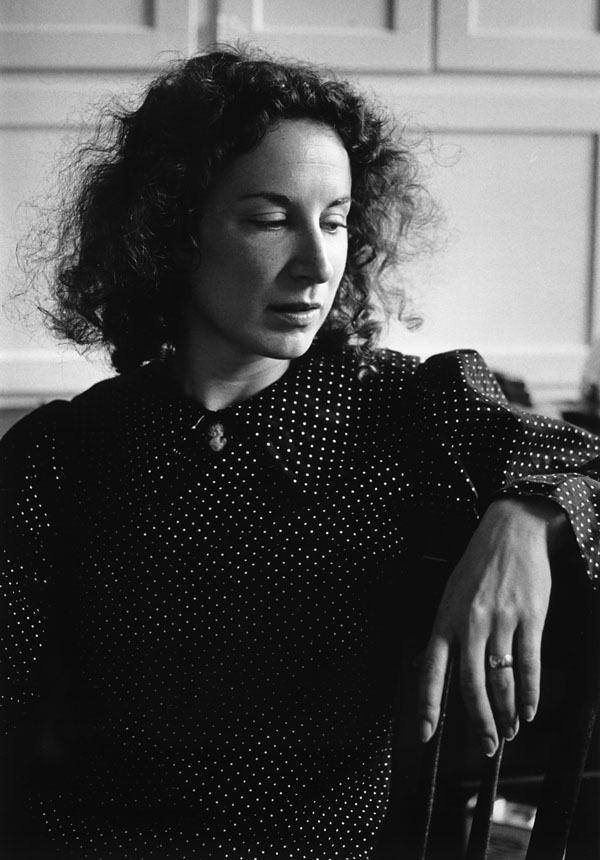
Margaret Atwood (Ottawa, 18 de noviembre de 1939) es una poetisa y novelista prolífica, también una crítica literaria y activista política. Un miembro del organismo de derechos humanos Amnistia Internacional, vive en Toronto, Ontario, Canadá.
. . .
Es / No Es (1974)
.
El amor no es una profesión,
refinado o de otra manera
El sexo no es la odontología
el empaste hábil de dolores y cavidades
No eres el médico; no eres mi tratamiento;
nadie tiene ese poder; simplemente eres un compañero en el viaje
Ríndete este asunto medical,
abotonado, atento
Permítete la ira
y me permites la mía
que no necesita tu aprobación o tu sorpresa
que no necesita estar hecho legal
que no está contra una dolencia
– sino contra ti,
que no necesita estar comprendido
o lavado o cauterizado;
que necesita
ser dicho y dicho.
Permíteme el presente.
. . .
Versión de Alexander Best
. . .
Is/Not
.
Love is not a profession
genteel or otherwise
sex is not dentistry
the slick filling of aches and cavities
you are not my doctor
you are not my cure,
nobody has that
power, you are merely a fellow/traveller
Give up this medical concern,
buttoned, attentive,
permit yourself anger
and permit me mine
which needs neither
your approval nor your suprise
which does not need to be made legal
which is not against a disease
but against you,
which does not need to be understood
or washed or cauterized,
which needs instead
to be said and said.
Permit me the present tense.
. . .
Variación sobre la palabra Sueño (1981)
.
Me gustaría mirarte durmiendo,
lo que puede no ocurrir.
Me gustaría mirarte,
durmiendo. Me gustaría dormir
contigo, penetrar
en tu sueño como su ola suave y oscura
se desliza sobre mi cabeza
y caminar contigo a través de ese bosque
luminoso y vacilante de hojas verdiazules
con su sol acuoso y sus tres lunas
hacia la cueva que debes descender,
hacia tu miedo más tétrico
Me gustaría entregarte la rama
de plata, la florecilla blanca, la palabra
precisa que ha de protegerte
de la desdicha en el centro
de tu sueño, de la desdicha
en el centro. Me gustaría seguirte
y subir la gran escalera
otra vez y convertirme
en la barca en que remarías a la vuelta
con cuidado, una llama
en dos manos oferentes
a donde tu cuerpo yace
junto a mi, y entrarías
en él con la facilidad del respirar
Me gustaría ser el aire
que te habita por un instante
sólo. Me gustaría pasar así de inadvertida
y ser así de necesaria.
.
Versión de Luis Marigómez
. . .
Variations on the word Sleep
.
I would like to watch you sleeping,
which may not happen.
I would like to watch you,
sleeping. I would like to sleep
with you, to enter
your sleep as its smooth dark wave
slides over my head
and walk with you through that lucent
wavering forest of bluegreen leaves
with its watery sun & three moons
towards the cave where you must descend,
towards your worst fear
I would like to give you the silver
branch, the small white flower, the one
word that will protect you
from the grief at the centre
of your dream, from the grief
at the centre. I would like to follow
you up the long stairway
again & become
the boat that would row you back
carefully, a flame
in two cupped hands
to where your body lies
beside me, and you enter
it as easily as breathing in
I would like to be the air
that inhabits you for a moment
only. I would like to be that unnoticed
& that necessary.
. . . . .
Poemas: “Víspera de la Noche de Todos los Santos” / “Sin Invitación”
Posted: October 31, 2014 Filed under: English, Spanish, ZP Translator: Alexander Best | Tags: Hallowe'en Comments Off on Poemas: “Víspera de la Noche de Todos los Santos” / “Sin Invitación”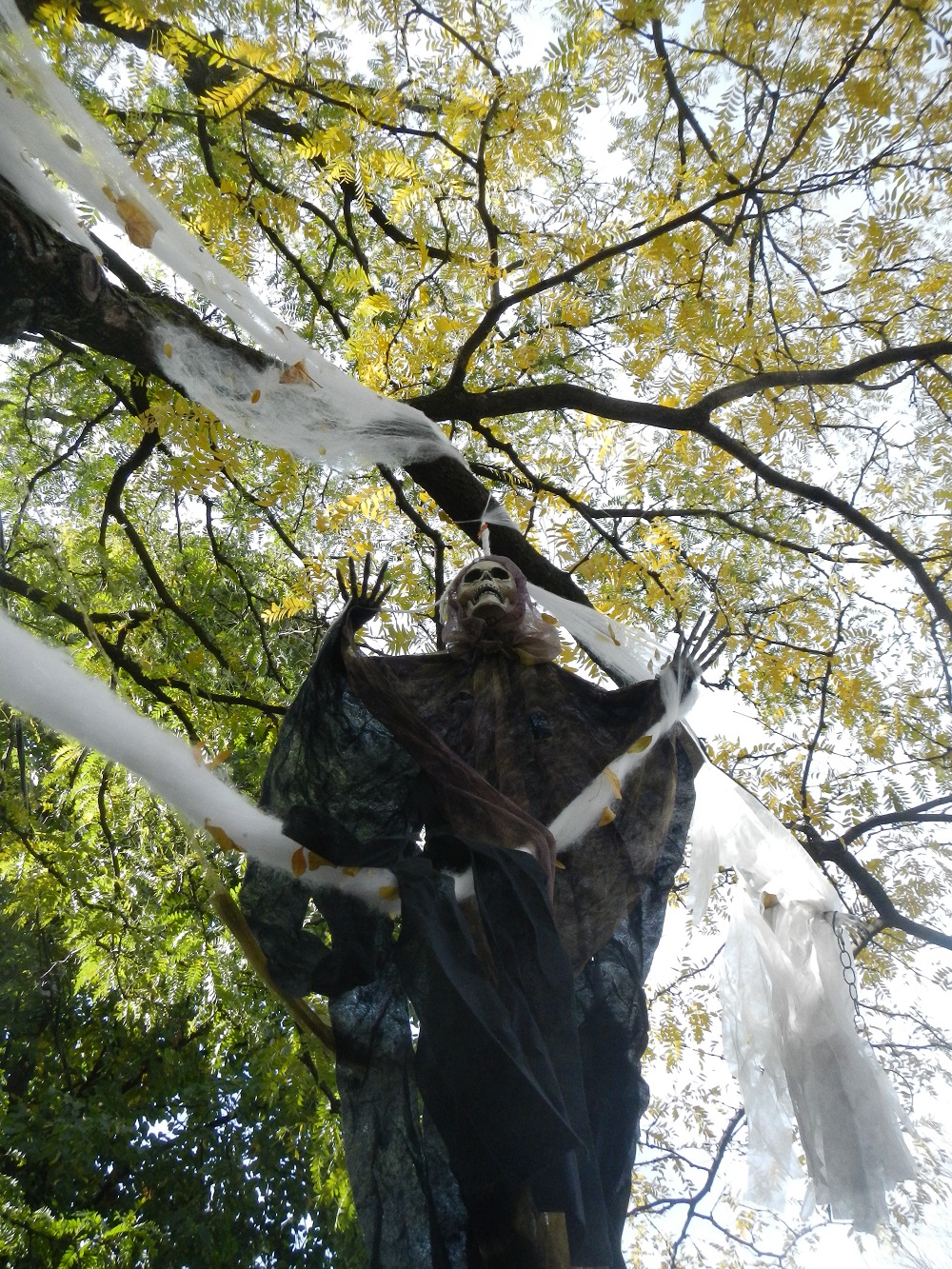
. . .
Hortense Flexner King (1885-1973)
All Souls’ Night, 1917
.
You heap the logs and try to fill
The little room with words and cheer,
But silent feet are on the hill,
Across the window veiled eyes peer.
The hosts of lovers, young in death,
Go seeking down the world to-night,
Remembering faces, warmth and breath—
And they shall seek till it is light.
Then let the white-flaked logs burn low,
Lest those who drift before the storm
See gladness on our hearth and know
There is no flame can make them warm.
. . .
Víspera de la Noche de Todos los Santos, 1917
.
Amontañas los leños, intentando llenar
el cuartucho con palabras, con ánimo alegre,
pero los pies silenciados están por la colina,
y a través de la ventana están mirando unos ojos velados.
La hueste de amantes, joven en su muerte,
va a buscar en todas partes esta noche,
recordando las caras, el calor y la exhalación
– y van a buscar hasta la luz del alba.
Pues, deja incendiarse los leños cubiertos de ceniza,
en case de ellos se inclinan hacia el ventarrón
vean la alegría de nuestro hogar, y sepan que
no hay una llama que puede calentarles.
. . .
Ray Armantrout (born 1947)
Unbidden
.
The ghosts swarm.
They speak as one
person. Each
loves you. Each
has left something
undone.
Did the palo verde
blush yellow
all at once?
Today’s edges
are so sharp
they might cut
anything that moved.
The way a lost
word
will come back,
You’re not interested
in it now,
only
in knowing
where it’s been.
. . .
Ray Armantrout (nace 1947)
Sin Invitación
.
Las fantasmas se mueven en manada.
Hablan como una sola persona.
Cada una te ama.
Y cada uno ha dejado algo sin hacer.
¿Se puso colorado – se puso amarillento, de golpe – el palo verde?
Los filos de hoy son tan puntiagudos;
corten alguna cosa que desplaza.
Así como
la palabra perdida
vuelve a la memoria.
No te interese ahora
esa palabra
sino donde estuviera.
. . .
https://zocalopoets.com/2011/10/31/halloween-a-haunting-in-the-hood/
. . . . .
Claribel Alegría: And I dreamt that I was a tree / I love to handle leaves / A Letter to “Time” / Autumn
Posted: October 28, 2014 Filed under: Claribel Alegría, Claribel Alegría: And I dreamt that I was a tree, English, Spanish, ZP Translator: Alexander Best Comments Off on Claribel Alegría: And I dreamt that I was a tree / I love to handle leaves / A Letter to “Time” / Autumn
Claribel Alegría (Nicaragua / El Salvador, nacido 1924)
Y soñe que era un árbol – a Carole
(1981)
.
Y soñe que era un árbol
y que todas mis ramas
se cubrían de hojas
y me amaban los pájaros
y me amaban también
los forasteros
que buscaban mi sombra
y yo también amaba
mi follaje
y el viento me amaba
y los milanos
pero un día
empezaron las hojas
a pesarme
a cubrirme las tardes
a opacarme la luz
de las estrellas.
Toda mi savia
se diluía
en el bello ropaje
verdinegro
y oía quejarse a mi raíz
y padecía el tronco
y empecé a despojarme
a sacudirme
era preciso despojarse
de todo ese derroche
de hojas verdes.
Empecé a sacudirme
y las hojas caían.
Otra vez con más fuerza
y junto con las hojas que importaban apenas
caía una que yo amaba:
un hermano
un amigo
y cayeron también
sobre la tierra
todas mis ilusiones
más queridas
y cayeron mis dioses
y cayeron mis duendes
se iban encogiendo
se arrugaban
se volvían de pronto
amarillentos.
Apenas unas hojas
me quedaron:
cuatro o cinco
a lo sumo
quizá menos
y volví a sacudirme
con más saña
y esas no cayeron
como hélices de acero
resistían.
. . .
Claribel Alegría (Nicaragua / El Salvador, born 1924)
And I dreamt that I was a tree – To Carole
(1981)
.
And I dreamt that I was a tree
and all my branches – leafy –
were belovéd of the birds
– and of strangers seeking my shade.
And I too loved my canopy,
as did the wind – and the hawks.
But there came the day when
my leaves weighed heavily upon me,
they blocked out my afternoons
and the light of the stars.
My sap became diluted by
my gorgeous dark-green robe;
my roots were heard groaning
and the trunk of me, how it suffered;
and I began to dis-robe myself,
to shake loose;
I needed to be free of
that profusion of green leaves.
I really shook; and the leaves fell.
Again, more fiercely,
and more leaves fell – along with a certain one I loved:
a brother? friend?
And then there fell right to the ground all the illusions
most dear to me.
My gods fell, my charms, my animating spirits.
Dried up, wrinkled, completely yellowed.
I had hardly any leaves left, four or five at the very most;
and I shook again, in total fury.
The last of these leaves, no, they wouldn’t fall;
like steel helixes they clung to me.
. . .
Carta al Tiempo (1982)
.
Estimado señor:
Esta carta la escribo en mi cumpleaños.
Recibí su regalo. No me gusta.
Siempre y siempre lo mismo.
Cuando niña, impaciente lo esperaba;
me vestía de fiesta
y salía a la calle a pregonarlo.
No sea usted tenaz.
Todavía lo veo
jugando al ajedrez con el abuelo.
Fue perdiendo su brillo.
Y usted insistía
y no respetaba la humildad
de su carácter dulce,
y sus zapatos.
Después me cortejaba.
Era yo adolescente
y usted con ese rostro que no cambia.
Amigo de mi padre
para ganarme a mí.
Pobrecito del abuelo.
En su lecho de muerte
estaba usted presente,
esperando el final.
Un aire insospechado
flotaba entre los muebles.
Parecían mas blancas las paredes.
Y había alguién más,
usted le hacía señas.
Él le cerró los ojos al abuelo
y se detuvo un rato a contemplarme.
Le prohibo que vuelva.
Cada vez que lo veo
me recorre las vértebras el frío.
No me persiga más,
se lo suplico.
Hace años que amo a otro
y ya no me interesan sus ofrendas.
¿Por qué me espera siempre en las vitrinas,
en la boca del sueño,
bajo el cielo indeciso del domingo?
Sabe a cuarto cerrado su saludo.
Lo he visto el otro día con los niños.
Reconocí su traje:
el mismo tweed de entonces
cuando era yo estudiante
y usted amigo de mi padre.
Su ridículo traje de entretiempo.
No vuelva,
le repito.
No se detenga más en mi jardín.
Se asustarán los niños
y las hojas se caen:
las he visto.
¿De qué sirve todo esto?
Se va a reír un rato
con esa risa eterna
y seguirá sabiéndome al encuentro.
Los niños,
mi rostro,
las hojas,
todo extraviado en sus pupilas.
Ganará sin remedio.
Al comenzar mi carta lo sabía.
A Letter to “Time” (1982)
.
Dear Sir:
I am writing this letter to you on my birthday.
I received your gift – and I don’t like it.
Always, always it’s the same thing.
When I was a girl, impatiently I waited;
got all dressed up, and went out into the street
to proclaim it.
Don’t be stubborn.
I can still picture you playing chess with my grandfather,
and at first your appearances were few and far between,
but soon they were daily and
grandfather’s voice lost its sparkle.
And you insisted on such visits, without any respect for
the humbleness of his gentle soul – or his shoes.
Later on, you attempted to court me.
Of course I was still young – and you with your unchanging face:
a friend of my dad’s with an eye trained on me.
Oh, poor Grand-dad…And didn’t you hang around his deathbed
till the end came!
The very walls seemed to fade out, and there was a kind of
unpinpointable something or other floating among the rooms.
You were that someone who was making signs and wonders,
and Dad closed Grand-dad’s eyes – then paused to contemplate me.
I forbid you to return…
Every time I see you my spine goes stiff – stop pursuing me, I beg you.
It’s been years since I loved anyone else
but your gifts no longer interest me.
Why are you waiting for me, in shop windows,
in the mouth of my dreams,
beneath a vague Sunday sky?
Your greeting reminds me of the air in shut-up rooms.
The other day I saw you with some kids;
I recognized that tweed suit, from when I was a student and
you were my father’s friend – that ridiculous Autumn tweed suit!
I repeat: Don’t come back, don’t hang around my garden;
you’ll scare the children and the leaves will all drop (I’ve seen it happen.)
What’s the use in all of this?
You’ll laugh a little, with that forever-laugh of yours,
and you’ll keep popping up.
The kids, my face, the falling leaves…
we all go lost or missing – in your eyes.
There’s no remedy for any of this: you’ll win.
I knew that from the moment I put pencil to paper.
. . .
Otoño (1981)
.
Has entrado al otoño
me dijiste
y me sentí temblar
hoja encendida
que se aferra a su tallo
que se obstina
que es párpado amarillo
y luz de vela
danza de vida
y muerte
claridad suspendida
en el eterno instante
del presente.
. . .
Autumn (1981)
.
You told me:
You’ve entered your Autumn.
And I shudder,
a leaf aflame that clings to its stem,
obstinate,
a yellow eyelid,
the light of a candle,
a dance of both life and death,
Open-ness hanging
in that eternal instant of the present.
. . .
Me gusta palpar hojas (1997)
.
Más que libros
revistas
y periódicos
más que móviles labios
que repiten los libros,
las revistas,
los desastres,
me gusta palpar hojas
y sentir su frescura,
ver el mundo
a través de su luz tamizada
a través de sus verdes
y escuchar mi silencio
que madura
y titila en mis labios
y se rompe en mi lengua
y escuchar a la tierra
que respira
y la tierra es mi cuerpo
y yo soy el cuerpo
de la tierra
Claribel.
. . .
I love to handle leaves (1997)
.
More than books,
more than magazines or newspapers,
more even than moving lips that recite from books, magazines, disasters…
how I love to handle leaves
– to feel their freshness,
to see the world through their filtered light,
through their green-ness;
and to hear my own silence
maturing – a-twinkling – upon my lips,
breaking against my tongue;
and to listen to the earth breathing.
And the earth is my body,
and I am the body of a land called
Claribel.
. . .
Translations from Spanish to English: Alexander Best
. . . . .
Feuilles d’Automne: Poésie / Autumn Leaves: French poems in translation
Posted: October 22, 2014 Filed under: English, French, ZP Translator: Alexander Best Comments Off on Feuilles d’Automne: Poésie / Autumn Leaves: French poems in translation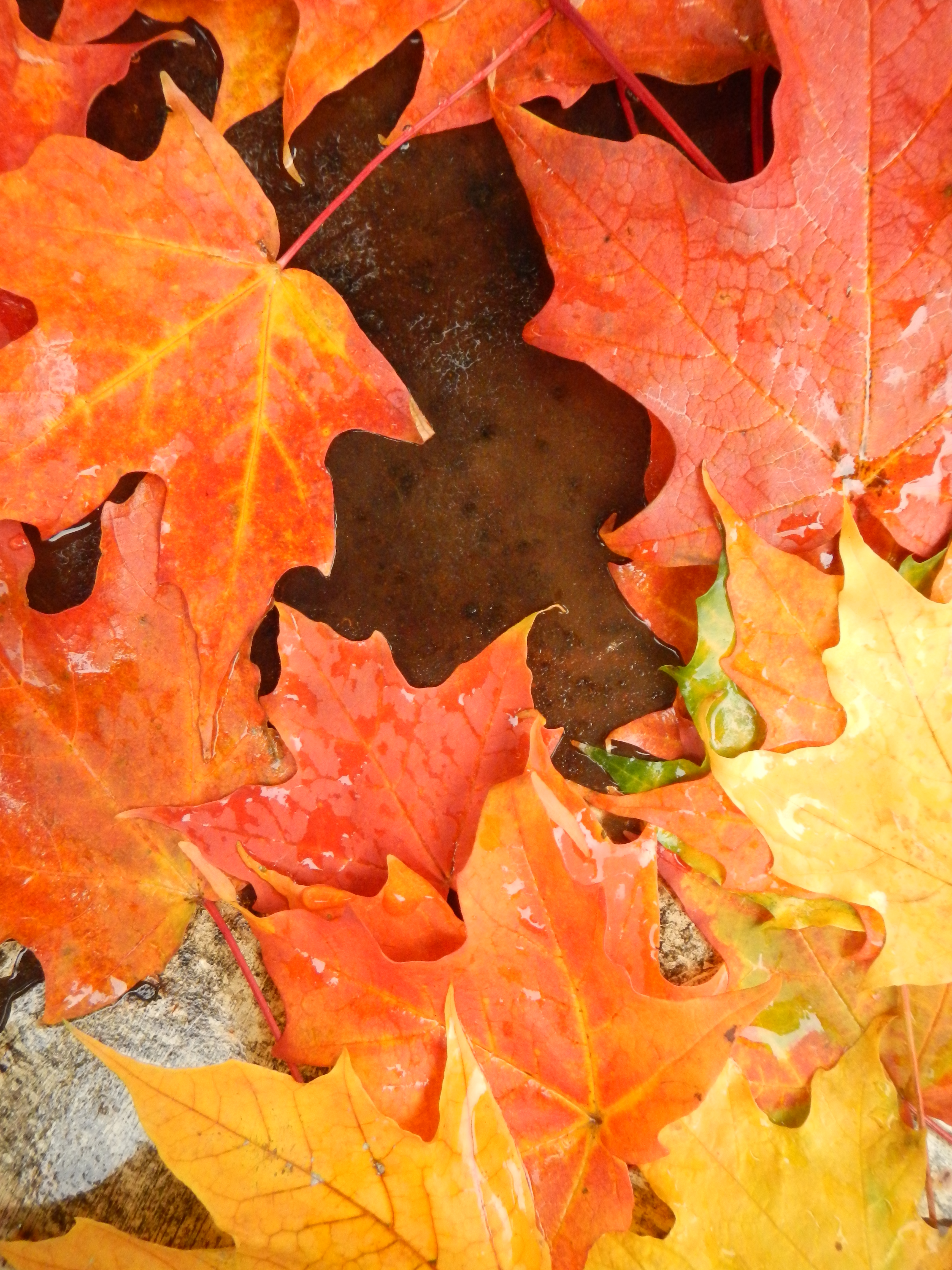
Louis Codet (1876-1914)
Papillons roux
.
Deux petits papillons roux
tourbillonnent, tourbillonnent
Deux petits papillons roux
tourbillonnent dans l’air doux
et tombe la feuille d’automne.
. . .
Red-headed butterflies
.
Two little redheaded butterflies, twisting and turning, swirling and whirling,
Two little redheaded butterflies, fluttering in the soft-sweet air
– and the leaves of Autumn fall.
. . .
Anne-Marie Chapouton (1939-2000)
Il pleut
.
Il pleut
Des feuilles jaunes,
Il pleut
Des feuilles rouges.
L’été va s’endormir,
Et l’hiver
Va venir
Sur la pointe
De ses souliers
Gelés.
. . .
It’s raining…
.
It’s raining yellow leaves,
it’s raining red.
Summer’s going to sleep now,
and Winter will come,
tiptoe-ing in frozen slippers.
. . .
Samivel (1907-1992)
Quand automne en saison revient
.
Quand automne en saison revient,
La forêt met sa robe rousse
Et les glands tombent sur la mousse
Où dansent en rond les lapins.
Les souris font de grands festins
Pendant que les champignons poussent.
Ah ! que la vie est douce, douce
Quand automne en saison revient.
. . .
When Autumn returns – in season…
.
When Autumn returns, in season,
The woods don a robe of red,
and acorns fall upon the moss
where rabbits dance ’round and around.
And mice make a great feast
as mushrooms push forth – and up.
Ah, how sweet life is
– when Autumn returns, in season!
. . .
Luce Fillol (née 1918…)
Feuille rousse, feuille folle
.
Feuille rousse, feuille folle
Tourne, tourne, tourne et vole !
Tu voltiges au vent léger
Comme un oiseau apeuré.
Feuille rousse, feuille folle !
Sur le chemin de l’école,
J’ai rempli tout mon panier
Des jolies feuilles du sentier.
Feuille rousse, feuille folle !
Dans le vent qui vole, vole,
J’ai cueilli pour mon cahier
La feuille rousse qui dansait.
. . .
Red leaf, crazy leaf
.
Red leaf, crazy leaf,
Turn, turn, turn and fly!
You flutter about in the slightest wind
like a skittish bird.
Red, crazy leaf – on the path to school,
I have filled my basket with pretty fallen leaves.
Red leaf, crazy – and a wind that flies!
I have gathered up to “press” in my notebook
those red-red dancing leaves.
. . .
Théophile Gautier (1811-1872)
La graine
.
Au clair de l’automne
Mon ami Pierrot ,
La petite feuille est morte ;
Ouvrez-lui la porte ;
Au clair de la laine
Est rangée sa graine.
Chut !
Fermez bien vos mains
Comme une boîte à bijoux ;
Il va pleuvoir jusqu’aux mois doux.
. . .
The Seed
.
In the clear light of Autumn
here’s my pal Pierrot,
and the little leaves are now dead;
Pierrot opens the door;
tidies up the seeds.
Hush!
Clasp shut your hands, like a jewel box;
the rain will come soon – and stay – until the sweet months return.
. . .
Raymond Richard
Le bel automne est revenu
.
À pas menus, menus,
Le bel automne est revenu
Dans le brouillard, sans qu’on s’en doute,
Il est venu par la grand’route
Habillé d’or et de carmin.
Et tout le long de son chemin,
Le vent bondit, les pommes roulent,
Il pleut des noix, les feuilles croulent.
Ne l’avez-vous pas reconnu ?
Le bel automne est revenu.
. . .
Beautiful Autumn’s back
.
On slender feet, with the slightest of steps,
comes Autumn, back again.
In a fog, yet there’s no doubt,
He came by the great wide highway.
Dressed in gold and crimson he is,
and the whole length of his path
are leaping winds and apples a-tumbling,
nuts raining down and leaves a-drooping.
Hey, haven’t you noticed?
Beautiful Autumn’s back!
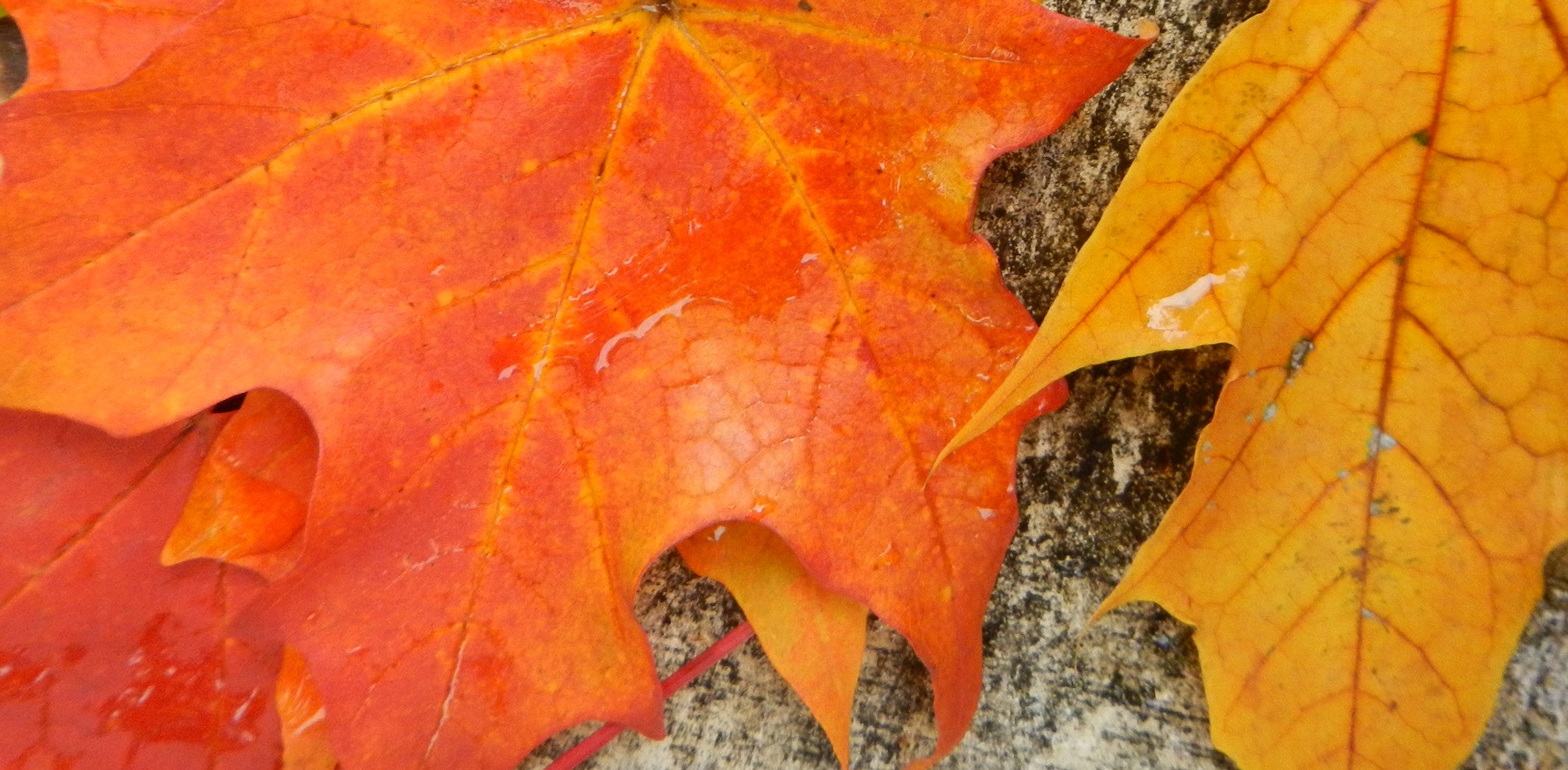
Lucie Delarue-Mardrus (1874-1945)
L’automne
.
On voit tout le temps, en automne,
Quelque chose qui vous étonne,
C’est une branche, tout à coup,
Qui s’effeuille dans votre cou.
C’est un petit arbre tout rouge,
Un, d’une autre couleur encor,
Et puis, partout, ces feuilles d’or
Qui tombent sans que rien ne bouge.
Nous aimons bien cette saison,
Mais la nuit si tôt va descendre !
Retournons vite à la maison
Rôtir nos marrons dans la cendre.
. . .
Autumn
.
One sees it, every time in Autumn,
something that amazes:
like a branch that all of a sudden
lands on your tail. Or
a little red tree, and others of another colour,
whose leaves of gold fall while all else is still.
How we love this season,
yet Night comes straightaway;
Quick, get home and turn those roasting chestnuts in the coals!
. . .
Maurice Rollinat (1846-1903)
Paysage d’octobre
.
Les nuages sont revenus,
Et la treille qu’on a saignée
Tord ses longs bras maigres et nus
Sur la muraille renfrognée.
La brume a terni les blancheurs
Et cassé les fils de la vierge ;
Et le vol des martins-pêcheurs
Ne frissonne plus sur la berge.
Les arbres se sont rabougris,
La chaumière ferme sa porte,
Et le joli papillon gris
A fait place à la feuille morte.
Plus de nénuphars sur l’étang ;
L’herbe languit, l’insecte râle,
Et l’hirondelle, en sanglotant,
Disparaît à l’horizon pâle.
. . .
October landscape
.
Clouds have returned…
and the climbing vine that bled
now reaches its skinny naked arms
all over the scowling wall.
Mist has tarnished the purity of – has broken –
the children of the virgin.
And the flight of the kingfishers
no longer quivers the riverbank.
Trees get stunted and the cottage shuts its doors;
the pretty grey butterfly
touches down upon a dead leaf.
There are more waterlilies in the pond;
the grass languishes and insects gasp.
And the purple martin, sobbing,
vanishes into a washed-out horizon…
. . .
Paul Verlaine (1844-1896)
Chanson d’automne
.
Les sanglots longs
Des violons
De l’automne
Blessent mon coeur
D’une langueur
Monotone.
Tout suffocant
Et blême, quand
Sonne l’heure
Je me souviens
Des jours anciens
Et je pleure.
Et je m’en vais
Au vent mauvais
Qui m’emporte
Deçà, delà,
Pareil à la
Feuille morte.
. . .
Song of Autumn
.
The long sob of Autumn’s violins wounds me to the core
with a monotonous inertia.
Everything’s drab, suffocating.
The clock strikes, I remember days of yore
– and I cry.
And here I come, wrapped in a malicious wind
that carries me this way, that way, and beyond
– just like a dead leaf.
.
Traductions en anglais: Alexander Best
. . . . .
Lloyd Schwartz: Hojas
Posted: October 14, 2014 Filed under: English, Spanish, ZP Translator: Alexander Best Comments Off on Lloyd Schwartz: Hojas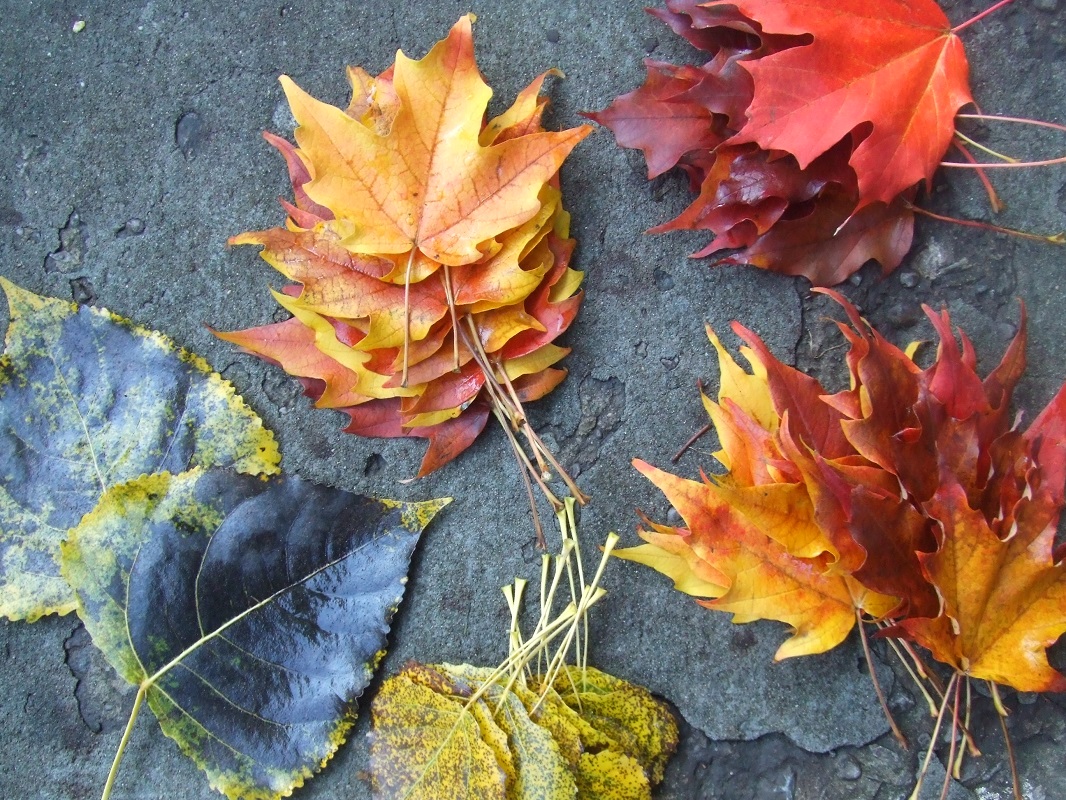
Lloyd Schwartz (born 1941, Brooklyn, New York)
Leaves
.
Every October it becomes important, no, necessary,
to see the leaves turning, to be surrounded
by leaves turning; it’s not just the symbolism,
to confront in the death of the year your death,
one blazing farewell appearance, though the irony
isn’t lost on you that nature is most seductive
when it’s about to die, flaunting the dazzle of its
incipient exit, an ending that at least so far
the effects of human progress (pollution, acid rain)
has not yet frightened you enough to make you believe
is real; that is, you know this ending is a deception
because of course nature is always renewing itself—
the trees don’t die, they just pretend,
go out in style, and return in style: a new style.
.
(1992)
. . .
Lloyd Schwartz (nacido 1941, Brooklyn, Nueva York)
Hojas
.
En octubre se vuelve importante
– no, necesario – que vemos el cambio de las hojas;
estar rodeado por la naturaleza cambiando sus colores.
Y no es sólo el simbolismo de una despedida flameante
y nuestra confrontación con la muerte del año
– y con nuestra propria muerte.
Aunque entendemos la ironía que
la naturaleza es la más seductor durante el desarrollo de su muerte
– fanfarroneando su resplandor en una salida incipiente –
sabemos algo sobre este final:
el efecto del progreso humano (la contaminación, la lluvia ácida)
aún no nos convence que el final es auténtico.
Creemos que es una decepción, porque, claro,
la naturaleza siempre se revigoriza;
no se mueren estos árboles, sólo fingen.
Salen con estilo y regresan en estilo: un nuevo estilo.
. . . . .
Hojas: Tres Poemas / Fallen Leaves: Three Poems
Posted: October 13, 2014 Filed under: English, Spanish, ZP Translator: Alexander Best Comments Off on Hojas: Tres Poemas / Fallen Leaves: Three Poems
Roque Dalton
Hojas
.
Hojas caídas
filos mudos de una delicada agresión
no es el otoño quien os vence.
Vosotros devoráis la tierra
hacéis de vuestra carne dorada a los pájaros
quemáis la boca de la nieve
que luego morirá ahumada y babeante.
Creemos que os pisamos
y en realidad sois quienes soportáis
nuestra pobre estatura.
Por eso os odiamos tanto como a nuestros héroes:
año con año os hacemos quemar.
Pero, ¡qué gran insulto nos significa la primavera!
. . .
Roque Dalton (1935-1975, El Salvador poet, journalist, revolutionary)
Leaves
.
Fallen leaves…
silent blades of a most delicate assault
– no, it’s not Autumn that vanquishes us.
.
All of you may one day devour this earth,
may make of your golden flesh something for the birds,
may yet burn your mouths upon snow,
you who’ll later die all smokey and drooling.
.
We do believe we’ll trample you
and that, in truth, you’ll be those that
bear the weight of this poor little statue that is Us.
.
For this reason we hate you so, as do our heroes;
year after year we will make you burn.
Oh, but what a huge insult signifies Spring!
. . .
Alicia M. Moreno
Hojas Amarillentas
.
Aquí ya se huele el otoño
pero quedan los poemas,
aferrados al recuerdo,
tal vez los niegas,
y quieras borrar la tinta,
pero es indeleble.
Así como el alma
de quien te hizo verbo,
de un sencillo poema,
de amor sublime,
y libre de culpas.
Y así llegará el otoño
para regalarte la primavera,
llena de colores y de amor,
aquí, hojas amarillentas
se alfombra de hojarasca,
el camino donde te busco.
. . .
Alicia M. Moreno
Yellowing Leaves
.
Already here it smells of Autumn
– but the Poem remains,
clinging to memory,
perhaps denying it, too;
and though you might wish to erase the ink,
it’s indelible.
As from the soul that gave words to a simple poem,
a poem of sublime love,
a love that’s free of blame – faultless.
And, as Autumn is coming so as to gift you with Spring,
Autumn full of colours, full of love…
Here the yellowing leaves become a carpet of the fallen, the dried-up:
this is the road along which I search for you.
. . .
Las Hojas (poema escolar)
Autor anónimo
.
Entre la neblina
de la mañanita
se viene el otoño
por mi callecita.
Se sube a los árboles
y pinta las hojas:
unas amarillas
y las otras rojas.
Cuando están pintadas
las sopla un poquito
y vuelan las hojas
como pajaritos!
Y juegan las hojas
sobre la vereda
con el remolino
a la rueda…
Si el viento se cansa
buscan otro juego:
juegan en la hoguera
a ser humo y fuego.
…Y en la nochecita,
entre la neblina,
las mira el otoño
parado en la esquina.
. . .
Leaves (a “teaching” poem)
Anonymous
.
In the mist of early dawn comes Autumn to my little street…
Rising up the trees to paint the leaves – some yellow, others red.
And once “painted” they kind of blow about then fly just like the birds,
or they’ll whirl around like a wheel in motion.
And if the wind tires of them they’ll find another game:
playing in a bonfire – becoming smoke and flame.
And at dusk you’ll see them, in a mist, at the corner:
Leaves of Autumn.
. . . . .
Oración para el Día de Acción de Gracias / A Thanksgiving Prayer
Posted: October 13, 2014 Filed under: English, Spanish, ZP Translator: Alexander Best | Tags: Día de Acción de Gracias (Canada), Poemas para el Día de Acción de Gracias, Poems for Thanksgiving Comments Off on Oración para el Día de Acción de Gracias / A Thanksgiving Prayer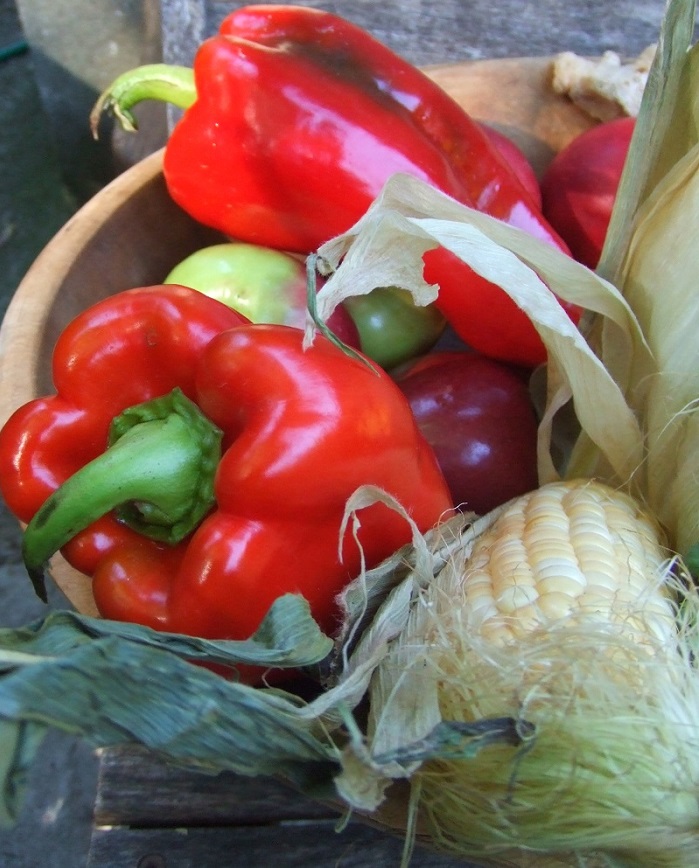
Gracias, Señor, por el pan que nos das para aplacar el hambre. Por la risa del niño que se vuelve caricia. Por el mar y la nube. Por el don de sentir a plenitud la vida.
Gracias por cada hora, aún cuando no todas sean iguales de buenas. Gracias por el valor de la mariposa que enciende sin conciencia de su milagro, un pabilo de ensueño. Gracias, Señor, por los espejos maravillosos del mirar de nuestros padres y nuestras mentes. Por la amistad que prolonga ese sereno privilegio de ser hermanos.
Gracias por la lluvia fuerte, por la llovizna bienhechora, por haber puesto trinos y alas en las ramas. Gracias por cada gota de rocío y por el arcoiris y por el árbol que madruga su júbilo en el fruto.
Gracias, Señor, por el ayer que se prendió al recuerdo, por el hoy que vivimos, y por la mañana que nos espera con sus brazos repletos de misterio. Gracias, a través de mis labios, desde mi alma, en nombre de aquellos que se olvidaron de dártelas, en nombre de los que somos – y los que seremos.
Gracias por toda la eternidad.
.
(Oración por cortesía de Nanny Scherer de Reseda/San Fernando, California)
. . .
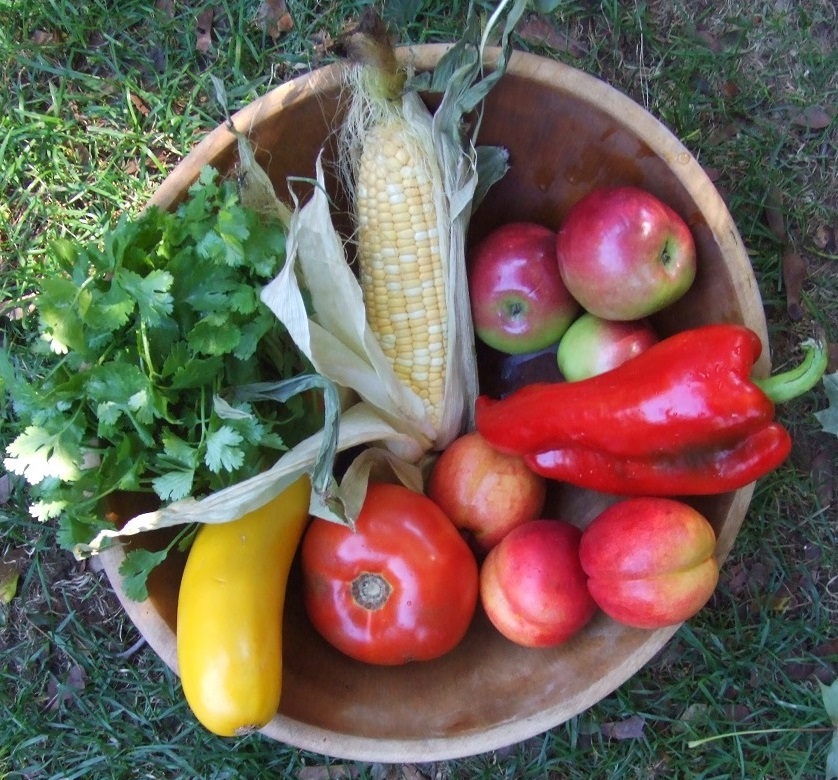
Thank you, Lord, for the bread which allays our hunger; for the laughter of children that so touches us; for the sea, the clouds; for this gift of feeling the fullness of Life.
Thank you for each hour of the day, though not all moments be great; for the brave butterfly who, unbeknownst to its miracle-self, lights the wick of our dreams.
Thank you, Lord, for the marvellous reflection of ourselves to be found in family – and within our very minds; for friendships that lengthen this profound privilege of Being Human.
We give thanks for the driving rain, and for kindly drizzles; for trills in the air and wings upon branches; for every drop of dew – and for rainbows; for the tree jubilant with fruit.
Lord, thank you for those yesterdays that cradle memory, this right-now in which we live, and the tomorrow which awaits us with its mystery embrace. And, finally, my lips speak these words from my soul: I thank you in the name of those I forget to name, and in the name of who we really are and who we shall yet truly become.
– Eternal Thanks!
.
We are grateful to Nanny Scherer of Reseda/San Fernando, California, for this special Thanksgiving Prayer!
. . . . .
Día de Acción de Gracias: Oración de Agradecimiento Maya / A Mayan Prayer of Gratitude
Posted: October 13, 2014 Filed under: English, Spanish, ZP Translator: Alexander Best | Tags: Día de Acción de Gracias (Canada), Poemas para el Día de Acción de Gracias, Poems for Thanksgiving Comments Off on Día de Acción de Gracias: Oración de Agradecimiento Maya / A Mayan Prayer of Gratitude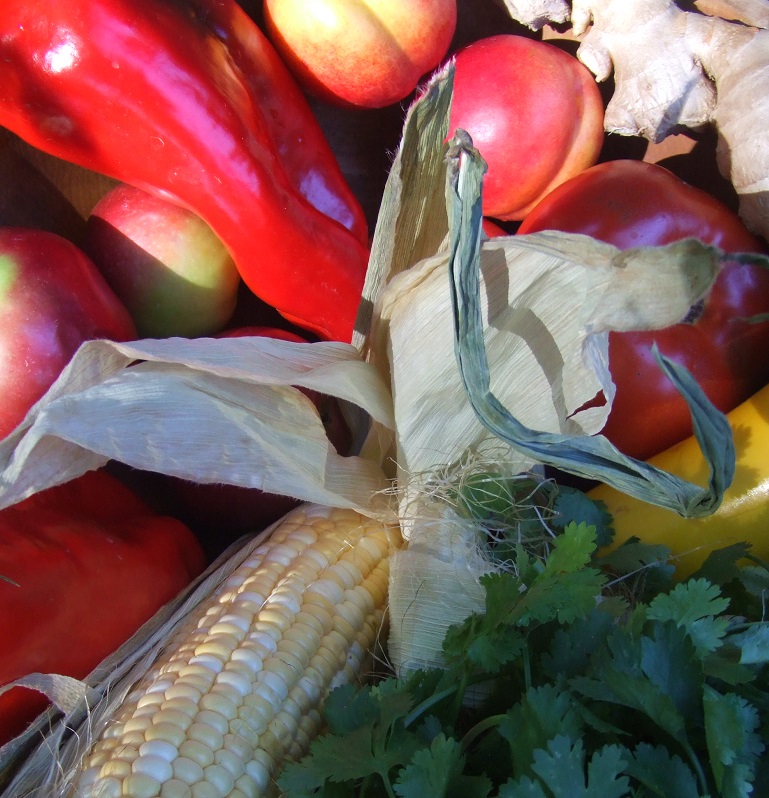
Oración de Agradecimiento Maya (Guatemala)
.
A la Madre Tierra,
gracias.
Al agua de la vida,
gracias.
Al precioso aire,
gracias.
Al fuego sagrado,
gracias.
A los minerales,
gracias.
A las plantas,
gracias.
A los animales,
gracias.
A la humanidad que camina por el camino de la evolución,
gracias.
Al océano de amor que creó mi sensibilidad,
gracias.
A la vida universal que me impregnó con la semilla de la individualidad,
gracias.
A todos los seres del mundo,
gracias.
A todos los seres de todos los planetas,
gracias.
A las abuelas y los abuelos guardianes de los cuatro puntos cardinales,
gracias.
. . .
A Prayer of Gratitude (translation from the Spanish via the Maya of Guatemala)
.
To Mother Earth,
thanks.
To the Water of Life,
thanks.
To precious Air,
thanks.
To sacred Fire,
thanks.
Thank you – minerals, plants and animals.
Thank you – humanity walking along evolution’s road.
To the ocean of love that created my awareness, my sensitivity
– thanks.
To universal Life, that which imbued me with the seed of my individuality
– thanks.
To every Being on this earth – I say thank you;
and to all Beings on other planets.
And I give thanks to the guardian Ancestors of the four cardinal points.
. . .
Oración Maya de los Cuatro Puntos Cardinales
.
Gran Creador, Tú nos formaste, Corazón del Cielo,
Corazón de la Tierra:
Te damos gracias por habernos creado.
Dios del Trueno, Dios de la lluvia:
Desde la salida del sol buscamos la paz en el mundo entero.
Que haya libertad, tranquilidad, salud para todos
tus hijos que viven en el Este, donde el sol se levanta.
.
Te pedimos también, a la puesta del sol,
hacia el Oeste, que todo sufrimiento, toda pena,
todo rencor terminen, como el día termina.
.
Que tu luz ilumine los pensamientos,
las vidas de los que lloran, de los que sufren,
de los que están oprimidos, de los que no han oído.
.
Rogamos hacia el Sur,
donde el Corazón del Mar purifica toda corrupción,
enfermedad, pestilencia.
Danos fortaleza, para que nuestras voces
lleguen a tu corazón, a tus manos y a tus pies.
Nos postramos delante de Ti
con nuestras ofrendas, invocándote día y noche.
.
Rogamos hacia el Norte,
desde los cuatro puntos cardinales de este mundo,
confiando en que El Corazón del Viento
llevará hasta tus oídos la voz, el clamor de tus hijos.
.
Oh Gran Creador, Corazón del Cielo,
Corazón de la Tierra – Nuestra Madre:
Danos vida, mucha vida y una existencia útil,
para que nuestros pueblos encuentren
la paz en todas las naciones del mundo.
. . .
Mayan Prayer to the East, West, South and North
.
Great Creator, Heart of the Sky and the Earth – you made us;
we give you thanks for having created us.
God of thunder, God of rain:
At the coming up of the sun we search for peace this world over.
That there be freedom, serenity, and health for all people
– for your children who live to the East, where rises the sun.
.
We also ask that, at the sinking of the sun to the West,
that all suffering, pain, that all anger, finish – just as the day finshes also.
.
That your light may illumine the thoughts of, the lives of, those who shed tears,
those who are oppressed, those who have not heard…
.
And we pray toward the South, where the Heart of the Sea purifies all that is corrupt,
ill, or pestilent.
Give us fortitude that our voices may reach you – heart, hands, feet.
Before you we kneel with our offerings; we invoke you, day and night.
.
And we turn toward the North and pray, trusting that the Heart of the Wind
will carry to your ears the voices and the cries of your children.
.
Oh Great Creator – Heart of both Sky and Earth (Our Mother):
give us Life, much of it, and give us a useful existence
so that all villages will find peace in every nation of the world.
. . . . .
Rabindranath Tagore: “Ella” y “El camino cerrado”
Posted: September 28, 2014 Filed under: English, Rabindranath Tagore, Rabindranath Tagore: "Ella" + "El Camino Cerrado", Spanish, ZP Translator: Alexander Best | Tags: Poemas del Alma Comments Off on Rabindranath Tagore: “Ella” y “El camino cerrado”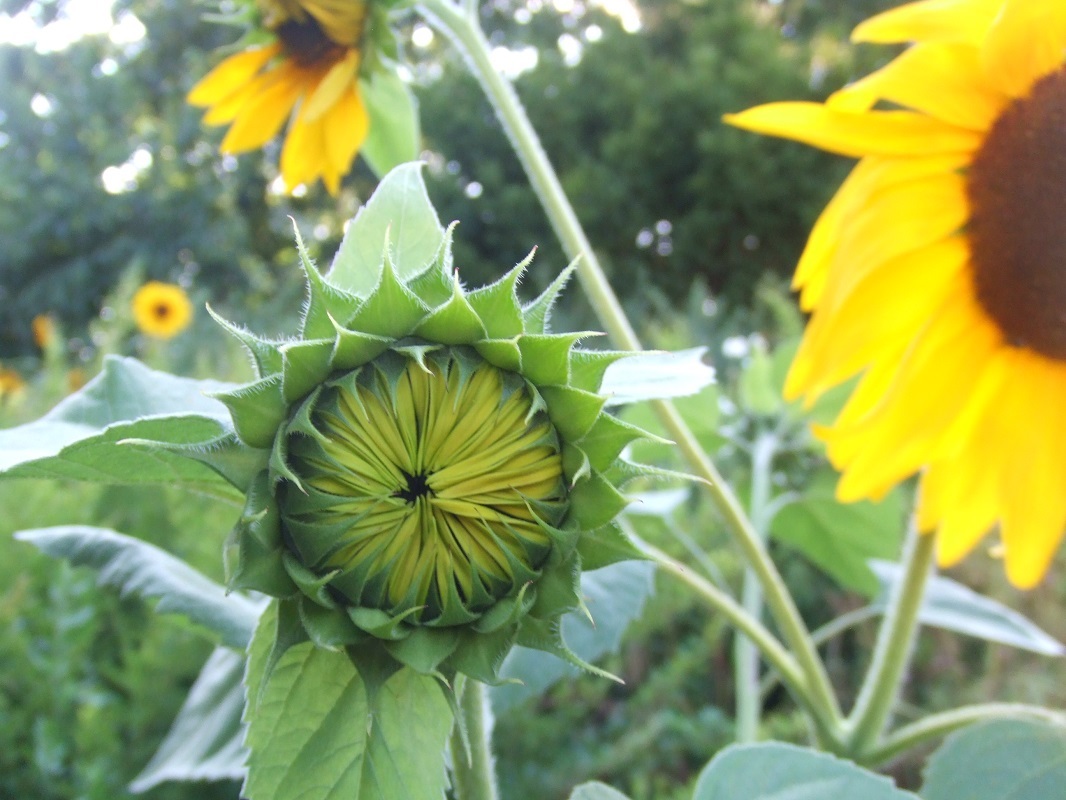
Rabindranath Tagore (poeta bengalí, 1861-1941)
Ella
.
Ella, quedando en lo más hondo de mí,
en el crepúsculo de resplendores y ojeadas;
ella, que nunca abrió sus velos en la luz del alba,
será mi regalo definitivo para Tí, mi Dios, plegado en mi canto final.
Las palabras han cortejado a ella y fracasaron alcanzarle;
la persuasión se ha estirazo sus brazos ardientes en vano.
He vagabundeado país por país guardándole en la médula de mi corazón,
y el desarrollo y declive de mi vida han subido y caído alrededor de ella.
Reinó sobre mis pensamientos y acciones, mis reposos y sueños,
pero moró solitaria, alejada.
Muchos hombres tocaron a mi puerta, preguntando por ella,
y dieron la espalda en desesperanza.
No hubo nadie en este mundo que le vieron cara a cara,
y ella permaneció en su soledad, esperando para tu reconocimiento.
. . .
She
.
She who ever had remained in the depth of my being,
in the twilight of gleams and of glimpses;
she who never opened her veils in the morning light,
will be my last gift to Thee, my God, folded in my final song.
Words have wooed yet failed to win her;
persuasion has stretched to her its eager arms in vain.
I have roamed from country to country keeping her in the core of my heart,
and around her have risen and fallen the growth and decay of my life.
Over my thoughts and actions, my slumbers and dreams,
she reigned yet dwelled alone and apart.
Many a man knocked at my door and asked for her
and turned away in despair.
There was none in the world who ever saw her face to face,
and she remained in her loneliness waiting for Thy recognition.
. . .
El Camino Cerrado
.
Yo había creído que mi periplo llegaba a su fin,
al último límite de mi fuerza;
que el camino delante de mí fue cerrado,
que se agotaron las provisiones,
y llegaba la hora de buscar un refugio en una silenciosa oscuridad.
.
Pero estoy descubriendo que, adentro de mí, no hay fin de Tu voluntad.
Y cuando se pierden palabras sobre la lengua
hay nuevas melodías que brotan del corazón;
y donde se pierden los viejos rostros
hay un nuevo país que se develará con sus maravillas.
. . .
Closed Path
.
I thought that my voyage had come to its end
at the last limit of my power – that the path before me was closed,
that provisions were exhausted,
and the time come to take shelter in a silent obscurity.
But I find that Thy will knows no end in me.
And when old words die out on the tongue,
new melodies break forth from the heart;
and where the old tracks are lost,
new country is revealed with its wonders.
. . . . .
Alicia Claudia González Maveroff: It depends, doesn’t it? / Depende…
Posted: September 23, 2014 Filed under: Alicia Claudia González Maveroff, English, Spanish, ZP Translator: Alexander Best | Tags: Poemas para el Cambio de Estaciones Comments Off on Alicia Claudia González Maveroff: It depends, doesn’t it? / Depende…
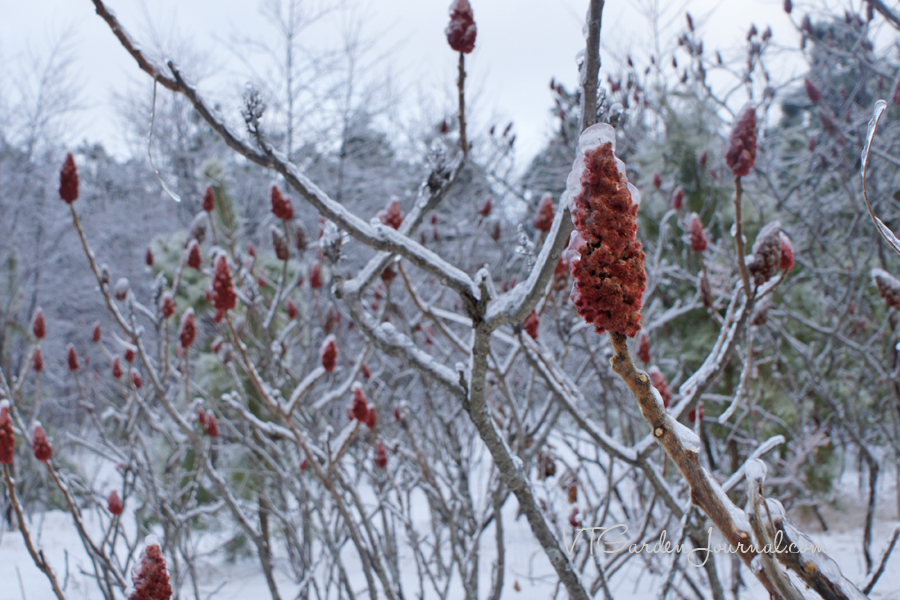
Zumaque canadiense durante el invierno_Sumac in winter_Canadá
 Zócalo Poets