Poemas elegidos para honrar el cumpleaños de Martin Luther King, Jr.: Goldsmith, Wordsworth, Larkin, Hughes, Cummings
Posted: January 15, 2014 Filed under: Spanish | Tags: Cumpleaños de Martin Luther King Comments Off on Poemas elegidos para honrar el cumpleaños de Martin Luther King, Jr.: Goldsmith, Wordsworth, Larkin, Hughes, Cummings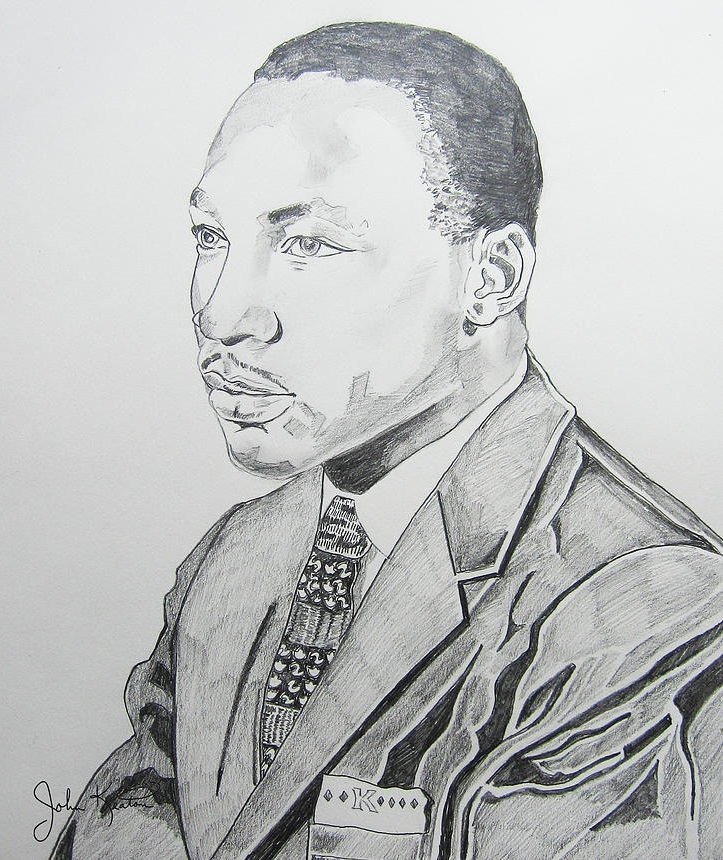
“– hasta que corra el juicio como las aguas, y la justicia como impetuoso arroyo” (Amos 5:24)
.
Oliver Goldsmith (1730-1774)
“La Esperanza”
.
La esperanza, al igual que un hilo de luz resplandeciente,
adorna y anima nuestro camino;
aun en la más oscura noche,
emite un rayo más brillante.
. . .
William Wordsworth (1770-1850)
“Cuando comtemplo, mi corazón salta”
.
Mi corazón salta cuando contemplo
un arco iris en el cielo:
Así fue cuando mi vida comenzó;
así es ahora que soy un hombre;
así será cuando envejezca,
¡O me deje morir!
El niño es el padre del hombre;
y desearía que mis días estén
uno a uno ligados a la piedad natural.
. . .
Philip Larkin (1922-1985)
“Los árboles”
.
Los árboles ya comienzan a brotar
como algo casi a punto de ser dicho;
los nuevos tallos descansan y se propagan,
su verdor es una especie de tristeza.
.
¿Se trata de que ellos nacen nuevamente
y nosotros nos hacemos más viejos? No, ellos también mueren.
Su truco anual de lucir nuevos
se inscribe en sus fibras en anillos.
.
Sin embargo, los incansables castillos desgranan
su gruesa madurez cada primavera.
Ha muerto el último año, parecen decir,
comencemos otra vez, otra vez, otra vez.
. . .
Langston Hughes (1902-1967)
“Sueños”
.
Aférrate a tus sueños,
pues si mueren
La vida es un ave con las alas rotas
que no se puede elevar.
.
Aférrate a tus sueños,
Pues cuando se van
La vida es un campo muerto
Congelado por la nieve.
. . .
e.e.cummings (1894-1962)
“el amor es un lugar”
.
el amor es un lugar
y a través de este lugar de
amor
mueven
(con la inteligencia de paz)
todos los lugares
.
sí es un mundo
y en este mundo de
sí viven
(hábilmente rizados)
todos los mundos
. . . . .
Maya Angelou: “A pesar de todo – me levanto” / “Still I Rise”
Posted: January 15, 2014 Filed under: English, Maya Angelou, Spanish Comments Off on Maya Angelou: “A pesar de todo – me levanto” / “Still I Rise”
Maya Angelou (Marguerite Ann Johnson) (St. Louis, Missouri, 1928- )
“A pesar de todo – me levanto”
.
Podrás inscribirme en la historia
Con tus mentiras amargas y retorcidas,
Podrás arrastrarme en la basura misma
Y a pesar de todo, como el polvo, me levantaré.
.
¿Te desconcierta mi insolencia?
¿Por qué te acosa la melancolía?
Porque camino como si tuviese pozos de petróleo
Bombeando en mi sala de estar.
.
Igual que las lunas y los soles,
Con la certeza de las mareas,
Igual que las esperanzas que alto vuelan
A pesar de todo me levantaré.
.
¿Querías verme destruida?
¿Con la cabeza inclinada y los ojos cerrados?
Los hombros caídos como lágrimas.
Debilitada por mis gritos conmovedores.
.
¿Te ofende mi arrogancia?
No lo tomes tan a mal
Porque me río como si tuviera minas de oro
Cavándose en el patio de atrás.
.
Puedes dispararme las palabras,
Puedes cortarme con los ojos,
Puedes matarme con tu odio,
Y a pesar de todo, como el aire, me levantaré.
.
¿Te desconcierta mi sensualidad?
¿Te resulta una novedad
Que baile como si tuviera diamantes
En el medio de mis muslos?
.
Desde los cobertizos de una vergüenza histórica
Me levanto
De un pasado enraizado en el dolor
Me levanto
Soy un océano negro, impetuoso y extenso,
Fluyendo y embraveciendo soporto la marea.
Dejando atrás noches de espanto y miedo
Me levanto
En un nuevo día asombrosamente claro
Me levanto
Con los talentos que mis ancestros dieron,
Yo soy el sueño y la esperanza del esclavo.
Me levanto
Me levanto
Me levanto.



“Still I Rise”
.
You may write me down in history
With your bitter, twisted lies,
You may tread me in the very dirt
But still, like dust, I’ll rise.
.
Does my sassiness upset you?
Why are you beset with gloom?
‘Cause I walk like I’ve got oil wells
Pumping in my living room.
.
Just like moons and like suns,
With the certainty of tides,
Just like hopes springing high,
Still I’ll rise.
.
Did you want to see me broken?
Bowed head and lowered eyes?
Shoulders falling down like teardrops.
Weakened by my soulful cries.
.
Does my haughtiness offend you?
Don’t you take it awful hard
‘Cause I laugh like I’ve got gold mines
Diggin’ in my own back yard.
.
You may shoot me with your words,
You may cut me with your eyes,
You may kill me with your hatefulness,
But still, like air, I’ll rise.
.
Does my sexiness upset you?
Does it come as a surprise
That I dance like I’ve got diamonds
At the meeting of my thighs?
.
Out of the huts of history’s shame
I rise
Up from a past that’s rooted in pain
I rise
I’m a black ocean, leaping and wide,
Welling and swelling I bear in the tide.
Leaving behind nights of terror and fear
I rise
Into a daybreak that’s wondrously clear
I rise
Bringing the gifts that my ancestors gave,
I am the dream and the hope of the slave.
I rise
I rise
I rise.
. . .
Fotos / Photos:
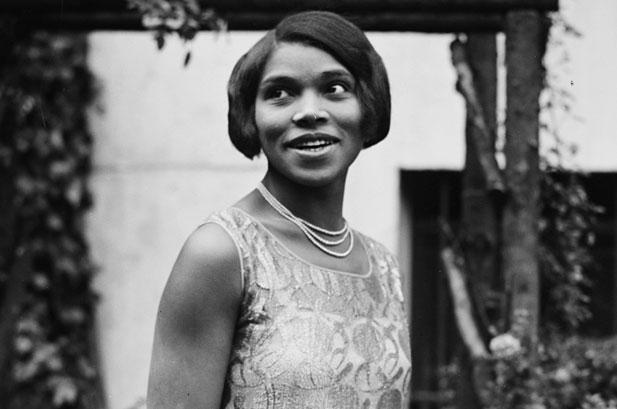
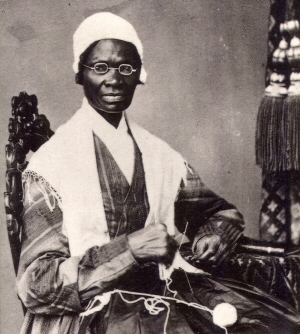
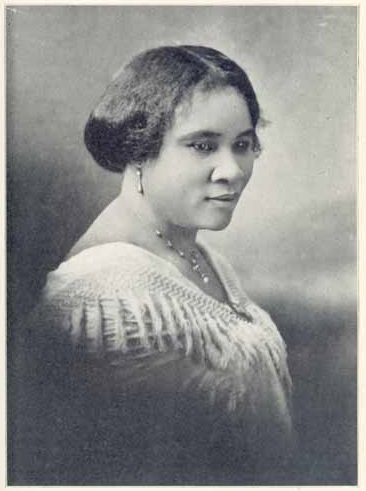
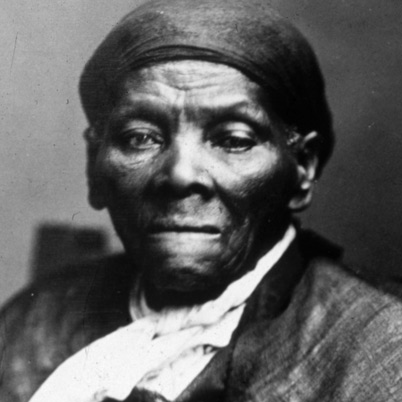
Bell Hooks, Rosemary Brown, Tina Turner, Marian Anderson, Zora Neale Hurston, Madam C. J. Walker, Dr. Susan S. McKinney Steward, Susan Paul Smith Vashon, Frances Ellen Watkins Harper, Harriet Tubman, Sojourner Truth
. . . . .
Alexander Best: Once Haikus: “Deshielo en Enero” / Eleven Haiku: “Mid-Winter Thaw”
Posted: January 15, 2014 Filed under: Alexander Best, English, Spanish | Tags: Haiku written in English, Haikus escritos en español Comments Off on Alexander Best: Once Haikus: “Deshielo en Enero” / Eleven Haiku: “Mid-Winter Thaw”
Alexander Best
Once Haikus: “Deshielo en Enero” / Eleven Haiku: “Mid-Winter Thaw”
.
– 22
Pues + 7 grados
Días bipolares
.
– 22
Then suddenly it’s + 7
Winter mood swing
.
¡Odio el enero cuándo me da un ambiente de abril!
.
7 degrees celsius?
Winter, don’t die.
Snow is my state of mind.
.
Diamantes de sal
Hielo – Lluvia
Banqueta Torontoniense
.
Rough-diamond rock-salt
Sheets of ice – with rivulets
Toronto sidewalk
.
Navidad
– ¡ido!
Mente d’enero
¿Me quiero a mí mismo?
.
Half way through Winter
Dead Christmas trees and dog poop
Spring stink in the air
.
Ay, Invierno se va
¿Dónde están mis tormentas de nieve?
.
January thaw
Winter beauty turns ugly
Snowstorms, where are you?
.
Luna – ¿Sonrisa,
Rodaja de sandía?
¡No llega Verano!
.
Moon – half frozen smile –
Or slice of watermelon?
Don’t want Summer now!
.
Nubes moviendos
Sol – un disco pálido
Días peores
.
Sun – a pale grey disc
Clouds beetle across the sky
These days are the worst
.
El Enojo camina
Soy de hielo
Calle ciega
.
January days
Rarely I answer my cell
Why am I angry?
.
Pájaro “Sitta”
Dándalo vuelta
Soy feliz de nuevo
.
Nasal-voiced “Nuthatch”
Comical upside-down bird
Briefly I’m happy
.
Fumo mi puro
Ojos de un mapache
Noche d’enero
.
Smoking my cigar
Raccoon eyes gazing at me
January night
.
Hielo + Calor
Sentimientos complejos
El Amor crece
.
Mid-Winter warm spell
Complexity of feelings
Love grows by degrees
.
 .
.
[ Dice el canadiense: “No comas la nieve amarilla.” :-<> ]
Nota del poeta/editor:
Escribí estos veintidós haikus en los dos idiomas “hombro a hombro” – cada par está emparentado pero no hay traducciones; hice once poemas originales en español y once poemas originales en inglés. Intenté seguir (casi) las normas rudimentarias del haiku japonés:
Diecisiete sílabas en tres líneas divididas en 5-7-5
Usar una palabra de estación o una referencia estacional
Siempre escribir en tiempo presente de “aquí” y “ahora”
Un elemento sorprendente en la tercera línea
. . .
Poet’s/editor’s note:
I wrote these twenty-two Haiku “side by side” in Spanish and in English. They are not translations from one another though each “pair” is closely related in theme. I have tried to follow (mostly) the basic rules from Japanese Haiku:
17 syllables in 3 lines, divided 5-7-5
Use a Season word or a seasonal reference
Always write in the present tense – the Here and Now
A surprise element in line 3
. . . . .
Rubén Darío: Los Tres Reyes Magos / The Three Wise Kings
Posted: January 6, 2014 Filed under: English, Rubén Darío, Spanish | Tags: Rubén Darío Comments Off on Rubén Darío: Los Tres Reyes Magos / The Three Wise Kings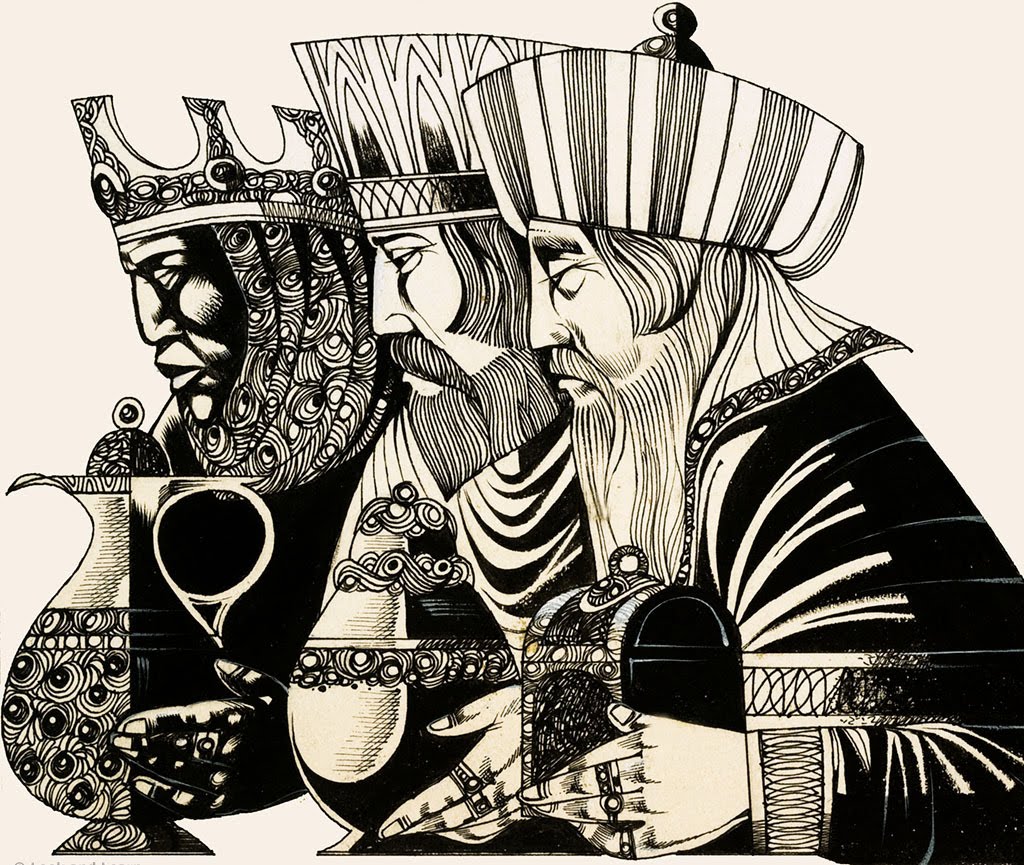
Rubén Darío (Nicaragua, 1867-1916)
Los Tres Reyes Magos
.
Yo soy Gaspar. Aquí traigo el incienso.
Vengo a decir: La vida es pura y bella.
Existe Dios. El amor es inmenso.
¡Todo lo sé por la divina Estrella!
.
Yo soy Melchor. La mirra aroma todo.
Existe Dios. Él es la luz del día.
La blanca flor tiene sus pies en lodo.
¡Y en el placer hay la melancolía!
.
Yo soy Baltasar. Traigo el oro. Aseguro
que existe Dios. Él es el grande y fuerte.
Todo lo sé por el lucero puro
que brilla en la diadema de la Muerte.
.
Gaspar, Melchor y Baltasar, callaos.
Triunfa el Amor, y a su fiesta os convida.
¡Cristo resurge, hace la luz del caos
y tiene la corona de la Vida!
. . .
Rubén Darío
(Nicaraguan poet and founder of the “Modernismo” literary movement, 1867-1916)
The Three Wise Kings
.
My name is Kaspar. I the incense bear.
The glimmer of the Star has made me wise.
I say that love is vaster than the skies.
God exists. And Life is pure and fair.
.
My name is Melchior. And my myrrh scents all.
There is a God. He is the light of the morn.
And the fairest blossoms from dust are born,
And joy is shadowed by a melancholic pall.
.
My name is Balthazar. I bring a wreath
Of Orient gold, my gift. I come to say
That God does exist. I know all this by the ray
Of starry light upon the crown of Death.
.
Balthazar, Melchior, Kaspar – be all ye still.
Love triumphs and has bid you to His feast.
Radiance fills the chaos void, and night has ceased:
Wearing Life’s crown, Christ comes to work His Will!
.
English translation by Nicaraguan poet Salomon de la Selva
Versión inglés por Salomon de la Selva (poeta nicaragüense)
. . . . .
Poema para Epifanía: “El Viaje de los Reyes Magos” / Poem for Epiphany: “The Journey of The Magi”: T.S. Eliot
Posted: January 6, 2014 Filed under: English, Spanish, T. S. Eliot Comments Off on Poema para Epifanía: “El Viaje de los Reyes Magos” / Poem for Epiphany: “The Journey of The Magi”: T.S. Eliot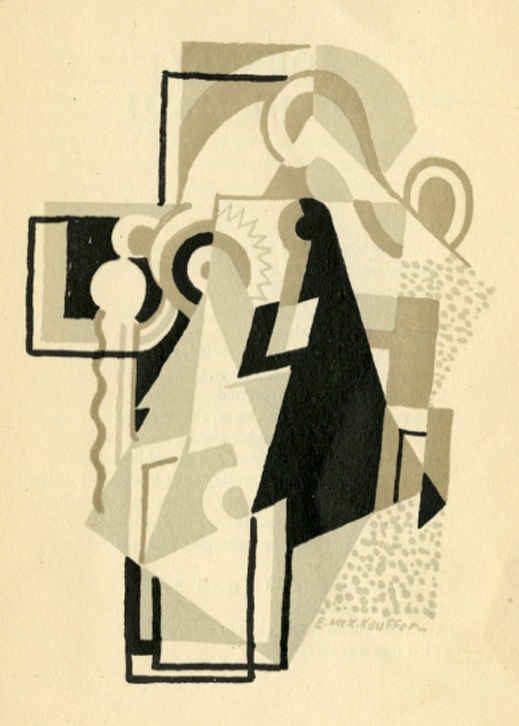
ZP_Ilustración por Edward McKnight Stauffer de la edición 1927 del poema_Edward McKnight Stauffer’s illustration for the original 1927 edition of Eliot’s poem
Thomas Stearns Eliot (T.S.Eliot) (1888-1965)
“El Viaje de los Reyes Magos” (1927)
.
“Fue una partida fría, justamente
La época peor del año para un viaje,
Y un largo viaje como el nuestro:
Los caminos ruinosos y los climas punzantes,
La verdadera muerte del invierno.”
Y los camellos se llagaban,
Las patas lastimadas, refractarios,
Se echaban en la nieve derretida.
Sentíamos a veces la añoranza
De los palacios en verano
Sobre suaves laderas, las terrazas,
Y las chicas sedosas trayendo los refrescos.
Luego, los camelleros con sus protestas y blasfemias,
Que huían, o pedían licores y mujeres,
Y en la noche los fuegos se apagaban,
Y no encontrábamos refugios, y eran
Hostiles las ciudades, desconfiados los pueblos
Y las aldeas sucias, todos recargando los precios:
Fueron días difíciles. Al fin,
Preferimos viajar toda la noche,
Durmiendo a ratos,
Con las voces cantando en nuestro oído,
Diciéndonos que todo, todo era una locura.
.
Luego, al alba, bajamos hasta un valle templado,
Húmedo, al pie de la línea de nieve, fragante de espesura,
Con un torrente y un molino de agua que batía la sombra con sus aspas,
Y tres árboles solos contra un cielo cercano.
Y un viejo caballo blanco huyó al galope sobre la pradera.
Después llegamos a una fonda que encima del dintel tenía hojas de parra,
Por una puerta abierta seis manos que jugaban a los dados por monedas de plata
Y unos pies que pateaban unos odres vacíos.
Pero no había información, y continuamos
Y así llegamos al anochecer, encontrando el lugar
En el momento justo… Fue (me podrían decir) satisfactorio.
.
Todo esto fue hace mucho, lo recuerdo,
Y lo haría de nuevo, pero aclarando antes,
Esto aclarando,
Esto: ¿fuimos guiados
Durante todo ese camino para
Un Nacimiento o una Muerte?
Hubo, por cierto, un Nacimiento,
No hay dudas, lo pudimos comprobar.
Yo había visto nacimientos y muertes,
Pero había pensado que eran algo distinto;
Este otro Nacimiento para nosotros fue
Una agonía ardua y amarga, como la Muerte, nuestra muerte.
Regresamos así a nuestros países, a nuestros Reinos,
Pero ya no hubo paz para nosotros,
Aquí en los viejos usos, con un pueblo
De extraños aferrados a sus dioses.
Yo querría morir con otra muerte.
.
© 1997 Versión de Pablo Anadón (poeta/traductor argentino)
. . .
Thomas Stearns Eliot (T.S.Eliot) (1888-1965)
“The Journey Of The Magi” (1927)
.
‘A cold coming we had of it,
Just the worst time of the year
For a journey, and such a long journey:
The ways deep and the weather sharp,
The very dead of winter.’
And the camels galled, sorefooted, refractory,
Lying down in the melting snow.
There were times we regretted
The summer palaces on slopes, the terraces,
And the silken girls bringing sherbet.
Then the camel men cursing and grumbling
and running away, and wanting their liquor and women,
And the night-fires going out, and the lack of shelters,
And the cities hostile and the towns unfriendly
And the villages dirty and charging high prices:
A hard time we had of it.
At the end we preferred to travel all night,
Sleeping in snatches,
With the voices singing in our ears, saying
That this was all folly.
.
Then at dawn we came down to a temperate valley,
Wet, below the snow line, smelling of vegetation;
With a running stream and a water-mill beating the darkness,
And three trees on the low sky,
And an old white horse galloped away in the meadow.
Then we came to a tavern with vine-leaves over the lintel,
Six hands at an open door dicing for pieces of silver,
And feet kicking the empty wine-skins.
But there was no information, and so we continued
And arriving at evening, not a moment too soon
Finding the place; it was (you might say) satisfactory.
.
All this was a long time ago, I remember,
And I would do it again, but set down
This, set down
This: Were we led all that way for
Birth or Death? There was a Birth, certainly
We had evidence and no doubt. I had seen birth and death,
But had thought they were different; this Birth was
Hard and bitter agony for us, like Death, our death.
We returned to our places, these Kingdoms,
But no longer at ease here, in the old dispensation,
With an alien people clutching their gods.
I should be glad of another death.
. . . . .
Haikus de Invierno: Bashô, Buson, Etsujin, Hashin, Issa, Jokun, Onitsura, Senkaku, Yaba y Yasô
Posted: January 1, 2014 Filed under: Japanese, Spanish | Tags: Haiku Comments Off on Haikus de Invierno: Bashô, Buson, Etsujin, Hashin, Issa, Jokun, Onitsura, Senkaku, Yaba y Yasô
Haikus de Invierno:
Los poetas japoneses en versiones del traductor chileno, Alberto Silva
. . .
Al gong le confieso:
quiera yo o no quiera,
soy un año más viejo
[Jokun]
年とらぬつもりなりしが鐘の鳴る 助葷
Toshi toranu tsumori narishi ga kane no naru
.
De cualquier modo,
¡de ti pende mi vida,
fin de año!
[Issa]
ともかくもあなた任せのとしの暮 一茶
Tomokaku mo anata makase no toshi no kure
.
Vuelvo a mi pueblo
para fin de año
(lazos de sangre rotos,
nostalgia, llanto)
[Bashô]
ふる里や臍の緒に泣年の暮 芭蕉
Furusato ya hozo no o ni naku toshi no kure
.
Se va otro año
(que mis padres no vean
que peino canas)
[Etsujin]
行く年や親に白髪をかくしけり 越人
Yuku toshi ya oya ni shiraga wo kakushi keri
.
Sin duda envidio
al hombre al que rezongan
Acaba el año
[Issa]
叱らるゝ人うらやまし年の暮 一茶
Shikararuru hito urayamashi toshi no kure
.
Pisando y pateando,
sin mirar lo que deja
se marcha el año
[Senkaku]
踏づ蹴つ跡も見ずして年ぞ行く 仙鶴
Funzu ketsu ato mo mizu shite toshi zo yuku
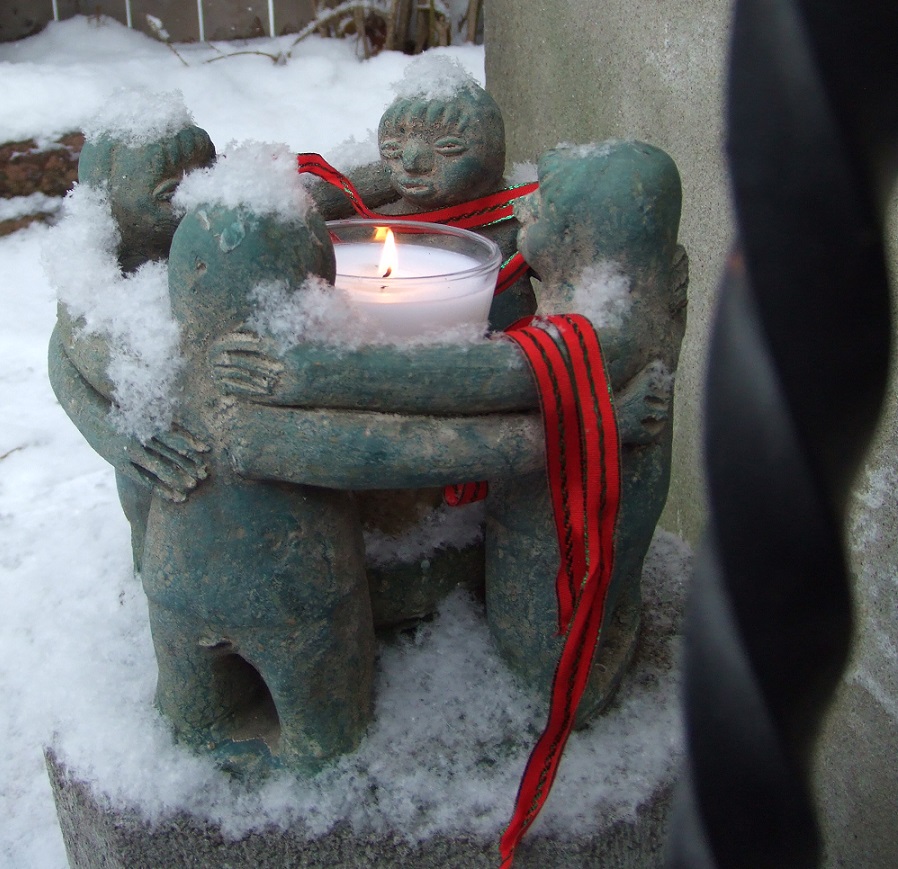
Tres hombres juntos
celebran fanfarrones
el año muerto
[Bashô]
年忘れ三人寄りて喧嘩かな 芭蕉
Toshiwasure san-nin yorite kenka kana
.
¡Ladra, perro! ¡Ven
a despedir el año
con los que celebran!
[Issa]
わんといへさあいへ犬もとし忘 一茶
Wan to ie sâ ie inu mo toshiwasure
.
Aunque lo mires
por su lado más bueno,
se ve aterido
[Issa]
ひいき目に見てさへ寒いそぶりかな 一茶
Hiikime ni mite sae samui soburi kana
.
Día de invierno:
hace calor al sol
¡si así puede decirse!
[Onitsura]
あたゝかに冬の日向の寒さ哉 鬼貫
Atataka ni fuyu no hinata no samusa kana

Dientes de una rata
mascando fierro
frío
sonido del invierno
[Buson]
鐵をはむ鼠の牙の音寒し 蕪村
Tetsu wo hamu nezumi no kiba no oto samushi
.
Ventisca de invierno
Y el gato que no para
de hacer guiños
[Yasô]
こがらしや肹しげき猫の面 八桑
Kogarashi ya matataki shigeki nekono tsura
.
Ventisca helada
en la cara de la gente,
hinchada
[Bashô]
こがらしや頬腫痛む人の顔 芭蕉
Kogarashi ya hôbare itamu hito no kao
.
Se van las voces,
pasada medianoche;
se queda el frío
[Yaba]
人声の夜半を過ぐる寒さ哉 野坡
Hito-goe no yahan wo suguru samusa kana
.
Un hoyo recto
de orinar en la nieve
junto a la puerta
[Issa]
真直な小便穴や門の雪 一茶
Massugu na shôben ana ya kado no yuki
.
Los años de la vida,
como ascuas de leña
se van quemando
[Issa]
炭の火や齢のへるもあの通り 一茶
Sumi no hi ya yowai no heru mo ano tôri
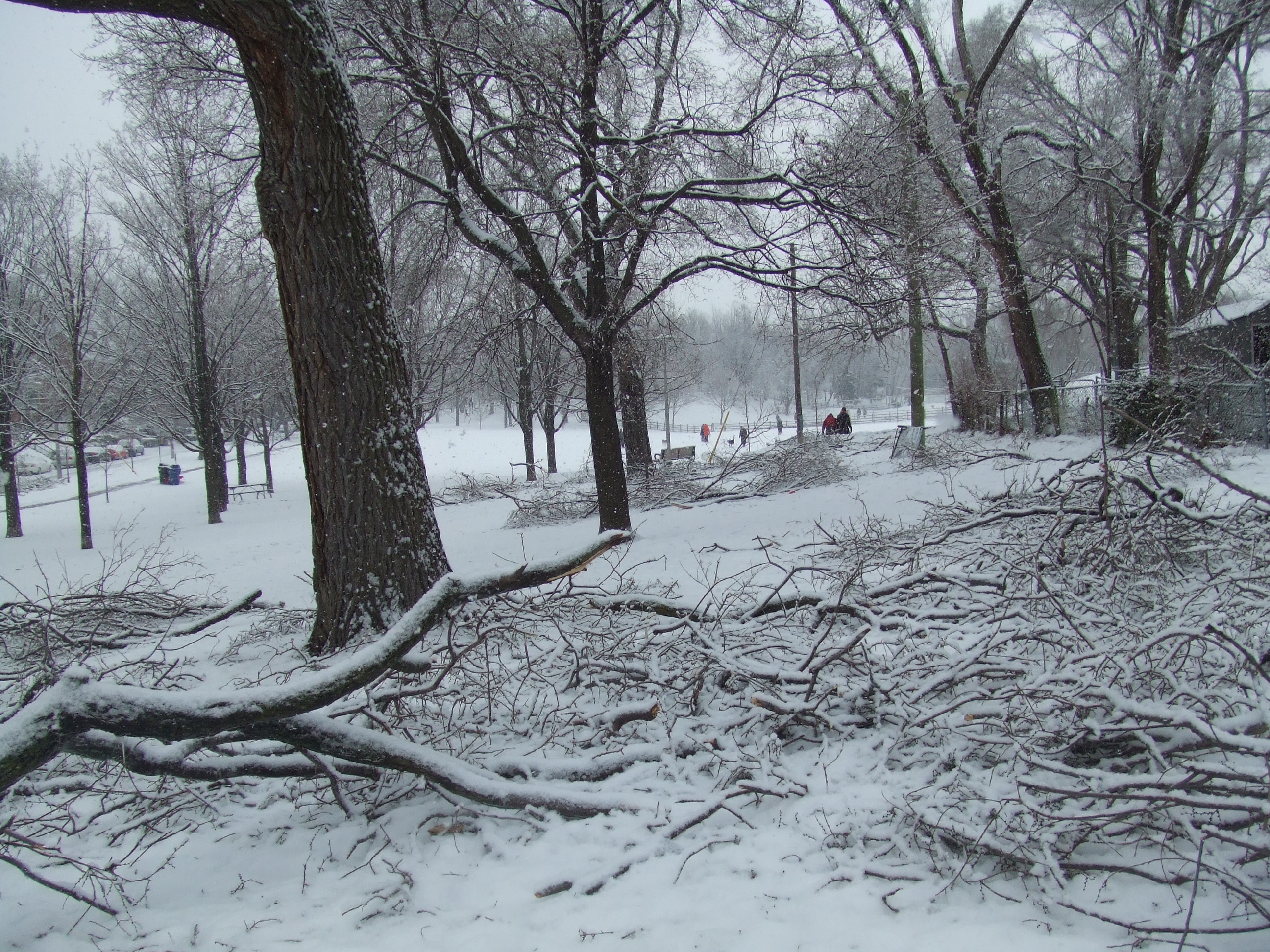
No hay cielo ni tierra
Sólo nieve
que cae eternamente
[Hashin]
天も地もなしに雪の降りしきり 芭臣
Ten mo chi mo nashi ni yuki no furishikiri
. . . . .
Jesucristo, el Gran Chamán: las pinturas de Norval Morrisseau, el mejor pintor canadiense del siglo XX / Jesus Christ, the Shaman: the paintings of Norval Morrisseau, Canada’s greatest painter of the 20th century
Posted: December 25, 2013 Filed under: English, IMAGES, Jesucristo el Gran Chamán: las pinturas de Norval Morrisseau / Jesus Christ the Shaman: the paintings of Norval Morrisseau, Spanish | Tags: ᐅᓴᐘᐱᑯᐱᓀᓯ, Norval Morrisseau Comments Off on Jesucristo, el Gran Chamán: las pinturas de Norval Morrisseau, el mejor pintor canadiense del siglo XX / Jesus Christ, the Shaman: the paintings of Norval Morrisseau, Canada’s greatest painter of the 20th century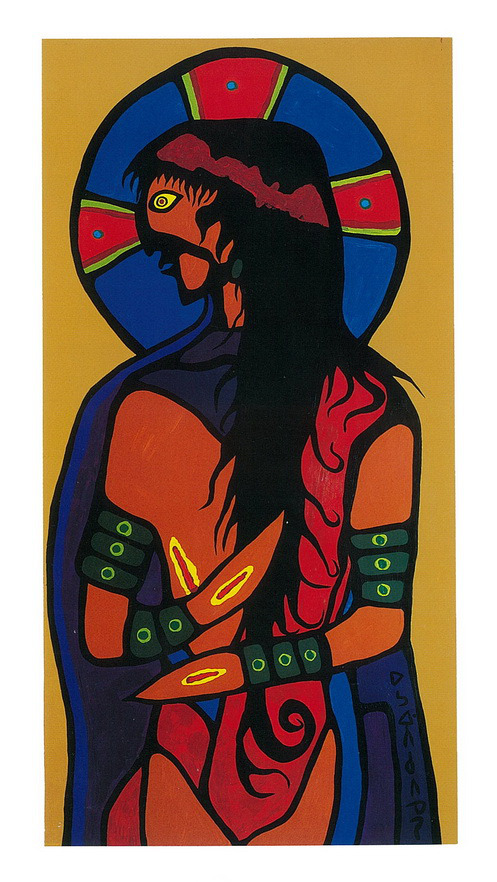
Norval Morrisseau_Jesucristo el Indio_Indian Jesus Christ_1974

Norval Morrisseau_El Infante Jesús_Escena de Natividad_Detalle_The Infant Jesus_Nativity Scene_Detail_acrylic on canvas_1972
Sólo es que mis pinturas te recordan que eres Indio. En algún lugar, dentro, somos todos Indios. Entonces ahora cuando me hago amigo de tí, estoy intentando suscitar en tí el ser Indio – para que creerás en Todo como Sagrado.
(Norval Morrisseau / ᐅᓴᐘᐱᑯᐱᓀᓯ 1932-2007)
.
My paintings only remind you that you’re an Indian. Inside somewhere, we’re all Indians. So now, when I befriend you, I’m trying to get the best Indian, bring out the Indianness in you, to make you think Everything Is Sacred.
(Norval Morrisseau / ᐅᓴᐘᐱᑯᐱᓀᓯ 1932-2007)

Norval Morrisseau_Transformación de un Chamán con Osos _Shaman Transforming with Bears_1986
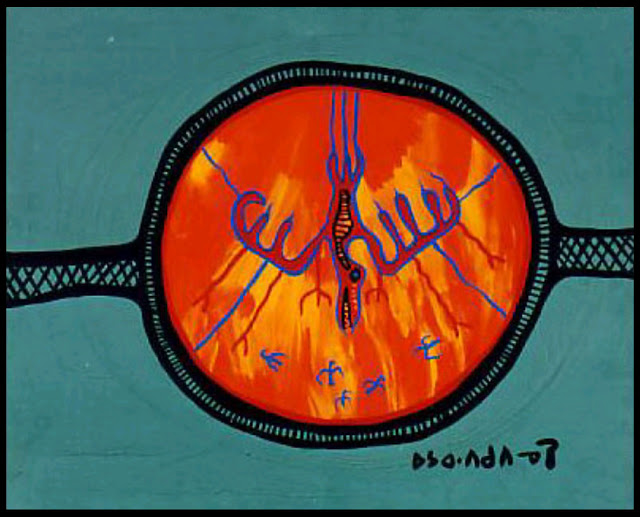
Norval Morrisseau_Pájaro de Trueno y Golondrinas_Thunderbird and Swallows
Desde siempre estoy atraído por las pinturas religiosas, pero únicamente aquellas que tienen una naturaleza mística y supernatural – por ejemplo, la escultura de Santa Teresa por Bernini. Me da “vibraciones” – cuando cierro los ojos puedo sentirlas. Eso es gran Arte – y provoca en mí un hormigueo sexual. También occurre con San Sebastián. Pero es la figura del Jesucristo que es, para mí, la figura dominante. Así que por eso Cristo es El Gran Chamán – El Mejor. Así que por eso ciertas visiones religiosas son tan complejas y difícil explicar a la gente. Pues cuando miras mis pinturas estás mirando mis “visiones” – lo que sea que sean.
.
I have always been attracted to religious paintings, but only the ones that had that mystical or supernatural quality in them, especially Saint Teresa by Bernini. Just looking at Saint Teresa I get vibrations from it. I can close my eyes and feel them. That’s great art, and it brings on that tingling sexual feeling. Other saints, like Saint Sebastian, do that as well. But the Christ figure was always the one that was dominant for me.That’s why I say that Christ to me is still The Greatest Shaman, and that is why some religious visions are so complex – and so very hard to explain to people. So whenever you’re looking at my pictures, you are looking at my visions – whatever they may be.
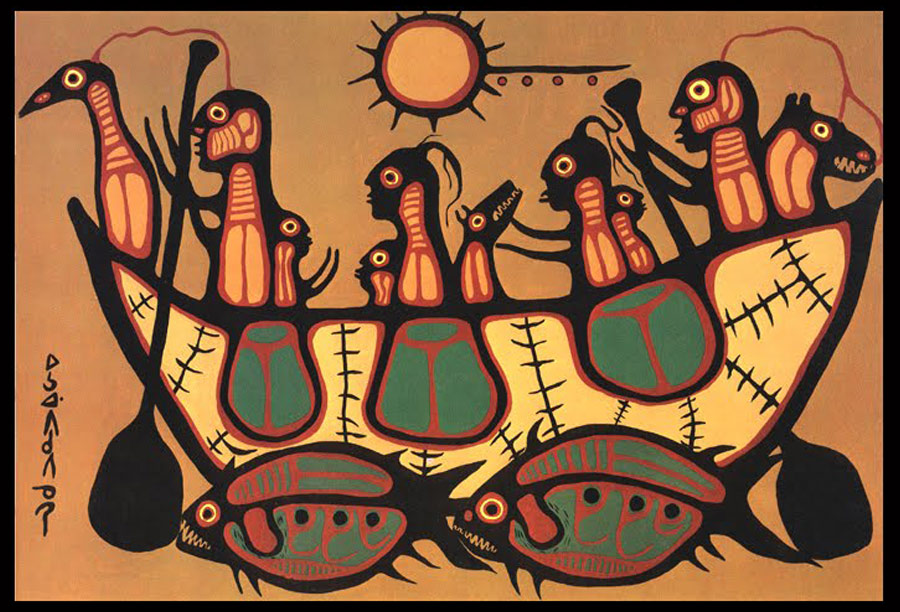
Norval Morrisseau_Desplazamiento_La Gran Inundación_Migration_The Great Flood_1973

Norval Morrisseau_Madre y Bebé_Mother and Child_1969
Nosotros – los Nativos – creen en este dicho: Nuestro Dios es Nativo. Y es La Gran Deidad de los Cinco Planos. Somos “ni pro ni contra”, hablamos ni del Cristo ni de Dios. Decimos: Déjalo estar. Seguimos el Espíritu en su Paso Interior del Alma vía actitudes y atenciones. Recuerda: Estamos en una Escuela Grande…y El Maestro Interior nos enseña Experiencia – durante muchas Vidas.
.
We Natives believe in the following saying: Our God is Native. The Great Deity of the Five Planes is So. We are neither for nor against. We speak not of Christ nor of God. We say: Let them be. We follow the Spirit on its Inward Journey of Soul through attitudes and attentions. Remember: We are all in a Big School and the Inner Master teaches us Experience – over many Lifetimes!
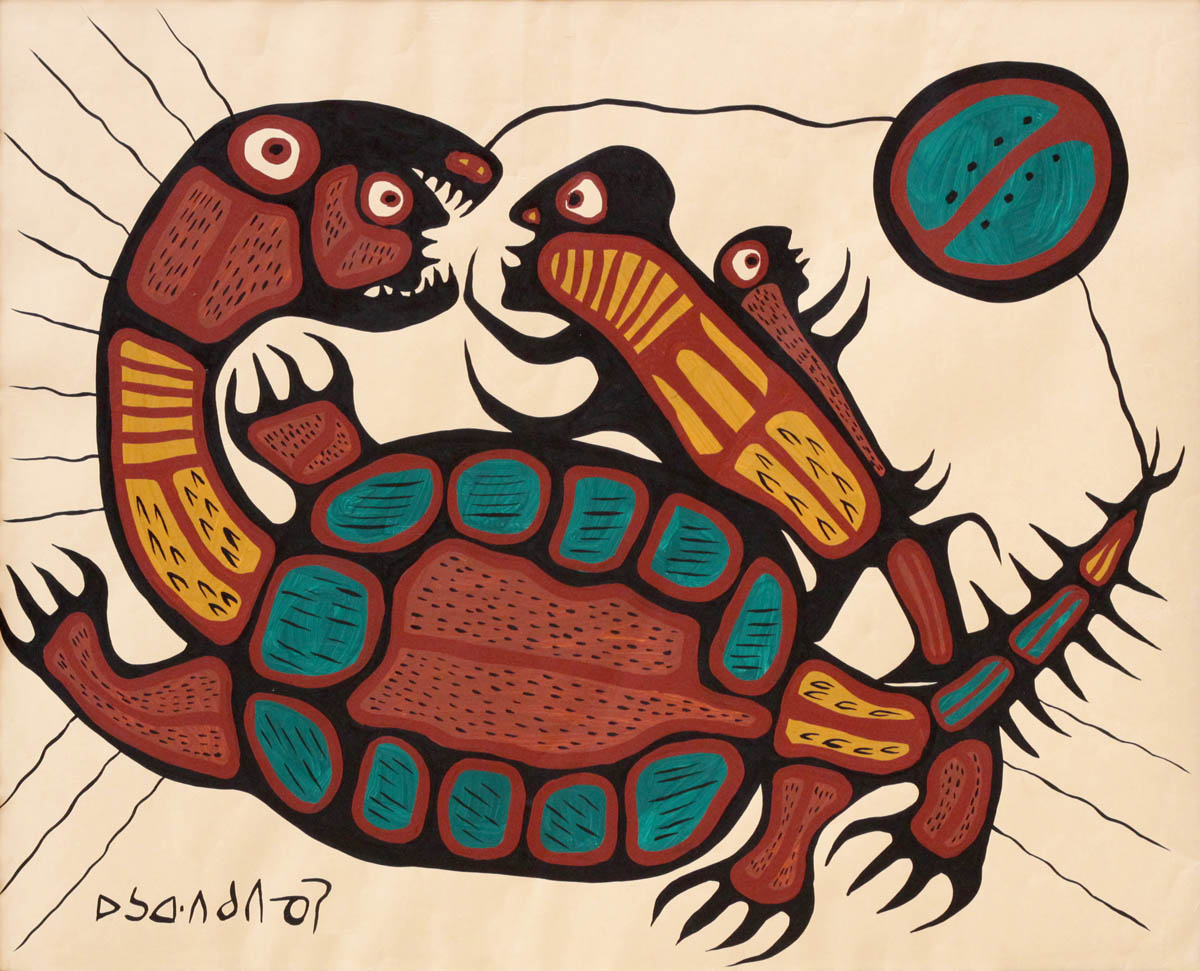
Norval Morrisseau_Creación _Creation_1970

Norval Morrisseau_Retrato del Artista como el Jesucristo_Portrait of the Artist as Jesus Christ_1966

Norval Morrisseau_Autoretrato devorado por demonios_Selfportrait devoured by demons_1964
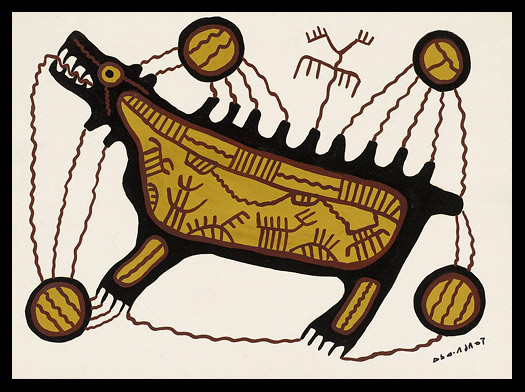
Norval Morrisseau_Oso sagrado del Midawiin Ojibwa_Ojibwa Midawiin Sacred Bear_circa 1962
. . . . .
“Di Gud Nyuuz bout Jiizas…” / El Nacimiento de Jesús / Jezi te fèt lavil Betleyèm / Jesus’ Birth in Bethlehem: Matyu 2:1-11 / Mateo 2:1-11 / Matye 2:1-11 / Matthew 2:1-11
Posted: December 24, 2013 Filed under: Creole / Kréyòl, English, English: Jamaican Patois, English: Middle English, Spanish Comments Off on “Di Gud Nyuuz bout Jiizas…” / El Nacimiento de Jesús / Jezi te fèt lavil Betleyèm / Jesus’ Birth in Bethlehem: Matyu 2:1-11 / Mateo 2:1-11 / Matye 2:1-11 / Matthew 2:1-11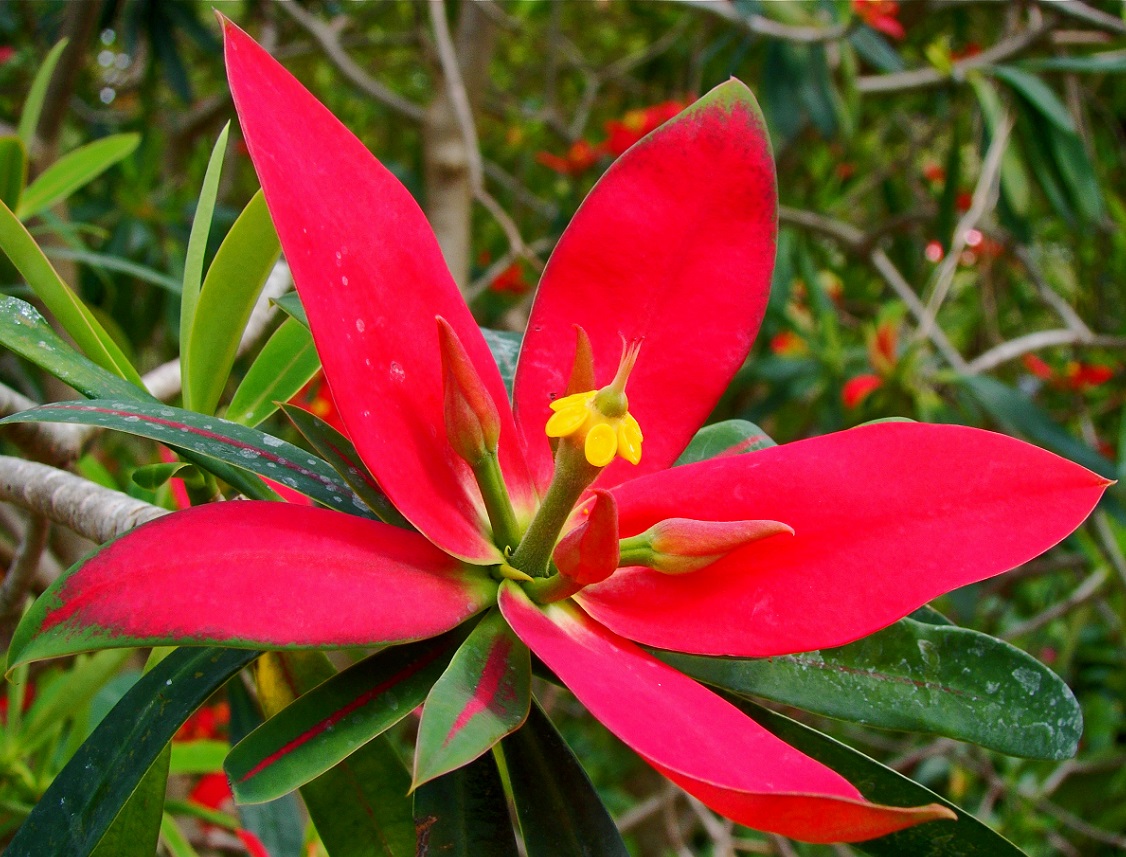
Jamaican Poinsettia, also known as Euphorbia punicea
An excerpt from Matthew’s telling of the Nativity story – presented here in four languages…
. . .
John Wycliffe Bible, printed in 1395, written in “Middle English”: Matthew 2:1-11
Therfor whanne Jhesus was borun in Bethleem of Juda, in the daies of king Eroude, lo! astromyenes camen fro the eest to Jerusalem, and seiden, Where is he, that is borun king of Jewis? for we han seyn his sterre in the eest, and we comen to worschipe him. But king Eroude herde, and was trublid, and al Jerusalem with hym. And he gaderide to gidre alle the prynces of prestis, and scribis of the puple, and enqueride of hem, where Crist shulde be borun. And thei seiden to hym, In Bethleem of Juda; for so it is writun bi a profete, And thou, Bethleem, the lond of Juda, art not the leest among the prynces of Juda; for of thee a duyk schal go out, that schal gouerne my puple of Israel. Thanne Eroude clepide pryueli the astromyens, and lernyde bisili of hem the tyme of the sterre that apperide to hem. And he sente hem in to Bethleem, and seide, Go ye, and axe ye bisili of the child, and whanne yee han foundun, telle ye it to me, that Y also come, and worschipe hym. And whanne thei hadden herd the kyng, thei wenten forth. And lo! the sterre, that thei siyen in the eest, wente bifore hem, til it cam, and stood aboue, where the child was. And thei siyen the sterre, and ioyeden with a ful greet ioye. And thei entriden in to the hous, and founden the child with Marie, his modir; and thei felden doun, and worschipiden him. And whanne thei hadden openyd her tresouris, thei offryden to hym yiftis, gold, encense, and myrre.
. . .
King James Version, 1611: Matthew 2: 1-11
2:1 Now when Jesus was born
in Bethlehem of Judaea in the days of Herod the king,
behold, there came wise men from the east to Jerusalem,
2:2 Saying, Where is He that is born King of the Jews?
for we have seen His Star in the east, and are come to worship Him. 2:3 When Herod the king had heard these things, he was troubled, and all Jerusalem with him. 2:4 And when he had gathered all the chief priests and scribes of the people together, he demanded of them where Christ should be born. 2:5 And they said unto him, In Bethlehem of Judaea: for thus it is written by the prophet, 2:6 And thou Bethlehem, in the land of Juda, art not the least among the princes of Juda: for out of thee shall come a Governor, that shall rule My people Israel. 2:7 Then Herod, when he had privily called the wise men, inquired of them diligently what time the Star appeared. 2:8 And he sent them to Bethlehem, and said, Go and search diligently for the young Child; and when ye have found Him, bring me word again, that I may come and worship Him also. 2:9 When they had heard the king, they departed; and, lo, the Star, which they saw in the east, went before them, till it came and stood over where the young Child was.
2:10 When they saw the Star, they rejoiced with exceeding great joy. 2:11 And when they were come into the house, they saw the young Child with Mary His mother, and fell down, and worshipped Him: and when they had opened their treasures, they presented unto Him gifts; gold, and frankincense, and myrrh.
. . .
Antigua Versión de Casidoro de Reina, 1569: Mateo 2: 1-11
2:1 Cuando Jesús nació en Belén de Judea en días del rey Herodes, vinieron del oriente a Jerusalén unos magos,
2:2 diciendo: ¿Dónde está el rey de los judíos, que ha nacido? Porque su estrella hemos visto en el oriente, y venimos a adorarle.
2:3 Oyendo esto, el rey Herodes se turbó, y toda Jerusalén con él.
2:4 Y convocados todos los principales sacerdotes, y los escribas del pueblo, les preguntó dónde había de nacer el Cristo
2:5 Ellos le dijeron: En Belén de Judea; porque así está escrito por el profeta:
2:6 Y tú, Belén, de la tierra de Judá,
No eres la más pequeña entre los príncipes de Judá;
Porque de ti saldrá un guiador,
Que apacentará a mi pueblo Israel.
2:7 Entonces Herodes, llamando en secreto a los magos, indagó de ellos diligentemente el tiempo de la aparición de la estrella;
2:8 y enviándolos a Belén, dijo: Id allá y averiguad con diligencia acerca del niño; y cuando le halléis, hacédmelo saber, para que yo también vaya y le adore.
2:9 Ellos, habiendo oído al rey, se fueron; y he aquí la estrella que habían visto en el oriente iba delante de ellos, hasta que llegando, se detuvo sobre donde estaba el niño.
2:10 Y al ver la estrella, se regocijaron con muy grande gozo.
2:11 Y al entrar en la casa, vieron al niño con su madre María, y postrándose, lo adoraron; y abriendo sus tesoros, le ofrecieron presentes: oro, incienso y mirra.
. . .
Bible Kréyòl ayisyen/Haitian Creole Bible: Matye 2:1-11
2:1 Jezi te fèt lavil Betleyèm nan peyi Jide, sou tan wa Ewòd. Apre li te fèt, kèk nèg save ki konn etidye zetwal yo soti nan peyi solèy leve, yo rive lavil Jerizalèm.
2:2 Yo t’ap mande: Kote wa jwif ki fenk fèt la? Nou wè zetwal li parèt depi nan peyi nou an, nou vin adore li.
2:3 Lè wa Ewòd pran nouvèl la, sa te boulvèse tèt li. Sa te boulvèse tout moun lavil Jerizalèm yo tou.
2:4 Ewòd reyini tout chèf prèt yo ansanm ak direktè lalwa yo ki t’ap dirije pèp jwif la. Li mande yo: Ki kote Kris la gen pou l’ fèt?
2:5 Yo reponn li: Se lavil Betleyèm nan peyi Jide li gen pou l’ fèt. Paske, men sa pwofèt la te ekri:
2:6 Ou menm, Betleyèm, ki bati sou tè Jida a, pawòl sèten: se pa ou ki pi piti nan tout lavil peyi Jida yo. Paske, gen yon chèf ki gen pou soti lakay ou. Se li menm ki va kondi moun Izrayèl yo, pèp mwen an.
2:7 Se konsa, Ewòd fè nèg save yo vin jwenn li an kachèt. Li mande yo kilè egzakteman zetwal la te parèt.
2:8 Apre sa, li voye yo ale Betleyèm. Li di yo: Ale non! Chache konnen tout bagay sou ti pitit la. Lè n’a jwenn li, fè m’ konnen pou m’ sa kapab al adore l’, mwen menm tou.
2:9 Apre wa a te fin di yo sa, nèg save yo pati. Lè sa a, zetwal yo te wè nan peyi solèy leve a parèt devan yo ankò. Li t’ap mache devan yo. Zetwal la kontinye konsa jouk li rive sou tèt kay kote ti pitit la te ye a. Epi l’ rete.
2:10 Lè yo te wè zetwal la, yo pa t’ manke kontan.
2:11 Yo antre nan kay la, yo wè ti pitit la ansanm ak Mari, manman li. Yo mete ajenou devan l’, yo adore l’. Apre sa, yo louvri sak yo, yo ba li anpil kado: te gen lò, lansan ak lami.
. . .
Jamiekan Patwa (Jamaican Patois) New Testament, 2012: Matyu 2:1-11
2 Jiizas did baan iina Betliyem, wan toun iina Judiya. Dem taim de, a Erad did a king iina Judiya. Nou, iina dem siem taim de, som waiz man fram di Iis said did kom a Jeruusilem an a aks, 2 “We di pikni de we baan di ada die, we fi kom ton king fi di Juu piipl dem? Wi si im staar iina di Iis, we shuo se im baan, an wi kom fi shuo im nof rispek.” 3 Nou wen King Erad ier dis ya, dis bada bada im ed, an it bada uol iip a piipl iina Je- ruusilem tu. 4 Erad kaal evribadi tugeda iina wan miitn — aal a di ed priis an di man dem we tiich Muoziz Laa — an im aks dem a wich paat di Krais — di king we Gad pramis, fi baan. 5 Dem ansa se, “Iina Betliyem, kaaz a dat di prafit did rait dong: 6 ‘An yu Betliyem we iina Judiya, wen yu luk pan aal di ada toun dem we a liid, yu no wot no les dan dem — yu op de mongks di tap-a-tap toun dem; kaaz a fram outa yu wan liida a-go kom we a-go protek an liid mi piipl dem we iina Izrel.’ ” 7 Den Erad sen kaal di waiz man dem fi kom kom chek im anda di kwaiyat, an fain out fram dem a wa taim dem did si di staar. 8 Im sen dem go a Betliyem an se, “Gwaan go luk fi di pikni. Luk gud gud, an wen unu fain im, kom tel mi, so mi kyan go shuo im nof rispek tu.” 9 Afta dem don lisn di king, dem lef go we. Az dem a go bout dem bizniz so, no di sed staar we dem did si iina di Iis said kom bak agen! It galang infronta dem til it riich wich paat di pikni did de, an a uova de-so it tap. 10 Wen dem did si di staar agen dem glad-bag bos! 11 Dem kom iina di ous an si di pikni wid im mada, Mieri, an dem go dong pan dem nii an priez im. Dem tek out di prezent we dem did bring, an gi di pikni — guol, frang- kinsens an mor.
. . . . .
El villancico jamaicano más popular: “Hijo-muchacho de María” por Jester Joseph Hairston / The most popular Christmas carol associated with Jamaica: “Mary’s Boy Child” by Jester Joseph Hairston
Posted: December 24, 2013 Filed under: English, Spanish | Tags: Christmas carols and songs Comments Off on El villancico jamaicano más popular: “Hijo-muchacho de María” por Jester Joseph Hairston / The most popular Christmas carol associated with Jamaica: “Mary’s Boy Child” by Jester Joseph Hairston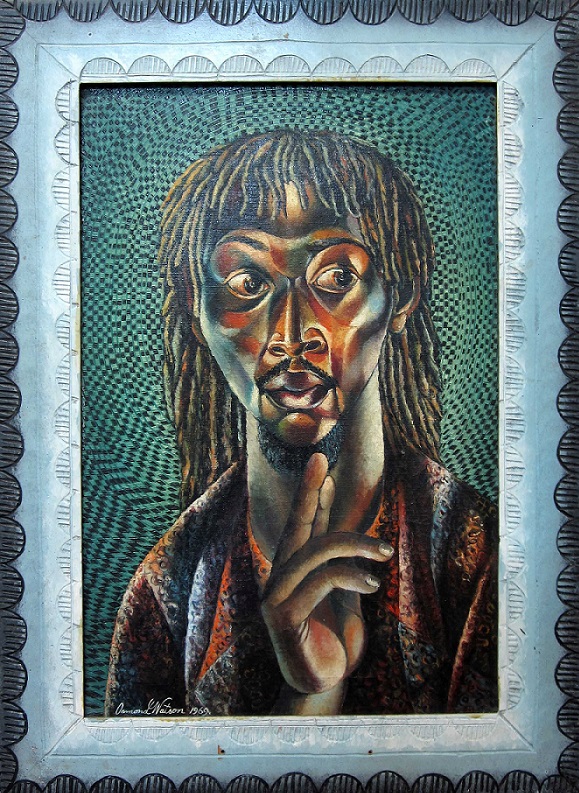
Peace and Love by Jamaican painter Osmond Watson_1969_Paz y Amor por el pintor jamaicano Osmond Watson_1969
. . .
“Hijo de María muchacho”
(compositor: Jester Joseph Hairston (1901-2000) / cantado por Harry Belafonte en 1956)
.
Hace mucho tiempo en Belén
Así que la Biblia dice
Hijo de María muchacho – Jesucristo –
Nació el Día de Navidad.
.
Oye, oye – los ángeles cantan
Un nuevo Rey ha nacido hoy
Y el hombre vivirá para siempre
Para el Día de Navidad.
.
Mientras que los pastores vieron a su rebaño durante la noche
Y ver una brillante nueva estrella
Y escuchar a un coro cantar
La música parece venir de lejos.
.
Y José y su esposa María
Vamos a Belén aquella noche
Y no hay lugar para encontrar transmitidas por ella hijo
No es una habitación solo estaba a la vista.
.
Escucha, ahora escucha a los ángeles cantar
Un nuevo Rey nacido hoy
Y el hombre vivirá para siempre
Por el Día de Navidad.
.
Poco a poco, encontramos un pequeño rincón
En un establo abandonado todo
Y en un pesebre frío y oscuro
Niño de María nació.
.
Escucha, ahora escucha a los ángeles cantar
Un nuevo Rey nacido hoy
Y el hombre vivirá para siempre
Por el Día de Navidad.
. . .
“Mary’s Boy Child”
(Jester Joseph Hairston (1901-2000), composer / as sung by Harry Belafonte in 1956)
.
Long time ago in Bethlehem, so the Holy Bible say,
Mary’s boy child Jesus Christ was born on Christmas Day.
Hark, now hear the angels sing, a new King born today,
And we will live for evermore because of Christmas Day.
Trumpets sound and angels sing, listen to what they say:
That we will live for evermore because of Christmas Day.
While shepherds watched their flocks by night,
them see a bright new shining star,
them hear a choir sing, the music seem to come from afar.
Now Joseph and his wife, Mary, come to Bethlehem that night,
them found no place to born she Child, not a single room was in sight.
By and by them find a little nook in a stable all forlorn,
And in a manger cold and dark, Mary’s little boy was born.
Long time ago in Bethlehem, so the Holy Bible say,
Mary’s boy child Jesus Christ was born on Christmas Day!
. . . . .
“Ye are the Light of the World”: Winter Solstice and The Birth of the Babe / “Vosotros sois la luz del mundo”: el Solsticio de Invierno y el Nacimiento de Jesús
Posted: December 21, 2013 Filed under: English, Spanish | Tags: “Esta Pequeña Luz en Mí”, “This Little Light of Mine” Comments Off on “Ye are the Light of the World”: Winter Solstice and The Birth of the Babe / “Vosotros sois la luz del mundo”: el Solsticio de Invierno y el Nacimiento de Jesús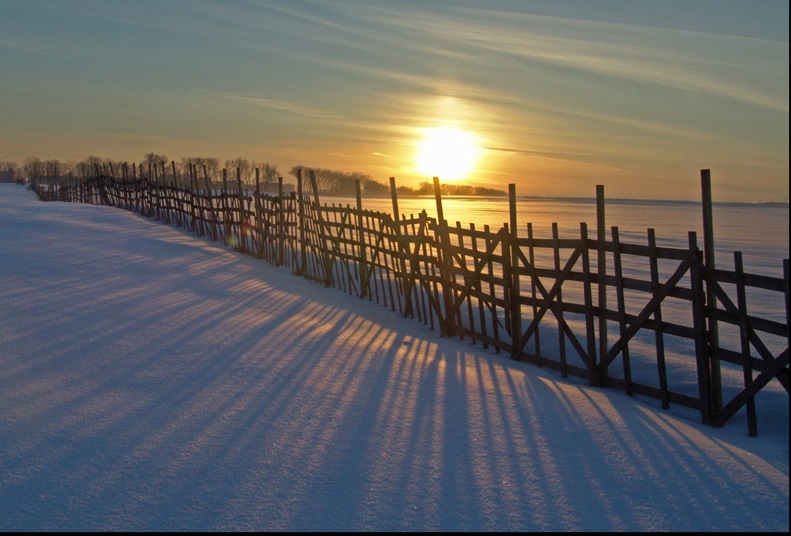
. . .
Today, December 21st, marks the Winter Solstice, when, in Canada and elsewhere in the northern hemisphere, we experience our shortest day and our longest night. Here in Toronto, that means: sunrise at 7:48 a.m. and sunset at 4:44 p.m. The winter solstice has been symbolically important throughout the ages…It is when there is a reversal of the ebbing presence of the sun in the sky. Concepts of the birth or re-birth of Sun Gods, or the year as re-newed, life-death-rebirth cycles, “new beginnings” – these have ancient roots in our human psyche. Consequently, it is not hard to understand why The Birth of Jesus Christ might have been “fixed” at around the same time – the metaphor of Light, and of Returning Light, is just so strong!
.
This Little Light of Mine is a popular children’s gospel song based on a spiritual that speaks of God’s perfect love. It was written by Harry Dixon Loes, a music composer and teacher, around 1920.
It is perhaps based upon two quotations from The Gospels:
“Ye are the light of the world. A city that is set on an hill cannot be hid. Neither do men light a candle, and put it under a bushel, but on a candlestick; and it giveth light unto all that are in the house. Let your light so shine before men, that they may see your good works, and glorify your Father which is in heaven.” Matthew 5:14-16
“No man, when he hath lighted a candle, putteth it in a secret place, neither under a bushel, but on a candlestick, that they which come in may see the light.” Luke 11:33
. . .
Harry Dixon Loes (1895-1965)
“This Little Light of Mine”
.
This little light of mine,
I’m gonna let it shine.
This little light of mine,
I’m gonna let it shine,
Let it shine, let it shine, let it shine.
.
Won’t let Satan blow it out,
I’m gonna let it shine.
Won’t let Satan blow it out,
I’m gonna let it shine,
Let it shine, let it shine, let it shine.
.
Let it shine till Jesus comes,
I’m gonna let it shine.
Let it shine till Jesus comes.
I’m gonna let it shine,
Let it shine, let it shine, let it shine.
.
Hide it under a bushel, no!
I’m gonna let it shine.
Hide it under a bushel, no!
I’m gonna let it shine,
Let it shine, let it shine, let it shine.
.
Let it shine over the whole wide world,
I’m gonna let it shine.
Let it shine over the whole wide world,
I’m gonna let it shine, let it shine, let it shine, let it shine.
. . .
Hoy es el Solsticio de Invierno…y aquí en Toronto occure la salida del sol a las 7:48 y la puesta del sol a las 16:44. La palabra solsticio se deriva del Latín sol (‘Sol’) y sístere (‘permanecer quieto’).
El significado o interpretación de este evento – el Solsticio de Invierno – ha variado en las distintas culturas mundiales, pero la mayoría de ellas lo reconoce como un período de renovación y re-nacimiento.
Y es obvio el significado en el contexto cristiano, ¿no?
.
“Vosotros sois la luz del mundo; una ciudad asentada sobre un monte no se puede esconder. Ni se enciende una luz y se pone debajo de un almud, sino sobre el candelero, y alumbra a todos los que están en casa. Así alumbre vuestra luz delante de los hombres, para que vean vuestras buenas obras, y glorifiquen a vuestro Padre que está en los cielos.”
Mateo 5: 14-16
.
“Esta Pequeña Luz en Mí”
(canción góspel para niños, del año 1920, Harry Dixon Loes, compositor)
.
Hay una lucecita en mí
que dejaré brillar,
Hay una lucecita en mí
que dejaré brillar,
Hay una lucecita en mí
que dejaré brillar,
Brillará, brillará, brillará…
.
No esconderé su brillo, no,
la dejaré brillar,
No esconderé su brillo, no,
la dejaré brillar,
No esconderé su brillo, no,
la dejaré brillar,
Brillará, brillará, brillará…
.
El diablo no la robará,
la dejaré brillar,
El diablo no la robará,
la dejaré brillar,
El diablo no la robará,
la dejaré brillar,
Brillará, brillará, brillará…
.
Hasta que venga Jesús,
la dejaré brillar,
Hasta que venga Jesús,
la dejaré brillar,
Hasta que venga Jesús,
la dejaré brillar,
Brillará, brillará, brillará…
. . . . .
 Zócalo Poets