Poemas para Domingo de Pascua: Emily Dickinson: No es La Conclusión este Mundo / This World is not Conclusion + Octavio Paz: Hermandad / Brotherhood
Posted: April 20, 2014 Filed under: Emily Dickinson, English, Octavio Paz, Spanish, ZP Translator: Alexander Best | Tags: Easter Sunday poems, Poemas para Domingo de Pascua Comments Off on Poemas para Domingo de Pascua: Emily Dickinson: No es La Conclusión este Mundo / This World is not Conclusion + Octavio Paz: Hermandad / Brotherhood
Emily Dickinson (1830-1886)
This World is not Conclusion
.
This World is not Conclusion.
A Species stands beyond—
Invisible, as Music—
But positive, as Sound—
It beckons, and it baffles—
Philosophy—don’t know—
And through a Riddle, at the last—
Sagacity, must go—
To guess it, puzzles scholars—
To gain it, Men have borne
Contempt of Generations
And Crucifixion, shown—
Faith slips—and laughs, and rallies—
Blushes, if any see—
Plucks at a twig of Evidence—
And asks a Vane, the way—
Much Gesture, from the Pulpit—
Strong Hallelujahs roll—
Narcotics cannot still the Tooth
That nibbles at the soul—
. . .
No es La Conclusión este Mundo (Traducción del inglés: Alexander Best)
.
No es La Conclusión este Mundo;
Un Especie se ubica más allá de aquí;
Como la Música, invisible,
Pero positivo como Sonido.
Atrae y confunde,
La Ética no lo entiende;
Y por Enigma, y al fin,
Debe cruzar la Sagacidad.
.
Advinarlo deja perplejo los sabios,
Ganarlo hay Hombres que han soportado
El Desprecio de Generaciones
– Y Crucifixión.
Fe resbala – y ríe y se reanima –
Y se sonroja (si alguien le mire);
Arranca una ramita de Inicio,
Y pregunta de una Veleta el camino.
Mucho Gesto del Púlpito,
Surgen Aleluyas fuertes;
Narcóticos no pueden calmar el Diente
Que mordisquea el Alma.

Octavio Paz (1914-1998)
Hermandad: Homenaje a Claudio Ptolomeo
.
Soy hombre: duro poco
y es enorme la noche.
Pero miro hacia arriba:
las estrellas escriben.
Sin entender comprendo:
también soy escritura
y en este mismo instante
alguien me deletrea.
. . .
Brotherhood: an homage to Claudius Ptolemy
(translated from Spanish by Eliot Weinberger)
.
I am a man: little do I last
and the night is enormous.
But I look up:
the stars write.
Unknowing I understand:
I too am written,
and at this very moment
someone spells me out.
. . . . .
Poemas para Domingo de Pascua: E.E. Cummings, Arthur Stringer / Poems for Easter Sunday
Posted: April 20, 2014 Filed under: Arthur Stringer, E.E. Cummings, English, Spanish, ZP Translator: Alexander Best | Tags: Easter Sunday poems, Poemas para Domingo de Pascua Comments Off on Poemas para Domingo de Pascua: E.E. Cummings, Arthur Stringer / Poems for Easter Sunday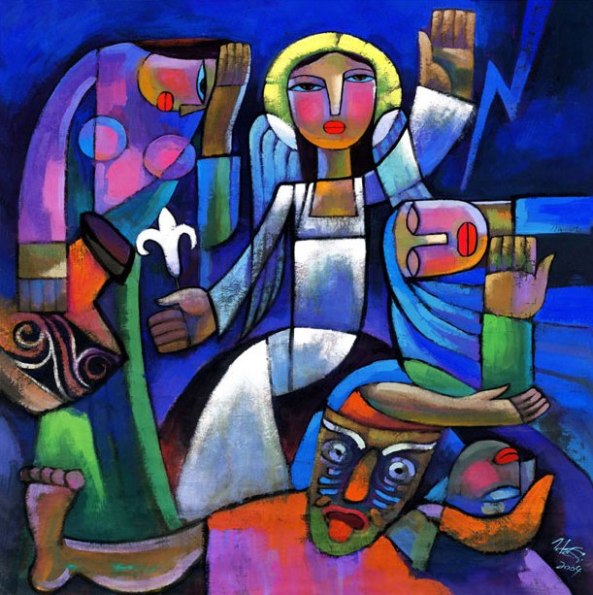
E.E. Cummings (1894-1962)
i thank you God for most this amazing
.
i thank you God for most this amazing
day: for the leaping greenly spirits of trees
and a blue true dream of sky; and for everything
which is natural which is infinite which is yes
.
(i who have died am alive again today,
and this is the sun’s birthday; this is the birth
day of life and of love and wings: and of the gay
great happening illimitably earth)
.
how should tasting touching hearing seeing
breathing any – lifted from the no
of all nothing – human merely being
doubt unimaginable You?
.
(now the ears of my ears awake and
now the eyes of my eyes are opened)
. . .
te agradezco Dios por el más esta asombrosa
.
te agradezco Dios por el más esta asombrosa
mañana: por los brincandos verde-deramente espíritus de árboles
y un azul auténtico sueño de cielo; y por todo
lo que es natural que es infinito que es sí
.
(yo que he muerto estoy viviendo de nuevo hoy,
y ésto es el aniversario del sol; ésto es el nacimiento
día de la vida y del amor y de alas: y de la tierra
alegre-grande-ocurriendo-sin límites)
.
¿cómo es posible que tocando-oyendo-viendo
respirando alguien – elevado del no
del todo-nada – simplemente ser humano
dude Tú el inimaginable?
.
(ahora los oídos de mis oídos se despiertan y
ahora los ojos de mis ojos están abiertos)
. . .
Arthur Stringer (1874-1950)
The Final Lesson
.
I have sought Beauty through the dust of strife,
I have sought Meaning for the ancient ache,
And Music in the grinding wheels of Life;
Long have I sought, and little found as yet
Beyond this truth: that Love alone can make
Earth beautiful, and Life without regret.
. . .
La lección final
.
He buscado la Belleza por el polvo de lucha,
He buscado Significado por el anhelo antiguo,
Y Música en las ruedas que giran de la Vida;
Largo tiempo he estado buscando – y poco he descubierto hasta ahora
Excepto esta verdad: que sólo el Amor puede hacer bella
La Tierra – y una Vida sin arrepentimiento.
.
Image: He Qi is a contemporary painter of religious themes. Here a triumphant angel announces that Our Redeemer Liveth. The women are not especially awake yet, and seem unaware of what has happened. They still mourn, but the angel tells them that the time of grief is over. Instead of a military-style banner often held by Christ in such triumphal depictions, He Qi has his angel bearing a luminous lily – symbol of purity and peace.
. . . . .
Gwendolyn Brooks: La Verdad / Truth
Posted: April 19, 2014 Filed under: English, Gwendolyn Brooks, Spanish, ZP Translator: Alexander Best | Tags: Poema para Sábado Santo Comments Off on Gwendolyn Brooks: La Verdad / Truth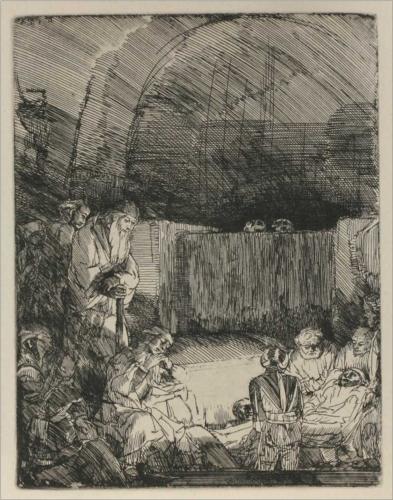
Rembrandt van Rijn_Jesús sepultado_Jesus Entombed_etching_1654
Gwendolyn Brooks (1917-2000)
Truth
.
And if sun comes
How shall we greet him?
Shall we not dread him,
Shall we not fear him
After so lengthy a
Session with shade?
Though we have wept for him,
Though we have prayed
All through the night-years—
What if we wake one shimmering morning to
Hear the fierce hammering
Of his firm knuckles
Hard on the door?
Shall we not shudder?—
Shall we not flee
Into the shelter, the dear thick shelter
Of the familiar
Propitious haze?
Sweet is it, sweet is it
To sleep in the coolness
Of snug unawareness.
The dark hangs heavily
Over the eyes.
. . .
La Verdad
.
Y si el sol viene,
¿cómo debemos saludarle?
Deberíamos temer a él,
Deberíamos amilanarse por él,
después de una sesión larga con la sombra?
.
Aunque hemos llorado por él,
Aunque hemos rezar
Durante los años de noche
– ¿Qué pasará si nos despertamos en una mañana reluciente para
Oír el martilleo feroz
De sus nudillos firmes,
Fuerte en la puerta?
.
¿Deberíamos temblar,
Deberíamos huir
Hacia el querido albergue grueso
Que es la niebla conocida y propicia?
.
Qué dulzura – cómo es dulce –
Dormir en el fresco
De un desconocimiento cómodo.
.
La oscuridad cuelga pesadamente
Sobre los ojos.
. . . . .
Poemas para Viernes Santo: Stevenson, Browning, Levertov / Poems for Good Friday
Posted: April 18, 2014 Filed under: Denise Levertov, English, Robert Browning, Robert Louis Stevenson, Spanish, ZP Translator: Alexander Best | Tags: Poemas para Viernes Santo, Poems for Good Friday Comments Off on Poemas para Viernes Santo: Stevenson, Browning, Levertov / Poems for Good Friday

Paul Gauguin_Christ on The Mount of Olives (Gethsamane)_oil on canvas, 1889
Robert Louis Stevenson (1850-1894)
Evensong
.
The embers of the day are red
Beyond the murky hill.
The kitchen smokes; the bed
In the darkling house is spread:
The great sky darkens overhead,
And the great woods are shrill.
.
So far I have been led,
Lord, by Thy will:
So far I have followed, Lord, and wondered still.
The breeze from the embalmed land
Blows sudden towards the shore,
And claps my cottage door.
I hear the signal, Lord – I understand.
The night at Thy command
Comes. I will eat and sleep and will not question more.
. . .
Vísperas
.
Las brasas del día son rojas,
Más allá de la colina turbia.
La cocina humea; el lecho de la casa oscura está hecho:
El cielo inmenso se oscurece por encima,
Y viene del gran bosque un chirrido chillón.
.
Hasta ahora, Señor, he sido guiado por Tu voluntad:
Tan larga la distancia, Señor, he seguido a Tí,
Y aún me pregunté.
La brisa del terreno embalsamado
Sopla hacia la orilla, de repente,
Y abofetea la puerta de mi casita.
Oigo la señal, Mi Señor – y la entiendo.
La Noche llega – de Tu dominio.
Comeré y dormiré y no preguntaré más.
. . .
Denise Levertov (1923-1997)
Suspended
.
I had grasped God’s garment in the void
but my hand slipped
on the rich silk of it.
The “everlasting arms” my sister loved to remember
must have upheld my leaden weight
from falling, even so;
for though I claw at empty air and feel
nothing – no embrace –
I have not plummeted.
. . .
Colgado
.
Yo había agarrado en el vacío el traje de Dios
pero mi mano resbaló en la seda exquisita.
“Los brazos eternos” que mi hermana amaba recordar
debieron haber soportado la carga pesada de mí
para que no me cayera;
porque aunque araño el aire vacío y me siento
nada – ningún abrazo –
no me he desplomado.
. . .
Robert Browning (1812-1889)
Faith
.
O never star
Was lost; here
We all aspire to heaven and there is heaven
Above us.
If I stoop
Into a dark tremendous sea of cloud,
It is but for a time; I press God’s lamp
Close to my breast; its splendour soon or late
Will pierce the gloom. I shall emerge some day.
. . .
Fe
.
Ah, nunca fue perdido una estrella; aquí
Aspiramos a llegar al Cielo y existe allá
Por encima de nosotros.
Si me encorvo en un mar de nubes,
Negro y tremendo,
Sólo es por un breve tiempo; estrecho la linterna de Dios
Contra mi pecho; y el esplendor de su luz
Perforará el tiempo plomizo – tarde o temprano.
Algún día me apareceré.
. . . . .
Las Desaparecidas canadienses: El Día Internacional de la Mujer 2014 / International Women’s Day 2014
Posted: March 8, 2014 Filed under: Anna Marie Sewell, English, Spanish, ZP Translator: Alexander Best Comments Off on Las Desaparecidas canadienses: El Día Internacional de la Mujer 2014 / International Women’s Day 2014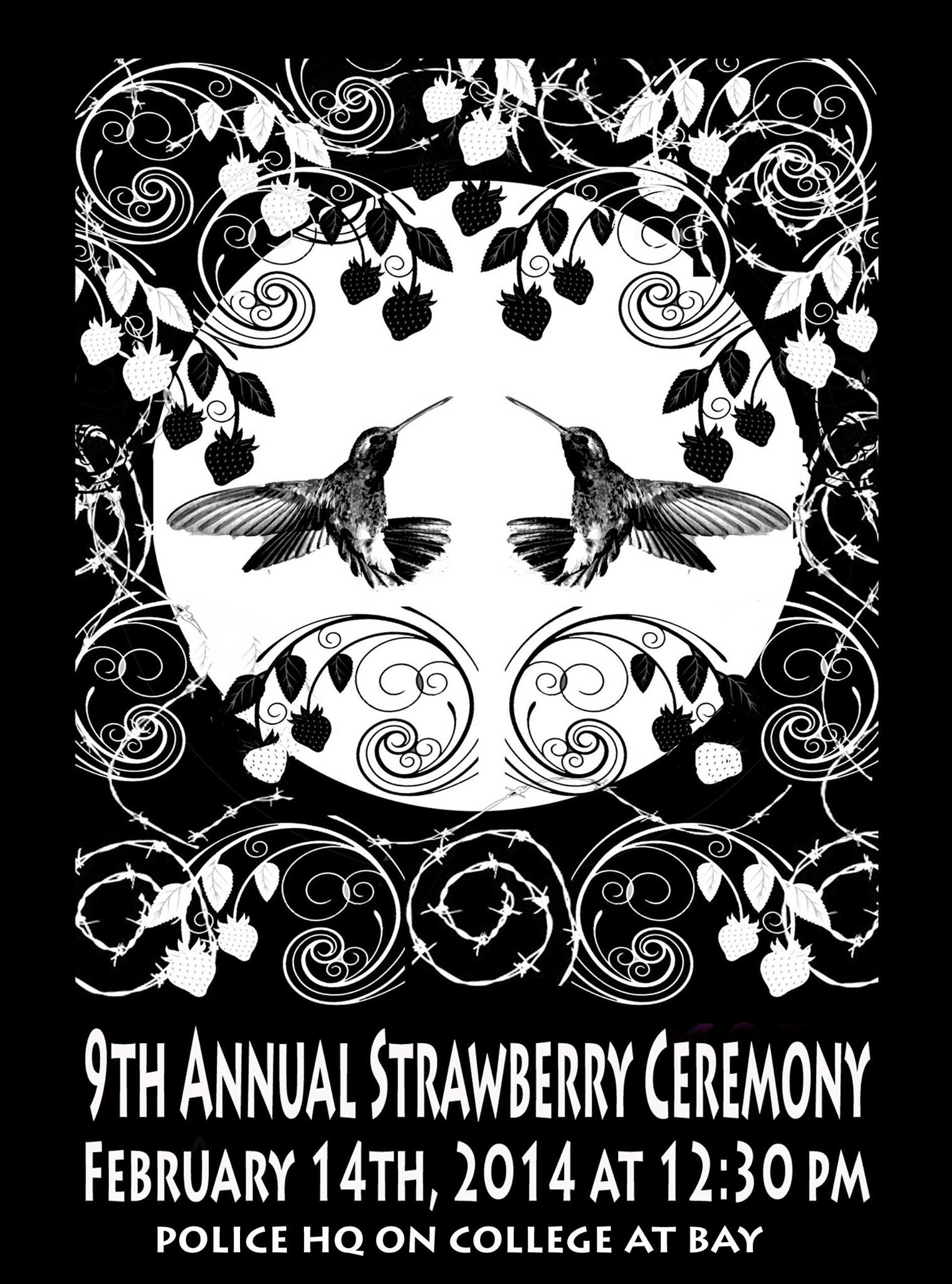
Ceremonia de Fresa (“Baya de Corazón”) por Las Mujeres Indígenas – Desaparecidas o Matadas – en Canadá_Lugar: en frente de la sede central de policía en Toronto_14 de febrero, 2014_Strawberry Ceremony 2014_For Missing or Murdered Aboriginal Women in Canada_Toronto, Canada
.
Anna Marie Sewell
“Lavando el Mundo”
.
En la oscuridad al fin de este año,
hay tanto amontanado contra la luz entre nosotros,
contra las “apuestas”,
a pesar de las lágrimas, en el viento amargo de esta estación;
Escucha el sueño en que las abuelas se mantienen
– hombro con hombro –
al borde de una colina,
inclinándose al unísono, agarrando una cosa – juntas.
Pregúntales, en su mundo de sueños: ¿Porqué lloran ustedes?
Y te mostraron sus chales en muchos colores, extenderán sus alas,
te barrerán dentro de ellas para enseñarte como
– una vez, cada año –
cuando hace el tiempo más oscuro,
lavamos el mundo entero durante solamente un día.
Un día para llorar.
.
De un alba al próximo:
recordando a los caídos,
lamentando a los destrozados,
gimiendo por nuestros arrepentimientos.
El amor perdido, las palabras injustas y acciones malas;
momentos desequilibrados…
y todas las rajaduras entre corazón y corazón,
entre padre y criatura,
entre el amante y su querida amiga,
entre nación y nación,
animal – y animal del otro tipo.
.
Por lo que escogemos y lo que descuidamos,
por lo que deseamos que habíamos sabido,
por cada mano soltado / cada lengua desenfrenada,
un susurro quedándose corto y inaúdito;
el pan lejos del hambre;
la disculpa;
el desconcierto;
el camino fracturado.
.
Estas cosas que recogemos en esta cobija
– pardo, carmelito, canela –
Lavamos el Mundo, y entre nosotros
agarramos la cobija, llenándola con lágrimas.
Y cuando hemos llorado
– de un alba al próximo –
pues subiremos y bailaremos,
acunando un océano de tinieblas amargas que nos cura.
.
Déjales poner tus manos sobre la verdad de una belleza perdida
– intensa pero blanda como musgo –
y esta cobija lleno de las lágrimas del polvo y de los moribundos
se vuelve
– al momento que llega la luz del amanecer –
la promesa lavada y limpia por nuestra pena.
No es – tanto – la redención
sino la lógica de las estaciones que
clama por la justicia, para recuperar el ritmo.
Algun día, los legisladores tendrán que salir de sus salones de ecos, y
juntarse con la danza de la abuela,
para llevarla y llorarla – limpiada – hasta que
la luz pasa a través de sus cuerpos y
traduce a un arco de iris a lo largo de la tierra.
Ella me dice éso – y sus ojos están rojos.
Y encoge los hombros.
Y camina arduamente por el manto profundo de nieve
que cubre este resto de un otro año
esperando.
.
Versión de Alexander Best
. . .
Anna Marie Sewell
“Washing the World”
.
In the dark at this end of the year,
so much stacked up against the light
between us, against the odds,
despite the tears, in this season’s bitter wind,
listen to a dream
in which grandmothers stand
shoulder to shoulder, on the rim of a hill,
they bend as one, and grasp one thing together.
Ask them, in the dream world, why
do they cry?
And they will show you in reply:
their shawls of many colours, spread these wings,
sweep you in and teach you how
once a year, in the dark of the year,
we wash the whole world in a day.
For one day, we cry.
.
From one dawn to the next:
remembering the fallen
mourning for the broken
wailing for regrets.
Love lost, wrong words, wrong actions,
unbalanced moments and all the cracks
between heart and heart, parent and child,
lover and beloved friend, nation and nation,
creature, and creature of another kind.
.
For what we choose and what we neglect to choose,
for what we wish we’d known,
for each hand unclasped,
the tongue unbridled,
one whisper falling short of heard,
the bread far from the hunger,
the apology,
the confusion,
the broken road.
.
These things we gather in this blanket,
brown and sand and beige,
we wash the world, between us
we hold this blanket, fill it with our tears,
and when we have cried
from one dawn to the next,
then we will rise, and we dance
cradling this ocean, bitter, healing, dark.
Let them lay your hands upon the truth of beauty lost,
heavy, soft as moss,
this blanket full of tears and dust and dying
becomes, as the light is returning,
the promise,
washed clean
by our sorrow.
Not so much redemption
as the logic of seasons
calls for justice, to restore the rhythm
one day, the lawmakers must exit
their echoing halls, fall in
with the grandmother’s
dancing,
carrying it,
cry it clean,
until light through their bodies
translates to rainbows strung over the land.
She tells me that – her eyes all red.
And shrugs.
And trudges off through the deep
snow blanket that covers
this end of another year
waiting.
. . .
Anna Marie Sewell is Ojibway, and Mi’kmaw from Listuguj Mi’kmaw First Nation in Québec – Polish, too! She is the author of Fifth World Drum (Frontenac House, 2009) and was Edmonton’s 4th Poet Laureate (2011-2013). She has other work as well – as part of The Learning Centre Literacy Association at http://prairiepomes.com/tag/anna-marie-sewell/.
Sewell will be opening for Joy Harjo at the Edmonton Poetry Festival – April 20th, 2014.
.
As with Las Mujeres de Juarez in México, so too in Canada, Native Women who are poor and therefore invisible become “Las Desaparecidas canadienses” (The Vanished Canadian Women). They are our oh-so-progressive country’s Open-Secret Shame. Women from small towns and Reserves, faceless in big Canadian cities; the roll call of missing or dead along British Columbia’s “Highway of Tears”…There are eight hundred Native and Inuk women who have gone missing – or have been found murdered – often without resolution of the crime – in the last two decades in Canada. This has occurred in a nation with statistically low murder rates nationally. The pattern is a systemic one; the disappearance of these women and girls is not important enough in Canadian society for a concerted effort at crime-solving; their lives are expendable because they are not “mainstream”. With all due respect to her untimely end, they are no Jane Creba.
Jorge Antonio Vallejos, a.k.a. Black Coffee Poet, has been concerned with just such human-rights issues for several years now. For a committed perspective about this national tragedy – violence against women – visit Vallejos’ site: http://blackcoffeepoet.com/.
. . . . .
Abertura do Carnaval Brasileiro 2014: “Mangueira é Mãe” (Favela is a Mother’s Heart)
Posted: February 28, 2014 Filed under: English, Portuguese, ZP Translator: Daniel Vianna Comments Off on Abertura do Carnaval Brasileiro 2014: “Mangueira é Mãe” (Favela is a Mother’s Heart)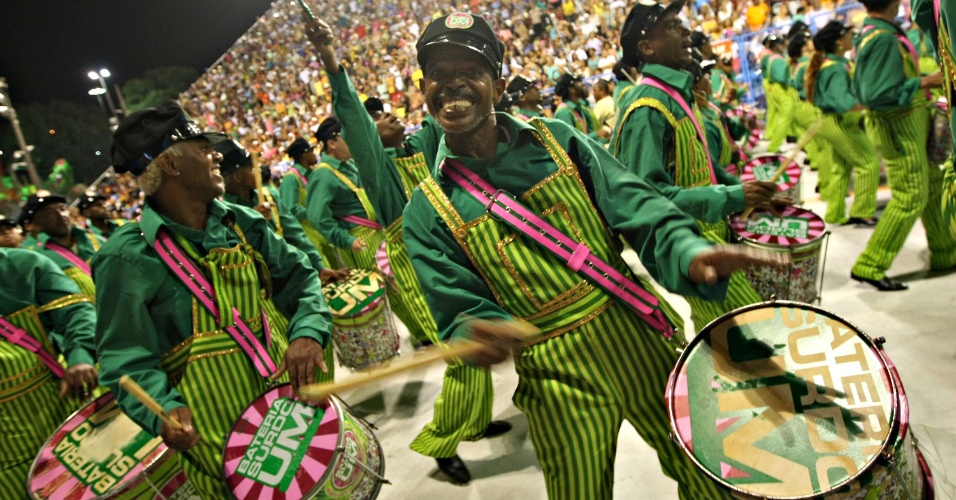
.
Today is the opening day of Carnaval 2014 throughout Brazil. The song below speaks of the Mangueira (Mango Tree) district of Rio de Janeiro, a favela (poor neighbourhood or shantytown) where Samba music began to evolve during the 1920s, and which has its own Samba School, G.R.E.S. Estação Primeira de Mangueira, that has sent participants to Carnaval competitions for decades.
.
“Favela is a mother’s heart”
(as sung by Alcione, with Marcelo Falcão and Serginho Meriti: 2008)
.
Anywhere I go I ask God to bless me, and come with me,
to where my life sends me – that’s where I’ll be.
I’m here at the bottom of the hill,
facing the favela, standing still.
Having a snack
Next to the bend
Where the road ends.
Under the bridge, where the crowd meets,
They’re chilling out
Dancing all night at the ball;
Come morning sun
everyone’s gone
smiling ear to ear.
If you know what’s good,
do you know what’s good? Favela – Mangueira!
Favela is a mother’s heart,
Mangueira is a mother’s heart,
Favela is a mother’s heart…
.
So we’re there at the burger van
Praying to the Samba Palace, the shrine of swing,
the place that crowns those samba kings,
making us tremble – as only drums can.
Down here we see the hill, a family (and what a family!)
and come February it’s Carnival in the city.
Green and Pink are the colours of the team
And when the sound comes down
It shakes the dust – moves the crowd.
The come-and-go never stops
Good / bad people, always busy,
The gossip never ending.
No wonder, I’m talking about Mangueira!
and the people that live near the freeway, Avenida Visconde de Niterói.
So many dead ends and lanes
–This hill is ours!
But poverty hurts…
.
I could be here
or else downtown
– in Chalé, Candelária, Olaria, Fundação –
or in any place where samba sounds.
You can have funk, swing, pagode;
In Mangueira everything is found,
– but you need to be in the know!
.
Green and Pink, the colours of our team
And when that sound comes down
It shakes the dust – moves the crowd.
Favela – Mangueira – is a mother’s heart, A Mother’s Heart!
.
Translation from Portuguese into English: Daniel Vianna
. . .
“Mangueira é Mãe”
(cantado por Alcione, Marcelo Falcão, Serginho Meriti: 2008)
.
Só peço a Deus que me acompanhe, me abençoe onde quer que eu vá
Eu tô na vida, eu tô no mundo, eu tô aonde o destino mandar
Tô aqui no pé da ladeira
De frente pro morro da mangueira
No trailer da mina
Tô quase na esquina
Do buraco quente
Embaixo do viaduto, e como tem gente
Gente que fica de zoeira
No samba, no baile a noite inteira
Que sai de manhã
com sorriso lindo, largo que não tem tamanho
Pra quem tem juízo. Mangueira é uma mãe…
Mangueira é uma mãe…..
E aqui estamos juntos no trailer da mina
Reverenciando o Palácio do Samba
Pensar que daqui saíram tantos bambas
Que a gente até treme no pé da colina
Daqui debaixo vejo o morro, uma comunidade (e que comunidade!)
E quando chega fevereiro é carnaval na cidade
É verde e rosa as cores da primeira estação
E quando desce a ladeira
Sacode a poeira e anima o povão
O sobe-e-desce é constante
Gente do bem e do mal, tá servidão
O comentário é geral
Também pudera, tô falando de Mangueira
De gente que vive à beira da avenida
Visconde de Niterói
é tanto beco, é tanta boca de siri nesse negócio
O morro é nosso!
Mas a pobreza é que dói
Tô no chalé
Na candelária
Na olaria, fundação, eu tô na área
Tem funk in lata, tem suingue, tem pagode
Na mangueira tem de tudo
Mas só para, só para quem pode!
É verde e rosa as cores da primeira estação
E quando desce a ladeira
Sacode a poeira e anima o povão
Mangueira é uma mãe…..
.
. . .
. . .
To learn more about the history of Samba music click the following ZP link:
. . . . .
Alain Mabanckou: “Letter to the Sun” / “Lettre au Soleil”
Posted: February 24, 2014 Filed under: Alain Mabanckou, English, French, ZP Translator: Alexander Best Comments Off on Alain Mabanckou: “Letter to the Sun” / “Lettre au Soleil”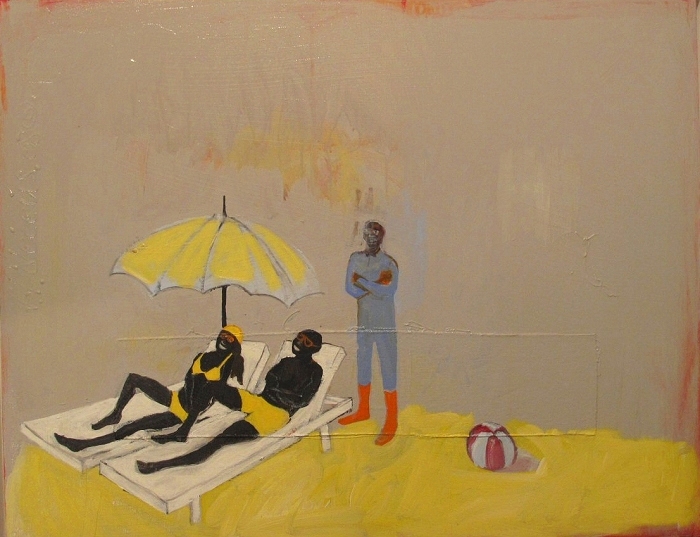
Francks François Décéus_On the beach_Sur la plage_2009
.
Alain Mabanckou
(born February 24th, 1966, Pointe-Noire, Republic of The Congo / lives in Paris and Los Angeles)
“Letter to the Sun”
.
Sun:
Here’s my registered letter,
with an accusation of deception.
I summon you – right here, right now –
to honour a tribute to Light,
something you owe this clump of Earth
capering around you.
.
Your revolutionary “revolving”,
the spheroid halo of your loophole-kisses,
these don’t impress me.
I’ll await you at the bend
between Dawn’s shyness
and Azure Sky’s confusion.
My rage will be at “high noon”,
tatooed by a fadeless rancour.
I’ll go – if need be – to “unearth” you in the dust of stars
and the vagabounding immensity of the Galaxy.
Then I will bear a grievance alongside the Eclipse
in order to mock you at your zenith
before a Humanity oh so reverential of your virtues…
. . .
Alain Mabanckou (né le 24 février, 1966, Pointe-Noire, République du Congo)
“Lettre au Soleil”
.
Soleil
Voici ma lettre recommandée
avec accusé de déception
.
Je te somme ici et maintenant
d’honorer le tribut de lumière
que tu dois à la motte de Terre
qui cabriole autour de toi
.
Ta course révolutionnaire
et le halo sphéroîdal de tes embrasures
ne m’impressionnent plus
Je t’attendrai au tournant
entre la timidité de l’Aurore
et la confusion de l’Azur
Ma rage sera à son midi,
tatouée d’une rancoeur immarcescible
J’irai s’il le faut
te dénicher dans la poussière stellaire
et l’immensité vagabonde de la Galaxie
Je porterai alors plainte auprès de l’Eclipse
pour te ridiculiser en plein zénith
devant l’humanité qui révère tes vertus…
.
.
© Alain Mabanckou, 1995
. . .
“To: Another Understanding or Guiding Light”
.
In the shade of your sleep
rest the vestiges of illusions.
It seems that beyond the hilltops
indicates another point of view / horizon.
.
I beg of the Sun not a single ray;
for I carry within me
the light of your awakening,
the marvel of your gaze
fixed upon Eternity.
. . .
“À l’autre lumière”
.
À l’ombre de ton sommeil
reposent les vestiges des songes
il paraît qu’au-delà des collines
pointe l’autre horizon.
.
je n’implore du soleil
aucun rai
je porte en moi
la lumière de ton éveil
l’éblouissement de ton regard
rivé vers l’éternité.
.
.
.
Translations from French into English: Alexander Best
. . . . .
June Jordan: “Poema sobre Intelecto para mis Hermanos y Hermanas” / “A Poem about Intelligence for my Brothers and Sisters”
Posted: February 19, 2014 Filed under: English, June Jordan, June Jordan: Poema sobre Intelecto para mis Hermanos y Hermanas, Spanish, ZP Translator: Alexander Best | Tags: Black History Month, El Mes de la Historia Afroamericana Comments Off on June Jordan: “Poema sobre Intelecto para mis Hermanos y Hermanas” / “A Poem about Intelligence for my Brothers and Sisters”
.
June Jordan (1936-2002)
“Poema sobre Intelecto para mis Hermanos y Hermanas”
.
Hace unos años me dicieron que Negro es un seso hueco y otra gente
tienen cerebros / casi como las células dentro las cabezas de niños negros
estaban fuera tomando una siesta a la hora en punto – cada hora.
.
El Científico llamé este fenómeno El Lapsus Arthur Jensen (de mala fama) – ¿no recuerdas?
Bien, estoy pensando en idear una prueba para los eruditos – los sabios, ¿sabes? – algo como una Prueba Cociente Intelectual Stanford-Binet por la CIA – ¿comprendes?
Por ejemplo…El señor doctor Einstein, incuestionablemente el “cerebro” más espectacular del siglo – ¿no?
.
Y estoy luchando contra estas sobras-Lapsus de mi niñez negra, y me pregunto por que alguien deciría: E = MC Squared – la equivalencia entre la masa y la energía.
Intento discutir sobre ésto con la vieja mujer que vive en mi cuadra…
Está escobando la escalera de entrada en una noche de sábado, enojado porque un “burro” dejó un colchón de cama king-size – manchas y demás – en frente de su casa, y no quiere saber nada de éso en primer lugar.
.
Inclinándome en la verja, digo: “Señora Johnson, ¿qué piensas en alguien que se inventa E = MC Squared?”
“¿Cómo te va?” me responde de su lado, como no quiere permitirme saber que tengo pelo no peinado (esta mañana de domingo) y que tengo el atrevimiento de molestarle durante una tarea seria con mis preguntas locas…
“¿E igual a que, cariño?”
Pues le digo: “Este tipo que dijo éso, ¡creo que fue El Padre No Refutado de La Bomba Atómica!”
“Sí, eso es,” murmura, no tan amablemente.
“¡Y siempre olvidó ponerse calcetines con sus zapatos!”– agrego (un poco deseperada).
En este momento Señora Johnson se aleja de mí, con su escoba, y da un gran paso atrás en la escalera.
“Y nunca no hizo nada para nadie sino en una comisión…Y decía “¿Qué hora es?” y alguien decía “Son las seis.” Y él decía “– ¿de la mañana o de la tarde?”…¡Y nunca no hirvió agua para una taza de té para nadie durante su entera vida brillante!…¡Y [ mi voz se eleva un poco ] nunca no bugui bugui ni nunca tampoco, no!”
“¿Y bien?” dice ella. “Supongo, sí – cielo – que eso es lo que llaman el Genio, ¿no?”
.
.
Versión de Alexander Best
.
.
.
June Jordan (1936-2002)
“A Poem about Intelligence for my Brothers and Sisters”
.
A few years back and they told me Black
means a hole where other folks
got brain / it was like the cells in the heads
of Black children was out to every hour on the hour naps.
Scientists called the phenomenon the
Notorious Jensen Lapse, remember?
Anyway I was thinking
about how to devise
a test for the wise
like a Stanford-Binet
for the C.I.A.
you know?
Take Einstein
being the most the unquestionable the outstanding
the maximal mind of the century
right?
And I’m struggling against this lapse leftover
from my Black childhood to fathom why
anybody should say so:
E=MC squared?
.
I try that on this old lady live on my block:
She sweeping away Saturday night from the stoop
and mad as can be because some absolute
jackass have left a kingsize mattress where
she have to sweep around it stains and all she
don’t want to know nothing about in the first place.
“Mrs. Johnson!” I say, leaning on the gate
between us: “What you think about somebody come up
with an E equals M C 2?”
“How you doin,” she answer me, sideways, like she don’t
want to let on she know I ain’
combed my hair yet and here it is
Sunday morning but still I have the nerve
to be bothering serious work with these crazy
questions about
“E equals what you say again, dear?”
Then I tell her, “Well
also this same guy? I think
he was undisputed Father of the Atom Bomb!”
“That right.” She mumbles or grumbles, not too politely
“And dint remember to wear socks when he put on
his shoes!” I add on (getting desperate).
At which point Mrs. Johnson take herself and her broom
a very big step down the stoop away from me.
“And never did nothing for nobody in particular
lessen it was a committee
and
used to say, ‘What time is it?’
and
you’d say, ‘Six o’clock.’
and
he’d say, ‘Day or night?’
and –
and he never made nobody a cup a tea
in his whole brilliant life!
and
[my voice rises slightly]
and
he dint never boogie neither: never!”
.
“Well,” say Mrs. Johnson, “Well, honey,
I do guess
that’s Genius for you.”
. . . . .
Gwendolyn Brooks: “Estar enamorado” / “To be in love”
Posted: February 14, 2014 Filed under: English, Gwendolyn Brooks, Spanish, ZP Translator: Alexander Best Comments Off on Gwendolyn Brooks: “Estar enamorado” / “To be in love”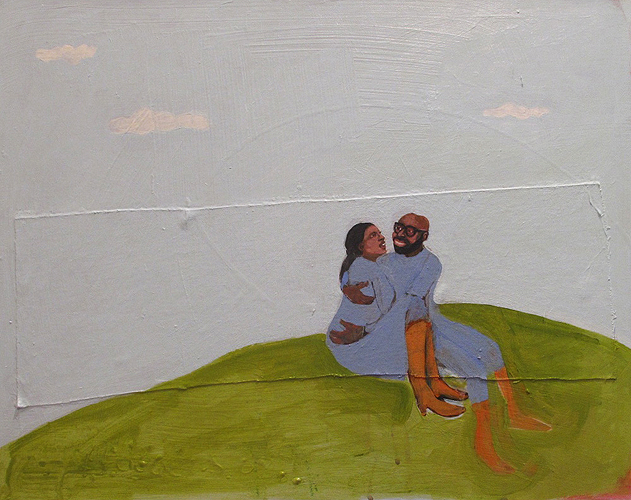
Francks François Décéus _Cloud 9_2012
Gwendolyn Brooks (1917-2000)
“Estar enamorado”
.
Estar enamorado
es tocar con mano más suave.
En tú mismo te estiras – y estás bien.
Miras las cosas con los ojos de él.
Es rojo el cardenal, es azul el cielo;
y de repente sabes que él lo sabe también.
Él no está allí pero
sabes que ustedes los dos están probando juntos
el invierno o el tiempo primaveral.
Cuando toma tu mano
es demasiado soportar.
No puedes encontrar sus ojos
porque tu pulso no debe decir
lo que no debe ser dicho.
Cuando cierra la puerta,
o cuando él no está,
tus brazos se convierten en agua.
Y eres libre con una libertad horrible.
Eres la bella mitad de un daño de oro.
Recuerdas…pues codicias su boca
– tocarla, y susurrar sobre esos labios.
Ay, cuando declarar el Amor – ¡es una Muerte, por seguro!
Oh, cuando notificar es cautivar…
Y ver rendirse la Columna de Oro
en ceniza ordinaria.
.
Traducción del inglés: Alexander Best
. . .
Gwendolyn Brooks (1917-2000)
“To be in love”
.
To be in love
Is to touch with a lighter hand.
In yourself you stretch, you are well.
You look at things
Through his eyes.
A cardinal is red.
A sky is blue.
Suddenly you know he knows too.
He is not there but
You know you are tasting together
The winter, or a light spring weather.
His hand to take your hand is overmuch.
Too much to bear.
You cannot look in his eyes
Because your pulse must not say
What must not be said.
When he
Shuts a door,
Is not there,
Your arms are water.
And you are free
With a ghastly freedom.
You are the beautiful half
Of a golden hurt.
You remember and covet his mouth
To touch, to whisper on.
Oh, when to declare
Is certain Death!
Oh, when to apprize
Is to mesmerize,
To see fall down, the Column of Gold,
Into the commonest ash.
. . .
Otros poemas de Gwendolyn Brooks:
Gwendolyn Brooks: “Mis sueños, mis trabajos, tendrán que esperar hasta mi vuelta del infierno”
. . . . .
Frank Marshall Davis: “Cuatro Ojeadas de Noche” y “Auto-Retrato” / “Four Glimpses of Night” and “Self-Portrait”
Posted: February 12, 2014 Filed under: English, Frank Marshall Davis, Spanish, ZP Translator: Alexander Best | Tags: Black History Month, El Mes de la Historia Afroamericana Comments Off on Frank Marshall Davis: “Cuatro Ojeadas de Noche” y “Auto-Retrato” / “Four Glimpses of Night” and “Self-Portrait”
Frank Marshall Davis (1905-1987)
“Cuatro Ojeadas de Noche”
.
I
.
Ansiosamente
como una mujer que se apura por su amante
La Noche llega en el cuarto del mundo
y se extiende, tierna y satisfecha
contra el rostro fresco y redondo
de la luna.
.
II
.
La Noche es un niño curioso,
vagabundeando entre tierra y cielo,
entrando a hurtadillas por las ventanas y puertas,
pintarrajeando morado
el barrio entero.
El Día es
una madre humilde y modesta
siguiendo con una toallita en la mano.
.
III
.
Yendo puerta a puerta
La Noche vende
bolsas negras de estrellas de menta,
un montón de cucuruchos de luna-vainilla
hasta que
sus bienes están acabados,
pues arrastra los pies de camino a casa,
tintineando las monedas grises del alba.
.
IV
.
El canto quebradizo de la Noche,
hecho de plata, aflautado,
destroza en mil millones de fragmentos de
sombras silenciosas
con el estrépito del jazz
de un sol madrugador.
. . .
Frank Marshall Davis (1905-1987)
“Four Glimpses of Night”
.
I
.
Eagerly
Like a woman hurrying to her lover
Night comes to the room of the world
And lies, yielding and content
Against the cool round face
Of the moon.
.
II
.
Night is a curious child, wandering
Between earth and sky, creeping
In windows and doors, daubing
The entire neighbourhood
With purple paint.
Day
Is an apologetic mother
Cloth in hand
Following after.
.
III
.
Peddling
From door to door
Night sells
Black bags of peppermint stars
Heaping cones of vanilla moon
Until
His wares are gone
Then shuffles homeward
Jingling the grey coins
Of daybreak.
.
IV
.
Night’s brittle song, sliver-thin,
Shatters into a billion fragments
Of quiet shadows
At the blaring jazz
Of a morning sun.
. . .
 . . .
. . .
“Auto-Retrato” (del poemario Humores negros, 1948)
.
Yo sería
un pintor con palabras,
creando retratos ingeniosos
sobre el lienzo amplio de tu mente,
imágenes de esas cosas
moldeados por mis ojos
– algo que me interesa;
pero, porque soy un Décimo Americano
en esta democracia,
bosquejo una miniatura
aunque contraté por un mural.
.
Claro,
Entiendes esta democracia;
Un hombre es bastante bueno como el otro
– de una cabaña de troncos hasta La Casa Blanca –
– de chico pobre hasta presidente de una empresa –
Hoover y Browder, cada uno con un voto;
en un país libre;
con completa igualdad;
Ah SÍ…
– Y los ricos reciben devoluciones de la renta y
los pobres obtienen cheques de asistencia.
.
¿Y YO?
Pago cinco centavos por un sumario de los sucesos del momento;
veinticinco centavos por lo último sobre Hollywood;
tuerzo el dial por “Stardust” o Shostakovich;
y con mi talón de gradería guardo el derecho a gritar: “¡Mata’l cabrón!” al árbitro.
Pues, ¿por qué soy diferente a los nueve otros Americanos?
.
Pero escúchame, tú:
No te preocupes por mí
– porque tengo rango.
Soy el converso número 4711 de la Iglesia Bautista Beulah;
Soy Seguridad Social número 337-16-3458 en Washington;
¡Gracias, Señor Dios y Señor Roosevelt!
Y hay algo más que te quiero decir:
No importa lo que pasa…
¡Yo también puedo hacer señas a un policía!
. . .
“Self-Portrait” (from Black Moods, published 1948)
.
I would be
A painter with words
Creating sharp portraits
On the wide canvas of your mind
Images of those things
Shaped through my eyes
That interest me;
But being a Tenth American
In this democracy
I sometimes sketch a miniature
Though I contract for a mural.
.
Of course
You understand this democracy;
One man as good as another,
From log cabin to White House,
Poor boy to corporation president,
Hoover and Browder with one vote each,
A free country,
Complete equality—
Yeah—
And the rich get tax refunds,
The poor get relief cheques.
.
As for myself
I pay five cents for a daily synopsis of current history,
Two bits and the late low-down on Hollywood,
Twist a dial for “Stardust” or Shostakovich,
And with each bleacher stub I reserve the right to shout “Kill the bum!” at the umpire—
Wherefore am I different
From nine other Americans?
.
But listen, you:
Don’t worry about me
– I rate!
I’m Convert 4711 at Beulah Baptist Church,
I’m Social Security No. 337-16-3458 in Washington,
Thank you Mister God and Mister Roosevelt!
And another thing:—
No matter what happens
I too can always call in a policeman!
.
.
.
Traducción del inglés / Translation into Spanish: Alexander Best
. . . . .
 Zócalo Poets