The Siege of Sarajevo: Sarajlić and Simić
Posted: November 11, 2011 Filed under: English, Goran Simić, Izet Sarajlić | Tags: Remembrance Day poems, War poems Comments Off on The Siege of Sarajevo: Sarajlić and Simić_____
Izet Sarajlić:
Theory of maintaining distance
The theory of maintaining distance
was discovered by writers of post-scripts,
those who don’t want to risk anything.
I myself belong among those who believe
that on Monday you have to talk about Monday,
because by Tuesday it might be too late.
It’s hard, of course,
to write poems in the cellar,
when mortars are exploding above your head.
Only it’s harder not to write poems.
*
To my former Yugoslav friends
What happened to us in just one night,
my friends?
I don’t know what your’re doing,
what you’re writing,
with whom you’re drinking,
in which books you’ve buried yourselves.
I don’t even know
if we are still friends.
_____
Goran Simić:
The beginning, after everything
After I buried my mother, running from the
shelling of the graveyard; after soldiers returned
my brother’s body wrapped in a tarp; after I saw
the fire reflected in the eyes of my children as
they ran to the cellar among the dreadful rats;
after I wiped with a dishtowel the blood from
the face of an old woman, fearing I would
recognize her; after I saw a hungry dog licking
the blood of a man lying at a crossing; after
everything, I would like to write poems which
resemble newspaper reports, so bare and cold
that I could forget them the very moment a
stranger asks: Why do you write poems which
resemble newspaper reports?
_____
Back Door
While I watch the front door, officers with gold
buttons for eyes enter my back door and look for
my glasses. Their gloves leave the prints of their
ranks on the plates in which I find my reflection,
on the cups from which I never drink, on the
windows bending outward. Then they leave
with crude jokes about the women I once loved.
Through my back door the police enter
regularly, with rubber pencils behind their belts.
Like kisses their ears splash when they stick to
my books which whine at night like pet dogs
in the snow. Their fingerprints remain on my
doorknob when they leave through my back
door, and their uniforms fade like cans in the
river.
Why do postmen enter through my back door
with bags stinking of formalin? Their heavy
soldier boots march through my bathroom and I
can hear them looking for the pyjamas hidden in
a box of carbon paper. I ask them why they need
my pyjamas and their eyes flash for a moment
with April tenderness. Then they slam the door
and the room is illumined by darkness.
And I still watch the front door where the
shadow of someone’s hand lies by the doorbell.
Someone should enter. Someone should enter
soon.
_____
Izet Sarajlić (1930-2002) was a Bosnian poet
who lived in Sarajevo for 57 years. The two poems
featured here are from his Sarajevo War Journal (1993).
Translation from Serbo-Croatian into English: C. Polony
*
Goran Simić (born 1952) was active in Bosnia’s literary life
and ran a bookstore in the capital, Sarajevo. He survived the city’s
Siege (1992-1995) by Serbian troops and the Yugoslav Army – an assault
that cost 11,000 lives. Simić has lived in Canada since 1996.
Written during the Siege, the two poems above were part of a collection
Simić had published at the time – then lost control over, being cut off
from the world. The vagabond volume took on a life of its own,
turning up in Serbia, Slovenia, Poland, France and England – in
piecemeal forms and translations.
In 2005 From Sarajevo with Sorrow was finally re-published,
in Canada, in a translation that gives the poems a new home in the
English language.
Translation into English: Amela Simić
Mendez y Kintana: una voz contra la Guerra, una voz por el Armonía
Posted: November 11, 2011 Filed under: English, Spanish, ZP Translator: Alexander Best | Tags: Remembrance Day poems, War poems Comments Off on Mendez y Kintana: una voz contra la Guerra, una voz por el Armonía__________
Contra la Guerra:
Carlos Mendez (Venezuela)
Odio la guerra casi tanto,
como odio los zapatos escolares de mi niñez.
Odio la pluma que firma decretos de muerte
casi tanto,
como odio a quienes pretenden apagar mis sueños
obligándome a dejar de ser niño.
Odio la paz,
por estar tan ausente.
*
Against War:
I hate War so much,
like I hate those stiff school-shoes of my childhood.
I hate the pen that signs death certificates
– so much,
Like I hate anyone who tries to shut down my dreams,
forcing me to abandon being a kid still.
And I hate Peace,
for being so absent.
_____
Por el Armonía:
Jenaro Mejía Kintana (Colombia)
En el principio también nació los Andes
Paso a paso, día a día;
Se sumaron los meses a los pies cansados.
Fueron los años y el camino
Así las centurias se sucedieron caminando
Y en los siglos nacieron las pisadas.
Perseguidos, perseguidores;
Sol, viento, lluvia, tierra,
tierra nuestra y de nadie.
Naciste y nacimos para todos
De la misma arcilla bajo el mismo sol
Todos somos nosotros.
*
For Harmony:
In the beginning were born The Andes mountains,
Step by step, day by day;
adding up to months measured in weary feet.
Years went by – and the path,
In this way the eras – walking along – followed one another,
And over the centuries footprints came to be.
Pursuer, pursued – persecutor, the persecuted;
Sun, wind, rain, earth,
The Earth – ours and nobody’s.
You were born, we were born, all of us
Of the same clay from below + the same sun.
Everyone is Us.
_____
Traducción al inglés: Alexander Best
Translation from Spanish to English: Alexander Best
Algo Más en esta Vida: El Día de los Muertos / The Day of the Dead: Something Else in this Life
Posted: November 2, 2011 Filed under: Alexander Best, English, Spanish | Tags: Day of the Dead poems, Poemas para El Día de Los Muertos Comments Off on Algo Más en esta Vida: El Día de los Muertos / The Day of the Dead: Something Else in this Life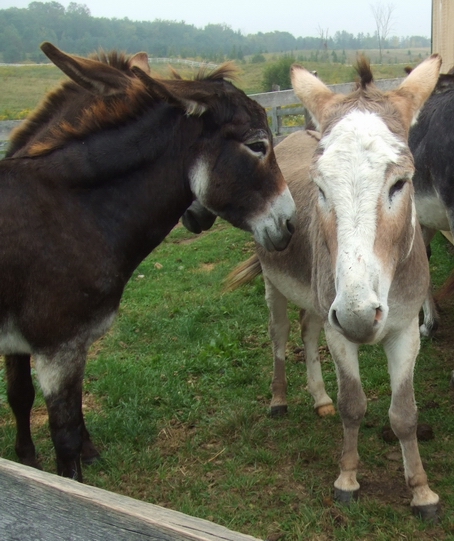
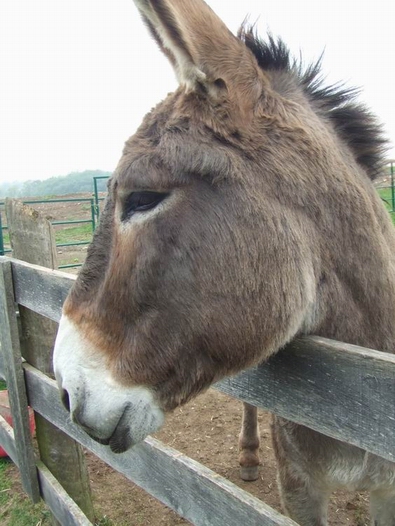
La Vida es un Burro
Sigan cabalgando este Burro tenaz de la Vida,
hasta la meta – El Fin.
Allá nos premiará con guirnaldas de cempasúchiles
La Diosa Coatlicue *.
¡ Todos nosotros ganaremos esta carrera !
* Coatlicue – para los Mexicas/Aztecas, la diosa madre de la Vida y la Muerte
* * *
Life is a Donkey
Keep on riding this tenacious donkey called Life
till our goal: The End.
There the goddess Coatlicue will reward us with
a garland of marigolds.
All of us get to win this race !
* Coatlicue – Aztec mother-goddess of Life and Death
** marigolds – Mexican Day of the Dead flower
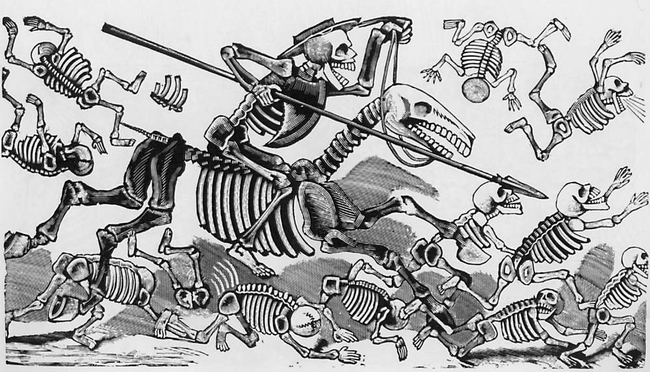
Sombrío – con brío
Dice Alejandro:
¿ Dónde está la sepultura de mi familia ?
No recuerdo…
aúnque yo la buscaba entre un mil de tumbas de piedra
en el camposanto.
La verdad: Está quebrada, mi familia. Con nosotros la
tradición es un árbol de ramas bien cortadas.
El panteonero me miraba, apoyando en su pala,
royendo contentamente unos churros tiesos.
Jefe, ¿ está perdido ?
Mi Hombre, no – pero está perdida mi familia.
¡ Claro ! Cada diez años volteamos el suelo y…y…
¿ Y entonces ?
¿ Conoce usted la fábrica de fertilizante…por la carretera
…entre Ciudad-Carrona y Los Cuervos…?
¿¡…..?!
* * *
Gloomy – with spirit !
Says Alexander:
Where’s my family’s tomb? I don’t remember…
even though I’ve been searching for it among a thousand
other tombstones in the cemetery.
In truth: my family’s busticated – with us tradition is
a tree whose branches are hacked off.
A gravedigger was watching me, leaning on his shovel,
gnawing contentedly on some stale, hard crullers.
Boss, are you lost?
No, my Man – but my family is.
Of course! Every ten years we turn over the soil here and…and…
And ?
Do you know the fertilizer factory…up by the highway…
between Carrion City and Crow Corners…?
?!…..?!
En la Voz de la Guacamaya
“ El TIEMPO es Trácala de la Vida, ”
chacharea la guacamaya.
“ Pásenlo bien – Ahora – Pues:
Silencio, bobos – n’hay nada más
– nada más
– nada más
– nada más… ”
* * *
The macaw squawks
“TIME – that swindler of this Life,”
squawks the chatterbox-macaw.
“Party now, yes NOW, and THEN:
It’s silence, fools, ain’t nothing more
– nothing more
– nothing more
– nothing more…”
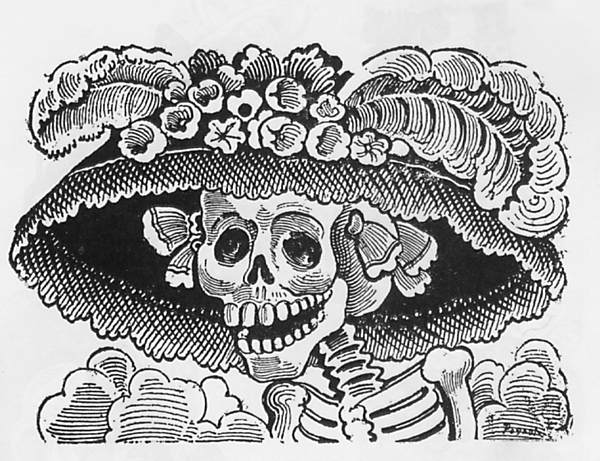
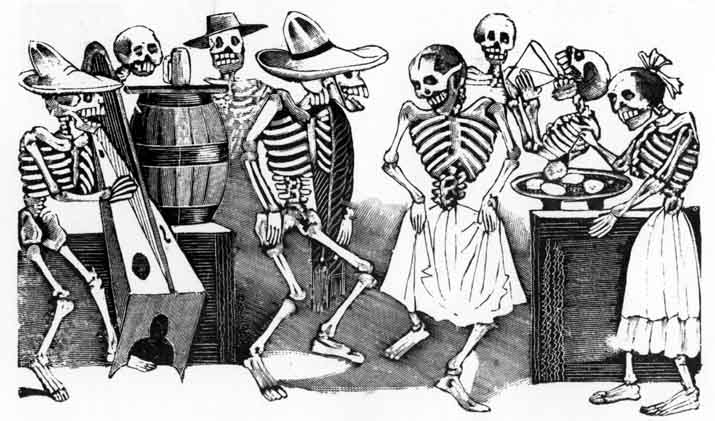
A Sincere Tale for The Day of The Dead :
“ Lady Catrina goes for a stroll / Doña Catrina da un paseo ”
“¡ Santa Mictecacihuatl !
These Mandible Bone-nix (Manolo Blahniks) weren’t meant for
The Long Haul – certainly not worth the silver I shelled out for ’em ! ”
Thus spoke that elegant skeleton known as La Catrina.
And she clunked herself down at the stone curb, kicking off the
jade-encrusted, ocelot-fur-trimmed high-heel shoes.
“ Well, I haven’t been ‘bone-foot’ like this since I was an escuincle. ”
She chuckled to herself as she began rummaging through her Juicy handbag.
Extracted a shard of mirror and held it up to her face – a calavera
with teardrop earrings grinned back at her. ¡Hola, Preciosa!,
she said to herself with quiet pride. Then adjusted her necklace of
cempasúchil blossoms and smoothed her yellow-white-red-and-black
designer-huipil.
*
Just then a lad and lassie stumbled across her path…
“ Yoo-hoo, Young Man, Young Woman !
Be dears, would you both, and escort an old dame
across La Plaza de la Existencia ! My feet are simply
worn down to the bone ! ”
*
“ Certainly, madam – but we’re new here…
Where is La Plaza de la Existencia ? ”
*
“ We’re just at the edge of it – El Zócalo ! ”
And La Catrina gestured beyond them where an
immense public square stretched far and wide.
She clasped their hands – the Young Man on her left,
the Young Woman on her right – and the trio set out
across a sea of cobbles…
*
By the time they reached the distant side of the Plaza the
Young Man and Young Woman had shared much with the
calaca vivaz – their hopes, fears, their
sadness and joy.
*
The Woman by now had grown a long, luxurious
silver braid and The Man a thick, lush, salt-and-pepper
beard. Both knew they’d lived full Lives – and were satisfied.
But my – they were tired !
*
In the company of the strange and gregarious Catrina 5 minutes
to cross The Zócalo had taken 50 years…
*
“ Doña Catrina, here we are at your destination – will you be
alright now ? ”
*
“ Never felt better, Kids ! I always enjoy charming company
on a journey ! ” And she winked at them, even though she had
no eyeballs – just sockets. “ Join me for a caffè-latte? Or a café-pulque,
if you’re lactose-intolerant ! ”
*
“Thank you, no,” said the Man and Woman, in unison.
And both laughed heartily, breathed deeply, and sat down
at the curb.
*
When they looked up, Doña Catrina had clattered out of sight.
And before their eyes the vast Zócalo became peopled with
scenes from their Lives. The Man and Woman smiled, sighing
contentedly. Side by side, they leaned closer together – and died.
Glossary:
Mictecacihuatl – Aztec goddess of the AfterLife, and Keeper of The Bones
La Catrina – from La Calavera Catrina (The Elegant Lady-Skull),
a famous zinc etching by Mexican political cartoonist and print-maker
Jose Guadalupe Posada (1852-1913). Posada’s “calavera” prints depict
society from top to bottom – even the upper-class woman of wealth –
La Catrina – must embrace Death, just like everyone else…
She has since become a “character”,
invented and re-invented, for The Day of The Dead (Nov.2nd).
escuincle – little kid or street urchin
calavera – skull
¡Hola, Preciosa! – Hello, Gorgeous!
cempasúchil – marigold (the Day of The Dead flower)
huipil – blouse or dress, Mayan-style
El Zócalo – the main public square (plaza mayor) in Mexico City,
largest in The Americas
calaca vivaz – lively skeleton
pulque – a Mexican drink make from fermented
agave or maguey – looks somewhat like milk
_____

Walt Whitman: “Living always, always dying”
Posted: November 2, 2011 Filed under: English, Walt Whitman Comments Off on Walt Whitman: “Living always, always dying”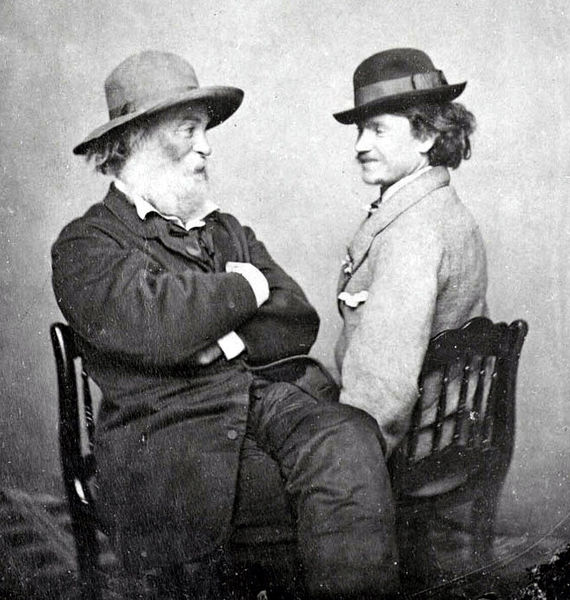 ZP_Walt Whitman with Peter Doyle who was, quite possibly, his lover_1869
.
Of him I love day and night
.
Of him I love day and night I dream’d I heard he was dead,
And I dream’d I went where they had buried him I love, but he was
not in that place.
And I dream’d I wander’d searching among burial-places to find him,
And I found that every place was a burial-place;
The houses full of life were equally full of death, (this house is, now,)
The streets, the shipping, the places of amusement, the Chicago,
Boston, Philadelphia, the Mannahatta *, were as full of the dead
as of the living.
And fuller, O vastly fuller of the dead than of the living;
And what I dream’d I will henceforth tell to every person and age,
And I stand henceforth bound to what I dream’d,
And now I am willing to disregard burial-places and dispense with
them,
And if the memorials of the dead were put up indifferently
everywhere, even in the room where I eat or sleep, I should be
satisfied.
And if the corpse of any one I love, or if my own corpse, be duly
render’d to powder and pour’d in the sea, I shall be satisfied,
Or if it be distributed to the winds I shall be satisfied.
.
* Mannahatta – the original Delaware/Algonquin Native name
for Manhattan
_____
O Living Always, Always Dying
.
O living always, always dying!
O the burials of me past and present,
O me while I stride ahead, material, visible, imperious as ever;
O me, what I was for years, now dead, (I lament not, I am content;)
O to disengage myself from those corpses of me, which I turn and look
at where I cast them,
To pass on, (O living! always living!) and leave the corpses behind.
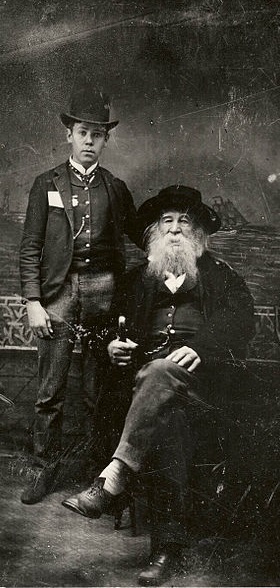 ZP_1886 photograph of Walt Whitman with Bill Duckett
.
Walt Whitman was born in 1819, at Long Island, New York.
By his mid-teens he was working as a typesetter in Brooklyn
and began to contribute juvenilia to newspapers.
At twenty he was a schoolteacher but being a
restless fellow, one to get fired, or to quit, he went from job
to job, writing being the only steady thing.
His poetry collection “Leaves of Grass”, from 1855, is considered
a cornerstone in what might now be called “the American voice”
– plain-spoken and egalitarian – yet grandiose and self-centred, too.
Whitman is the 19th-century father of free-verse poetry in the
English language, basing the form and cadence of his poems
on the Psalms of the King James Bible.
The two poems featured above take the Victorian-era (even in the U.S.)
morbid maudlinism surrounding Death and give it a 180-degree turn.
Whitman died in 1892.
All Souls Day: lover, cat, mother, son, child
Posted: November 2, 2011 Filed under: Alexander Best, English Comments Off on All Souls Day: lover, cat, mother, son, childAlexander Best
To my Estranged, on the Death of a Cat
Her spirit, yes.
Intensely I loved it; the years flew, and
occasional fur.
And the body that housed her spirit, that little body
– I loved her body, too.
Wake me she would, by
soft-claw botheration of eyelids; she,
guardian of my sleeping eyes.
And if it pleased her to
walk over my face to get to her bowl
– well, she walked over me.
Where are you, vanished lover? Untouchable fact who
even now lies in my bed. Once, you were a tender sprite;
and she was my Bastet *, exact and serene
– both of you my old souls.
That little animal’s death – where were you?
Remember, my barren life when she came to me
from out of the tall grass? You were not there, but
remember still.
Met me at the train station, daintily crossing two sets of tracks;
led me home in a heart-made vehicle borne on gravel paws.
From her I knew patience and living in the moment; that
Beauty kills, then Life is renewed via licks of the tongue – a
miniature slice of sandpaper-ham.
To have known such a creature!
We bury a childhood friend,
We bury a father,
We bury distinctive old ladies,
We bury a cat.
Must we also bury love?
* Bastet – Cat-goddess of ancient Egypt
_____
D.H. Lawrence (1885-1930)
“Brooding Grief”
A yellow leaf from the darkness
Hops like a frog before me.
Why should I start and stand still?
I was watching the woman that bore me
Stretched in the brindled darkness
Of the sick-room, rigid with will
To die: and the quick leaf tore me
Back to this rainy swill
Of leaves and lamps and traffic mingled before me.
_____
An 18th-century Children’s prayer
Now I lay me down to sleep,
I pray thee, Lord, my soul to keep.
If I should die before I wake,
I pray thee, Lord, my soul to take.
Macumba Words: Aimé Césaire
Posted: October 26, 2011 Filed under: Aimé Césaire, English, French, ZP Translator: Alexander Best | Tags: Black poets Comments Off on Macumba Words: Aimé Césaire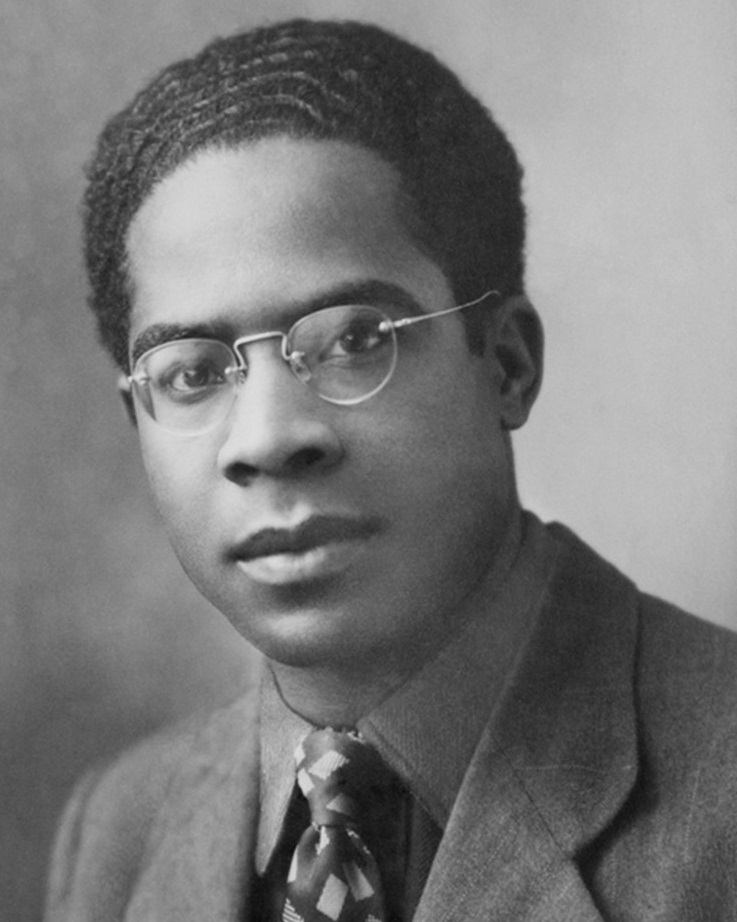 ZP_Aimé Césaire dans les années 1930
Macumba-Word
.
A word can be father to a saint,
words are the mothers of saints,
with a word that both chases and caresses one can
cross a river peopled by caïmans.
Sometimes I sketch a word on the sun,
with a cool, fresh word one spans a desert
in a day.
There are life-buoy words that ward off squalls,
there are iguana-words,
there are delicate words – phantom stick-insect words.
And those shadow-words
when one awakes in a rage of flying sparks.
There are Shango words.
And sometimes I swim slyly – playfully –
upon the back of a dolphin-word.
. . .
Glossary:
Macumba – an African (Bantu) word generally meaning “magic”
caïmans – a species of crocodile found in the Caribbean, Central and
South America; hunts along riverbanks
Shango – god of fire, thunder and lightning, from West-African religion
– mainly Yoruba; survived “The Middle Passage”, and is venerated in
Haitian vodou (voodoo) and Brazilian candomblé.
dolphin – perhaps a reference to two ‘dolphins’:
‘dauphin’ as in ‘Dauphin’, the old heir-apparent to France’s throne +
the notion of “correct” French;
also the Boto (Amazon River dolphin) of Afro-Brazilian religion
. . . . .
Mot-Macumba
.
Le mot est père des saints
le mot est mère des saints
avec le mot couresse on peut traverser un fleuve
peuplé de caïmans
Il m’arrive de dessiner un mot sur le sol
avec un mot frais on peut traverser le désert
d’une journée
Il y a des mots bâton-de-nage pour écarter les squales
il y a des mots iguanes
il y a des mots subtils ce sont des mots phasmes
il y a des mots d’ombre avec des réveils en colère
d’étincelles
Il y a des mots Shango
Il m’arrive de nager de ruse sur le dos d’un mot dauphin.
. . .
Aimé Césaire (1913-2008) was born and died in Martinique,
yet he was a man of the world. In his poetry and plays, both
full of hope and strength, he promoted decolonization
throughout the island-countries of the Caribbean. From
the geography and customs of those same islands he
drew much of his imagery – as in the poem featured above.
English translation: Alexander Best.
*
Aimé Césaire (1913-2008) était un Martiniquais, aussi
un homme du monde. Dans sa poésie et son théâtre, et avec
de l’espérance et puissance, il a promis la décolonisation des
pays caraïbes. Ses paroles sont fondées sur la géographie et
les coutumes de ces mêmes îles. Par exemple: le poème ici…
Traduction en anglais: Alexander Best
Kettly Mars: Defiance of Oblivion
Posted: October 26, 2011 Filed under: English, French, Kettly Mars, ZP Translator: Alexander Best | Tags: Black poets Comments Off on Kettly Mars: Defiance of Oblivion ZP_Kettly Mars_2011
Behind the door
.
Sweet sentinel, you keep watch
over the shadows of my room.
This evening my dreams depart
for the north. Toward the sea.
Gentle candle, gentle
flame, under your tears of light
wood, stone, copper and glass
cloaked in golden silence
bathed in the same mystery.
. . .
Derrière la porte
.
Douce sentinelle, tu veilles
sur les ombres de la chambre.
Ce soir mes rêves partent
vers le nord. Vers la mer.
Douce bougie, douce
flamme, sous tes larmes de lumière
bois, pierre, cuivre et verre
enveloppés d’or silencieux
baignent dans le même mystère.
. . .
My hand and the stone
.
My hand and the stone,
sage rebellion of noble particles
gripped in my palm.
I’ve made my own her reality:
grey, heavy, oval.
Millenial stone
whose cry
lays claim to nothing other than a
defiance of oblivion.
. . .
Ma main et la pierre
.
Ma main et la pierre,
sage rébellion de particules
tenant dans ma paume.
J’ai fait mienne sa réalité
grise, lourde et ovale.
Pierre millénaire
jusqu’en son cri
elle ne se prétend autre chose
qu’un défi à l’oubli.
. . . . .
Kettly Mars est née en 1958.
Un romancier à le proue de la littérature haïtienne,
elle est aussi un poète. Les poèmes ici viennent de
son recueil de 2011, Feulements et sanglots.
Traductions: Alexander Best
*
Kettly Mars, born in 1958, is a novelist
at the forefront of Haitian literature.
She is a poet as well, and these poems
are from her 2011 collection, Growls and Sobs.
Translations into English: Alexander Best
James Noël: Four poems from “Kana Sutra”
Posted: October 20, 2011 Filed under: English, French, James Noël, ZP Translator: Alexander Best | Tags: Black poets Comments Off on James Noël: Four poems from “Kana Sutra”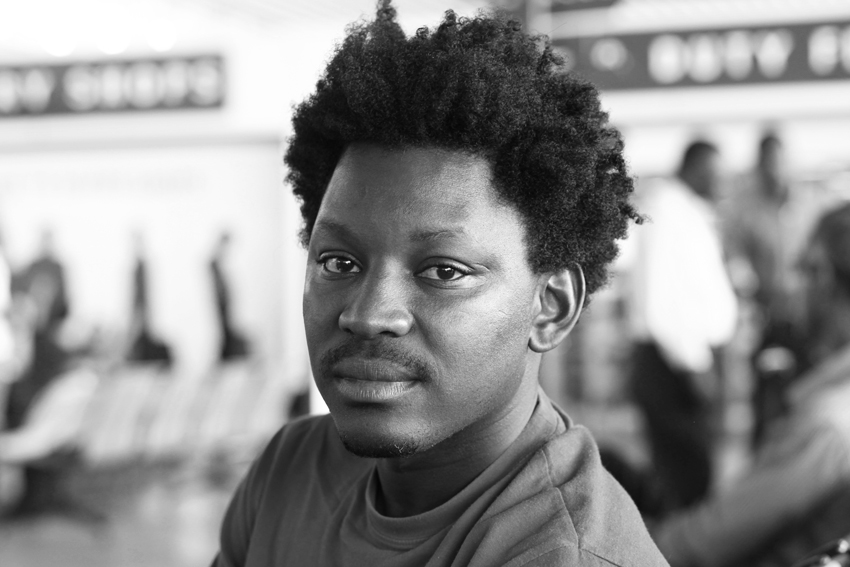 ZP_James Noël in 2011_photographed by Henry Roy
Inside my Cage
.
In me the words
released like parrots
blue-black-red-and-green
hurled like stones
at the sleeper’s roof
inside my private cage
all the illegal words
all the SDF * words
all the words without i.d. or release papers
in me all the words at the margin
which dream of a line
of a better horizon
in me love’s words
words which kiss between two fingers
– the middle and the baby one
words which die wordlessly
lacking hands to touch
or lips to kiss with
in me a word
in me the kamikaze-word of mad love
trapped in a speeding car
heading toward a public climax
.
* Self Defense Force
_____
Cage intérieure
.
En moi le mots
lâchés comme des perroquets
bleus-noirs-rouges-et-verts
lancés comme des pierres
sur le toit du dormeur
dans ma cage intérieure
tous les mots sans-papiers
tous les mots SDF
tous les mots sans-papiers ni cahier
de décharge
en moi tous les mots en marge
qui rêvent d’une ligne
d’un horizon meilleur
en moi les mots’ d’amour
les mots qui baisent entre deux doigts
le majeur el l’auriculaire
et qui crèvent sans mot dire
fate de mains pour toucher
ni de lèvres pour le baiser
en moi un mot
anmwe le mot kamikaze de l”amour fou
allant voiture piégée
vers son orgasme public.
_____
Waltz of the Valises
.
My suitcase pops open in public
i endorse this without saying anything
i’ve packed Death
inside
cash paid in full
childhoods
childhoods
see my waltzing valise
few people in this world
are as open as my valise
in public my suitcase on display
down to the merest details
my made-in-China suitcase
nylon and polyester
my suitcase with its exhibitionist’s soul
down to the least titbits
few people in this world
are as exposed as my valise
now
all my guts are out
all my dirt in disorder
my vices
my nuts and bolts
all my lives
are known
my whole history
within – without
and my poem
inside – outside
known at last
and acknowledged
for the grand importance of
its public uselessness.
_____
Valse des valises
.
Ma valise s’ouvre en public
et j’avalise sans rien dire
j’encaisse la mort
à l’intérieur
rubis sur ongle
enfances
enfances
voyez la valse de ma valise
ma valise est ouverte
peu de gens danse le monde
sont aussi ouverts que ma valise
en public ma valise étalée
dans les moindres détails
ma valise made in China
nylon et polyester
ma valise à l’âme
exhibitionniste
dans les moindres détails
peu de gens dans le monde
sont aussi ouverts que ma valise
maintenant
tous mes boyaux sont dehors
toutes mes ordures en désordre
mes vices
mes écrous
toutes mes vies
sont connues
toute mon histoire
dedans – dehors
et mon poème
dedans – dehors
enfin connu
et reconnu
pour sa grande importance
d’inutilité publique.
_____
Of love and other generalities: an excerpt
.
Certain love poems are to be read at night so that
their effect might be fully felt within the body –
like Japanese green tea, a concoction of datura, or
even a mild drug, a sweet drug that produces the
impression of the city’s dust under a rain.
The best poems often come after a break-up.
That most awful thing about a split is the feeling of
being ditched in the middle of the ocean,
with few choices for somebody who doesn’t know
how to swim.
Only one option has existed up till now: to sink.
_____
De l’amour et autres généralités: un extrait
.
Certains poèmes d’amour sont à lire la nuit
pour que leurs effets soient pleinement ressentis
dans le corps comme un thé vert japonais,
une concoction de datura, ou bien encore une
drogue douce, l’effet d’une drogue douce que
procure la poussière d’une ville sous la pluie.
Les meilleurs poèmes viennent souvent après
une rupture amoureuse. Ce qu’il y a de plus
terrible dans les ruptures, c’est le sentiment
d’être lâché en haute mer, au mauvais moment
par l’autre. Être lâché en haute mer donne peu
d’options à quelqu’un qui ne sait pas nager.
Une seule option demeure jusqu’ à ce jour:
le naufrage.
_____
Two burning candles
.
The day will come, says a man to his belovéd,
when God will intervene with a knife
to slice this onion
which costs our eyes so many tears
and sucks up so much wax
from two burning candles
on their way to dying in the rain
God will come one day
to slice this onion
under our eyes
_____
Deux bougies allumées
.
Un jour viendra , dit l’homme à sa bien-aimée,
un jour viendra
où Dieu fera une intervention au couteau
pour trancher cet oignon
qui coûte tant de larmes à nos pupilles
et pompe tant de cire
à nos deux bougies allumées
en passe de mourir sous la pluie
Dieu viendra un jour
trancher cet oignon sous nos yeux.
_____
Poet and writer James Noël was born in
Haiti in 1978. These poems are from his
2011 collection, Kana Sutra.
Translation from the original French:
Alexander Best
*
Né en Haïti en 1978, James Noël est
un poète et écrivain. Les poèmes ici
viennent de son recueil 2011, Kana Sutra.
Traduction en anglais: Alexander Best
Michèle Voltaire Marcelin: “Quicksand words”
Posted: October 15, 2011 Filed under: English, French, Michèle Voltaire Marcelin, ZP Translator: Alexander Best | Tags: Black poets Comments Off on Michèle Voltaire Marcelin: “Quicksand words” ZP_painting by Michèle Voltaire Marcelin
Michèle Voltaire Marcelin:
And there comes
the time of the Poem
.
The afternoon blazes through the window
at siesta hour
It is forbidden to speak to the poet
do not disturb
because
I’m making love to words
here behind the door
in my bed
One must not disturb the poet
there’s no response from the number you just dialed
momentarily I’ve removed myself from this world
put misery off to one side
it’s the time to say to myself
kick the door shut and
take your pleasure
Talking to the poet’s not allowed
until the month of August
because je suis in bed
with words
feetless, headless words
words that dog-howl at the moon
quivering-iguana words dazzled by roses
bad-luck words like roof tiles that bonk me on the head
because I don’t know how to put on an act
quicksand words
words like crucifixion nails
and an Easter brought back to life
words of flagellation upon naked thighs
promised-land words
Place de l’Opéra words
or of Place Saint-Pierre
or words of whichever Place you’d like
between Brooklyn and Africa
It’s forbidden to disturb the poet
I’m not there for anyone
when words are running ’round in my head
and walking through my blood
just three little turns more and then they’ll take off
– wait till the end of summer and
it’s just the time, the weather’s right,
to place a poem, to set a poem off, in the street.
. . .
Il fait un temps de poème
.
L’après-midi flambe à travers la fenêtre
à l’heure de la sieste
il est interdit de parler au poète
do not disturb
because
je fais l’amour avec des mots
derrière la porte
et dans mon lit
il ne faut pas déranger le poète
il n’y a pas de réponse au numéro que vous avez composé
je m’absente du monde momentanément
je laisse la misère de côté
le temps de me dire
pousse la porte du pied
prends ton pied
il est interdit de parler au poète
jusqu’ au mois d’août
because je suis in the bed
avec des mots
des mots sans pieds ni tête
des mots aboiements de lune aux chiens
des mots frissons d’iguanes éblouis par des roses
des mots tuiles qui me tombent sur la tête
car je na sais pas jouer la comédie
des mots sables mouvants
des mots clous de crucifixion
et de Pâques ressuscitées
des mots flagellations sur des cuisses dénudées
des mots promissions
des mots Place de l’Opéra
ou Place Saint-Pierre
ou Place où tu voudras
between Brooklyn and Africa
il est interdit de disturb le poète
je n’y suis pour personne
quand les mots courent dans ma tête
et marchent dans mon sang
trois petits tours et puis s’en vont
attendez la fin de l’été
il fait un temps à mettre un poème à la rue.
. . .
My heart
.
My heart’s “in use” so much and so often, that
rust never settles there.
Each time the lock’s got to be changed, because
it’s always my previous lover who keeps the key.
. . .
Mon coeur
.
Mon coeur sert tant et si souvent
que la rouille ne s’y installe pas
Il faut à chaque fois y changer la serrure
Le dernier amant garde toujours la clef.
. . . . .
Michèle Voltaire Marcelin is from Port-au-Prince,
Haiti. She was born in 1955.
She is both poet and painter and has been called
a “disenchanted enchantress” (editor Bruno Doucey).
Poem translations into English: Alexander Best
French originals: Éditions Bruno Doucey
*
Michèle Voltaire Marcelin, née à Port-au-Prince, Haiti,
en 1955, est une poétesse et peintre, aussi une
“désenchantée enchanteresse” (éditeur Bruno Doucey).
Traductions: Alexander Best
Thanksgiving Poems – 10 / 10 / 2011
Posted: October 10, 2011 Filed under: Alexander Best, English | Tags: Thanksgiving poems Comments Off on Thanksgiving Poems – 10 / 10 / 2011.
Alexander Best
GIVE THANKS
.
Green growth in a clay pot, citrus peel,
cat’s paw.
Rakes, staves, a busted clock.
Clackety spinning of rusty wheels.
Nuts and bolts in a bashed-up box,
kicked across the floor.
Hair-raising feelings. A bare ass to the world.
Clear. Early.
Cool air, and straight-back chair.
Cat’s ear. Basket, of rough weave, trumpet-shaped.
Heavy tasks. Leaves, a stump, some stuff.
Unknown Men and Women.
Hammered tray and coffee pot of
brass / wood, looks like a
sputnik with minaret.
Cat’s chin, offered upward.
A pyramid of lemons. A big-wide
cracked maple bowl
(flung as the lover fled, spent winter
face-down in puddle-deep yard).
Cat sleeping, after the hunt…
no longer hot and full of craft.
Cotton, wool, gravel,
soil of several consistencies.
Sandy-shale pumice for ‘seasonal’ foot.
Rain, sun and cloud,
of course. Remorse.
Being human.
All cats, contented and cross.
Agéd treetrunks whose bark suffers loss,
cement and copper, dross.
Stones in groups, free-thinking boulders,
grasses tufted tiny and tall.
Porridge-of-bricks.
And, put to no purpose:
wedges, clods, mud.
Fragrance, the Body.
Cats-as-judges. Purring-song.
Pig and cow, fowl,
Sardines grilled, and memory of
flash-fried scallops.
A meal set down before me.
Snoozes. Solitude.
Ripe hollering, and
Crude.
Kind people.
Passionate ones.
Sad or angry anybodies.
Cat’s nose.
INVISIBLE HOME
.
The cast-iron gate at the top of the fire escape swings open, swings shut. The skinny girl who lives across the way skips down the metal stairs in her hideous, clunking platform shoes.
The ugly, charming bulldog scampers around the flat tar-and-pebble roof; sniffs, snorts, and whines. Its master opens the door a sliver; inside’s a muddle lit by two computer screens. The dog walks itself in a cold dark built of specific small noises; scratches at the door then disappears.
The clunking girl returns; dances, graceless and free, up the fire escape; the gate talks on its hinges.
Voices banter, in burnt or polished tones. Footfalls approach, on ice, mud and trash;
boots crunch over starchy snow. Regular strangers, alley trudgers.
These…the night sounds through a gap in my window.
Is my face neutral – or grim ?
My face shows nothing, as I sink and rise into the hours of sleep.
Smiling, I am smiling; borne along these sounds of night,
glad to be here, exactly now.
_____
THE VIVID PICTURE
.
Curls of incense, gusts of cold air, meet in a little room.
Means the world to me, this space; and all objects in it
– broken, brassy – are beautiful.
Here, the eye everywhere falls on
Something that soothes the human animal.
And you, my darling, are come to me – at last –
And you came in your own way, taking me by surprise,
Like the tender return of the wanderer-cat; or the
Kind face of the January sun.
And a crow’s voice tells-it-like-it-is this visionary morning.
You’ve let me touch your body…and it’s a
Reaching-Home after long absence; a
Perfect walk in darkness, the jig of a blind man with his sugar cane.
You and I, we can still speak !
Your field-and-forest feet cover mine richly,
and the whole of us is a vigorous stalk.
You laid your head on my thigh,
Remembered my body’s health to me.
And like a great journey in progress,
Being is strong throughout my limbs.
Lying a-bed after pure-ancient Moment, our
Body arrives at the place of the Soul. And
It’s happened together.
Shall we rest ?
Upon a chunk of earth, Heart takes its ease.
Home is invisible, but
Today I caught a glimpse. And
I’m gonna ’scribe it
Before the vivid picture fades.

CAN’T PUT IT IN WORDS BUT I’LL TRY
.
Can’t put IT in words but I’ll try…
Didn’t mind being had, hung out to dry. There
Is food in mouldbread, good’s come of bad, I’ve no
Beefs / bitter gripes. And besides:
’T’were a suspect load I dragged.
We’re grown now…berry’s bit, dice sown, and how.
Are green and grey; in places, brown.
My chores ( + questionable deeds ) are done.
Was clever as a knife…carved a jigsaw life.
Spat nails in righteousness, squandered hate
(wrong, delicious) down to the
Last hot penny, glad it’s spent.
Cried a great cry, very late in the day,
And dipped a biscuit in water.
And something worthwhile, many-hued-and-fine,
Came clean via palm-packed cakes of
Sand, peppered-pinecones, ashes and fat.
Crush my spirit, there’s more of us yet, and
Whisk the thick-and-thin mix.
Will not keep telling lies. There’s a mouthful.
Crows: be commas, colons, punctual dots.
Underscore me, and lend me your sceptical weight.
Some plans won’t fly.
Dearly beloved / abandoned, we are
Scattered here today…
Can’t put IT in words but
I’ll try.
.
(2002-2003)
 Zócalo Poets