“Guerra” / “War”: canción popular de protesta, del año 1969 – contra la Guerra de Vietnam: un poema para el Día de los Veteranos / A poem for Veterans Day
Posted: November 11, 2015 Filed under: English, Spanish, Vietnamese | Tags: Poemas para el Día de los Veteranos Comments Off on “Guerra” / “War”: canción popular de protesta, del año 1969 – contra la Guerra de Vietnam: un poema para el Día de los Veteranos / A poem for Veterans Day
……….
“Guerra”
(canción grabado por Edwin Starr en 1969 / música y letras de Barrett Strong y Norman J. Whitfield)
.
Guerra, huh, yeah
¿Para qué es buena?
Absolutamente nada
Uh-huh
Guerra, huh, yeah
¿Para qué es buena?
Absolutamente nada
Decidlo otra vez, todos
Guerra, huh, yeah
¿Para qué es buena?
Absolutamente nada
Escuchadme
Oh, guerra, la desprecio
porque significa destrucción
de vidas inocentes
Guerra significa lágrimas
de los ojos de miles de madres
Cuando sus hijos van a luchar
y perder sus vidas
He dicho, guerra, huh
Buen Dios, todos
¿Para qué es buena?
Absolutamente nada
Decidlo otra vez
Guerra, whoa, Señor
¿Para qué es buena?
Absolutamente nada
Escuchadme
La guerra no es nada
salvo una rompedora de corazones
La guerra, amiga sólo de los enterradores
Oh, la guerra
es un enemigo de toda la humanidad
El objetivo de la guerra golpea mi cabeza
La guerra ha causado malestar
En la generación más joven
Iniciación, entonces destrucción
Quién quiere morir
Ah, guerra-huh
Buen Dios, todos
¿Para qué es buena?
Absolutamente nada
Decidlo, decidlo, decidlo
Guerra, huh
¿Para qué es buena?
Absolutamente nada
Escuchadme
Guerra, huh, yeah
¿Para qué es buena?
Absolutamente nada
Uh-huh
Guerra, huh, yeah
¿Para qué es buena?
Absolutamente nada
Decidlo otra vez, todos
Guerra, huh, buen Dios
¿Para qué es buena?
Absolutamente nada
Escuchadme
La guerra, no es nada salvo una rompedora de corazones
La guerra, tiene un amigo
Ése es el enterrador
Oh, guerra, ha destrozado
Muchos de los sueños de hombres jóvenes
Les ha hecho discapacitados, amargos y mezquinos
La vida es muy corta y valiosa
Para gastarla luchando en guerras estos días
La guerra no puede dar vida
Sólo puede llevársela
Oh, guerra, huh
¿Para qué es buena?
Absolutamente nada
Decidlo otra vez
Guerra, whoa, Señor
¿Para qué es buena?
Absolutamente nada
Escuchadme
La guerra, no es nada salvo una rompedora de corazones
La guerra, amiga sólo de los enterradores
Paz, amor y entendimiento
Decidme, ¿no hay lugar para ellos hoy?
Dicen que debemos luchar para mantener nuestra libertad
Pero el Señor sabe que hay una forma mejor
Oh, guerra, huh
Buen Dios, todos
¿Para qué es buena?
Decidme
Decidlo, decidlo, decidlo, decidlo
Guerra, huh
Buen Dios, todos
¿Para qué es buena?
Levantáos y gritadlo
Nada
. . .
Traducción de las letras originales de “War”: Luis V. Bober (Bolivia)
……….
“War” (Anti-VietNam-War protest song recorded as a single in 1969 by Edwin Starr)
Music and lyrics by Barrett Strong and Norman J. Whitfield
.
War, huh yeah
What is it good for?
Absolutely nothing, oh hoh, oh
War huh yeah
What is it good for?
Absolutely nothing, say it again y’all
War, huh good God
What is it good for?
Absolutely nothing, listen to me
Oh, war, I despise
‘Cause it means destruction of innocent lives
War means tears to thousands of mothers’ eyes
When their sons go off to fight and lose their lives
I said
War, huh good God y’all
What is it good for?
Absolutely nothing, just say it again
War whoa Lord
What is it good for?
Absolutely nothing, listen to me
War, it ain’t nothin’ but a heartbreak
War, friend only to the undertaker
Oh war, is an enemy to all mankind
The thought of war blows my mind
War has caused unrest within the younger generation
Induction, then destruction who wants to die
War, good God, y’all
What is it good for?
Absolutely nothing, say it, say it, say it
War, uh huh, yeah, huh
What is it good for?
Absolutely nothing, listen to me
War, it ain’t nothin’ but a heartbreaker
War, it’s got one friend that’s the undertaker
Oh, war has shattered many young man’s dreams
Made him disabled bitter and mean
Life is much too short and precious to spend fighting wars these days
War can’t give life it can only take it away, ooh
War, huh, good God y’all
What is it good for?
Absolutely nothing, say it again
War, whoa, Lord
What is it good for?
Absolutely nothing, listen to me
War, it ain’t nothin’ but a heartbreaker
War, friend only to the undertaker
Peace love and understanding tell me
Is there no place for them today
They say we must fight to keep our freedom
But Lord knows there’s got to be a better way
War, huh, good God y’all
What is it good for?
You tell ’em, say it, say it, say it, say it
War, good Lord, huh
What is it good for?
Stand up and shout it, nothing
War, it ain’t nothin’ but a heartbreaker!
. . .
Other poems for Veterans Day / Otros poemas para el Día de los Veteranos:
https://zocalopoets.com/category/yusef-komunyakaa/
.
https://zocalopoets.com/category/poets-poetas/nguyen-quang-thieu/
. . . . .
Jo Westren: La poetisa fue una enfermera / The poet was a nurse
Posted: November 11, 2015 Filed under: English, Jo Westren, Spanish, ZP Translator: Alexander Best | Tags: Poemas para el Día del Recuerdo Comments Off on Jo Westren: La poetisa fue una enfermera / The poet was a nurse
Jo Westren (1914 – ?)
Refugio breve
.
Tú, viniste de las armas, y yo vine de cuidar a los heridos
– y hicimos el amor en una posada.
Crepúsculo profundo, y dentro del cuarto estrecho
estuvimos liberados de guerra y del temor de nuestro miedo.
Hicimos de nuestros miembros lisos un amor dulce
– un refugio para cada uno, sí, el uno por el otro.
En la taberna vacía pues tomamos vino fresco
y yo cantaba mientras tú rasgueabas el piano.
Cuando Tiempo se movió de nosotros y tuvimos que irnos,
hicimos acercarse nuestros vasos en la mesa simple
– y sus sombras se unieron.
Mira, dijimos, se pararán juntos, aquí, cuando hemos partido.
Imágenes de nosotros y testigos por nuestro amor.
Mientras nos fuimos me sonreíste, levantando el pestillo
– pues vinieron las bombas…
. . .
Jo Westren (1914 – ?)
Brief Sanctuary
.
You from the guns
and I from tending,
made love at an inn;
deep-dusked
in a narrow room
were freed from war,
from fear of our fear,
made of our smooth limbs
our sweet love
sanctuary
each for the other.
In the empty saloon
drank then cool wine
and sang as you
strummed the piano.
When time moved from us
and we must go,
we drew our glasses close
on the bare table,
their shadows one.
Look, we said,
they will stand here
together
when we have gone,
images of ourselves,
witnesses to our love.
As we left
you smiled at me
lifting the latch,
then the bombs came…
Detrás de los biombos
.
Meticulosamente
vendo tu herida
aunque yo sé que
no puedes continuar vivir.
Con diez ríos ligeros
de las yemas de mis dedos
chorrea la compasión
a tu cuerpo pálido
– que está tan lastimado que solo queda como el custodio de tu ser.
Detrás de los biombos,
Soldado,
nosotros – estos dos –
estamos empapados
en una paz más profunda que
lo que puede darnos la Vida.
Tú, con ojos cerrados,
y yo, moviendo silenciosamente,
casi como te despiertes…
Y todos mis sentidos están conscientes
de un hecho:
tu otro ser está aquí,
esperando a iniciar
la vida sin fin.
. . .
Behind the Screens
.
Meticulously
I dress your wound
knowing you cannot live.
In ten swift rivers
from my finger-tips
compassion runs
into your pale body
that is so hurt
it is no more
than the keeper
of your being.
Behind these screens,
soldier,
we two are steeped
in a peace deeper
than life gives,
you with closed eyes
and I moving quietly
as though you could wake,
all my senses aware
that your other self
is here,
waiting to begin
life without end.
. . .
Jo Westren, born in Essex, England, in 1914, was a nurse who was also an amateur poet.
These two lovely poems are as good as any composed by a seasoned literary professional.
During World War II, Jo served as a nurse at Colchester Military Hospital.
. . .
Jo Westren fue una enfermera durante la Segunda Guerra Mundial, y trabajó al Hospital Militar de Colchester en Inglaterra.
. . . . .
“In Flanders Fields”: the Remembrance Day poem – in five languages
Posted: November 11, 2015 Filed under: Arabic, English, French, German, John McCrae, Spanish | Tags: Poemas para el Día del Recuerdo Comments Off on “In Flanders Fields”: the Remembrance Day poem – in five languages
“In Flanders Fields”: the Remembrance Day poem – in five languages…
In French:
John McCrae (1872-1918)
Dans les champs de Flandres
.
Dans les champs de Flandres les coquelicots sont en fleurs
entre les croix, rang par rang
ça marque notre place, et dans le ciel
les alouettes, chantent toujours bravement, volent
rarement entendues par les fusils en bas.
Nous sommes les Morts. Il y a peu de temps,
nous vivions, sentions le crépuscule, regardions le soleil couchant,
aimions, et étions aimés, et maintenant nous sommes allongés
dans les champs de Flandres.
Admets notre dispute aven l’ennemi;
pour toi de nos mains blessées, nous jetons
le flambeau à ton tour de relever
si tu n’as pas confiance en nous qui sommes morts
nous ne dormirons plus, bien que les coquelicots poussant
dans les champs de Flandres.
. . .
In Spanish:
John McCrae
(poeta-médico-soldado canadiense,
nacido en Guelph, Ontario, Canadá, 1872 – falleció 1918, en Francia)
En los campos de Flandes
.
Se mueven las amapolas
entre las filas de cruces,
que señalan nuestro sitio;
y en el cielo las alondras,
cantan desafiantes pese a todo,
vuelan oyendo apenas los cañones de abajo.
Somos los Muertos.
Hace pocos días vivíamos,
sentíamos el amanecer,
veíamos el brillo del crepúsculo,
amábamos y éramos amados,
y ahora yacemos en los campos de Flandes.
.
Haz tuya nuestra lucha contra el enemigo:
a ti pasamos la antorcha desde nuestras desfallecidas manos;
hazla tuya para mantenerla en alto.
Si faltas a la palabra que diste a los que morimos
no dormiremos, aunque crezcan las amapolas
en los campos de Flandes.
. . .
“In Flanders Fields” es un poema de guerra en forma de rondó escrito durante la Primera Guerra Mundial por John McCrae perteneciente al Cuerpo Expedicionario Canadiense desplegado en Flandes. McCrae quedó muy afectado por la muerte de su amigo (y antiguo alumno) teniente Alexis Helmer durante la Segunda Batalla de Ypres. Al día siguiente, 3 de mayo de 1915, McCrae, inspirado por la muerte de Helmer junto con tantos otros soldados y observando la cantidad de amapolas que crecían entre las cruces de los caídos, escribió “In Flanders Fields”. El poema fue publicado sin firmar y por primera vez en la revista londinense Punch del 8 de diciembre de 1915.
. . .
John McCrae
In Flanders Fields (composed in May of 1915 — this is the original poem)
.
In Flanders fields the poppies blow
Between the crosses, row on row,
That mark our place; and in the sky
The larks, still bravely singing, fly
Scarce heard amid the guns below.
.
We are the Dead. Short days ago
We lived, felt dawn, saw sunset glow,
Loved and were loved, and now we lie
In Flanders fields.
.
Take up our quarrel with the foe:
To you from failing hands we throw
The torch; be yours to hold it high.
If ye break faith with us who die
We shall not sleep, though poppies grow
In Flanders fields.
. . .
In Arabic:
In Flanders fields the poppies blow
في حقول الفلاندرز يزهر الخشخاش
Between the crosses, row on row,
بين الصًّلبان المرصوفة صفّـاً صـفّاً،
That mark our place; and in the sky
ذاك هو علامة مكاننا؛ وفي السَّماء
The larks, still bravely singing, fly
ما تزال القبّرات، مترنِّمة دون وجل، تطير
Scarce heard amid the guns below.
لا تكادُ تُسمَعُ وسط أصوات البنادق تحت !
We are the Dead. Short days ago
نحن الأمواتُ. وقبل أيامٍ قلائـلَ،
We lived, felt dawn, saw sunset glow,
كنا أحياءً، أحسسْنا بالفجر، رأينا الأصيل يتألّق
Loved and were loved, and now we lie
أحبَبْنا وأُحبِبْنا، والآن نضطجع
In Flanders fields.
في حقول الفلاندرز.
Take up our quarrel with the foe
تابعوا معركتنا مع العدوّ
To you from failing hands we throw
من أيدٍ خائراتٍ نرمي الشعلة إليكمْ؛
The torch; be yours to hold it high.
وليكنْ لكم لترفعوه عالياً.
If ye break faith with us who die
وإنْ نقضتم العهدَ، نحنُ الذين نموت،
We shall not sleep, though poppies grow
فلا ننام ، ولو أنّ الخشخاش يتكاثـرُ
In Flanders fields
في حقول الفلاندرز.
انظر أيضًا
. . .
In German:
John McCrae
Auf Flanderns Feldern
.
Auf Flanderns Feldern blüht der Mohn
zwischen Reihen von Kreuzen,
wo unser letzter Ruheplatz ist; und am Himmel
fliegen immer noch die prächtig singenden Lerchen;
kaum hörte man ihren Gesang unten bei den Geschützen
Wir sind die Toten. Vor kurzem noch
lebten wir, nahmen die Morgendämmerung wahr;
liebten und wurden geliebt. Und jetzt liegen wir
auf Flanderns Feldern.
Führt unseren Kampf mit dem Gegner fort!
Euch werfen wir aus kraftlosen Händen
die Fackel zu; sie hoch zu tragen sei eure Pflicht.
Haltet ihr uns Toten nicht die Treue,
werden wir nicht ruhen, auch wenn der Mohn blüht
auf Flanderns Feldern.
. . . . .
Alexander Best: “El arce en mi traspatio: noviembre” / “The Maple tree in my backyard: November”
Posted: November 3, 2015 Filed under: Alexander Best, English, Spanish Comments Off on Alexander Best: “El arce en mi traspatio: noviembre” / “The Maple tree in my backyard: November”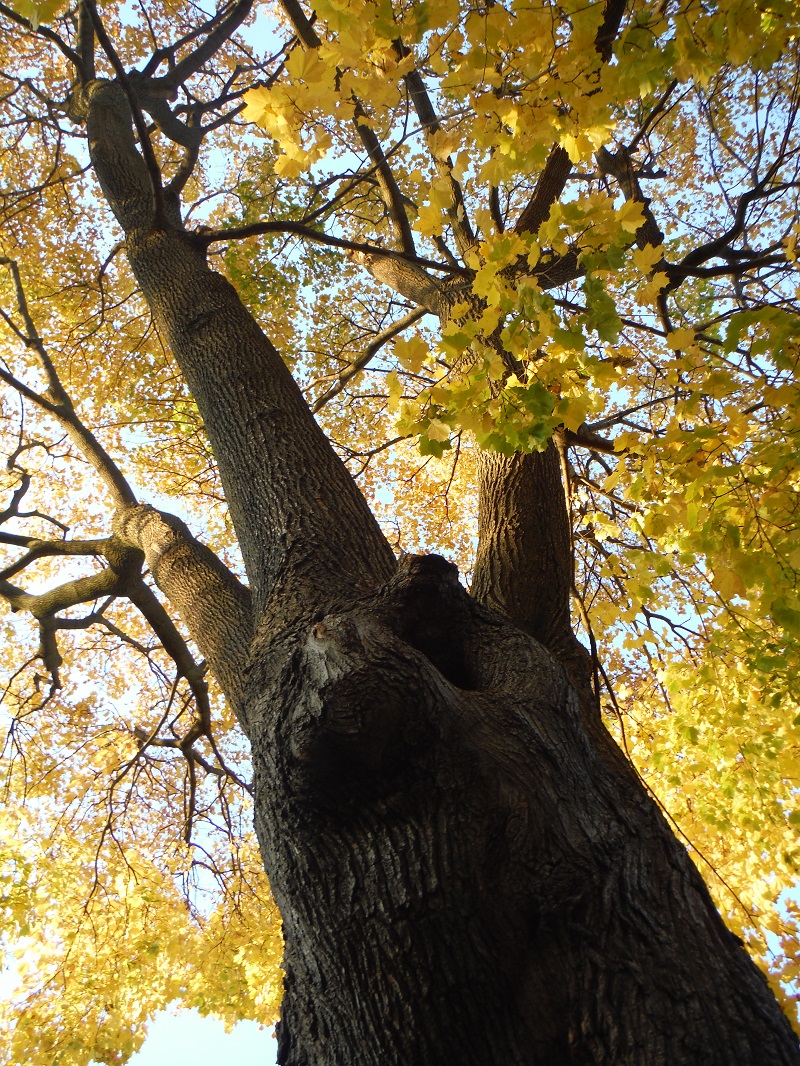
Alexander Best
El arce en mi traspatio: noviembre
.
Árbol, es tarde en el año ahora,
¿y eres el único cambiar las hojas, no?
Sí, el mayor de los arces.
Todos los otros árboles, están fueron vívidos
– pues desamparon todo.
.
Tú, mi Viejo,
cambias las hojas al final,
y nos das tu color en el momento justo antes del fin del otoño.
Estos colores – naranja y amarillo – es lo que digo.
.
Te amo,
Viejo Árbol,
como les amo a los viejos parientes que yo conocía
– aquellos ahora que son muertos y idos.
Yo tomo la sombra bajo de ti.
Fumo mi puro,
al amanecer-oscuro,
bajo de ti.
Y tomo mi café, también.
.
Te adoro, Árbol, porque me guías durante todo el año…
Y cuando yo me moriré – ¡espero que todavía Tú vivas!
. . .
Alexander Best
The Maple tree in my backyard: November
.
Tree, it’s getting late in the year now – and aren’t you the last one to turn?
Yes, the eldest of maples.
All the other trees have gone vivid – then dropped it all.
You, old one,
you’re turning last of all,
and you give us your colour just before the end of Fall
– these colours, I mean: orange and yellow!
.
I love thee, old tree,
like the old people I knew – now dead and gone.
.
I take shade beneath you.
I smoke my cigar, at dark-dawn, beneath you.
Take my coffee, too.
.
I love thee, you who are here with me – all year long.
When I die some day, I hope that You still live!
. . . . .
Alexander Best: El arce en mi traspatio / The Maple tree in my backyard
D.H. Lawrence: “Un dolor rumiando” / “Brooding Grief”
Posted: November 2, 2015 Filed under: D.H. Lawrence, English, Spanish, ZP Translator: Alexander Best | Tags: All Souls Day poems, Poemas para El Día de Los Muertos Comments Off on D.H. Lawrence: “Un dolor rumiando” / “Brooding Grief”
D.H. Lawrence (1885-1930)
Un dolor rumiando
.
De la oscuridad hay una hoja amarilla
que me sobrepasa
– que me salta – como una rana.
¿Porqué me da un susto – pues me quedo quieto?
.
Yo estuve mirando a la mujer que me parió;
una mujer estirada en una sombra manchada del cuarto del enfermo;
y ella estuvo rígida con una voluntad para morir
.
– y esa hoja ligera me arrancó –
me retomó a este lío lluvioso
de hojas, de farolas, de tránsito,
todo mezclando en frente de mí.
. . .
D.H. Lawrence
Brooding Grief
.
A yellow leaf from the darkness
Hops like a frog before me.
Why should I start and stand still?
.
I was watching the woman that bore me
Stretched in the brindled darkness
Of the sick-room, rigid with will
To die: and the quick leaf tore me
Back to this rainy swill
Of leaves and lamps and traffic mingled before me.
. . . . .
Frances Bellerby: “Día de los Difuntos” / “All Souls’ Day”
Posted: November 2, 2015 Filed under: English, Frances Bellerby, Spanish, ZP Translator: Alexander Best Comments Off on Frances Bellerby: “Día de los Difuntos” / “All Souls’ Day”
Frances Bellerby (1899-1975)
Día de los Difuntos
.
Arranquemos por ese viejo camino nuestro,
cerca del arroyo,
y pateemos las hojas, como siempre,
para creer el ritmo de olas que se quiebran.
.
Este día no respira y no muestra ningún color,
sino las hojas que, en su muerte,
brillan como nunca más.
.
El amarillo de la Mariposa-Azufre,
y el castaño de la polilla Roble-Eggar
– quizás tú digas.
Y yo me preguntes por que el verano no parece perdido
si dos personas estaban juntos,
y presenciando la variedad de luz;
pues los dos mismos, entran la noche del año
durante un noviembre delustrado.
.
El arroyo, lente como un gusano – ¡cómo está quieto!
Sobre la puerta expuesta de esa araña,
mira – perlas mates. Y El Tiempo está relleno,
rebosante, no puede más agarrar.
.
En el próximo momento
– y lo sabemos bien, cariño – tú y yo –
lo que no puede contener el pequeño día
debe desparramar a la eternidad.
.
Pues, mientras tanto, tal vez deberíamos desplazarnos
suaves como los gatos.
Dejemos todo no dicho
hasta ninguna sombra de riesgo queda
para perturbar a los muertos benignos.
.
Ah. Pero siempre eras liviano como una hoja.
Y raramente hablas mientras caminamos.
Aún allí por mi costado estás andado
a través de las hojas vívidas.
.
Pero toca mi mano para que yo no tenga miedo;
porque parece ahora como si una neblina desciende
y las hojas donde pisas no se mueven.
. . .
Frances Bellerby
All Souls’ Day
.
Let’s go our old way
by the stream, and kick the leaves
as we always did, to make
the rhythm of breaking waves.
.
This day draws no breath –
shows no colour anywhere
except for the leaves – in their death
brilliant as never before.
.
Yellow of Brimstone Butterfly,
brown of Oak Eggar Moth –
you’d say. And I’d be wondering why
a summer never seems lost
.
if two have been together
witnessing the variousness of light,
and the same two in lustreless November
enter the year’s night…
.
The slow-worm stream – how still!
Above that spider’s unguarded door,
look – dull pearls…Time’s full,
brimming, can hold no more.
.
Next moment (we well know,
my darling, you and I)
what the small day cannot hold
must spill into eternity.
.
So perhaps we should move cat-soft
meanwhile, and leave everything unsaid,
until no shadow of risk can be left
of disturbing the scatheless dead.
.
Ah, but you were always leaf-light.
And you so seldom talk
as we go. But there at my side
through the bright leaves you walk.
.
And yet – touch my hand
that I may be quite without fear,
for it seems as if a mist descends,
and the leaves where you walk do not stir.
. . . . .
Carl Sandburg: “Tema en amarillo”
Posted: October 31, 2015 Filed under: Carl Sandburg, English, Spanish, ZP Translator: Alexander Best Comments Off on Carl Sandburg: “Tema en amarillo”
Carl Sandburg (1878-1967)
Tema en amarillo
.
Diviso las colinas
con bolas amarillas – en otoño.
Ilumino los maizales de la planicie
– racimos anaranjados y leonados-dorados –
y me llaman:
calabazas.
.
En el último día de octubre,
cuando el crepúsculo se cae,
los niños se dan la mano
y me rodean para cantar del espectro
y de la luna de cosecha.
Soy la calabaza de Hallowe’en
– con dientes espantosos –
y las criaturas saben que
solo les bromeo.
. . .
Carl Sandburg
Theme in Yellow
.
I spot the hills
With yellow balls in autumn.
I light the prairie cornfields
Orange and tawny gold clusters
And I am called pumpkins.
On the last of October
When dusk is fallen
Children join hands
And circle round me
Singing ghost songs
And love to the harvest moon;
I am a jack-o’-lantern
With terrible teeth
And the children know
I am fooling.
. . . . .
Pumpkin-carving in Toronto / Hallowe’en’s origins in Samhain
Annie Finch: “Un otoño definitivo”
Posted: October 31, 2015 Filed under: Annie Finch, English, Spanish, ZP Translator: Alexander Best Comments Off on Annie Finch: “Un otoño definitivo”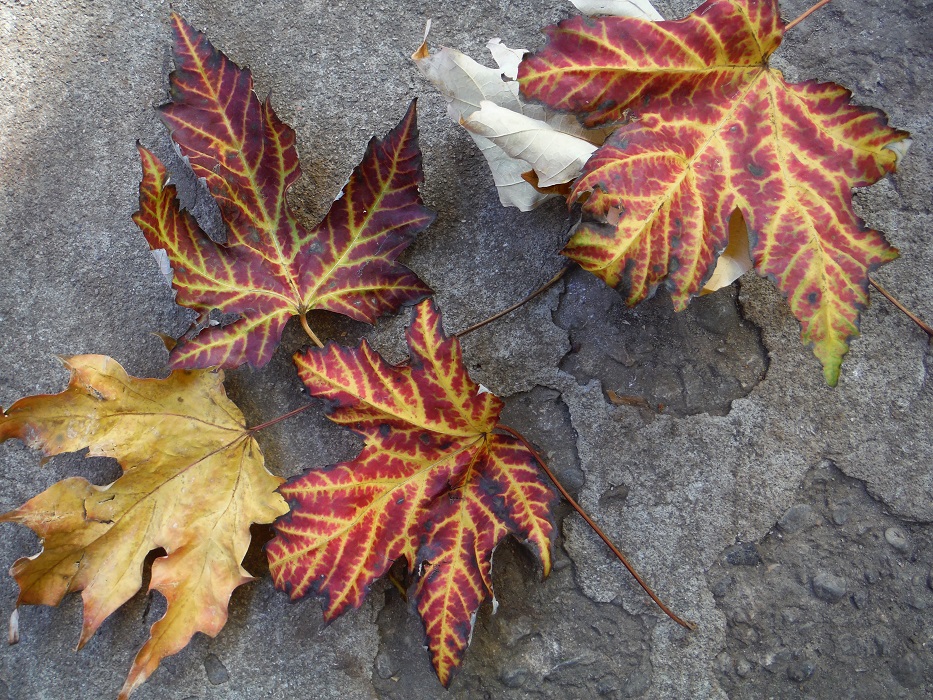
Annie Finch (n. 1956, New Rochelle, Nueva York, EE.UU.)
Un otoño definitivo
.
En el patio las hojas del arce cambian su color
– al negro.
La luz pilota más bajo, y
hay una chara azul que mete nuestras memorias frías
afuera
– más allá del sol.
.
Cada vez, tus rastros llegan por las sombras, y
visitan debajo de mis dedos de espejo que
levantan y tapan el sol.
.
Ven – yo te delinearé un otoño definitivo – el final.
Y tú puedes delinear tu regreso al hogar – el último,
hasta la nieve o el sol.
. . .
Annie Finch (born 1956)
Final Autumn
.
Maple leaves turn black in the courtyard.
Light drives lower and one bluejay crams
our cold memories out past the sun,
.
each time your traces come past the shadows
and visit under my looking-glass fingers
that lift and block out the sun.
.
Come—I’ll trace you one final autumn,
and you can trace your last homecoming
into the snow or the sun.
. . .
Del poemario Calendarios / from the volume Calendars, Tupelo Press, © 2003, Annie Finch
. . . . .
Dante Gabriel Rossetti: “Canto del Otoño”
Posted: October 30, 2015 Filed under: Dante Gabriel Rossetti, English, Spanish, ZP Translator: Alexander Best Comments Off on Dante Gabriel Rossetti: “Canto del Otoño”
Dante Gabriel Rossetti (1828-1882)
Canto del Otoño
.
¿No sabes que la caída de la hoja obliga en el corazón un dolor lánguido?
¿Y que está cubierto, y que el reposo es una buena cosa,
en otoño, a la caída de la hoja?
.
Y como el latido raudo del cerebro
flaquea porque está en vano…
En el otoño, a la caída de la hoja,
¿no conoces que el júbilo sufre un dolor?
.
¿No conoces que, a la caída de la hoja,
que el alma alimenta, como una gavilla desecada
– amarrada para la cosecha –
pues la Muerte parece como algo hermoso
– en otoño, a la caída de la hoja?
. . .
Dante Gabriel Rossetti (1828-1882)
Autumn Song
.
Know’st thou not at the fall of the leaf
How the heart feels a languid grief
Laid on it for a covering,
And how sleep seems a goodly thing
In Autumn at the fall of the leaf?
.
And how the swift beat of the brain
Falters because it is in vain,
In Autumn at the fall of the leaf
Knowest thou not? and how the chief
Of joys seems—not to suffer pain?
.
Know’st thou not at the fall of the leaf
How the soul feels like a dried sheaf
Bound up at length for harvesting,
And how death seems a comely thing
In Autumn at the fall of the leaf?
. . . . .
William Shakespeare: “Soneto 73”
Posted: October 27, 2015 Filed under: English, Spanish, William Shakespeare Comments Off on William Shakespeare: “Soneto 73”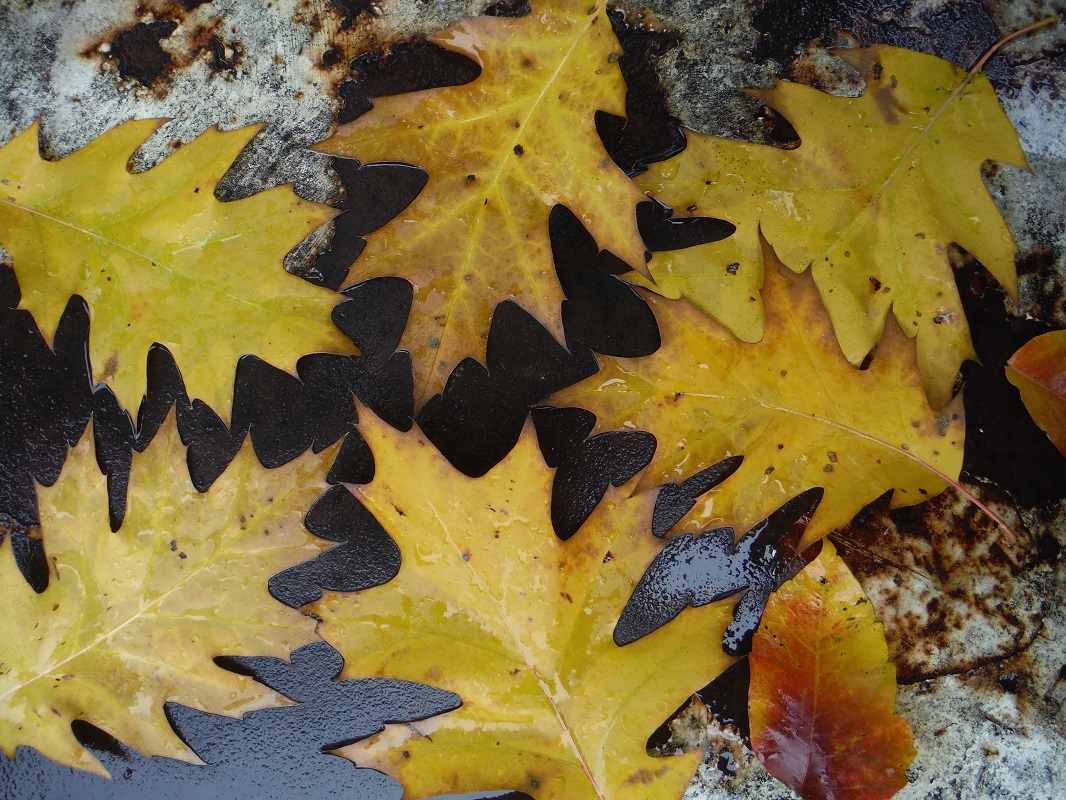
William Shakespeare (1564-1616)
Sonnet 73
.
That time of year thou mayst in me behold
When yellow leaves, or none, or few, do hang
Upon those boughs which shake against the cold,
Bare ruin’d choirs, where late the sweet birds sang.
In me thou see’st the twilight of such day
As after sunset fadeth in the west,
Which by and by black night doth take away,
Death’s second self, that seals up all in rest.
In me thou see’st the glowing of such fire
That on the ashes of his youth doth lie,
As the death-bed whereon it must expire,
Consum’d with that which it was nourish’d by.
This thou perceiv’st, which makes thy love more strong,
To love that well which thou must leave ere long.
. . .
William Shakespeare (1564-1616)
Soneto 73
.
Ese tiempo del año puedes en mí contemplar
cuando hojas amarillas, o ninguna, o pocas,
cuelgan de esas ramas que tiemblan contra el frío,
desnudos coros arruinados donde recientemente cantaban los dulces pájaros:
en mí ves el crepúsculo del día que tras el ocaso se va apagando en el poniente,
el cual poco a poco la negra noche se lleva,
segundo yo de la muerte que todo lo sella en el descanso.
En mí ves la lumbre del fuego que sobre las cenizas de su juventud
reposa como el lecho de muerte sobre el que debe expirar,
consumido por lo que lo nutrió.
Esto percibes, lo que te hace el amor más fuerte:
para amar bien lo que has de dejar en breve.
. . .
Traducción en español:
Pedro Dominguez Caballero de Rodas y Beatriz Hernández Pérez
. . . . .
 Zócalo Poets