Juan de Dios Peza: “Al pie de la imagen de Santa Cecilia”
Posted: November 22, 2011 Filed under: Juan de Dios Peza, Spanish Comments Off on Juan de Dios Peza: “Al pie de la imagen de Santa Cecilia”_____
“Al pie de la imagen de Santa Cecilia”
por Juan de Dios Peza (México, 1852-1910)
Al pie de la imagen de Santa Cecilia,
un triste bohemio comenzó a tocar,
diciendo en voz baja:
No tengo familia, ni patria, ni rumbo, ni hogar.
Vengo en busca tuya, lloroso y hambriento,
para que te apiades de mi situación.
Con que tú lo ordenes en tu pensamiento,
se abrirán las puertas de cualquier mesón.
La música aquella seduce y encanta.
De pronto, un objeto cayó al violín,
y era que la imagen moviendo su planta,
al mísero artista le dio un escarpín.
Llorando de gozo se alejó en seguida.
Uno, al ver la joya, le llamó ladrón,
y lo condenaron a que con la vida
pagara su infame y sacrílega acción.
Por más que gritaba que él era inocente,
no pudo, no pudo convencer al juez.
Ante su protesta aullaba la gente:
Si se te calumnia prueba tu honradez.
Cuando de su llanto vio la ineficacia
y se preparaba, su vida a inmolar,
pidió le dejasen como última gracia,
al pie de la imagen volver a tocar.
Tocó como nunca, con la frente erguida,
mirando a la santa con mística unción,
diciendo en voz baja: defiende mi vida,
probando a tus fieles que no soy ladrón.
Cayó de rodillas la turba siniestra
cuando el sentenciado besó su violín,
y era que la imagen dejaba en su diestra,
con sus propias manos,
el otro escarpín.
Mendez y Kintana: una voz contra la Guerra, una voz por el Armonía
Posted: November 11, 2011 Filed under: English, Spanish, ZP Translator: Alexander Best | Tags: Remembrance Day poems, War poems Comments Off on Mendez y Kintana: una voz contra la Guerra, una voz por el Armonía__________
Contra la Guerra:
Carlos Mendez (Venezuela)
Odio la guerra casi tanto,
como odio los zapatos escolares de mi niñez.
Odio la pluma que firma decretos de muerte
casi tanto,
como odio a quienes pretenden apagar mis sueños
obligándome a dejar de ser niño.
Odio la paz,
por estar tan ausente.
*
Against War:
I hate War so much,
like I hate those stiff school-shoes of my childhood.
I hate the pen that signs death certificates
– so much,
Like I hate anyone who tries to shut down my dreams,
forcing me to abandon being a kid still.
And I hate Peace,
for being so absent.
_____
Por el Armonía:
Jenaro Mejía Kintana (Colombia)
En el principio también nació los Andes
Paso a paso, día a día;
Se sumaron los meses a los pies cansados.
Fueron los años y el camino
Así las centurias se sucedieron caminando
Y en los siglos nacieron las pisadas.
Perseguidos, perseguidores;
Sol, viento, lluvia, tierra,
tierra nuestra y de nadie.
Naciste y nacimos para todos
De la misma arcilla bajo el mismo sol
Todos somos nosotros.
*
For Harmony:
In the beginning were born The Andes mountains,
Step by step, day by day;
adding up to months measured in weary feet.
Years went by – and the path,
In this way the eras – walking along – followed one another,
And over the centuries footprints came to be.
Pursuer, pursued – persecutor, the persecuted;
Sun, wind, rain, earth,
The Earth – ours and nobody’s.
You were born, we were born, all of us
Of the same clay from below + the same sun.
Everyone is Us.
_____
Traducción al inglés: Alexander Best
Translation from Spanish to English: Alexander Best
Algo Más en esta Vida: El Día de los Muertos / The Day of the Dead: Something Else in this Life
Posted: November 2, 2011 Filed under: Alexander Best, English, Spanish | Tags: Day of the Dead poems, Poemas para El Día de Los Muertos Comments Off on Algo Más en esta Vida: El Día de los Muertos / The Day of the Dead: Something Else in this Life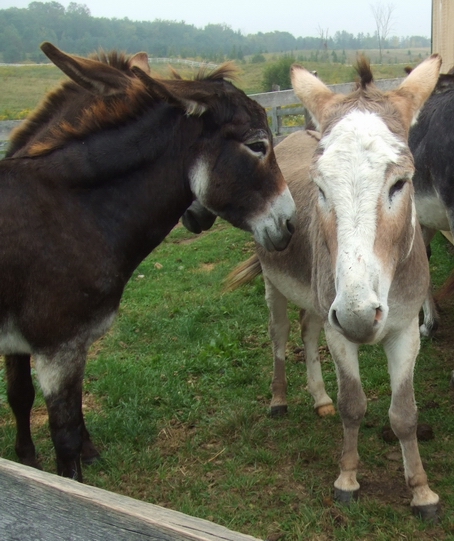
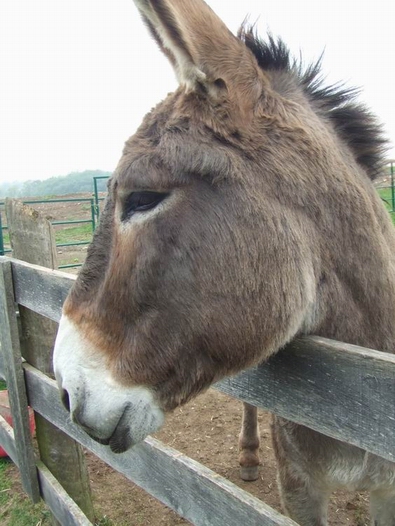
La Vida es un Burro
Sigan cabalgando este Burro tenaz de la Vida,
hasta la meta – El Fin.
Allá nos premiará con guirnaldas de cempasúchiles
La Diosa Coatlicue *.
¡ Todos nosotros ganaremos esta carrera !
* Coatlicue – para los Mexicas/Aztecas, la diosa madre de la Vida y la Muerte
* * *
Life is a Donkey
Keep on riding this tenacious donkey called Life
till our goal: The End.
There the goddess Coatlicue will reward us with
a garland of marigolds.
All of us get to win this race !
* Coatlicue – Aztec mother-goddess of Life and Death
** marigolds – Mexican Day of the Dead flower
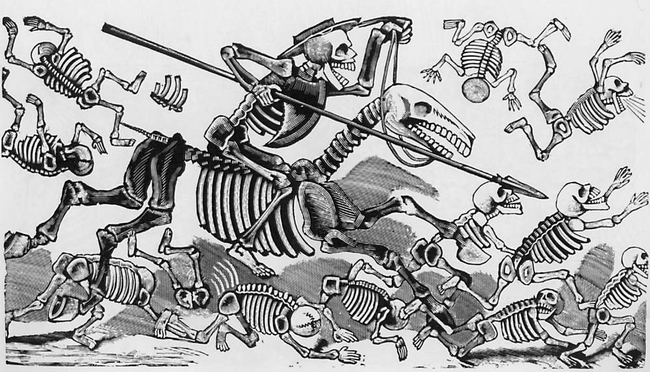
Sombrío – con brío
Dice Alejandro:
¿ Dónde está la sepultura de mi familia ?
No recuerdo…
aúnque yo la buscaba entre un mil de tumbas de piedra
en el camposanto.
La verdad: Está quebrada, mi familia. Con nosotros la
tradición es un árbol de ramas bien cortadas.
El panteonero me miraba, apoyando en su pala,
royendo contentamente unos churros tiesos.
Jefe, ¿ está perdido ?
Mi Hombre, no – pero está perdida mi familia.
¡ Claro ! Cada diez años volteamos el suelo y…y…
¿ Y entonces ?
¿ Conoce usted la fábrica de fertilizante…por la carretera
…entre Ciudad-Carrona y Los Cuervos…?
¿¡…..?!
* * *
Gloomy – with spirit !
Says Alexander:
Where’s my family’s tomb? I don’t remember…
even though I’ve been searching for it among a thousand
other tombstones in the cemetery.
In truth: my family’s busticated – with us tradition is
a tree whose branches are hacked off.
A gravedigger was watching me, leaning on his shovel,
gnawing contentedly on some stale, hard crullers.
Boss, are you lost?
No, my Man – but my family is.
Of course! Every ten years we turn over the soil here and…and…
And ?
Do you know the fertilizer factory…up by the highway…
between Carrion City and Crow Corners…?
?!…..?!
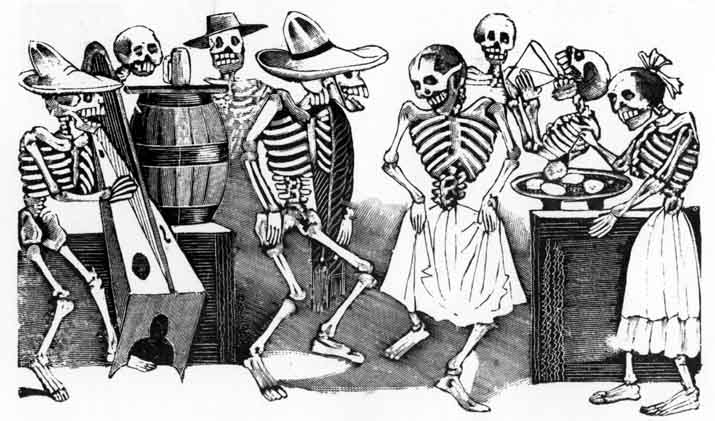
En la Voz de la Guacamaya
“ El TIEMPO es Trácala de la Vida, ”
chacharea la guacamaya.
“ Pásenlo bien – Ahora – Pues:
Silencio, bobos – n’hay nada más
– nada más
– nada más
– nada más… ”
* * *
The macaw squawks
“TIME – that swindler of this Life,”
squawks the chatterbox-macaw.
“Party now, yes NOW, and THEN:
It’s silence, fools, ain’t nothing more
– nothing more
– nothing more
– nothing more…”
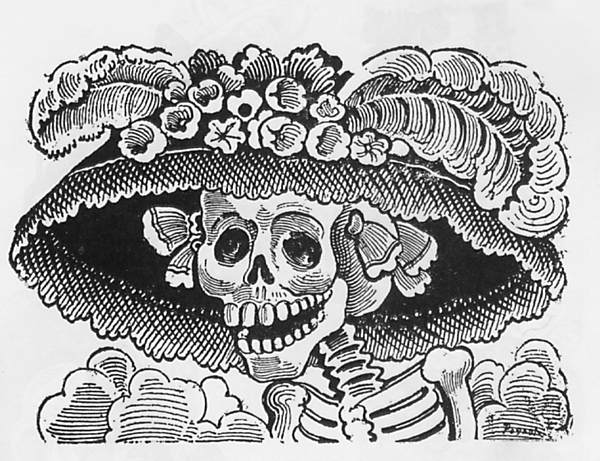
A Sincere Tale for The Day of The Dead :
“ Lady Catrina goes for a stroll / Doña Catrina da un paseo ”
“¡ Santa Mictecacihuatl !
These Mandible Bone-nix (Manolo Blahniks) weren’t meant for
The Long Haul – certainly not worth the silver I shelled out for ’em ! ”
Thus spoke that elegant skeleton known as La Catrina.
And she clunked herself down at the stone curb, kicking off the
jade-encrusted, ocelot-fur-trimmed high-heel shoes.
“ Well, I haven’t been ‘bone-foot’ like this since I was an escuincle. ”
She chuckled to herself as she began rummaging through her Juicy handbag.
Extracted a shard of mirror and held it up to her face – a calavera
with teardrop earrings grinned back at her. ¡Hola, Preciosa!,
she said to herself with quiet pride. Then adjusted her necklace of
cempasúchil blossoms and smoothed her yellow-white-red-and-black
designer-huipil.
*
Just then a lad and lassie stumbled across her path…
“ Yoo-hoo, Young Man, Young Woman !
Be dears, would you both, and escort an old dame
across La Plaza de la Existencia ! My feet are simply
worn down to the bone ! ”
*
“ Certainly, madam – but we’re new here…
Where is La Plaza de la Existencia ? ”
*
“ We’re just at the edge of it – El Zócalo ! ”
And La Catrina gestured beyond them where an
immense public square stretched far and wide.
She clasped their hands – the Young Man on her left,
the Young Woman on her right – and the trio set out
across a sea of cobbles…
*
By the time they reached the distant side of the Plaza the
Young Man and Young Woman had shared much with the
calaca vivaz – their hopes, fears, their
sadness and joy.
*
The Woman by now had grown a long, luxurious
silver braid and The Man a thick, lush, salt-and-pepper
beard. Both knew they’d lived full Lives – and were satisfied.
But my – they were tired !
*
In the company of the strange and gregarious Catrina 5 minutes
to cross The Zócalo had taken 50 years…
*
“ Doña Catrina, here we are at your destination – will you be
alright now ? ”
*
“ Never felt better, Kids ! I always enjoy charming company
on a journey ! ” And she winked at them, even though she had
no eyeballs – just sockets. “ Join me for a caffè-latte? Or a café-pulque,
if you’re lactose-intolerant ! ”
*
“Thank you, no,” said the Man and Woman, in unison.
And both laughed heartily, breathed deeply, and sat down
at the curb.
*
When they looked up, Doña Catrina had clattered out of sight.
And before their eyes the vast Zócalo became peopled with
scenes from their Lives. The Man and Woman smiled, sighing
contentedly. Side by side, they leaned closer together – and died.
Glossary:
Mictecacihuatl – Aztec goddess of the AfterLife, and Keeper of The Bones
La Catrina – from La Calavera Catrina (The Elegant Lady-Skull),
a famous zinc etching by Mexican political cartoonist and print-maker
Jose Guadalupe Posada (1852-1913). Posada’s “calavera” prints depict
society from top to bottom – even the upper-class woman of wealth –
La Catrina – must embrace Death, just like everyone else…
She has since become a “character”,
invented and re-invented, for The Day of The Dead (Nov.2nd).
escuincle – little kid or street urchin
calavera – skull
¡Hola, Preciosa! – Hello, Gorgeous!
cempasúchil – marigold (the Day of The Dead flower)
huipil – blouse or dress, Mayan-style
El Zócalo – the main public square (plaza mayor) in Mexico City,
largest in The Americas
calaca vivaz – lively skeleton
pulque – a Mexican drink make from fermented
agave or maguey – looks somewhat like milk
_____
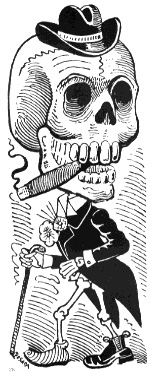
Poema para El Día de Acción de Gracias
Posted: October 9, 2011 Filed under: English, Olga García Echeverría, Spanish, ZP Translator: Alexander Best | Tags: Poemas para el Día de Acción de Gracias, Thanksgiving poems Comments Off on Poema para El Día de Acción de Gracias
Olga García Echeverría:
“Quemando Tortillas”
Corazón, no esperes tortillas
recién hechas a mano, redondas
y perfectas como la cara de la luna
las mías, si algún día llego a hacerlas
saldrán cuadradas como hojas de papel
dices tú que en otros tiempos
las mujeres enamoraban con el sudor
el calor y la energía de sus manos
tantas gotas de deseo
envueltas en masa de maíz
de niña me gustaba hacer tortillas
de tierra, me gustaba lo húmedo del olor
y lo negro que se me metía bajo las uñas
mi cocina ideal era un mundo sin paredes
un lugar entre plantas y hierbas, bajo un cielo
que parecía espejo del mar
ahora de mujer
quiero darte mi esencia de comer
que me sientas viva en tu boca
pero la idea de hacer tortillas a mano
¡me choca! aburrida quemaría
una tras otra
una tras otra
lo que quiero es entregarme entera
caminar descalza
bailar bajo un cielo
chorreado de estrellas
en vez de tortillas
haré poema tras poema
recién hechos a mano de mujer
calientitos y blanditos
color chichiltic
sabor a mango
tamaño a luna entera
redondos y perfectos
como la espiral
de tu ombligo
la palabra, como el maíz, mi amor
también es indígena
_____
Olga García Echeverría es una escritora, también una maestra.
Vive en Los Angeles, California.
Olga nos muestra que ¡La Poesía es Comida del Alma!
_____
“Burning Tortillas”
Darling, don’t expect
fresh, hand-made tortillas,
perfect circles like the face of the moon
Mine, if one day I
get around to making them, will come out
square,
like sheets of paper
You tell me that in olden times
women used to fall in love with the
sweat – heat – the energy of their own hands
so many drops of desire
enveloped in that cornflour
As a little girl I loved making “mudpies” out of
earth, loved the damp smell
and the black that got under my fingernails
my ideal kitchen was a world without walls
among plants and herbs, a sky above me
that seemed like a mirror of the sea
Now as a grown woman
I want to give you my essence – to eat – so that you’ll
feel me – alive – in your mouth
But the very idea of making tortillas – and by hand –
well, it annoys me ! Bored, I’d burn the lot,
one after another
after another
What I really want is to
give myself over entirely to
walking barefoot
dancing under a sky
gushing with stars
Instead of tortillas you’ll get
poem after poem – hot off the press – made of
A Woman who’s a little sizzler and kind-a tender,
chichiltic-coloured, mango-flavoured
Poems full-moon-sized, round and perfect like the
spiral of your navel
Because words, like corn, my love,
are also Native in us…
_____
Olga García Echeverría is a writer and teacher, in Los Angeles, California.
She demonstrates that: Poetry is Food for the Soul !
Translation/interpretation from Spanish into English by Alexander Best
“Sopa Azteca”– receta en forma de una décima
Posted: October 9, 2011 Filed under: Josefina Beverido de Risso, Spanish | Tags: Poemas para el Día de Acción de Gracias, Thanksgiving poems Comments Off on “Sopa Azteca”– receta en forma de una décima
Josefina Beverido de Risso
“Sopa Azteca”
I
Diez tortillas en tirita,
de preferencia atrasadas,
epazote, hojas moradas,
caldo, un litro necesita.
Crema espesa, una tacita,
ajo, aceite, Knorr y sal,
chipotle seco, tal cual,
tres cuartos de jitomate,
media cebolla, aguacate,
queso jarocho es usual.
II
Si quiere una sopa azteca
que sepa y se vea exquisita,
le daré unos tips ahorita
y no esté batida o seca.
Fría la tortilla en manteca
o en aceite del normal,
escurra junto al comal.
Mientras, en cazo muy hondo,
con algo de grasa al fondo,
cueza recaudo habitual.
III
Ponga jitomate, un ajo,
cebolla, todo molido,
a dejarlo convertido
en un puré de agasajo.
Cuélelo, tire el cascajo,
hierva bien a fuego lento,
y ya llegado el momento
el caldo de pollo añada,
la yerba muy bien lavada
y sazone al cien por ciento.
IV
Aparte para el final
la tortilla ya dorada
y, por cierto, desgrasada,
a que esté en su punto ideal.
Luego prepare el total
de ingredientes del listado,
coloque queso rallado,
chipotle seco, aguacate,
media crema desenlate,
en trastes por separado.
V
En sopero muy vistoso,
justo en el fondo, hasta abajo,
ponga de tortilla un fajo,
cubra con caldo sabroso.
Preséntelo apetitoso,
con adornos exprofeso:
bañe primero con queso,
agregue aguacate en raja,
encima un chipotle encaja,
crema da fin al proceso.
VI
Así, calientita, humeante,
perfectamente adornada,
será bastante adulada
por sencilla y elegante.
Hasta el mejor restaurante,
invita a la maravilla
que es la sopa de tortilla;
con ella entera, crujiente,
sin batir, tan sugerente,
que al mejor comensal pilla.
*
“Sopa Azteca” es un poema-receta por Josefina Beverido de Risso,
de su libro: “Recetario de cocina en décimas espinelas”
(Instituto Veracruzano de Cultura, 2007).
Josefina nos muestra que !La Comida es Amor!
_____
“En el lado sentimental” – Billie Holiday
Posted: October 1, 2011 Filed under: English, Spanish, Translator's Whimsy: Song Lyrics / Extravagancia del traductor: Letras de canciones traducidas por Alexander Best Comments Off on “En el lado sentimental” – Billie Holiday
 “On the sentimental side”
(Johnny Burke and Jimmy Monaco,
composers – as sung by Billie Holiday, 1938)
.
If you wonder why I’m near you,
Even though I’ve been denied,
I’m inclined to be a little
On the sentimental side.
.
I suppose I should forget you,
If I had an ounce of pride,
But I guess I can’t help being
On the sentimental side.
.
I should act gay,
Laugh it off and say Farewell,
Say it just didn’t wear well
– but I’m not that way…
.
I’m in hopes you’ll think it over,
And perhaps be satisfied
With a simple sort of person
On the sentimental side.
_____
“En el lado sentimental”
– canción popular americana del año 1938,
cantada por Billie Holiday
.
Si te maravillas que estoy aquí – cerca de ti,
Aunque he sido denegado,
Es porque me inclino a ser
Un poco sentimental.
.
Se supone que tengo que olvidarte,
Si yo tuviera una pizca de orgullo,
Pero no puedo evitar
Ser sentimental.
.
Yo debería hacerme alegre,
Reírme y decir: Adiós.
Decir: No importa que no duró nuestro Amor
– pero esto no es como soy… …
.
Espero que tú reflexiones sobre todo,
Y, quizás, te contentes
Con un tipo simple
– sí, que soy yo –
Alguien sentimental.
. . . .
Traducción al español: Alexander Best
Imagen: Foto colorizada de Billie Holiday – de los años 30
Image: colourized black and white photograph of Billie Holiday – from the late 1930s
Un Sueño Diferido: Langston Hughes
Posted: September 26, 2011 Filed under: English, Langston Hughes, Spanish | Tags: Black poets Comments Off on Un Sueño Diferido: Langston Hughes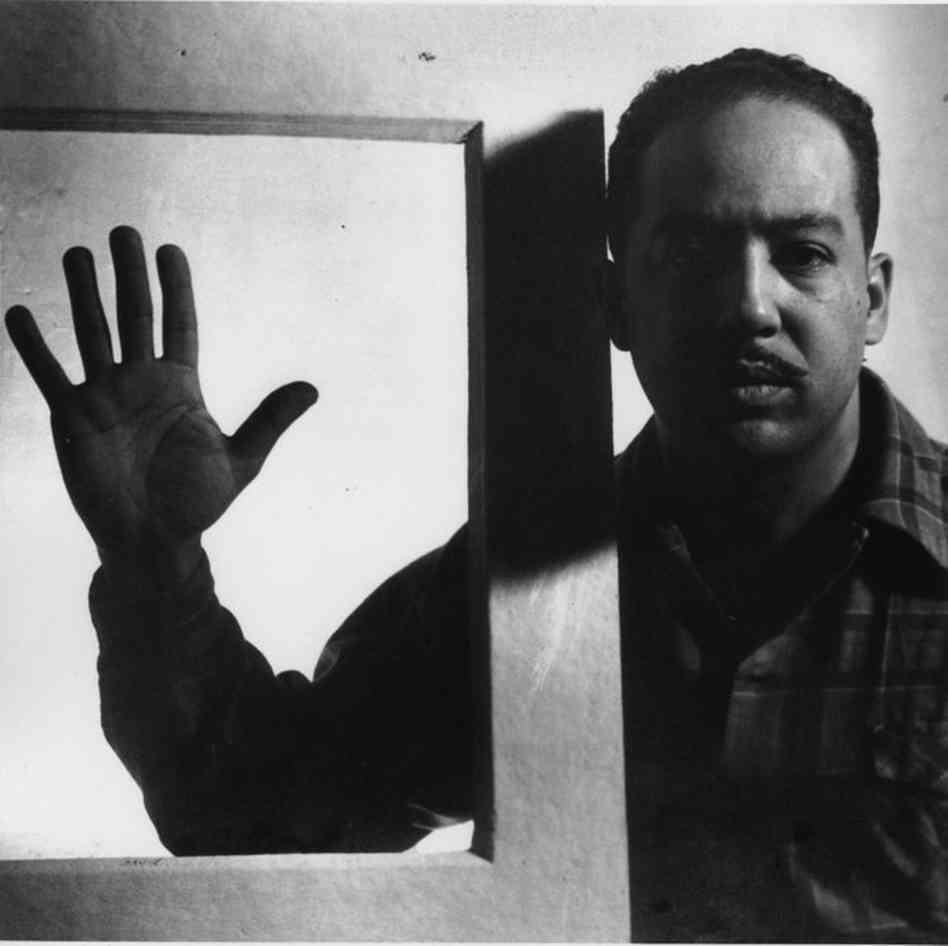
A Dream Deferred
.
What happens to a dream deferred ?
Does it dry up
Like a raisin in the sun ?
Or fester like a sore –
And then run?
Does it stink like rotten meat ?
Or crust and sugar over –
Like a syrupy sweet?
Maybe it just sags
Like a heavy load.
Or does it explode ?
*
Un Sueño Diferido
.
¿Qué pasa de un sueño diferido?
¿Se marchita
como una pasa en el sol?
¿O se encona como una llaga –
y entonces corre?
¿Apesta como carne putrida?
¿O endurece y se vuelve dulce –
como un postre con jarabe?
Tal vez solo se hunda
como una carga pesada.
¿O explota?
_____
Gracias al Super Forero de Sevilla, España,
por su traducción al español
_____
Langston Hughes (1902-1967) was a Black-American
poet and novelist at the forefront of The Harlem
Renaissance. Born in the small town of Joplin, Missouri,
he would later capture in his poems the vibrancy of his
adopted home – New York City.
Written in 1951, the minute-long “A Dream Deferred”
is perhaps the most famous American poem of the
20th century.
_____
Langston Hughes (1902-1967) fue un novelista y
poeta Negro, de Los Estados Unidos.
Nació en el pueblo pequeño de
Joplin, Missouri, pero Hughes se hizo en la vanguardia
del Renacimiento de Harlem. Abarcan sus poemas la
vitalidad y la urgencia de su ciudad adoptiva
– Nueva York.
“Un Sueño Diferido” (escrito en 1951) es, quizás,
el poema de Los Estados Unidos el más famoso del siglo XX.
“Soledad” por Robert Hayden
Posted: September 26, 2011 Filed under: English, Robert Hayden, Spanish | Tags: Black poets Comments Off on “Soledad” por Robert Hayden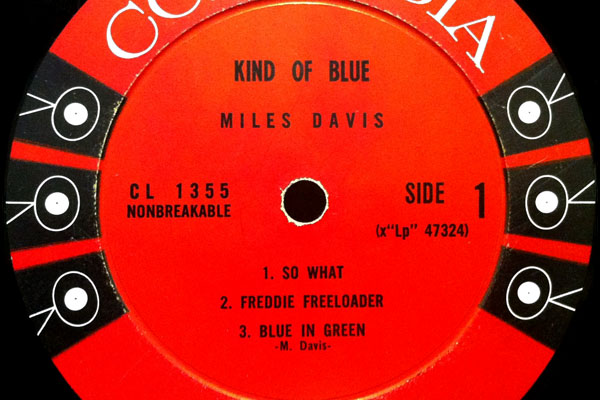
Robert Hayden
“Soledad”
.
Naked he lies in the blinded room,
chain-smoking, cradled by drugs, by jazz,
as never by any lover’s cradling flesh.
Miles Davis coolly blows for him,
oh pena negra *, sensual flamenco blues!
The redclay foxfire voice of Lady Day,
Lady of the pure black magnolias,
sobsings her sorrow and loss and fare ye well,
dryweeps the pain his treacherous jailors have
released him from for a while.
His fears and his unfinished self await him
down in the anywhere streets.
He hides on the dark side of the moon,
takes refuge in a stainedglass cell,
flees to a caulkless country of crystal.
Only the ghost of Lady Day
knows where he is, only the music, and he
swings those swings beyond
complete immortal now.
.
* pena negra – black sorrow/struggle
. . .
Robert Hayden
“Soledad”
.
Él, desnudo, está tendido en el cuarto con persianas,
fumando cigarillos, uno tras otro, acunado por la droga,
por el Jazz, como nunca por la piel de ningún amante.
Miles Davis* “toca” frescamente por él, ¡ay, pena negra, el
blues flamenco-sensual!
La voz arcilla-rojo – fuego-zorro, de Lady Day**,
Dama de las magnolias puras-negras,
solloza-canta su dolor y pérdida y
¡qué-será-será/hasta-luego!,
seca-llora la pena de cuál cosa
él está liberado por sus carceleros traicioneros.
Sus miedos y su ser incompleto
le esperan bajo en las calles de alguna parte.
Se esconde en el lado oscuro de la luna,
busca un refugio en una celda de cristal de colores,
huye a un país cristalino.
Solo sabe donde él está el espíritu de Lady Day,
solo sabe la música, y él
columpia el columpio,
danza el “swing”
más allá de
Ahora inmortal-total.
.
* Miles Davis: Trompetista negro-americano del jazz “cool”
** Lady Day: Billie Holiday – Cantante negra-americana del jazz, blues y pop
Traducción al español: Alexander Best
_____
Robert Hayden (1913-1980) was a Black-American poet
born in Detroit. His first book, Heart-Shape in the Dust,
from 1940, is based on life in the “Paradise Valley” slum.
In 1944 he joined Fisk College where he taught for more
than twenty years as professor of English, followed by
a decade at University of Michigan.
Hayden’s 1971 poem, “Soledad” (Loneliness, Solitude), is
about a friend – and drug addiction.
Grito (para México)
Posted: September 16, 2011 Filed under: Alexander Best, English, Spanish Comments Off on Grito (para México)_____
Grito (para México)
Del tingo al tango
ha pasado el tiempo del
trastorno, de la
trácala, de los
tiliches tilingos.
Ay, ay, ay, ay…¡Cantemos, no lloremos!
Ha pasado el tiempo del
miedo enojado, del
enojo temeroso – y del
odio (ese lagartijo guapísimo).
Ha hablado la lengua de las lágrimas
– ¡qué logro, esa lucidez del korazón! –
pero ha terminado también su tiempo.
¡Kantemos, no lloremos!
Saboréen todos los kolores:
del tomate, camote, mazorca de elote;
pulque con chile, canela para chocolate.
Y
Norteños chicharrones,
Indios con pelo pintado de güero,
Bonitas con chongos largos negros,
Chilangos kool,
Mujeres machas,
Bandoleros cachondos,
Gringos de ojos grises :
Los xocoyotes les miran a ustedes…
– entonces, ¡ sean sinceros, todos !
¡Kantemos, no lloremos!
Y pronto
podremos contemplar en nuestra cara,
por fin,
la prueba del tornasol – Esperanza.
A esta Vida digo:
¡ Viva, Viva, Viva !
_____
I Shout
(for México)
From pillar to post
there’s been the time of
disorder – confusion,
fraud – the bullshit artist
– silly junk.
Oh me, oh my…Let us sing – not cry !
There’s been the time of
angry fear,
fearful wrath – and
hate (that most handsome lizard).
The tongue of tears has spoken
– such an achievement, that clarity of heart ! –
but even its time has passed.
Let us sing – not cry !
Savour all the colours:
tomato, sweet potato, cobs of corn;
maguey-liquor with chile, cinnamon for cocoa.
And
sunburnt norteño hicks,
bleached-blond Natives,
pretty girls with long black braids,
hipsters from the Capital,
proud-hard-women,
horny-Heart-stealers,
grey-eyed gringos :
The youngest kids are watching…
– so, all of you be sincere !
Let us sing – not cry !
And soon
we’ll be able to behold on our face,
at last,
the litmus test – that sunflower Hope.
To this Life I say:
Long live you, Long live you, Long may you live !

Children’s Rhymes / Cánticos de la Niñez
Posted: September 9, 2011 Filed under: English, Spanish Comments Off on Children’s Rhymes / Cánticos de la Niñez
Doggy, doggy, who’s got your bone ?
Somebody stole it from your home.
Guess who ? Maybe You !
Maybe the Man in the Moon – with the Spoon !
Perrito mío, ¿dónde está tu hueso?
Alguien de tu casa se lo llevó.
¿Adivina quién? ¡Tal vez Tú!
¡Tal vez el Hombre por la Luna – con la Cuchara!
*
There was an old woman
lived under a hill,
and if she’s not gone,
she lives there still.
Una viejecita bajo la colina vivía,
Y si no se ha mudado, allí mora todavía.
*
Three wise men of Gotham
went to sea in a bowl
– if the bowl had been stronger
my song had been longer.
Tres hombres sabios de Gotham
se fueron a la mar en un plato
– si el plato hubiera sido más fuerte
mi canción se alargaría para rato.
*
Luna, luna, dame pan
Para mi perrito Capitán!
Si no me das – ¡vete al volcán!
Give bread to my doggy Captain, Moon-o!
Won’t give me none ? Go jump in a volcano !
*
Mi mamá es una Rosa,
Mi papá es un Clavel,
Yo soy un Botoncito,
Acabado de nacer.
My mummy is a Rose,
A Carnation is my dad,
And I’m the little Bud
That they just had !
*
Sticks and stones may break my bones
– but words will never hurt me.
Palos y piedras me pueden quebrar
– pero las palabras necias no me van a dañar.
*
For every Evil under the sun
there is a remedy – or there is none.
If there be one, try to find it
– if there be none, never mind it.
Para cada Mal bajo el sol
hay una cura – o no hay alguna.
Si la hay, trata de encontrarla
– si no, ya ni procura.
_____
By: Anonymous authors
Por: Autores anónimos, autoras anónimas
Traducciones del inglés al español por Lidia García Garay
Translations from Spanish into English by Alexander Best
_____
And here’s one more…
Y hay uno más…
Give us a place to stand – and a place to grow,
And call this land: ONTARIO – OH – OH !
A place to “stand” – a place to “go”,
ON – TARI – ARI – piss – pot – hole !
!Dennos un lugar para pararse – y un lugar para crecer,
Y llamen este país: ¡ONTARIO – O – O!
Un lugar para “pararse”, un lugar para “ir”,
¡ON – TARI – ARI – basinica – para – mear!
_ _ _ _ _
“A Place to Stand”
was the unofficial anthem of the
province of Ontario – during the
nation of Canada’s “Confederation” year
(1967).
Instantly, the lyrics were altered by
naughty little boys across the country…
*
“Un lugar para pararse”
fue el himno (no oficial) de la provincia de
Ontario – en el año del centenario de
la nación de Canada (1967).
Al instante, la canción era satirizado
por pilcates pícaros…
 Zócalo Poets