Poetry and The Revolution: Cuban poems from the 1960s
Posted: June 27, 2016 Filed under: A FEW FAVOURITES / UNA MUESTRA DE FAVORITOS, Cuban poetry and The Revolution, English | Tags: Cuban poetry from the 1960s, Cuban poets Comments Off on Poetry and The Revolution: Cuban poems from the 1960s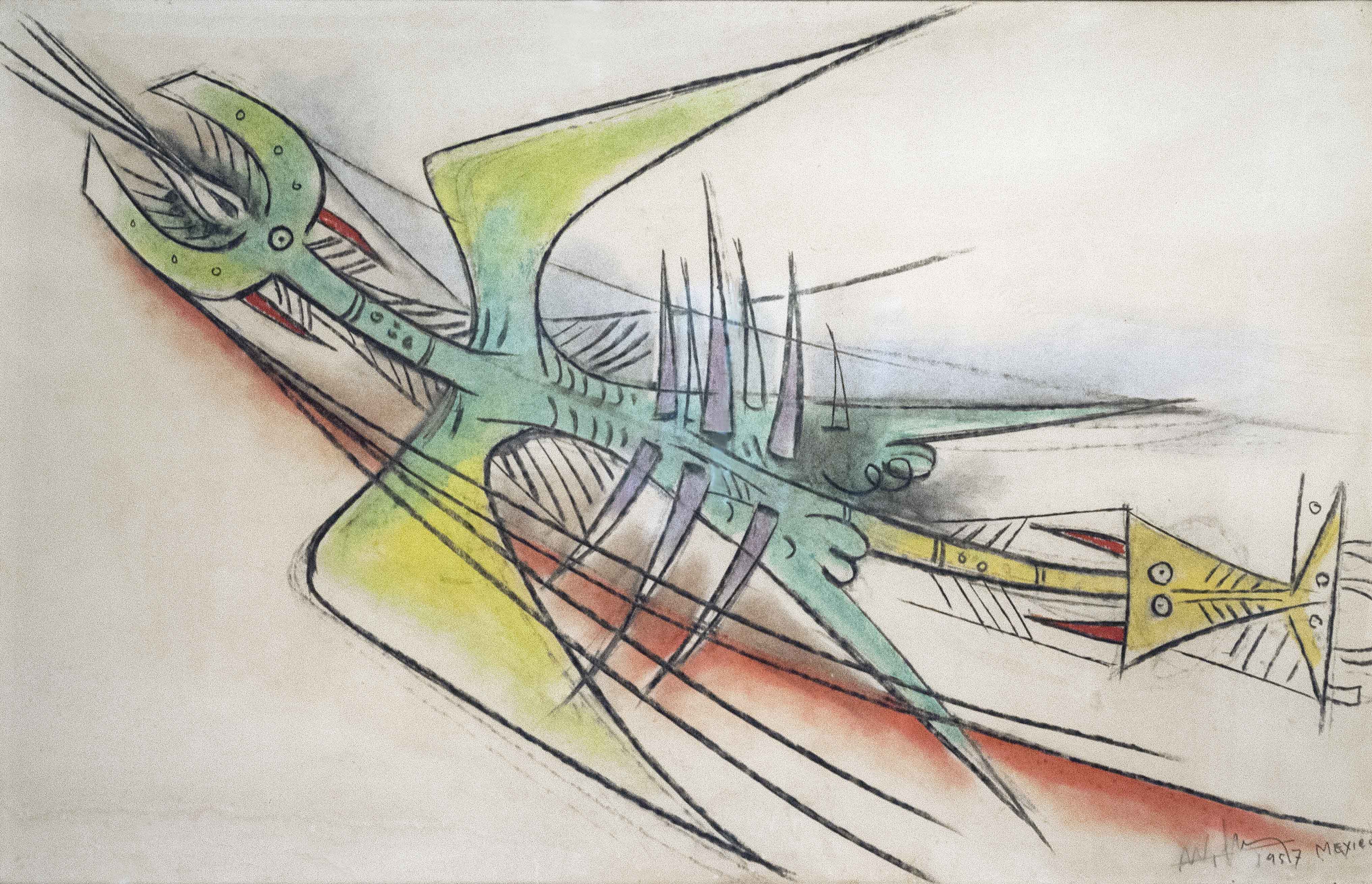
Wilfredo Lam (1902- 1982): Untitled (1957)_pastel on heavy paper and canvas
.
We have chosen the poems featured below from the anthology Cuban Poetry: 1959 to 1966.
The anthology was published by The Book Institute, Havana, in 1967.
The book’s prologue (Foreward) and biographical sketches were written by Heberto Padilla and Luis Suardíaz.
Editorial supervision for the book was through Claudia Beck and Sylvia Carranza.
. . .
Excerpt from the Foreward:
This is not an anthology of all contemporary Cuban poetry. It takes in only the period from 1959 to 1966; and only the poems of authors of several generations who have had at least one book published in those years.
We have selected the years beginning with the triumph of the Cuban Revolution, because during this period an extraordinary change has taken place in the life and work of our poets. It is easily discernible that the poetry written in these last seven years sharply breaks away from the poetics which to a large extent dominated our literature. A new universe of expression has dawned, a new truth, a new life.
We have been guided in our selection by the Revolution’s impact on our poets, and by the unique characteristics that make them outstanding in our language. It is an impact that delves into everyday reality, analyzing it and reflecting it in all its dimensions. Whenever possible, we have preferred a criterion of historic evaluation rather than an aesthetic one. Each poet is represented by those poems that we have considered to be more characteristic of his works, of his themes; but we have chosen with special care those that express the problems set forth by History. This does not mean that this selection of poetry is solely social or militant; reading it will prove just the opposite. It is simply the poetic testimonial of men of different ages and different literary backgrounds that carry out their work and are participants in one of the most intense and moving periods of our entire history.
. . .
Cuban Poetry: 1959 to 1966 focused on the verse of poets born between 1894 (Manuel Navarro Luna) and 1944 (Nancy Morejón – one of only two female poets – the other being Belkis Cuza Malé – included in the selection).
. . .
Translations from Spanish into English of the poems which follow were done in 1966 and 1967 by:
Claudia Beck, Rogelio Llopis, Sylvia Carranza, Stasia Stolkowska, and R. Frank Hardy.
. . .
Alcides Iznaga
(born 1914, Cienfuegos, Las Villas)
Presence
.
Time stands still in the school patio
amid fenced-in almond and cedar trees,
under a sky fraught with heavy rain,
between old and stately walls,
burning blindly,
non-committal and innocuous,
immutable, independent,
unattached to the trees,
to the fences and walls,
to the sky and the vertical air,
so free from corrosion
and so intense
that it fills to the brim the patio and the sky.
. . .
Sister
.
I remember you as the river we have lost and kept;
because we are impotent.
Now these birds are chirping.
Now the wind escapes.
Now the doves are flying
and I am sitting by the Hudson.
.
Some passers-by hurry along
and I ask myself whether their rush will get them anywhere.
I feel downcast,
and you have died so hastily and unexpectedly.
.
I see people dragging along the leash
lap dogs, mean looking and toy-like,
or listening to their toy-like, jabbering transistor radios,
completely unaware of Riverside’s charms at this time of day,
and I am touched by the way the wind seems to spur them on.
.
I cast a look on Time
and before losing what I lose
and giving what I give,
I know the reverse.
But we are impotent;
we are not the returning wind;
we are doves,
birds that chirp for a while
and are heard no more.
. . .
Loneliness
.
I see the afternoon take shape before me silently
but I have withdrawn to my airless room.
The afternoon has not diminished its brightness;
it brings out the green in the trees,
the marble-like whiteness in children’s cheeks,
the contrasting colours of nearby buildings;
but all this will last out an instant,
because the trees, the children and buildings
are one with the tremulous afternoon in my heart.
.
I pass my finger through its hair,
and touch a flower visibly withering
like the flower which yesterday bloomed everlastingly
and has now become minutes of ashes.
. . .
Within
.
Very few Sundays did we have for us,
very few nights, too.
Behind the table we would seek refuge in ourselves:
joking, roughhousing,
and the pointless strolls on the Prado.
Why did we then waste away
those times so beautiful and ours?
.
I was somewhat hesitant toward you,
timorous – as I’ve always been –
instead of letting you seduce me.
Now all of me is in you, within you
– attentive to your every throb, even the least perceptible;
to your eyes that always dream;
to your eyes somewhat sad;
to your eyes so deep.
. . .
Day’s Story (A Variation)
(for Isabel Castellanos)
.
The day throws off its shell,
it rises and starts on its way
distributing winds, surge of waves, tenderness;
distributing songs and tearing down bastions
belonging to the absurd stage of our history;
slowly, it has to make a stop;
it transpires and smiles
and begins shaking hands with its friends;
and all begins to change,
and the taxi’s fare rejects the back seat
and sits in front with the driver;
and they both talk amiably
as though they were old friends;
on all this the day looks on quite pleased.
.
Some basilisks,
some executioners,
some businessmen,
some generals
try to block the successful day,
but it just slips away from them
like water through disabled fingers;
and only when its mission is fulfilled
does it make its voluntary exit,
colouring our thoughts with its irrevocable accomplishments.
. . .
Eliseo Diego
(born 1920, Havana)
Only This
.
Poetry is nothing more
Than conversation in the shadows
Cast by an ancient stove
When all have gone,
And beyond the door
Murmur the impenetrable woods.
.
A poem is only a few words
One has loved,
And whose order time has changed,
So that now
Only a suggestion,
An inexpressible hope,
Remains.
.
Poetry is nothing more
Than happiness, a conversation
In the shadows
After everything else has gone
And there is only silence.
. . .
Jesús Orta Ruiz (Indio Naborí)
(born 1923, Guanabacoa)
Exposure and a Way
.
The new roof was not to have
Fifteen gutters deflecting rain.
The roof had to be only rain.
.
The moon did not appear;
Hidden were the stars.
.
But even so,
That night was a clear night.
.
We saw that men who differ
Go opposing ways,
And we struck out on ours.
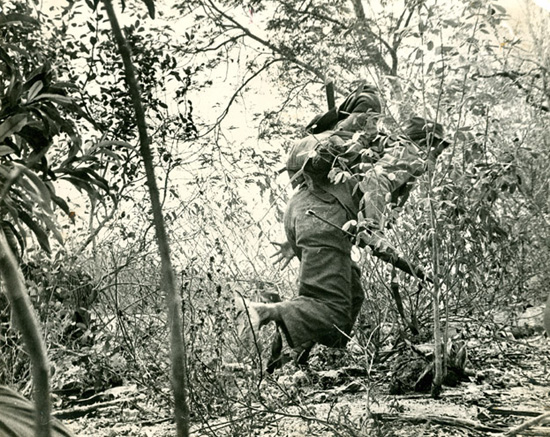
A revolutionary soldier caught on camera by chance as he was struck by the bullet that killed him_Tirso Martinez_Cuba, 1958
Roberto Branly
(born 1930, Havana)
Reminiscence: January ’61
.
The Year of Education has hardly begun
and already we are hustling off to the trenches.
.
It was like the strategy of golf;
the manoeuvre followed by the tin-horn heroes,
by Wall Street’s golf strategy.
.
Hardly had we time
to whiff at the gunpowder from our rifles
and already the salt spray from the sea
and the gusts of winds announcing rain
were upon us;
we were like sentinels, with our eyes glued to the night.
.
We rested our mouths on the butts of our rifles
and bit into them during our sleepless wait;
we had a drawn-out taste of military life,
under the light of the stars,
amid the dew-covered, knee-high grass.
. . .
Antón Arrufat
(born 1935, Santiago de Cuba)
Tempo I
.
I look at your face
Before our fingers begin the work of love.
Love is a futile crime,
Much like death herself,
Because we always die too late.
I must stagger under
The cruelty of that presence
And that punishment
Beneath the sun.
(Snow never comes to console us in the tropics.)
. . .
Domingo Alfonso
(born 1936, Jovellanos, Matanzas)
People like Me
.
People like me
daily walk the streets,
drink coffee, breathe,
admire the Sputniks.
.
People like me
with a nose, with eyes,
with marital troubles,
who take a bus,
and one fine day
sleep underground,
unnoticed by all.
. . .
Crossing the River
.
The oxen and the horses wade through the waters of the river.
A yellowish, foam-capped streak of water rhythmically laps the river banks.
The horsemen goad the herd, make nervous use of their spurs.
The sweaty beasts are water-drenched.
Blood begins to stain the water.
A little girl is heard crying.
We do not know why.
. . .
Señor Julio Osorio
.
Señor Julio Osorio remembers every day the good old times
when not a year passed without his travelling to New York.
Those were the times my father was out of work,
and my sister Rita was the victim of old Doctor Beato’s offspring,
while my mother sewed pants on a Singer
for private tailors with a meagre clientele.
.
Now I work, my sister is about to graduate from High School,
and little do we care whether Señor Osorio
makes his yearly trip to New York or not.
. . .
A Love-Affair at Forty
.
Carlos never had a wife.
Luisa never had a beau.
Carlos longed to marry.
So did Luisa.
Luisa was thirty-five,
Carlos almost fifty.
.
Carlos and Luisa were united in wedlock.
.
Luisa was not in love with Carlos;
but had no use for spinsterhood.
Carlos was not in love with Luisa;
but was in need of a wife.
. . .
Poems of the Ordinary Man
.
I am the ordinary man;
during certain hours, like millions,
I go up and down elevators,
then I have lunch like everyone,
talk with students
(I carry no cross on my shoulders);
day in and day out I meet up with many people,
people who are bored, people who sing;
next to them my insignificant figure passes;
the soldier suffers, the stenographer stoops.
I sing simply of the things felt by
the ordinary man.
. . .
As Hard as Myself
.
As hard as myself
is that small man,
my constant companion;
inflexible, strong;
he weighs, he analyzes;
he judges every single thing.
.
But now and again
he lets me down;
he cuts a flower.
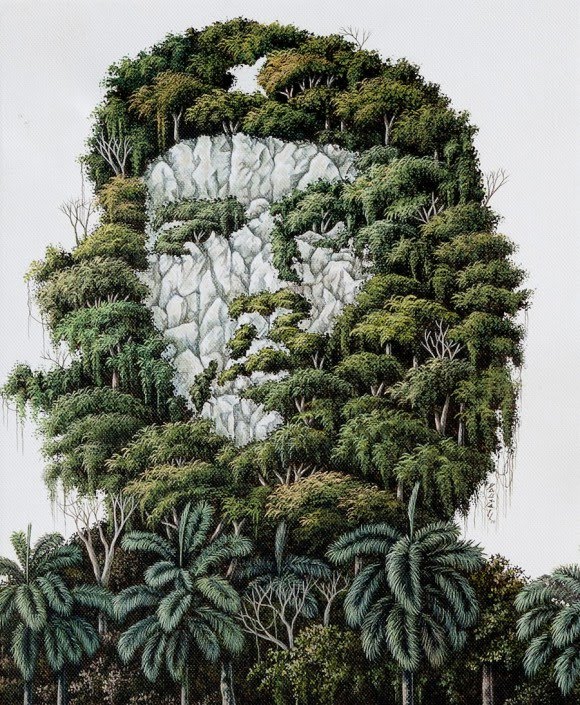
Dausell Valdés Piñeiro_born 1967_Cuban painter: “They are dreams still” (Son los sueños todavía)_acrylic on fabric
Luis Suardíaz
(born 1936, Camagüey)
When They Invented God
.
When they invented God,
Words hadn’t gotten very far;
The alphabet was still unborn.
This was at the beginning.
.
When they turned out the first books,
They stuffed them with metaphysics
(not even very well thought out)
And the bludgeon of the supernatural
.
It is a thankless task –
Launching forays against the outworn creeds
Of men long dead –
An ineffectual tactic.
Let’s put the angels in their place,
Consigning celestial vapours to oblivion,
And the fine biblical precepts
To the crucible of class struggle.
.
We materialists feel sorry for
That host of believers graduated from Oxford,
And stockbrokers who invent a hundred swindles
– and meanwhile go about their rituals,
Pressing their suit with heaven.
.
When they invented God,
Things were different.
Now we have to put our house in order.
In the beginning there was matter.
It was later on there came
All this mix-up about the heavens and the earth.
. . .
Song
.
How much love
In a cup of coffee shared.
.
In hands
Fused in a single melody.
.
In the dusk
Opening and closing before the eyes of lovers.
. . .
The Seed
.
They told us,
“This is beauty.”
So that we
Might not see her for ourselves
Or create her for ourselves.
.
So now it is hard to say,
“This is beauty.”
And we refrain,
Since we would make a fatal mistake.
. . .
Armando Alvarez Bravo
(born 1938, Havana)
Concerning a Snapshot
.
Quite so, it is myself among them
In the snapshot,
And then it comes back again:
A peculiar mania we have:
The zealous hoarding of Time’s faces.
.
Still, I do not remember
Exactly, I have forgotten
That day, the light
Of that morning,
What we were talking about,
Who we were,
The wherefore of that picture.
.
Time has passed – thousands of years.
Days linked to one another in a chain.
.
Past is the time of facile reference.
And I learn suddenly
How terrible, how simple, how beautiful and important
Were the words, the names,
I got from books, from movies,
from the letters of that friend,
Who,
Passing hungry days in an ancient European city,
Invited me
To share his pride of exile.
.
Thousands of years have passed.
I am no longer this double,
Looking out at me, so alive,
Frozen forever on a landscape
Where some, perhaps, move about
Through comfortable force of habit,
Unconscious of erosion’s transformations.
.
Something has happened between us,
Making us different, separating us.
Our times are incongruent.
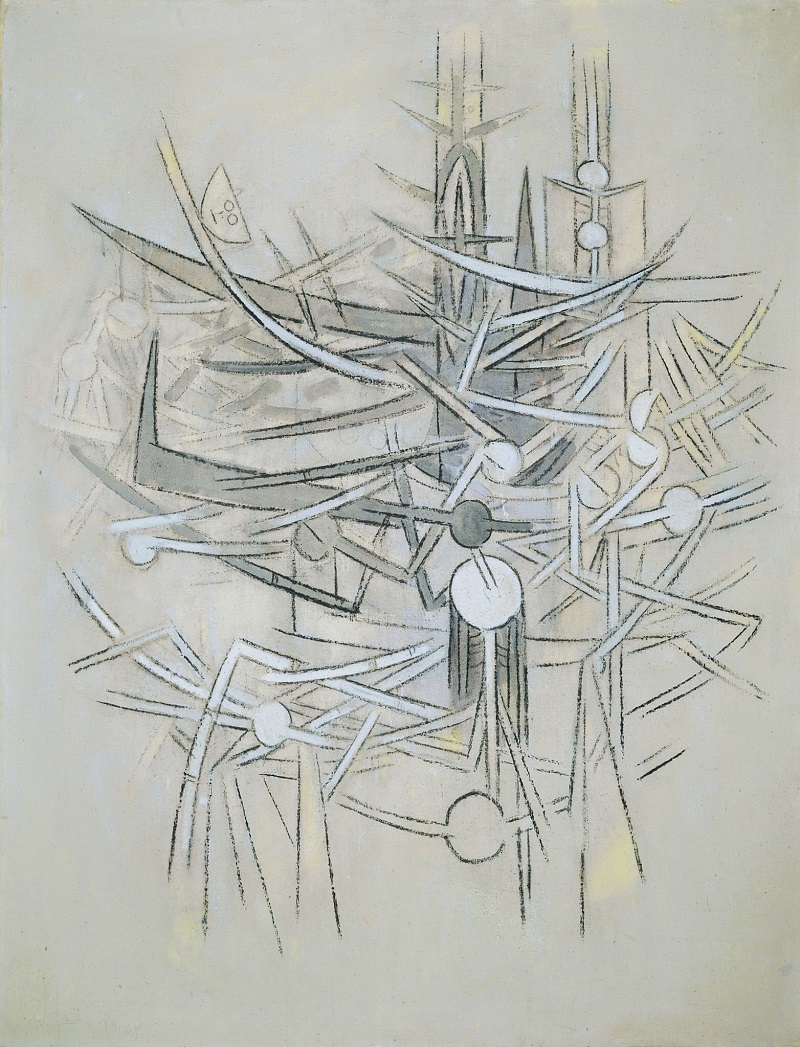
Wilfredo Lam (1902- 1982): La Barrière, or: The Barrier or The Obstacle or The Gate_oil on canvas_painted in 1964
A Bit of Metaphysics
.
There we find ourselves again,
At home, sitting in the livingroom,
As though none of it had ever happened.
Outside, the over-reaching trees
Dig themselves into the night.
The silence – almost perfect.
Suddenly the rain begins,
As when one of us told the first lie.
. . .
David Fernández
(born 1940, Havana)
A Song of Peace
.
[ Associated Press: Redwood City, California, November 17th:
Only four days after reading a letter from their son in which he told them that his luck was running out, Mr. and Mrs. Silvio Carnevale received a telegram telling them of his death in Vietnam.
“I feel sick; sickened by what I’ve done and by what has happened to my friends,” said the letter. “I feel as if I were a hundred years old…My luck is running out. Please do whatever you can for me…Dad, I don’t want to die. Please get me out of here.” ]
.
I
.
Perhaps some time or other,
under rosy California orange trees,
stolen by your grandfather from our grandfathers,
you dreamed you might become
President of your nation,
or, perhaps, only an honest citizen.
Possibly the simpler dream only
spurred on your great-grandfather,
and when he fled from distant Italy,
and here founded family, homestead and new hopes
in North America, the new and promised land.
.
II
.
(I am only imagining,
only leafing through your possible history,
making up a future
you will never have,
since the promised land
has appointed you a grave
far away, very far
from your orange groves.)
.
III
.
Also, perhaps,
you never even knew
about this corner of the world,
known as Vietnam
where daily you are dying,
daily you feel how lost
your interrupted childhood,
where you lose all sense of logic,
where you wield a rifle,
(I know why but you do not),
no longer now in play.
Here arraigned against you
are the shadows and the trees,
the wind, the roads, the stones,
the very smoke from your campfire,
and the silence of the mountains,
none of them yours – nor to be.
And the drinking water, heat and rain.
And, of course, the bullets ––
the things you took there turned against you.
.
IV
.
Perhaps you never thought
it could happen.
This is not a dream;
this is breaking something in you,
blotting out the orange groves
of your grandfather,
which are so far away.
Perhaps you would like to be there now,
sitting in the shade with your friends,
in the shelter of a song of peace,
because you are already fed up with the whole thing.
You never knew why
they cut off that song of peace in the middle.
Yet here you are, following after
others like yourself,
who came to destroy
the homes, the families, the budding hopes of this people
– this people named Vietnam.
You probably never heard of it
until that dark day when they sent you,
together with your buddies,
without a word to tell you why,
over to this land where now,
undone by the very arms you brought along,
you are dying, dying;
daily, hopelessly, endlessly dying.
. . .
Guillermo Rodríguez Rivera
(born 1943, Santiago de Cuba)
Working Hours
.
And now that things have settled anew
And can move toward their likely destiny
The grieving image will take another form.
.
That voice
Will not be heard again.
The presumably right way of doing things then
Will not be mentioned again.
.
One will pick himself up from that handful of dust,
From that terror of darkened stairways,
From the rains that made him shudder in the afternoon;
And will utter the word made flesh just now.
And will find that it suffices.
. . .
Discovery
.
You will use words from stories you have read,
You will talk of seafoam, roses,
All in vain.
For you will understand that
This story is different
And cannot be written that way.
. . .
Víctor Casaus (born 1944, Havana)
We Are
.
Unquestionably
We are.
.
We are
Above the yellow
Words of the cables
In this shining island
Which was built the day before yesterday.
.
We are,
Even with our eyes red from the dew,
With the fist and the shortcoming
And the mistake and the man who doesn’t know –
And the man who knows but has made a mistake.
.
We are underneath the weak
Smiles of the bland and defeated
Butterflies. We are forever in
This small zone we live in.
.
(To be,
simply to be,
is – in this place and in this latitude –
a by-no-means trifling victory.)
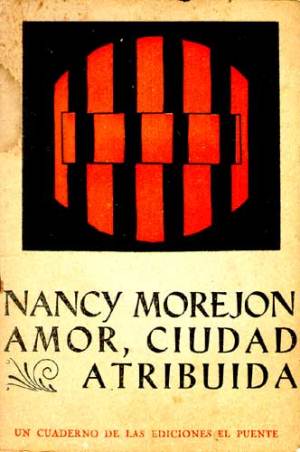
Cover of a “notebook” (cuaderno) of poems by Nancy Morejón_published in 1964
Nancy Morejón (born 1944, Havana)
A Disillusionment for Rubén Darío
.
“A white peacock passes by.” / “Un pavo real blanco pasa.” : R.D.
.
If a peacock should pass by me
I would imagine your watching over
its figure, its legs, its noisy tread,
its presumed oppressed walk,
its long neck.
.
But there is another peacock that doesn’t pass by now.
A very modern peacock that amazes
the straight-haired poet in his suit weatherbeaten by the saltspray of the ocean.
.
But there is yet another peacock
not yours,
which I destroy in the yard of my imaginary house,
whose neck I wring – almost with sorrow,
.
whom I believe to be as blue as the bluest heavens.
. . .
Miguel Barnet (born 1940, Havana)
Ché
.
Ché, you know everything,
Each nook and cranny of the Sierra,
Asthma over the cold grass,
The speaker’s rostrum,
Night tides,
And even how
Fruit grows, how oxen are yoked.
.
I would not give you
Pen in place of pistol,
But it is you who are the poet.
. . .
Revolution
.
You and I are separated by
A heap of contradictions
Which come together,
Galvanizing all my being.
Sweat starts from my brow,
Now I am building you.
. . .
Barnet’s poems in the original Spanish:
. . .
Che
.
Che, tú lo sabes todo,
los recovecos de la Sierra
el asma sobre la yerba fría
la tribuna
el oleaje en la noche
ya hasta de qué se hacen
los frutos y las yuntas.
.
No es que yo quiera darte
pluma por pistola
pero el poeta eres tú.
. . .
Revolución
.
Entre tú y yo
hay un montón de contradicciones
que se juntan
para hacer de mí el sobresaltado
que se humedece la frente
y te edifica.
. . . . .
Manuel Villanueva Martínez / Miguel Barnet / Belkis Cuza Malé: poemas
Posted: June 25, 2016 Filed under: Belkis Cuza Malé, Manuel Villanueva Martínez, Miguel Barnet, Spanish | Tags: Poetas cubanos Comments Off on Manuel Villanueva Martínez / Miguel Barnet / Belkis Cuza Malé: poemas Manuel Villanueva Martínez (nace 1939)
El gato del pozo
.
Al repote pote pote…..
Los poetas de mi Patria
ya firmaron la sentencia,
un gato cayó en un pozo,
quieren sangre, quieren hiel.
.
Al repote pote pan…..
Los artistas de mi Patria,
los cantantes y pintores
tienen arena en los ojos,
tienen miedo, tienen sal.
.
Y la gallinita ciega…..
también se cayó en el pozo,
en un pozo con Fidel.
.
Todos firmaron, señor,
firmaron en blanco y negro,
en un pozo muy profundo,
firmaron entre barrotes
la muerte y el paredón.
.
Los artistas de mi Patria
van a contar una historia
con el lago de los cisnes,
quieren cárcel al final.
.
Pero y las tripas del gato…..
las tripas se hicieron pan
al repote pote pote
todos vamos a llorar.
. . .
Miguel Barnet (nace 1940)
Con pies de gato
.
El viento ha quemado mi pelo,
el viento frío, arrasador.
Con pies de gato camino en lo oscuro.
Cautelosamente, como una fiera prevenida,
me acerco a tu corazón;
el olfato y la noche son mi brújala.
Como no sabes que existo te expones
al deseamparo y al susto.
Después de todo eres más frágil
que el estambre
y no sabes huir.
Entre tú y yo se cierne sólo la lluvia
que espejea tus brazos.
No puedes verme porque voy cubierto de árboles.
La noche, pródiga de mis sueños, me juega de nuevo
una mala pasada.
Feroz, bebo de tu desnudez hasta que mis labios
se sequen o se olviden.
Ojalá que una flecha te atraviese el corazón
para rehacerte a mi imagen, para resucitarte.
No culpo a la noche de tu aparición
sino a sus duendes.
. . .
Belkis Cuza Malé (nace 1942)
Crítica a la razón impura
.
Abre la puerta de su casa y entra
como un desconocido,
como si penetrara en el mundo
por la puerta de atrás.
En las paredes navega el barco
que grabó su hija,
la cuenta de la lavandería
cuelga del palo mayor.
Sus vecinos han decidido casarse hoy
y pedirle por un rato los muebles.
Entra en su casa y comienza a escribir,
necesita arreglar el mundo de algún modo,
crear un hombre para ella,
una niñera para su hija
y un poco de vida para los gatos que no tiene.
Ella empieza a escribir,
como si estuviera delante de un jurado,
saca sus heroínas de papel,
porque ella es una muchacha que vive sola,
que duerme sola,
que baila sola.
.
Ella es la muchacha
que ustedes necesitan destruir
para sentirse más firmes.
. . . . .
Poemas hechos en el exilio: Luis Mario, Alberto Laucirica, Eyda T. Machín
Posted: June 25, 2016 Filed under: Alberto Laucirica, Eyda T. Machín, Luis Mario, Spanish | Tags: Poetas cubanos Comments Off on Poemas hechos en el exilio: Luis Mario, Alberto Laucirica, Eyda T. Machín
Luis Mario (nace 1935)
Soy…
.
Si mis aguas se enturbian, sólo ella
percibe transparencias en mis aguas.
.
Soy su pez volador, su flor de espliego,
su perenne latido de esperanza;
.
un soldado de plomo, al que se aferran
sus bélicas tareas cotidianas.
.
Soy el cachorro de sus inquietudes,
la mascota que es dueña de su casa;
.
su techo en el fragor de la tormenta,
objetivo final de su atalaya.
.
Soy el árbol sin frutos de su carne,
su tronco, sus raíces y sus ramas;
.
su comunión en sábados de iglesia,
su domingo perpetuo en la semana.
.
Soy su equilibrio, su bastón, su reto,
su espuria imperfección idealizada;
.
su terca persistencia en la andadura,
el pedazo gemelo de su alma.
.
Y lo dije una vez, y lo repito:
esta mujer me ama.
. . .
Alberto Laucirica (nace 1936)
Ya nada me es extraño
.
La vida, en su vaivén inexorable,
ha marcado con piedras el camino
que has de seguir, de forma inevitable,
como mando, sublime, de tu sino.
.
El mundo, con su loco desatino,
no ha de llorar el mal de tu congoja,
podrá herirte la daga del destino
sin hallar una mano que te acoja.
.
Y en esa soledad, se nos antoja,
que somos como aquel triste payaso;
que mira como el árbol…su fracaso.
.
Presiento que ya estoy en el ocaso,
llevando en mis espaldas la experiencia
que el tiempo, lentamente, paso a paso,
con dolor ha grabado en mi conciencia.
.
El rostro de la vida es apariencia;
no existe una verdad insoslayable.
Yo conozco del mundo su indolencia,
y he visto a un inocente…ser culpable.
.
Viví entre gente que con gesto amable,
te trata con el rostro del engaño,
cuando piensan que tú eres negociable
si logras ocupar un alto escaño.
.
En el mundo, ya nada me es extraño,
pues he visto al más puro ser insano,
y he sentido en el alma todo el daño
que inflige la ambición del ser humano.
.
¿Qué más puedo decir? Todo es en vano,
como es vana, en la guerra, la victoria,
todo el que muere llevará en la mano
el libro ensangrentado…de la historia.
. . .
Eyda T. Machín (nace 1945)
Las Manos
.
En el misterio de unas manos sabias
se hundieron mis manos peregrinas
descubriendo en su calor humano
el murmullo de brisas cantarinas.
.
Manos sinuosas que caminan lentas
por los parajes de las grutas mías,
manos preciosas que penetran quedas
en lo profundo de mi piel dormida.
.
Manos de artista que crean universos
de mil colores y de fantasía,
manos que tejen ilusiones nuevas
con la rueca sutil de una caricia.
.
Manos hacedoras de milagros,
manos capaces de dar vida,
manos que traen envuelto en sangre
el grito primario a la luz del día.
.
Manos largas como el sueño
y el dolor de la partida,
manos fuertes como el trueno
en la espesura dormida.
.
Manos que tejen cadenas
para engarzar sinfonías,
manos que vuelan distantes
tras la cima callada de una tristeza-niña.
.
Manos blancas, manos recias,
manos quietas y dormidas,
manos dulces como el néctar
y amargas como la ira.
.
Manos sensuales que estrujan mi cuerpo,
haciéndolo vibrar como una lira.
Manos de dedos largos y ondulantes
que extraen las gotas de mi piel vacía.
. . .
Foto: © Jakota.de
. . . . .
Herminia D. Ibaceta: “Recuento” y “Todo el mundo calla”
Posted: June 24, 2016 Filed under: Herminia D. Ibaceta, Spanish | Tags: Poetas cubanos Comments Off on Herminia D. Ibaceta: “Recuento” y “Todo el mundo calla”
Herminia D. Ibaceta (nace 1933)
Recuento
.
A solas está el hombre,
perdida la mirada en el sendero,
hablándole a su yo, frente a la vida,
en ventanas del tiempo.
Alejó la riente primavera
su carroza de múltiples destellos,
llevándose la luz de los trigales,
los aromas, los trinos y los sueños.
Las copas de los árboles vistieron
en ropaje otoñal tintes inciertos,
las ansias imprecisas se encontraron
del triste pensador en el recuento.
Revoló la hojarasca sorprendida,
rostros marchitos al compás del viento…
efímeros colores y vivencias
por las desiertas rutas del regreso.
Los árboles desnudos se quedaron
al implacable tránsito del cierzo
mirando como el hombre en la ventana
descender albos lirios del invierno,
cubrir la tierra que encendió verano
en ardoroso y germinante fuego;
blanquear las sienes que en pasadas horas
pobló la juventud de los cabellos.
La esperanza marchó…
para él no existirá otra primavera
sólo aquellas que emprendan confundidos
eterna comunión, su yo y la tierra.
. . .
Todo el mundo calla
.
Todo el mundo escucha, todo el mundo sabe,
todo el mundo acepta, todo el mundo calla,
y yo me consumo, ceniza en la brasa,
cada vez más isla, cada vez más triste, cada vez más alba.
El tiempo me cruza sordo,
y se me escapa en dedos salobres y sangre en resaca.
El astro se aculta,
rebeldes los sueños se apartan
dejándome seca la flor en la entraña.
Todo el mundo sabe, todo el mundo calla…
El odio retoña,
los yugos entallan silencios al labio, distancias al alma.
Mi suelo agoniza,
en rudos embates se quiebran mis alas
y siento crecerme la desesperanza
cada vez más honda, cada vez más cruda, cada vez más larga.
Todo el mundo sabe, todo el mundo calla…
Giran en redondo las tierras hermanas,
para defenderme, ni una voz se alza,
se han quedado mudas todas las gargantas.
Trienta y tres inviernos…
y no queda espacio para la ignorancia.
Todo el mundo escucha, todo el mundo sabe,
todo el mundo acepta, todo el mundo calla.
Y yo sigo ardiendo, ceniza en la fragua,
cada vez más sola, cada vez más lejos,
cada vez más Patria.
. . . . .
Marta Padilla: tres poemas por un poeta del exilio
Posted: June 24, 2016 Filed under: Marta Padilla, Spanish | Tags: Poetas cubanos Comments Off on Marta Padilla: tres poemas por un poeta del exilio Marta Padilla (1928-2004)
Llamadlo a secas, Hombre
.
Acorralado ha sido,
Mutilado en sus vísperas
En su niñez de ayer transfigurado
– Llamadlo a secas, hombre.
Su infancia era mi infancia
Sus tataguas y gatas en el techo,
De la angustía
Eran también las nuestras
– Llamadlo a secas, hombre.
¿Quién nos tomó de pronto la palabra
Conque andaba la sangre entre nativos?
¿Quién la saqueó de frutas y veleros
Y objetos desiguales de la vida?
¿Quién la violó
A la vista del cielo,
Frente al testigo oscuro y sorprendido?
Ay, ¿quién,
Quién lo llama a secas, hombre?
. . .
Gatillo
.
Casi a la hora de abrigar la casa
hay vocablos noctámbulos
seduciendo una vida que responde
a las tácticas nómadas del fuego.
.
(pasa el vivir, nombrándola)
.
cubana, antigua, marginal, poeta,
criatura sin otra criatura.
¿y qué?
. . .
El hijo que falta
(para Alex)
.
Viene a verme. Nos vemos.
Recorre la distancia inexistente
y espera en el umbral,
quieto, inquietante.
.
Forma creada, llega,
en su intocable realidad,
imaginada margen que lo aprende.
.
Me llama y me responde.
.
Da un paso más y paso a su espesura.
Ya damos con la esencia impenetrable,
restauramos el eco transitado
para poner en órbita la ausencia.
.
La cercanía es hoy un cielo abierto
poco nos queda por hacer del tiempo.
.
La esperanza y la nada nos subrayan.
. . . . .
Fayad Jamís: “At times” and “For this freedom” / “A veces” y “Por esta libertad”
Posted: June 22, 2016 Filed under: English, Fayad Jamís, Spanish, ZP Translator: Alexander Best | Tags: Cuban poets, Poetas cubanos Comments Off on Fayad Jamís: “At times” and “For this freedom” / “A veces” y “Por esta libertad”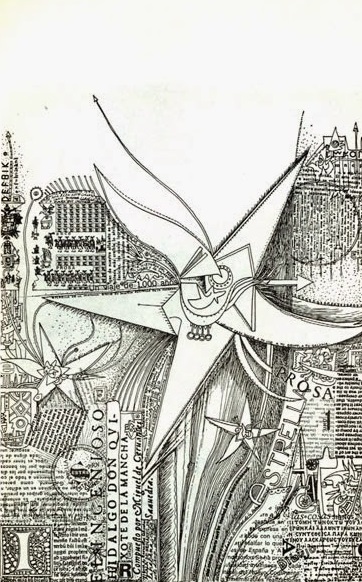
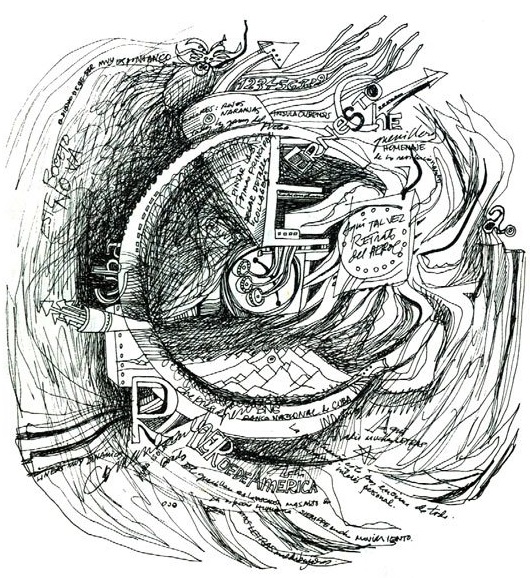
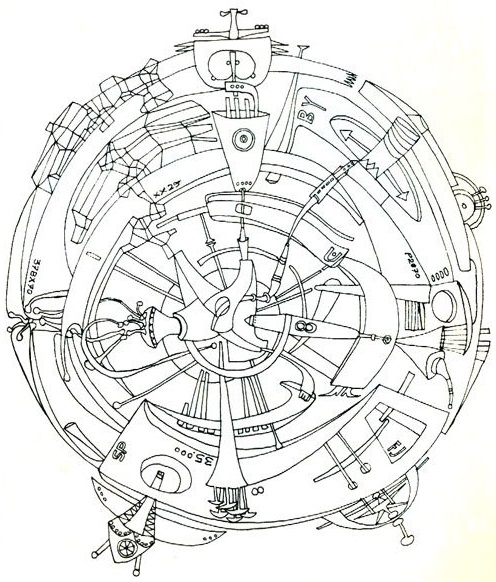
Fayad Jamis: Poema gráfico_1971
Fayad Jamís (1930-1988)
A veces
.
A veces,
en el silencio del pasillo, algo salta,
rompe alguien algún viejo nombre.
La mosca enloquecida cruza zumbando, ardiendo,
lejos de la telaraña luminosa.
Esto es así, tan solo, pero tan lleno de sorpresas.
Caserón de fantasmas sin hijos, en que el polvo
hace nuevas ventanas, nuevos muebles y danzas.
No, tú no lo conoces, tú no me has visto mucho las pupilas
y por eso te llenas de lágrimas.
Escúchame:
mi casa no se fuga; está lejos siempre.
Por estas escaleras se sube hasta lo negro.
Uno no se cansa de subirlas y jadeando se duerme
sin saber ni los días, ni la fiebre, ni el ruido inmenso
de la ciudad que hierve al fondo.
A veces,
en el silencio del pasillo, alguien nace de pronto,
alguien que toca en la puerta sin número y que llama.
No, tú no has estado aquí jamás. No, tú no vengas.
Mi palabra es abrir, pero es que casi siempre
ando de viaje.
. . .
Fayad Jamís (1930-1988)
At times
.
At times,
in the silence of the corridor,
something leaps up,
someone breaks apart an old name.
The ‘loco’ fly, made mad, buzzes by,
far from the gleaming spiderweb.
Being all alone this is how it is – yet so full of surprises.
A big giant house, a house of ghosts and no kids,
where the dust makes novel windows – furniture – dances.
You don’t really know it here, no.
And you haven’t truly seen the pupils of my eyes;
and so you well up with tears.
Listen to me:
my house doesn’t break away, it’s always been distant.
Via these stairs one can climb down into the dark;
one never tires of the stairs; one falls asleep, panting,
not knowing what day it is – or which fever – nor
what that immense noise is of the city,
seething there in the background.
At times,
in the silence of the corridor,
someone is suddenly born,
a someone who knocks on a numberless door,
a someone who’s calling.
You have never been here, no;
you do not take revenge.
My words are an “opening”,
but almost always
I’m off travelling somewhere.
Por esta libertad
.
Por esta libertad de canción bajo la lluvia
habrá que darlo todo.
Por esta libertad de estar estrechamente atados
a la firme y dulce entraña del pueblo
habrá que darlo todo.
Por esta libertad de girasol abierto
en el alba de fábricas encendidas
y escuelas iluminadas,
y de tierra que cruje y niño que despierta,
habrá que darlo todo.
.
No hay alternativa sino la libertad.
No hay más camino que la libertad.
No hay otra patria que la libertad.
No habrá más poema sin la violenta música de la libertad.
.
Por esta libertad que es el terror
de los que siempre la violaron
en nombre de fastuosas miserias.
Por esta libertad que es la noche de los opresores
y el alba definitiva de todo el pueblo ya invencible.
Por esta libertad que alumbra las pupilas hundidas,
los pies descalzos,
los techos agujereados,
y los ojos de los niños que
deambulaban en el polvo.
.
Por esta libertad que es el imperio de la juventud.
Por esta libertad
bella como la vida,
habrá que darlo todo
si fuere necesario;
hasta la sombra
– y nunca será suficiente.
. . .
For this freedom
.
For this freedom of songs in the rain
one must give one’s all.
For this freedom of being intimately bound up with
the strong yet gentle essence of the People
one must give one’s all.
For this freedom of the sunflower a-bloom
in the dawn of factories going full tilt
and schools all lit up;
of the earth a-crackle and the child awakening
– one must give one’s all.
.
There’s no alternative but freedom,
no other road, no other homeland,
no more poems ––
without the violent music of freedom.
.
For this freedom
that is the terror of those who always violated freedom
in the name of lavish squalor.
For this freedom
that is night for the oppressors
and the definitive dawn for all the now-invincible People.
For this freedom
that lights up caved-in eyes,
barefoot, shoe-less feet,
rooves full of holes,
and the eyes of the children
who were roaming in the dust…
.
For this freedom
that is the empire of youth.
For this freedom:
beautiful as life!
If necessary one must give one’s all
– even our own shadow
– and it will never suffice.
. . . . .
Poemas de un desterrado: Raúl García-Huerta
Posted: June 20, 2016 Filed under: English, Raúl García-Huerta, Spanish, ZP Translator: Alexander Best | Tags: Cuban poets, El Día Mundial de los Refugiados, Poetas cubanos, World Refugee Day Comments Off on Poemas de un desterrado: Raúl García-Huerta
Raúl García-Huerta (nace 1929)
No puedo…No quiero
.
No puedo olvidar, no puedo
la tierra donde he nacido,
la brisa que me ha mecido
cuando sentí el primer miedo.
Yo canturreaba muy quedo
canciones que me aprendía
desde el alba al mediodía
de mi abuela y de mi madre
mientras slbaba mi padre
una triste letanía.
.
Frágiles alas de un ave
provocaban un suspiro
oyéndose un son guajiro
al repicar de la clave.
Una melodía suave,
en el momento oportuno,
la volvía en son montuno,
sin que diestros bailarines
desde los cuatro confines
perdieran compás alguno.
.
Yo quiero sus huracanes,
picada de su mosquito
y un manjuarí dormidito
con mordidas de caimanes.
Entre hojas de guayacanes,
si me retuerce la pena,
cristales veo en su arena
rajando el mar en su playa
y en el puerto una talaya
con el nombre de Carena.
.
No quiero volver, no quiero
porque ella no es ya la misma.
No huele igual su marisma
ni moja igual su aguacero.
Volver a verla no espero
como era al despedirme.
Si vuelvo, tendré que irme
herido por su recuerdo
y la nostalgia que muerdo.
¡Mejor…prefiero morirme!
. . .
Raúl García-Huerta (born 1929)
I cannot…& I don’t want to
.
I cannot forget – I cannot –
the land where I was born,
and the breeze that rocked me
when I first felt fear.
From dawn through the day
I’d hum gentle songs I learned
from my grandmother & mother,
and my father
– he’d whistle his own sad refrain.
.
The fragile wings of a bird
invite a sigh, if one is
listening to the music of our countryside*
in its afro-cuban rhythm*.
A pleasant melody
at the opportune moment
becomes the mountain-music sound*
without which even skilled dancers
from the four corners
might lose the beat!
.
I want Cuba’s hurricanes;
to be bitten by her mosquitoes
and a drowsy needle-nosed gar-fish;
and the caiman alligator!
Apply leaves of the guayacan tree
if I’m twisting in pain!
Crystals I see in her sands,
when I’m slicing through the sea by her beaches;
and in the port there’s a watchtower
with the name Carena.
.
I don’t want to return – don’t want to –
because she’s not the same Cuba now.
Her marshes won’t smell as they did
and her downpours won’t feel as before.
I hope not to return, not to see her
as when we bid farewell.
If I should go back…yet I’ll
have to go away wounded by her memory
and a longing which gnaws at me.
Better that I––
I prefer to––
Die!
. . .
son guajiro = the music of our [Cuban] countryside*
la clave = afro-cuban rhythm*
son montuno = the [Cuban] mountain-music sound*
. . .
Un siglo después
.
¡Qué ganas tengo que cien años vuelen
para esfumar todo recuerdo mío
abandonado a orillas de este río
con su caudal de penas que me duelen!
.
Donde olvidé que los jacintos huelen
y el cauce supe medir hondo y frío.
En sus riberas amansó mi brío
como los años dominarlo suelen.
.
Yo necesito generar olvido,
garantizarme con la paz, futuro,
borrar mi rastro por haber vivido.
.
Este camino ha sido largo y duro.
Para aliviarme el corazón herido
quisiera un siglo de silencio oscuro.
. . .
A century afterwards…
.
How I feel like a hundred years might fly
before all my recollections could fade
– abandoned at the banks of this river
with a wealth of sorrow
that torments me!
.
Here where the water hyacinths are fragrant
and the riverbed’s depth and coolness I knew the measure of.
On these banks I soothed my spirit,
and with the passing years went on to master it.
.
I need to generate oblivion
– guaranteeing for myself some peace, and a future –
by the erasure of my face (for having been worldly).
.
This road’s been long and hard.
To ease my wounded heart
would require a century in darkness and silence…
. . . . .
Antonio Acosta: “Mi poesía es la pura esencia de mi vida” / “My poetry is the pure essence of my life”
Posted: June 17, 2016 Filed under: Antonio Acosta, English, Spanish, ZP Translator: Alexander Best | Tags: Cuban poets, Poetas cubanos Comments Off on Antonio Acosta: “Mi poesía es la pura esencia de mi vida” / “My poetry is the pure essence of my life”
Antonio Acosta (nace 1929)
Mi Poesía
.
Mi poesía
es la pura esencia de mi vida;
raíz y simiente de mi infancia.
Es el clamor que busca una salida,
la gardenia que cuida su fragancia.
.
Mi poesía
es puerto donde carenan naves rotas,
es refugio de paz y de añoranza,
donde alzan su vuelo las gaviotas
buscando un nuevo grito de esperanza.
.
Mi poesía
lleva en cada verso su decoro;
no obedece a colores ni linaje,
no valora al hombre por su oro,
ni por su posición ni por su traje.
.
Yo quisiera
con mi vocablo endurecer el brazo,
pero jamás encallecer el corazón.
Unir en un binomio, en fuerte lazo,
la justicia humana y la razón.
. . .
Antonio Acosta (born 1929)
My Poetry
.
My poetry is
the pure essence of my life,
root and seed of my childhood.
It’s the cry that seeks a way out,
a gardenia safeguarding her fragrance.
.
My poetry is
a port where broken vessels sway,
a refuge of nostalgia and peace
where seagulls rise in flight
to call out with fresh hope.
.
My poetry
carries in each verse a decorum all its own,
adhering to neither colour nor lineage,
and esteeming a man not for his position,
nor for his garments or gold.
.
I would wish with my words
to strengthen the arms
but never harden the heart;
and that they join together,
in a solid-bond coupling,
both human justice and reason.
. . .
Confidencias
.
Soledad, amiga confidente;
¡cómo siento a tu lado
la armonía de todo el universo!
Hablemos de mis sueños, amiga soledad.
––De gaviotas errantes,
de mariposas tristes,
de las huellas del tiempo
en las rocas del valle,
dibujando poemas
por sus cauces de olvido––
––Soledad, mi canto es el grito
que lo grita el alma
pidiéndole al viento su viril demanda;
diciéndole al viento su dolor isleño,
su dolor de sangre,
su canción de alba.
Y mi lágrima tibia en ajenas orillas
se abochorna y se pierde
en las aguas nocturnas
de corrientes ignotas.
. . .
Confidences
.
Solitude: friend in whom I confide
––how I feel the harmony of the whole universe
when I’m by your side!
Let’s talk about my dreams,
you-my-friend-in-aloneness;
of itinerant seagulls,
wistful butterflies,
the foot-tracks of time
and the rocks of the valley
portraying poems from the riverbed of oblivion.
Solitude,
my song is the shout that the soul cries,
demanding of the wind a virile claim
and telling the islander’s sorrow,
a blood pain – a song of the soul.
And my lukewarm tears upon foreign shores
are overwhelmed – lose themselves –
in the nocturnal flow of unknown currents.
. . .
Añoranzas
.
Me duelen los recuerdos de este lado,
lejanos de mi entorno y de mi mente;
dolores lacerantes del pasado,
pretéritos recuerdos sin presente.
.
Y en este interno dilema con mi hado
ya nada me parece tan urgente;
pues el tiempo me tiene así marcado
y no quiero dejar nada pendiente.
.
Por eso mis vivencias llevan alas
y van dejando amor en las escalas
de la trivial cruzada de la vida.
.
Y en terapia de arpegio en sinfonía,
la añoranza de Cuba me convida
a volver a mi tierra en poesía.
. . .
Longings
.
Memories,
from this side,
they hurt me,
far from my surroundings / my mind;
excruciating pain from the past,
past-tense memories without a present.
.
And in this interior dilemma with my destiny
already there’s nothing that seems to me so pressing;
but Time has me marked, almost,
and I want nothing left unresolved.
.
So that’s why my experience bears wings
and such lessons leave love hanging on the ladder of
life’s trivial crusade!
.
And in a therapy of arpeggio & symphony,
nostalgia
–– a longing for Cuba ––
invites me
to return to my country
(if only in poetry.)
. . . . .
Fina García Marruz: “El momento que más amo” / “The moment I most love”
Posted: June 14, 2016 Filed under: English, Fina García Marruz, Spanish, ZP Translator: Alexander Best | Tags: Cuban poets, Poetas cubanos Comments Off on Fina García Marruz: “El momento que más amo” / “The moment I most love”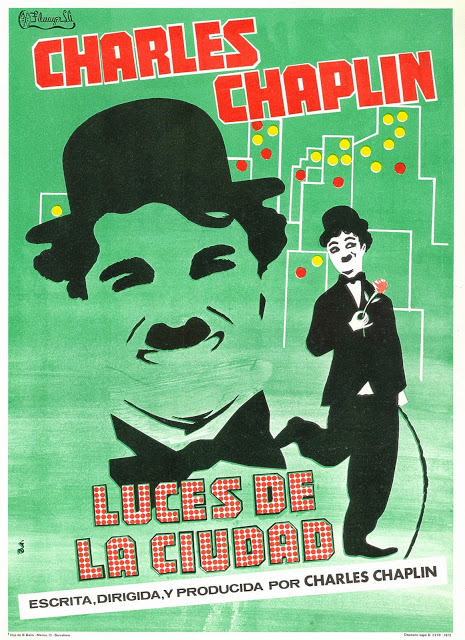
Fina García Marruz (nace 1923)
El momento que más amo
(Escena final de la película “Luces de la ciudad”)
.
El momento que más amo
es la escena final en que te quedas
sonriendo, sin rencor,
ante la dicha, inalcanzable.
.
El momento que más amo
es cuando dices a lo joven ciega
“Ya puedes ver?” y ella descubre
en el tacto de tu mano al mendigo,
al caballero, a su benefactor desconocido.
.
De pronto, es como si te quisieras
ir, pero, al cabo, no te vas,
y ella te pide como perdón
con los ojos, y tú le devuelves
.
la mirada, aceptándote en tu real
miseria, los dos retirándose y quedándose
a la vez, cristalinamente mirándose
en una breve, interminable, doble piedad,
.
ese increíble dúo de amor,
esa pena de no amar que tú
– el infeliz – tan delicadamente
sonriendo, consuelas.
. . .
Fina García Marruz (born 1923)
The moment I most love
(Final scene from the film “City Lights”)
.
The moment I most love
is the final scene in which,
without any hard feelings,
you are left smiling
before a happiness that’s out of reach.
.
That moment I like best
is when you say to the young blind girl:
“Can you see now?”
And she finds in the touch of your hand
– the hand of the beggar and the gentleman –
her mystery benefactor.
.
And all of a sudden,
it’s as if you wanted to go,
and then you don’t;
she’s asking your pardon – with her eyes –
and you return the look,
.
accepting in yourself your very real misery,
the two of you withdrawing from one another
yet staying, all the same,
in a brief, endless commiseration
.
– that incredible love duo,
that pain of not loving that you
– unhappy you –
give consolation with,
delicately smiling.
. . .
Amelia del Castillo: poemas: “Casi yo”, “De pie”, “Mi corazón”, “Invierno”
Posted: June 14, 2016 Filed under: Amelia del Castillo, Spanish | Tags: Poetas cubanos Comments Off on Amelia del Castillo: poemas: “Casi yo”, “De pie”, “Mi corazón”, “Invierno”Amelia del Castillo (nace 1923)
Casi yo
.
Estoy casi de vuelta.
Sin bagaje. Náufrago de la noche.
Casi abierta.
A mi lado se acuesta – como un perro –
la sombra del desvelo de mí misma.
¡Cómo me llama el tiempo que no ha sido!
A él voy como al regreso,
como a la mar el río.
Y se rompen estrellas sobre la noche blanca
como se rompe en llanto una sonrisa.
.
Estoy casi de vuelta
aunque no me haya ido.
. . .
De pie
.
Si estoy de pie
es porque me levanto,
porque me empino
más allá de mi asombro y mi estatura,
porque no aliento cicatrices
ni fantasmas, ni pasado.
.
Si estoy de pie
es porque sigo andando,
porque me llama el viento
y me llaman la luz y los relámpagos.
.
Porque cantan los pájaros
(todavía)
y los niños sueñan
(todavía),
porque no preciso razones
ni respuestas.
.
Porque tomo mi cruz sin intercambios.
. . .
Mi corazón
.
tiene latido de lobezno,
el tuyo, sangre de paloma.
Si me habitas
tu sangre dulce me sosiega,
si me faltas
montes, selvas y riscos se me trenzan
y se trenzan el miedo y el rugido
y me crezco de pronto por la fiera.
.
Tu corazón,
tu amanecido corazón de ave
– Ícaro deslumbrado –
en qué azul,
¿en qué vuelo sin mí lastimará sus alas?
Y el mío,
mi corazón acerbo sin tu alivio,
¿en qué rincón de sombras, en qué huída
desgarrará mi entraña y tu paloma?
. . .
Invierno
.
Desarropado tu hálito vital
¿quién te acoge, quién acaricia
tu desnudez de piedra?
.
Levántate.
Hay que buscarle abrigo
a la intemperie,
un hueco al desamparo, un plato
al hambre.
Hay que buscarle sitio a la resaca,
a los huesos, los fósiles,
las algas.
.
Levántate.
Hay que inventar un puerto,
un pedazo de azul
para el naufragio.
. . . . .
 Zócalo Poets