“Los Tres Arbolitos” de Clovis S. Palmer y “Árboles” de Joyce Kilmer
Posted: July 11, 2013 Filed under: Clovis S. Palmer, English, Joyce Kilmer, Spanish, ZP Translator: Alexander Best Comments Off on “Los Tres Arbolitos” de Clovis S. Palmer y “Árboles” de Joyce Kilmer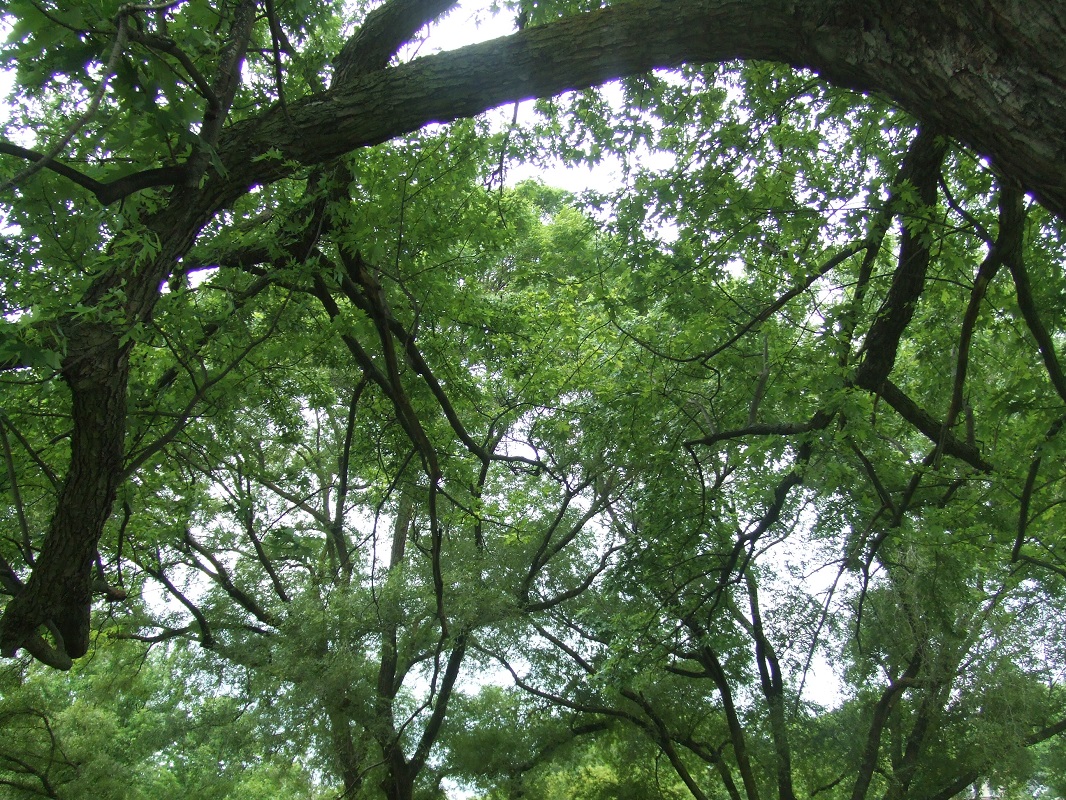
Clovis S. Palmer
“Los Tres Arbolitos”
.
Es redondo el mundo que nadie no ve,
y hay árboles de todas necesidades.
Algunos puedan ser grandes – otros, pequeños
– o, quizás, como muñequitos.
Puedan variar los árboles, tamaño por tamaño,
Están vistos por todas partes – y entre diques también.
Y nadie sabe de donde vienen.
.
Recordó mi mente unos tres arbolitos
– sobre una colina – a las tres y cuarto
– sí, sobre una colina y junto al molino
– tres arbolitos con miembros oleandos.
Estaban allá – cansados, hambrientos
– y esperaban por un jarrito de cerveza.
Sin embargo, se quedaron dormidos,
con sus manos colgantes
– directo allí.
. . .
Señor Palmer hoy es médico y escribió este poema cuando era niño de trece años (en 1987). En ese tiempo vivía en su pueblito natal de Manchioneal, Distrito de Portland, Jamaïca. Muestra el poema el “surrealismo natural” de la mente de la niñez. . . .Clovis S. Palmer
“Three Little Trees”
.
The world is round, which no one sees,
Having trees of all different needs.
Some may be big, some may be small – or even like a little doll.
Trees may vary from size to size,
Trees are seen from miles to miles.
Trees are seen from dam to dam and no one knows where they came from.
.
My mind went back on three little trees
Upon a hill – a quarter past three –
Upon the hill beside a mill, three little trees waving their limbs,
Hungry and tired the trees were there,
Waiting for a cup of beer.
Nevertheless, they fell asleep,
Having their hands hanging right there.
. . .
This poem was composed in 1987, in Manchioneal, Portland Parish, Jamaica, when Dr. Palmer was 13 years old. It displays the qualities of “natural surrealism” that only a child’s mind can create, whereas adults must strive greatly to see the world in such a way.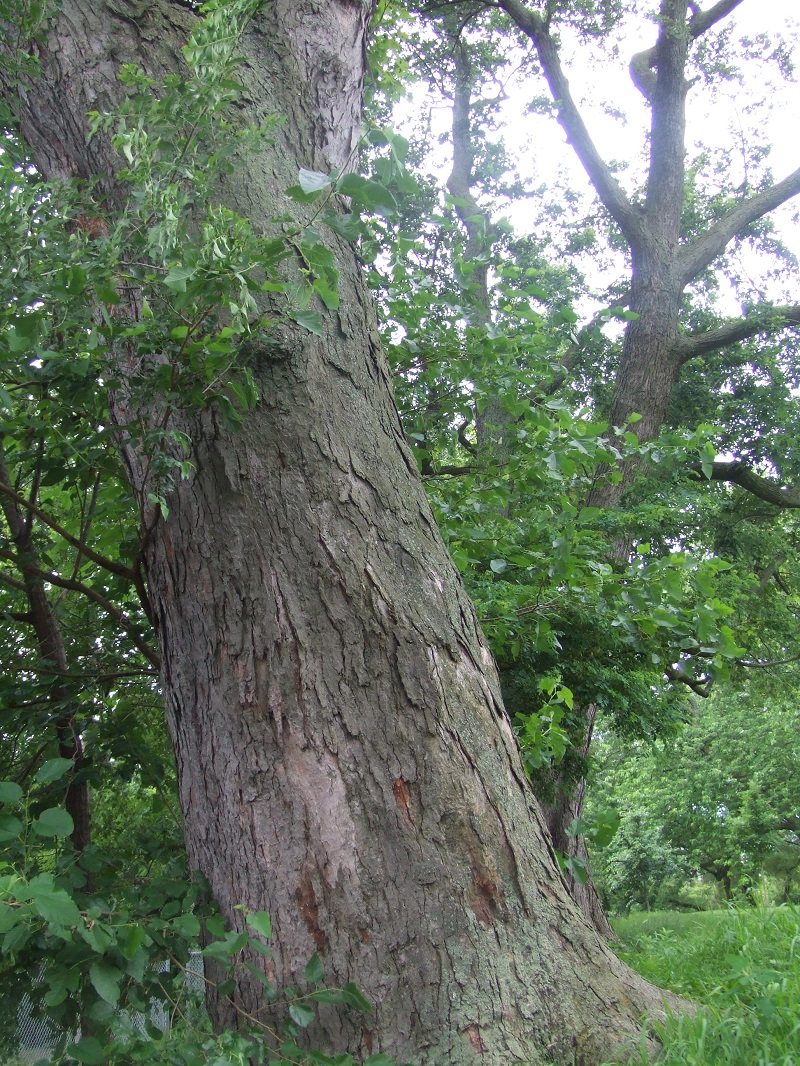
Joyce Kilmer (1886-1918)
“Árboles”
.
Creo que nunca veré
un poema tan hermoso como un árbol.
Un árbol cuya boca hambrienta esté pegada
al dulce seno fluyente de la tierra;
un árbol que mira a Dios todo el día.
Y alza sus brazos frondosos para rezar.
.
Un árbol que en verano podría llevar
un nido de petirrojos en sus cabellos;
en cuyo pecho se ha recostado la nieve;
quien vive íntimamente con la lluvia.
.
Los poemas están hechos por bufones como nosotros,
Pero solo Dios puede hacer un árbol.
. . .
Escrito en 1913, el poema “Árboles” es verso bien amado entre los hablantes del inglés americano y canadiense. Claro, es muy sentimental – faltando los sellos distintos del modernismo – pero dura su estima popular porque las palabras son sinceras – de lo más hondo del corazón. . . .Joyce Kilmer (1886-1918)
“Trees”
.
I think that I shall never see
A poem as lovely as a tree;
A tree whose hungry mouth is prest
Against the earth’s sweet flowing breast;
A tree that looks at God all day,
And lifts her leafy arms to pray;
A tree that may in summer wear
A nest of robins in her hair;
Upon whose bosom snow has lain;
Who intimately lives with rain.
Poems are made by fools like me,
But only God can make a tree.
. . .
Written in 1913, when Kilmer was 26 years old, “Trees” would become his most famous poem – sentimental, yes, a breeze to memorize, true, and popular among several generations of Americans and Canadians for its sincere tone, its plain heartfelt-ness (and with God mixed into the verse). Joyce Kilmer’s life was brief. He worked for Funk and Wagnalls Dictionary updating definitions of ordinary English-language words at a nickel a pop. When he had the chance to enlist during The Great War he was over to France in a jiffy, where he died from a German sniper’s bullet and was remembered by the men of his regiment for his valour and leadership abilities as sergeant.. . .
Versiones/interpretaciones en español: Alexander Best
. . . . .
“Yo cumplo mi encuentro con La Vida” / “I keep Life’s rendezvous”: Poemas para Viernes Santo / Good Friday poems: Countee Cullen
Posted: March 29, 2013 Filed under: Countee Cullen, English, Spanish, ZP Translator: Alexander Best | Tags: Black poets, Good Friday poems, Poemas para Viernes Santo, Poetas negros Comments Off on “Yo cumplo mi encuentro con La Vida” / “I keep Life’s rendezvous”: Poemas para Viernes Santo / Good Friday poems: Countee Cullen
ZP_Simon of Cyrene_painting by Theophilus of Knoxville, Tennessee
Countee Cullen (Poeta negro del “Renacimiento de Harlem”, E.E.U.U., 1903-1946)
“Habla Simón de Cirene”
.
Nunca me habló ninguna palabra
pero me llamó por mi nombre;
No me habló por señas,
y aún entendí y vine.
.
Al princípio dije, “No cargaré
sobre mi espalda Su cruz;
Sólo procura colocarla allá
porque es negra mi piel.”
.
Pero Él moría por un sueño,
Y Él estuvo muy dócil,
Y en Sus ojos hubo un resplandor
que los hombres viajarán lejos para buscar.
.
Él – el mismo – ganó mi piedad;
Yo hice solamente por Cristo
Lo que todo el Imperio romano no pudo forjar en mí
con moretón de látigo o de piedra.
. . .
Countee Cullen (1903-1946)
“Simon the Cyrenian Speaks”
.
He never spoke a word to me,
And yet He called my name;
He never gave a sign to me,
And yet I knew and came.
At first I said, “I will not bear
His cross upon my back;
He only seeks to place it there
Because my skin is black.”
But He was dying for a dream,
And He was very meek,
And in His eyes there shone a gleam
Men journey far to seek.
It was Himself my pity bought;
I did for Christ alone
What all of Rome could not have wrought
With bruise of lash or stone.
.
Luke 23:26
“And as they led Him away, they laid hold upon one Simon, a Cyrenian, coming out of the country,
and on him they laid the cross, that he might bear it after Jesus”.
. . .
“Tengo un encuentro con La Vida”
.
Tengo un encuentro con La Vida,
durante los días que pasen,
antes de que pasen como un bólido mi juventud y mi fuerza de mente,
antes de que las dulces voces se vuelvan mudas.
.
Tengo un ‘rendez-vous’ con Esta Vida.
cuando canturrean los primeros heraldos de la Primavera.
Por seguro hay gente que gritaría que sea tanto mejor
coronar los días con reposo en vez de
enfrentar el camino, el viento, la lluvia
– para poner oídos al llamado profundo.
.
No tengo miedo ni de la lluvia, del viento, ni del camino abierto,
pero aún tengo, ay, tan mucho miedo, también,
por temor de que La Muerte me conozca y me requiera antes de que
yo cumpla mi ‘rendez-vous’ con La Vida.
. . .
“I have a rendezvous with Life”
.
I have a rendezvous with Life,
In days I hope will come,
Ere youth has sped, and strength of mind,
Ere voices sweet grow dumb.
I have a rendezvous with Life,
When Spring’s first heralds hum.
Sure some would cry it’s better far
To crown their days with sleep
Than face the road, the wind and rain,
To heed the calling deep.
Though wet nor blow nor space I fear,
Yet fear I deeply, too,
Lest Death should meet and claim me ere
I keep Life’s rendezvous.
. . .
Countee Cullen produced most of his famous poems between 1923 and 1929; he was at the top of his form from the end of his teens through his 20s – very early for a good poet.
His poems “Heritage”, “Yet Do I Marvel”, “The Ballad of the Brown Girl”, and “The Black Christ” are classics of The Harlem Renaissance. We feature here two of Cullen’s lesser-known poems
– including Spanish translations.
. . . . .
Traducciones del inglés al español: Alexander Best
“The Last Supper or: From now on, the worms speak for him” / “La Última Cena”
Posted: March 29, 2013 Filed under: English, Mario Meléndez, Spanish, ZP Translator: Alexander Best Comments Off on “The Last Supper or: From now on, the worms speak for him” / “La Última Cena”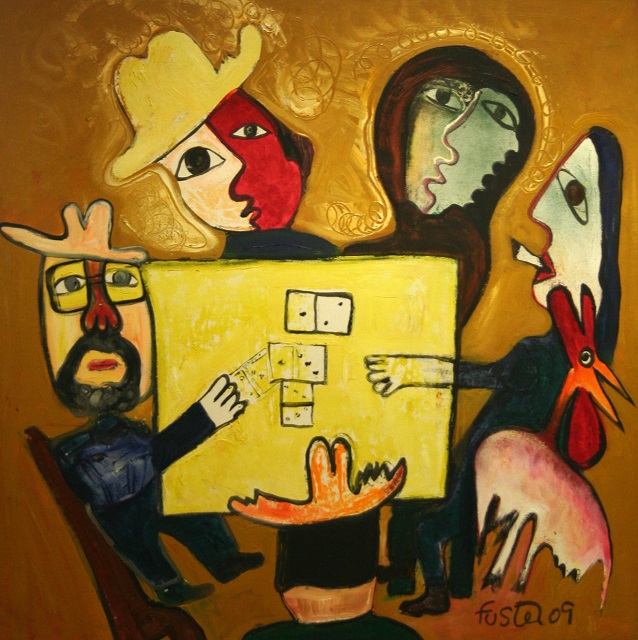
ZP_Jugando al Dominó_Playing at Dominos_José Fuster
Mario Meléndez (nace/born 1971, Chile)
“La Última Cena” / “The Last Supper or: From now on, the worms speak for him”
.
Y el gusano mordió mi cuerpo
y dando gracias
lo repartió entre los suyos diciendo
“Hermanos
éste es el cuerpo de un poeta
tomad y comed todos de él
pero hacedlo con respeto
cuidad de no dañar sus cabellos
o sus ojos o sus labios
los guardaremos como reliquia
y cobraremos entrada por verlos”.
.
And the worm bit into my body
and, giving thanks,
divided it among his brethren, saying:
“Brothers,
this is the body of a poet
– take it, eat all of it,
but do this with respect,
careful not to harm the hair upon his head,
or his eyes, or his lips
– we will keep those as sacred relics
and we’ll charge an entry fee for people to see them.”
.
Mientras esto ocurría
algunos arreglaban las flores
otros medían la hondura de la fosa
y los más osados insultaban a los deudos
o simplemente dormían a la sombra de un espino.
.
While this was going on
some were arranging flowers,
others were gauging the depth of the grave,
and the boldest ones were busy offending the relatives and mourners
– or merely sleeping ‘neath the shade of a hawthorn tree.
.
Pero una vez acabado el banquete
el mismo gusano tomó mi sangre
y dando gracias también
la repartió entre los suyos diciendo
“Hermanos
ésta es la sangre de un poeta
sangre que será entregada a vosotros
para el regocijo de vuestras almas
bebamos todos hasta caer borrachos
y recuerden
el último en quedar de pie
reunirá los restos del difunto”.
.
But once the banquet was finished
the same worm drank my blood
and, also giving thanks,
shared my blood among the rest of those present,
saying:
“Brothers,
this is the blood of a poet,
blood consecrated for you
for the sake of your souls’ rejoicing
– drink all of it until you fall down drunk,
that you may remember:
in high heaven it’s a stubborn fact –
you will be reunited with the remains of the deceased.”
.
Y el último en quedar de pie
no solamente reunió los restos del difunto
los ojos, los labios, los cabellos
y una parte apreciable del estómago
y los muslos que no fueron devorados
junto con las ropas
y uno que otro objeto de valor
sino que además escribió con sangre
con la misma sangre derramada
escribió sobre la lápida
“Aquí yace Mario Meléndez
un poeta
las palabras no vinieron a despedirlo
desde ahora los gusanos hablaremos por él”.
.
And the last-gasp fact…
not only was it the ‘joining-together’ of all of them
with the remains of the deceased –
his eyes, his lips, the hair upon his head,
an appreciable part of his stomach,
the thighs which were not devoured,
together with his clothing
and one or another item of value –
but that, moreover,
it was written in blood – that same spilt blood –
he wrote upon his own headstone:
“Here lies Mario Meléndez, a poet.
Words never came to bid him farewell,
and from now on,
the worms speak for him.”
.
Traducción/interpretación en inglés: Alexander Best
. . .
Mario Meléndez studied journalism at La República University in Santiago, Chile. In 1993 – the bicentennial of Linares – he won that city’s Municipal Prize for Literature. In 2003, in Rome, he was made an honorary member of the Academy of European Culture, after speaking at the First International Gathering for Amnesty and Solidarity of The People. In 2005 he won the Harvest International Prize for best poem in Spanish from the University of California Polytechnic.
Poemas para El Día Internacional de la Mujer: una poetisa anishinaabe que deseamos honrar: Joanna Shawana / Poems for International Women’s Day: an Anishinaabe poet we wish to honour: Joanna Shawana
Posted: March 8, 2013 Filed under: English, Joanna Shawana, Joanna Shawana: poetisa anishinaabe/Anishinaabe poet, Spanish, ZP Translator: Alexander Best | Tags: Poemas para El Día Internacional de la Mujer, Poems for International Women's Day Comments Off on Poemas para El Día Internacional de la Mujer: una poetisa anishinaabe que deseamos honrar: Joanna Shawana / Poems for International Women’s Day: an Anishinaabe poet we wish to honour: Joanna Shawana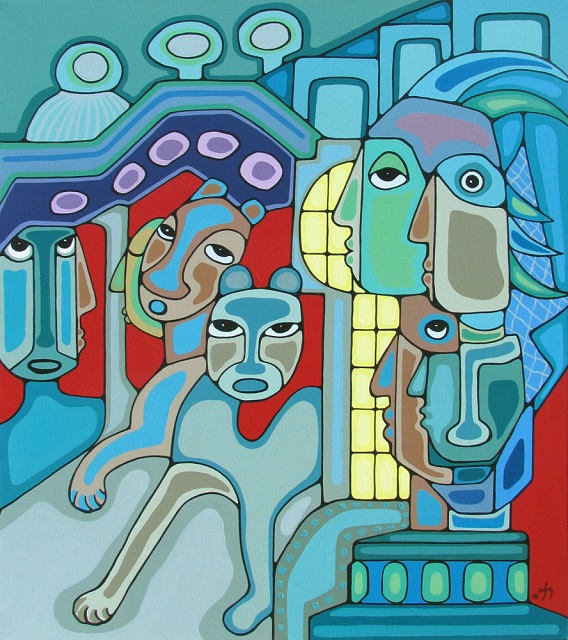
ZP_Manitoulin Island artist Daphne Odjig_Echoes of the Past_Daphne Odjig_Pintora indígena de la Isla de Manitoulin_Ecos del Pasado
Joanna Shawana / Niimkiigiihikgad-Kwe
(Anishinaabe poet from Wikwemikong, of the Ojibwe-Odawa First Nations Peoples, Mnidoo Mnis/Manitoulin Island, Ontario)
“Grandmother Moon”
.
During this cold dark night
Grandmother Moon sits high
Above the sky
.
Our Grandmother
Surrounded with stars
Emphasizing the life of the universe
.
As the night comes to end
Our Grandmother Moon slowly fades
Over the horizon
.
To greet Grandfather Sun
To greet him
As the new day begins
.
Grandmother Moon will rise again
She will shine and guide me on my path
As I walk on this journey.
. . .
Joanna Shawana / Niimkiigiihikgad-Kwe
(Poetisa anishinaabe de Wikwemikong, Mnidoo Mnis/Isla de Manitoulin, Ontario, Canadá)
“La Luna – Mi Abuela”
.
Durante esta noche fría y oscura
La Luna Mi Abuela se sienta
Alta en el cielo
.
Nuestra Abuela
Está rodeada de estrellas
Que hacen hincapié en la vida del universo
.
Como cierra la noche
Lentamente Nuestra Abuela La Luna destiñe
Encima del horizonte
.
Para dar la bienvenida al Abuelo El Sol
Para saludarle
Como comienza el nuevo día
.
Ella saldrá de nuevo, La Luna-Abuela,
Brillará y me guiará en mi camino
Como ando en este paso.
. . .
“All I Ask”
.
My fellow woman
My sisters
I am weak
I am hurt
All I ask of you is
Please
Hear what I have to say
Hear what I have to share
I am not here
To be looked down
I am not here
To be judged
For what had happened to me
All I ask of you is
Please
Hear what I have to share
My fellow women
My sisters
Listen to my words
See the pain in my eyes
All I ask of you is
Please
Hear what I have to say
Hear what I have to share
Help me
To get through my pain
Help me
To understand what is happening
Help me
To be a better person
So please
Hear what I have to say
Hear what I have to share.
. . .
“Todo lo que te pido…”
.
Mi compañera
Mis hermanas
Soy débil
Estoy dolida
Todo lo que te pido es
Por favor, escucha lo que tengo que decir
Escucha lo que tengo que compartirte
No estoy aquí
Para ser mirada por ustedes por encima del hombro
No estoy aquí
Para ser juzgada de
Lo que me había pasado
Todo lo que les pido es
Por favor, escuchen lo que tengo que compartirles,
Mis compañeras, mis hermanas,
Escuchen mis palabras
Vean el dolor en mis ojos
Todo lo que les pido es
Por favor,
Escuchen lo que tengo que decir
Escuchen lo que tengo que compartirles
Ayúdame a
Superar mi sufrimiento
Ayúdenme a
Comprender lo que pasa
Ayúdenme a
Ser una mejor persona
– Entonces,
Por favor,
Escucha lo que tengo que decirte,
Escuchen lo que tengo que compartir con ustedes…
. . .
“Hidden”
.
Hidden secrets
Hidden feelings
Hidden thoughts
.
Why do people need to hide
Their secrets
Their feelings and thoughts?
.
What are people afraid of?
Afraid of their own secrets
Afraid of their own feelings and thoughts
.
How can one person reveal?
To reveal their secrets
To reveal their feelings and thoughts
.
There is no reason to hide their secrets
There is no reason to hide their feelings
There is no reason to hide their thoughts.
. . .
“Escondido”
.
Secretos escondidos
Sentimientos escondidos
Pensamientos escondidos
.
¿Por qué la gente necesita ocultar algo?
Ocultar sus secretos, sus sentimientos y sus pensamientos
.
¿De qué tiene miedo la gente?
Tiene miedo de sus propios secretos,
Tiene miedo de sus corazonadas y sus ideas
.
¿Cómo revele una persona?
A revelar sus secretos
A revelar sus pensamientos
.
No hay razón para ser una tumba
No hay razón para engañarse a sí mismo sus sentimientos
No hay razón para esconder sus pensamientos.
. . .
“Wandering Spirit”
.
This wandering spirit of mine
Wanders off to the world of the unknown
The unknown of today and tomorrow
.
This wandering spirit of mine
Waits to hear your voice
Waits to listen for what will be said
.
This wandering spirit of mine
– Help me to discover the unknown
– Help me to understand
What the unknown needs to offer
.
Help this wandering spirit
That wanders off to the world of the unknown
That wonders what the future holds
.
This wandering spirit of mine
– Help me find peace and harmony
– Help me find tranquillity in life.
. . .
“Espíritu vagabundo”
.
Mi espíritu vagabundo
Se aleja al mundo de lo desconocido
Lo desconocido de hoy, de mañana
.
Este espíritu mío errante
Está aguardando tu voz
Está aguardando por lo que diremos
.
Espíritu mío, espíritu vagabundo
– Ayúdame a descubrir lo desconocido
– Ayúdame a entender
Lo que lo desconocido necesita ofrecerme
.
Ayúda a este espíritu errante
Que se aleja al mundo de lo desconocido
Y que se pregunta lo que va a contener el futuro
.
Este espíritu mío, mi espíritu andante
– Ayúdame a encontrar la paz y la armonía
– Ayúdame a encontrar la tranquilidad en la vida.
“Walk with Me”
.
Come and walk with me
On this path
Which I am walking on
.
We might slip and fall
To the cycle
That we once lived in
.
Let us
Help each other to understand
What we have been through
.
Let us walk together
Come and hold my hand
Hold it tight and never let go
.
Come and walk with me
Let us find what our future holds for us
Let us walk together on this path.
. . .
“Camina conmigo”
.
Ven – camina conmigo
A lo largo de este camino
Donde estoy caminando
.
Resbalemos y caigamos
Al ciclo
Que estaba nuestra vida
.
Ayudémonos a comprender,
La una a la otra,
Lo que salimos adelante, lo que sobrevivimos
.
Caminemos juntos,
Ven – toma mi mano –
Agárrate bien – nunca suéltame la mano
.
Ven – camina conmigo
Busquemos lo que habrá para nosotros en el futuro
Caminemos juntos en este camino.
. . .
Joanna Shawana moved down to Toronto in 1988. She began writing in 1994. A single parent, and now a grandmother, she has worked for an agency providing services to Native people in the city – Anishnawbe Health Toronto. Her bio. from her book of poems Voice of an Eagle states: A Catholic upbringing clashed with Native heritage teachings, which confused her path. However, through the years she gained more knowledge from her Native elders and began to clearly understand what it meant to be Nishnawbe Kwe (Native Woman). Thus, her journey in stabilizing her identity began… Joanna writes: ” When I look back and see what I have left behind, inside I cry for the little girl who witnessed that life, the teenager who was abused, and the woman who almost gave in, but I know now that my inner strength will never allow me to leave my path. Healing is a continuous part of life and it will be so until the day comes that the Creators call me. So as you travel along your path, remember – do not give in or give up! ”
.
Joanna Shawana fue víctima de mucho maltrato durante su juventud, también como una mujer joven. Desde 1988 ha vivido en la ciudad de Toronto donde trabaja con la agencia indígena Fortaleza de Anishnawbe Toronto. Dice: ” La curación es una parte continua de la vida y ésa será hasta que el día que me llamarán los Creadores. Entonces, mientras viajas en tu camino, recuerda – ¡no te des por vencido y no dejes de intentar! ”
.
Translations into Spanish / Traducciones en español: Alexander Best
. . . . .
Benito de Jesús’ “Nuestro Juramento” (“Our Oath”) as sung by Julio Jaramillo
Posted: February 14, 2013 Filed under: Benito de Jesús, Translator's Whimsy: Song Lyrics / Extravagancia del traductor: Letras de canciones traducidas por Alexander Best, ZP Translator: Alexander Best | Tags: Poemas de Amor Comments Off on Benito de Jesús’ “Nuestro Juramento” (“Our Oath”) as sung by Julio Jaramillo
ZP_A vintage Valentine’s Day postcard_1930s?_Note the absence of cutesy sentimentality or smarmy earnestness. Depicted are The Wiles, The Game, of Love.
Anyone hearing the 1957 recording of “Our Oath” (“Nuestro Juramento”) by 22-year-old Julio Jaramillo – later known as “The Nightingale of The Americas” for his sweet high tenor – perhaps will be surprised to learn – once the words have been translated from Spanish into English – how extravagantly Romantic are the lyrics of the song. Benito de Jesús’ lyrics emphasize Death and Love together, and it’s easy to forget that the word Romantic (with a capital R) used to include both – though the saccharine cuteness of Valentine’s Day – with its boxes of chocolates and bouquets of a dozen red roses – has diluted in the public sphere the irrational intensity of that many-limbed emotion, Love. In fact, there is nothing more Romantic than the death of the belovéd. de Jesús’ outlandish – by contemporary standards – and absolutely un-ironic – verses, combined with the delicacy and sincerity of Jaramillo’s voice, make for a curiously disquieting yet moving popular love song.
. . .
Benito de Jesús (1912 – 2010, Puerto-Rican composer)
“Our Oath” (“Nuestro Juramento”)
as sung by Julio Jaramillo (1935 – 1978, Guayaquil, Equador)
Translation/Interpretation from Spanish: Alexander Best
.
“Our Oath”
.
Your sorrowful face
I just cannot look upon
– because it kills me.
.
Sweet darling,
the weeping that
from you spills forth,
with anguish fills my heart.
.
Wordlessly I suffer if sad you fall,
I wish that no doubt might
make you cry at all.
We have vowed to love each other
until the day we die…
And if the dead may love?
– well, after our death we’ll love each other
all the more, oh my!
.
If I die first, promise to let a weeping
that sprouts from sorrow
pour down upon my body dead,
so that your love for me
by everyone present will be read.
.
If you should die first, I promise to write
the story of our love,
full of feeling in my soul.
Yes, I shall write our story in blood
– the ink-blood of my heart –
so that our tale of love is told!
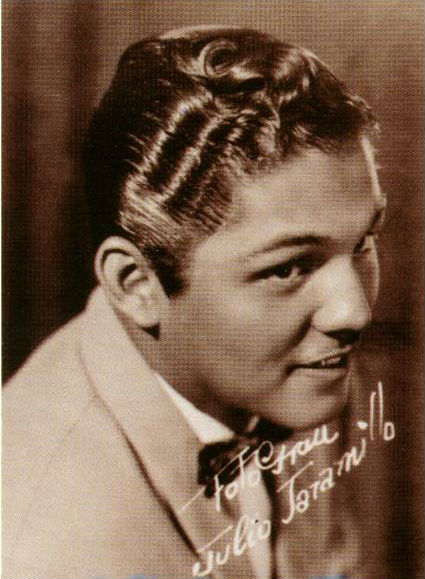
ZP_Julio Jaramillo in the 1950s
Después de su grabación en 1957, el bolero “Nuestro Juramento”, del compositor puertoriqueño Benito de Jesús, se convertió en icono de la música ecuatoriana. ¿Y por qué? A causa del tenor dulce de un cantante nacido en Guayaquil – Julio Jaramillo. En esta canción extravagante de Amor, Jaramillo – conocido más tarde como El Ruiseñor de América – canta con mucha ternura el tema, y la letra habla de una emoción fuerte que traspasa los límites de la vida. Merece la pena recordar en este Día de San Valentín que no es siempre precioso y meloso el Amor (como chocolates y ramos de rosas). El Amor incluye la eventualidad de un gran Hecho amenazador en el horizante – la Muerte.
. . .
Benito de Jesús (1912 – 2010, compositor puertoriqueño)
“Nuestro Juramento”
cantado por Julio Jaramillo (1935 – 1978, Guayaquil, Equador)
.
No puedo verte triste porque me mata
tu carita de pena, mi dulce amor.
Me duele tanto el llanto que tu derramas,
que se llena de angustia mi corazón.
.
Yo sufro lo indecible si tu entristeces,
no quiero que la duda te haga llorar.
Hemos jurado amarnos hasta la muerte
y si los muertos aman,
después de muertos amarnos más.
.
Si yo muero primero, es tu promesa,
sobre de mi cadaver dejar caer
todo el llanto que brote de tu tristeza
y que todos se enteren de tu querer.
.
Si tú mueres primero, yo te prometo,
escribiré la historia de nuestro amor
con toda el alma llena de sentimiento.
La escribiré con sangre,
con tinta sangre del corazón.
. . . . .
George Elliott Clarke: “El Blues para X” / “Blues for X”
Posted: February 12, 2013 Filed under: English: Black Canadian / American, George Elliott Clarke, Spanish, ZP Translator: Alexander Best, ZP Translator: Lidia García Garay | Tags: Black History Month poems Comments Off on George Elliott Clarke: “El Blues para X” / “Blues for X”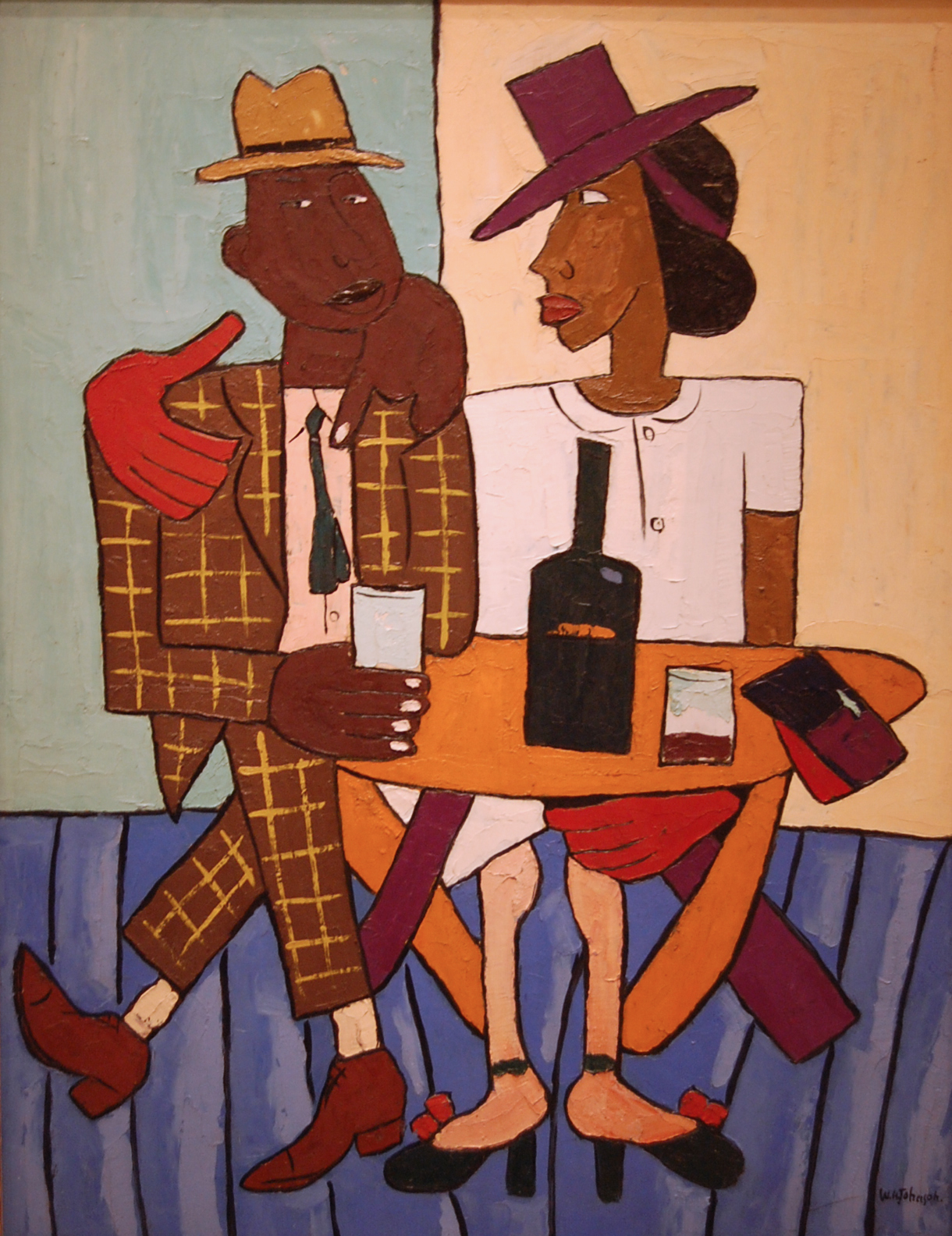
ZP_painting by William Henry Johnson, 1901 – 1970_Café_1940
George Elliott Clarke (born 1960)
“Blues for X”
.
Pretty boy, towel your tears,
And robe yourself in black.
Pretty boy, dry your tears,
You know I’m comin’ back.
I’m your slavish lover
And I’m slavish in the sack.
.
Call me: Sweet Potato,
Sweet Pea, or Sweety Pie,
There’s sugar on my lips
And honey in my thighs.
Jos’phine Baker bakes beans,
But I stew pigtails in rye.
.
My bones are guitar strings
And blues the chords you strum.
My bones are slender flutes
And blues the bars you hum.
You wanna stay my man ? –
Serve me whisky when I come !
. . .
George Elliott Clarke (nace 1960)
“El Blues para X”
.
Lindo chico, enjúgate las lágrimas,
Y vístete de negro.
Chico chicho – que no llores,
Volveré – tú sabes.
Soy tu amante-esclava
Y soy servil en la cama.
.
Llámame: “mi camote”,
“chícharo’zuc’rado” o “pastelito dulce”,
Hay azucar en mis labios
Y miel en mis muslos.
Jos’phine “Panadero” Baker cuece frijoles
Pero yo guiso colas-de-chancho en güisqui.
.
Son cuerdas de guitarra mis huesos
Y los acordes que rasgueas El Blues.
Los huesos son flautas esbeltas
Y El Blues – el compás que tarareas.
¿Quieres permanecer mi hombre?
!Sírveme güisqui cuándo me vengo!
. . .
George Elliott Clarke, el poeta laureado actual de la ciudad de Toronto, nació en este día, el 12 de febrero de 1960. Los temas de su poesía son los hechos y la mitología de su provincia natal – Nova Scotia, Canadá. Con la provincia al lado – New Brunswick – las dos forman lo que Señor Clarke dice como “Africadia” – la palabra África (de unos esclavos fugados de los Estados Unidos) + la palabra Acadia (la misma región canadiense en su época francesa, antes de la llegada de los británicos).
Señor Clarke es Profesor de la literatura canadiense y de la diáspora africana en la Universidad de Toronto.
El poema “El Blues para X” (1990) fue escrito en la voz de una mujer que está confiada en su sexualidad y honesta en sus deseos. El estilo del poema es, quizás, de “nuevo-Blues”. Mezcla algo de la habla clara de Langston Hughes con las palabras francas de Bessie Smith.
. . .
The City of Toronto’s current Poet Laureate, George Elliott Clarke (born February 12th, 1960, in Windsor Plains, Nova Scotia), has mythologized Black-Canadian history in what he calls Africadia – Africa + Acadia – the provinces of New Brunswick and Nova Scotia as lived by Black people for more than two centuries. Clarke received the Governor General’s Award in 2001 for his Execution Poems, based on the lives – and deaths – of two of his relatives, George and Rufus Hamilton. He wrote a libretto for his own play, Beatrice Chancy, and with a score by James Rolfe the opera premiered in Toronto in 1998 with Fredericton-born Measha Brueggergosman in the title role. Since 1999 Professor Clarke has taught Canadian and African Diasporic Literature at the University of Toronto. The poem “Blues for X” – from his 1990 poetry collection Whylah Falls – might be deemed a neo-Blues poem – harkening back to the plain-spoken Blues poems of Langston Hughes, but with a wake-up shot à la Bessie Smith (the last two verses).
.
Traducción en español / Translation into Spanish: Alexander Best, Lidia García Garay
“Blues for X” © George Elliott Clarke
“Viva y no pare” / “Live and don’t hold back”: Nicolás Guillén + el Yoruba de Cuba / the Yoruba from Cuba
Posted: February 5, 2013 Filed under: English, Nicolás Guillén, Nicolás Guillén + el Yoruba de Cuba / the Yoruba from Cuba, Spanish, ZP Translator: Alexander Best | Tags: Black History Month poems Comments Off on “Viva y no pare” / “Live and don’t hold back”: Nicolás Guillén + el Yoruba de Cuba / the Yoruba from Cuba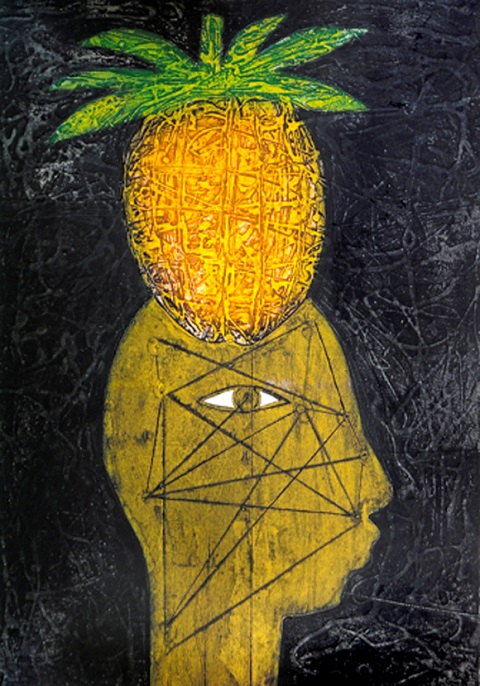
Z|P_Cabeza de piña por Eduardo Roca alias Choco_pintor cubano
Nicolás Guillén (Cuba, 1902-1989)
A poem from “ ‘Son’ Motifs ” (1930)
“Go get some dough”
.
Get some silver,
go get some dough for us!
Cuz I’m not goin one step more:
we’re down to just rice and crackers,
that’s it.
Yeah, I know how things are,
but hey, my Guy – a person’s gotta eat:
so get some money,
go get it,
else I’m gonna beat it.
Then they’ll call me a ‘no good’ woman
and won’t want nothin’ to do with me. But
Love with Hunger? Hell no!
.
There’s so many pretty new shoes out there, dammit!
So many wristwatches, compadre!
Hell – so many luxuries we might have, my Man!
.
Translation from Spanish: Alexander Best
.
Note: ‘Son’ (meaning Sound) was the traditional Cuban music style of the early twentieth century.
It combined Spanish song and guitars with African percussion of Bantu origin. ‘Son’ was the basis upon which Salsa developed.
. . .
Del poemario “Motivos de Son” (1930)
“Búcate plata”
.
Búcate plata,
búcate plata,
poqque no doy un paso má;
etoy a arró con galleta,
na má.
Yo bien sé como etá to,
pero biejo, hay que comé:
búcate plata,
búcate plata,
poqque me boy a corré.
Depué dirán que soy mala,
y no me quedrán tratá,
pero amó con hambre, biejo.
¡qué ba!
con tanto sapato nuevo,
¡qué ba!
Con tanto reló, compadre,
¡qué ba!
Con tanto lujo, mi negro,
¡qué ba!
. . .
A poem from Sóngoro cosongo: mulatto poems (1931)
“Cane”
.
The black man
together with the plantation.
The yankee
on the plantation.
The earth
beneath the plantation.
Our blood
drains out of us!
. . .
Un poema del poemario Sóngoro cosongo: poemas mulatos (1931)
“Caña”
.
El negro
junto al cañaveral.
El yanqui
sobre el cañaveral.
La tierra
bajo el cañaveral.
¡Sangre
que se nos va!
. . .
Two poems from “West Indies, Ltd.” (1934):
“Guadaloupe, W. I., Pointe-à-Pitre”
.
The black men, working
near the steamboat. The arabs, selling,
the french, strolling, having a rest
– and the sun, burning.
.
In the harbour the sea
lies down. The air toasts
the palm trees… I scream: Guadaloupe!
but nobody answers.
.
The steamboat leaves, labouring through
the impassive waters with a foaming roar.
There the black men stay, still working,
and the arabs, selling,
and the french, strolling, having a rest
– and the sun, burning…
. . .
“Guadalupe, W. I., Pointe-à-Pitre” (1934)
.
Los negros, trabajando
junto al vapor. Los árabes, vendiendo,
los franceses, paseando y descansando
– y el sol, ardiendo.
En el puerto se acuesta
el mar. El aire tuesta
las palmeras… Yo grito: ¡Guadalupe!
pero nadie contesta.
.
Parte el vapor, arando
las aguas impasibles con espumoso estruendo.
Allá quedan los negros trabajando,
los árabes vendiendo,
los franceses, paseando y descansando
– y el sol, ardiendo…
. . .
“Riddles”
.
The teeth, filled with the morning,
and the hair, filled with the night.
Who is it? It’s him, or it’s not him?
— Black man.
.
Though she being woman and not beautiful,
you’ll do what she orders you.
Who is it? It’s him, or it’s not him?
— Hunger.
.
Slave of the slaves,
and towards the masters, tyrant.
Who is it? It’s him, or it’s not him?
— Sugar cane.
.
Noise of a hand
that never ignores the other.
Who is it? It’s him, or it’s not him?
— Almsgiving.
.
A man who is crying
going on with the laugh he learned.
Who is it? It’s him, or it’s not him?
— Me.
. . .
“Adivinanzas”
.
En los dientes, la mañana,
y la noche en el pellejo.
¿Quién será, quién no será?
— El negro.
.
Con ser hembra y no ser bella,
harás lo que ella te mande.
¿Quién será, quién no será?
— El hambre.
.
Esclava de los esclavos,
y con los dueños, tirana.
¿Quién será, quién no será?
— La caña.
.
Escándalo de una mano
que nunca ignora a la otra.
¿Quién será, quién no será?
— La limosna.
.
Un hombre que está llorando
con la risa que aprendió.
¿Quién será, quién no será?
— Yo.
. . .
Poem from “Cantos para soldados y sones para turistas (1937)
“Execution”
.
They are going to execute
a man whose arms are tied.
There are four soldiers
for the shooting.
Four silent
soldiers,
fastened up,
like the fastened-up man they’re going to kill.
— Can you escape?
— I can’t run!
— They’re gonna shoot!
— What’re we gonna do?
— Maybe the rifles aren’t loaded…
— They got six bullets of fierce lead!
— Perhaps these soldiers don’t shoot!
— You’re a fool – through and through!
.
They fired.
(How was it they could shoot?)
They killed.
(How was it they could kill?)
They were four silent
soldiers,
and an official señor
made a signal to them, lowering his saber.
Four soldiers they were,
and tied,
like the man they were to kill.

ZP_En la mira (In the cross-hairs)_Eduardo Roca (Choco)_pintor cubano
“Fusilamiento”
.
Van a fusilar
a un hombre que tiene los brazos atados.
Hay cuatro soldados
para disparar.
Son cuatro soldados
callados,
que están amarrados,
lo mismo que el hombre amarrado que van a matar.
—¿Puedes escapar?
—¡No puedo correr!
—¡Ya van a tirar!
—¡Qué vamos a hacer!
—Quizá los rifles no estén cargados…
—¡Seis balas tienen de fiero plomo!
—¡Quizá no tiren esos soldados!
—¡Eres un tonto de tomo y lomo!
.
Tiraron.
(¿Cómo fue que pudieron tirar?)
Mataron.
(¿Cómo fue que pudieron matar?)
Eran cuatro soldados
callados,
y les hizo una seña, bajando su sable,
un señor oficial;
eran cuatro soldados
atados,
lo mismo que el hombre que fueron los cuatro a
matar.
. . .
“Bourgeois”
.
The vanquished bourgeois – they don’t make me sad.
And when I think they are going to make me sad,
I just really grit my teeth, really shut my eyes.
.
I think about my long days with neither shoes and roses,
I think about my long days with neither sombrero nor
clouds,
I think about my long days without a shirt – or dreams,
I think about my long days with my prohibited skin,
I think about my long days And
.
You cannot come in, please – this is a club.
The payroll is full.
There’s no room in this hotel.
The señor has stepped out.
Looking for a girl.
Fraud in the elections.
A big dance for blind folks.
.
The first price fell to Santa Clara.
A “Tómbola” lottery for orphans.
The gentleman is in Paris.
Madam the marchioness doesn’t receive people.
Finally And
.
Given that I recall everything and
the way I recall everything,
what the hell are you asking me to do?
In addition, ask them,
I’m sure they too
recall all.
. . .
“Burgueses”
.
No me dan pena los burgueses vencidos.
Y cuando pienso que van a dar me pena,
aprieto bien los dientes, y cierro bien los ojos.
.
Pienso en mis largos días sin zapatos ni rosas,
pienso en mis largos días sin sombrero ni nubes,
pienso en mis largos días sin camisa ni sueños,
pienso en mis largos días con mi piel prohibida,
pienso en mis largos días Y
.
No pase, por favor, esto es un club.
La nómina está llena.
No hay pieza en el hotel.
El señor ha salido.
.
Se busca una muchacha.
Fraude en las elecciones.
Gran baile para ciegos.
.
Cayó el premio mayor en Santa Clara.
Tómbola para huérfanos.
El caballero está en París.
La señora marquesa no recibe.
En fin Y
Que todo lo recuerdo y como todo lo
recuerdo,
¿qué carajo me pide usted que haga?
Además, pregúnteles,
estoy seguro de que también
recuerdan ellos.
. . .
“The Black Sea”
.
The purple night dreams
over the sea;
voices of fishermen,
wet with the sea;
the moon makes its exit,
dripping all over the sea.
.
The black sea.
Throughout the night, a sound,
flows into the bay;
throughout the night, a sound.
.
The boats see it happen,
throughout the night, this sound,
igniting the chilly water.
Throughout the night, a sound,
Inside the night, this sound,
Across the night – a sound.
.
The black sea.
Ohhh, my mulatto woman of fine, fine gold,
I sigh, oh my mixed woman who is like gold and silver together,
with her red poppy and her orange blossom.
At the foot of the sea.
At the foot of the sea, the hungry, masculine sea.
.
Translation from Spanish: Alexander Best
. . .
“El Negro Mar”
.
La noche morada sueña
sobre el mar;
la voz de los pescadores
mojada en el mar;
sale la luna chorreando
del mar.
El negro mar.
Por entre la noche un son,
desemboca en la bahía;
por entre la noche un son.
Los barcos lo ven pasar,
por entre la noche un son,
encendiendo el agua fría.
Por entre la noche un son,
por entre la noche un son,
por entre la noche un son. . .
El negro mar.
Ay, mi mulata de oro fino,
ay, mi mulata
de oro y plata,
con su amapola y su azahar,
al pie del mar hambriento y masculino,
al pie del mar.
. . .
“Son” Number 6
.
I’m Yoruba, crying out Yoruba
Lucumí.
Since I’m Yoruba from Cuba,
I want my lament of Yoruba to touch Cuba
the joyful weeping Yoruba
that comes out of me.
.
I’m Yoruba,
I keep singing
and crying.
When I’m not Yoruba then
I am Congo, Mandinga or Carabalí.
Listen my friends, to my ‘son’ which begins like this:
.
Here is the riddle
of all my hopes:
what’s mine is yours,
what’s yours is mine;
all the blood
shaping a river.
.
The silk-cotton tree, tree with its crown;
father, the father with his son;
the tortoise in its shell.
Let the heart-warming ‘son’ break out,
and our people dance,
heart close to heart,
glasses clinking together
water on water with rum!
.
I’m Yoruba, I’m Lucumí,
Mandinga, Congo, Carabalí.
Listen my friends, to the ‘son’ that goes like this:
.
We’ve come together from far away,
young ones and old,
Blacks and Whites, moving together;
one is a leader, the other a follower,
all moving together;
San Berenito and one who’s obeying
all moving together;
Blacks and Whites from far away,
all moving together;
Santa María and one who’s obeying
all moving together;
all pulling together, Santa María,
San Berenito, all pulling together,
all moving together, San Berenito,
San Berenito, Santa María.
Santa María, San Berenito,
everyone pulling together!
.
I’m Yoruba, I’m Lucumí
Mandinga, Congo, Carabalí.
Listen my friends, to my ‘son’ which ends like this:
.
Come out Mulatto,
walk on free,
tell the White man he can’t leave…
Nobody breaks away from here;
look and don’t stop,
listen and don’t wait
drink and don’t stop,
eat and don’t wait,
live and don’t hold back
our people’s ‘son’ will never end!
.
Translation from Spanish: Salvador Ortiz-Carboneres
. . .
“Son número 6”
.
Yoruba soy, lloro en yoruba
lucumí.
Como soy un yoruba de Cuba,
quiero que hasta Cuba suba mi llanto yoruba;
que suba el alegre llanto yoruba
que sale de mí.
.
Yoruba soy,
cantando voy,
llorando estoy,
y cuando no soy yoruba,
soy congo, mandinga, carabalí.
Atiendan amigos, mi son, que empieza así:
.
Adivinanza
de la esperanza:
lo mío es tuyo
lo tuyo es mío;
toda la sangre
formando un río.
.
La ceiba ceiba con su penacho;
el padre padre con su muchacho;
la jicotea en su carapacho.
.
¡Que rompa el son caliente,
y que lo baile la gente,
pecho con pecho,
vaso con vaso,
y agua con agua con aguardiente!
.
Yoruba soy, soy lucumí,
mandinga, congo, carabalí.
Atiendan, amigos, mi son, que sigue así:
.
Estamos juntos desde muy lejos,
jóvenes, viejos,
negros y blancos, todo mezclado;
uno mandando y otro mandado,
todo mezclado;
San Berenito y otro mandado,
todo mezclado;
negros y blancos desde muy lejos,
todo mezclado;
Santa María y uno mandado,
todo mezclado;
todo mezclado, Santa María,
San Berenito, todo mezclado,
todo mezclado, San Berenito,
San Berenito, Santa María,
Santa María, San Berenito
todo mezclado!
.
Yoruba soy, soy lucumí,
mandinga, congo, carabalí.
Atiendan, amigos, mi son, que acaba así:
.
Salga el mulato,
suelte el zapato,
díganle al blanco que no se va:
de aquí no hay nadie que se separe;
mire y no pare,
oiga y no pare,
beba y no pare,
viva y no pare,
que el son de todos no va a parar!
. . . . .
Zócalo Poets will return February 2013 / Zócalo Poets…Volveremos en febrero de 2013
Posted: December 31, 2012 Filed under: English, Jakuren, Japanese, Oliver Herford, Yosano Hiroshi, ZP Translator: Alexander Best Comments Off on Zócalo Poets will return February 2013 / Zócalo Poets…Volveremos en febrero de 2013¿Eres poeta o poetisa?
¡Mándanos tus poemas – en cualquier idioma!
Are you a poet or poetess?
Send us your poems – in any language!
zocalopoets@hotmail.com
.
.
与謝野 鉄幹 / Yosano Hiroshi (1873-1935)
.
yama fukami /deep in the mountains /en lo profundo de la cordillera
haru to mo shiranu / beyond the knowledge of spring /
más allá del conocimiento de la primavera
matsu no to ni / on a pine bough door /sobre una puerta de ramas de pino
taedae kakaru / there are faintly suspended / hay, delicadamente suspendidos,
yuki no tamamizu / beads of liquid snow / gotas de nieve líquida.
. . .
Oliver Herford (1863-1935)
“I heard a bird sing”
.
I heard a bird sing
In the dark of December.
A magical thing
And sweet to remember.
.
“We are nearer to Spring
Than we were in September,”
I heard a bird sing
In the dark of December.
. . .
“Oí un pájaro, cantante pájaro” (Oliver Herford, 1863-1935)
.
Oí un pájaro, cantante pájaro,
En l’ oscuridad de diciembre
– algo mágico, esa voz, y
Dulce en mi recuerdo.
.
“Estamos más cerca de la primavera
Que estuvimos en septiembre.”
Oí un pájaro, cantante pájaro,
En la luz tenue, diciembre.
. . .
藤原定長 / Jakuren (1139-1202)
.
kaze wa kiyoshi / the breeze is fresh / fresca, la brisa,
tsuki wa sayakeshi / the moon is bright; / brillante, la luna;
iza tomoni / come, we shall dance till dawn, / ven, bailaremos hasta el alba,
odori akasan / and say farewell to age… / y a la vejez diremos Adiós.
oi no nagori ni…
.
Translations of ‘tanka’ poems by Yosano Hiroshi and Jakuren from Japanese © Michael Haldane
Translations into Spanish / Traducciones al español: Alexander Best
. . . . .
Cicatrizes da Vida: poemas brasileiros em inglês / Scars of Life: Brazilian poems in English
Posted: October 27, 2012 Filed under: English, Portuguese, Valdeck Almeida de Jesus, ZP Translator: Alexander Best | Tags: Poemas brasileiros em inglês Comments Off on Cicatrizes da Vida: poemas brasileiros em inglês / Scars of Life: Brazilian poems in EnglishValdeck Almeida de Jesus
“Aqui e agora”
.
Aqui e agora
Eu sou,
Sou tudo:
O mundo, o sol, o mar
O mar distante
O sol presente
O mundo invisível.
Sou nada:
O mar, o sol, o mundo
O mundo real
O sol no infinito
O mar da melancolia
Melancolia e saudade
Daquilo que não vivi.
. . .
“Here and Now”
.
Here and now
I am – I am
Everything:
The world, the sun and sea
– the distant sea,
The sun this very moment,
The invisible world.
.
I am nothing:
The sea, the sun, the world,
The real world,
The sun in its infinity,
And a sea of melancholy –
Melancholy and longing, yearning
– for that which I did not live.
. . .
“Cicatrizes”
.
A vida é uma sucessão,
Successão de cicatrizes…
Cicatrizes do amor
Cicatrizes da alegria
Cicatrizes da dor
Cicatrizes da euphoria.
Não quero viver
Sem cicatrizes
– alegres os tristes,
Quase felizes
Meus dias terão
Várias cicatrizes.
. . .
“Scars”
.
Life is a kind of succession…
– a succession of scars –
Love’s scars,
Scars of happiness,
Of grief, of euphoria.
I don’t wish to live
Without those scars
– scars joyful, scars sad,
Almost happy, my days…
And they’ll have numerous scars.
. . .
“Vida”
.
Viver en tento,
Morrer não quero,
Sorrir desejo,
Mas não consigo;
Me ver em ti,
Procuro sempre;
Amar com garra
E com segurança,
Estou tentando
Desde sempre.
Se não consigo
Ser mais autêntico,
É porque sou humano
E por tal, falho.
. . .
“Life”
.
To live with care,
And not want to die,
I wish to smile,
But maybe not with you…
.
To see myself in you
– always I seek that –
And to love with gusto, with sureness
(I’ve been trying to do that since forever!)
.
But if not with you…
Well, to be more real,
And it’s all because I’m human and,
For that reason,
Flawed.
.
“Aqui e agora”, “Cicatrizes”, “Vida”: © Valdeck Almeida de Jesus
. . .
Valdeck Almeida de Jesus é jornalista, escritor e poeta. Nasceu em 1966 em Jequié, Bahia, Brasil.
A journalist, writer and poet, Valdeck Almeida de Jesus was born in 1966.
He hails from Jequié, Bahia State, Brazil.
.
Tradução de português para inglês / Translations from Portuguese into English:
Alexander Best
Frida + Diego: poems, pictures / pinturas, poemas
Posted: October 20, 2012 Filed under: Eduardo Urueta, English, Frida + Diego: poems + pictures / pinturas + poemas, Hellen Chinchilla, José Pablo Sibaja Campos, Spanish, ZP Translator: Alexander Best Comments Off on Frida + Diego: poems, pictures / pinturas, poemas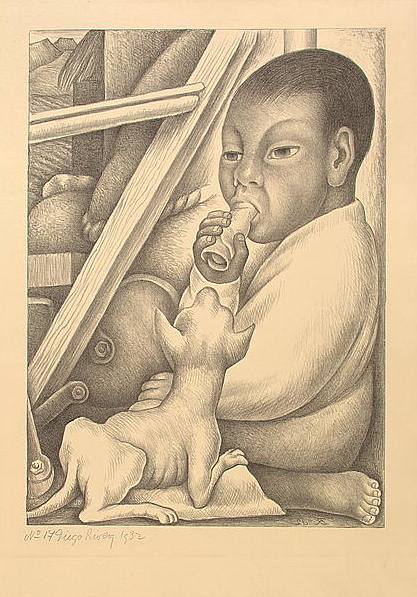
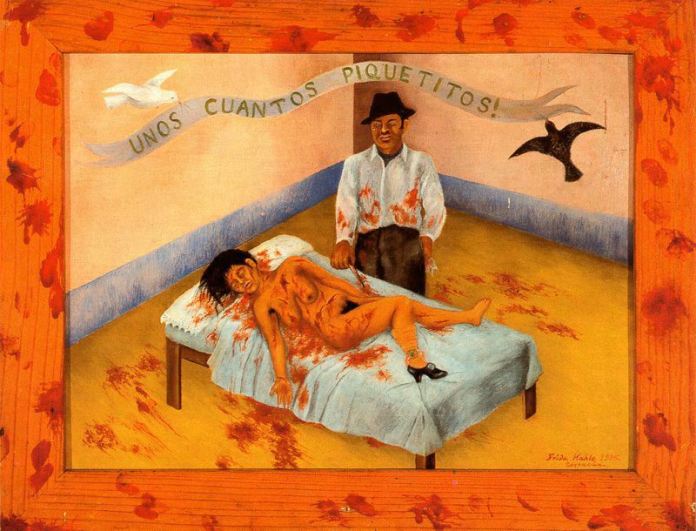
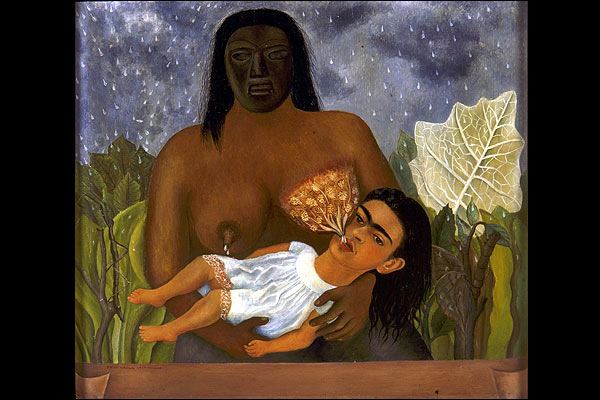
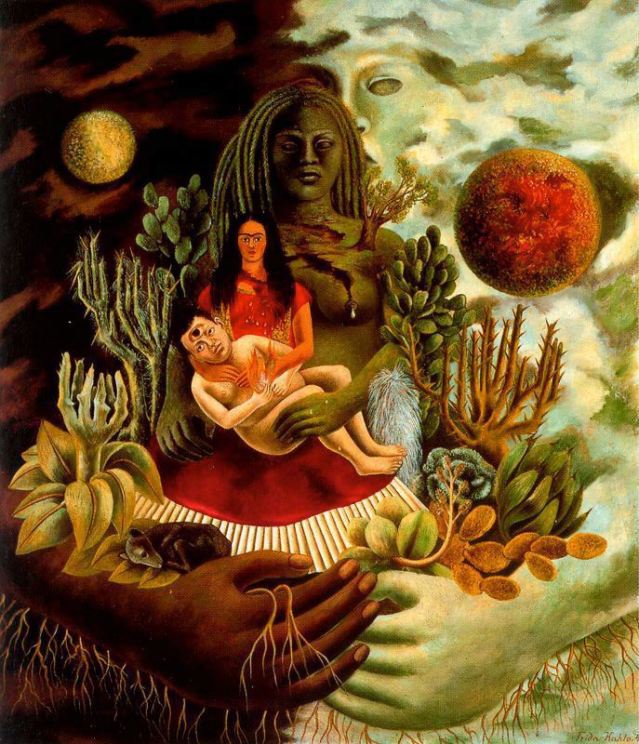
Today in Toronto, at the Art Gallery of Ontario, a first-time-ever exhibition in Canada opens: “Frida and Diego: Passion, Politics and Painting”. Combining the divergent artworks of México’s famous bohemian ‘power couple” of the twentieth century, Frida Kahlo and Diego Rivera – an odd yet charismatic pair of artists/soul-mates.
.
Diego Rivera (1886-1957) put México on the map internationally for his enormous public murals depicting Mexican history with a distinct Marxist perspective – and by placing Indigenous people front-and-centre in his work. Arguably, fellow muralists José Orozco and David Siqueiros were superior artists but Rivera’s vast energy and robust national/historical vision place him at the forefront. Though in his smaller painted canvases (some of which may be seen at the A.G.O. show) Rivera is wildly uneven as to technique and intellectual perspective – he can be cloying and mediocre – still, he is an exceptional figure for his vitality alone.
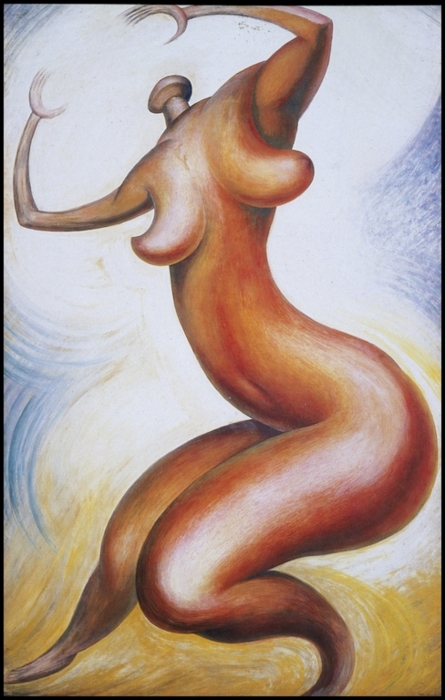
A maverick originality defines Frida Kahlo (1907-1954). In her short gutsy life she altered people’s perception of what it meant to be a woman painter. Though her small-size – and they are almost always small – canvases lack painterly finesse , nonetheless they are deeply affecting for their self-absorbed even disturbingly raw subject matter/point of view. Here was something new in a female painter – and Kahlo has been embraced by Surrealists, Feminists, champions of “Mestizaje”, Disabled and Chronic-Pain Activists, Body Self-Modifiers, and dedicated Non-Conformists. All have found what they needed in the work and life of this complex artist and woman – one who continues to fascinate a new generation now discovering her.
.
We present three poems in translation from Spanish by young poets who have meditated upon the “meaning of” Diego and of Frida…
. . .
Hoy en Toronto, el 20 de octubre, se inaugurará en La Galería de Arte de Ontario una exposición centrada en obras de los artistas Frida Kahlo y Diego Rivera – y titulada: Frida y Diego: Pasión, Política y Pintura. Es la primera vez que están en Canadá las pinturas de estos “compañeros” lo más famosos del arte mexicano del siglo XX.
Y para celebrar este hecho – las reflexiones de tres poetas…
. . .
Eduardo Urueta (pseudonym)
“Poem for Diego Rivera” (December 2011)
.
México:
The wet-nurse that breastfed you,
Who gave you your icy tone in love,
And who drew you, with his plump hands, as
Black women, soldiers on fire, Communists, kids;
México misses you –
this place is a fountain of the dismal…
.
So pronounced is your brow – like your temper.
So easygoing – so bearable – these mummy-like buildings.
The México of your tree-of-awareness is – like you – dead.
They’ve got skeletons – ‘at par’ now.
We are grey dust – smog – save for
Guanajuato which keeps on with its brightly-coloured houses in the hills and its
Streets smelling of oil paints – almost kissing us.
.
The buckets which by you got filled in two days
And by the third became big round chests or trunks-ful,
Were:
1. a nude portrait of (audacious poetess) Guadalupe Amor
2. a transvestite you never wanted and who ‘rouged’ you with his bearded cheeks,
And
3. your dead son by your first wife, Angelina Beloff.
.
So much matrimony to satisfy your hefty body,
So much travel to make ‘bug out’ those toad-eyes of yours,
So many kilometres of walls
To fill this country UP with History.
.
You are in debt.
You await – you hope for – a novice urbanization.
You have to hope – always – that the
Wall of memory (painted by you)
Bears the weight of – can hold up – the sky for you.
People will continue to love
The “Bellas Artes” fresco,
and that staircase mural decorated by your hands
– until the thing collapses and falls down…
. . .
Eduardo Urueta (Seudónimo)
“Poema para Diego Rivera” (diciembre 2011)
.
México:
la nodriza que te amamantó,
quien te dio tu gélido acento de amor,
y quien te dibujó, en las manos llenas,
mujeres morenas, soldados en combustión, comunistas, niños;
te extraña
– es una fuente sombría.
.
Tan pronunciada tu frente, como tu genio
Tan llevadera la momia de los edificios.
El México de tu árbol-conciencia,
como tú, está muerto.
Se hicieron a la par esqueletos.
Somos polvo gris,
excepto Guanajuato que sigue con casas de color en sus cerros
y sus calles huelen a aceite de pintura, a besos.
.
Los cubos que en ti cupieron dos días
y al tercero se volvieron un baúl redondo,
fueron
Un retrato desnudo de Guadalupe Amor,
Un hombre travesti que nunca quisiste y que ruborizaste de rosa
sus mejillas de hombre barbón,
y tu hijo muerto de Angelina Beloff.
.
Tanto matrimonio para llenar tu cuerpo gordo
tanto viaje
para llenar tus ojos de sapo
tanto kilómetro de muros
para llenar de historia al país
.
En deuda estás.
Te espera el blanco de la novicia urbanización
Te ha de esperar, siempre
el muro de la memoria
te ha de sufrir el cielo
por sujetarte el peso.
Te seguirá amando Bellas Artes
su escalera adornada de tus manos
hasta que se derrumbe…
José Pablo Sibaja Campos
“To Frida”
.
Today, when inexorable Time has shown us
How many calendars have gone up in smoke;
Now that the leaves have begun to fall from the trees;
Only just today when the sky seems to be transforming itself into a violent sea;
I – pausing before your face and its glance – have got to say:
Frida Camarada Kahlo,
That which you painted at one time or another as if wanting to speak to me;
The same fixed glance with which you have turned yourself into a nereid, a sea-nymph,
from that murky sea many people wanted to conquer but which few have achieved.
.
To be sure, Frida, there are those who look for you under the shade of some Rivera painting;
Others, naïve ones, find you within the shuttered corridors of a dream
– Poor them! – sad…blind.
They don’t notice that you live in your paintings, your paintings live in you.
Come, Frida, rise up and walk, as if you were the biblical Lazarus.
Show yourself again and let us once more call you:
Woman, Artist, Revolutionary.
. . .
José Pablo Sibaja Campos
“A Frida”
.
Hoy que el inexorable tiempo nos ha enseñado
Cuantos calendarios ha quemado ya.
Ahora que las hojas han empezado a caer de los árboles,
Justo hoy que el cielo parece convertirse en un mar violento,
Tengo que decirlo, me detuve ante tu mirada
Frida Camarada Kahlo
Esa que pintaste una y otra vez como queriendo hablarme,
La misma mirada con la que te has convertido en la nereida
Del turbio mar que muchos quisieron conquistar
Pero que pocos han logrado.
.
Es cierto Frida algunos te buscan balo la sombra de un tal Rivera,
Otros ingenuos,
Te hallan en los postigos pasillos del sueño
Pobre de ellos, tristes…ciegos.
No se dan cuenta que vives en tu obra y tu obra en ti.
Ven Frida levántate y anda, cual si fueras el Lázaro bíblico
Muéstrate de nuevo y déjanos llamarte una vez más;
Mujer, Artista, Revolucionaria.
. . .
Hellen Chinchilla
“Between transgression and normalcy”
.
Why?
Why do you have to be along that line where there are no lines – no horizons?
Why are you not the same as all the others?
Why must you be seen as transgressive and not as normal?
Where is that fine line that keeps you apart?
Apart to be what you must be!
Forced by life, by decision, and by pain to be in that line off to one side,
where the others, even though they wanted not to be there,
are leaving behind the boundaries of the hetero…
Oh, you knew how to love…
You – different Woman,
Woman-transgressor,
Normal Woman – and then some.
Woman.
Hellen Chinchilla
“Entre la transgresión y la normalidad”
.
¿Por qué?
¿Por qué debes estar en la línea dónde no hay líneas?
¿Por qué no eres de las mismas?
¿Por qué tienes que ser vista como transgresora y no como normal?
¿Dónde está esa delgada línea que te mantiene al margen,
Al margen de ser lo que debes ser?
Obligada por vida, decisión y dolor a estar en la línea de al lado
En donde las otras, aunque quieran no pueden estar
Dejando atrás la frontera de lo hetero…
– Supiste amar…
Mujer diferente,
Mujer transgresora,
Mujer normal – o una más…
Mujer.
. . . . .
Traducciones del español al inglés / Translations from Spanish into English: Alexander Best
“A Frida” y “Entre la transgresión y la normalidad” y “Poema para Diego Rivera”
© José Pablo Sibaja Campos, Hellen Chinchilla, Eduardo Urueta
. . . . .
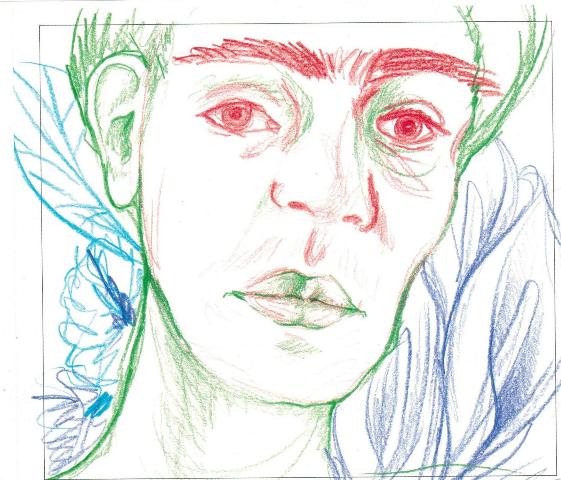
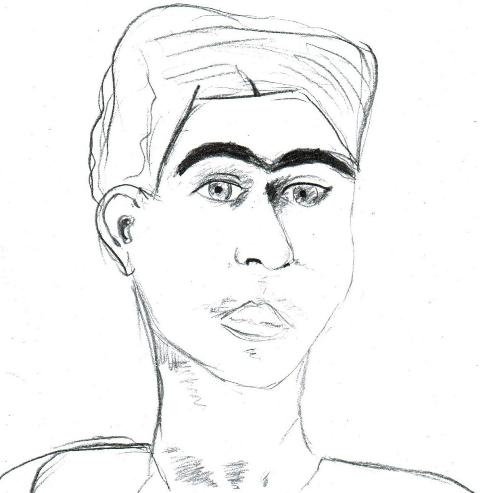
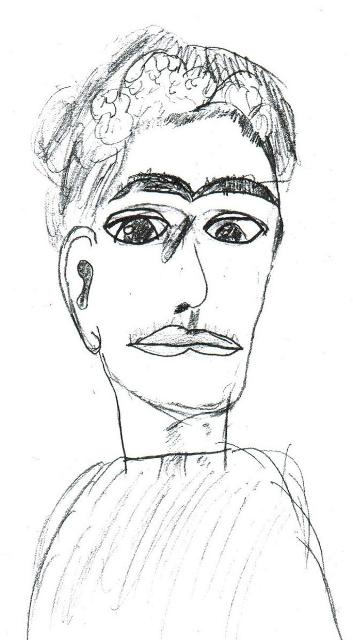
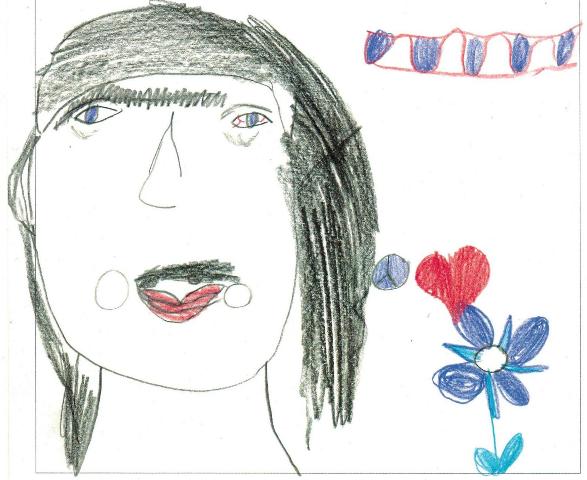
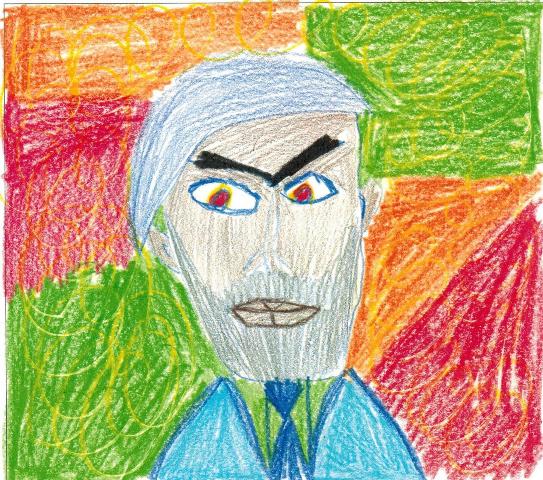
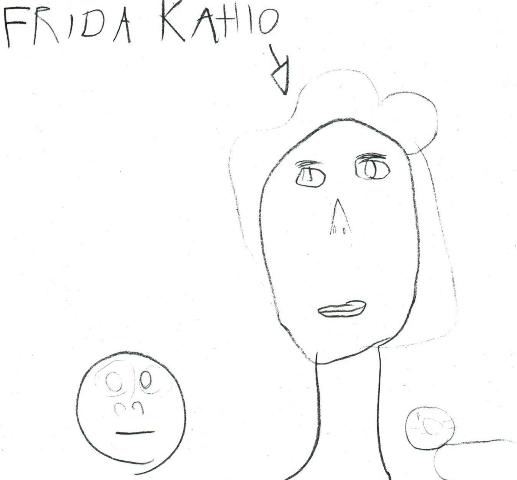
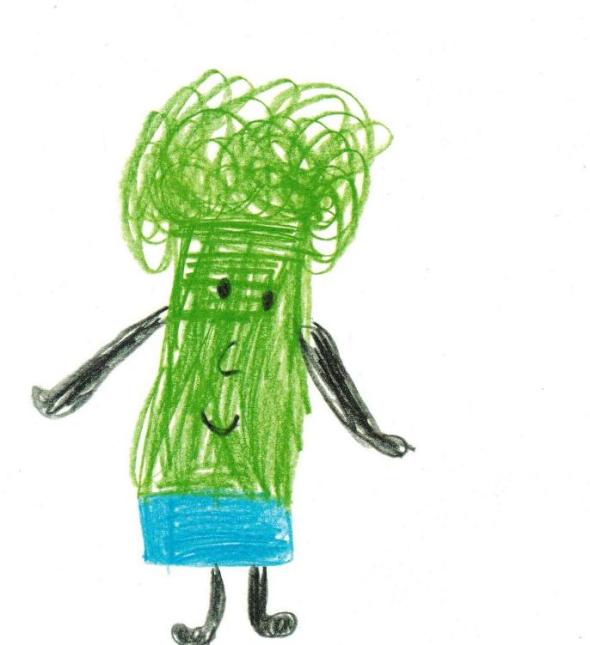
Retratos de Frida Kahlo: dibujos hechos por unos adolescentes y niños en Toronto, Canadá, otoño de 2012:
 Zócalo Poets