Flags of Canada: July 1st, 2012
Posted: July 1, 2012 Filed under: Flags of Canada, IMAGES Comments Off on Flags of Canada: July 1st, 2012



For information about each flag, allow your cursor to hover over the image.
. . . . .
Konstantin Kavafis / Κωνσταντίνος Καβάφης: “I went into the brilliant night and drank strong wine, the way the Champions of Pleasure drink.”
Posted: July 1, 2012 Filed under: English, Greek, Konstantin Kavafis | Tags: Gay poets Comments Off on Konstantin Kavafis / Κωνσταντίνος Καβάφης: “I went into the brilliant night and drank strong wine, the way the Champions of Pleasure drink.”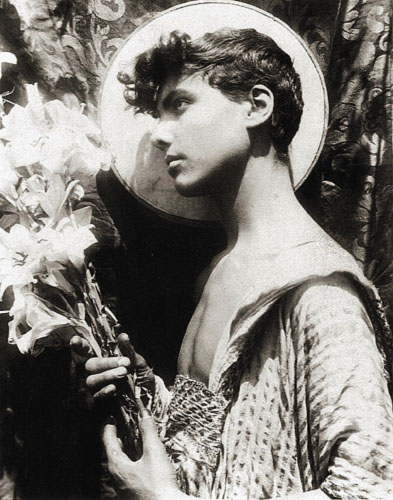
Konstantin Kavafis (Constantine Cavafy)
(1863-1933)
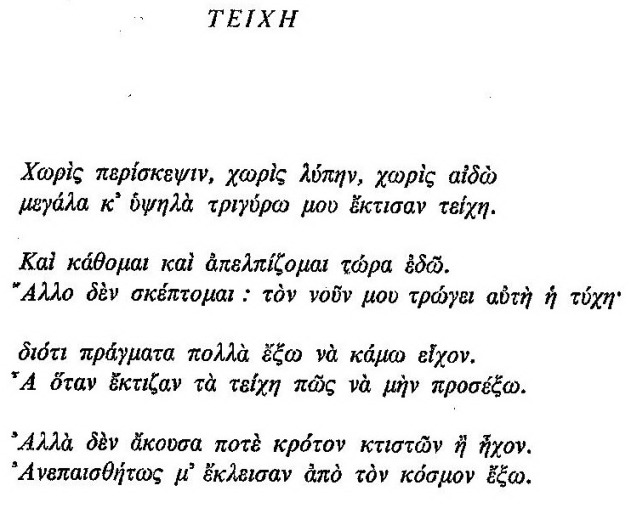
Walls
With no consideration, no pity, no shame,
they’ve built walls around me, thick and high.
And now I sit here feeling hopeless.
I can’t think of anything else: this fate gnaws my mind
– because I had so much to do outside.
When they were building the walls, how could I not have noticed!
But I never heard the builders, not a sound.
Imperceptibly they’ve closed me off from the outside world.
(1896)
The Windows
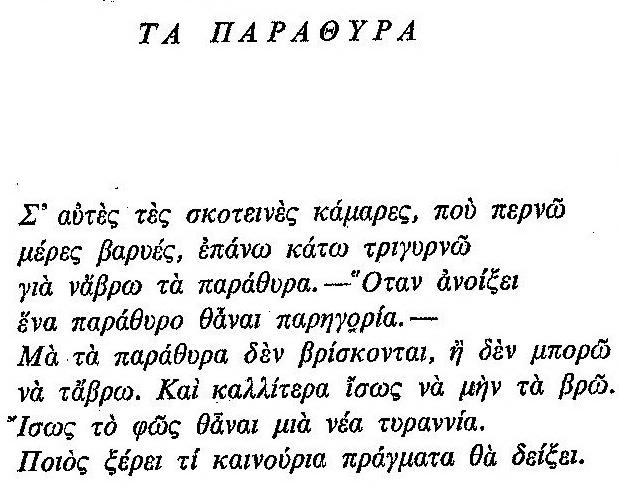
In these dark rooms where I live out empty days,
I wander round and round
trying to find the windows.
It will be a great relief when a window opens.
But the windows aren’t there to be found
– or at least I can’t find them. And perhaps
it’s better if I don’t find them.
Perhaps the light will prove another tyranny.
Who knows what new things it will expose?
(1897)
I went
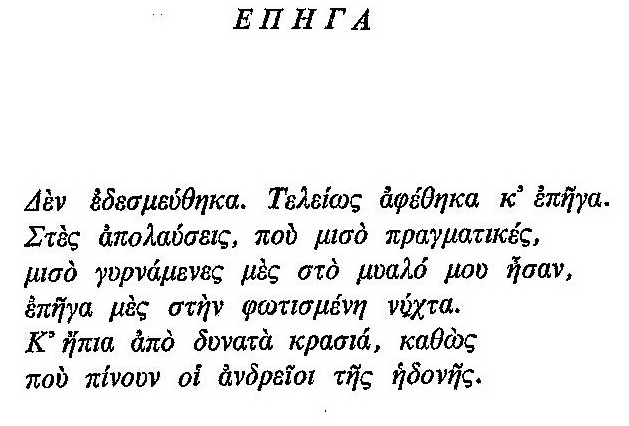
I didn’t restrain myself. I gave in completely and went,
went to those pleasures that were half real,
half wrought by my own mind,
went into the brilliant night
and drank strong wine,
the way the champions of pleasure drink.
(1905)
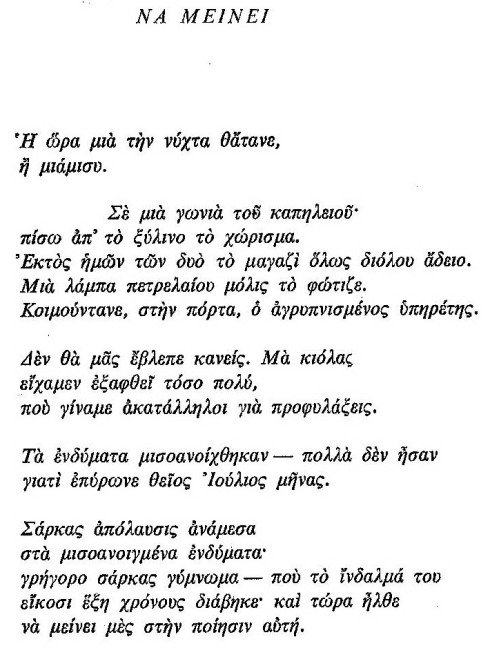
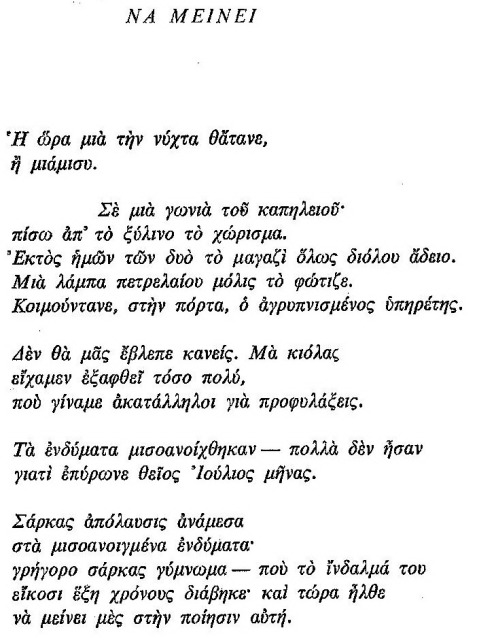
Comes to rest
It must have been one o’clock at night
or half past one.
A corner in a tavern,
behind the wooden partition:
except for the two of us the place completely empty.
A lamp barely lit gave it light.
The waiter was sleeping by the door.
*
No one could see us.
But anyway, we were already so worked up
we’d become incapable of caution.
*
Our clothes half opened – we weren’t wearing much:
it was a beautiful hot July.
*
Delight of flesh between
half-opened clothes;
quick baring of flesh – a vision
that has crossed twenty-six years
and now comes to rest in this poetry.
(1918)
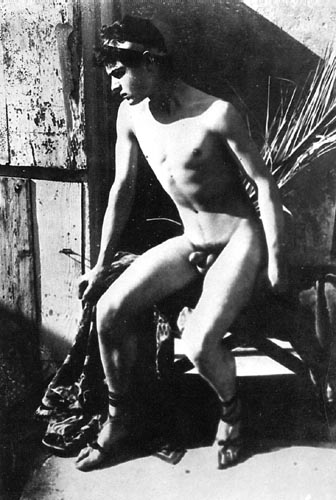
The afternoon sun
This room, how well I know it.
Now they’re renting it, and the one next to it,
as offices. The whole house has become
an office building for agents, businessmen, companies.
*
This room, how familiar it is.
*
The couch was here, near the door,
a Turkish carpet in front of it.
Close by, the shelf with two yellow vases.
On the right – no, opposite – a wardrobe with a mirror.
In the middle the table where he wrote,
and three big wicker chairs.
Beside the window the bed
where we made love so many times.
*
They must be still around somewhere, those old things.
*
Beside the window the bed;
the afternoon sun used to touch half of it.
*
…One afternoon at four o’clock we separated
for a week only…And then
– that week became forever.
(1918)
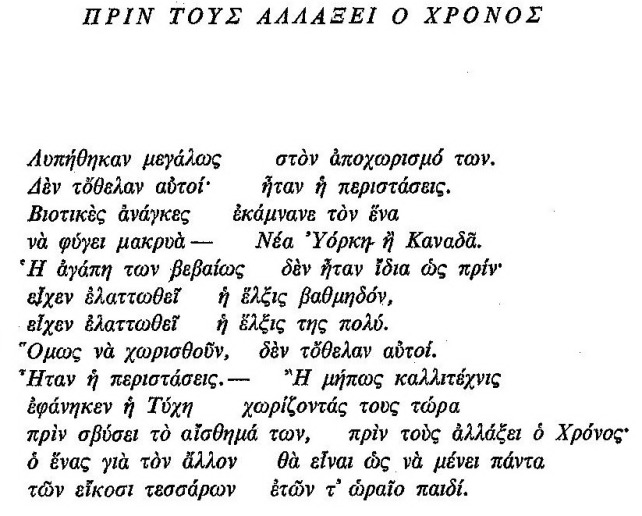
Before Time altered them
They were full of sadness at their parting.
They hadn’t wanted it: circumstances made it necessary.
The need to earn a living forced one of them
to go far away – New York or Canada.
The love they felt wasn’t, of course, what it had once been;
the attraction between them had gradually diminished,
the attraction had diminished a great deal.
But to be separated, that wasn’t what they wanted.
It was circumstances. Or maybe Fate
appeared as an artist and decided to part them now,
before their feeling died out completely, before Time altered them:
the one seeming to remain for the other always what he was,
the good-looking young man of twenty-four.
(1924)
Translations from Greek into English © 1975 Edmund Keeley and Philip Sherrard
_____
Constantine Cavafy (Konstantin Kavafis), 1863-1933,
lived and died in the port city of Alexandria, Egypt.
His father had worked in Manchester, England, founding
an import-export firm for Egyptian cotton to the
textile industry. Between the ages of 9 and 16 Constantine
was educated in England – Victorian-era England – and
these years became important in the shaping of his poetic
sensibility (which would only emerge around the age of 40.)
Though he was fluent in English, when he began to write poetry
in earnest it was to be in his native Greek.
Cavafy never published any poems in his lifetime, rather he
had them printed privately then distributed them
– pamphlet-style – to friends and acquaintances.
His social circle was small and by all accounts he was not ashamed
of his homosexuality – but he did feel much guilt over
“auto-eroticism” – what we now call masturbation.
*
Cavafy’s early poems “Walls” and “The Windows” might
be read as the mental anxieties of a “closeted” homosexual –
yet there was no such thing in the 19th century as someone
who was “Out” anyway.
The poem “I went”, from 1905, seems to be a break-through of sorts,
Cavafy indicating – at least in the Truth that was his much-cherished
Art – Poetry – that he’s ready to write openly of his love for men.
The poems he wrote when he was in his 50s, such as “Comes to rest”,
“The afternoon sun” and “Before Time altered them”, show a mature
poet describing the universal beauty and sadness of Love – and he
does it describing sex, passion and loss between two men.
Reinaldo Arenas: “There’s just one place to live – the impossible.” / “Sólo hay un lugar para vivir – el imposible.”
Posted: July 1, 2012 Filed under: English, Reinaldo Arenas, Spanish | Tags: Gay poets Comments Off on Reinaldo Arenas: “There’s just one place to live – the impossible.” / “Sólo hay un lugar para vivir – el imposible.”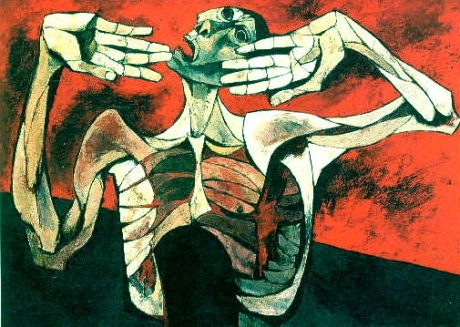
Reinaldo Arenas (Gay Cuban novelist and poet, 1943-1990)
Self-Epitaph
A bad poet in love with the moon,
he counted terror as his only fortune :
and it was enough because, being no saint,
he knew that life is risk or abstinence,
that every great ambition is great insanity
and the most sordid horror has its charm.
He lived for life’s sake, which means seeing death
as a daily occurrence on which we wager
a splendid body or our entire lot.
He knew the best things are those we abandon
— precisely because we are leaving.
The everyday becomes hateful,
there s just one place to live – the impossible.
He knew imprisonment offenses
typical of human baseness ;
but was always escorted by a certain stoicism
that helped him walk the tightrope
or enjoy the morning’s glory,
and when he tottered, a window would appear
for him to jump toward infinity.
He wanted no ceremony, speech, mourning or cry,
no sandy mound where his skeleton be laid to rest
(not even after death did he wish to live in peace).
He ordered that his ashes be scattered at sea
where they would be in constant flow.
He hasn’t lost the habit of dreaming :
he hopes some adolescent will plunge into his waters.
(New York, 1989)
_____
Reinaldo Arenas (Escritor y poeta gay cubano, 1943-1990)
Autoepitafio
Mal poeta enamorado de la luna,
no tuvo más fortuna que el espanto;
y fue suficiente pues como no era un santo
sabía que la vida es riesgo o abstinencia,
que toda gran ambición es gran demencia
y que el más sórdido horror tiene su encanto.
Vivió para vivir que es ver la muerte
como algo cotidiano a la que apostamos
un cuerpo espléndido o toda nuestra suerte.
Supo que lo mejor es aquello que dejamos
– precisamente porque nos marchamos – .
Todo lo cotidiano resulta aborrecible,
sólo hay un lugar para vivir, el imposible.
Conoció la prisión, el ostracismo,
el exilio, las múltiples ofensas
típicas de la vileza humana;
pero siempre lo escoltó cierto estoicismo
que le ayudó a caminar por cuerdas tensas
o a disfrutar del esplendor de la mañana.
Y cuando ya se bamboleaba surgía una ventana
por la cual se lanzaba al infinito.
No quiso ceremonia, discurso, duelo o grito,
ni un tumulo de arena donde reposase el esqueleto
(ni después de muerto quiso vivir quieto).
Ordenó que sus cenizas fueran lanzadas al mar
donde habrán de fluir constantemente.
No ha perdido la costumbre de soñar:
espera que en sus aguas se zambulla algún adolescente.
(Nueva York, 1989)
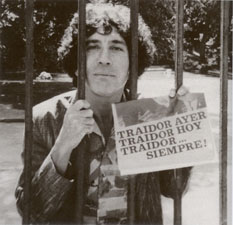
Reinaldo Arenas came into conflict with Fidel Castro’s government because of his openly-Gay lifestyle and because he managed to get several novels published abroad without official consent. He was jailed in 1973 for “ideological deviation”; he escaped and tried to flee Cuba on an inner-tube floating in the Caribbean Sea. The attempt failed and he was jailed again, this time at El Morro – the roughest prison in Cuba. He wrote letters for the loved ones of murderers and thereby gained some respect. Upon his release in 1976 the government forced him to renounce his work. In 1980 he came to the USA – one of many Cubans in the Mariel Boatlift. He settled in New York City where he mentored other exiled writers – but he was never happy, and he was Cuban till the end. Diagnosed with AIDS in 1987 he committed suicide in 1990, penning these words in a last letter (written for publication):
“Due to my delicate state of health and to the terrible depression it causes me not to be able to continue writing and struggling for the freedom of Cuba, I am ending my life. . . I want to encourage Cuban people out of the country as well as on the Island to continue fighting for freedom. . . Cuba will be free – I already am.”
António Botto: “O mais importante na vida é ser-se criador – criar beleza.” / “The most important thing in life is to create – to create beauty.”
Posted: July 1, 2012 Filed under: António Botto, English, Portuguese | Tags: Gay poets Comments Off on António Botto: “O mais importante na vida é ser-se criador – criar beleza.” / “The most important thing in life is to create – to create beauty.”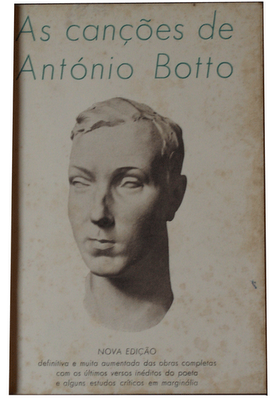
António Botto (Lisbon, Portugal, 1897-1959)
Selected poems from “Canções” (“Songs”)
In love –
Now don’t question me! –
There were always
Two kinds of men.
*
This is quite true
And greater than life’s self is.
No one down here can deny it
Or dismiss.
*
One kind of man
Looks on, without love or sin:
The other kind
Feels, grows passionate, comes in.
_____
No amor,
Não duvides amor meu –
Dois tipos de homem
Houve sempre.
*
E esta verdade
Que é maior que a própria vida,
Só por Ele – vê lá bem!,
Poderá ser desmentida.
*
– Um,
A contemplar se contenta;
E outro,
Apaixona-se, intervém…
_____
You’re wrong, I tell you again.
*
In love
The only lie we find out in the future
Is that which seems
The best truth now,
The truth that seems to fall in with our fates.
*
Love never really lies:
It simply exaggerates.
_____
Enganas-te, digo ainda.
*
No amor,
– Apenas, é mentira no futuro
Aquilo
Que nos parece uma verdade presente.
*
O amor não mente, nunca!
Exagera simplesmente.
_____
I’ve left off drinking, my friend.
Yes, I have set wine aside.
*
But if
You really want
To see me drunk –
This is between us, you see –,
Take slowly up to your mouth
The glass meant for me,
Then pass it over to me.
_____
Deixei de beber, amigo.
*
Sim, já desprezei o vinho.
*
Entanto,
Se tu afirmas que tens
O prazer de me ver ébrio,
– Que isto fique entre nós dois:
Aproxima da tua boca
A taça que me destinas,
E dá-ma depois.
_____
The most important thing in life
Is to create – to create beauty.
*
To do that
We must foresee it
Where our eyes cannot really see it.
*
I think that dreaming the impossible
Is like hearing the faint voice
Of something that wants to live
And calls to us from afar.
*
Yes, the most important thing in life
Is to create.
*
And we must move
Towards the impossible
With shut eyes, like faith or love.
_____
O mais importante na vida
É ser-se criador – criar beleza.
*
Para isso,
É necessário pressenti-la
Aonde os nossos olhos não a virem.
*
Eu creio que sonhar o impossível
É como que ouvir a voz de alguma coisa
Que pede existência e que nos chama de longe.
*
Sim, o mais importante na vida
É ser-se criador.
E para o impossível
Só devemos caminhar de olhos fechados
Como a fé e como o amor.
_____
Translations from the Portuguese: Fernando Pessoa
_____
António Botto published Canções (Songs) in
Lisbon in 1920. He was 23. And he began to rub shoulders
with the city’s intellectual élite during what was to be a short
period of bohemianism leading up to the military coup
of 1926 and the establishment of the Estado Novo (New State),
an authoritarian dictatorship.
A second edition of Canções was
printed in 1922 – and this time it created a critical furor
as “Literature of Sodom”. Botto made no secret of his
homosexuality – he flirted in public, and that took guts –
and many of his first-person-voice love poems are
frankly addressed to men. Though Fernando Pessoa – one
of Portugal’s heavyweights in the Modernist movement (and also
the translator into English of Botto’s poems) – defended Botto in
print, it was a defence of the aesthetic ideal of male beauty
– a Classical Greek (Hellenic) value that had influenced all
Mediterranean cultures – not a public endorsement of the fact that
Botto was writing about loving men. Botto was just too ahead of his time;
he was “pushing the boundaries”, as we call it now.
A conservative university-student league called verses such as
“Listen, my angel: what if I should kiss your skin,
what if I should kiss your mouth, which is all honey within?”
“disgraceful language” and Botto a “shameless”
author, pressuring the government to take action, which it did,
seizing and burning books by Botto as well as “Decadência” by Judith
Teixeira, a lesbian poet.
*
We thank University of Toronto professor Josiah Blackmore
for re-issuing the Songs of Botto; he is a poet too little known
in the English language.
“Mujer” y “De la Casa de Iemanjá” por Audre Lorde / “Woman” and “From the House of Yemanjá” by Audre Lorde
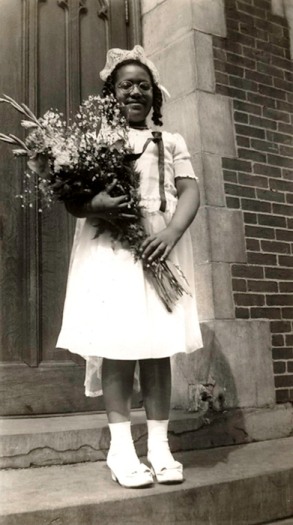
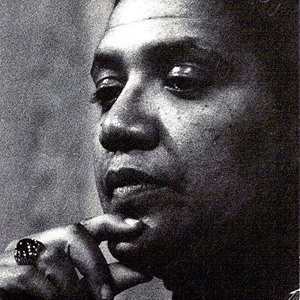
Posted: July 1, 2012 Filed under: Audre Lorde, English, Spanish, ZP Translator: Lidia García Garay | Tags: Black lesbian poets Comments Off on “Mujer” y “De la Casa de Iemanjá” por Audre Lorde / “Woman” and “From the House of Yemanjá” by Audre LordeAudre Lorde
(Poeta, activista feminista, lesbiana, caribeña-americana, 1934-1992)
*
Mujer
Sueño con un lugar entre tus pechos
para construir mi casa como un refugio
donde siembro
en tu cuerpo
una cosecha infinita
donde la roca más común
es piedra de la luna y ópalo ébano
que da leche a todos mis deseos
y tu noche cae sobre mí
como una lluvia que nutre.
* * *
Audre Lorde
(1934-1992, poet, feminist activist, lesbian, Caribbean-American)
*
Woman
I dream of a place between your breasts
to build my house like a haven
where I plant crops
in your body
an endless harvest
where the commonest rock
is moonstone and ebony opal
giving milk to all of my hungers
and your night comes down upon me
like a nurturing rain.
*
*
*
Translation into Spanish: Anonymous
Traducción al español: Anónima
*
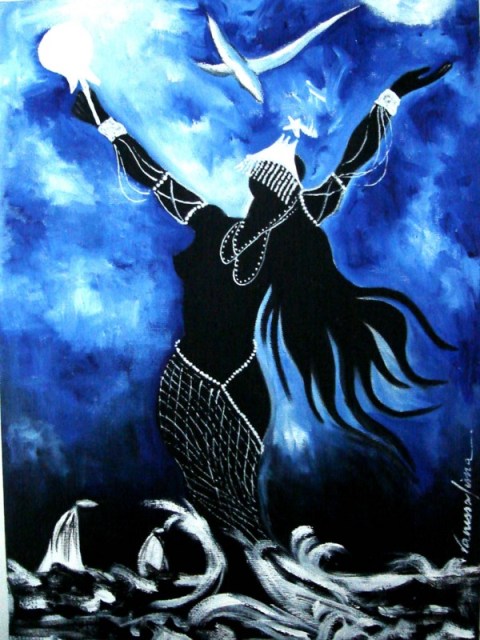
Audre Lorde
De la Casa de Iemanjá
*
Mi madre tenía dos caras y una cacerola
donde cocinó dos hijas y las
hizo hembras
antes de cocinar nuestra cena.
Mi madre tenía dos caras
y una cacerola rota
donde escondió una hija perfecta
que no era yo
yo soy el sol y la luna y por siempre
hambrienta de su mirada.
*
Yo llevo dos mujeres en mi espalda
una oscura y rica y oculta
en el marfil sedienta de la otra
madre
pálida como una bruja
pero constante y familiar
me trae pan y terror
en mi sueño
sus pechos son inmensos y fascinantes
anclas en la tormenta nocturna.
*
Todo esto ha existido
antes
en la cama de mi madre
el tiempo no tiene sentido
no tengo hermanos
y mis hermanas son crueles.
*
Madre necesito
madre necesito
madre necesito tu negritud ahora
como la tierra augusta necesita la lluvia.
*
Yo soy
el sol y la luna y por siempre hambrienta
la afilada orilla
donde el día y la noche se encuentran
y no ser
una.
*
*
Traducción del inglés al español: Lidia García Garay
* * *
Audre Lorde
From the House of Yemanjá
*
My mother had two faces and a frying pot
where she cooked up her daughters
into girls
before she fixed our dinner.
My mother had two faces
and a broken pot
where she hid out a perfect daughter
who was not me
I am the sun and moon and forever hungry
for her eyes.
*
I bear two women upon my back
one dark and rich and hidden
in the ivory hungers of the other
mother
pale as a witch
yet steady and familiar
brings me bread and terror
in my sleep
her breasts are huge exciting anchors
in the midnight storm.
*
All this has been
before
in my mother’s bed
time has no sense
I have no brothers
and my sisters are cruel.
*
Mother I need
mother I need
mother I need your blackness now
as the august earth needs rain.
I am
*
the sun and moon and forever hungry
the sharpened edge
where day and night shall meet
and not be
one.
*
A Tenacious Light: poems by Dionne Brand
Posted: July 1, 2012 Filed under: Dionne Brand, English | Tags: Black lesbian poets Comments Off on A Tenacious Light: poems by Dionne Brand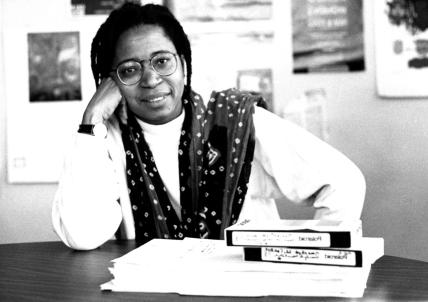
I saw this woman once in another poem, sitting,
throwing water over her head on the rind of a country
beach as she turned toward her century. Seeing her
no part of me was comfortable with itself. I envied her,
so old and set aside, a certain habit washed from her
eyes. I must have recognized her. I know I watched
her along the rim of the surf promising myself, an old
woman is free. In my nerves something there
unraveling, and she was a place to go, believe me,
against gales of masculinity but in that then, she was
masculine, old woman, old bird squinting at the
water’s wing above her head, swearing under her
breath. I had a mind that she would be graceful in me
and she might have been if I had not heard you
laughing in another tense and lifted my head from her
dry charm.
*
You ripped the world open for me. Someone said this
is your first lover you will never want to leave her. My
lips cannot say old woman darkening anymore, she
is the peace of another life that didn’t happen and
couldn’t happen in my flesh and wasn’t peace but
flight into old woman, prayer, to the saints of my
ancestry, the gourd and bucket carrying women who
stroke their breast into stone shedding offspring and
smile. I know since that an old woman, darkening,
cuts herself away limb from limb, sucks herself white,
running, skin torn and raw like a ball of bright light,
flying, into old woman. I only know now that my
longing for this old woman was longing to leave the
prisoned gaze of men.
_____
Dionne Brand was born in Trinidad in 1953
and graduated from University of Toronto in 1975.
She is Black, Lesbian, Feminist – three powerful things.
Toronto’s Poet Laureate, she is also the 2011 winner of
The Griffin Poetry Prize for her long poem Ossuaries.
The companion poems above are excerpted from
Brand’s series “Hard against the Soul”, part of
her collection No Language is Neutral.
© 1990, Dionne Brand
_____
This is a ZP post originally dated August 31st, 2011.
We re-post it today, July 1st, 2012, as part of our survey of gay and lesbian poets.
Andy Quan: “Quiet and Odd”
Posted: July 1, 2012 Filed under: Andy Quan, English Comments Off on Andy Quan: “Quiet and Odd”Andy Quan (born 1969, Vancouver, British Columbia)
Quiet and Odd
Darren Lee and I were superstars, unafraid to swing
from the highest branch of his backyard’s gnarled
apple tree, we terrorized insects, older
high-school kids, made snarky remarks about
Mrs. Kopinski in the corner house simply because
we could. We sang: Jesus Christ /
Superstar / Who in the hell do you think you are.
*
“What a shame,” adults told us. We couldn’t speak
our ancestral language. Nor could our mothers! Tell
them they’ve lost their heritage. What’s the use anyway
of those clattery loud towers of nine tones, building
blocks flung at you in too bright colours?
*
Besides, we were not Bennett Ho whose mother
banned him from sex-education class, not Adrian
Tong with his rice-bowl haircut (the fringe swinging
round his head like a carousel of animals). Brian Tom
not yet into his teens expected only bad things in life
so as never to be disappointed. Not Jacob Chiu
whose Mom shaved his skull, everyone wanted to
feel its tiny combs against their fingers. Dominic
Kong was certainly not us, he told people he didn’t
know Chinese but who could follow his broken
English? Definitely not Joseph Fong who stepped
in dog poop and didn’t care, the playground
suddenly the Titanic sinking, passengers wailed
ABANDON SHIP!
It wasn’t just that they were odd.
They were quiet boys. Not like us, nails on chalk
boards, fire drill alarms: when my voice broke
I couldn’t even whisper without getting in trouble.
We reckoned their tongues got caught on the way
out of their mouths like jackets on doorknobs
as they rushed outside, their mothers calling them
back to do their homework, mind their grandmothers,
though even they’d pretend they couldn’t hear
or understand whatever language shouted after them.
© 2007 Andy Quan
From his collection “Bowling Pin Fire”, published by Signature Editions, Winnipeg, Manitoba
_____
Andy Quan, born in Vancouver, now lives in Sydney, Australia – and lived in Toronto in 1993–94. He’s 3rd generation Chinese-Canadian and 5th generation Chinese-American with roots in the villages of Canton. He is the author of four books. Calendar Boy’s short stories included many that addressed the intersection of sexuality and race for gay asian protagonists. Six Positions: Sex Writing is a collection of gay erotic fiction. Slant and Bowling Pin Fire are Quan’s two books of poetry. His writing has been published in a wide variety of literary journals and anthologies around the world. These days, he works as an editor and a copywriter and can be visited at http://www.andyquan.com.
*
The poet reflects upon “Quiet and Odd”:
“Much of my poetry has been autobiographical story-poems. I used writing as a way to locate myself in the world, and to share those experiences with others – though received good advice along the way that a story is not enough, the language needs to be energized and engaging. Though ‘Quiet and Odd’ seems straightforward, I think it requires quite a bit from readers: an ability to understand a multicultural society, to imagine the experiences of those born in countries of different cultural backgrounds and skin colour, but then to delve deeper into the way these experiences may affect how people move and present to the world. It’s a very understandable Canadian poem, but does it work in countries with much less immigration and cultural diversity?”
Saeed Jones: Cracking all of the “names” open
Posted: July 1, 2012 Filed under: English, Saeed Jones | Tags: Black gay poets Comments Off on Saeed Jones: Cracking all of the “names” open
Saeed Jones (USA)
Sleeping Arrangement
I
I’ve decided to let you stay
under our bed, the floor –
not the space between
mattress and metal frame.
Take your hand out
from under my pillow, please.
And take your sheets too.
Drag them under. Make pretend ghosts.
I can’t have you rattling the bed springs
so keep still, keep quiet.
Mistake yourself for shadows.
Learn the lullabies of lint.
II
I will do right by you:
crumbs brushed off my sheets,
white chocolate chip, I think,
or the corners of crackers.
Count on the occasional dropped grape,
a peach pit with fine yellow hairs,
wet where my tongue has been,
a taste you might remember.
I’ve heard some men can survive
on dust mites alone for weeks at a time.
There’s a magnifying glass on the nightstand,
in case it comes to that.
. . .
Obviously, I was meant to be a gazelle
When grandpa growled at the dinner table, I wanted to leap into a sprint.
Gazelles did that sort of thing when startled. They leaped
into mid-air like sprung mousetraps, and then they were nothing
but brown blurs cutting across the plains.
Sometimes the gazelle in me would try to sprint in spite of myself,
but my bow legged and awkward bones kept me at a steady jog.
I would run back and forth across the backyard for hours.
This was Memphis. There were lions behind every oak and chain link fence.
One day, I was running around the backyard, alone as usual,
when a gun went off in the distance. The sound echoed off the house.
I stood in the middle of the yard, perfectly still,
still enough to blend into the grass. It was a rough neighborhood.
Guns seemed to be going off all the time.
When my grandma heard the shot, she rushed outside
and stopped on the porch. For a moment, she looked at me
as if I had been shot. I answered her stare by running off.
. . .
Saeed Jones grew up in Memphis, Tennessee, and now lives in New York City.
He has an MFA from Rutgers University in New Jersey.
A 2011 nominee for the Pushcart Prize, Jones comments:
“The question of whether I’m a gay poet who happens to be black or a black poet who happens to be gay, or a poet who argues that such things as “blackness” and “gayness” need not proceed my nouns is just one that I — almost literally — enjoy dancing with. It troubles my waters; it keeps me questioning my self/selves; these days all I have are my questions…Or maybe it’s just easier to debate gay/black and black/gay poems rather than to write the poems themselves. Or maybe I want to crack all of the “names” open!”
. . . . .
David Kato Kisule: “A luta continua…” / “The struggle continues…”
Posted: July 1, 2012 Filed under: English, Joseph Ross Comments Off on David Kato Kisule: “A luta continua…” / “The struggle continues…”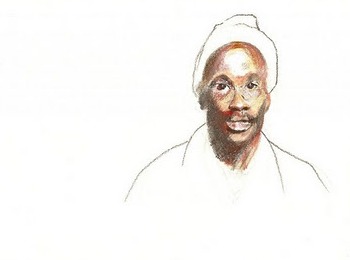
Joseph Ross
For David Kato: a Love Poem
Because my kisses are tender
against your throat.
_
Because my lips are not the steel hammer
that snaps your neck
_
in the places God has kissed.
Because my hands beg
the muscles of your back
_
pleading and massaging
what a blind man with a Bible
would shove to the floor.
_
Because your tongue slides
against mine, two wet bodies
_
inside our bodies, as close
as lips, as torn skin, as flame.
_
Because you dared to breathe
air you would later gasp against
_
my sweating chest, our bodies
lie braided in love’s water.
_
Because truth is only intimate
with other truths,
_
this love poem does not lie
on the floor of your living room
_
where you leak like a true man,
irrigating the Ugandan dirt
with blood it does not deserve.
_____
David Kato Kisule (1964 -2011) was a Ugandan teacher who became a gay and lesbian human-rights activist ten years ago. In 2010 he gave up his teaching job to focus on Rights work 100 percent. In October of the same year, “Rolling Stone”, a Ugandan tabloid newspaper, printed an inflammatory article accusing gays of “recruiting” children, and it published names, photographs and even some addresses of 100 Ugandan “Homos”, calling for their execution – “Hang them!” The Ugandan government recently had tabled The Anti-Homosexual Bill, encouraged by Ugandan Evangelical Christians and their American allies abroad. The bill is draconian and includes the death-penalty for “aggravated homosexuality” or 14 years imprisonment for “the offence of homosexuality”. Kato’s murder in January 2011 brought international media attention to the situation in Uganda for sexual minorities and passage of The Anti-Homosexual Bill has been stalled. U.S. President Barack Obama stated: “David showed tremendous courage in speaking out against hate. He was a powerful advocate for fairness and freedom.”
*
Lesbian poet Audre Lorde once wrote: “When I dare to be powerful, to use my strength in the service of my vision, then it becomes less and less important whether I am afraid.” David Kato could’ve been afraid and he might’ve left Uganda for countries where life is easier — given the danger he was under. But he stayed. He was Ugandan, he was Kuchu (Ugandan derogatory slang for Gay); he knew where he was from and to whom he belonged.
*
Joseph Ross is a Pushcart Prize-nominated poet whose poems have appeared in many anthologies, including “Collective Brightness: LGBTIQ Poets on Faith, Religion and Spirituality”. He is Director of the Writing Center at Carroll High School in Washington, D.C., USA.
Faces and places: Canadian Gay heroes sung and unsung
Posted: July 1, 2012 Filed under: Faces and places: Canadian Gay heroes, sung and unsung, IMAGES Comments Off on Faces and places: Canadian Gay heroes sung and unsung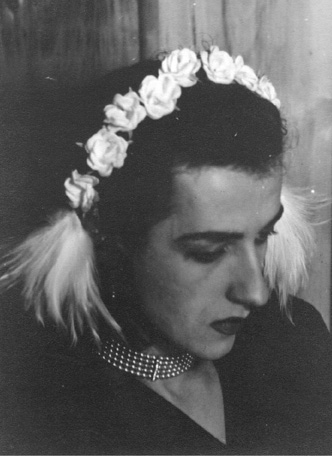
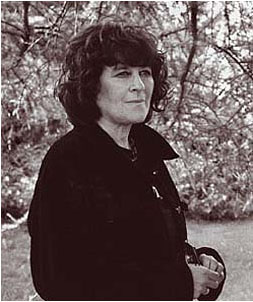
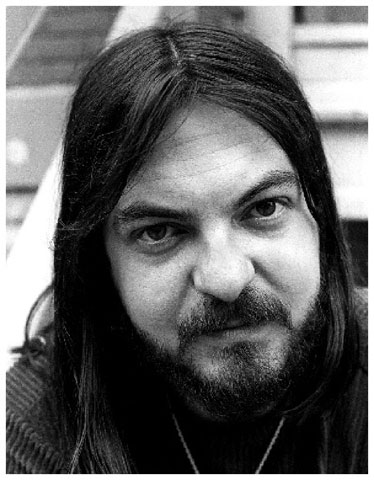
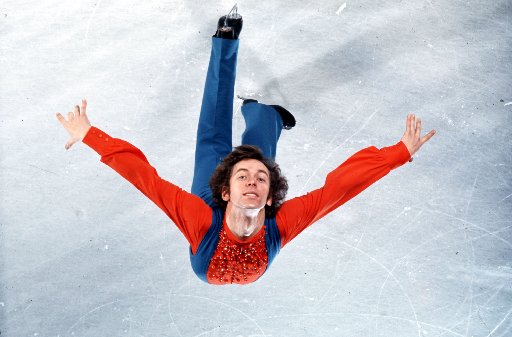
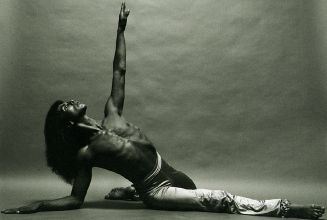
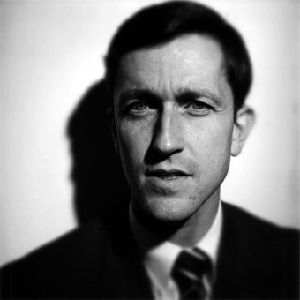
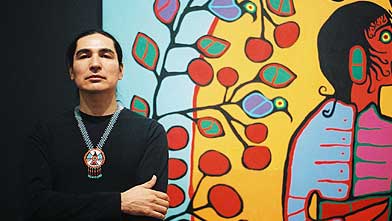
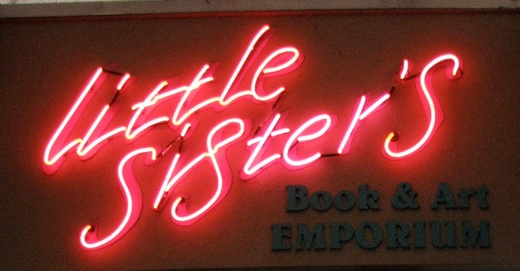
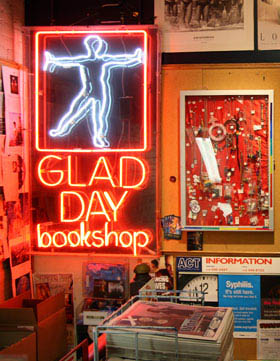

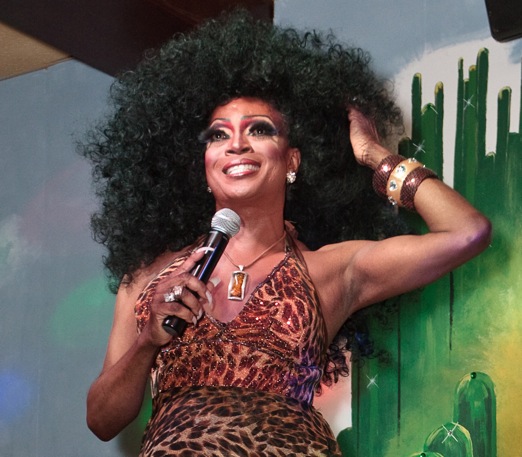
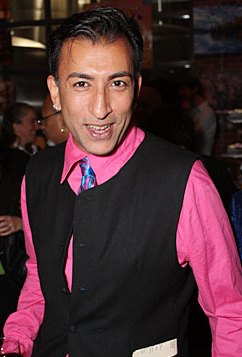



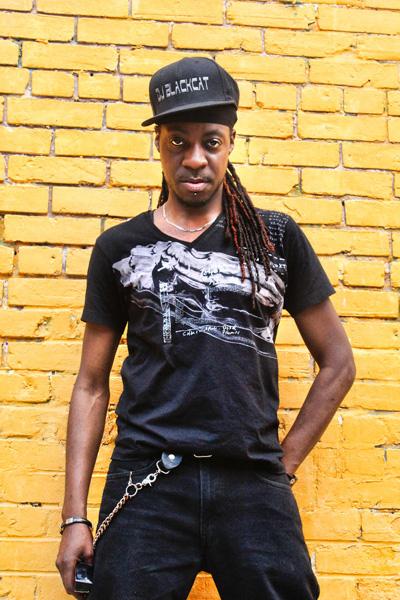

For information about each photograph, allow your cursor to hover over the image.
 Zócalo Poets