Poetas dos anos 90: “A Palavra viva e paralisada” / “Poetry – alive – in paralyzed flow”: Carlito Azevedo
Posted: June 23, 2014 Filed under: English, Portuguese Comments Off on Poetas dos anos 90: “A Palavra viva e paralisada” / “Poetry – alive – in paralyzed flow”: Carlito Azevedo
Bem Aqui, Bem Agora
Carlito Azevedo (born 1961, Rio de Janeiro)
Downstairs
.
I
.
In wind storms past a boyish one moved through,
a moment of epiphany passed too.
.
Does memory desire files, reserves?
expose itself in light and neon-nerves?
.
Is time, the childhood illness, to be aching
generating elders at their making?
.
If everything should pass, would it be naught?
as if to crave what still remains of bought
.
and sexy clothes of poetry fleeting
(their roles of true rhymes, light, and the beating
.
crown) even the drops of fine dew with a sheen
that in the dense air of open ravines
.
of vertigos, yes, in revolution
on the ground, explosive involution,
.
(as water soot in glittering sills belies),
recall, extralight, the final grey skies?
.
II
.
The plot was so simple, skies the same scale
without view without vision without veil
.
on the eyes… In an instant of power,
points in a circle, frozen the hour,
.
everything starts a slow lingering flow
outside the circle, a wider one now
.
opens on life’s normal process and streatm,
yet there appear more encompassing schemes
.
where everthing goes at such rapid speed
that we can’t quite perceive it, when the seed
.
and the birthplace undecidably spin:
if at birth all is quiet, then begins
.
to speed up to a vertiginous flat
or if, to the contrary, it’s just that
.
the flow self-detains when reaching its goal
in alacrity born, not by a soul?
.
III
.
The idea’s to resist the temptation
to write poems of this place of negation,
.
of this circle congealed in frigid state
so without vessels to communicate,
.
shut up in itself, its pose, waiting here,
idea being to reach that other sphere,
.
no one where all flows slowly in motion
nor one other of common commotion,
.
but the last one, the vertiginous spin
(whether in the end or the origin),
.
the idea must be to centre both hands
in the nervous delirium (those bands
.
of wind in the square), so words in action
might freeze life, an unaccustomed reaction,
.
despite in a paralytical throe,
Poetry – alive – in paralyzed flow.
.
IV
.
When rain and what the showers brought had passed
(nor did the thought of floods outlast),
.
the memory shrank like clear water lakes
that of themselves a puddle comes to make
.
and cease to be, a subtle set of sails
that, in dense light, evaporates in pails
.
of water blades. And then the flood recessed,
slow present in all spaces to invest:
.
each curve of space, and corner of a curve,
asbestos shores of fine and silky verve.
.
The flood did subside, and with what is quiet,
leading the chase, tumultuous riot.
.
(just like skin being smooth, the asperous
joyful surface of wood that lacerates
.
time, where all this will be grazed) did the day
take once again its thin thread of delay.
. . .
Translation from Portuguese to English: © Charles A. Perrone, 1998
. . .
Ao Rés Do Chão
.
I
.
Um menino passou na ventania,
um momento passou de epifanias.
.
É a memoria que quer, com seus acervos,
exoir-se em luminosos néon-nervos?
.
É, doendo, o tempo, essa doença
da infância, a gerar velhos de nascença?
.
É que tudo, se passa, vira nada?
.mesmo que anele ainda a alugada
.
e sexy roupa fátua do poema
(seu rol de rimas ricas, diadema
.
tremeluzente), e até as gotas finas,
que no ar denso, porém, abrem ravinas
.
vertiginosas e em revolução,
antes de explodirem ao rés do chão
.
(ciscos de água luzindo nos lancis),
relembrem, extraluzes, o céu gris?
.
II
.
A trama era tão simples, sob um céu
tão simples, sem visões e sem um véu
.
sobre os olhos… Num poderoso instante
um ponto se congela e, circundante,
.
tudo passa a fluir lento, arrastado,
e à volta desse círculo um mais largo
.
se abre onde prossegue normalmente
a vida e seu caudal; mais abrangente
.
há outro onde tudo é tão veloz
que nem o percebemos. Onde a foz
.
e onde a nascente é algo indecidível:
se tudo nasce quieto e até um nível
.
vertiginoso vai-se acelerando,
ou se, ao contrário, é justamente quando
.
chega ao seu film que o fluxo se detém,
nascido acelerado e por ninguém?
.
III
.
A idéia é não ceder à tentação
de escrever o poema desse não-
.
lugar, desse círculo congelado
sem vasos comunicantes, fechado
.
em si, em sua pose, sua espera,
a idéia é alcançar a outra esfera,
.
não aquela onde tudo flui tão lento,
nem a outra, comum no movimento,
.
mas a última, a roda da vertigem
(esteja ela no fim ou na origem),
.
a idéia é pôr as duas mãos no centro
nervoso do delirio (aquele vento
.
na praça), para que a Palavra ativa
congele a vida, como soi, mas viva
.
mesmo ferida da paralisia,
fluxo paralisado, a poesia.
.
IV
.
Quando a chuva passou (quando assentou-se
a idéia do dilúvio) e o que ela trouxe,
.
a memória encolheu-se como poça
de água limpa que em si mesma se empoça
.
e deixa de existir, sutil velame
na densa luz que se evapora à lâmina
.
d’água. Assentou-se o dilúvio, o presente
investiu todo espaço lentamente:
.
cada curva de espaço, cada canto
de curva, cada praia de amianto.
.
Assentou-se o dilúvio. Sob o acosso
da quietude, que é toda um alvoroço
.
(tal como é lisa a pele onde se roça
a superficie áspera e lenhosa
.
do gozo, que lacera o tempo), a hora
retomou seu fiapo de demora.
. . . . .
Poetas dos anos 90: “A possibilidade mas não a totalidade” / “The possibility but not the totality”: Maurício Arruda Mendonça
Posted: June 23, 2014 Filed under: English, Portuguese Comments Off on Poetas dos anos 90: “A possibilidade mas não a totalidade” / “The possibility but not the totality”: Maurício Arruda Mendonça
Maurício Arruda Mendonça
(born 1964, Londrina, Paraná, Brazil)
The Best View
.
The best view
is from a window
where you may have
the possibility
but not the totality.
.
Its essence
is a contingency
a minimum concealed
in unity and therefore
direct knowledge
is almost perspective.
.
The introspection
of the landscape:
an ideal shared
by strategic winds
cracked tiles
crumbling walls
the game of hide and seek
between nevers and always.
.
Knowing how to be eternal
intentionally omits
the time to say goodbye
five minutes before
and five minutes after.
What remains
is a happiness in Aries
a porcelain sky.
.
Here is the matrix
of all lamp factories
where the experts weave
every possible climate:
cosmetic tears
heroines sinking
in quicksand.
.
The best view
is this one
but when night falls
suddenly –
I prefer it yet
with no reference point
with no hesitation.
<<<. . .>>>
A Melhor Vista
.
A melhor vista
é a da janela
onde você pode
ter a possibilidade
mas não a totalidade.
.
Sua essência
é uma contingência
um mínimo oculto
na unidade e portanto
um conhecimento direto
e quase perspectivo.
.
A introspecção
da paisagem:
um ideal partilhado
por ventos estratégicos
telhas trincadas
paredes por caiar
esconde-esconde
entre nuncas e sempres.
.
Sabendo ser eterna
omite propositadamente
a hora de dizer adeus
cinco minutos antes
e cinco depois.
O que remanesce
é uma alegria em Áries
um céu de porcelana.
.
Aqui é matriz
de todas as fábricas
de abajur
onde os técnicos tramam
todos os climas possíveis:
lágrimas de laquê
heroinas em areia movediça.
.
A melhor vista
é esta
mas quando a noite
cai de súbito –
assim eu a prefiro
sem pontos de referência
sem hesitação.
<<<. . .>>>
blossoming sun-bird, humming-flower in dew
meticulously sips the blood from lips
morning and gathering the green eyes
sometimes vegetable gases
innumerable vagabonds branches emerge
in the clouds and hair and their dawn
become entangled among the thorns
while faded flowers rave at her feet
<<<. . .>>>
a florir beija-sol gira-flor no orvalho
sorve o sangue dos lábios minuciosamente
manhã e colhendo os verdes olhos
por vezes gazes vegetais
nas nuvens surgem inúmeros vagabundos
galhos e os cabelos e suas albas
embaraçam-se entre espinhos
enquanto flores murchas deliram em seus pés
<<<. . .>>>
Drunk she licked the night dew
the lip of the moon
over the petals of September.
.
But I, drinking the rainwater,
knew how to be honey its absinthe
all the symbols of a yes.
.
I touch the shadows
with my grapevine fingers,
touching the error of my whole life.
.
Blame the cement of the spittle,
word that goes nowhere,
if one escaped from me, it was empty.
<<<. . .>>>
Ela ébria lambia o sereno
o lábio em lua
sobre as pétalas de setembro.
.
Mas eu, bebendo água da chuva
sabia ser mel seu absinto
todos os símbolos de um sim.
.
Toco as sombras
com meus dedos de videira
tateio o erro a vida inteira.
.
Culpa ao cimento da saliva,
palavra que não vai a parte alguma,
se alguma me escapou, partiu vazia.
<<<. . .>>>
Translation from Portuguese into English: the poet
Direitos autorais / © Maurício Arruda Mendonça
<<<. . . . .>>>
Primeiro dia de Verão: um poema
Posted: June 21, 2014 Filed under: English, Júlio Castañon Guimarães, Portuguese Comments Off on Primeiro dia de Verão: um poema
Júlio Castañon Guimarães (born 1951, Minas Gerais, Brazil)
Summer
[ Toute l’âme résumée – Stéphane Mallarmé ]
.
the sun
pricks the pores
ravages blemishes of spirit
.
what the sea gives back to the sand
the day outlines
in biceps and trunk and thighs
that embrace the landscape
Gloria the bay
the line of the horizon
.
in the hair below the belly button
a drop gathers in the entire summer
.
and it distills it
on the tongue
in a stain of salt.
. . .
Translation from Portuguese into English:
David William Foster
. . .
Verão
.
o sol
agulha os poros
devasta laivos de espírito
.
o que o mar devolve à areia
o dia desenha
em bíceps e tronco e coxas
que abraçam a paisagem
a Glória a baía
a linha do horizonte
.
nos pêlos abaixo do umbigo
uma gota recolhe todo o verão
.
e o resume
na língua
em um laivo da sal.
. . . . .
Augusto dos Anjos: “Intimate Verses” and “Immortal Lust” / translation by Daniel Vianna
Posted: June 20, 2014 Filed under: Augusto dos Anjos, English, Portuguese, ZP Translator: Daniel Vianna Comments Off on Augusto dos Anjos: “Intimate Verses” and “Immortal Lust” / translation by Daniel Vianna

Egon Schiele_O Abraço_The Embrace_1915
Augusto dos Anjos (Brazilian pre-Modernist poet, 1884-1914)
Versos Íntimos
.
Vês! Ninguém assistiu ao formidável
Enterro de tua última quimera.
Somente a Ingratidão – esta pantera –
Foi tua companheira inseparável!
Acostuma-te à lama que te espera!
O Homem, que, nesta terra miserável,
Mora, entre feras, sente inevitável
Necessidade de também ser fera.
Toma um fósforo. Acende teu cigarro!
O beijo, amigo, é a véspera do escarro,
A mão que afaga é a mesma que apedreja.
Se a alguém causa inda pena a tua chaga,
Apedreja essa mão vil que te afaga,
Escarra nessa boca que te beija!
. . .
Intimate verses
.
Look! No one saw the amazing
Burial of your one final dream.
Only the ungrateful and mean
Gave you a shoulder for weeping!
Get used to the cesspit that awaits!
Man, in this miserable land,
Surrounded by wild beasts, can only stand
By dishing out even stronger bites.
Take a match – light your cigarette!
The kiss, the friend, precedes the spit,
The hand caresses – before the stick.
If someone saves you from hell,
Stone the hand that treats you well,
Spit on those who try to kiss you!
. . .
Volúpia Imortal
.
Cuidas que o genesíaco prazer,
Fome do átomo e eurítmico transporte
De todas as moléculas, aborte
Na hora em que a nossa carne apodrecer?!
Não! Essa luz radial, em que arde o Ser,
Para a perpetuação da Espécie forte,
Tragicamente, ainda depois da morte,
Dentro dos ossos, continua a arder!
Surdos destarte a apóstrofes e brados,
Os nossos esqueletos descarnados,
Em convulsivas contorções sensuais,
Haurindo o gás sulfídrico das covas,
Com essa volúpia das ossadas novas
Hão de ainda se apertar cada vez mais!
. . .
Immortal Lust
.
Do you really think that life-giving bliss,
The driving hunger of eurythmic atoms,
Will abort the molecules in motion
At the time when our flesh becomes putrid?!
No! This radial light that burns Being,
To perpetuate a victorious Species,
Tragically, even after we decease,
Inside the bones – goes on – keeps on – burning!
Deaf from abuses and offenses,
Our fleshless carcasses,
Convulsing and contorting the core,
Exhaling sulfuric gases from the tomb,
With the fresh lust of new bones,
Will yet press together more!
.
Portuguese to English translation: Daniel Vianna
. . .
“O Tygre”: William Blake / “The Tyger”
Posted: June 19, 2014 Filed under: English, Portuguese, William Blake | Tags: Augusto de Campos as translator: Concrete Poetry from Brazil Comments Off on “O Tygre”: William Blake / “The Tyger”

 .
.
 .
.
 .
.
 .
.

A poesia concreta: Tudo Está Dito / Everything Was Said: the “Concrete” poems of Augusto de Campos
Posted: June 16, 2014 Filed under: Augusto de Campos, English, Portuguese Comments Off on A poesia concreta: Tudo Está Dito / Everything Was Said: the “Concrete” poems of Augusto de Campos
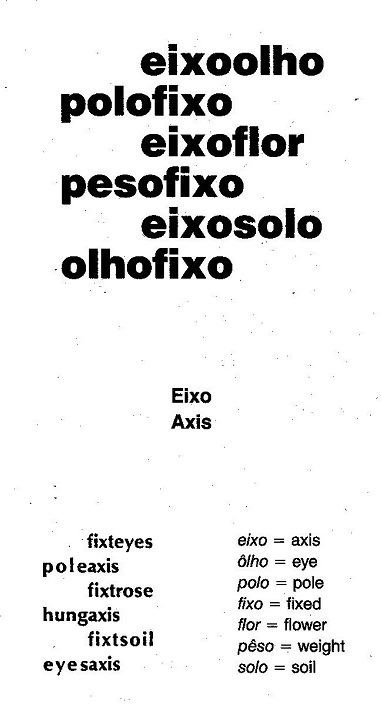
Augusto de Campos_Axis_1957_translated by Edwin Morgan

Augusto de Campos_Tudo Está Dito_1974
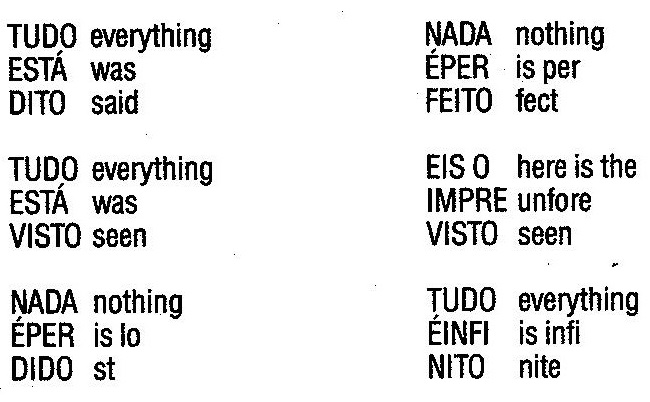
Augusto de Campos_Everything was said_1974
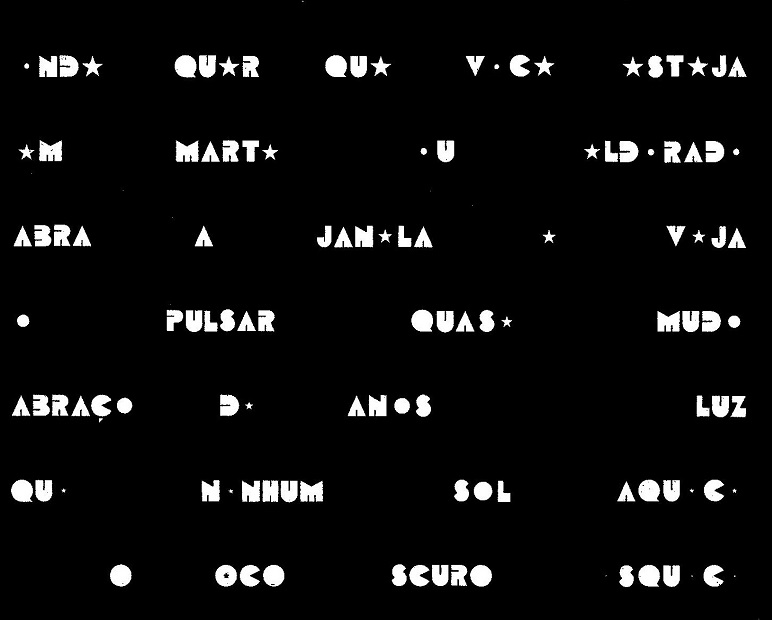
Augusto de Campos_O Pulsar_1975
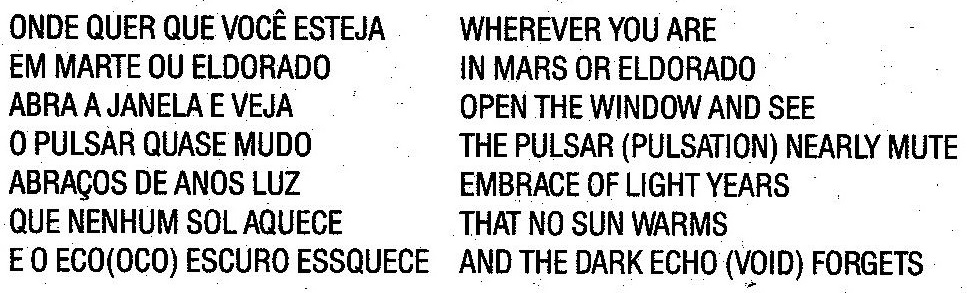
Augusto de Campos_The Pulsar_1975
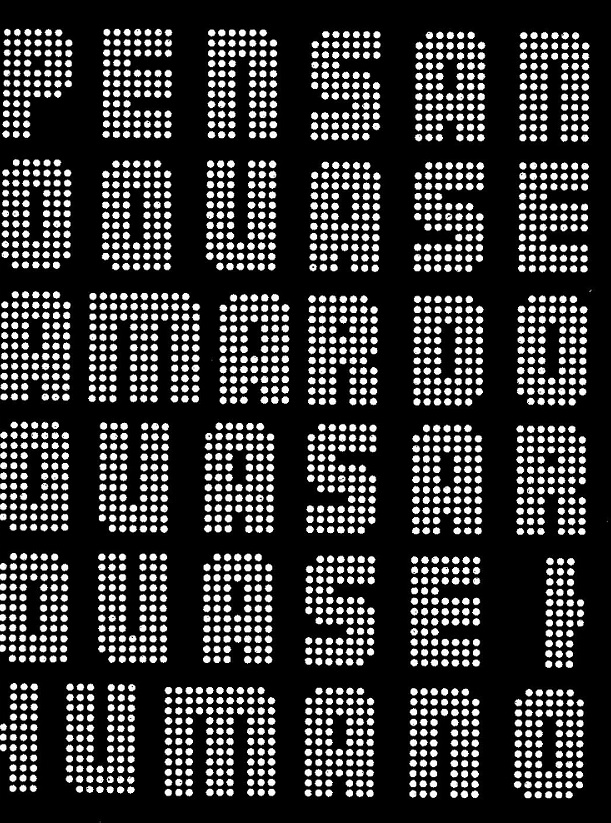
Augusto de Campos_O Quasar_1975
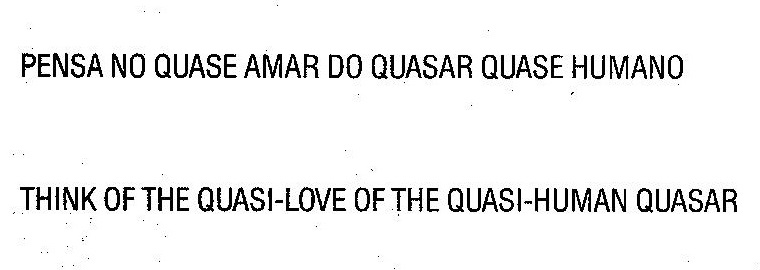
Augusto de Campos_The Quasar_1975
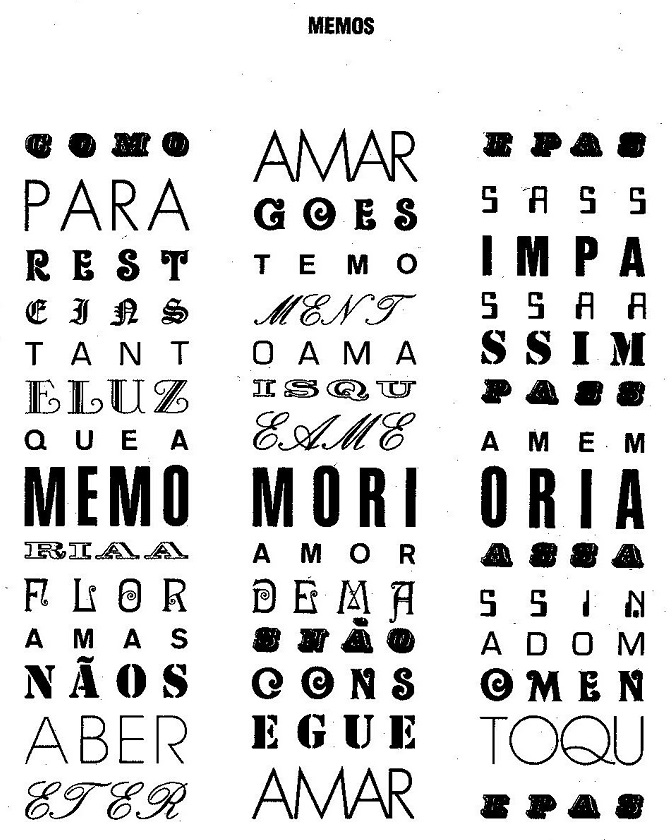
Augusto de Campos_Memos_1976
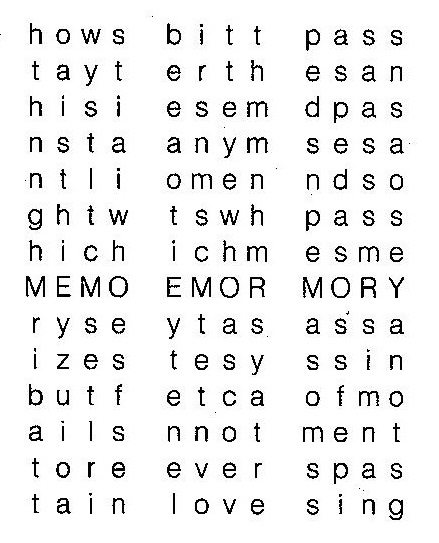
Augusto de Campos_Memos_1976_translated by Claus Cluver
.
Copyright dos poemas e traduções
© 1983 Wesleyan University Press
.
The phrase Concrete Poetry was coined in 1956 in São Paulo, Brazil, after an exhibition of such poems (I Exposição Nacional de Arte Concreta) that included works by the group Noigandres (Augusto and Haroldo de Campos, Décio Pignatari and Ronaldo Azeredo). The poets Ferreira Gullar and Wlademir Dias-Pino were also featured. Eventually, a Brazilian Concrete Poetry manifesto was published. The manifesto’s core value was that of using words as part of a specifically visual work so that those words are not mere unseen vehicles for ideas.
Although the term Concrete Poetry is contemporary, the idea of using letter arrangements to enhance the meaning of a poem is an ancient one. Such poetry originated in the then-Greek city of Alexandria (in Egypt) during the 3rd and 2nd centuries BCE.

Old fashioned metal typesetters’ blocks_These tools were used by the print and publishing trades before the advent of the computer era_The Concrete Poetry movement relied on such standard building blocks for its words-as-objects format.

Gregório de Matos as Hell’s Mouth poet (A Boca do Inferno): a 17th-century poetical critique of the colonial city of Salvador da Bahia / translation by Daniel Vianna
Posted: June 10, 2014 Filed under: English, Gregório de Matos, Portuguese, ZP Translator: Daniel Vianna Comments Off on Gregório de Matos as Hell’s Mouth poet (A Boca do Inferno): a 17th-century poetical critique of the colonial city of Salvador da Bahia / translation by Daniel Vianna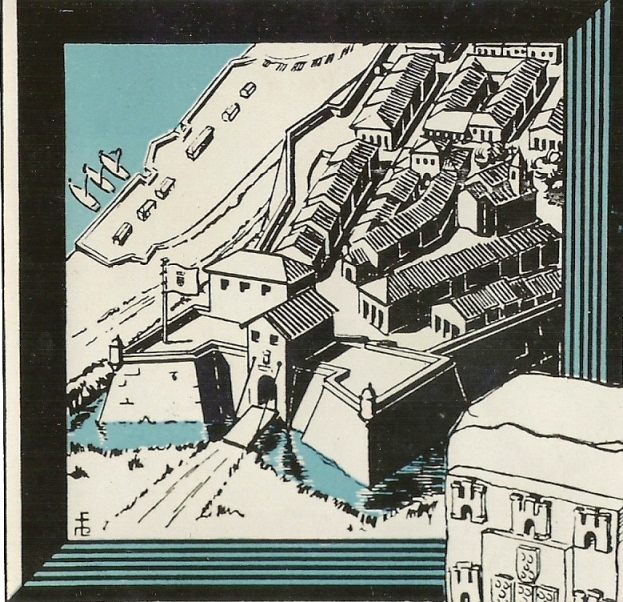
Salvador da Bahia_a print of the city as it might have looked during the 17th century_by Paulo Lachenmeyer
Gregório de Matos
Diagnosis of the ailments that left the Body of the Republic – and all its limbs – ill; and a complete definition of what at all times is Bahia
.
What’s missing in this city?…The Truth.
What more is there gives it dishonour?… Honour.
Is there anything left to blame? – Shame.
.
Regardless of its great fame,
The devil is now living
In this city that is missing
Truth, honour, shame.
What brought it so much pain?… Bargaining.
What caused such perdition?… Ambition.
And amidst this insanity?… Usury.
.
Amazing misadventure
Of an ignorant, sad people,
Who know very little but:
Bargaining, ambition, usury.
.
Which markets do they follow?… The Black Slave.
Which “goods”, not so hollow?… Mulattoes.
And they prefer which people?… Mestizos.
.
To the devil the ignoble,
To the devil all these asses,
Who prefer among all races:
The Negro, Mulatto, Mestizo.
.
Who makes the fines so stiff?… Bailiffs.
Who makes the food come later?… Jailers.
Who takes all for their families?…Deputies.
.
It’s we are taxed to eternity,
And the land is left there – starving,
When we hear them come a-knocking:
Bailiffs, jailers, deputies.
.
And what justice is left?… It’s a wreck.
Is it freely dispensed?… It’s for sale!
Why are people so scared?…’cause it’s fake.
.
Help me God, so I can take
what the King gives us for free;
our Justice is known to be
A wreck – and for sale – and fake.
.
What’s going on with the clergy?… Simony.
And the members of the Church?… Lust.
Is there anything left to see?… Yes – Envy.
.
The same old story
Still drives the Holy See:
What brings them to their knees is:
Simony, lust and envy.
.
Is their anything monks won’t shun?… It’s Nuns.
What occupies their evenings?… Bickering.
Entangled they get in disputes?… With Prostitutes!
.
I would rather be mute
Than to utter hard truths:
The profession of monks is:
Nuns, bickering – and prostitutes.
.
Has the sugar run out?… It’s down.
Have we got better luck?… Now it’s up.
Has the treasury been fed?… They’re dead.
.
Cidade-Bahia has known
What happens to the sickest:
They fall ill, they get fever;
They’re down, and it’s up – now they’re dead.
.
Parliament don’t help?… It can’t.
It don’t have the power?… It won’t.
And if government tries?… It dies.
.
Who would think that such lies
noble parliament drives,
in predicament finds, and still:
it can’t, it won’t – and it dies.
.
Portuguese to English translation: Daniel Vianna
. . .
Gregório de Matos
Juízo anatômico dos achaques que padecia o corpo da República em todos os membros, e inteira definição do que em todos os tempos é a Bahia
.
Que falta nesta cidade?… Verdade.
Que mais por sua desonra?… Honra.
Falta mais que se lhe ponha?… Vergonha.
.
O demo a viver se exponha,
Por mais que a fama a exalta,
Numa cidade onde falta
Verdade, honra, vergonha.
.
Quem a pôs neste rocrócio?… Negócio.
Quem causa tal perdição?… Ambição.
E no meio desta loucura?… Usura.
.
Notável desaventura
De um povo néscio e sandeu,
Que não sabe que perdeu
Negócio, ambição, usura.
.
Quais são seus doces objetos?… Pretos.
Tem outros bens mais maciços?… Mestiços.
Quais destes lhe são mais gratos?… Mulatos.
.
Dou ao Demo os insensatos,
Dou ao Demo o povo asnal,
Que estima por cabedal,
Pretos, mestiços, mulatos.
.
Quem faz os círios mesquinhos?… Meirinhos.
Quem faz as farinhas tardas?… Guardas.
Quem as tem nos aposentos?… Sargentos.
.
Os círios lá vem aos centos,
E a terra fica esfaimando,
Porque os vão atravessando
Meirinhos, guardas, sargentos.
.
E que justiça a resguarda?… Bastarda.
É grátis distribuída?… Vendida.
Que tem, que a todos assusta?… Injusta.
.
Valha-nos Deus, o que custa
O que El-Rei nos dá de graça.
Que anda a Justiça na praça
Bastarda, vendida, injusta.
Que vai pela clerezia?… Simonia.
E pelos membros da Igreja?… Inveja.
Cuidei que mais se lhe punha?… Unha
.
Sazonada caramunha,
Enfim, que na Santa Sé
O que mais se pratica é
Simonia, inveja e unha.
.
E nos frades há manqueiras?… Freiras.
Em que ocupam os serões?… Sermões.
Não se ocupam em disputas?… Putas.
.
Com palavras dissolutas
Me concluo na verdade,
Que as lidas todas de um frade
São freiras, sermões e putas.
.
O açúcar já acabou?… Baixou.
E o dinheiro se extinguiu?… Subiu.
Logo já convalesceu?… Morreu.
.
À Bahia aconteceu
O que a um doente acontece:
Cai na cama, e o mal cresce,
Baixou, subiu, morreu.
.
A Câmara não acode?… Não pode.
Pois não tem todo o poder?… Não quer.
É que o Governo a convence?… Não vence.
.
Quem haverá que tal pense,
Que uma câmara tão nobre,
Por ver-se mísera e pobre,
Não pode, não quer, não vence.
. . . . .
Gregório de Matos: Seeking Christ (Buscando a Cristo) / translation by Daniel Vianna
Posted: June 10, 2014 Filed under: English, Gregório de Matos, Portuguese, ZP Translator: Daniel Vianna Comments Off on Gregório de Matos: Seeking Christ (Buscando a Cristo) / translation by Daniel Vianna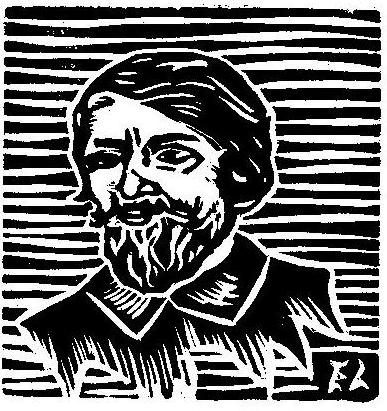
Gregório de Matos_xilogravura por Érick Lima
Gregório de Matos (1636-1696, Brazilian Baroque poet)
Seeking Christ
.
I run to your arms so sacred,
so bare on this holy cross;
Nailed open, there they greet me
– no, they do not chastise.
To your divine eyes, darkened,
that sweat, that blood, have opened;
To forgive me, have awoken,
and, closed, do not condemn.
.
To your nailed feet that don’t leave me,
To your blood, spilled, that cleanses me,
To your bowed head now calling me.
To your bared side I shall bind me,
I’ll fasten myself to those precious nails;
to be bound most firmly, and steady,
enduring as one – without fail.
.
Portuguese to English translation: Daniel Vianna
. . .
Gregório de Matos
Buscando a Cristo
.
A vós correndo vou, braços sagrados,
Nessa cruz sacrossanta descobertos
Que, para receber-me, estais abertos,
E, por não castigar-me, estais cravados.
.
A vós, divinos olhos, eclipsados
De tanto sangue e lágrimas abertos,
Pois, para perdoar-me, estais despertos,
E, por não condenar-me, estais fechados.
.
A vós, pregados pés, por não deixar-me,
A vós, sangue vertido, para ungir-me,
A vós, cabeça baixa, p’ra chamar-me
.
A vós, lado patente, quero unir-me,
A vós, cravos preciosos, quero atar-me,
Para ficar unido, atado e firme.
. . . . .
Juliane Okot Bitek: 100 Days: a poetic response to Wangechi Mutu’s #Kwibuka20#100 Days
Posted: May 31, 2014 Filed under: 7 GUEST EDITORS, Juliane Okot Bitek | Tags: May 2014 Zócalo Poets Guest Editor Juliane Okot Bitek Comments Off on Juliane Okot Bitek: 100 Days: a poetic response to Wangechi Mutu’s #Kwibuka20#100 Days
Wangechi Mutu_Day 100_Rwanda Genocide 20th anniversary
The Rwanda Genocide, twenty years later: 100 Days of photographs + poems by Wangechi Mutu and Juliane Okot Bitek
Posted: May 31, 2014 Filed under: 7 GUEST EDITORS, English, Juliane Okot Bitek | Tags: Wangechi Mutu: 100 days of photographs for The Rwanda Genocide Comments Off on The Rwanda Genocide, twenty years later: 100 Days of photographs + poems by Wangechi Mutu and Juliane Okot Bitek
Wangechi Mutu_Day 44_Rwanda Genocide 20th anniversary
The Rwanda Genocide (April to July, 1994) was one of the 20th century’s many horrific episodes in what has come to be known by the clinical phrase of “ethnic cleansing”. The Genocide was the culminating event in a civil war involving the Hutu, Tutsi, and Twa peoples, and 800,000 people were killed in a mere three months. Both perpetrators and victims have had to re-build their traumatized nation, coming face to face with each other’s capability for depravity and also with that miraculous human need to acknowledge what happened – and to forgive.
When I tell you that the photographs of Wangechi Mutu are poems I honour her visual artistry in the highest way I know how: to give it the name of that uniquely human skill – poem-making – that I value above all else. At Day 100 she commenced with a moving image of a clay-caked woman whose eyes were – mercifully – closed. Other human figures followed. Why were they all women? Was it because it is mainly men who do these mass-killings worldwide? Then came photographs of limbs – hands, feet, bodies bagged – and these are piercingly close to “documentary” photography.
But she goes further still with images completely devoid of people or their “parts”. These may be the most powerful of all. Because of the hand-drawn number cards placed somewhere within each photograph, these person-empty pictures seem to indicate that something we cannot look upon has been left out. My mind wanders toward a hacked-up body dumped at a building site or an abandoned lot; by a rusty gate or in the loneliest corner of a concrete yard.
.
Juliane Okot Bitek happened to see Wangechi’s first Instagram picture, Day 100, from April 6th, 2014 – that being the 20th anniversary of the beginning of those awful events of The Genocide. And she responded as only a poet might do: to commit to an epic poem-making journey for 100 numbered poems. If Wangechi’s pictures are raw or allusive, Juliane’s poems are everything that words are most suited for: questioning/wondering aloud; feeling all feelings, wherever they go / thinking all thoughts, though they be inconclusive. This is the very core of poetry, and there is no other kind of language that can handle such horror and humanly touch all the marks: to speak of the un-speakable. It is Poetry alone that best honours suffering, loss, shame, responsibility.
Wangechi Mutu and Juliane Okot Bitek are both African-born. Each has lived far away from the land of her birth for a long time now – Wangechi in Brooklyn, New York, and Juliane in Vancouver, British Columbia, Canada. Is it possible that the geographical distance each has achieved – from Kenya and Uganda respectively – both countries having felt seismic social effects from the terror of Rwanda’s Civil War – has helped them to turn Pain into Art? For this is, surely, one of the greatest goods of artistic achievement: to do something beautiful with our pain. These two artists – one a collagist and sculptor who is experimenting with photography for the first time, the other a poet who is creating epic poetry in real time – merge empathy, an imaginative rendering of the facts, and the search for meaning to create unique works-in-progress: call them 100 Days.
.
We invite our readers to scroll down through ZP May 2014 to read and reflect upon Juliane’s poems and to behold Wangechi’s photographs thus far. And to click on the links below and follow their journey through June and into July – until they have reached Day 1.
Alexander Best
Editor, Zócalo Poets
May 31st, 2014
. . .
https://www.facebook.com/hashtag/kwibuka20?source=feed_text&story_id=624576410970511
http://www.julianeokotbitek.com
. . .
Juliane Okot Bitek
100 Days: a poetic response to Wangechi Mutu’s #Kwibuka20#100 Days
.
Day 44
A hundred days of shallow breathing interspersed with deep sighs
A hundred days zooming into nothing
A hundred days of years and years that morphed into decades
of life as a gift, of life as worth living
A hundred days on a hundred days-ing, we weren’t counting
It wasn’t as if after all those days
a veil would lift and it would have taken just those days, nothing more
It wasn’t as if after all those days
there was a chance that normal would morph back
as if all the seeds that had sprouted in those one hundred days
would un-sprout themselves into nothingness
.
Day 45
We watched as faith crumbled off the walls in dull clumps
We watched as prayers dissipated into clouds which then returned as drizzle to mock us
Although sometimes it rained
& sometimes it rained hard, as if the earth was sobbing
but it was never so – the earth remained dispassionate to our circumstances
Eventually our superstitions burst like bubbles
or floated away like motes in the light
There was nothing left to hold on to, not even time which stretched and then crunched itself wilfully
Cats and dogs roamed about, feral and hungry,
People crouched in the shadows, not all feral and all the time hungry.
At a half past all time, even decay stopped for a moment
Ours remains Eden, not even a spate of killing can change that.
.
Day 46
If truth is to be known in order to be acknowledged, then this is the truth that we know:
we know the numbers
we know the number of days
we know the circumstances
where the machetes came from and who wielded them
where the dotted line was signed
we know who fled
who advanced while chanting our names out loud
the names they called us
and the papers and airwaves on which these names can still be found
we know who claim to be the winners & the victims
we know where the markers are for where we buried the children
we know the cyclical nature of these things
the impossibility of knowing everything that happened
we know that the true witnesses cannot speak
and that those who have words cannot articulate the inarticulable
we know that there are those who died without telling what they knew
we know that there are those who live without telling what they know
we know that some people choose to tell and some stories choose to remain untold
.
Day 47
I remember how my sister used to look up when she remembered
Sometimes she would have a small laugh before she started to recall a story
Often she’d be laughing so hard at the reveries that we all started to laugh
Soon enough we were all laughing so hard because she was laughing
And then she laughed because we laughed
And the memory of that story dissolved into the laughter and became infused with it
My sister is not here anymore
I wonder if she remembers laughing
I wonder if she remembers anything
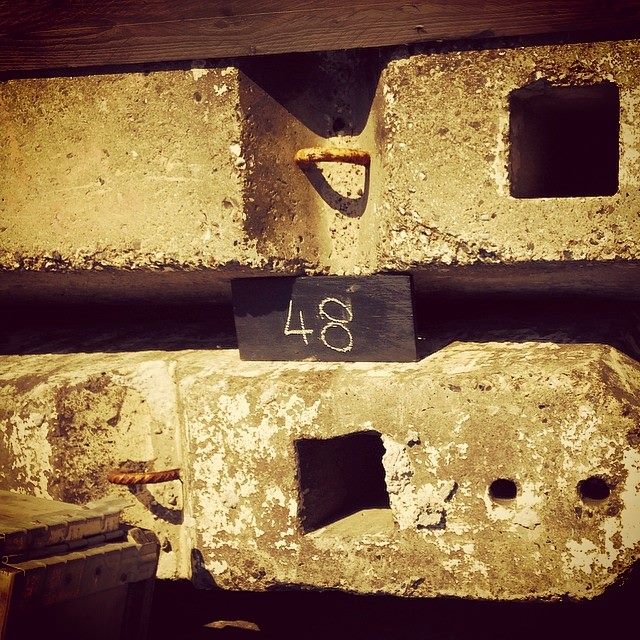
Wangechi Mutu_Day 48_Rwanda Genocide 20th anniversary
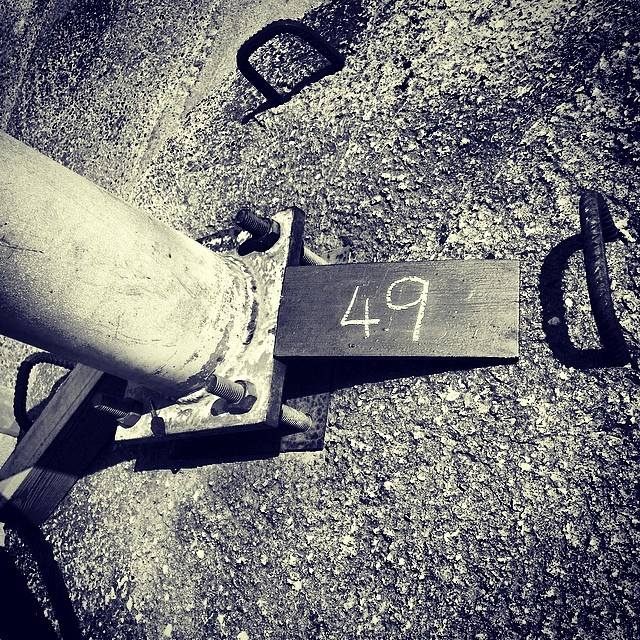
Wangechi Mutu_Day 49_Rwanda Genocide 20th anniversary
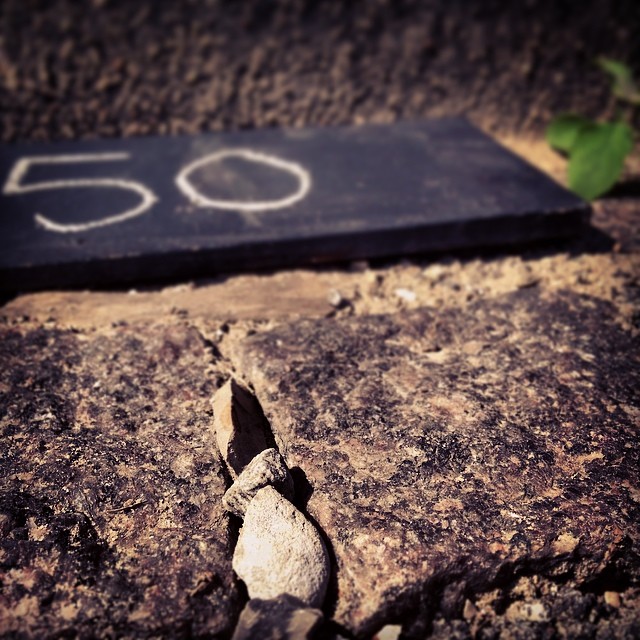
Wangechi Mutu_Day 50_Rwanda Genocide 20th anniversary
 Zócalo Poets