Jorge Luis Borges: “Tejas” / “Texas”
Posted: July 8, 2014 Filed under: English, Jorge Luis Borges, Spanish Comments Off on Jorge Luis Borges: “Tejas” / “Texas”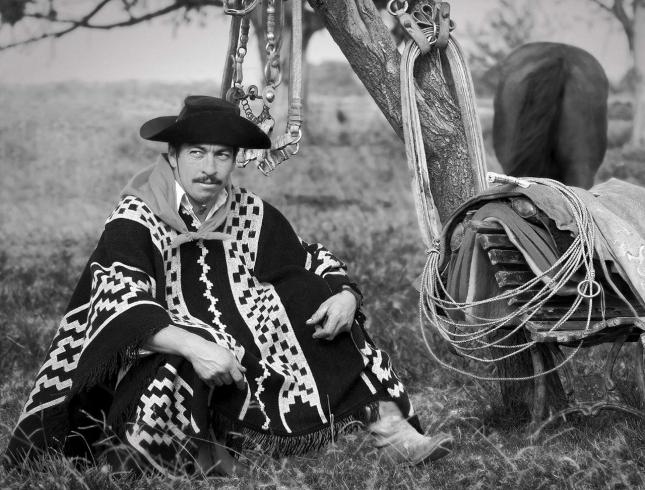
Foto romántica de un gaucho argentino estereotípico_Casi es una versión sudamericana del vaquero tejano. A romantic, stereotypical photograph of an Argentinian “gaucho”, the South-American counterpart to the Texas Cowboy.
Jorge Luis Borges
“Tejas”
.
Aquí también. Aquí, como en el otro
confín del continente, el infinito
campo en que muere solitario el grito;
aquí también el indio, el lazo, el potro.
Aquí también el pájaro secreto
que sobre los fragores de la historia
canta para una tarde y su memoria;
aquí también el místico alfabeto
de los astros, que hoy dictan a mi cálamo
nombres que el incesante laberinto
de los días no arrastra: San Jacinto
y esas otras Termópilas, el Álamo.
Aquí también esa desconocida
y ansiosa y breve cosa que es la vida.
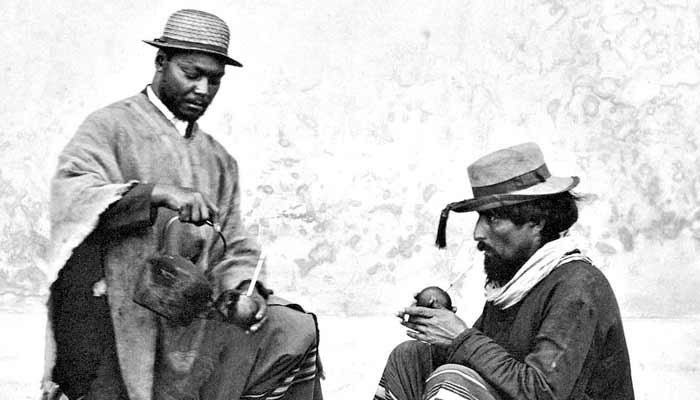
Dos gauchos de La Triple Frontera entre Argentina, Paraguay y Brasil_Bebiendo yerba mate_Vintage photograph of two “gauchos” drinking “yerba mate”
Jorge Luis Borges
(1899-1986, born Buenos Aires, Argentina)
“Texas”
.
And so it is here too. Here too, as at
the Americas’ other edge: the measureless
plain where a cry dies unattended. Yes,
here too, the Indian, mustang, lariat.
Here too the secret bird that ever yet
over the clamourings of history
sings for an evening and its memory;
here too the stars with mystic alphabet
that dictate to my writing hand below
such names, today, as the unceasing maze
of days and turning days does not displace,
as San Jacinto and the Alamo,
and such Thermopylaes. Here, too, is rife
with that brief unknown anxious thing called life.
. . .
Translation from the Spanish: A.Z. Foreman
Visit his site: http://poemsintranslation.blogspot.ca/
. . . . .
Alicia Claudia González Maveroff: Time / Tiempo
Posted: July 7, 2014 Filed under: Alicia Claudia González Maveroff, English, Spanish, ZP Translator: Alexander Best Comments Off on Alicia Claudia González Maveroff: Time / Tiempo
Alicia Claudia González Maveroff
Time
.
And Time passes by,
and that which one didn’t make happen
or say in the moment
can no longer be expressed,
for already its time has come and gone – and is lost.
.
And so, in this way you come to understand
that it’s not enough to just let Time slip by:
to lose opportunities;
to live without saying what it is one feels,
to live without allowing oneself happiness in its time.
.
You take the chance then to speak so as to
not lose any more Time.
And you know what? It’s not difficult to do this
– looking yourself in the eyes –
because it isn’t human frailty to describe your feelings.
.
There will be many more times when one says nothing,
as if it – what one longed to say – were not certain…
And Life passes by,
the same as I told you
Time passes by.
.
And one day, without your realizing it,
you will come and you won’t find me,
and that which you
couldn’t find the words for / didn’t know how to say,
well – you’ll’ve run out of Time…
Buenos Aires, 22/06/14
. . .
Alicia Claudia González Maveroff
Tiempo
.
Y el tiempo pasa
y lo que no se hizo
o dijo en su momento,
no puede ya expresarse,
pues ya perdió
su tiempo.
Y así comprendes
que no es adecuado
dejar pasar
el tiempo,
perder las oportunidades,
vivir sin permitirse decir
lo que se siente y ser feliz
a tiempo.
Y te arriesgas entonces
a hablar, a no perder
más tiempo.
Sabes, no es difícil hacerlo,
mirándose a los ojos.
Que no es fragilidad
describir sentimientos.
Más muchas veces,
no se dice nada, como si esto
no fuera cierto…
Y entonces la vida pasa,
como te cuento pasa
el tiempo.
Y un día sin saberlo,
vienes y no me encuentras,
y aquello que no se pudo
o no se supo decir,
ya no tiene
más tiempo…
Buenos Aires, 22/06/14
. . .
English interpretation from the original Spanish: Alexander Best
. . . . .
Vinícius de Moraes: Fidelidade, Separação, Intimidade: Three Sonnets
Posted: July 7, 2014 Filed under: English, Portuguese, Vinícius de Moraes Comments Off on Vinícius de Moraes: Fidelidade, Separação, Intimidade: Three Sonnets
Ipanema Beach in Rio, at sunset_vintage colour photograph from the 1960s
Vinícius de Moraes
(lyricist and poet, Rio de Janeiro, 1913-1980)
.
Sonnet on Fidelity
.
Above all, to my love I’ll be attentive
First, and always with such ardour, so much
That even when confronted by this great
Enchantment my thoughts ascend to more delight.
.
I want to live it through in each vain moment
And in its honour I must spread my song
And laugh with my delight and shed my tears
When she is sad or when she is contented.
.
And thus, when afterward comes looking for me
Who knows what death, anxiety of the living,
Who knows what loneliness, end of the loving,
.
I could say to myself of the love I had:
Let it not be immortal, since it is a flame
But let it be infinite – while it lasts.
. . .
Sonnet on Separation
.
Suddenly, laughter became sobbing
Silent and white like the mist
And united mouths became foam
And upturned hands became astonished.
.
Suddenly, the calm became the wind
That extinguished the last flame in the eyes
And passion became foreboding
And the still moment became drama.
.
Suddenly, no more than suddenly,
He who’d become a lover became sad
And he who’d become content became lonely.
.
The near became the distant friend
Life became a vagrant venture
– suddenly, no more than suddenly.
. . .
Sonnet on Intimacy
.
Farm afternoons, there’s much too much blue air.
I go out sometimes, follow the pasture track,
Chewing a blade of sticky grass, chest bare,
In threadbare pyjamas of three summers back,
.
To the little rivulets in the river-bed
For a drink of water, cold and musical,
And if I spot in the brush a glow of red,
A raspberry, spit its blood at the corral.
.
The smell of cow manure is delicious.
The cattle look at me unenviously
And when there comes a sudden stream and hiss
.
Accompanied by a look not unmalicious,
All of us, animals, unemotionally
Partake together of a pleasant piss.
. . .
Translations from Portuguese into English:
Ashley Brown (Fidelity, Separation) and Elizabeth Bishop (Intimacy)
. . .
Soneto de Fidelidade
.
De tudo, ao meu amor serei atento
Antes, e com tal zêlo, e sempre, e tanto
Que mesmo em face do maior encanto
Dêle se encante mais meu pensamento.
.
Quero vivê-lo em cada vão momento
E em seu louvor hei de espalhar meu canto
E rir meu riso e derramar meu pranto
Ao seu pesar ou seu contentamento.
.
E assim, quando mais tarde me procure
Quem sabe a morte, angústia de quem vive,
Quem sabe a solidão, fim de quem ama
.
Eu possa me dizer do amor (que tive):
Que não seja imortal, pôsto que é chama
Mas que seja infinito enquanto dure.
. . .
Soneto de Separação
.
De repente do riso fez-se o pranto
Silencioso e branco como a bruma
E das bocas unidas fez-se a espuma
E das mãos espalmadas fez-se o espanto.
.
De repente da calma fez-se o vento
Que dos olhos desfez a última chama
E da paixão fez-se o pressentimento
E do momento imóvel fez-se o drama.
.
De repente, não mais que de repente,
Fez-se de triste o que se fez amante
E de sozinho o que se fez contente.
.
Fez-se do amigo próximo o distante
Fez-se da vida uma aventura errante
De repente, não mais que de repente.
. . .
Soneto de Intimidade
.
Nas tardes da fazenda ha muito azul demais.
Eu saio as vezes, sigo pelo pasto, agora
Mastigando um capim, o peito nu de fora
No pijama irreal de ha três anos atrás.
.
Desço o rio no vau dos pequenos canais
Para ir beber na fonte a agua fria e sonora
E se encontro no mato o rubro de uma aurora
Vou cuspindo-lhe o sangue em torno dos currais.
.
Fico ali respirando o cheiro bom do estrume
Entre as vacas e os bois que me olham sem ciume
E quando por acaso uma mijada ferve
.
Seguida de um olhar não sem malícia e verve
Nos todos, animais, sem comoção nenhuma
Mijamos em comum numa festa de espuma.
. . .
These three sonnets were written in the late 1930s, when de Moraes was in his mid twenties. The poet would later become famous as the lyricist for the 1962 international bossa-nova hit song, A Garota de Ipanema (The Girl from Ipanema).
. . . . .
Ramadan Mubarek, My Gay Brothers and Sisters!
Posted: July 3, 2014 Filed under: IMAGES Comments Off on Ramadan Mubarek, My Gay Brothers and Sisters!
A young man who combines his Faith with High Self-Esteem – a winning combination. The first day of the holy Islamic month of Ramadan and Toronto’s World Pride Parade fell on the same day this year, Sunday, June 29th.
. . .
Love is a place
*
love is a place
& through this place of
love
move
(with brightness of peace)
all places
*
yes is a world
& in this world of
yes live
(skillfully curled)
all worlds
– E. E. Cummings
. . .

Cadernos Negros / Black Notebooks: Tadeu, Limeira, Kibuko, Cuti, Correia, de Assumpção
Posted: June 30, 2014 Filed under: English Comments Off on Cadernos Negros / Black Notebooks: Tadeu, Limeira, Kibuko, Cuti, Correia, de Assumpção
Teresinha Tadeu
Ruins
.
In my lyrics, you will be
asleep, stretched,
crazy, crazy…offensive,
embraced in rags.
.
In my lyrics, you will be
uncombed, sleepy,
wrapped up in the trash
surrounding you.
.
You will be with pleading hands
in a gesture of wetting your face
in a fetid pool.
.
And the ruins
on every side,
filling up the rest of the food,
invite the aura of forgotten insects.
.
Yes, you will be,
on the pages of a newspaper
used as a sleeping bed for dogs
– and others like you.
.
In the heart of a mother
who never imagined such a fate,
in the anguish of the poet
who wants you saved.
.
In my book, you will be
vertical or horizontal,
you will be in my lyrics.
And if I cannot save you,
I will versify you.
. . .
José Carlos Limeira
Bênção
.
I walk through these Pelourinhos
Lively still, although only in festive events
Polishing stones with tired feet
Carrying the weight of the future
Rastafaris engage in kisses with blondes in love
Breaking the ancient (bad) treaties
Blondes displacing Black women
Recent ancient multiple functions
Like the pioneers.
.
The coloured moon of the summer
Flows through beaks and dance
Many are the drums and hairdos
Between handcuffs, somewhat normalized
Breaking the lively rhythms
In the middle of anonymity
Cans of peanuts
Marketed by potential revolutionaries of tomorrow
Scattered all over the tables
Like the plantation of Bread.
.
In my heart is rekindled
A ghetto, an inspiration
Exchanged, and transformed by this computer screen
Where I type anguish and bitterness
Of this feast of shadows
Of resurrected mansions
About semi-human ghosts
Every bênção Tuesday.
. . .
Bênção – “Blessing”:
This is the weekly musical rehearsal organized by Afro-Brazilian carnaval groups to expose the public to their activities – especially the lyrics of their songs – in preparation for carnaval parades.
Pelourinho is an old quarter of the city of Salvador da Bahia, and was the site of slave trading /auctions, public whippings, etc.
. . .
Oubi Inaê Kibuko
Armed Poem
.
Let the poem come singing
to the contagious rhythm of the African drum
a forceful, hot song of
courage, affection, unity.
.
Let the poem come bearing the burden
of bitterness, pain,
hurts, fears,
scars, hunger.
.
Let the poem come armed
and shoot like a cold-blooded machine gun
fiery words of protest
words pregnant with ridges and daggers.
.
Let the poem come with foundation
bring along with its roots
building words,
cementing links,
doors, keys, ceilings, walls.
.
And solidly construct
a fortress of faith
in those who enrich
the army of the hopeless
.
In order that no wild animal
continue to jump over the stairs
at the expense of illusory necessities.
.
And that the practice is no longer tolerated
where through skin, sweat and blood
a walled-in people are sucked into
the plantation of exploitation!
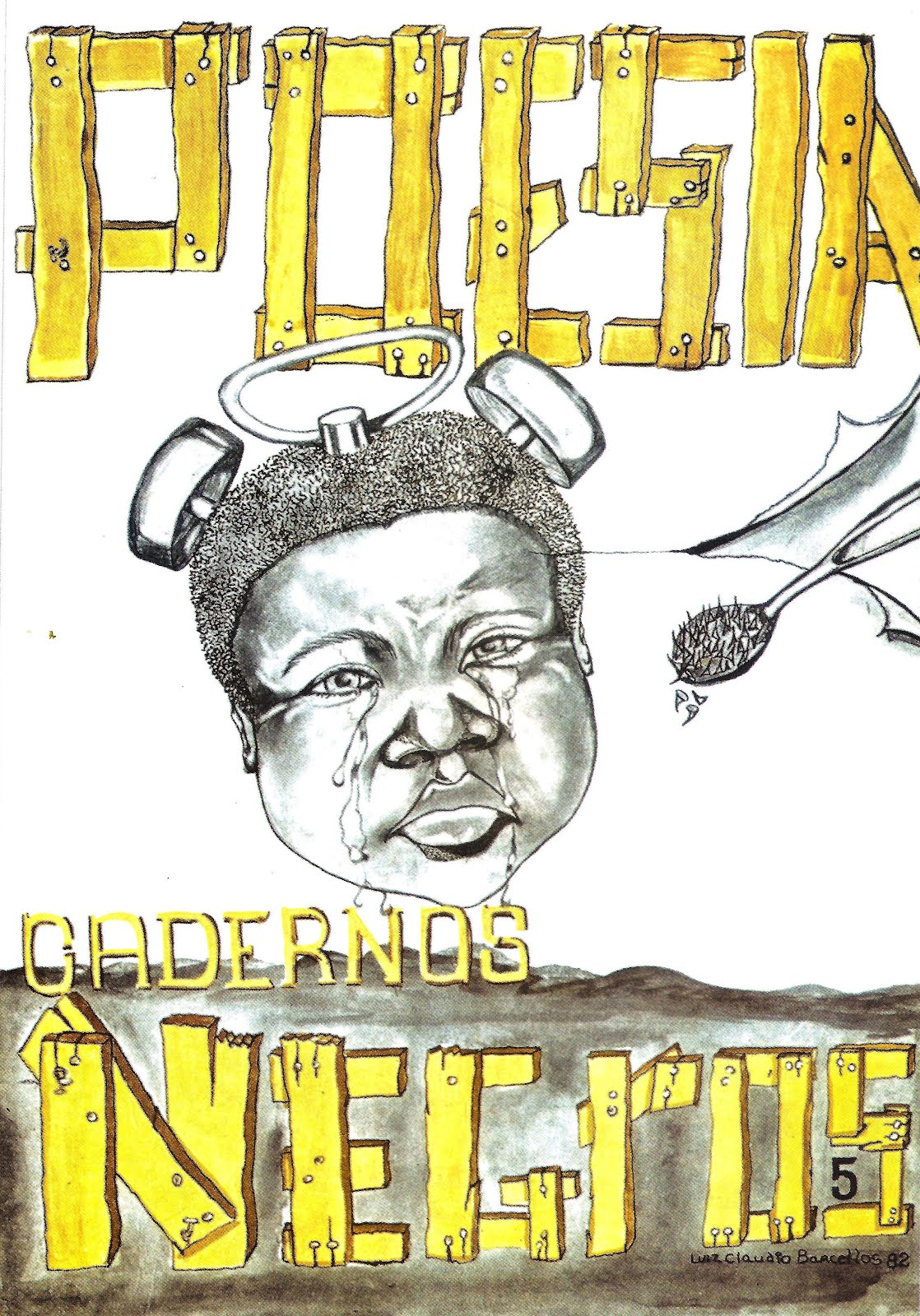
A Cadernos Negros journal from 1982
Cuti
Evil Eye
.
at times I am my own suspicious policeman
I ask myself for identity papers
and even after producing them
I arrest myself
and beat myself up.
.
at times I am my own gatekeeper
who refuses me entrance within myself
except
through the back door.
.
at times I am my own crime
a corpus of jurors
the punishment that comes with the verdict.
.
at times I am love that looks the other way
the evil eye
the strut
the primitive loneliness
that wraps me up with nothingness.
.
at times I am the crumbs I dreamed of and never ate
the other seen with eyes of shame evoking sadness.
.
one day I became abolition that suddenly gave me the drive
after a deposed emperor
the republic of heart-suckers
followed by a constitution promulgating me
at every instance
also the violence of an impulse that turns me
upside down
with whitewashed lime and plaster
I become.
.
at times I insist on not seeing myself
and filled up with their vision of me
I feel like misery conceptualized as an eternal
beginning.
.
I close down the circus
being the gesture that negates me
the pinga (alcohol) that I drink and that makes me drunk
and the finger that I use to point
and accuse
is also that point at which I surrender.
At times!
. . .
Lepe Correia
Stubborn Presence
.
I continue to believe in struggle
I do not speak just anywhere
I do not keep quiet at anyone’s insult
I am a being, a person like everyone
I am not an animal, a rare case
or a strange species
I am the response, the controversy, the deduction
The open door where discussions converge
I am the venomous snake: assault-ready
I am struggle, I am speech, the strike- ready
I am the boot on the chin of the shameless
I am the Black man on the streets of this country.
. . .
Carlos de Assumpção
Genealogy
.
I am the descendant of Zumbi
Zumbi is my father and guide
He sends me messages from the heavens
My teeth shine in the black night
Sharpened like the staff of Ogun.
.
I am the descendant of Zumbi
I am brave courageous noble
The cries of affliction of all
The oppressed people of the world
In my heart they flower
With the force of protest
They push me toward struggle they shake me up
.
I am the descendant of Zumbi
Zumbi is my father and guide
I bring Quilombo community and brave voices within me.
.
I bring strong tight fists
Joined together like rocks
Flowering like gardens.
. . .
Cadernos Negros (Black Notebooks) was an Afro-Brazilian literary movement begun by the Quilombhoje group in 1978. Several times a year they would produce a journal of poetry and prose informed by Black Pride and a Pan-African consciousness. Recent Cadernos Negros editors have included Márcio Barbosa and Esmeralda Ribeiro. The poems above were translated from Portuguese into English by Niyi Afolabi.
Castro Alves: “O Navo Negreiro” / “The Slave Ship”
Posted: June 28, 2014 Filed under: Castro Alves, English, Portuguese Comments Off on Castro Alves: “O Navo Negreiro” / “The Slave Ship”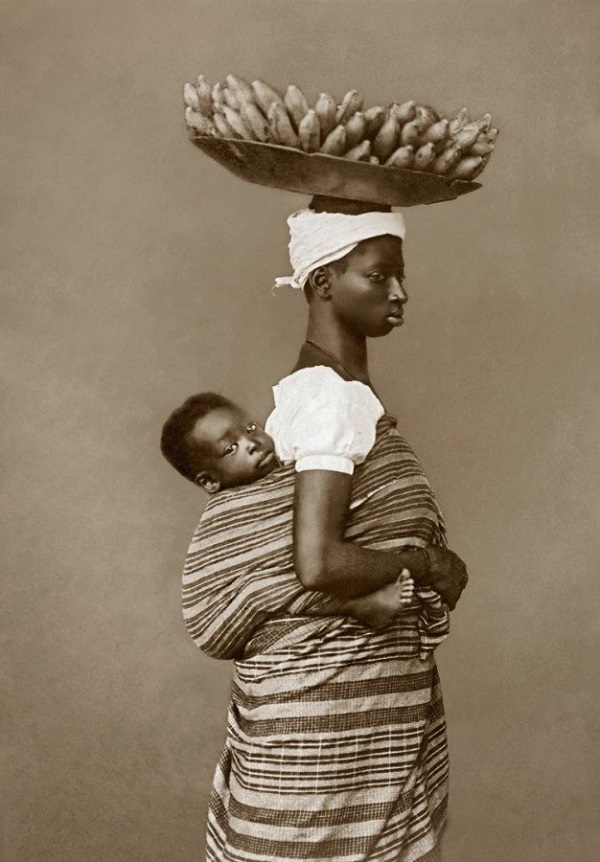
O Navio Negreiro é um poema de Castro Alves – e um dos mais conhecidos da literatura brasileira. O poema descreve com imagens e expressões terríveis a situação dos Africanos arrancados de suas terras, separados de suas famílias e tratados como animais nos “navios negreiros” que os traziam para ser propriedade de senhores e trabalhar sob as ordens dos feitores.
Foi escrito no ano de 1869, quando o poeta tinha vinte e dois anos de idade, e quase vinte anos depois da promulgação da Lei Eusébio de Queirós, que proibiu o tráfico de escravos (1850).
. . .
The Slave Ship (O Navo Negreiro) by Castro Alves is a classic of Late Romantic 19th-century poetry in Brazil. An ambitious, panoramic “story”, The Slave Ship shows a poet caught up in the great social/political theme of his time: Abolitionism – the movement to end Slavery. Written in 1869, this poem radiates all the idealism of youth – Alves was 22 – and is meant to agitate the reader through moral drama. O Navo Negreiro was not published till 1880, nine years after Castro Alves’ death from tuberculosis – he was 24 – in the city of Salvador da Bahia.
In 1888, Slavery was finally abolished in Brazil.
.
The use of slaves in Brazil began in the first half of the 16th century, and involved not the African “trade” but the Indigenous Peoples of Brazil. But by the second half of the 16th century the Portuguese colonists began a systematic importation of forced human labour via West African kingdoms. The sugar and coffee plantation economies – not to mention gold mining and cattle ranching – relied heavily on such regimented labour, although small “free” farmers existed too, though these mostly eked out a living in states such as Minas Gerais. Between 1600 and the mid-nineteenth century – when the “Middle Passage” trans-Atlantic slave trade was blockaded by the English navy – roughly 4 million Africans of various ethnicities and language groups had been brought to Brazil as slaves. Brazil’s importation of Africans for “use” in an economy that grew greatly because of a forced-labour economy was similar to the pattern of the U.S.A. – particularly during the 18th and 19th centuries.
. . .
Castro Alves (1847-1871)
O Navo Negreiro (1869)
‘Stamos em pleno mar… Doudo no espaço
Brinca o luar — dourada borboleta;
E as vagas após ele correm… cansam
Como turba de infantes inquieta.
‘Stamos em pleno mar… Do firmamento
Os astros saltam como espumas de ouro…
O mar em troca acende as ardentias,
— Constelações do liquido tesouro…
‘Stamos em pleno mar… Dois infinitos
Ali se estreitam num abraço insano,
Azuis, dourados, placidos, sublimes…
Qual dos dous é o céu? qual o oceano?…
‘Stamos em pleno mar. . . Abrindo as velas
Ao quente arfar das virações marinhas,
Veleiro brigue corre à flor dos mares,
Como roçam na vaga as andorinhas…
Donde vem? onde vai? Das naus errantes
Quem sabe o rumo se é tao grande o espaço?
Neste saara os corcéis o pó levantam,
Galopam, voam, mas nao deixam traço.
Bem feliz quem ali pode nest’hora
Sentir deste painel a majestade!
Embaixo — o mar em cima — o firmamento…
E no mar e no céu — a imensidade!
Oh! que doce harmonia traz-me a brisa!
Que música suave ao longe soa!
Meu Deus! como é sublime um canto ardente
Pelas vagas sem fim boiando à toa!
Homens do mar! ó rudes marinheiros,
Tostados pelo sol dos quatro mundos!
Crianças que a procela acalentara
No berço destes pélagos profundos!
Esperai! esperai! deixai que eu beba
Esta selvagem, livre poesia,
Orquestra — é o mar, que ruge pela proa,
E o vento, que nas cordas assobia…
Por que foges assim, barco ligeiro?
Por que foges do pavido poeta?
Oh! quem me dera acompanhar-te a esteira
Que semelha no mar — doudo cometa!
Albatroz! Albatroz! aguia do oceano,
Tu que dormes das nuvens entre as gazas,
Sacode as penas, Leviathan do espaço,
Albatroz! Albatroz! da-me estas asas.
. . .
Que importa do nauta o berço,
Donde é filho, qual seu lar?
Ama a cadência do verso
Que lhe ensina o velho mar!
Cantai! que a morte é divina!
Resvala o brigue à bolina
Como golfinho veloz.
Presa ao mastro da mezena
Saudosa bandeira acena
As vagas que deixa após.
Do Espanhol as cantilenas
Requebradas de langor,
Lembram as moças morenas,
As andaluzas em flor!
Da Italia o filho indolente
Canta Veneza dormente,
— Terra de amor e traiçao,
Ou do golfo no regaço
Relembra os versos de Tasso,
Junto às lavas do vulcao?
O Inglês — marinheiro frio,
Que ao nascer no mar se achou,
(Porque a Inglaterra é um navio,
Que Deus na Mancha ancorou),
Rijo entoa patrias glóorias,
Lembrando, orgulhoso, históorias
De Nelson e de Aboukir.. .
O Francês — predestinado —
Canta os louros do passado
E os loureiros do porvir!
Os marinheiros Helenos,
Que a vaga jônia criou,
Belos piratas morenos
Do mar que Ulisses cortou,
Homens que Fidias talhara,
Vao cantando em noite clara
Versos que Homero gemeu…
Nautas de todas as plagas,
Vós sabeis achar nas vagas
As melodias do céu!…
Desce do espaço imenso, ó aguia do oceano!
Desce mais… inda mais… nao pode olhar humano
Como o teu mergulhar no brigue voador!
Mas que vejo eu ai… Que quadro d’amarguras!
É canto funeral!… Que tétricas figuras!…
Que cena infame e vil… Meu Deus! Meu Deus! Que horror!
. . .
Era um sonho dantesco… o tombadilho
Que das luzernas avermelha o brilho.
Em sangue a se banhar.
Tinir de ferros… estalar de açoite…
Legiões de homens negros como a noite,
Horrendos a dançar…
Negras mulheres, suspendendo às tetas
Magras crianças, cujas bocas pretas
Rega o sangue das maes:
Outras moças, mas nuas e espantadas,
No turbilhao de espectros arrastadas,
Em ânsia e magoa vas!
E ri-se a orquestra irônica, estridente…
E da ronda fantastica a serpente
Faz doudas espirais…
Se o velho arqueja, se no chao resvala,
Ouvem-se gritos… o chicote estala.
E voam mais e mais…
Presa nos elos de uma só cadeia,
A multidao faminta cambaleia,
E chora e dança ali!
Um de raiva delira, outro enlouquece,
Outro, que martirios embrutece,
Cantando, geme e ri!
No entanto o capitao manda a manobra,
E após fitando o céu que se desdobra,
Tão puro sobre o mar,
Diz do fumo entre os densos nevoeiros:
“Vibrai rijo o chicote, marinheiros!
Fazei-os mais dançar!…”
E ri-se a orquestra irônica, estridente. . .
E da ronda fantastica a serpente
Faz doudas espirais…
Qual um sonho dantesco as sombras voam!…
Gritos, ais, maldiçõoes, preces ressoam!
E ri-se Satanas!…
. . .
Senhor Deus dos desgraçados!
Dizei-me vós, Senhor Deus!
Se é loucura… se é verdade
Tanto horror perante os céus?!
O mar, por que nao apagas
Co’a esponja de tuas vagas
De teu manto este borrao?…
Astros! noites! tempestades!
Rolai das imensidades!
Varrei os mares, tufao!
Quem sao estes desgraçados
Que nao encontram em vos
Mais que o rir calmo da turba
Que excita a fúria do algoz?
Quem sao? Se a estrela se cala,
Se a vaga à pressa resvala
Como um cumplice fugaz,
Perante a noite confusa…
Dize-o tu, severa Musa,
Musa libérrima, audaz!…
Sao os filhos do deserto,
Onde a terra esposa a luz.
Onde vive em campo aberto
A tribo dos homens nus…
Sao os guerreiros ousados
Que com os tigres mosqueados
Combatem na solidao.
Ontem simples, fortes, bravos.
Hoje miseros escravos,
Sem luz, sem ar, sem razao. . .
Sao mulheres desgraçadas,
Como Agar o foi também.
Que sedentas, alquebradas,
De longe… bem longe vêm…
Trazendo com tibios passos,
Filhos e algemas nos braços,
N’alma — lagrimas e fel…
Como Agar sofrendo tanto,
Que nem o leite de pranto
Têm que dar para Ismael.
Lá nas areias infindas,
Das palmeiras no pais,
Nasceram crianças lindas,
Viveram moças gentis…
Passa um dia a caravana,
Quando a virgem na cabana
Cisma da noite nos véus…
… Adeus, ó choça do monte,
… Adeus, palmeiras da fonte!…
… Adeus, amores… adeus!…
Depois, o areal extenso…
Depois, o oceano de pó..
Depois no horizonte imenso
Desertos… desertos só…
E a fome, o cansaço, a sede…
Ai! quanto infeliz que cede,
E cai p’ra nao mais s’erguer!…
Vaga um lugar na cadeia,
Mas o chacal sobre a areia
Acha um corpo que roer.
Ontem a Serra Leoa,
A guerra, a caça ao leao,
O sono dormido à toa
Sob as tendas d’amplidao?
Hoje… o porao negro, fundo,
Infecto, apertado, imundo,
Tendo a peste por jaguar…
E o sono sempre cortado
Pelo arranco de um finado,
E o baque de um corpo ao mar…
Ontem plena liberdade,
A vontade por poder…
Hoje… cúum’lo de maldade,
Nem sao livres p’ra morrer. .
Prende-os a mesma corrente
— Férrea, lúgubre serpente —
Nas roscas da escravidao.
E assim zombando da morte,
Dança a lúgubre coorte
Ao som do açoute… Irrisao!…
Senhor Deus dos desgraçados!
Dizei-me vós, Senhor Deus,
Se eu deliro… ou se é verdade
Tanto horror perante os céus?!…
O mar, por que nao apagas
Co’a esponja de tuas vagas
Do teu manto este borrao?
Astros! noites! tempestades!
Rolai das imensidades!
Varrei os mares, tufao?…
. . .
Existe um povo que a bandeira empresta
P’ra cobrir tanta infâmia e cobardia!…
E deixa-a transformar-se nessa festa
Em manto impuro de bacante fria!…
Meu Deus! meu Deus! mas que bandeira é esta,
Que impudente na gavea tripudia?
Silêncio. Musa… chora, e chora tanto
Que o pavilhão se lave no teu pranto!…
Auriverde pendao de minha terra,
Que a brisa do Brasil beija e balança,
Estandarte que a luz do sol encerra
E as promessas divinas da esperança…
Tu que, da liberdade após a guerra,
Foste hasteado dos heróis na lança
Antes te houvessem roto na batalha,
Que servires a um povo de mortalha!…
Fatalidade atroz que a mente esmaga!
Extingue nesta hora o brigue imundo
O trilho que Colombo abriu nas vagas,
Como um iris no pélago profundo!
Mas é infâmia demais!… Da etérea plaga
Levantai-vos, heróis do Novo Mundo!
Andrada! arranca esse pendao dos ares!
Colombo! fecha a porta dos teus mares!
. . . . .
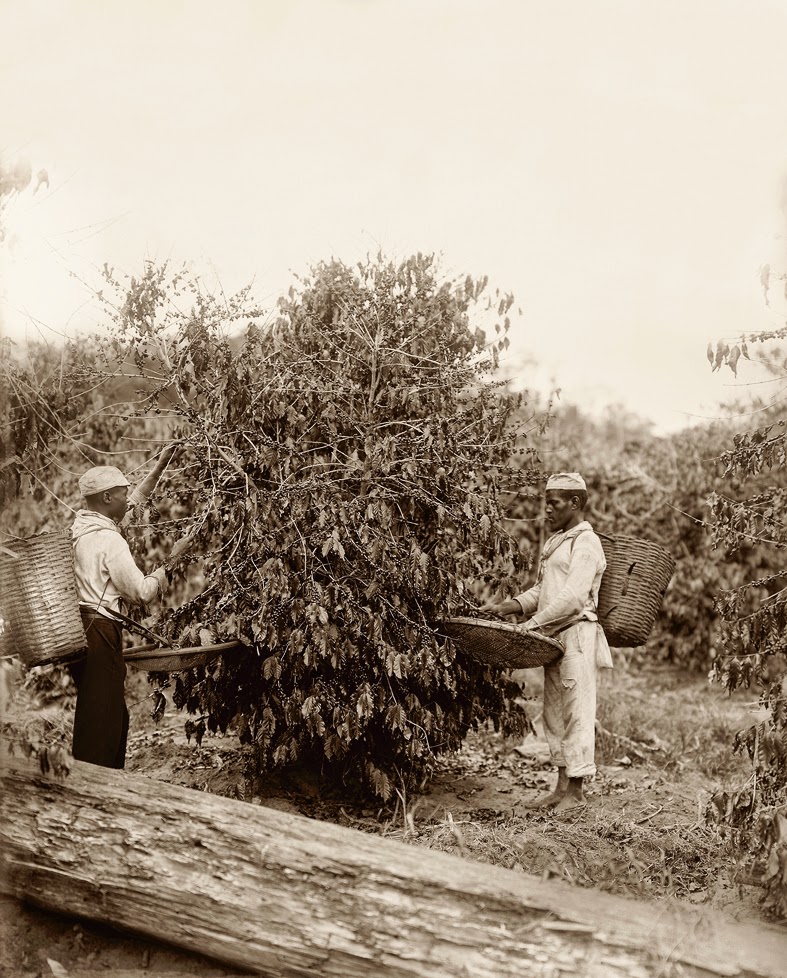
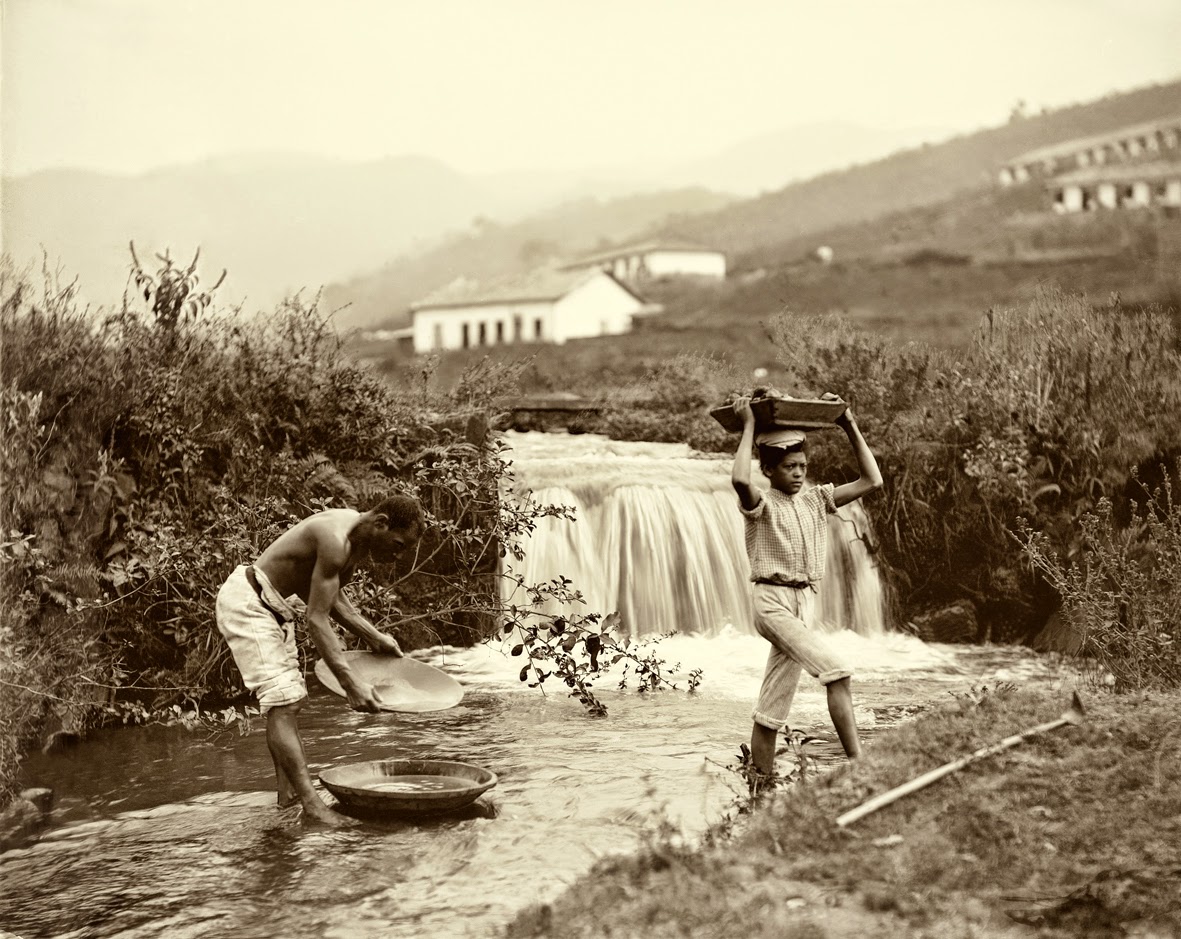
As fotografias são do acervo do Instituto Moreira Salles, algumas delas foram feitas há mais de 130 anos. A qualidade do material, tanto no sentido gráfico quanto em detalhes de comentários nas suas legendas, impressiona e aproxima aqueles que querem entender o cenário escravocrata brasileiro.
Elas datam entre 1860 e 1885, período em que movimento abolicionista tomou maiores proporções. São registros muitas vezes idealizados, de tom artístico, se assemelhando às pinturas da época. Diferente de alguns casos de propaganda abolicionista nos Estados Unidos, o objetivo dessas fotos não é denunciar barbaridades.
Verde – Negro / Green – Black
Posted: June 26, 2014 Filed under: English, Manuel Bandeira, Portuguese Comments Off on Verde – Negro / Green – Black
Verde – Negro
dever
de ver
tudo verde
tudo negro
verde-negro
muito verde
muito negro
ver de dia
ver de noite
verde noite
negro dia
verde-negro
verde vós
verem eles
virem eles
virdes vós
verem todos
tudo negro
tudo verde
verde–negro

Green – Black
green
grin
all green
all black
green-black
very green
very black
see the day
see the night
a green night
a black day
green-black
wait your turn
turn around
round the turn
I see
I agree
I am green
ay sí
I see all
all black
all green
green–black
. . . . .
Manuel Bandeira: “Down with the purists – Let’s hear it for all words !”
Posted: June 24, 2014 Filed under: English, Manuel Bandeira Comments Off on Manuel Bandeira: “Down with the purists – Let’s hear it for all words !”
Manuel Bandeira (1886-1968, Recife, Pernambuco, Brazil)
Dead of Night
.
Dead of night.
Near the lamp post
the toads gobble mosquitoes.
.
No one passes by on the street,
not even a drunk.
.
And still, there is somehow a procession of shadows,
shadows of all those who have passed by,
those who are still alive and those who are already dead.
.
The gutter is wet as if with tears.
The voice of the night…
(No, not this night, but another – larger.)
. . .
Café Moment
.
As the cortège passed by,
the men who at that moment were in the café
tipped their hats without thinking
in an automatic salute to the departed:
they were involved in life,
absorbed in life,
confident of life.
.
But one of them uncovered, in a grand gesture, slow and deliberate,
and stared after the coffin a long time.
This man knew how life is a torment,
savage and without purpose
– that life is a hoax,
and he saluted the body that passed by,
free, now and forever, of the extinguished soul.
. . .
Guinea Pig
.
When I was six years old,
they gave me a guinea pig.
What heartache it brought me –
all the little beast wanted to do was hide under the stove!
I brought it into the living room,
into the nicest, neatest parts of the house,
yet all it wanted was to hide under the stove.
It didn’t pay the slightest attention to any of my caresses.
.
That guinea pig was my first romance.
. . .
In the Mouth
.
These Carnival songs always seem so sad:
passion,
jealousy,
and the pain of what one cannot say.
.
Happily, there is always alcoholism.
And in those three days of Carnival, there is the perfumed ether
revelers squirt at each other.
My ambition is to be like that nutcase kid…
Last year he accosted the pretty women
asking for some of that ether
“In the mouth! In the mouth!”
Some turned away from him, repelled,
but some gave him what he asked for.
.
There are still women pure enough to want to please an addict.
.
Dorinha, my sweet…
If she were pure enough, I’d bawl at her just like that kid:
“In the mouth! In the mouth!”
. . .
Art of Love
.
If you want to know the happiness of Love, forget about your Soul.
The soul is what wastes love.
Only in God is it able to find satisfaction,
not in another soul.
Only in God – or out of this world.
Souls can’t communicate.
Let your Body get close to another Body,
because bodies get close: Souls don’t.
. . .
Satellite
.
Late afternoon.
In a leaden sky
the soiled Moon
hangs
very cosmographically –
a satellite.
.
No metaphor,
no myth,
stripped of its old secrets and melancholy,
no longer a gulf of dreams,
the star of lunatics and lovers,
but only what it is:
a satellite.
.
Ah, Moon of the late afternoon,
having quit your job as a romantic
without any care at all for your sentimental responsibilities…
.
But I, too, am weary of the hype,
and like you this way,
just as you are
– a satellite.

New Moon
.
My new room
faces east.
In my room, once again, I am mounted over the harbour entrance.
.
After ten years of a courtyard,
The dawn and I became reacquainted.
I can bathe my eyes again in the bloodless tides of sunrise.
.
Every morning, the airport across the road offers me lessons in
departure.
.
I shall learn with it
how to leave
one time –
without fear,
without remorse,
without regret.
.
Don’t think that I wait for the full moon,
that sun of dementia,
vague and noctambular.
What I want the most,
what I need the most,
is the new moon.
. . .
The Cactus
.
That cactus there reminded us of the strenuous gestures of statues:
Laocoön strangled by serpents,
Ugolino and his starving sons.
It evoked as well the dry Northeast, palm trees, sawgrass…
It was enormous, even for this exceptional and extravagant land.
.
One day, it was uprooted by a furious gale.
The cactus fell across the street,
smashed the eaves of houses on the other side,
blocked trolleys, wagons, cars, carriages,
and snapped power lines, depriving the city of
light and power
for twenty-four hours.
.
It was gorgeous, obdurate, and harsh.
. . .
Theme and Variations
.
But why should there be
so much suffering
if in the sky there is the slow
declension of the night?
.
But why should there be
so much suffering
if the wind out there
is a song of the night?
.
But why should there be
so much suffering
if into the dew now
the flower of night releases its perfume?
.
But why should there be
so much suffering
if my thought
rides free on the night?
. . .
Poetics
.
I’ve had it with diffident lyricism,
well-mannered lyricism,
the civil-servant’s lyricism that comes with a
time card, office procedures,
and expressions of esteem for the administrative director,
Sir.
I’ve had it with lyricism that has to stop in midstream to consult a dictionary
for the exact definition of a word.
Down with the purists!
.
Let’s hear it for all words, especially those that everyone screws up,
all the mangled constructions, and violations of syntax,
and the subtle rhythms that can’t be scanned.
.
I’ve had it with lounge-lizard lyricism,
political,
rachitical,
syphilitical,
all lyricism that yields to any outside influence.
.
Anyway, all this other stuff isn’t lyricism.
It’s accounting, it’s cosine tables, it’s handbooks for the would-be lover
with form letters and hints for more effective foreplay – and so on…
.
I prefer the lyricism of loonies,
the lyricism of drunkards,
the hard-earned, bitter lyricism of the drunkards,
the lyricism of Shakespeare’s clowns.
I want nothing more to do with any lyricism that isn’t liberation.
. . .
The Last Poem
.
This is how I want my last poem to be:
It should be gentle, so that it says the simplest, least calculated things
It should be ardent, like a sob too sudden for tears
It should have the beauty of a flower that has almost no scent
The purity of the flame that consumes the clearest diamonds
The passion of suicides who kill themselves without explanation.
. . .
All of the above translations from the Portuguese © David R. Slavitt (2002)
. . . . .
Poetas dos anos 90: “A margem das coisas” / “On the edge of things”: Ricardo Corona
Posted: June 24, 2014 Filed under: English, Portuguese Comments Off on Poetas dos anos 90: “A margem das coisas” / “On the edge of things”: Ricardo Corona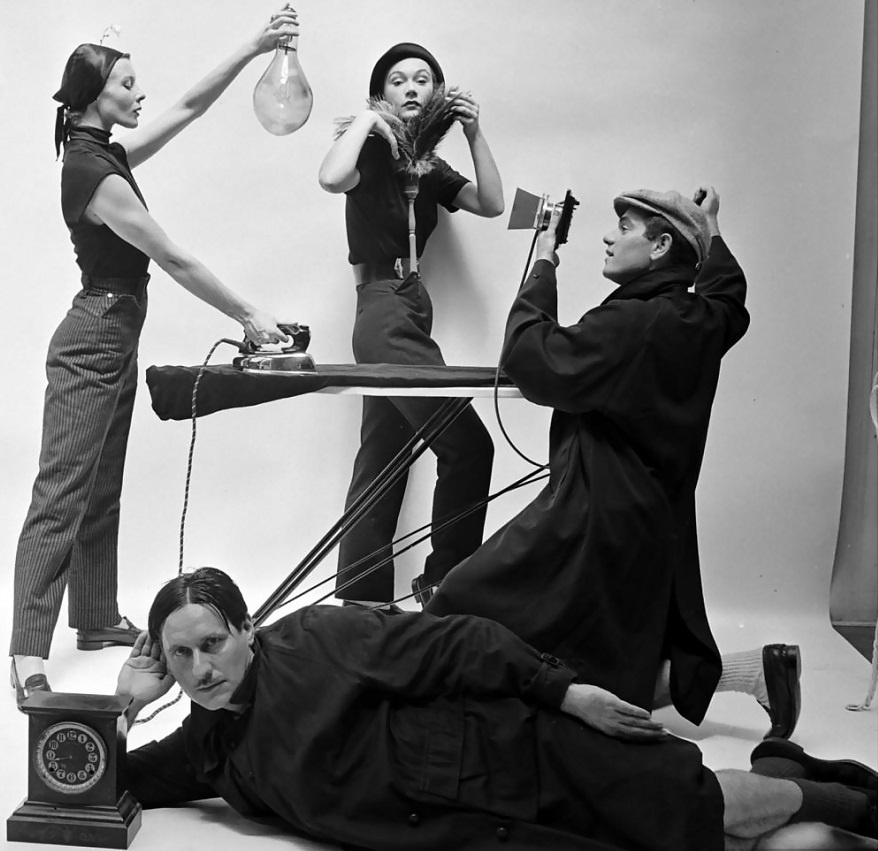
Ricardo Corona (born 1962, Curitiba, Paraná, Brazil)
On the Edge of All Things: A Song
(for Eliana)
.
I heard the hissing rustle of the liquid and sands as directed to me whispering to congratulate me.
Walt Whitman
.
I am on the edge
and here – in the atrium
of encounters – between feeling and seeing:
it vibrates, it frightens. Nothing is
empty now. The camera-eye clicks and leaks
spilling forth dizziness in a clip
of happening & landscapes,
memory chips. Everything passing,
passing – movies
: ex-foam
birds
fish
now a house twinkles
a drunken boat dances
the wind trembles a tree
wild waves rise up
smashing against the velvet rocks
wild waves slip away
licking my footprints
– I am no longer here –
and love
is no greater
or lesser
than the sea.
. . .
Na Margem de Todas as Coisas: Uma Canção
(para Eliana)
.
I heard the hissing rustle of the liquid and sands as directed to me whispering to congratulate me.
Walt Whitman
.
Estou na margem
e aqui – entre os, no atrito
dos encontros – sentir e ver:
vibra, apavora. Nada está
vazio agora. O olho-câmera clica e vaza
vertendo vertigens num clip
de lances & paisagens,
chips de memórias. Tudo passando,
passando – movies
: ex-espumas
pássaros
peixes
agora uma casa pisca
um barco bêbado dança
o vento arvora uma árvore
ondas loucas se erguem
despedaçando-se no veludo das pedras
ondas loucas deslizam
lambendo minhas pegadas
– não mais estou –
e o amor
não é maior
nem menor
que o mar.
.
Florianópolis, Praia dos Ingleses, 11.2.94
. . .
Translation from Portuguese to English © David William Foster and Maurício Arruda Mendonça
Photograph by Gordon Parks (1912-2006)
. . . . .
Poetas dos anos 90: “O halo da lucidez” / “The halo of lucidity”: Claudia Roquette-Pinto
Posted: June 24, 2014 Filed under: English, Portuguese Comments Off on Poetas dos anos 90: “O halo da lucidez” / “The halo of lucidity”: Claudia Roquette-Pinto
 Zócalo Poets