Jim Chuchu’s “Stories of our Lives” at InsideOut Toronto
Posted: May 24, 2015 Filed under: English | Tags: Sexual diversity in Kenya Comments Off on Jim Chuchu’s “Stories of our Lives” at InsideOut Toronto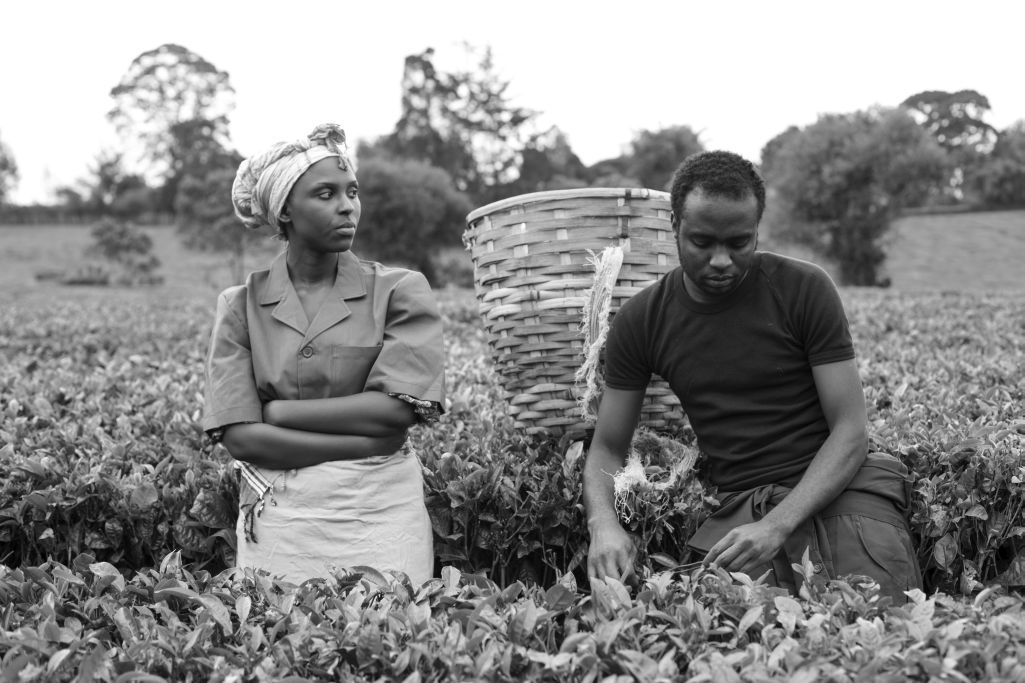
Jim Chuchu’s “Stories of our Lives”
.
It’s three days into Toronto’s 25th anniversary programme for the city’s annual LGBT film festival, InsideOut. Yesterday we attended a screening of a visually beautiful black and white film whose several “stories” were deeply moving. Directed by Kenyan film-maker Jim Chuchu (born 1982), working through Nairobi’s NEST Collective of artists, Chuchu’s film is one of the best we’ve seen about the dangers of – and the hope and beauty of – being lesbian or gay. First premiered at the Toronto International Film Festival in September of 2014, “Stories of our Lives” has the visceral force of early Spike Lee pictures, yet the complex nuances of the subject matter are handled with tenderness and exceptional grace. “Stories” possesses the profundity of a great poem; the actors know just how much to say or show – and when to hold back. The dialogue is in Kenya’s contemporary hybrid of Swahili and English – which is fascinating in itself.
. . .
The NEST Collective’s mission statement:
“The NEST is a Kenyan multidisciplinary collective working since 2012 with the aim of exploring our troubling modern identities, re-imagining our pasts and inhabiting mythical African futures.
The NEST Collective looks to create work within the fields of film, visual arts, music and fashion that begins conversations and stirs up dialogue amongst our communities and audiences. We live and work in Nairobi, a city buzzing with energy and potential, a city of purgatorial traffic jams, colour, dust and the Pursuit of Money. We try to create work that dissects our city and its relationships with modernity, its past, and the edges between its social layers and its citizens. Inevitably, we also find ourselves exploring, dissecting and subverting the layers of how Africans are Seen and Unseen, what Africans Can and Cannot Do, where Africans Can and Cannot Go, and What Africans Can and Cannot Say.”
. . .
Related Zócalo Poets features:
https://zocalopoets.com/2013/06/29/zwelethu-mthethwa-zanele-muholi-rotimi-fani-kayode-samuel-fosso-african-photographers-who-make-you-think/
.
https://zocalopoets.com/2013/06/29/loving-the-ladies-the-poems-of-pat-parker/
.
https://zocalopoets.com/2013/06/29/frank-mugisha-people-say-i-am-their-inspiration-but-they-are-an-inspiration-to-me-so-i-can-never-talk-about-leaving-the-country/
.
https://zocalopoets.com/2013/06/29/from-lagos-with-love-two-gay-poets/
.
https://zocalopoets.com/2013/06/18/baby-im-for-real-black-american-gay-poets-from-a-generation-ago/
. . . . .
Amy Lowell, Charles Cros, João Teixeira: “Lilacs” / “Lilas”
Posted: May 18, 2015 Filed under: Amy Lowell, English, French, Portuguese, Spanish Comments Off on Amy Lowell, Charles Cros, João Teixeira: “Lilacs” / “Lilas”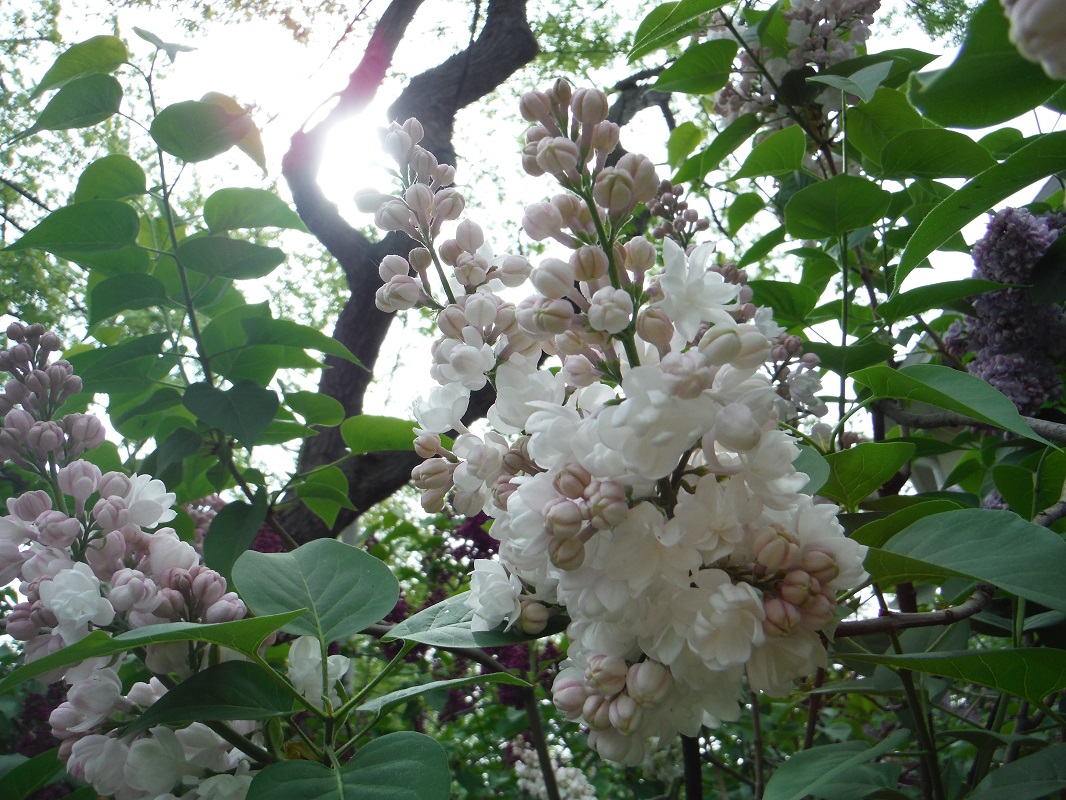
Extracto de “Lilas” por Amy Lowell (poetisa estadounidense, 1874-1925)
Versión de Michael Toora (2011)
.
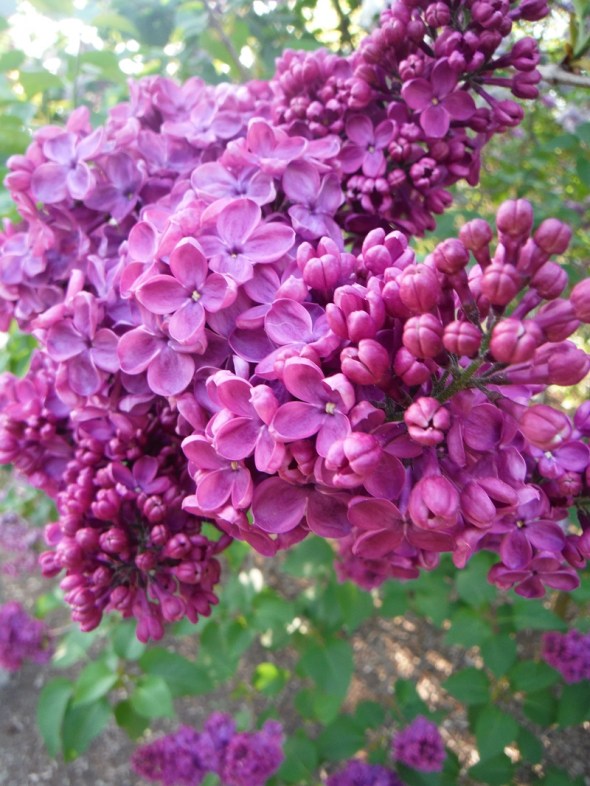
Lilacs / Lilas
False blue, / De un falso azul,
White, / Blancas,
Purple, / Moradas,
Colour of lilac, / De color lila,
You have forgotten your Eastern origin, / Habéis olvidado vuestro origen oriental,
The veiled women with eyes like panthers, / A las mujeres con velo y ojos de pantera,
The swollen, aggressive turbans of jeweled pashas. / A los hinchados y agresivos turbantes de enjoyados pachás.
Now you are a very decent flower, / Ahora sois una flor muy decente,
A reticent flower, / Una flor reticente,
A curiously clear-cut, candid flower, / Una flor curiosamente clara y candida,
Standing beside clean doorways, / De pie junto a portales limpios,
Friendly to a house-cat and a pair of spectacles, / Amiga del gato doméstico, y de un par de anteojos,
Making poetry out of a bit of moonlight / Convirtiendo en poesía un cachito de luz de luna
And a hundred or two sharp blossoms. / Y cien o doscientos flores estilosas.
 . . .
. . .
Charles Cros (poète français, 1842-1888)
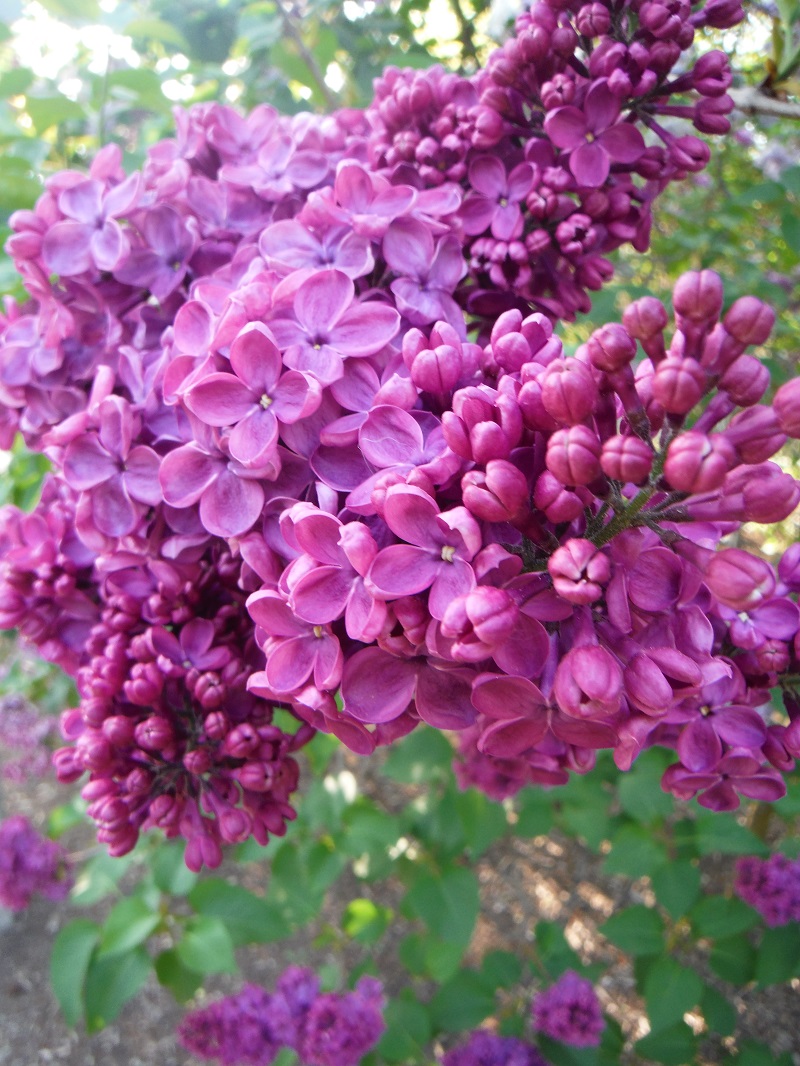
Lilas
.
Ma maîtresse me fait des scènes.
Paradis fleuri de lilas
Se viens humer tes odeurs saines.
.
Les moribonds disent : Hélas !
Les vieux disent des mots obscènes
Pour couvrir le bruit de leurs glas.
.
Dans le bois de pins et de chênes
Les obus jettent leurs éclats.
Victoire ? Défaite ? Phalènes.
Pluie améthyste les lilas,
Sans souci d’ambitions vaines,
Offrent aux plus gueux leurs galas.
.
La mer, les montagnes, les plaines,
Tout est oublié. Je suis las,
Las de la bêtise et des haines.
.
Mais mon coeur renaît aux lilas.
. . .
João de Sousa Teixeira (Brasil)
Lilás (2011)
.
Que flor é esta, assim-assim,
com o nome da coloração?
Os lilases deste jardim,
cores ou flores, o que são?
.
Neste enigma aparente
entre o ser e o que assemelha,
as dúvidas ficam p’ra gente
e todo o mel para a abelha…
. . . . .

Patti Masterman (contemporary U.S. poet)
The Lilac Tree
.
One day a lavender sheen appeared
Just across the worn out fence,
And thus she met the Lilac bush,
And she was then possessed of it.
.
That fall, at its earthly altar,
She did her sacrifice;
The corpse of hare and linnet,
And the unlucky field mice.
.
Come spring, she reaped the harvest;
The blooms were heavy, strong:
The odour of fresh Lilacs
About the breeze were blown.
.
Twelve years she served the Lilac,
No matter what the weather,
And at its gnarly feet were laid
Remains of bone and feather.
.
The twelfth year came, and she was ill,
She dragged herself beneath its leaves.
That spring was the most splendid yet;
In brilliant blooms, the branches grieved.
.
The Lilac never bloomed again,
It shut its face for fear of sun,
And those who’d thought to steal a bloom
In spring, found always there was none.
. . .
Walt Whitman (1819-1892)
When Lilacs last in the dooryard bloom’d
(Excerpt)
.
Passing the visions, passing the night,
Passing, unloosing the hold of my comrades’ hands,
Passing the song of the hermit bird and the tallying song of my soul,
Victorious song, death’s outlet song, yet varying ever-altering song,
As low and wailing, yet clear the notes, rising and falling, flooding the night,
Sadly sinking and fainting, as warning and warning, and yet again bursting with joy,
Covering the earth and filling the spread of the heaven,
As that powerful psalm in the night I heard from recesses,
Passing, I leave thee lilac with heart-shaped leaves,
I leave thee there in the door-yard, blooming, returning with spring.
. . . . .
Alexander Best: El arce en mi traspatio / The Maple tree in my backyard
Posted: May 11, 2015 Filed under: Alexander Best, English, Spanish | Tags: Poemas para el Cambio de Estaciones Comments Off on Alexander Best: El arce en mi traspatio / The Maple tree in my backyard
El arce sin hojas_22 de abril 2015

El arce echando hojas_1 de mayo…
Alexander Best
El arce en mi traspatio
.
Buenos días, Árbol…
Sí, has visto tanto:
canículas, tormentas,
tiempos congelados profundos que se quiebran.
¿Cuántos “anillos” hay dentro de tu tronco?
Un siglo y un cuarto – es lo que pienso.
Un retoño eras en mil novecientos,
y has aguantado nevascas y trueno.
En esos brazos amplios ellos viven y se jalan:
mapache en su siesta, ardilla y su nido;
pájaro-trepador al revés, pájaro-carpintero con su mazo;
y la pura voz del cardenal – el amante en su alba.
Eres escultura escueta; eres febrero en su rigor.
Eres junio, julio, y la fronda que timbra con
todas criaturas – incluyendo a mí;
tu paraguas – parasol – nosotros buscamos.
Octubre llega, y nos expones los colores más vívidos
– pues aúlla el aire.
.
Giran las estaciones, pero te mantienes en tus trece…
Árbol, me enseñas La Vida
– porque estoy listo ahora.
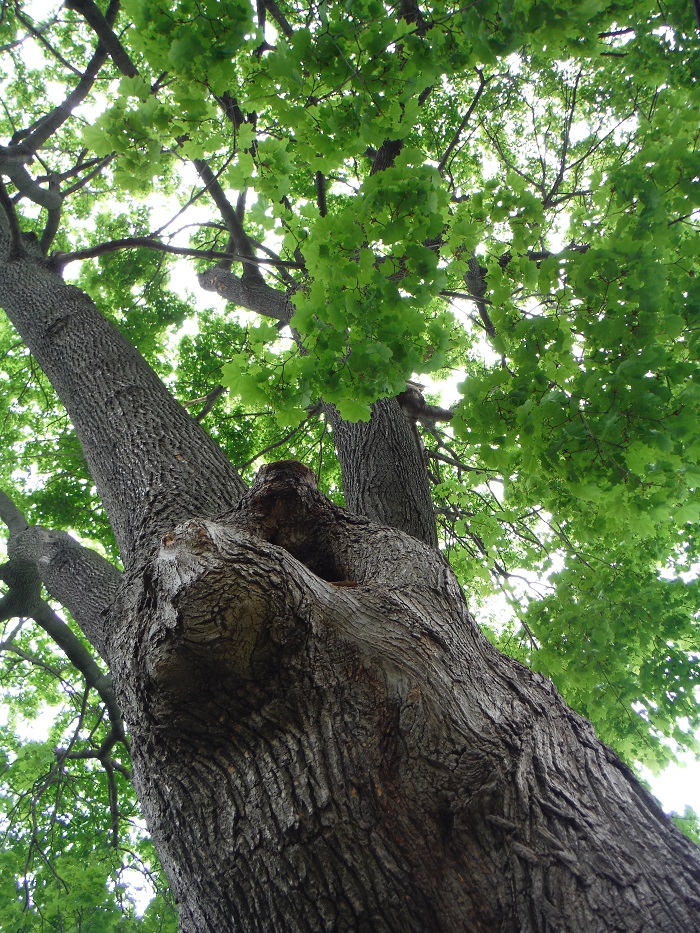
El arce echando hojas_11 de mayo…

El arce_enteramente echado de hojas_18.05.2015
Alexander Best
The Maple tree in my backyard
.
“Morning”, Tree… Yes, you’ve seen much:
heat waves, storms, deep freezes that crunch.
How many “rings” are there in your trunk?
A century – plus a quarter, I think.
Sapling you were in 1900,
and you’ve stood fast: hard blizzards and thunder.
In those broad arms they live and they scurry:
raccoon at siesta, the nesting squirrel;
upside-down nuthatch, a woodpecker’s hammer;
cardinal’s voice – the dawn-pure lover.
You’re sculpture, stark; you’re February strong;
in June and July that canopy rings
with birds and creatures – including me;
your umbrella – or parasol – all of us seek.
October comes, and you glorious show
most vividest colours – and then the winds howl.
Seasons revolve, yet steady you are:
Tree, you’re teaching me Life
– for now I am ready.
. . .
Otros ZP poemas sobre árboles / Other ZP poems about trees:
https://zocalopoets.com/category/poets-poetas/clovis-s-palmer/
. . . . .
Poemas para el Día de la Madre
Posted: May 10, 2015 Filed under: Spanish | Tags: Poemas para el Día de la Madre Comments Off on Poemas para el Día de la Madre
Jacobo Regen
Elegía
.
1.
Ibamos juntos, madre,
por una calle extraña
de una ciudad desconocida.
.
Los fanales temblaban
bajo la lluvia, iluminando rostros
que nunca vimos antes,
que no vemos ahora.
Nos miraban,
pero no lo advertíamos…
.
Con el dolor en alto
– que fue el único laurel para tu frente –
me absolvían tus ojos
de todo el desamor,
de la distancia
que puse entre tus sueños y mi vida.
.
2.
Yo no miro este cielo.
.
En cada nube, en cada gajo de inmensidad
hallaría un reproche
que desde el fondo de tu ausencia viene.
Porque de pronto escucho tu voz, tu voz lejana,
tu silencio,
y un sobrecogimiento de infinito tiembla en mi corazón.
.
Tú, sin embargo, me perdonas.
Y sigues, en mis sueños, envolviéndome
con tu mirada pura llena de luz sin fondo.
.
¿Por qué – me digo ahora –
por qué llega el amor cuando la rosa
sus cenizas esparce al firmamento?
.
Cuando se corporiza en el delirio
lo que vimos pasar como una sombra,
ebrios de nuestra muerte.
.
3.
Envuelta en una música doliente
llegas a mí de lejos, madre mía.
Y aunque no cantes tú, la melodía
vibra en mi corazón, llora en mi frente.
.
Pueblas mi sangre silenciosamente
y, al prolongarte en mí, soy tu agonía:
raído azogue, remembranza fría
de tanto amor y tanta luz ausente.
.
Madre, mi soledad a ti se aferra.
Nada me habita como tu recuerdo
por la infinita sombra iluminado.
.
Protégeme en las lindes de la tierra
donde sin causa ni razón me pierdo,
donde ya ni conmigo me he quedado.
. . .
Diana Raznovich
El Círculo
(A mi madre, Berta Schrager)
.
Yo viajaba en el centro de tus gestos.
Navegaba tu sangre.
Disfrutaba del Paraíso donde todo es cierto.
Vos fabricabas mi razón,
mis huesos,
la médula dorsal de mis secretos.
.
Yo lo recuerdo, madre.
O tal vez no. Tal vez no lo recuerdo.
.
Vos soñabas conmigo todo el tiempo.
Yo sería pianista:
fabricabas las manos del perfecto concierto.
Yo sería generosa y abierta:
Fabricabas un corazón espeso.
Me dabas las preguntas de un antiguo silencio.
.
Yo lo recuerdo, madre.
O tal vez no. Tal vez no lo recuerdo.
.
Yo colmada de todos los deseos
me bebía la noche inmemorial del universo.
Éramos el círculo feliz: la doble cara del espejo.
.
Yo lo recuerdo, madre.
O tal vez no. Tal vez no lo recuerdo.
. . .

Germán Berdiales
Mamita
.
Mamita, mamita,
si tú fueses árbol,
tu hijito en tus ramas
quisiera ser pájaro.
.
Si tú fueses río,
que va al mar cantando,
tu hijito en sus aguas
quisiera ser barco.
.
Mamita, mamita,
si fueses un río o fueses un árbol,
tú me acunarías
igual en tus brazos.
. . .
Rodolfo Alonso
Cantiga
.
El mar que madura
el dolor que ladra
.
Y nuestra madre
que nos hizo vivir.
.
La muerte que muerde
la vida que viene
.
Y nuestra madre
que nos hizo vivir.
.
La mano que manda
el amor que ama
.
Y nuestra madre
que nos hizo vivir.
. . .
Beatriz Vallejos
Mamá Teje
.
Sólo existen tus manos,
la hebra que trae, a cadencias,
el murmullo de un dialecto lejano.
Más allá del mar.
.
Al pie de la mecedora,
con la muñeca de ojos fijos
viajo contigo en tu ovillo.
.
Yo que soy una flor
en tus laderas de esmeralda
entiendo mirándote
el lenguaje de la bruma.
. . .
Juan José Hernández
La Madre
.
1.
.
Girasol de la siesta,
luz del verano,
y la fresca penumbra
que había en el cuarto.
Era el mundo
tu cuerpo moreno y ancho.
.
Los pájaros cantaban
– lenguas de llamas –
en sus jaulas de mimbre,
bajo la parra.
Era tu cuerpo el agua
de las tinajas.
.
Bostezaba la gata;
moscas pesadas
zumbaban en el vidrio
de la ventana.
(Sobre la almohada,
orquillas de tu pelo
desparramadas.)
.
2.
.
Vigilia perfumada
su obedencia de frutos
cada día.
.
A su amparo y volumen
despertaban los grandes
girasoles cautivos.
.
Certidumbre de ombligo
su claridad risueña
prometía.
.
Cuando la mecedora se apagaba
justo a los arcos de la galería,
.
de sus manos morenas, enlazadas,
la ternura del mundo descendía.
. . .
Alfonsina Storni
Palabras a mi Madre
.
No las grandes verdades yo te pregunto, que
No las contestarías; solamente investigo
Si, cuando me gestaste, la luna fue testigo,
Por los oscuros patios en flor, paseándose.
.
Y si, cuando en tu seno de fervores latinos,
Yo escuchando dormía, un ronco mar sonoro
Te adormeció las noches, y miraste en el oro
Del crepúsculo hundirse los pájaros marinos.
.
Porque mi alma es toda fantástica, viajera,
Y la envuelve una nube de locura ligera
Cuando la luna nueva sube al cielo azulino.
.
Y gusta, si el mar abre sus fuertes pebeteros,
Arrullada en un claro cantar de marineros
Mirar las grandes aves que pasan sin destino.
. . .
Osvaldo Rossler
Canto a la Madre
.
Madre,
tu hijo menor,
el ala más pequeña de tu carne,
te quiere hablar,
aunque no lo oigas, aunque mi llamado
quede tapado entre las cuatro
paredes que rodean mis días.
.
Madre de mis tinieblas,
madre de mi mediodía,
yo que fui tu vagido desde adentro,
tu ser más interior, tu anhelo máximo,
te quiero responder
aunque tú no hayas preguntado nada,
aunque tú seas una gran pregunta
que no exige respuesta.
.
Quiero hablarte, es decir, quiero nombrarte
con esta boca que es tu misma boca,
con este labio que copia la forma de tu labio,
con estas palabras
que desde antiguo han sido nuestro puente.
.
No puedo prescindir de tu presencia
porque aún mi sangre se nutre de la tuya,
porque todo mi ser sigue ligado
a la totalidad de tu existencia.
.
Cuando arranqué de ti, cuando dejé de ser
materia de tu fondo y fui el impulso carnal
originado por tu voluntad de vida,
no sabía de mí, me ignoraba por completo,
tú tenías, en cambio, la certeza
de mi reciente realidad,
la idea de conformar un bello destino.
.
Lo que era, madre, en esos días,
es casi semejante a lo de hoy,
porque nada ha cambiado,
porque se nace ya como se vive,
porque aquello que fui
no ha variado en el fondo.
.
Ah, no se trata de buscar
esa guarida de tu cuerpo,
se trata de vivir y de crecer,
se trata de insistir ante los otros,
porque la vida es esto: movimiento
de un cuerpo en otro cuerpo,
de un ser en otro ser que nos irradia.
.
Si te invoco
es porque quiero ahondar en este vínculo
que siendo el esencial
será el que aclarará mis fundamentos.
.
Por eso vuelvo a ti, toco tu imagen,
para intentar, para alcanzar
con el origen bien reconocido
la conquista final, esa conquista
de mí mismo que en ti halló la vida.
. . .
Selección de: “A la Madre”: Poemas elegidos por María Elena Walsh © 1981
. . .
https://zocalopoets.com/category/favourites-favoritos/mujer-y-de-la-casa-de-iemanja-por-audre-lorde-woman-and-from-the-house-of-yemanja-by-audre-lorde-favourites-favoritos-2/
. . . . .
James Baldwin: poemas de “Jimmy’s Blues” (1983)
Posted: May 8, 2015 Filed under: James Baldwin, Spanish, ZP Translator: Alexander Best Comments Off on James Baldwin: poemas de “Jimmy’s Blues” (1983)
James Baldwin (Novelista/ensayista/activista estadounidense, 1924-1987)
“Culpa, Deseo y Amor”
.
A la esquina oscura
donde la Culpa y el Deseo
están intentando sostenerle la mirada
– en breve, uno de ellos va prender un cigarillo
y aludir al próximo almacén abandonado –
pues el Amor llega, andando encorvado…
Un silencio detonado.
Y el Amor se para, un poco apartado de ellos,
pero visible en la luz amarilla, callado y humeante.
Mientras tanto, la Culpa y el Deseo discutían,
y intentaban no estar escuchado por este intruso…
.
Cada vez que el Deseo miró hacia el Amor,
esperando encontrar a un testigo,
pues la Culpa gritó más fuerte
– y agitó sus caderas –
y el fuego del cigarillo
amenazó a incendiarse el almacén.
.
El Deseo, en hecho, cruzó la calle, de vez en cuando,
para oír lo que diga el Amor…
Pero la Culpa paró una carga
de otra gente,
pues se arrodilló en el medio de la calle,
y,
mientras la carga de otra gente
huyeron la mirada y juraro que
no podían ver nada – y no aseverarían de ningún modo –
pues el Amor se alejó.
Y la Culpa logró, sobre el cuerpo en pie del Deseo,
ese alivio inflamatorio y pasajero que estampa su unión
(¿para siempre?)
y que crea un problema de tráfico
masivo.
. . .
“El Dador” (para Berdis)
.
Si la esperanza de regalando – dando –
es de amando a los vivos,
pues el dador arriesga la locura
en el acto de dar.
.
Esa lección yo vea
en las caras que me rodean.
.
Necesitadas, ciegas, sin esperanza, abajo,
¿Cuál regalo les daría el regalo ser regalados?
El dador también está a la deriva
como ellos que claman hacia el regalo.
.
Si no pueden reclamarlo, si no está allí,
si sus dedos vacíos golpean el aire vacío,
y el dador se arrodilla en oración
– comprende que todo su dar es dar para nada –
y que nada fue lo que pensaba,
y mueve en su cama culpable, para mirar
a las multitudes habreadas que se paran allí,
si él sube de su cama – para maldecir el cielo:
él debe comprender que
a todo aquel a quien se haya dado mucho, mucho se le demandará
– sacado de él, y justamente –
¡No puedo decirte cuánto debo!
. . .
¡Amén!
.
No, no siento la llegada de Muerte; siento su ida.
Ha lanzado su manos en el aire – por un rato –
y pienso que le conozco más bien que antes.
.
Esos brazos, me agarraban un ratito…
Pero, cuando nos encontramos de nuevo,
existirá entre nosotros
esa comprensión secreta.
. . .
[Del poemario Jimmy’s Blues (1983)]
. . .
Dr. Kenneth Clark y James Baldwin: entrevista de 1963, (en inglés, con subtítulos en español)
https://www.youtube.com/watch?v=WgaQ4W1IEis
. . . . .
James Baldwin: poems from “Jimmy’s Blues” (1983)
Posted: May 5, 2015 Filed under: A FEW FAVOURITES / UNA MUESTRA DE FAVORITOS, English, James Baldwin Comments Off on James Baldwin: poems from “Jimmy’s Blues” (1983)
James Baldwin in 1945_age 21
James Baldwin (American novelist, essayist, activist, 1924-1987)
“Guilt, Desire and Love”
.
At the dark street corner
where Guilt and Desire
are attempting to stare
each other down
(presently, one of them
will light a cigarette
and glance in the direction
of the abandoned warehouse)
Love came slouching along,
an exploded silence
standing a little apart
but visible anyway
in the yellow, silent, steaming light,
while Guilt and Desire wrangled,
trying not to be overheard
by this trespasser.
.
Each time Desire looked towards Love,
hoping to find a witness,
Guilt shouted louder
and shook them hips
and the fire of the cigarette
threatened to burn the warehouse down.
.
Desire actually started across the street,
time after time,
to hear what Love might have to say,
but Guilt flagged down a truckload
of other people
and knelt down in the middle of the street
and, while the truckload of other people
looked away, and swore that they
didn’t see nothing
and couldn’t testify nohow,
and Love moved out of sight,
Guilt accomplished upon the standing body
of Desire
the momentary, inflammatory soothing
which seals their union
(for ever?)
and creates a mighty traffic problem.
. . .
“Munich, Winter 1973” (for Y.S.)
.
In a strange house,
a strange bed
in a strange town,
a very strange me
is waiting for you.
.
Now
it is very early in the morning.
The silence is loud.
The baby is walking about
with his foaming bottle,
making strange sounds
and deciding, after all,
to be my friend.
.
You
arrive tonight.
.
How dull time is!
How empty—and yet,
since I am sitting here,
lying here,
walking up and down here,
waiting,
I see
that time’s cruel ability
to make one wait
is time’s reality.
.
I see your hair,
which I call red.
I lie here in this bed.
.
Someone teased me once,
a friend of ours—
saying that I saw your hair red
because I was not thinking
of the hair on your head.
.
Someone also told me,
a long time ago:
my father said to me,
It is a terrible thing,
son,
to fall into the hands of the living God.
Now,
I know what he was saying.
I could not have seen red
before finding myself
in this strange, this waiting bed.
Nor had my naked eye suggested
that colour was created
by the light falling, now,
on me,
in this strange bed,
waiting
where no one has ever rested!
.
The streets, I observe,
are wintry.
It feels like snow.
Starlings circle in the sky,
conspiring,
together, and alone,
unspeakable journeys
into and out of the light.
.
I know
I will see you tonight.
And snow
may fall
enough to freeze our tongues
and scald our eyes.
We may never be found again!
.
Just as the birds above our heads
circling
are singing,
knowing
that, in what lies before them,
the always unknown passage,
wind, water, air,
the failing light
the falling night
the blinding sun
they must get the journey done.
Listen.
They have winds and voices,
are making choices,
are using what they have.
They are aware
that, on long journeys,
each bears the other,
whirring,
stirring,
love occuring
in the middle of the terrifying air.
. . .
“Conundrum”
(on my birthday – for Rico)
.
Between holding on,
and letting go,
I wonder
how you know
the difference.
.
It must be something like
the difference
between heaven and hell,
but how, in advance,
can you tell?
.
If letting go
is saying no,
then what is holding on
saying?
.
Come.
Can anyone be held?
Can I – ?
The impossible conundrum,
the closed circle,
why
does lightning strike this house
and not another?
Or, is it true
that love is blind
until challenged by the drawbridge
of the mind?
.
But, saying that,
one’s forced to see one’s definitions
as unreal.
We do not know enough about the mind,
or how the conundrum of the imagination
dictates, discovers,
or can dismember what we feel,
or what we find.
.
Perhaps
one must learn to trust
one’s terror:
the holding on,
the letting go,
is error:
the lightning has no choice,
the whirlwind has one voice.
. . .
“Some Days” (for Paula)
1.
Some days worry
some days glad
some days
more than make you
mad.
Some days,
some days, more than
shine:
when you see what’s coming
on down the line!
2.
Some days you say,
oh, not me never – !
Some days you say
bless God forever.
Some days, you say,
curse God, and die,
and the day comes when you wrestle
with that lie.
Some days tussle
then some days groan
and some days
don’t even leave a bone.
Some days you hassle
all alone.
3.
I don’t know, sister,
what I’m saying,
nor do no man,
if he don’t be praying.
I know that love is the only answer
and the tight-rope lover
the only dancer.
When the lover come off the rope
today,
the net which holds him
is how we pray,
and not to God’s unknown,
but to each other – :
the falling mortal is our brother!
4.
Some days leave
some days grieve
some days you almost don’t believe.
Some days believe you,
some days don’t,
some days believe you
and you won’t.
Some days worry
some days mad
some days more than make you
glad.
Some days, some days,
more than shine,
witnesses,
coming on down the line!

“The Giver” (for Berdis)
.
If the hope of giving
is to love the living,
the giver risks madness
in the act of giving.
.
Some such lesson I seemed to see
in the faces that surrounded me.
.
Needy and blind, unhopeful, unlifted,
what gift would give them the gift to be gifted!
The giver is no less adrift
than those who are clamouring for the gift.
.
If they cannot claim it, if it is not there,
if their empty fingers beat the empty air,
and the giver goes down on his knees in prayer,
knows that all of his giving has been for naught,
and that nothing was ever what he thought,
and turns in his guilty bed to stare
at the starving multitudes standing there,
and rises from bed to curse at heaven,
he must yet understand that to whom much is given
much will be taken – and justly so:
I cannot tell how much I owe.


James Baldwin photographed in Saint Paul de Vence_France_late 1970s_ copyright Dmitri Kasterine
“Amen”
.
No, I don’t feel death coming.
I feel death going:
having thrown up his hands,
for the moment.
.
I feel like I know him
better than I did.
Those arms held me,
for a while,
and, when we meet again,
there will be that secret knowledge
between us.
. . .
“The darkest hour”
.
The darkest hour
is just before the dawn,
and that, I see,
which does not guarantee
power to draw the next breath,
nor abolish the suspicion
that the brightest hour
we will ever see
occurs just before we cease
to be.
. . .
James Baldwin is justly famous for the hard-hitting candour of his essays about race relations in his native U.S.A. during the final simmering decades of the “Jim Crow” era. The stepson of a Harlem pastor, yet openly gay abroad (France and Istanbul), Baldwin also wrote a small number of poems: the rare Gypsy manuscript from his youth, plus Jimmy’s Blues (published in 1983, from which the above have been chosen). His trademark searing honesty about how one will have no choice but to face Life combines with the cadences of a Black-American upbringing: the presence of the Blues and Gospel.
. . . . .
Lorna Goodison: “Mi Testamento”
Posted: May 4, 2015 Filed under: English, Lorna Goodison, Spanish, ZP Translator: Alexander Best Comments Off on Lorna Goodison: “Mi Testamento”
Lorna Goodison (poetisa jamaiquina, 1947)
Mi Testamento
.
Hijo,
eso es mi testamento
– aunque lo doy antes de tiempo –
dado que advinan para mí las quiromantes
una “línea” de vida muy prolongada.
Y además, ¿quién sabe si hubiere algo que vale legarte,
(si yo lo adquiera),
antes de mi “línea” de vida
se mueve poco a poco hasta el lado oscuro
de mi mano?
.
Pero, para comenzar:
el don para la música – de cantar,
esta fuente agradable y directa de liberación
yo no recibí,
entonces dejo para tí la esperanza que
Dios puede captar la indirecta.
.
Y pues:
el derecho de llamar a todos más mayores:
Señor, Señorita, también Doña,
por el amor extenso de nuestras formas más sencillas.
Pues:
Come el pan y la sal de cada día
dando gracias – y ¡qué nunca entiendas El Hambre!
.
También: los libros. (Quiero decir: el amor de libros.)
Y ojalá que se ganes – como yo he ganado – amigos auténticos…
Pero…por si acaso,
Ama los libros.
Porque, cuando el empastado de un libro se hace a pedacitos,
todavía pueda componerlo;
no es el caso con las amistades.
.
Ah, también:
no oro, nunca del oro.
Tanta gente mueren por el oro – ¡tanta matará por eso!
Y además, su rostro es demasiado audaz.
.
Esta comtemplación es la última que te daré:
la mayoría de veces deberías enseñar una pátina de tono más sutil,
pues,
cuando floreces
lo valorán.
.
(1985)
. . .
Lorna Goodison (Kingston, Jamaica, born 1947)
My Will
.
Son, my will:
albeit premature –
when the palm readers
divine
for me an extended
life line.
Besides, who knows what
worth bequeathing
I could acquire
before the life line
inches to the darker side
of my hand.
.
But, for a start:
the gift of song,
this sweet immediate source
of release was not given me,
so I leave it for you, in the hope
that God takes hints.
Then: the right to call
all older than you
Miss, mister, or mistress,
in the layered love of our
simplest ways;
eat each day’s salt and bread
with praise;
and may you never know hungry.
And books – I mean the love of them.
.
May you, like me, earn good
friends,
but just to be sure,
love books.
When bindings fall apart
they can be fixed;
you will find
that is not always so
with friendships.
.
And no gold.
Too many die / kill for it;
besides, its face is too bold.
.
This observation is the
last I give:
most times, assume a
patina a shade subdued,
so when you bloom
they will value it.
. . .
[“My Will” was first published in Jamaica Journal Quarterly (February-April 1985).]
. . . . .
May Day 2015
Posted: May 1, 2015 Filed under: IMAGES Comments Off on May Day 2015
Every year on May 1st grassroots organizations in Toronto rally and march to mark International Worker’s Day, for migrant and workers’ rights, and in support of Indigenous peoples’ struggles. Themed around the most pressing issues of the day and committed to ending oppression and exploitation, May Day unites us in our efforts toward self-determination and liberation. We continue this tradition in 2015, rallying and marching against colonial and capitalist attacks on our communities here, and against Canadian imperialism’s plunder and attacks upon peoples across the world.
This May Day, 2015, we are focusing on:
1. Indigenous sovereignty and self-determination
2. Migrant workers’ resistance to border imperialism
3. Solidarity with working class struggle globally
4. Anti-poverty and anti-austerity organizing
5. Student strikes and academic labour battles against neoliberalization
6. Environmental Justice
7. Militant rank and file labour movements
8. Gender Justice
. . .
http://maydaytoronto.nooneisillegal.org/
. . .
. . .
. . . . .

Martin Carter: poeta-activista de Guyana: “Estás involucrado”
Posted: April 29, 2015 Filed under: Martin Wylde Carter, Spanish, ZP Translator: Alexander Best | Tags: Poetas de Guyana Comments Off on Martin Carter: poeta-activista de Guyana: “Estás involucrado”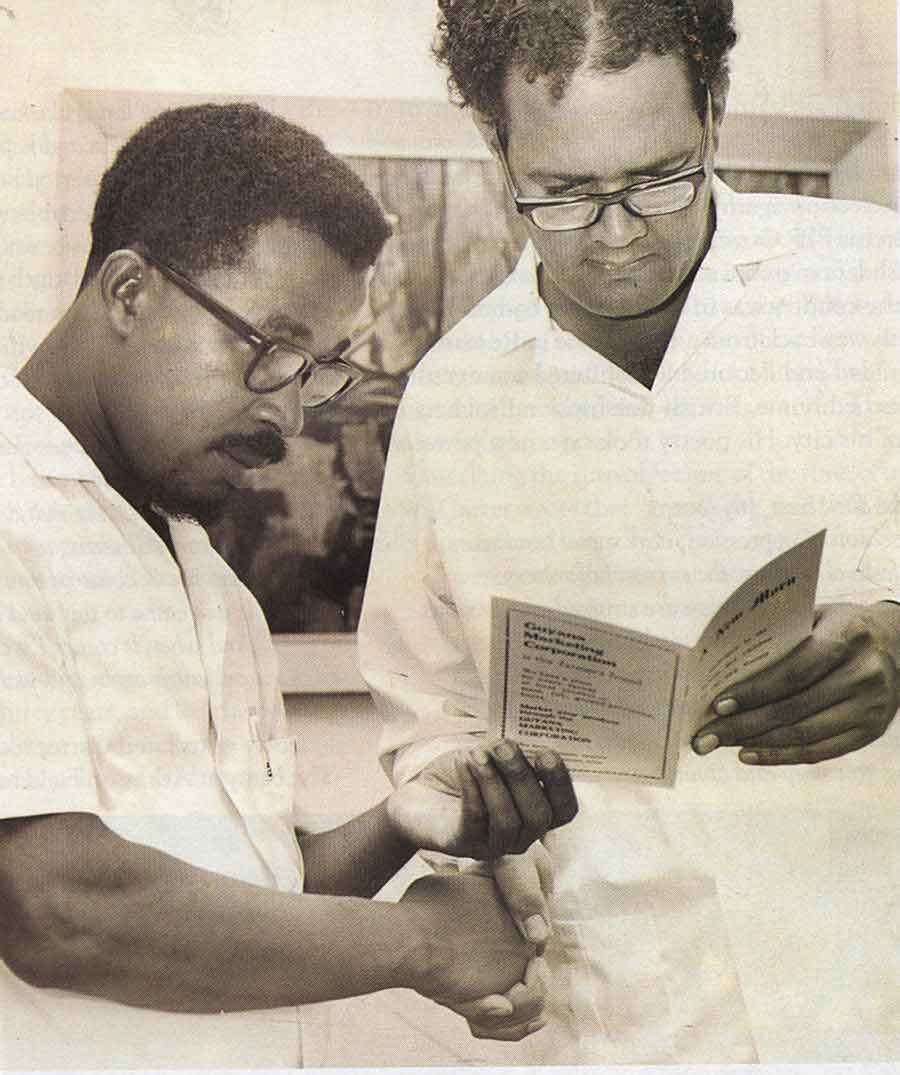
Martin Carter (al derecho) con un poeta-compañero Ernest Perry_Georgetown, Guyana
Martin Wylde Carter (poeta-activista de Guyana, 1927-1997)
“Ahora es el tiempo oscuro, mi Corazón”
.
Ahora es el tiempo oscuro, mi Corazón.
Mayates castaños están gateandos por todo el país.
Se esconde dentro del cielo el sol brillante.
Flores rojas se doblan en una tremenda pena.
.
Sí, Corazón – el tiempo oscuro…
Es la estación de tiranía, de metal negro, y de lágrimas.
Hay un festival de armas, un carnaval de miseria.
En todas partes, la cara de la gente está tenso, inquieto.
.
¿Quién está viniendo, caminando en la negrura de la noche?
¿De quién esa bota de acero que pisotea el fino césped?
Es el hombre de la muerte, mi Corazón,
el invasor extraño que te mira en tu reposo –
y él está apuntando a tu sueño.
. . .
“Estás involucrado”
.
Éso yo he aprendido:
hoy eres una mota, y
mañana – un héroe.
Pero…
héroe o monstruo – ¡estás devorado!
.
Como tiembla el telar la plantilla,
como teje un adorno la telaraña.
Estamos todos implicados – enredados –
¡todos están tomados!
. . .
“Dicen que yo soy…”
.
Dicen que soy un poeta escribiendo para ellos:
a veces yo río, a veces asiento con la cabeza – solemnemente.
No quiero mirarles a los ojos
no sea que chillaran pues escabullirse de mí.
.
No puede escribir el poeta para ellos que no piden su ser honrado – sino mentiras.
Porque los poemas están escritos para los moribundos o para los niños no nacidos
– no importa lo que digamos.
.
Pero su audiencia no existe, remota en una matriz o en algún lecho de agonía.
Solo quiere decir ésto:
nosotros que desean poemas de honradez,
tienen que volverse nacido de nuevo, y morir primero para hacer eso.
. . .
“Para un hombre que andaba de soslayo”
.
Orgulloso, descalzo, doy zancadas por la calle,
y él que quiere mi camisa – pues aggárela.
Solo recibe el dador.
El indeseado desea el mundo, y
el talón moreteado de su pie patea como un metéoro.
La oscuridad sombría atrás de la ilusión azul
se para como un altar en un templo de una tierra renunciada.
Ellos fracasaron como morir, entonces perecen desgarbadamente.
(Al menos Laocoonte, aún con todas las culebras, luchó bien…)
. . .
Martin Wylde Carter fue un poeta y activista guyanés.
Su obra Poemas de Resistencia (1954) lo consagró como una voz políticamente entregada por la lucha de descolonización y los derechos del trabajador pobre. Aunque en sus inicios su poesía estaba muy comprometida con los movimientos sociales, Carter evolucionó durante los años 60/70/80 hacia una lírica más personal.
. . . . .
 Zócalo Poets