Ciencia y Fe: dos poemas por Alicia Claudia González Maveroff
Posted: December 19, 2013 Filed under: Alicia Claudia González Maveroff, Spanish Comments Off on Ciencia y Fe: dos poemas por Alicia Claudia González Maveroff
La Cruz del Sur
Alicia Claudia González Maveroff
“Científico”
.
Ayer, aquí en Santiago, en otro barrio
allá por Los Trapenses,
conocí un señor, que juega con estrellas,
no las busca como yo con poesía,
las busca con su ciencia.
.
Para poder buscar a recorrido,
muchísimos kilómetros andando
ha marchado por el mundo con sus sueños
porque yo sé que aquel que piensa, sueña.
.
Ha llegado hasta el sur, al sur del mundo,
hasta el Polo Sur él ha llegado
a un lugar especial, donde se reúnen algunos,
a conciliar y a hacer crecer la ciencia.
.
Allí contó que en el frío y el silencio,
con noches largas que duraron meses,
ha pasado sus días trabajando y agrego yo,
también sonando.
.
Su sencillez y cálidas maneras
me acariciaron en el alma,
me hicieron disfrutar su compañía
ver que quien sabe, tiene
mas humildad, cuanto mas ha aprendido,
y entonces a veces, puede descubrir otras estrellas
– esas las que tenemos en el alma…
.
19 de diciembre, 2011
. . .
“Feliz Navidad a Todos”
.
Yo recuerdo de niña que rezaba
este pequeño verso todas las noches,
entonces contentayo me dormía:
“Niñito Jesús, ven a mi cama,
dame un besito – y hasta mañana.”
Hoy, cerca de Navidad, te pido, Niño,
que nadie se pierda de tu cariño,
Que todos tengan pan y algún amigo.
Que tu amor llegue pronto a todas las gentes
y que nadie con otro sea indiferente.
Que no sea en vano tu nacimiento,
que la Virgen nos de su amor de madre
y nos proteja.
Que este mundo extraño y tan perturbado,
se tranquilice hoy estando a tu lado.
Por eso yo te pido con alegría
que tu Paz llegue a todos en este día,
y que entre los hombres brille tu estrella.
.
“Paz a todos en todo el mundo”.
. . . . .
Buson: Haïku d’Hiver
Posted: December 15, 2013 Filed under: Buson, French | Tags: Haiku Comments Off on Buson: Haïku d’Hiver
Yosa Buson / 与謝 蕪村 (1716-1784)
.
dans la rivière hivernale
arraché et jeté
un navet rouge
.
le vent d’hiver
les rochers déchirent
le bruit de l’eau
.
lune froide
le gravier crisse
sous la chaussure
.
hiver désolé
noir de corbeau
neige d’aigrette
.
la tempête d’hiver
envoie les graviers faire sonner
la cloche
.
ombres d’hommes
semant de l’orge
dans les longs rayons du soleil couchant
.
avec mon chicot
je mords le pinceau gelé
dans la nuit
.
de la dent qui me reste
je mords le pinceau gelé
la nuit
.
Dans le clair de lune glacé
de petites pierres
crissent sous les pas
.
parmi les arbres de l’hiver
quand la hache s’enfonça,
l’odeur!
.
Qu’il est beau
le corbeau d’ordinaire haïssable
ce matin de neige!

. . . . .
Fuyugomori / 冬篭り : Issa’s Haiku of Winter Seclusion
Posted: December 13, 2013 Filed under: English, Issa, Japanese | Tags: Haiku Comments Off on Fuyugomori / 冬篭り : Issa’s Haiku of Winter Seclusion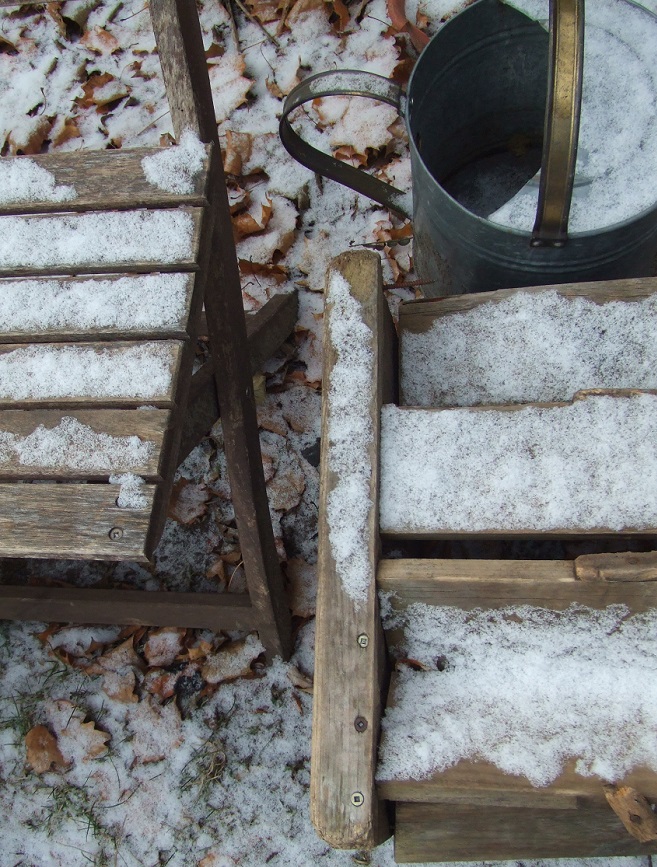
Toronto, Canada, December 2013…
The early arrival of not cold but unusually cold temperatures we associate with January – normally – may have people feeling sad – or feeling S.A.D. (Seasonal Affective Disorder). Well, poetry’s been there before; witness these Haiku composed two hundred years ago…
. . .
Kobayashi Issa / 小林 一茶 (Japanese poet and lay Buddhist priest, 1763-1828)
.
no nashi wa tsumi mo mata nashi fuyugomori
no good deeds
but also no sins…
winter isolation.
(1819)
.
asana-asana yaki daiko kana fuyugomori
morning after morning –
damn roasted radishes –
winter seclusion!
(1794)
.
fuyugomori akumono-gui no tsunori keri
winter seclusion…
on a foul food eating
binge.
(1821)
“Foul food” may have referred to cicada pupae or “bee worms” but might also have meant beef – something prohibited by Issa’s Buddhism.
.
he kurabe ga mata hajimaru zo fuyugomori
the farting contest
begins again…
winter confinement.
(1816)
.
hito soshiru kai ga tatsunari fuyugomori
another party held
to badmouth other people –
winter confinement.
(1822)
.
sewazuki ya fushô-bushô ni fuyugomori
the busy-body reluctantly
begins…
his winter seclusion.
(1825)
.
neko no ana kara mono wo kau samusa kana
buying from the peddlar
through the cat’s door…
it’s cold!
(1822)
.
fuyugomoru mo ichi nichi futsuka kana
one more day
of winter confinement…
makes two.
(1824)
. . . . .
Gabi Greve writes:
Fuyugomori / 冬篭り means “winter seclusion/isolation/confinement” in Japanese.
In rural Japan, especially in the Northern areas along the coast of the Sea of Japan, the winter was long and brought enormous amounts of snow. There was nothing much to do but wait it out. Farmhouses were difficult to heat and the family huddled around the hearth – irori – in the kitchen. Great endurance was required during such winter seasons.
Fuyugomori also may refer to cold-season hibernation – the habit of bears – and the “fantasy” of numerous Canadians at this time of year!
.

. . . . .
Primera nieve de la estación: Matsuo Bashō
Posted: December 11, 2013 Filed under: Bashō, Spanish | Tags: Haiku Comments Off on Primera nieve de la estación: Matsuo Bashō .
.
Matsuo Bashō / 松尾芭蕉 (1644-1694, poeta del haiku del período Edo de Japón)
. . .
Después de los crisantemos, / a excepción del largo nabo, / no hay nada.
.
A la intemperie / se va infiltrando el viento / hasta mi alma.
.
Sólo en invierno / un color tiene el mundo / y un son el viento.
.
Ahora, salimos / para disfrutar de la nieve … hasta que / resbalón y caída.
.
Hasta un caballo / Mis ojos se detienen en ello / Nieve por la mañana.
.
Sol invernal. / Montada en el caballo / mi sombra, helada.
.
El cuervo horrible / ¡qué hermoso esta mañana / sobre la nieve!
.
Hielo nocturno / me despierto / mi cántaro estalla.
.
La nieve que cae… / ¿es del otro / o de este año?
.
“A un amigo que entró en su choza luego de una nevada”:
¿Prendes el fuego? / Te mostraré una gran / bola de nieve.
. . .
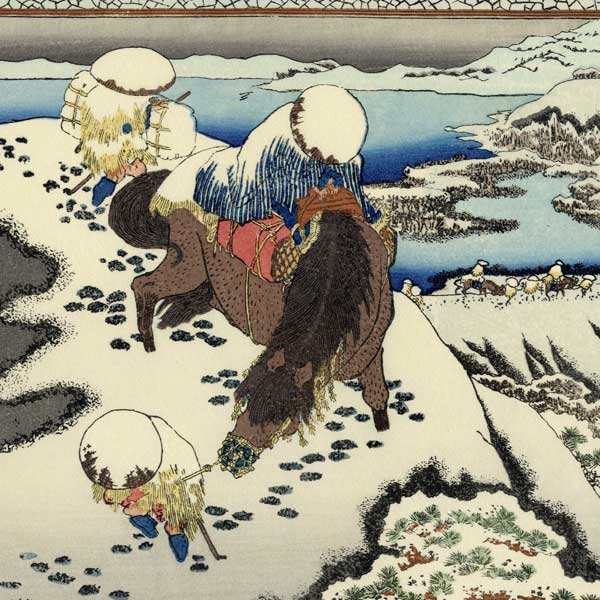
Viajeros en La Nieve por Hokusai, pintor y grabador japonés_1760-1849
“Sentient beings can get completely lost in it”: the erotic poems of Ikkyū
Posted: December 9, 2013 Filed under: English, Ikkyū | Tags: Erotic poetry Comments Off on “Sentient beings can get completely lost in it”: the erotic poems of Ikkyū
Ikkyū / 一休宗純 (Zen Buddhist monk, 1394-1481, Kyoto, Japan)
.
It is nice to get a glimpse of a lady bathing—
you scrubbed your flower face and cleansed your lovely body
while this old monk sat in the hot water
feeling more blessed than even the emperor of China.
.
A woman is enlightenment when you’re with her and the red thread
of both your passions flares inside you – and you see.
.
A sex-loving monk, you object!
Hot-blooded and passionate, totally aroused.
Remember, though, that lust can consume all passion,
Transmuting base metal into pure gold.
.
Ten days in this temple and my mind is reeling.
Between my legs the red thread stretches and stretches.
If you come some other day and ask for me,
Better look in a fish stall, a sake shop, or a brothel.
.
Follow the rule of celibacy blindly, and you are no more than an ass;
Break it and you are only human.
The spirit of Zen is manifest in ways countless as the
sands of the Ganges.
.
With a young beauty, sporting in deep love play;
We sit in the pavilion, a pleasure girl and this Zen monk.
Enraptured by hugs and kisses,
I certainly don’t feel as if I am burning in hell.
.
A Man’s Root
Eight inches strong, it is my favourite thing;
If I’m alone at night, I embrace it fully—
A beautiful woman hasn’t touched it for ages.
Within my fundoshi there is an entire universe!

Fundoshi, traditional Japanese underwear, is a loin cloth made of one length of white linen or cotton.
A Woman’s Sex
It has the original mouth but remains wordless;
It is surrounded by a magnificent mound of hair.
Sentient beings can get completely lost in it.
But it is also the birthplace of all the Buddhas of the
ten thousand worlds.
.
The Dharma Master of Love
My life has been devoted to love play;
I’ve no regrets about being tangled in red thread from
head to foot,
Nor am I ashamed to have spent my days as a
Crazy Cloud—
But I sure don’t like this long, long bitter autumn of
no good sex!
.
To Lady Mori with Deepest Gratitude and Thanks
The tree was barren of leaves but you brought a new spring.
Long green sprouts, verdant flowers, fresh promise.
.
(Mori, a blind minstrel, was 77-year-old Ikkyū‘s young mistress.)
.
Pleasure, pain, are equal in a clear heart.
No mountain hides the moon.
.
I’m up here in the hills starving myself
But I’ll come down for you.
.
I think of your death, I think of our touching,
My head quiet in your lap.
.
Suddenly nothing but grief
So I put on my father’s old ripped raincoat.
.
Translations from the Japanese: John Stevens, Stephen Berg
. . . . .
Poèmes sur l’Amitié pour la Journée mondiale de lutte contre le SIDA – Poems of Friendship for World AIDS Day
Posted: December 1, 2013 Filed under: Emmanuel W. Védrine, English, French | Tags: Poems of Friendship for World AIDS Day 2013 Comments Off on Poèmes sur l’Amitié pour la Journée mondiale de lutte contre le SIDA – Poems of Friendship for World AIDS Day
Emmanuel W. Védrine (Haïti)
.
I want you to know there is
Someone who’s thinking of you,
Someone who wants to help you
Along the way,
Someone who can take your problems away,
Someone who wants to be with you
When the sun is shining
And when there is rain.
I want you to know there is
Someone who won’t let you down,
Someone who will care for you,
Someone you can talk to,
Someone who will make your days brighter
And who will make you feel happier.
I want you to know
This person is me,
Someone who
Thinks about you.
. . .
Emmanuel W. Védrine (Haiti)
.
Je veux que tu saches
Qu’il y a quelqu’un qui pense à toi,
Quelqu’un qui veut t’aider
Au long de la route.
Quelqu’un qui veut solutionner tes problèmes,
Quelqu’un qui veut être avec toi
Quand le soleil brille
Et quand le temps est à la pluie.
Je veux que saches
Qu’il y a quelqu’un
Qui ne te laissera pas toute seule,
Quelqu’un avec qui
Tu peux parler avec aisance
Et tu seras contente,
Contente plus que jamais.
C’est bien moi,
Quelqu’un qui pense à toi.
.
(Traduction du créole haïtien – French translation from the original Creole)
. . .
Emmanuel W. Védrine
“Who are you?”
.
Who are you? You know who you are.
Is it the way you appear in other people’s eyes
That tells you who you are?
Is it what they say about you
That tells you who you are?
.
Sometimes I laugh and I laugh
When someone is taken for what that person is not.
How many mistakes do we make when we judge people?
You can see what a person is on the outside
But not what they have in their heart.
.
Who are you? Is it society that tells you who you are?
How do you see society?
What can you do to change the world?
Is it your passport that tells you who you are?
Tell me who you are, then each of us can bring
A stone for the reconstruction of the world.
. . .
Emmanuel W. Védrine
.
Qui êtes vous? Vous savez qui vous êtes.
Le regard des autres vous dit-il
Qui vous êtes?
Ce qu’ils disent à votre propos vous dit-il
Qui vous êtes?
.
Parfois je ris et je ris
Quand quelqu’un est pris pour ce qu’il n’est pas.
Combien d’erreurs sont faites à juger autrui?
Ce qui se voit est l’apparence;
Le contenu du coeur est invisible.
.
Qui êtes vous? La société dit-elle qui vous êtes?
Comment percevez-vous la société?
Que pouvez vous faire pour changer le monde?
Votre passeport détermine-t-il qui vous êtes?
Dites-moi qui vous êtes et alors chacun de nous peut apporter
Une pierre à la reconstruction du monde.
.
(Traduction du créole haïtien – French translation from the original Creole)
. . . . .
Thanksgiving Poems: a Cornucopia
Posted: November 28, 2013 Filed under: Emily Dickinson, English, Guido Guinizelli, Gwendolyn Brooks, Henri Nouwen, Luci Shaw, Paul Laurence Dunbar, Rabindranath Tagore, Walt Whitman, William Matthews | Tags: Thanksgiving poems, Thanksgiving: USA Comments Off on Thanksgiving Poems: a Cornucopia
Emily Dickinson (1830-1886)
“I had no time to Hate”
.
I had no time to Hate –
Because
The Grave would hinder Me –
And Life was not so
Ample I
Could finish – Enmity –
.
Nor had I time to Love –
But since
Some Industry must be –
The little Toil of Love –
I thought
Be large enough for Me –
. . .
Emily Dickinson
“They might not need me – yet they might”
.
They might not need me – yet they might –
I’ll let my Heart be just in sight –
A smile so small as mine might be
Precisely their necessity.

Emily Dickinson
“Who has not found the Heaven – below”
.
Who has not found the Heaven – below –
Will fail of it above –
For Angels rent the House next ours,
Wherever we remove –
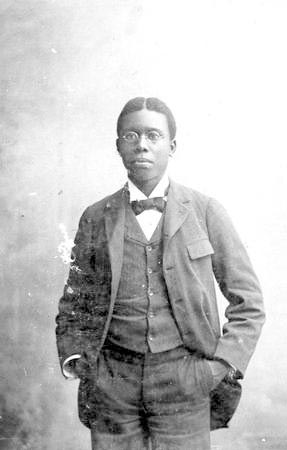
Paul Laurence Dunbar (1872-1906)
“A Prayer”
.
O Lord, the hard-won miles
Have worn my stumbling feet:
Oh, soothe me with thy smiles,
And make my life complete.
.
The thorns were thick and keen
Where’er I trembling trod;
The way was long between
My wounded feet and God.
.
Where healing waters flow
Do thou my footsteps lead.
My heart is aching so;
Thy gracious balm I need.
. . .
Paul Laurence Dunbar
“The Sum”
.
A little dreaming by the way,
A little toiling day by day;
A little pain, a little strife,
A little joy,–and that is life.
.
A little short-lived summer’s morn,
When joy seems all so newly born,
When one day’s sky is blue above,
And one bird sings,–and that is love.
.
A little sickening of the years,
The tribute of a few hot tears,
Two folded hands, the failing breath,
And peace at last,–and that is death.
.
Just dreaming, loving, dying so,
The actors in the drama go–
A flitting picture on a wall,
Love, Death, the themes; but is that all?
. . .
Guido Guinizelli (1230-1276)
“Of Moderation and Tolerance”
.
He that has grown to wisdom hurries not,
But thinks and weighs what Reason bids him do;
And after thinking he retains his thought
Until as he conceived the fact ensue.
Let no man to o’erweening pride be wrought,
But count his state as Fortune’s gift and due.
He is a fool who deems that none has sought
The truth, save he alone, or knows it true.
Many strange birds are on the air abroad,
Nor all are of one flight or of one force,
But each after his kind dissimilar:
To each was portion’d of the breath of God,
Who gave them divers instincts from one source.
Then judge not thou thy fellows what they are.
.
Translation from the Italian: Dante Gabriel Rossetti (1861)
. . .
Luci Shaw (born 1928)
“But not forgotten”
.
Whether or not I find the missing thing
it will always be
more than my thought of it.
Silver-heavy, somewhere it winks
in its own small privacy
playing
the waiting game for me.
.
And the real treasures do not vanish.
The precious loses no value
in the spending.
A piece of hope spins out
bright, along the dark, and is not
lost in space;
verity is a burning boomerang;
love is out orbiting and will
come home.
. . .
Henri Nouwen (1932-1996)
“Hope”
.
Hope means to keep living
amid desperation,
and to keep humming in darkness.
Hoping is knowing that there is love,
it is trust in tomorrow
it is falling asleep
and waking again
when the sun rises.
In the midst of a gale at sea,
it is to discover land.
In the eye of another
it is to see that he understands you.
As long as there is still hope
there will also be prayer.
And God will be holding you
in His hands.
. . .
Walt Whitman(1819-1892)
“When I heard the learn’d astronomer”
.
When I heard the learn’d astronomer,
When the proofs, the figures, were ranged in columns before me,
When I was shown the charts and diagrams, to add, divide, and measure them,
When I sitting heard the astronomer where he lectured
with much applause in the lecture-room,
How soon unaccountable I became tired and sick,
Till rising and gliding out I wander’d off by myself,
In the mystical moist night air, and from time to time,
Look’d up in perfect silence at the stars.

Gwendolyn Brooks (1917-2000)
“Speech to the Young, Speech to the Progress-Toward
(Among them Nora and Henry III)”
.
Say to them
say to the down-keepers,
the sun-slappers,
the self-soilers,
the harmony-hushers:
“Even if you are not ready for day
it cannot always be night.”
You will be right.
For that is the hard home-run.
Live not for the battles won.
Live not for the-end-of-the-song.
Live in the along.
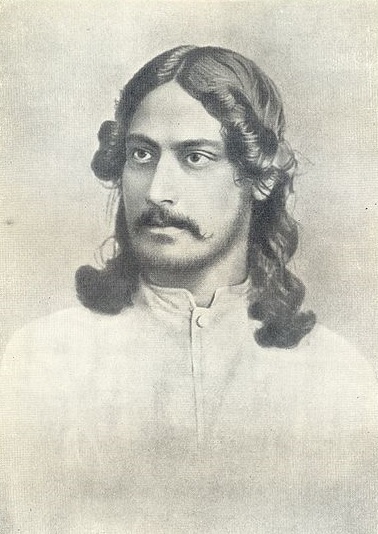
Rabindranath Tagore (1861-1941)
“Closed Path”
.
I thought that my voyage had come to its end
at the last limit of my power,
that the path before me was closed,
that provisions were exhausted,
and the time come to take shelter in a silent obscurity.
.
But I find that Thy Will knows no end in me.
And when old words die out on the tongue,
new melodies break forth from the heart;
and where the old tracks are lost,
new country is revealed with its wonders.
. . .
William Matthews (1942-1997)
“Onions”
.
How easily happiness begins by
dicing onions. A lump of sweet butter
slithers and swirls across the floor
of the sauté pan, especially if its
errant path crosses a tiny slick
of olive oil. Then a tumble of onions.
.
This could mean soup or risotto
or chutney (from the Sanskrit
chatni, to lick). Slowly the onions
go limp and then nacreous
and then what cookbooks call clear,
though if they were eyes you could see
.
clearly the cataracts in them.
It’s true it can make you weep
to peel them, to unfurl and to tease
from the taut ball first the brittle,
caramel-coloured and decrepit
papery outside layer, the least
.
recent the reticent onion
wrapped around its growing body,
for there’s nothing to an onion
but skin, and it’s true you can go on
weeping as you go on in, through
the moist middle skins, the sweetest
.
and thickest, and you can go on
in to the core, to the bud-like,
acrid, fibrous skins densely
clustered there, stalky and in-
complete, and these are the most
pungent, like the nuggets of nightmare
.
and rage and murmury animal
comfort that infant humans secrete.
This is the best domestic perfume.
You sit down to eat with a rumour
of onions still on your twice-washed
hands and lift to your mouth a hint
.
of a story about loam and usual
endurance. It’s there when you clean up
and rinse the wine glasses and make
a joke, and you leave the minutest
whiff of it on the light switch,
later, when you climb the stairs.
. . . . .
“El amor después del amor”: Derek Walcott
Posted: November 28, 2013 Filed under: Derek Walcott, English, Spanish | Tags: Poemas de dar gracias / agradecimiento, Poems of thankfulness / appreciation Comments Off on “El amor después del amor”: Derek Walcott
Derek Walcott (Poeta caribeño, nacido en Santa Lucía, 1930)
“El amor después del amor” (Traducción: Alex Jadad)
.
Llegará el día
en que, exultante,
te vas a saludar a ti mismo al llegar
a tu propia puerta, en tu propio espejo,
y cada uno sonreirá a la bienvenida del otro,
y dirá: Siéntate aquí. Come.
Otra vez amarás al extraño que fuiste para ti.
Dale vino. Dale pan. Devuélvele el corazón
a tu corazón, a ese extraño que te ha amado
toda tu vida, a quien ignoraste
por otro, y que te conoce de memoria.
Baja las cartas de amor de los estantes,
las fotos, las notas desesperadas,
arranca tu propia imagen del espejo.
Siéntate. Haz con tu vida un festín.
. . .
Derek Walcott (Saint Lucia, born 1930)
“Love After Love”
.
The time will come
when, with elation,
you will greet yourself arriving
at your own door, in your own mirror
and each will smile at the other’s welcome,
.
and say: Sit here. Eat.
You will love again the stranger who was your self.
Give wine. Give bread. Give back your heart
to itself, to the stranger who has loved you
.
all your life, whom you ignored
for another, who knows you by heart.
Take down the love letters from the bookshelf,
.
the photographs, the desperate notes,
peel your own image from the mirror.
Sit. Feast on your life.
. . .
Mildred K. Barya: Helene Johnson’s “Bottled”
Posted: November 15, 2013 Filed under: 7 GUEST EDITORS, English, Helene Johnson, Mildred K. Barya Comments Off on Mildred K. Barya: Helene Johnson’s “Bottled”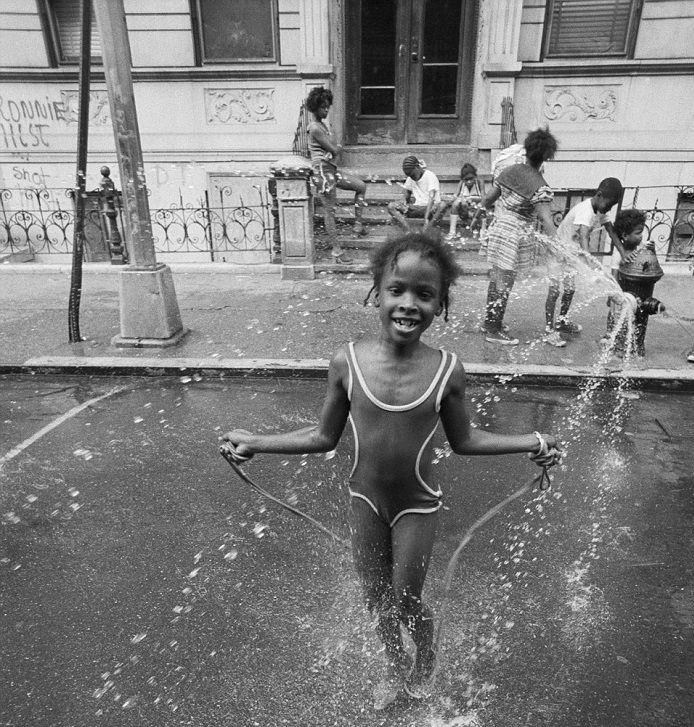 ZP_Harlem, 1970s
.
Mildred K. Barya
“Bottling”
.
The first Nigerian movie I ever watched, in early 2000—whose title I’ve long forgotten—featured a woman casting a spell on a man, bottling him, so to speak, so that he was at the woman’s mercy, doing whatever she wanted. I remember thinking, ok, she’s got her man under control, but is she happy to see another life helplessly and hopelessly at her beck and call? Wouldn’t she be better off with someone who can use his mind, body and spirit without the influence of mojos? There was this undersized image of the man speaking from a bottle, a constant reminder of perspective to the audience. Towards the end of the movie the man was released—after a series of other rituals and prayers to break the spell. Ki Nigeria movies infused with witchcraft, superstition, religious fundamentalism, jealousy and the desire to be loved have been part of popular culture across Africa, and have made Nollywood a booming industry. It’s a common thing to say in Uganda, for example, that ‘someone is bottled’ or ‘she put him in a bottle’ if the “he or she” is constantly responding to another’s demands in the name of what’s ridiculously painted as “love”. Harriet Kisakye, a Ugandan musician, dramatizes this bottling practice with a popular Luganda song about ‘putting the man in a bottle,’ Omusajja omutekka mucupa Ki Nigeria style, if one is to have a peaceful, happy home and minimize infidelity. I’ve listened to the song a number of times and I cannot tell whether Kisakye is being ironic or suggesting a potential “creative solution” to marital cheating.
(http://www.youtube.com/watch?v=N_OcF6W5toE)
Either way, it goes without saying that bottling a man, a person, no matter how you look at it, is about power and control. Ki Nigeria movies are predictable, full of melodrama, and most important: they speak of the times—Africa in the grip of fundamentalism, fusing the world of old magic with the new Christian miracles, the ancient and modern coming together once more.
.
Reading “Bottled” by Helene Johnson reminds me of the times in which the poem came into being—1927 and The Harlem Renaissance: African-American experience echoing the African continent, improvising and fusing jazz-like rhythms to provide an accurate picture and position of the taken, captured, dominated, subdued and shelved—and also the release, transcendence, freedom, dance and beauty in triumph.
There’s all the weight one can imagine in the line: This sand was taken from the Sahara desert. The bottle of sand is placed on the third floor of the 135th street Library in Harlem. At first, one might say, nice decoration, what an important place to be; in a library, who wouldn’t want that?, especially for people who like libraries. But no, oh, no, to think that Some bozo’s been all the way to Africa to get some sand is rather disturbing. So the sand isn’t just sand. The symbolism is significant and cannot be treated lightly. We can’t help but analyze/appreciate the signifier and signified. In addition, place (Library, the Sahara) and history (past and contemporary) are equally crucial.
Further along in the poem, the darky dressed flamboyantly on Seventh Avenue forgets everything and starts to dance the moment he hears the music of the organ. Not only is he given movement, but also his face shines. He is ‘happy, dignified and proud.’ The music is the vehicle that transports him elsewhere: Home. The crowd kept yellin’ but he didn’t hear, just kept on dancin’ and twirlin’… He’s not really on Seventh Avenue anymore. This kind of reimagining was necessary for the people of Harlem, African-Americans who had to think of ways to transcend slavery and where it had placed them in society. Can one comfortably say they invented Jazz as one of those ways? Yes. The influence was Africa, its rhythms and echoes, the beats blending with an incessant need to recreate and experience something in the past that was both beautiful and authentically African. Uncorrupted. Untainted. Helene Johnson weaves this need and transportation in her narrative poem so well: And somehow, I could see him dancin’ in a jungle/A real honest-to cripe jungle, and he wouldn’t leave on them/Trick clothes-those yaller shoes and yaller gloves/And swallowtail coat. He wouldn’t have on nothing/And he wouldn’t be carrying no cane/He’d be carrying a spear with a sharp fine point…
Towards the end of the poem, the ‘bottled man and his shine’ find release via imagination. The ability to be creative and resourceful was at the core of the Harlem Renaissance, why it was a renaissance, and why African-American writers were able to liberate their minds, bodies and souls that were once captured and shelved.
. . .
Helene Johnson (1906-1995)
“Bottled” (1927)
.
Upstairs on the third floor
Of the 135th Street Library
In Harlem, I saw a little
Bottle of sand, brown sand,
Just like the kids make pies
Out of down on the beach.
But the label said: “This
Sand was taken from the Sahara desert.”
Imagine that! The Sahara desert!
Some bozo’s been all the way to Africa to get some sand.
And yesterday on Seventh Avenue
I saw a darky dressed to kill
In yellow gloves and swallowtail coat
And swirling at him. Me too,
At first, till I saw his face
When he stopped to hear a
Organ grinder grind out some jazz.
Boy! You should a seen that darky’s face!
It just shone. Gee, he was happy!
And he began to dance. No
Charleston or Black Bottom for him.
No sir. He danced just as dignified
And slow. No, not slow either.
Dignified and proud! You couldn’t
Call it slow, not with all the
Cuttin’ up he did. You would a died to see him.
The crowd kept yellin’ but he didn’t hear,
Just kept on dancin’ and twirlin’ that cane
And yellin’ out loud every once in a while.
I know the crowd thought he was coo-coo.
But say, I was where I could see his face,
.
And somehow, I could see him dancin’ in a jungle,
A real honest-to cripe jungle, and he wouldn’t leave on them
Trick clothes-those yaller shoes and yaller gloves
And swallowtail coat. He wouldn’t have on nothing.
And he wouldn’t be carrying no cane.
He’d be carrying a spear with a sharp fine point
Like the bayonets we had “over there.”
And the end of it would be dipped in some kind of
Hoo-doo poison. And he’d be dancin’ black and naked and
Gleaming.
And He’d have rings in his ears and on his nose
And bracelets and necklaces of elephant’s teeth.
Gee, I bet he’d be beautiful then all right.
No one would laugh at him then, I bet.
Say! That man that took that sand from the Sahara desert
And put it in a little bottle on a shelf in the library,
That’s what they done to this shine, ain’t it? Bottled him.
Trick shoes, trick coat, trick cane, trick everything-all glass-
But inside-
Gee, that poor shine!
. . .
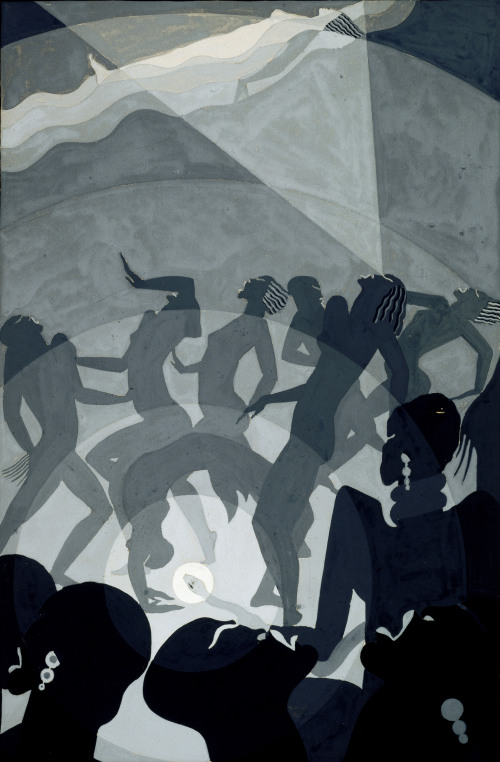 ZP_Aaron Douglas_”Congo”_1928_gouache and pencil on paperboard
.
Helene Johnson (1906-1995) was born in Boston (Brookline) to parents whose roots were in South Carolina and Tennessee. Her maternal grandparents had been born into slavery. At the age of 20 Johnson moved to New York City with her cousin – later to become the novelist Dorothy West. For a time, the two sublet the apartment of Zora Neale Hurston. Johnson’s poems were published in the journal Opportunity, and one was included in the famous 1926 one-issue avant-garde journal Fire!! A Quarterly Devoted to the Younger Negro Artists, edited by Wallace Thurman. A mere three dozen of Johnson’s poems were ever printed, most in journals and magazines of the 1920s and 30s. Her fresh point of view did not go unnoticed. A reviewer at the time said of Johnson that she “has taken the ‘racial’ bull by the horns. She has taken the very qualities and circumstances that have long called for apology or defence and extolled them in an unaffected manner.”
Helene married William Warner Hubbell in 1933 and they had one daughter, Abigail. The last published poem by Johnson – “Let me sing my song”– appeared in 1935 in the journal Challenge whose editors were West and Richard Wright. Famously reclusive, the Johnson of later years yet still wrote poems, only she kept them to herself. Verner D. Mitchell’s biography of the poet, This Waiting for Love, published in 2000, brought to light thirteen “new” poems by Johnson, and one from 1970 entitled “He’s about 22, I’m 63”, shows that her sense of humour had remained intact despite a jealously guarded privacy.
A black woman writer was an uncommon person back in the 1920s; Helene Johnson “defied the odds and put pen to paper when the century was young.”*
.
*Verner D. Mitchell
. . . . .
Poems for Remembrance Day: Siegfried Sassoon / El soldado sincero – y amargo: la poesía de Siegfried Sassoon
Posted: November 11, 2013 Filed under: English, Siegfried Sassoon, Spanish | Tags: Remembrance Day poems Comments Off on Poems for Remembrance Day: Siegfried Sassoon / El soldado sincero – y amargo: la poesía de Siegfried Sassoon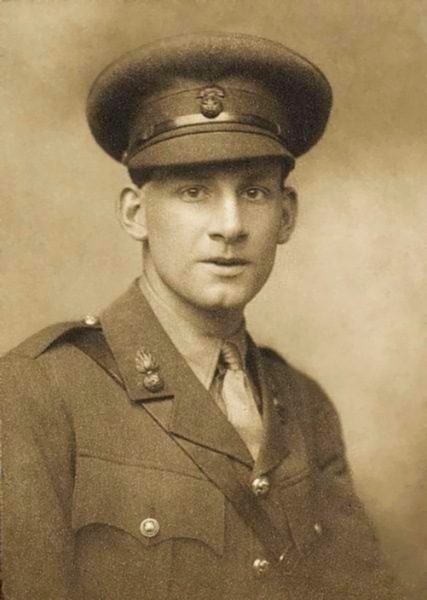 ZP_Siegfried Sassoon in 1915
.
Siegfried Sassoon (United Kingdom, 1886-1967) is best remembered for his angry and compassionate poems of the First World War (1914-1918). The sentimentality and jingoism of many War poets is entirely absent in Sassoon‘s poetic voice. His is a voice of intense feeling combined with cynicism. He wrote of the horror and brutality of trench warfare and contemptuously satirized generals, politicians, and churchmen for their incompetence and blind support of the War.
.
Siegfried Sassoon’s Declaration against The War (July 1917)
“I am making this statement as an act of wilful defiance of military authority, because I believe that the War is being deliberately prolonged by those who have the power to end it. I am a soldier, convinced that I am acting on behalf of soldiers. I believe that this War, on which I entered as a war of defence and liberation, has now become a war of aggression and conquest. I believe that the purpose for which I and my fellow soldiers entered upon this war should have been so clearly stated as to have made it impossible to change them, and that, had this been done, the objects which actuated us would now be attainable by negotiation. I have seen and endured the sufferings of the troops, and I can no longer be a party to prolong these sufferings for ends which I believe to be evil and unjust. I am not protesting against the conduct of the war, but against the political errors and insincerities for which the fighting men are being sacrificed. On behalf of those who are suffering now I make this protest against the deception which is being practised on them; also I believe that I may help to destroy the callous complacency with which the majority of those at home regard the contrivance of agonies which they do not, and which they have not, sufficient imagination to realize.”
. . .
Siegfried Sassoon (1886-1967)
“Suicide in the trenches”
.
I knew a simple soldier boy
Who grinned at life in empty joy,
Slept soundly through the lonesome dark,
And whistled early with the lark.
.
In winter trenches, cowed and glum,
With crumps and lice and lack of rum,
He put a bullet through his brain.
No one spoke of him again.
.
You smug-faced crowds with kindling eye
Who cheer when soldier lads march by,
Sneak home and pray you’ll never know
The hell where youth and laughter go.
. . .
“Suicidio en las trincheras”
.
Conocí a un soldado raso
que sonreía a la vida con alegría hueca,
dormía profundamente en la oscuridad solitaria
y silbaba temprano con la alondra.
En trincheras invernales, intimidado y triste,
con bombas y piojos y ron ausente,
se metió una bala en la sien.
Nadie volvió a hablar de él.
Vosotros, masas ceñudas de ojos incendiados
que vitoreáis cuando desfilan los soldados,
id a casa y rezad para no saber jamás
el infIerno al que la juventud y la risa van.
. . .
“Attack”
.
At dawn the ridge emerges massed and dun
In the wild purple of the glow’ring sun,
Smouldering through spouts of drifting smoke that shroud
The menacing scarred slope; and, one by one,
Tanks creep and topple forward to the wire.
The barrage roars and lifts. Then, clumsily bowed
With bombs and guns and shovels and battle-gear,
Men jostle and climb to, meet the bristling fire.
Lines of grey, muttering faces, masked with fear,
They leave their trenches, going over the top,
While time ticks blank and busy on their wrists,
And hope, with furtive eyes and grappling fists,
Flounders in mud. O Jesus, make it stop!
. . .
“Ataque”
.
Surge al alba enorme y parda la colina
en el salvaje sol púrpura de frente fruncida
ardiendo a través de columnas de humo a la deriva
envolviendo
la amenazadora pendiente arrasada; y, uno a uno,
los tanques se arrastran y vuelcan la alambrada.
La descarga ruge y se eleva. Después, torpemente agachados
con bombas y fusiles y palas y uniforme completo,
los hombres empujan y escalan para unirse al encrespado
fuego.
Filas de rostros grises, murmurantes, máscaras de miedo,
abandonan sus trincheras, pasando por la cima,
mientras el tiempo pasa en blanco apresurado en sus
muñecas
y aguardan, con ojos furtivos y puños cerrados,
luchando por flotar en el barro. ¡Oh Dios, haz que pare!
. . .
“The Investiture”
.
God with a Roll of Honour in His hand
Sits welcoming the heroes who have died,
While sorrowless angels ranked on either side
Stand easy in Elysium’s meadow-land.
Then you come shyly through the garden gate,
Wearing a blood-soaked bandage on your head;
And God says something kind because you’re dead,
And homesick, discontented with your fate.
.
If I were there we’d snowball Death with skulls;
Or ride away to hunt in Devil’s Wood
With ghosts of puppies that we walked of old.
But you’re alone; and solitude annuls
Our earthly jokes; and strangely wise and good
You roam forlorn along the streets of gold.
. . .
“La investidura”
.
Con una lista de caídos en Su mano, Dios
se sienta dando la bienvenida a los héroes que han muerto
mientras ángeles sin pena se alinean a cada lado
tranquilos en pie en los prados Elíseos.
Entonces, tú llegas tímido al jardín a través de las puertas
luciendo un vendaje empapado en sangre en la cabeza
y Dios dice algo amable porque estás muerto
y añoras tu casa, descontento con tu destino.
Si yo estuviera allí, lanzaríamos calaveras como bolas de
nieve a la muerte
o nos fugaríamos para cazar en el Bosque del Diablo
con fantasmas de cachorros que antaño paseamos.
Pero estás solo y la soledad anula
nuestras bromas terrenas; y extrañamente sabio y bueno
vagas desamparado por calles de oro.
. . .
From: Counter-Attack and Other Poems (1918)
Spanish translations © Eva Gallud Jurado (Salamanca, 2011)
De: Contraataque y otros poemas(1918)
Traducciones de Eva Gallud Jurado – derechos de autor (Salamanca, 2011)
. . . . .
 Zócalo Poets