The Voice of Summer: セミ Cigarra Cicada Cigale Cicala Cigarra セミ
Posted: July 31, 2012 Filed under: English, French, Italian, Japanese, Portuguese, Spanish Comments Off on The Voice of Summer: セミ Cigarra Cicada Cigale Cicala Cigarra セミ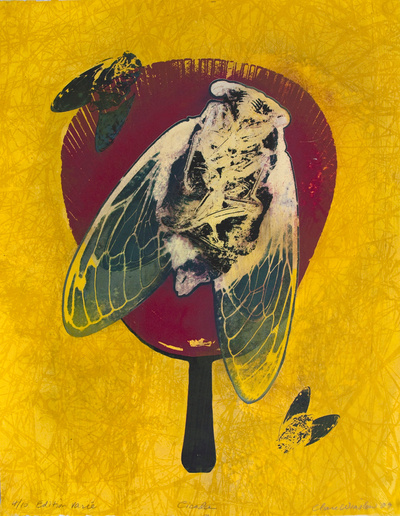
Matsuo Bashō (1644-1694)
セミ
静けさや
岩に滲み入る
蝉の声
shizukesaya
iwa ni shimiiru
semi no koe
utter silence
penetrating the rocks
the cicada’s voice
María Elena Walsh (1930-2011)
Como la Cigarra
Tantas veces me mataron,
tantas veces me morí,
sin embargo estoy aqui
resucitando.
Gracias doy a la desgracia
y a la mano con puñal
porque me mató tan mal,
y seguí cantando.
*
Cantando al sol como la cigarra
después de un año bajo la tierra,
igual que sobreviviente
que vuelve de la guerra.
*
Tantas veces me borraron,
tantas desaparecí,
a mi propio entierro fui
sola y llorando.
Hice un nudo en el pañuelo
pero me olvidé después
que no era la única vez,
y volví cantando.
*
Tantas veces te mataron,
tantas resucitarás,
tantas noches pasarás
desesperando.
A la hora del naufragio
y la de la oscuridad
alguien te rescatará
para ir cantando.
Roderic Quinn (Australia, 1867-1949)
The Song of the Cicadas
Yesterday there came to me
from a green and graceful tree
as I loitered listlessly
nothing doing, nothing caring,
light and warmth and fragrance sharing
with the butterfly and the bee,
while the sapling-tops a-glisten
danced and trembled, wild and willing
such a sudden sylvan shrilling
that I could not choose but listen
Green Cicadas, Black Cicadas,
happy in the gracious weather,
Floury-baker, Double-Drummer,
all as one and all together,
how they voiced the golden summer.
*
Stealing back there came to me
as I loitered listlessly
‘neath the green and graceful tree,
nothing doing, nothing caring,
boyhood moments spent in sharing
with the butterfly and the bee
youth and freedom, warmth and glamour
while Cicadas round me shrilling,
set the sleepy noontide thrilling
with their keen insistent clamour.
*
Green Cicadas, Black cicadas,
happy in the gracious weather
Floury-bakers, double-drummers
all as one and all together—
how they voice the bygone summers!
Marcel Pagnol (1895-1974)
La Cigale
Le soleil fendille la terre,
Aucun bruit ne trouble les champs;
On n’entend plus les joyeux chants
Des oiseaux qui chantaient naguère.
Tous par la chaleur assoupis
Sous les buissons se sont tapis.
Seule une cigale est sur l’aire.
*
Son ventre sonore se meut;
Sur une gerbe elle est posée;
Seule elle n’est point épuisée
Par l’astre à l’haleine de feu.
Et la chanteuse infatigable
Jette dans l’air brûlant et bleu
Sa ritournelle interminable.
Francesco Fabris Manini
La Cicala
La cicala del mattino frinisce
E mi sveglia su una tazzina di caffè
Bisbigliando gracili parole su ascolti assonnati
Di spettinati pensieri.
L’uscio s’apre al giorno con forzati ardori
Che dissolverà la sera sui passi
Di un solitario ritorno.
Olegário Mariano (1889-1958)
A Última Cigarra
Todas cantaram para mim. A ouvi-las,
Purifiquei meu sonho adolescente,
Quando a vida corria doidamente
Como um regato de águas intranqüilas.
*
Diante da luz do sol que eu tinha em frente,
Escancarei os braços e as pupilas.
Cigarras que eu amei! Para possui-las,
Sofri na vida como pouca gente.
*
E veio o outono… Por que veio o outono ?
Prata nos meus cabelos… Abandono…
Deserta a estrada… Quanta folha morta!
*
Mas, no esplendor do derradeiro poente,
Uma nova cigarra, diferente;
Como um raio de sol, bateu-me à porta.
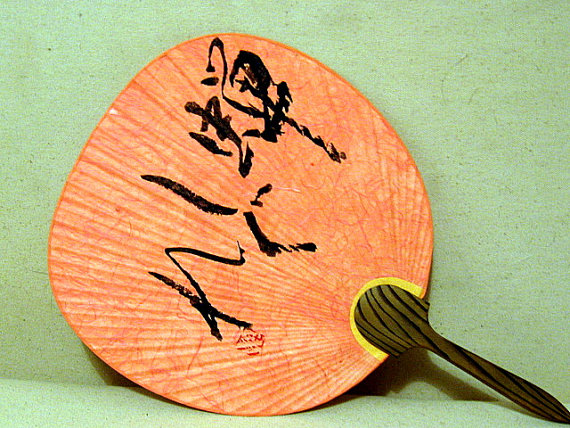
正岡 子規 Masaoka Shiki (1867-1902)
セミ
tsuku tsuku boshi / tsuku tsuku boshi / bakari nari
nothing but
cic-cic-cicada
cic-cic-cicada
¡Buffy Sainte-Marie, en Toronto esta noche! / Buffy Sainte-Marie, in Toronto tonight! Una traducción para honrar a la cantautora y activista Cree
Posted: July 18, 2012 Filed under: Buffy Sainte-Marie, English, POETS / POETAS, Spanish, ZP Translator: Lidia García Garay Comments Off on ¡Buffy Sainte-Marie, en Toronto esta noche! / Buffy Sainte-Marie, in Toronto tonight! Una traducción para honrar a la cantautora y activista Cree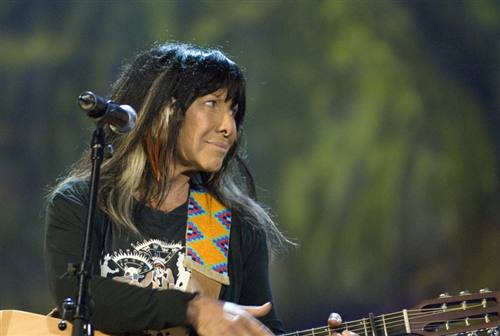
Buffy Sainte-Marie
(First Nations Cree singer-songwriter, activist, born 1941, Saskatchewan, Canada)
No No Keshagesh
Editor’s note: Keshagesh means Greedy Guts,
a child (or an adult) who eats his own food – and then wants everybody else’s, too.
_ _ _ _ _
I never saw so many business suits
Never knew a dollar sign could look so cute
Never knew a junkie with a money jones
Who’s buying Park Place? Who’s buying Boardwalk?
*
These old men they make their dirty deals
Go in the back room and see what they can steal
Talk about your ” beautiful for spacious skies “?
— it’s about uranium, it’s about the water rights!
*
Got Mother Nature on a luncheon plate
They carve her up and call it real estate
Want all the resources and all of the land
They make a war over it — they blow things up for it.
*
The reservation out at Poverty Row
There’s something cookin and the lights are low
Somebody tryin to save our Mother Earth… I’m gonna
Help ’em to Save it and Sing it and Pray it… singin:
No No Keshagesh you can’t do that no more…
No No Keshagesh you can’t do that no more…
*
Ole Columbus he was lookin good
When he got lost in our neighborhood
Garden of Eden right before his eyes
Now it’s all spyware — now it’s all income tax.
*
Ole Brother Midas lookin hungry today
What he can’t buy he’ll get some other way
Send in the troopers if the Natives resist
Same old story, boys — that’s how ya do it , boys!
*
Look at these people, Lord, they’re on a roll
Got to have it all — gotta have complete control
Want all the resources and all of the land
They break the law over it — blow things up for it.
*
While all our champions are off in the war
Their final rip-off here at home is on
Mister Greed I think your time has come… I’m gonna
Sing it and Say it and Live it and Pray it… singin:
No No Keshagesh you can’t do that no more…
No No Keshagesh you can’t do that no more…
_____
Buffy Sainte-Marie (nace 1941, Saskatchewan, Canadá)
¡No, no, Panzas ávaras! (No, no, Greedy-guts!)
Nota del editor:
Keshagesh quiere decir Panzas Ávaras.
Así se le llama a un niño (o un hombre) que se come su comida
y después quiere la de los demas.
_____
Nunca vi tantos atuendos formales
Nunca supe que un signo de dólar pareciera tan bonito
Nunca conocí a un adicto con una obsesión por dinero
¿Quién está comprando el Park Place – y el Boardwalk?
*
Estos viejos, hacen sus tratos sucios
Van al cuarto interior para hacer sus tratos sucios
¿Habla de “hermosa por cielos espaciosos”?
– ¡ se trata del uranio, se trata de derechos sobre el agua!
*
Tienen en un plato a la Madre Naturaleza
La dividen y la llaman: bienes raices.
Quieren todos los recursos naturales y toda la tierra
Hacen una guerra por eso – exageran las cosas para eso.
*
La reservación es Condenada a la Pobreza
Están cocinando algo y atenuan las luces
Alguien está intentando salvar a nuestra Madre Tierra
Voy a Ayudarles a Salvarla, Cantarle, y Orarle…cantando:
¡No, no, Panzas ávaras!
Ustedes ya no pueden hacer éso…..
Ustedes ya no pueden hacer éso…..
*
El bueno de Colón muy fresco
Cuando se perdió en nuestra vecindad
El Jardín de Edén en frente de sus ojos
Hoy día todo es spyware – ahora todo es impuesto sobre la renta.
*
El buen Hermano Midas parece hambriento hoy día
Lo que no puede comprar lo obtendrá de otra manera
Envian a los policías estatales si los Indígenas resisten
La misma historia de siempre – muchachos, es así como lo hacen.
*
Mira toda esta gente, Señor, son imparables
Tienen que poseer todo, tener control absoluto
Quieren todos los recursos naturales y todo lo de la tierra
Quebrantan la ley por eso – exageran las cosas por eso.
*
Mientras que nuestros campeones están lejos en la guerra
Su estafa final occurre aquí en casa.
Señor Avaricia – pienso que su tiempo ha llegado…Voy a
Cantarlo y Decirlo y Vivirlo y Orar… cantándolo:
¡No, no, Panzas ávaras!
Ustedes ya no puede hacer éso…..
Ustedes ya no puede hacer éso…..
_____
Traducción del inglés al español / Translation from English into Spanish: Lidia García Garay
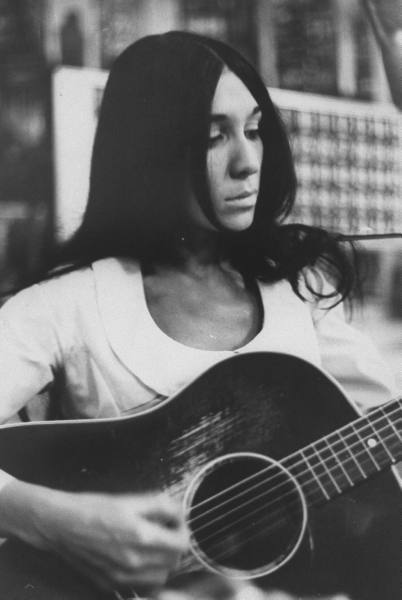
Sister Juana Inés de la Cruz: “Stupid, conceited Men…..” / “Hombres necios…..”
Posted: July 11, 2012 Filed under: English, Juana Inés de la Cruz, Spanish Comments Off on Sister Juana Inés de la Cruz: “Stupid, conceited Men…..” / “Hombres necios…..”
Sor Juana Inés de la Cruz
(1651-1695, Nueva España/México)
Hombres necios
Hombres necios que acusáis
a la mujer sin razón,
sin ver que sois la ocasión
de lo mismo que culpáis:
*
si con ansia sin igual
solicitáis su desdén,
¿por qué quereis que obren bien
si las incitáis al mal?
*
Combatís su resistencia
y luego, con gravedad,
decís que fue liviandad
lo que hizo la diligencia.
*
Parecer quiere el denuedo
de vuestro parecer loco,
al niño que pone el coco
y luego le tiene miedo.
*
Queréis, con presunción necia,
hallar a la que buscáis,
para pretendida, Thais,
y en la posesión, Lucrecia
*
¿Qué humor puede ser más raro
que el que, falto de consejo,
el mismo empaña el espejo
y siente que no esté claro?
*
Con el favor y el desdén
tenéis condición igual,
quejándoos, si os tratan mal,
burlándoos, si os quieren bien.
*
Opinión, ninguna gana:
pues la que más se recata,
si no os admite, es ingrata,
y si os admite, es liviana
*
Siempre tan necios andáis
que, con desigual nivel,
a una culpáis por crüel
y a otra por fácil culpáis.
*
¿Pues cómo ha de estar templada
la que vuestro amor pretende,
si la que es ingrata, ofende,
y la que es fácil, enfada?
*
Mas, entre el enfado y pena
que vuestro gusto refiere,
bien haya la que no os quiere
y quejaos en hora buena.
*
Dan vuestras amantes penas
a sus libertades alas,
y después de hacerlas malas
las queréis hallar muy buenas.
*
¿Cuál mayor culpa ha tenido
en una pasión errada:
la que cae de rogada
o el que ruega de caído?
*
¿O cuál es más de culpar,
aunque cualquiera mal haga:
la que peca por la paga
o el que paga por pecar?
*
Pues ¿para quée os espantáis
de la culpa que tenéis?
Queredlas cual las hacéis
o hacedlas cual las buscáis.
*
Dejad de solicitar,
y después, con más razón,
acusaréis la afición
de la que os fuere a rogar.
*
Bien con muchas armas fundo
que lidia vuestra arrogancia,
pues en promesa e instancia
juntáis diablo, carne y mundo.
_____
Sister Juana Inés de la Cruz
(1651-1695, New Spain/México)
Stupid, conceited men
Silly, you men – so very adept
at wrongly faulting womankind,
not seeing you’re alone to blame
for faults you plant in woman’s mind.
*
After you’ve won by urgent plea
the right to tarnish her good name,
you still expect her to behave–
you, that coaxed her into shame.
*
You batter her resistance down
and then, all righteousness, proclaim
that feminine frivolity,
not your persistence, is to blame.
*
When it comes to bravely posturing,
your witlessness must take the prize:
you’re the child that makes a bogeyman,
and then recoils in fear and cries.
*
Presumptuous beyond belief,
you’d have the woman you pursue
be Thais when you’re courting her,
Lucretia once she falls to you.
*
For plain default of common sense,
could any action be so queer
as oneself to cloud the mirror,
then complain that it’s not clear?
*
Whether you’re favored or disdained,
nothing can leave you satisfied.
You whimper if you’re turned away,
you sneer if you’ve been gratified.
*
With you, no woman can hope to score;
whichever way, she’s bound to lose;
spurning you, she’s ungrateful–
succumbing, you call her lewd.
*
Your folly is always the same:
you apply a single rule
to the one you accuse of looseness
and the one you brand as cruel.
*
What happy mean could there be
for the woman who catches your eye,
if, unresponsive, she offends,
yet whose complaisance you decry?
*
Still, whether it’s torment or anger–
and both ways you’ve yourselves to blame–
God bless the woman who won’t have you,
no matter how loud you complain.
*
It’s your persistent entreaties
that change her from timid to bold.
Having made her thereby naughty,
you would have her good as gold.
*
So where does the greater guilt lie
for a passion that should not be:
with the man who pleads out of baseness
or the woman debased by his plea?
*
Or which is more to be blamed–
though both will have cause for chagrin:
the woman who sins for money
or the man who pays money to sin?
*
So why are you men all so stunned
at the thought you’re all guilty alike?
Either like them for what you’ve made them
or make of them what you can like.
*
If you’d give up pursuing them,
you’d discover, without a doubt,
you’ve a stronger case to make
against those who seek you out.
*
I well know what powerful arms
you wield in pressing for evil:
your arrogance is allied
with the world, the flesh, and the devil.
Traducción del español al inglés / Translation from Spanish into English: Alan S. Trueblood
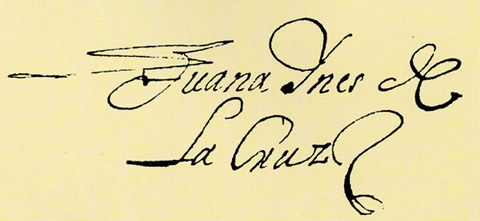
In his biography of Sister Juana Inés de la Cruz (1651-1695), Octavio Paz states that the self-taught scholar and nun of colonial New Spain (later called México) is the most important poet of the Americas up until the arrival of Walt Whitman and Emily Dickinson in the 19th century. We must include the Aztec “poet-king” Nezahualcóyotl (1402-1472) in a statement so broad, yet de la Cruz does have something unique: a prototypical “feminist” point of view.
Juana Inés de la Cruz lived in México City from the age of 16 onward, and died during a plague at the age of 43 – after tending to the stricken. The out-of-wedlock daughter of a Spanish captain and a Criolla woman, she was an avid reader from childhood, and though she begged to disguise herself as a boy so as to continue her studies “more openly, in the Capital”, still she was “found out” and barred entrance to the university. That didn’t stop her – she kept on educating herself – and she’d already had a good head start, sneaking ( – in colonial society women were strongly discouraged from becoming literate in all but religious devotional texts – ) her grandfather’s books to read from his hacienda library. By her mid-teens she could speak and write in Latin, as well as Náhuatl, the language of the Aztecs. Devout and a “Daughter of The Church” though she was, yet she challenged male hypocrisy in the poem featured here, Hombres Necios/Stupid, conceited Men. Written in the conventional rhyming-quatrain verse form of the 17th century, Sister Juana addresses all Men; the poet analyzes their attraction to, and efforts to attain, women who will have sex with them — women whom the men reject and judge utterly, afterwards.
Ann-Marie Scarlett: “La Vida” y “Quien yo soy” / “Life” and “Who I am”
Posted: July 10, 2012 Filed under: Ann-Marie Scarlett, English, Spanish Comments Off on Ann-Marie Scarlett: “La Vida” y “Quien yo soy” / “Life” and “Who I am”
Ann-Marie Scarlett
La Vida
Viviendo en un mundo sin paz,
De poco amor que no dura
¿Cuándo terminará la guerra?
Todo trabajando juntos
Y amándonos la una a la otra
En la Vida no hay límites
No hay satisfacción
Sino mucha distracción
Cavemos dentro de nosotras mismas
Buscando estar completas
Resultados, arrepentimientos,
Pensando en el tiempo
Cuando no lloraremos más
¿Habrá un tiempo de gozo puro
Un tiempo sin dolor?
¿O será siempre el desdén?
El Tiempo no espera a nadie
Y aún, solo el Tiempo lo dirá.
*
Life
Living in a world of no peace
Little love with no endurance
When will the war stop?
Everyone pulling together
And loving each other
With Life there are no boundaries
No satisfaction
But lots of distraction
Dig into ourselves
Looking for completeness
Results, regrets
Thinking of the time
When we’ll cry no more
Will there ever be a time of pure joy
A time with no pain
Or will it always be disdain
Time waits for no one
But still; only time will tell.
_____
Quien yo soy
Siempre estoy pensando en ese tiempo
Cuando yano estaré asustada
El tiempo cuando estaré liberada de mis miedos
El tiempo cuando no me preocuparé
El tiempo cuando diré:
Ésta es quien yo soy.
El tiempo cuando diré:
Me importa un bledo.
El tiempo cuando diré:
No necesito un hombre.
El tiempo cuando diga:
Ésta es quien yo soy.
El tiempo cuando no me sentiré tan sola
El tiempo cuando me sentiré bienvenida en casa
– el tiempo cuando diré:
Ésta es quien yo soy.
*
Who I am
I always think about the time
When I’ll be scared no more
The time I’ll be free from my fears
The time when I wouldn’t care
The time that I’ll say
This is who I am
The time I’ll say
I don’t give a damn
The time I’ll say
I don’t need a man
The time when I say
This is who I am
The time when I
Won’t feel so alone
The time when I’ll
Feel welcome at home
The time when I say
This is who I am.
* * * * *
Traducciones del inglés al español / Translations from English into Spanish:
Alexander Best and Lidia García Garay
La poesía lésbica mexicana: dos voces pioneras / Mexican lesbian poetry: voices of two pioneers
Posted: July 9, 2012 Filed under: English, Nancy Cárdenas, Rosamaría Roffiel, Spanish, ZP Translator: Alexander Best | Tags: Poesía lésbica mexicana Comments Off on La poesía lésbica mexicana: dos voces pioneras / Mexican lesbian poetry: voices of two pioneersNancy Cárdenas (Coahuila, 1934-1994)
*
Si habitamos en el Distrito Federal,
las pueblerinas románticas tenemos que
resignarnos:
la vida no transcurre junto a un estanque,
sino a un costado del Periférico.
Allí, Muñeca del Asfalto
– bajo la lluvia –
decidiste que esa noche dormirías conmigo.
*
If we dwell in México City,
we romantic ‘country bumpkins’ must
resign ourselves to:
Our Life not taking place next to a pond,
but on the side of The Periférico Highway.
There, Dolly of the Asphalt,
– beneath the rain –
you decided that that night you would sleep with me.
_ _ _ _ _
Entre tantas Liberacionistas que conozco,
sólo tú – de apariencia tan frágil –
has querido llevar a la cama
esos principios básicos de la teoría.
*
Among so many of the Liberationists I know,
only you – who appear so fragile –
have wanted to bring to bed
those basic principles of theory.
_ _ _ _ _
Soy peligrosa,
es cierto: siempre busco vengarme
de los dueños del capital, los burócratas,
los curas… y las mujeres que abusaron de mi cariño.
*
I’m dangerous,
that’s for certain: I’m always looking to avenge myself
on the owners of big money, the bureaucrats,
the priests… and the women who took advantage of my affection.
_ _ _ _ _
Dejemos
que el amor declare su santo nombre
en cada uno de nuestros tejidos, estratos emocionales
y apetencias más escondidas
antes de comprometernos por las dos leyes:
la tuya y la mía.
*
Let us allow
Love to declare its holy name
in the very fibre of us, in our emotional strata,
and in our most hidden appetites
before we commit ourselves to those two laws:
yours – and mine.
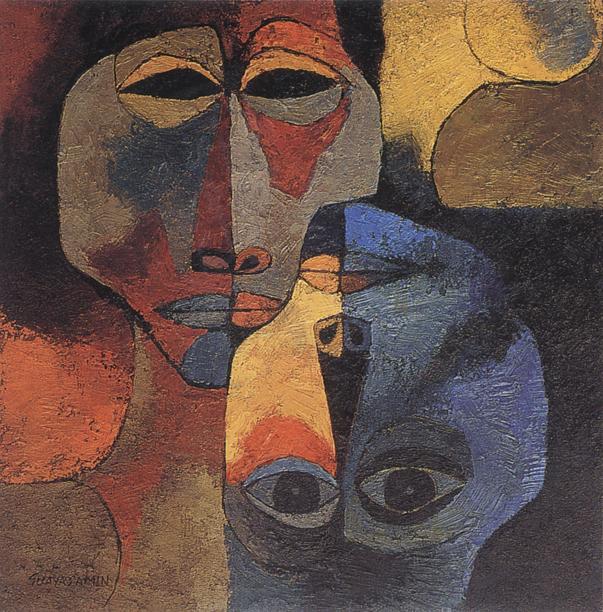
Rosamaría Roffiel (Veracruz, nace 1945)
La Suave Danza
Nos besamos
por el puro
absoluto
placer de besarnos
listones de lenguas
dientes como peces alados
festín de salivas
giros
valses
pájaros
*
tu boca ranura
cereza
grosella
mi lengua gaviota
cometa
sirena
se encuentran
se tocan
se enredan
*
marineras de un viaje
sin ida ni vuelta
*
tu boca es el mar
mi lengua – un barco de vela.
*
The Smooth Dance
We kiss each other
for the pure
absolute
pleasure of kissing each other
ribbons of tongues
teeth like winged fish
a feast of salivas,
revolvings
waltzes
birds
*
your mouth-slot
cherry
red currant
my seagull tongue
kite
they meet
they touch
they become entangled
*
sailors on a voyage
with no departure, no return
*
your mouth is the sea
my tongue – a sailboat.
_ _ _ _ _
Sin título
Hasta mi noche llegas
y te recuerdo fiera
celosa en mi caverna
y te recuerdo sirena
nadando entre mis pechos
y te recuerdo tierna
como paloma, tierna
y te recuerdo fuego
encendida de deseo
y te recuerdo plena,
antes del miedo.
*
Untitled
You arrive…to my night…
and I recall you, a wild animal,
protective, zealous, in my cave
and I recall you as a mermaid
swimming between my breasts
and I recall you tender
like a dove, tender,
and I recall you as a fire
lit by desire
and I recall you as fullness – complete –
without fear.
_____
Translations from Spanish into English / Traducciones del español al inglés: Alexander Best
La poesía gay mexicana: una muestra de Monterrey
Posted: July 9, 2012 Filed under: Alejandro del Bosque, Antonio García, Jorge Cantu de la Garza, Spanish, Xorge M. González, ZP Translator: Alexander Best | Tags: Poesía gay mexicana Comments Off on La poesía gay mexicana: una muestra de Monterrey 
Jorge Cantu de la Garza (1937-1998)
Antes de partir
De amor, amor, nunca he escrito un poema.
He de hacerlo ahora pues me dicen que la muerte se aproxima
y sé que Amor amorosamente me ha tocado
como la aurora, con uno de sus rosados dedos.
*
No es sólo del joven que, apenas salido de la adolescencia
comparte hoy sus días con quien esto escribe
de quien escribiré. Si hablo en singular
es porque todo el amor es uno
y de ello pongo a cualquier hombre por testigo.
*
Fui al pozo del limo con mi cántaro vacío
infinitas veces, como amanece.
Y siempre fue, como la primera vez,
la inauguración del Universo
con sus arreboles y huracanes
llenos de siempres, nuncas, vida mía.
Y luego había que partir, dolorosamente.
Recuerdo tantas despedidas.
*
Ven, amado, y contempla el ejército
de ángeles que te precede,
ven y mira cómo sobrevivieron
aunque ellos, igual que tú, que yo,
pensaron que el fin de nuestro amor
era el fin del mundo.
Toma ejemplo, amado, para que vivas
cuando yo te falte.
*
Cánceres, escorpiones, acuarios, sagitarios
nadando en la pecera de mis sueños,
como el joven obrero aquel, en Guayaquil,
que una noche me llevó a su cuarto de madera
donde bajo una débil bombilla, sobre la duela,
había una sábana por cama
y en la pared un clavo por guardarropa de su atuendo.
Qué limpia su pobreza, qué amorosa su hospitalidad,
tanto, que me avergoncé del hotel de lujo
a donde aquella noche yo regresaría cargado
de sucres que no necesitaba y que le di
– para que te compres una camisa que te recuerde al mexicano –
le dije para vencer su resistencia al pago que tranquilizara
mi conciencia por su pobreza inmerecida y mi opulencia,
también inmerecida.
*
O como aquel japonesito brasileño que una noche
de cachaza en Belo Horizonte me acompañara al hotel
y más tarde, por la mañana,
al aeropuerto, donde nos despedimos
como amantes de mucho más que unas cuantas horas, como amantes
verdaderos que se despiden llenos de promesas,
para siempre.
*
Géminis, virgos, aries, libras
de Los Angeles, de México, Caracas, Bogotá,
Lima, Río, Buenos Aires, Madrid, Sevilla o Monterrey,
apurados en la certeza que da la partida inminente,
la seducción irresistible de lo efímero,
la libertad irrenunciable del anonimato.
*
La barbarie en que creciste, amado,
no podré borrarla jamás de tu memoria;
los saltos de tu madre y sus golpes en el vientre
para que no nacieras me duelen más que a ti.
Después de nacido, te dicen, fuiste el mejor,
el bienamado. Y sin embargo,
quién sino yo con mis manos torpes
podría tranquilizar tus noches inquietas,
tus pesadillas de horror.
*
En cierto modo, nuestras infancias se parecen,
sólo que de la mía me separa un medio siglo
y he aprendido a olvidar – o casi.
*
Cómo te amo.
*
Sé que también tuviste por años un amor prohibido,
que no sabías que era amor ni que era prohibido.
Cómo te envidio.
Yo nunca tuve un hermano así.
_____
Xorge M. González (1952-1997)
Ritmo
Fueron los meses de beber Villaurrutia
con las voces del poder de los relojes
Tus iconos lamían la noche
la luna
del espejo ágil se alejaba
Aprendí la distancia
los bosques
la selva aún miedosa
dibujó un cuerpo
Dijo adiós
aquel 6 de diciembre de álamos.
_____
Estos cantos
desenvueltos entre estrellas
declinando días
por los montes que no dicen
y desgarran la mirada
esas nubes de letras
esos bosques antiguos
te dibujan
*
Pudiendo precisar la luna
en una cama sola
veo esas inmensidades
silenciosas ahora
Canto
otros ojos
otras manos
– éstas que juegan con el aliento
de los gestos
*
Entre una naranja y risas
– tan viejos como el amor –
las calles de la ciudad
por donde siempre he andado.
_____
Caminata
Me pusiste en la calle soledad
fui tus pasos y tu historia
fui los encuentros con las verdades de todo precio
Me pusiste en la calle soledad
y me encontré con mis hermanos.
_____
Aún se podrían guardar otras cosas
entre esas papeletas que algun vez dijeron
las cuerdas de tu guitarra
los platos cansados
los regalos de cumpleaños
que pasamos narrando soledades
poemas sin esperanza de ser leídos
La habitual plática de tus presentaciones
y otras noches no olvidadas
*
La traición de la rentera
– y de la piadosa amiga –
nos had pedido nuestra intimidad sola
de algunos miles de pesos
para dejarnos
– sin saberlo –
más juntos.
_____
Amargos pasos gritan la noche;
bailan en el abierto estómago,
llave del dolor
de la espera del amanecer
de besos y frutas y ojos;
beben los faunos.
*
Me desnudaron no sé ni día ni hora
bajé
con la misma soledad de Isthar
a beber los presagios de divinidades
telúricas.
*
No sé ni día ni hora
en mares de luz
aparecieron los rostros míos.
_____
Antonio García (nace 1956)
Des
nudo
estoy
en
el
umbral; ven,
tu cuerpo ansioso
de la ternura
y frenesí, de
la locura de
mis manos,
a tientas,
a ciegas te
traerá por el
camino sin reclamos.
“Ven”. Sólo otra vez,
yo te digo:
“Ven.
Aquí
espero.”
Lo sé
– y házle
como quieras
– vendrás
tu cuerpo a
compartir conmigo.
_____
Estatua en paraiso
Y los esperamos
se confundieron en el mismo instante
Luego vino Luego queso
Vino el beso
Vino el yeso y quedó tieso
descansando en la llanura amplia
de su vientre amado, de su vientre dueño
Petrificado
Esbozando una sonrisa quieta
desde el sueño-vuelo de su pedestal eterno
Esbozando una sonrisa quieta desde su alma
que pasaba aquel invierno.
_____
Cucaracha’s Inn
Cucaracha en
pared muerta envuelta
pobre
de mí y de ella no
hubo comida
está suspendida es pera
espera
su tiempo es pera
el tiempo es perra
y espera
tocar el cielo
y nuestros huesos.
Alejandro del Bosque (nace 1965)
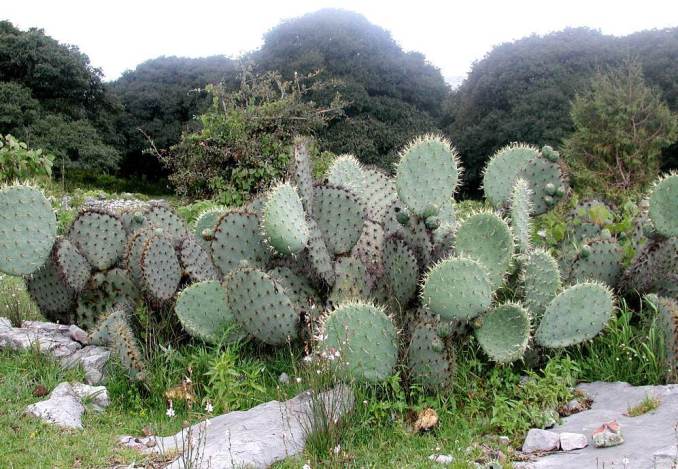
Los nopales
Desde su asiento
él observa la noche capada de estrellas,
copada de ambos.
A su lado yo dormito.
El sigue mirando sin saberse mirado.
La otra vez viajé solo.
El sol se desmayó en la carretera
durante varias horas,
y en el interior del autobús había frío.
El pequeño televisor, casi echado en mí,
proyectaba una película fastidiosa.
Afuera, algunos nopales parecían viejos discutiendo
con los brazos extendidos,
en la espera de asestar un golpe débil;
otros simulaban saludarse entre sí,
como preservando las buenas maneras.
El trayecto será largo.
El busca otra posición
Para estar menos incómodo.
_____
El Volante
Eluno espera a que llegue Elotro.
Elotro sabe que Eluno lo espera.
Eluno fuma los cigarros de Elotro.
Elotro los busca en la bolsa de su camisa.
Eluno mira hacia el camellón.
Elotro maldice a quien se pasó un rojo.
Eluno sonríe a quien le sonríe y cruza la calle.
Elotro recuerda que hay poca carne en el refri.
Eluno conversa animoso moviendo los hombros.
Elotro piensa en las ofertas del martes.
Eluno recibe una tarjeta y promote comunicarse.
Elotro marca y nadie contesta.
Eluno identifica la llamada y apaga el celular.
Elotro arroja el aparato al asiento trasero.
Eluno entra a una fonda y ordena comida corrida.
Elotro detiene su auto y recarga la cabeza en el volante.
_____
La peluca
A cierta hora del día
el metro es un reclusorio de hombres y mujeres separados,
pero Elella se escabulle
y viaja en el vagón de los varones.
Todos los obreros para mí nomás,
– va pensando Elella –
que lo quiere todo, no más, no menos.
La recibe un silbido de mira qué forro de vieja.
Ella se deja hacer.
Le pellizcan las nalgas.
Le aprietan las tetas.
Le muerden los labios.
Le embarran sudores.
Ellos se dejan hacer,
pero Elella necesita cambiar de estación.
Elella se va con un silbido de vuelve pronto mamacita,
acomodándose la rubia peluca,
ciñéndose la morada vida que se le va cayendo.
_____
El amado
Hombre mío
que estás tan lejos,
amado sea tu recuerdo,
ignorado sea tu desprecio;
olvida a quien me besa
como yo también olvido a quien te toca;
no me dejes,
que el dejarnos aún hiere,
y libérame de todo yo.
Alejandro del Bosque (born 1965)
The prickly-pear cactuses
From his seat
He observes the night caped by stars
By his side I snooze.
He continues gazing out not knowing that he’s being looked at
That other time I travelled solo.
The sun faded upon the highway
Over several hours,
And inside the bus it was cold.
The little TV, almost falling on me,
showing an annoying film.
Outside, some prickly-pear cactuses seemed like old people arguing
With arms extended,
In the hope of striking a feeble blow;
Others were pretending to greet one another,
As if maintaining the tradition of good manners.
The journey will be a long one.
He shifts his position
So he’s less uncomfortable.
*
The steering wheel
The One hopes that the Other arrives.
The Other knows that the One is waiting for him.
The One smokes the cigars of the Other.
The Other searches for them in the pocket of his shirt.
The One looks toward the traffic island.
The Other curses the guy who ran the red light.
The One smiles at someone who smiles back at him and crosses the street.
The Other remembers there’s not much meat in the fridge.
The One chats,his shoulders going up and down, excited.
The Other thinks about the Tuesday specials.
The One takes a business card and promises to get in touch.
The Other dials and nobody answers.
The One sees who’s calling and turns off his cell.
The Other throws the phone into the back seat.
The One goes into a greasy-spoon and orders food to go.
The Other stops the car and puts his head down on the steering wheel.
*
The wig
At a certain time of day
The subway trains (in México City) are a prison of men and of women
– separated (by gender),
But HimHer slips through
And travels in the male car.
“All the Regular Joes just for me,”
– HimHer goes in thinking –
Wanting it all – no more, no less.
Got whistled at:
“Look at her – what an ass she has.”
She lets them…
They grab her buttocks.
They squeeze her nipples.
They bite her lips.
They cover her with their sweat.
They let themselves do it…
But HimHer has to change stations.
HimHer, exiting the subway car, gets whistled at:
“Come back soon, mamacita.”
Adjusting the blonde wig,
Girding herself for this tough life that’s going down…
*
The belovéd
Man of mine,
You who are so far away,
Belovéd be the memory of you,
Ignored be your disdain;
Forget whoever kisses me
As I forget whoever touches you
Do not leave me,
Even as our breaking up still hurts,
And free me from all that is myself.
Traducciones del español al inglés / Translations from Spanish into English: Alexander Best
_____
Estos poemas son parte de una compilación © Arnulfo Vigil y Ernesto Castillo.
Los redactores escriben:
“Lo importante, a fin de cuentas, no es la sexualidad de un poeta
sino el tratamiento poético de la diversidad sexual.”
Reinaldo Arenas: “There’s just one place to live – the impossible.” / “Sólo hay un lugar para vivir – el imposible.”
Posted: July 1, 2012 Filed under: English, Reinaldo Arenas, Spanish | Tags: Gay poets Comments Off on Reinaldo Arenas: “There’s just one place to live – the impossible.” / “Sólo hay un lugar para vivir – el imposible.”
Reinaldo Arenas (Gay Cuban novelist and poet, 1943-1990)
Self-Epitaph
A bad poet in love with the moon,
he counted terror as his only fortune :
and it was enough because, being no saint,
he knew that life is risk or abstinence,
that every great ambition is great insanity
and the most sordid horror has its charm.
He lived for life’s sake, which means seeing death
as a daily occurrence on which we wager
a splendid body or our entire lot.
He knew the best things are those we abandon
— precisely because we are leaving.
The everyday becomes hateful,
there s just one place to live – the impossible.
He knew imprisonment offenses
typical of human baseness ;
but was always escorted by a certain stoicism
that helped him walk the tightrope
or enjoy the morning’s glory,
and when he tottered, a window would appear
for him to jump toward infinity.
He wanted no ceremony, speech, mourning or cry,
no sandy mound where his skeleton be laid to rest
(not even after death did he wish to live in peace).
He ordered that his ashes be scattered at sea
where they would be in constant flow.
He hasn’t lost the habit of dreaming :
he hopes some adolescent will plunge into his waters.
(New York, 1989)
_____
Reinaldo Arenas (Escritor y poeta gay cubano, 1943-1990)
Autoepitafio
Mal poeta enamorado de la luna,
no tuvo más fortuna que el espanto;
y fue suficiente pues como no era un santo
sabía que la vida es riesgo o abstinencia,
que toda gran ambición es gran demencia
y que el más sórdido horror tiene su encanto.
Vivió para vivir que es ver la muerte
como algo cotidiano a la que apostamos
un cuerpo espléndido o toda nuestra suerte.
Supo que lo mejor es aquello que dejamos
– precisamente porque nos marchamos – .
Todo lo cotidiano resulta aborrecible,
sólo hay un lugar para vivir, el imposible.
Conoció la prisión, el ostracismo,
el exilio, las múltiples ofensas
típicas de la vileza humana;
pero siempre lo escoltó cierto estoicismo
que le ayudó a caminar por cuerdas tensas
o a disfrutar del esplendor de la mañana.
Y cuando ya se bamboleaba surgía una ventana
por la cual se lanzaba al infinito.
No quiso ceremonia, discurso, duelo o grito,
ni un tumulo de arena donde reposase el esqueleto
(ni después de muerto quiso vivir quieto).
Ordenó que sus cenizas fueran lanzadas al mar
donde habrán de fluir constantemente.
No ha perdido la costumbre de soñar:
espera que en sus aguas se zambulla algún adolescente.
(Nueva York, 1989)
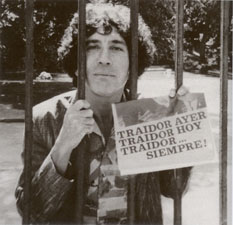
Reinaldo Arenas came into conflict with Fidel Castro’s government because of his openly-Gay lifestyle and because he managed to get several novels published abroad without official consent. He was jailed in 1973 for “ideological deviation”; he escaped and tried to flee Cuba on an inner-tube floating in the Caribbean Sea. The attempt failed and he was jailed again, this time at El Morro – the roughest prison in Cuba. He wrote letters for the loved ones of murderers and thereby gained some respect. Upon his release in 1976 the government forced him to renounce his work. In 1980 he came to the USA – one of many Cubans in the Mariel Boatlift. He settled in New York City where he mentored other exiled writers – but he was never happy, and he was Cuban till the end. Diagnosed with AIDS in 1987 he committed suicide in 1990, penning these words in a last letter (written for publication):
“Due to my delicate state of health and to the terrible depression it causes me not to be able to continue writing and struggling for the freedom of Cuba, I am ending my life. . . I want to encourage Cuban people out of the country as well as on the Island to continue fighting for freedom. . . Cuba will be free – I already am.”
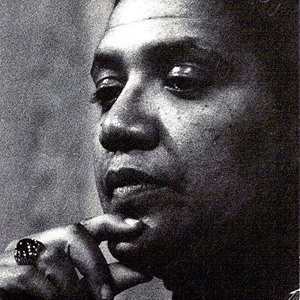
“Mujer” y “De la Casa de Iemanjá” por Audre Lorde / “Woman” and “From the House of Yemanjá” by Audre Lorde
Posted: July 1, 2012 Filed under: Audre Lorde, English, Spanish, ZP Translator: Lidia García Garay | Tags: Black lesbian poets Comments Off on “Mujer” y “De la Casa de Iemanjá” por Audre Lorde / “Woman” and “From the House of Yemanjá” by Audre LordeAudre Lorde
(Poeta, activista feminista, lesbiana, caribeña-americana, 1934-1992)
*
Mujer
Sueño con un lugar entre tus pechos
para construir mi casa como un refugio
donde siembro
en tu cuerpo
una cosecha infinita
donde la roca más común
es piedra de la luna y ópalo ébano
que da leche a todos mis deseos
y tu noche cae sobre mí
como una lluvia que nutre.
* * *
Audre Lorde
(1934-1992, poet, feminist activist, lesbian, Caribbean-American)
*
Woman
I dream of a place between your breasts
to build my house like a haven
where I plant crops
in your body
an endless harvest
where the commonest rock
is moonstone and ebony opal
giving milk to all of my hungers
and your night comes down upon me
like a nurturing rain.
*
*
*
Translation into Spanish: Anonymous
Traducción al español: Anónima
*

Audre Lorde
De la Casa de Iemanjá
*
Mi madre tenía dos caras y una cacerola
donde cocinó dos hijas y las
hizo hembras
antes de cocinar nuestra cena.
Mi madre tenía dos caras
y una cacerola rota
donde escondió una hija perfecta
que no era yo
yo soy el sol y la luna y por siempre
hambrienta de su mirada.
*
Yo llevo dos mujeres en mi espalda
una oscura y rica y oculta
en el marfil sedienta de la otra
madre
pálida como una bruja
pero constante y familiar
me trae pan y terror
en mi sueño
sus pechos son inmensos y fascinantes
anclas en la tormenta nocturna.
*
Todo esto ha existido
antes
en la cama de mi madre
el tiempo no tiene sentido
no tengo hermanos
y mis hermanas son crueles.
*
Madre necesito
madre necesito
madre necesito tu negritud ahora
como la tierra augusta necesita la lluvia.
*
Yo soy
el sol y la luna y por siempre hambrienta
la afilada orilla
donde el día y la noche se encuentran
y no ser
una.
*
*
Traducción del inglés al español: Lidia García Garay
* * *
Audre Lorde
From the House of Yemanjá
*
My mother had two faces and a frying pot
where she cooked up her daughters
into girls
before she fixed our dinner.
My mother had two faces
and a broken pot
where she hid out a perfect daughter
who was not me
I am the sun and moon and forever hungry
for her eyes.
*
I bear two women upon my back
one dark and rich and hidden
in the ivory hungers of the other
mother
pale as a witch
yet steady and familiar
brings me bread and terror
in my sleep
her breasts are huge exciting anchors
in the midnight storm.
*
All this has been
before
in my mother’s bed
time has no sense
I have no brothers
and my sisters are cruel.
*
Mother I need
mother I need
mother I need your blackness now
as the august earth needs rain.
I am
*
the sun and moon and forever hungry
the sharpened edge
where day and night shall meet
and not be
one.
*
Translating Poetry: a Creative Challenge / Traduciendo Poesía : Un Desafío a la Creatividad
Posted: May 30, 2012 Filed under: Elsa Burgos Alonso, Encarnación de Armas, English, Nuvia Estévez Machado, Spanish, ZP Translator: Alexander Best, ZP Translator: Lidia García Garay Comments Off on Translating Poetry: a Creative Challenge / Traduciendo Poesía : Un Desafío a la Creatividad
Translating Poetry: a Creative Challenge
The Décima is a Spanish poem form consisting of ten rhyming lines. It is credited to Vicente Martinez de Espinel (1550-1624), who based it on the forms of mediaeval Spanish ballads. Sometimes called The Espinela, it has been popularized in Puerto Rico with a rhyme pattern of ABBAACCDDC and each line contains 8 syllables. In Puerto Rico it was often sung by singer-poets who were jíbaros (peasants).
We have translated a selection of décimas by Cuban decimeras (women who write décimas). Some of the poems are hermetic and not as straightforward as traditional décimas – yet they somehow respect the tradition as well.
There is the skill of translation – there is also the art of translation. It is easier to achieve the former than the latter This is tough stuff! Some translators that we have noticed on the Internet do work that is enthusiastic but sloppy. But translators in heavy leather-bound books may do the same. An example is Peter H. Goldsmith, who, in 1920, translated Juana Inés de la Cruz’s famous poem: “Arguye de Inconsecuentes el Gusto y la Censura de los Hombres que en las Mujeres acusan lo que causan”. Goldsmith was true to the original’s rhythm and rhyme but he was not faithful to the poet’s meaning – even the final, intense quatrain (#17) went mysteriously missing.
There is an Italian saying: “Translator…Traitor !”. While we do not agree with such an extreme statement, still it is true that it’s difficult to get a translation 100% right. Translator Myralyn F. Allgood wrote: “It has been said – obviously by a man – that translated poetry is rather like a beautiful woman: if she’s beautiful she’s not faithful, and if she’s faithful she’s not beautiful.” Yet another provocative generalization…
But when you translate a poem and you know you’ve done your best work – you’ve been faithful to the meaning, captured the spirit, and even made it sound fresh – well, there is nothing like that good feeling!
*
Traduciendo Poesía : Un desafío a la Creatividad
La Décima es una forma de poesía en español que consiste de diez líneas que riman. La creación de la décima se le atribuye a Vicente Martinez de Espinel (1550-1624), quien la basó en la forma de baladas españolas medievales. Algunas veces llamada La Espinela, ha sido popularizada en Puerto Rico con un patrón rítmico de ABBAACCDDC y cada línea contiene ocho sílabas. En Puerto Rico era cantada comúnmente por cantantes y poetas jíbaros (campesinos).
Nosotros hemos traducido una selección de décimas de decimeras cubanas, quienes escriben décimas, de una forma más hermética y no exactamente como la forma tradicional – y aún así de alguna manera se apegan a ella.
En la Traducción hay destreza técnica– y también existe el arte de la Traducción. Es más fácil adquir la primera que la segunda. Hemos visto el trabajo de algunos traductores en la internet que se nota están hecho con mucho entusiasmo, pero malhecho. Y traductores en libros de tapa dura de cuero pueden hacer lo mismo. Un ejemplo de esto es Peter H. Goldsmith, quien en 1920 tradujó el famoso poema de Juana Inéz de la Cruz : « Arguye de Inconsecuentes el Gusto y la Censura de los Hombres que en las Mujeres Acusan lo que Causan ». La traducción de Goldsmith es fiel al texto original en ritmo y rima pero no es fiel al significado del poema—aún el final, la cuartilla #17, ha desaparecido misteriosamente.
Hay un dicho italiano que dice : « ¡Traductor – traidor !». A pesar que no estamos de acuerdo con esta declaración tan extrema, todavía es verdad que es difícil hacer la traducción de un poema 100% exacta. La traductora Myralyn F. Allgood escribió : « Ha sido dicho – obviamente por un hombre – que la poesía traducida es como una mujer bella : si ella es bella no es fiel, y si ella es fiel no es bella. » Otra generalización que nos da en que pensar…
Pero cuando se traduce un poema y usted sabe que ha hecho el mejor trabajo posible—usted ha sido fiel al significado, ha captado el espíritu del texto y aún lo ha hecho lucir flamante—bueno, entonces ¡no hay sentimiento que se compare!
__________
THREE CUBAN ” DECIMERAS ” / TRES DECIMERAS CUBANAS
Nuvia Estévez Machado (born/nace 1971)
Sometimes
I don’t understand
my thorny identity
sometimes I’m the morphine
of the “nutbars” I’m the thunder
weak lust the horrific
dirty water of the fish
wet earth reversals
I’m a mutilated dog
Lucifer in love
Sometimes
only sometimes.
_____
A veces
Yo ni me entiendo
esta indentidad de espina
a veces soy la morfina
de los locos soy estruendo
pobre lujuria lo horrendo
agua sucia de los peces
tierra mojada reveses
Soy un perro mutilado
Lucifer enamorado
Sólo a veces
sólo a veces.
_____
Tie her up
tie up the crazy woman, come,
She undresses and bites all
who mocked the twists
of her destiny Be
fair Stop
her anger her pranks
Bind tight her craziness
Knees, hips,
Legs – savage beasts –
But let her waist be free.
_____
Amarren
La loca vengan
se desnuda y muerde a todos
los que burlaron los modos
de su destino Mantengan
ecuanimidad Detengan
su rabieta su diablura
Aten fuerte su locura
las rodillas las caderas
los muslos – salvajes fieras –
Pero suelten su cintura.
_____
That one
Who was my canary
my toy my serenity
who was blind
when I taught him the alphabet
That one who was my rosary,
he counted glory
he who rolls without memory
him of the dirty shirt
he who hates by a smile
– that one will die without history.
_____
Ese
Que fue mi canario
mi juguete mi sosiego
a ese que cuando era ciego
enseñé el abecedario
Ese que fue mi rosario
donde contaba la gloria
el que rueda sin memoria
el de la sucia camisa
el del odio por sonrisa
ese fallecerá sin historia.
_____
It’s True
I’m the happy whore
the melancholic
a fearsome one, an idyllic one,
who grumbles and enjoys herself
It’s true I’m the one spits
my tongue upon your brains
drowning in excesses
she who howls
who barks at your flesh
she who tears at it
I’m the one bites your bones.
_____
Es verdad
Yo soy la puta
la feliz la melancólica
la temible la bucólica
quien se lamenta y disfruta
es verdad soy la que esputa
la lengua sobre tus sesos
la que se ahoga en excesos
quien ladra sobre tu carne
la que aúlla la que escarne
Soy la que muerde tus huesos.
_____
Requiem for the Crow
Oh death, arrive early and
bring an axe and a scythe
bring the mockery, the discord
Come my friend bring your hand
with which to break the mysterious
heart strike a wooden blow with a cross
ways of sleeping on my back
do not deceive me, come soon,
heal this orphanhood Don’t die.
_____
Réquiem por el cuervo
Oh muerte llega temprano
trae el hacha y la guadaña
trae la burla y la cizaña
ven amiga trae la mano
con que rompes el arcano
corazón Trae de maderas
un golpe de cruz maneras
de dormir sobre mi espalda
no engañes ven pronto salda
esta orfandad No te mueras.
_____
Elsa Burgos Alonso (born/nace 1945)
Homily
Split in two, borderless
An island in a high-tide of pain
I find no way of loving
These treacherous voices.
Homily of the beasts
That today vents forth in me
The dawn spins toward you
In a swift crystal I look for shoulders
Where one conceals the rubble
The bones and the dust I yield.
_____
Homilía
Desdoblada, sin fronteras
dolor de isla en pleamar
no encuentro forma de amar
a esas voces traicioneras.
Homilía de las fieras
que hoy se desfogan en mi
El alba gira hacia ti
en raudo cristal busco hombros
donde esconder los escombros
hueso y polvo que cedí.
_____
Encarnación de Armas (born/nace 1933)
Amor lejano (acróstico)
Amor, no sé si de amarte
Muero a solas cada día,
O nazco por la agonía
Repetida de esperarte.
La distancia se reparte
Entre tu adiós y mi beso
Junto a la duda que expreso
A veces, cuando te evoco,
No sé si olvidarte un poco
O soñar con tu regreso.
_____
Far-off Love (an acrostic poem)
From loving you: don’t know if that’s Love,
Alone I die each day.
Repeated agony of waiting for you –
Oh, I am born through this.
From the distance that spreads between your
Farewell and my kiss, these joined to the doubt
Left over from times when I evoke you –
Oh, I don’t know. Am I forgetting you just a
Very little bit? Or do I dream –
Even of your return?
_____
Traducciones / Translations: Lidia García Garay, Alexander Best
Alfonsina Storni y Karla Báez: Buscamos Mujeres que tengan alas para volar / We seek Women with wings who just might fly
Posted: May 25, 2012 Filed under: Alfonsina Storni, English, Karla Báez, Spanish, ZP Translator: Alexander Best Comments Off on Alfonsina Storni y Karla Báez: Buscamos Mujeres que tengan alas para volar / We seek Women with wings who just might fly
Today there takes place in Toronto a loud, serious and fun march of women – and their friends – from City Hall to Queen’s Park, the provincial legislature. The march goes by the provocative name Slut Walk. The first Slut Walk took place in April 2011 – and its destination was Toronto police headquarters – after remarks made by a police constable addressing female law students at a crime prevention forum at York University. The officer said: “Women should avoid dressing like sluts in order not to be victimized.” By ‘victimized’ he meant ‘raped’. The comment caused a furor in a city that wishes to see itself as progressive. It seemed the ‘same-old same-old’ sexist bullshit was alive and well. Feminism in Canada has often slipped under the popular radar in the past twenty five years – one generation – and advertisement images of women’s bodies – sometimes without heads – are used to sell everything. Everybody – and he’s often male – has got a hard opinion or a strict belief about what’s acceptable and what’s “asking for it” (“it” meaning rape) when it comes to what a woman ought to wear and how/when/why she’s walking down the street.
Like the Take Back the Night marches of the 1970s and 1980s – organized by women angered that police kept telling them to “stay inside at night so you’ll be safe” – the Slut Walk brings those same fundamental concerns into the 21st century. Though there is debate and reasoned opposition among women about the choice of name – Slut Walk – slut being a thorny word that can draw blood and may or may not be able to be “reclaimed” (queer, bitch, and nigger are three other examples) – there is also plenty of chutzpah and a healthy “Fuck you!” attitude in that name, too. Slut Walks have been organized in Argentina, India and South Africa, as well.
A placard seen at the first Slut Walk captures with simple intelligence one of the march’s aims:
“No means No, Yes means Yes – wherever we go, however we dress.”
*
We feature Spanish-language poems by two female poets, one from 1930s Argentina, the other from 21st-century México. The first poet, Alfonsina Storni, writes in proto-feminist fashion about the vain possessiveness of men, also about their hypocrisy (the “experienced” man wants a “pure” woman). Storni’s poem, “You want me white”, is a kind of spiritual descendant of Mexican nun Juana Inés de la Cruz’s 17-quatrain poem which begins with the phrase: “Hombres necios que acusáis a la mujer sin razón…”.
The second poet, Karla Báez, is full of passionate idealism – and energy for Change.
* * * * *
Alfonsina Storni (poetisa argentina / Argentinian poet, 1892-1938)
Hombre Pequeñito
Hombre pequeñito, hombre pequeñito,
suelta a tu canario que quiere volar.
Yo soy el canario, hombre pequeñito,
déjame saltar.
*
Estuve en tu jaula, hombre pequeñito,
hombre pequeñito que jaula me das.
Digo pequeñito porque no me entiendes,
ni me entenderás.
*
Tampoco te entiendo, pero mientras tanto,
ábreme la jaula que quiero escapar.
Hombre pequeñito, te amé media hora,
no me pidas más.
_____
Little wee man
Little wee man, little wee man,
Release your canary that wants to fly.
I’m that canary, you little wee man,
Let me jump.
*
I was in your cage, little wee man,
Little wee man who incarcerates me.
I call you “wee little” because you
don’t understand me – nor will you, ever.
*
Nor do I understand you…but in the meantime,
Open the cage – I want to escape.
Little wee man, I loved you a mere hour,
Ask of me no more.
_____
Tú me quieres blanca
Tú me quieres alba,
Me quieres de espumas,
Me quieres de nácar.
Que sea azucena
Sobre todas, casta.
De perfume tenue.
Corola cerrada
Ni un rayo de luna
Filtrado me haya.
Ni una margarita
Se diga mi hermana.
Tú me quieres nívea,
Tú me quieres blanca,
Tú me quieres alba.
*
Tú que hubiste todas
Las copas a mano,
De frutos y mieles
Los labios morados.
Tú que en el banquete
Cubierto de pámpanos
Dejaste las carnes
Festejando a Baco.
Tú que en los jardines
Negros del Engaño
Vestido de rojo
Corriste al Estrago.
Tú que el esqueleto
Conservas intacto
No sé todavía
Por cuáles Milagros.
*
Me pretendes blanca
(Dios te lo perdone),
Me pretendes casta
(Dios te lo perdone),
¡Me pretendes alba!
*
Huye hacia los bosques,
Vete a la montaña;
Límpiate la boca;
Vive en las cabañas;
Toca con las manos
La tierra mojada;
Alimenta el cuerpo
Con raíz amarga;
Bebe de las rocas;
Duerme sobre escarcha;
Renueva tejidos
Con salitre y agua;
Habla con los pájaros
Y lévate al alba.
Y cuando las carnes
Te sean tornadas,
Y cuando hayas puesto
En ellas el alma
Que por las alcobas
Se quedó enredad…
– entonces, buen hombre,
Preténdeme blanca,
Preténdeme nívea,
Preténdeme casta.
_____
You want me white
You want me to be the dawn
You want me made of seaspray
Made of mother-of-pearl
That I be a lily
Chaste above all others
Of tenuous perfume
A blossom closed
That not even a moonbeam
Might have touched me
Nor a daisy
Call herself my sister
You want me like snow
You want me white
You want me to be the dawn
*
You who had all
The cups before you
Of fruit and honey
Lips dyed purple
You who in the banquet
Covered in grapevines
Let your flesh go
Celebrating Bacchus
You who in the dark
Gardens of Deceit
Dressed in red
Ran towards Destruction
You who maintain
Your bones intact
Only by some miracle
Of which I know not
You ask that I be white
(May God forgive you)
You ask that I be chaste
(May God forgive you)
You ask that I be the dawn!
*
Flee towards the forest
Go to the mountains
Clean your mouth
Live in a hut
Touch with your hands
The damp earth
Feed yourself
On bitter roots
Drink from the rocks
Sleep on the frosty ground
Clean your clothes
With saltpeter and water
Talk with the birds
*
And set sail at dawn
And when your flesh
Has returned to you
And when you have put
Into it the soul
That via bedrooms
Became twisted and tangled…
– then, good man,
Ask that I be white
Ask that I be like snow
Ask that I be chaste.
_____
Karla Báez (nace/born 1977, México, D.F./ México City)
Llamada de Auxilio
Cruza la noche
un grito desgarrado,
…duele más el silencio,
ante la voz de la ira…
No me volverás a tocar,
ni con golpes ni palabras.
¿Duele verdad? Lo sé,
yo también fui tu víctima.
_____
A Call for Help
Crisscrossing the night,
A piercing cry.
Silence hurts more,
before the voice of rage…
You will not touch me again,
Neither with punches nor with words.
Does the truth hurt? I know it;
I too was your victim.
_____
Busco Mujeres
Busco Mujeres,
que sean sensibles ante la injusticia,
Busco Mujeres,
que luchen por sus ideales.
Busco Mujeres,
que se harten de las mentiras,
de los golpes, de la violencia.
Busco Mujeres
que no sean indiferentes
al dolor de la gente.
Busco Mujeres
que tengan alas para volar.
_____
I seek Women
I seek Women,
who can be aware of injustice,
I seek Women,
who can struggle for their ideals.
I seek Women,
who are fed up with all the lies,
the blows – the violence.
I seek Women
who cannot be indifferent
to people suffering.
I seek Women
who might have wings – women who will fly.
_____
Traducción del español al inglés / Translations from Spanish into English
(“Little wee man”, “A Cry for Help”, “I seek Women”): Alexander Best
 Zócalo Poets