Johnny Hartman: the great yet little known song stylist
Posted: February 9, 2014 Filed under: IMAGES | Tags: Black History Month Comments Off on Johnny Hartman: the great yet little known song stylist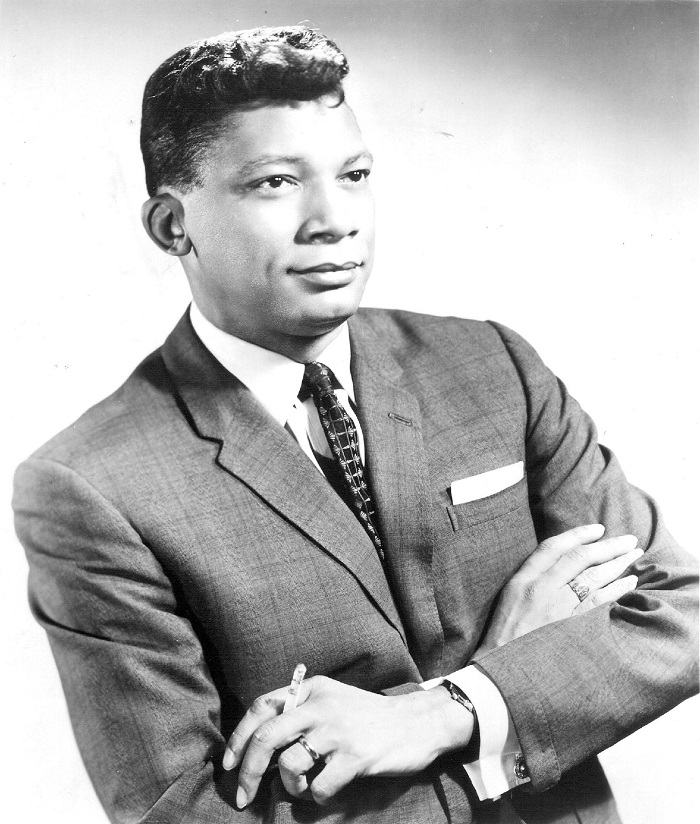
Johnny Hartman (born John Maurice Hartman), 1923-1983, was from Louisiana but grew up in Chicago. Imagine the best qualities of Frank Sinatra’s voice from the 1940s and 1950s – tender and thoughtful, or manly with confidence – and you’ll have an idea of Hartman’s voice. Now: lower that voice to a baritone-bass – and you’ve got Hartman. Like Sinatra, he had a homely face and a great voice – but Hartman’s interpretive skills with a ballad were more sensitive – were finer – than Sinatra’s.
.
Contemporary singer Gregory Generet has written of Hartman: “ [He] was a master of emotional expression, putting everything he had into every word he sang. His rich, masculine baritone voice never wavered in its sincerity. The only vocalist ever to record with John Coltrane, he was mostly known only to true jazz lovers during his glorious career.” Generet’s correct when he writes “glorious”; he’s also correct when he writes “mostly known only to true jazz lovers.” Hartman’s performances on record are “glorious” and he was always too little known by the general public, and is by now all but eclipsed in the Internet-era that is the 21st century, where History is 10 years ago.
. . .
Cole Porter (1891-1964)
“Down in the Depths on the 90th floor” (1936)
.
Manhattan, I’m up a tree,
The one I’ve most adored
Is bored
With me.
Manhattan, I’m awfully nice,
Nice people dine with me,
And sometimes twice.
Yet the only one in the world I’m mad about
Talks of somebody else
– And walks out.
.
With a million neon rainbows burning below me
And a million noisy taxis raising a roar,
Here I stand above the town
Drinking champagne with a frown,
Down in the depths on the ninetieth floor.
.
And the crowds in all the nightclubs punish the parquet
And the couples at the bar clamour for more.
I’m deserted and depressed
In my regal eagle’s nest,
Down in the depths on the ninetieth floor.
.
When the only one you want wants another,
What’s the good of swank and cash in the bank galore?
Why, my janitor and his wife,
They have a perfectly good love life;
And here am I,
Facing tomorrow,
Alone in my sorrow
– Down in the depths on the ninetieth floor!
. . .
Listen to this 1955 recording of Johnny Hartman singing “Down in the Depths (on the 90th floor)”:
. . . . .
Black History Month: Favourite Albums: 1933 –1983
Posted: February 7, 2014 Filed under: IMAGES | Tags: Black History Month Comments Off on Black History Month: Favourite Albums: 1933 –1983
Though Zócalo Poets is a poetry site – mainly – we are unable to resist the urge to post a Favourites list. Not a list of poems but of musical recordings; some of these are Songs, and, therefore, related to Poetry in its origins…What’s not to love about such an undertaking?!
Our Favourite Albums list for Black History Month 2014 is by no means definitive, for Music, like Poetry, is a limitless lifetime’s discovery. But here at least are some “snowed-in” Bests for February in Toronto…
. . .
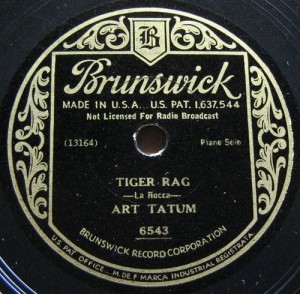
Art Tatum (1909-1956) was one of the greatest piano virtuosos of the twentieth century. His musical aptitude didn’t emerge from nowhere, however; his father Arthur and his mother Mildred were a guitarist and pianist together at Grace Presbyterian Church in Toledo, Ohio. From early childhood, Art Tatum’s perfect pitch and ability to play by ear got him a head start; he would come to touch the piano keyboard as if it were merely an extension of his fingertips. His main influences were James P. Johnson, Fats Waller, and Earl Hines. But Tatum goes beyond them all – great though they were. His first piano recordings, both from 1933, are breathtaking in their sophistication, ease, sensitivity, and light touch: “Tiger Rag” and “Tea for Two”.
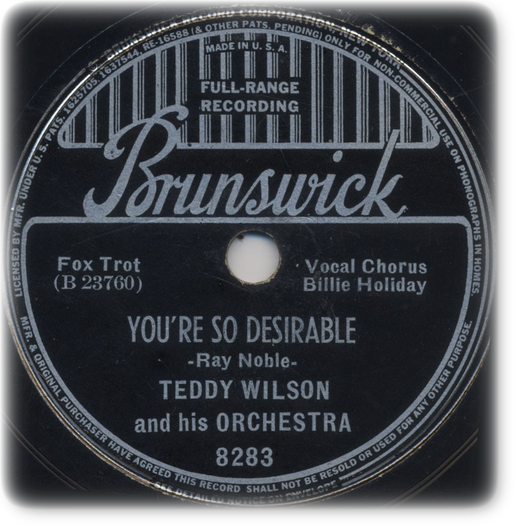
Since there is no one album for Billie Holiday in the 1930s – generally there were only individual 78 rpm records with one song per side during that era – we have chosen her 1938 recording of Ray Noble’s “You’re So Desirable”. The 23-year-old Holiday sings it just right. And it was during this period – her early years – that she did her best singing. She was billed as the vocalist for various popular orchestras of the day – and was among the first singers to become more of a draw in performance than the band itself. From the time she was 18 and made her first recorded song – “My Mother’s Son-in-law”(1933), and clear through till the end of the decade, in songs such as “Travelin’ All Alone”(1937) and “On the Sentimental Side”(1938), Billie sang in her own new way – cheerful, spritely, yet also kind of lost: dreamy and sad – and often about a quarter-beat behind the band’s beat.
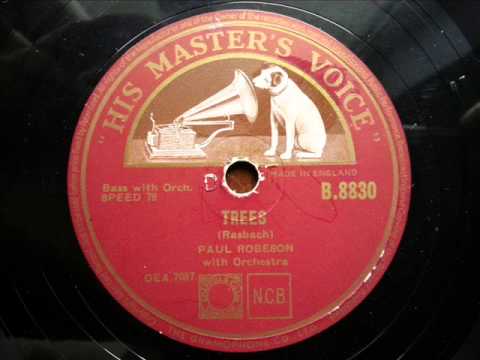
Paul Robeson recorded “Trees”, a song adaptation of a terrifically popular 1913 poem by Joyce Kilmer, in 1938 when he was 40 years old. Robeson’s voice was the deepest – yet full of nuanced feeling for all its bass ballast. A magnificent singer.
And take a few minutes to research his ambitious and complicated life. Robeson was a man of integrity; he really put his money where his mouth was – and paid the price.
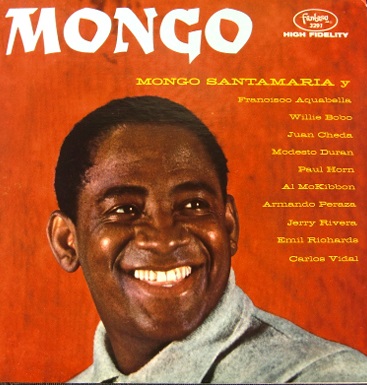
Mongo Santamaría‘s 1959 album “Mongo”. Santamaría was a Cuban conga player, primarily handling the “quinto” drum which voices the lead in a percussion ensemble. Afro-Blue and Mazacote (“Sweet Hodgepodge”) are hypnotic tracks.
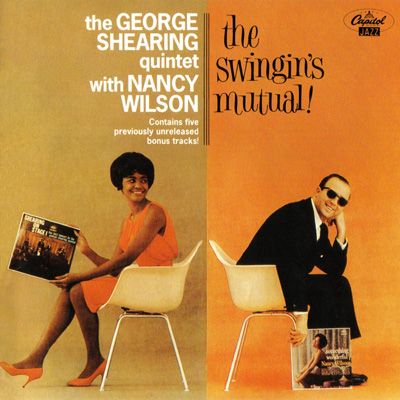
Nancy Wilson was 24 years old when she sang on this 1961 record, backed by George Shearing. To hear her sing “On Green Dolphin Street” is to hear young-smart-&-sophisticated. But in all that she sang from the 1960s – the pop standards, too – Wilson’s unique sound included a vocal clarity and precision unlike any other singer. The Song-Stylist to match!
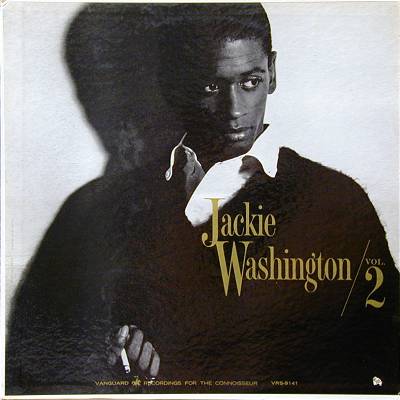
Jackie Washington – born Juan Cándido Washington y Landrón in Puerto Rico but raised in Boston – was mainly known on the folk-music scene. He sang in English and in Spanish. This 1963 record includes “The Water is Wide” and “La Borinqueña”. A subtle and much under-rated singer.
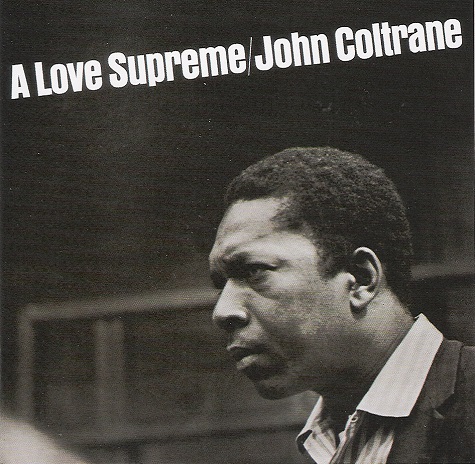
The John Coltrane Quartet recorded A Love Supreme in just one session, on December 9th, 1964. It is a four-part instrumental suite – complex jazz, both introspective and forthright. Personnel included: Jimmy Garrison, Elvin Jones, and McCoy Tyner.
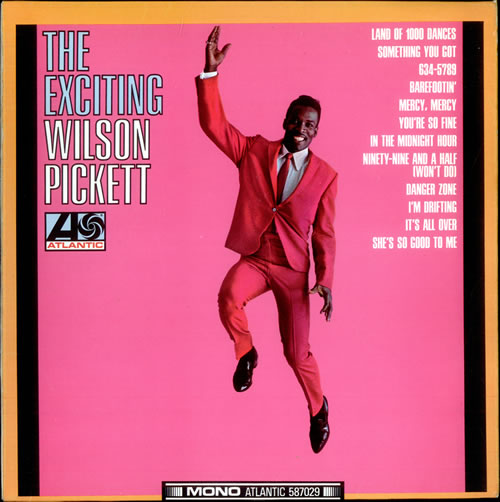
Wilson Pickett was one of the great R & B and Soul singers of the 1960s. And his earthy, rough and intense tone brings any lyric to life. The Exciting Wilson Pickett, from 1966, is 12 songs that play like jukebox Hits, many of them barely 2 and a half minutes long, and none more than 3 minutes. And how much time do you need anyway – when you’re the Wicked Pickett?
When Aretha Franklin recorded her first song, the brisk and bluesy “Maybe I’m a Fool” at the age of 18 in 1960, it was the beginning of a decade of superior-quality popular music from a young woman who quickly became one of the masterful song Interpreters of the 1960s. On Lady Soul, from 1967-68, Aretha sings two songs that show off her voice in different moods – and she gets ’em both exactly Right-ON. The telling-it-like-it-is“Chain of Fools” and Carole King’s “You Make Me Feel Like a Natural Woman” (Aretha’s version of this is the one.) The Lady Soul album included among the background vocalists Aretha’s sisters Carolyn and Emma, and Whitney Houston’s mother, Cissy.

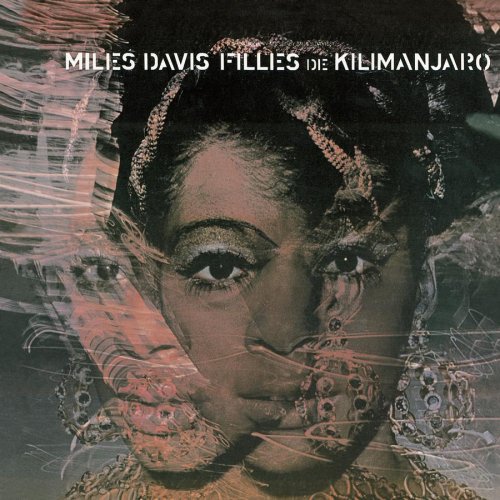
Miles Davis was making a transition from acoustic jazz to electric sounds when he recorded Filles de Kilamanjaro in 1968. Personnel included: Wayne Shorter, Herbie Hancock / Chick Corea, Ron Carter / Dave Holland, and Tony Williams. We far prefer this quirky album to the chilly perfection of Kind of Blue.
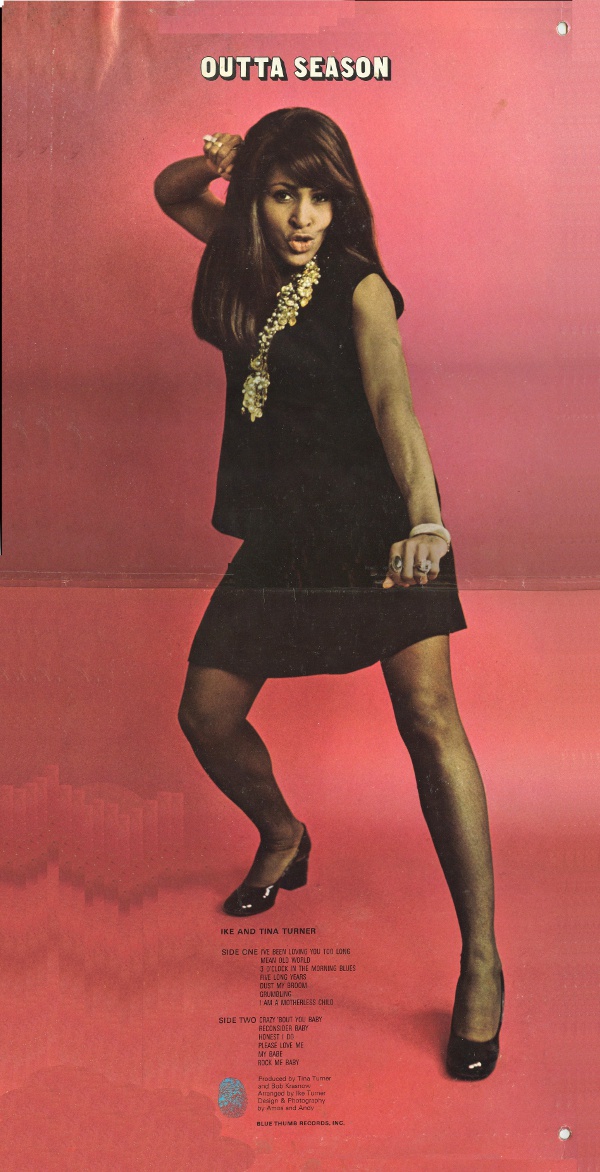
1969’s Outta Season! is all classic Blues from Ike and Tina Turner, with the addition of the old Spiritual “Sometimes I Feel Like a Motherless Child”. We agree with Nat Freedland’s appraisal of Tina Turner’s voice and presence from this period: “Tina is such a fine singer and such a superlative performer that any reaction less than adulation seems pointless.” (Billboard magazine, October 1971).
Roberta Flack & Donny Hathaway: In 1971-72 these two intensely-personal singers teamed up for an album that included soul, pop, and a powerful rendition of a 19th-century hymn, “Come, Ye Disconsolate”.

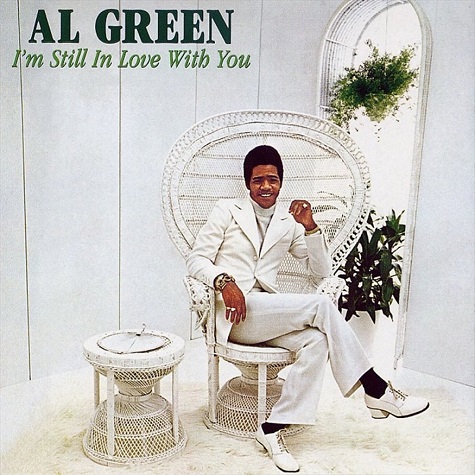
Al Green‘s 1972 album, I’m Still in Love with You: 35 minutes of exquisite Love Music. This was the Billboard chart #1 R.& B. album in December 1972, and Green’s pleading, confessional tone with a lyric makes you know why. Soul, Gospel, Pop, even a Country ‘feeling’ – all together as they rarely have been. “Love and Happiness”, “I’m Still in Love with You”, and “Look What You Done for Me” are standouts.
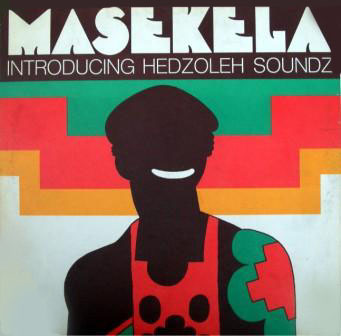
It’s hard to top Al Green’s album mentioned above – but Hedzoleh Soundz, an early 1970s combo. group from Ghana – with West African traditional and pop/rock musicians weaving into an Afro-Jazz sound – plus South African Hugh Masekela‘s trumpet sewing it all up – somehow DOES!
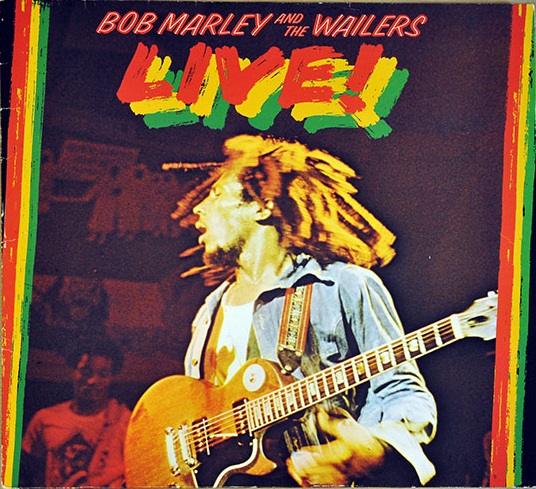
Bob Marley and The Wailers and the “I-Threes”, recorded live at The Lyceum in London, England, 1975. What can we say? The standard setter for great first-generation Reggae.
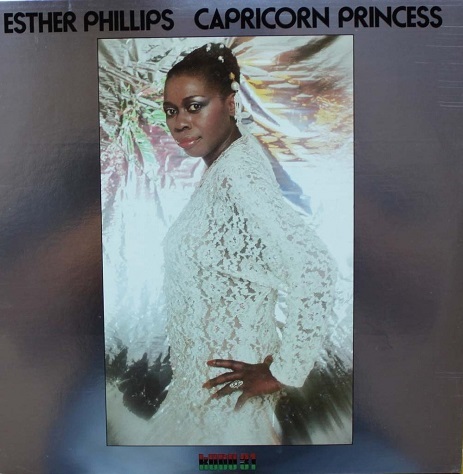
Esther Phillips has one of the best voices in recorded popular music – it may be too good, in fact. Her voice’s number 1 quality is Real-ness, and your ass’s been song’d by the time the needle leaves the groove. She was versatile, too – blues, jazz, country, pop – you name it, her voice held it all. Her 1972 version of Gil Scott-Heron’s “Home is Where the Hatred Is” is the definitive version of that disturbing drug-addiction cri-de-coeur (Phillips died at the age of 48, in 1984, after three decades of chronic hard-drug use.) If you can find a copy, listen to “All the Way Down” from the album pictured here, 1976’s Capricorn Princess.
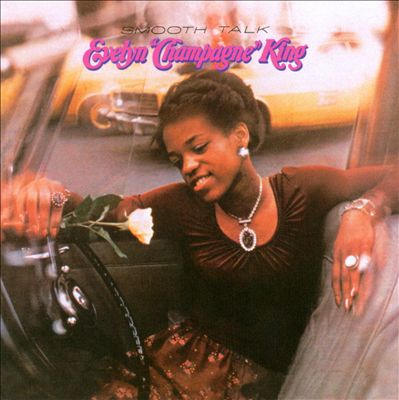
Evelyn “Champagne” King‘s debut album, Smooth Talk, was released in 1977. The 18 year old had been cleaning offices and producer T. Life overheard her singing. He coached the teenager and in no time she delivered perhaps the single best Disco song ever – “Shame”. 6 minutes and 37 seconds long, it was a group effort, of course; there were real horns, plus guitar, bass, a drummer, keyboards, clavinet, organ, and a half a dozen judiciously-placed background vocalists. But King was a singer who could sing – her voice has a rawness and delicacy all at once – in other words, real character. It’s instructive to listen to a song like “Shame” nowadays and, if you’re old enough, you’ll remember when such mid-tempo dance songs were commonplace and that the bass beat was rarely punchy or mixed too big and too far forward. (Beware Remixes – such “pumped up” re-releases of quote-unquote Retro or Old-School dance numbers from a generation-or-more ago rob the songs of their integrity.) While many people made fun of Disco – even when it was “the trend” (approx.1976 – 1981) – it’s also true that too much of 21st-century Dance music (“Club” music) is pretty generic, features unmemorable voices, and requires a Video to make you believe you really Dig It. Are we showing our age here? Well, alright then.
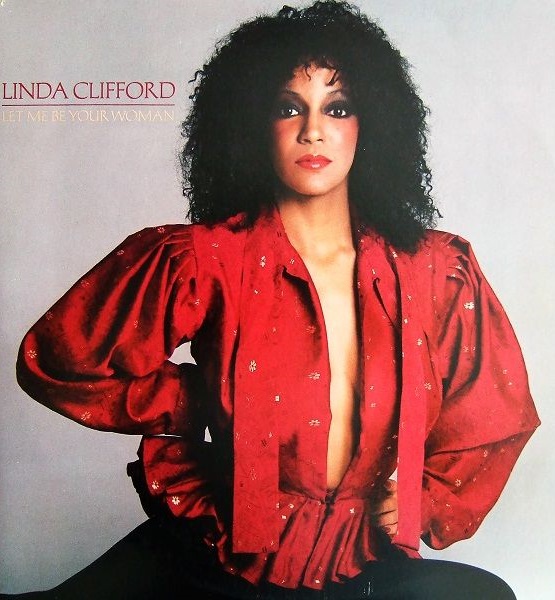
Linda Clifford was given the full treatment for her 1979 Disco double-album, Let Me Be Your Woman: a cover portrait by Francesco Scavullo and an all-Woman centrefold (but classy!) when you flipped the jacket open. Clifford turns Simon and Garfunkel’s “Bridge Over Troubled Water” into the funky disco anthem it should always have been, complete with “talking drums”. And “Don’t Give It Up” is 9 minutes of common-sense Rap – in its 1960s’ meaning: “keeping it real” and “having your say”. Clifford’s opening line: “Alright, Girls, come on now. We gonna have to git together and figure out what we gonna do with all these Men!”
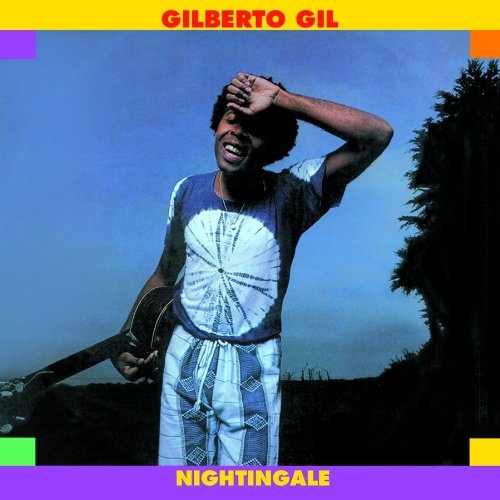
“Balafon” and “Maracatu Atômico” from 1979 are examples of sweet-voiced Gilberto Gil‘s playful melding of Afro-Brazilian themes and rhythms with pop music – something so typically Brazilian. Brazil has the most variety musically of all countries on the planet; its musical inventiveness and hybrid vigour are unparalleled.
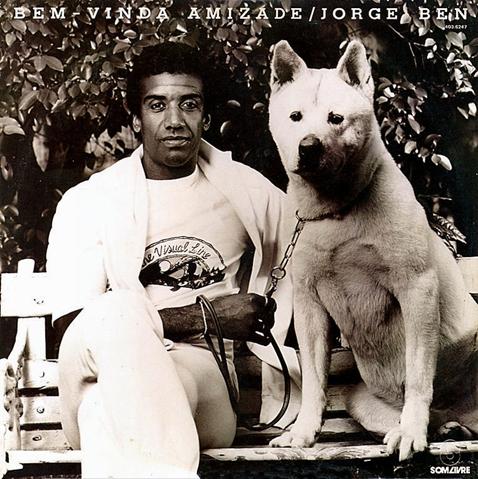
Jorge Ben, like his countryman Gilberto Gil, is restlessly creative on this 1981 album of Brazilian pop…
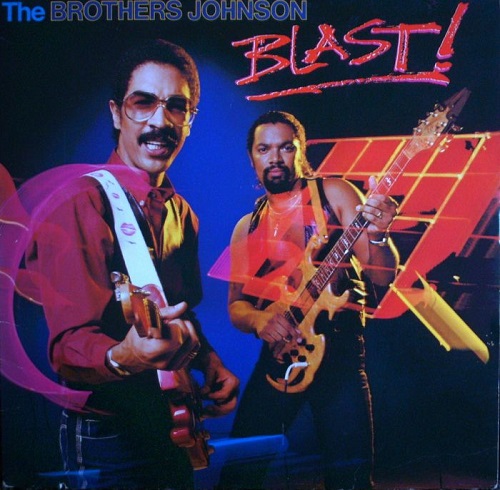
The Brothers Johnson‘s Blast! from 1982 contained the final great Disco track – “Stomp”. Yeah, it’s funky too, but make no mistake, this is Disco at its best, and a sexy, muscular last hurrah just as pop-music trends were veering off toward the self-conscious weirdness of New Wave.
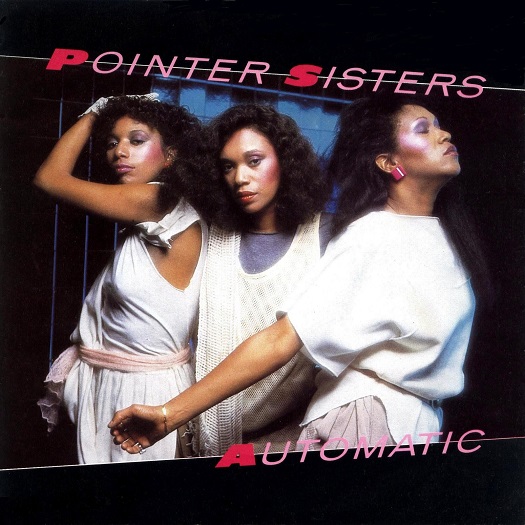
The Pointer Sisters (Anita, June and Ruth) were a seasoned trio all in their thirties (fourth sister Bonnie struck out on her own in the late 1970s) by the time their 1983 album Break Out was released. Their strikingly-low alto voices combined with a synthesizer-dense instrumental made the song “Automatic” one of the quintessential 1980s tracks. The “12-inch” extended version of the song is an “Electro-Dance” classic of that decade. But it’s the Sisters’ rich, full vocals that really make the song.
. . . . .
“Sulijuk” – “It is true”: the drawings of Annie Pootoogook
Posted: January 9, 2014 Filed under: English, IMAGES | Tags: Contemporary Inuit Women Artists Comments Off on “Sulijuk” – “It is true”: the drawings of Annie Pootoogook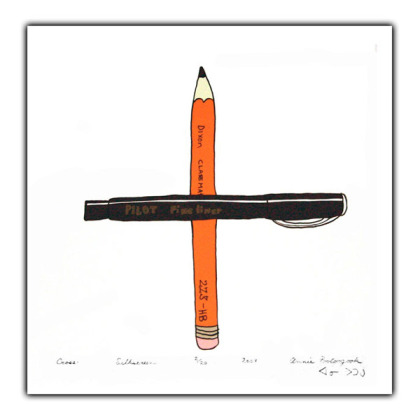
Annie Pootoogook_Cross_2007
Annie Pootoogook, born in 1969 in Cape Dorset, North West Territories – now Kinngait, Nunavut – began drawing at the age of 28, through the encouragement of the West Baffin Eskimo Cooperative. In 2006, she won Canada’s $50,000 Sobey Art Award, presented to artists age 39 or younger who have exhibited in Canada during the previous 18 months. In 2007 Pootoogook had drawings and lithographs at the 2007 Biennale de Montréal and also at the Basel Art Fair and Documenta 12 in Kassel, Germany.
.
Pootoogook’s drawings are often in a style / with subject matter outside of traditional Inuit visual artistic style / subject matter. We are very far from The Enchanted Owl when we look at a Pootoogook drawing. “Modern” technology – video games, TV – are frankly present, even while boredom may also be evident in her human figures. The artist’s drawing technique of carefully outlining shapes in black then filling them in with solid colour is perhaps even more “traditional”, more “handmade” than most Inuit prints of the last two generations; and her subject matter is the opposite: no fantastic birds but her bra, her eyeglasses; no nostalgic Creation myth depicting Sedna, the goddess of the sea, rather a memory of Pootoogook herself smashing bottles against a wall.
.
An Artist may show many aspects of Life – both the real and the unreal, the ideal and the unvarnished truth. And anyway, such words refer to an interconnected reality that makes Existence “full up” with Being. That’s why Pootoogook’s drawings have validity – without belittling what had become a narrow genre in Inuit art i.e.the depiction of remembered “traditional ways” of daily life plus endless charming and fanciful Arctic animals. By the time Annie Pootoogook was born (1969) most Inuit in the Canadian Arctic had been forceably re-settled into permanent communities through a methodical programme of the federal government with the RCMP; they were living in pre-fabricated houses, and their former nomadic way of life – following the caribou herds and living in summer encampments then igloos – was gone in a mere two generations. While hunger ceased the Inuit were no longer self-sufficient yet neither were they integrated; the “violence” of such cultural upheaval is still being felt in 2014. Pootoogook’s drawings of domestic abuse and “boozing” tell this unpretty truth – and yet there is gentleness and humour in her work too, plus a straightforward and unsensational point of view about sometimes depressing circumstances.
.
After winning the Sobey prize Pootoogook moved from Baffin Island down to Ottawa. She went “outside” – as some Northerners say. By all accounts her life in The South has been up and down – yet she has not given up drawing. Annie Pootoogook is the daughter of artists – mother Napachie and father Eegyvudluk Pootoogook – and the granddaughter of Pitseolak Ashoona (1904-1983), one of the original generation of Inuit women illustrators/printmakers. Her uncle, Kananginak Pootoogook (1935-2010), was a sculptor and printmaker, and was instrumental in the creation of the West Baffin Eskimo Cooperative in the 1950s. So: Creativity is in Annie Pootoogook’s blood; we will be hearing from her again.
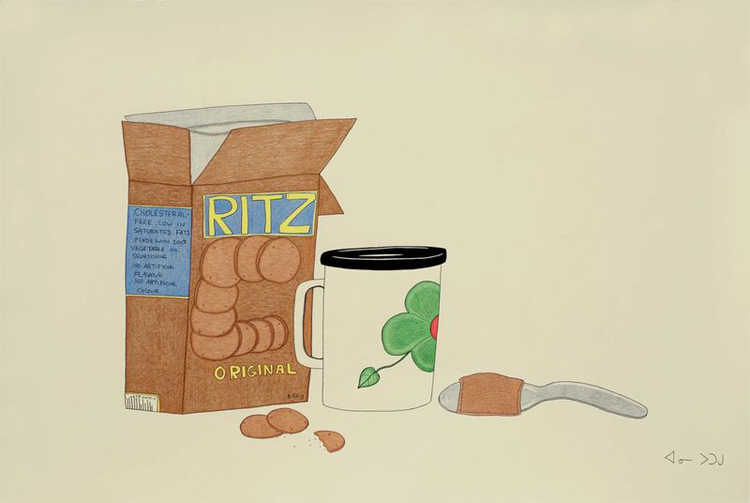
Annie Pootoogook_Ritz Crackers_2004
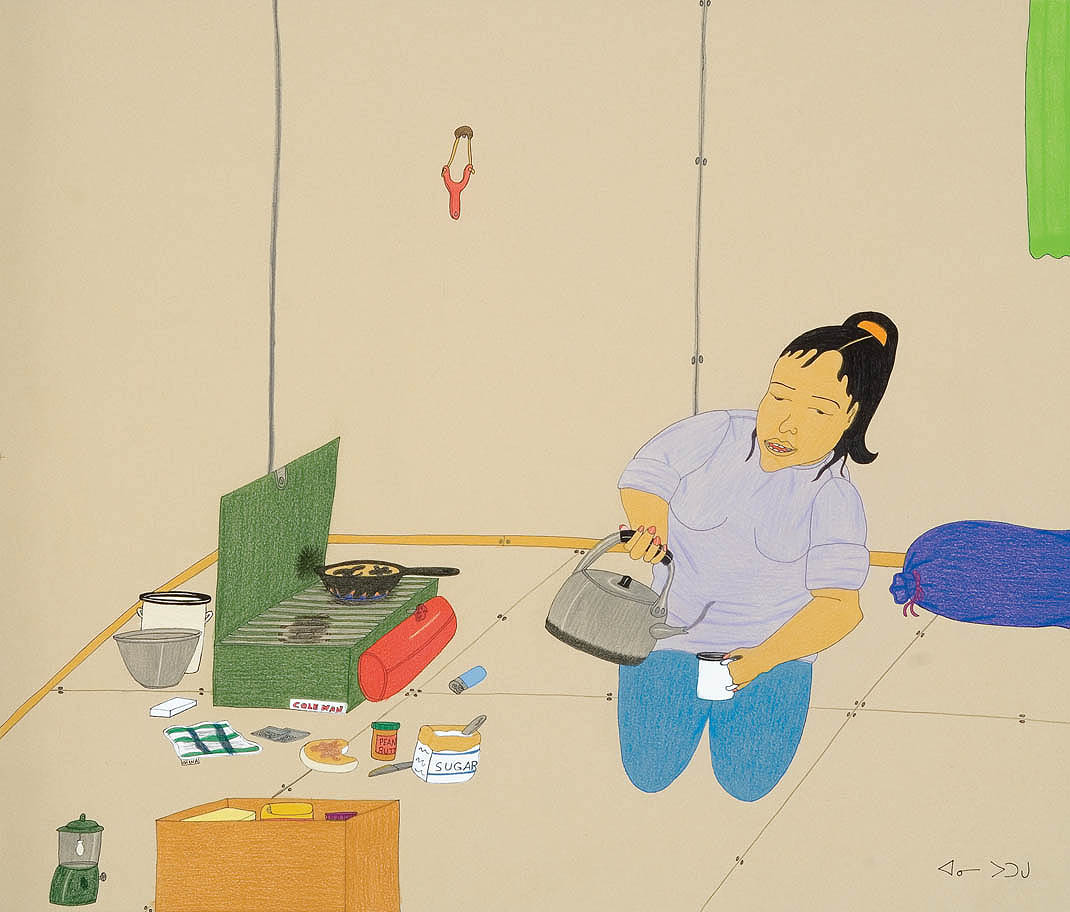
Annie Pootoogook_Woman Making Tea_wax crayon, graphite, felt- tip pen_2006
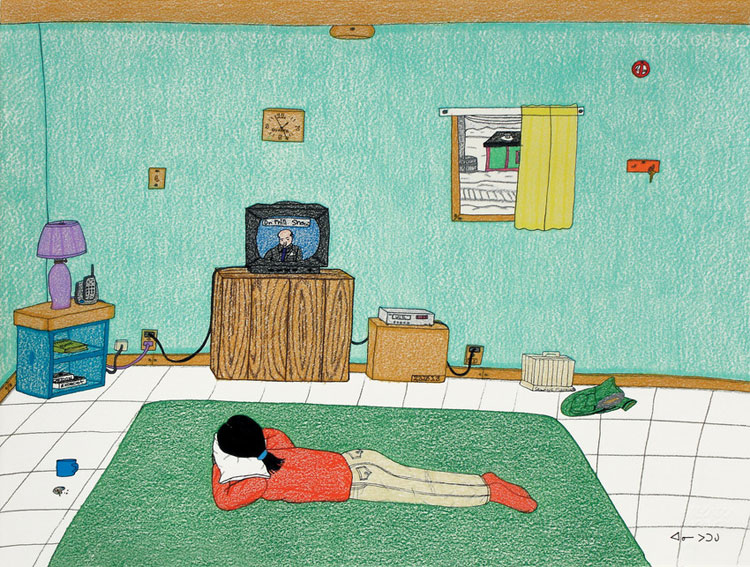
Annie Pootoogook_Dr. Phil_2006

Annie Pootoogook_Memory of My Life_Breaking Bottles_ink and pencil crayon on paper_2002
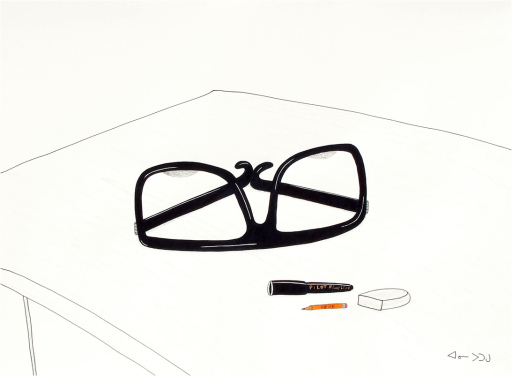
Annie Pootoogook_Glasses, pen, pencil, eraser_2006
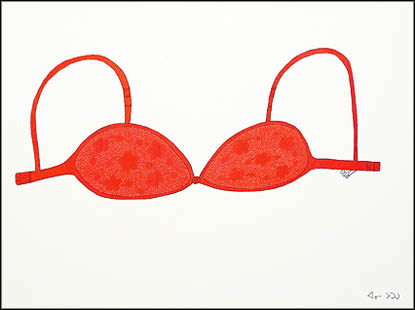
Annie Pootoogook_Red Bra
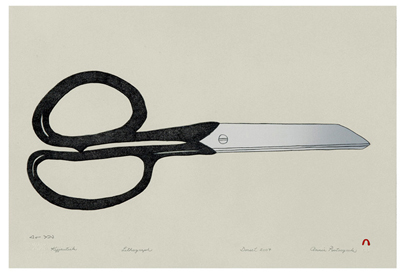
Annie Pootoogook_Scissors_Lithograph_2007
. . . . .
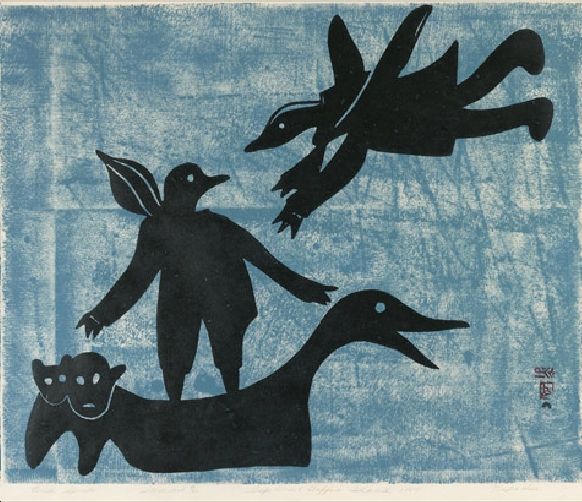
Napatchie Pootoogook_Bird Spirits_stonecut_1960
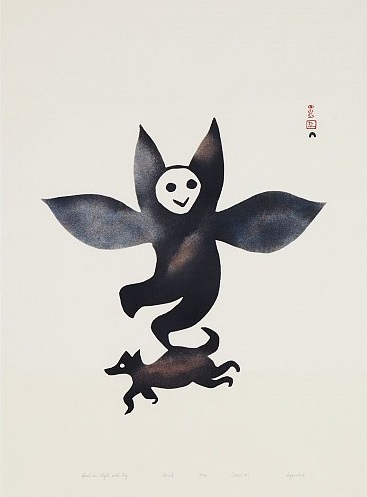
Eegyvudluk Pootoogook_Spirit in Flight with Dog_Stonecut_1961
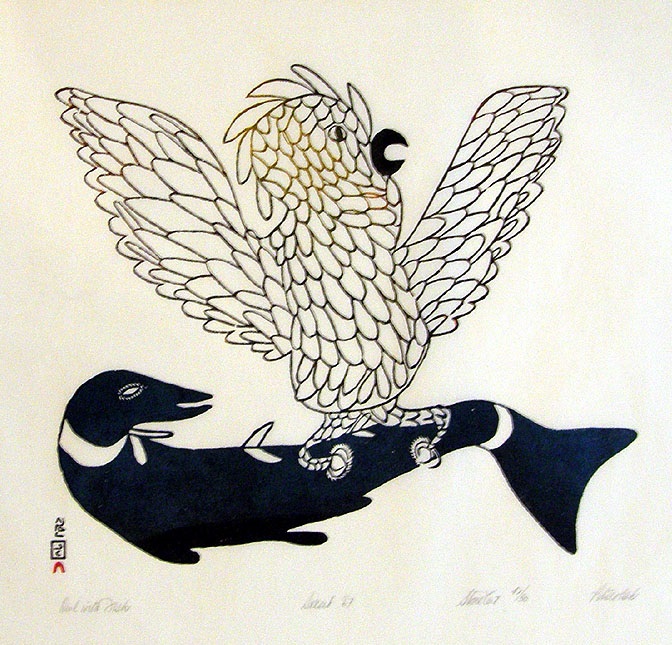
Pitseolak Ashoona_Owl with Fish_stonecut_1968
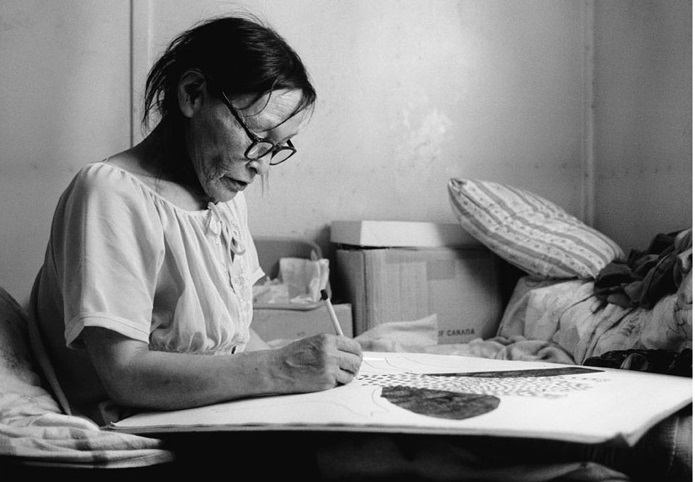
Pitseolak Ashoona at work on a drawing in 1971_photograph by John Reeves
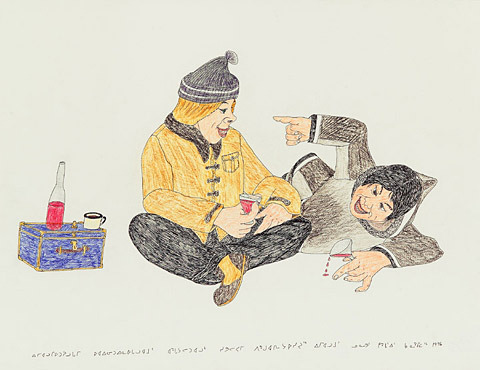
Kananginak Pootoogook_White man and Inuk_Drinking_1996

Annie Pootoogook outside the Rideau Centre in Ottawa making a drawing with coloured pencils_Summer of 2012_photograph by Alexei Kintero
ᕿᓐᓄᐊᔪᐊᖅ ᐋᓯᕙᒃ / Kenojuak Ashevak: Inuit Artist Pioneer
Posted: January 8, 2014 Filed under: English, IMAGES, Inuktitut Comments Off on ᕿᓐᓄᐊᔪᐊᖅ ᐋᓯᕙᒃ / Kenojuak Ashevak: Inuit Artist Pioneer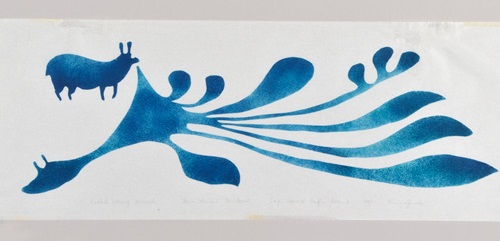
Kenojuak_Rabbit Eating Seaweed_1959
ᕿᓐᓄᐊᔪᐊᖅ ᐋᓯᕙᒃ (1927-2013)
Kenojuak Ashevak was born in 1927 at the Inuit camp of Ikirasaq on Baffin Island in the North West Territories of Canada. She died exactly one year ago today – January 8th – and we are honouring her now, one year later, because ZP did not ‘post’ during the month of January 2013.
.
One of the first women to make drawings in Cape Dorset during the 1950s, Kenojuak used graphite, coloured pencils and felt-tip pens. With the assistance of Inuit art promoter James Houston, Kenojuak made the transition to soapstone-cut print-making. Her first such print dates from 1959 and is called Rabbit Eating Seaweed. It is based on a needle-work and appliqué design she had made on a sealskin bag. Kenojuak would draw freely, with confidence in line and form, then would have her drawings transferred/cut into the print stones by one of the stone-cutters at the new West Baffin Eskimo Co-operative Workshop (“Senlavik”) which started up in 1959. After the stone-cutter had completed his incisions she would then apply one or two colours of inks to the printing surface. Sometimes the strong arms of Eegyvudluk Pootoogook would help apply the right paper-upon-stone pressure to complete the print. Kenojuak’s The Enchanted Owl, from 1960, is one of the most famous Canadian artworks internationally – instantly recognizable and emblematic of the 1960s and an “Idea” of The North.
.
Kenojuak was married three times and bore eleven children by her first husband, a hunter named Johnniebo Ashevak (1923-1972). At the time of her death from lung cancer in 2013, she was living in a wood-frame house in Kinngait (formerly Cape Dorset), Nunavut. A cheerful personality, Kenojuak was always humble about her artistic success, and thankful for the “gift” of her talent.
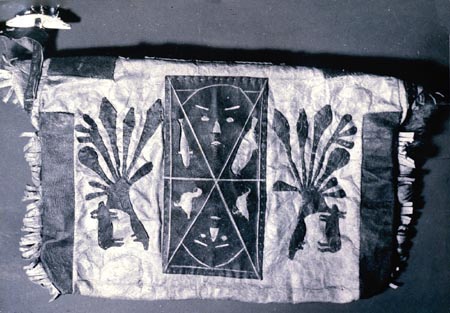
The sealskin bag made by Kenojuak in 1958 and from which she drew the inspiration for her first print_Rabbit Eating Seaweed
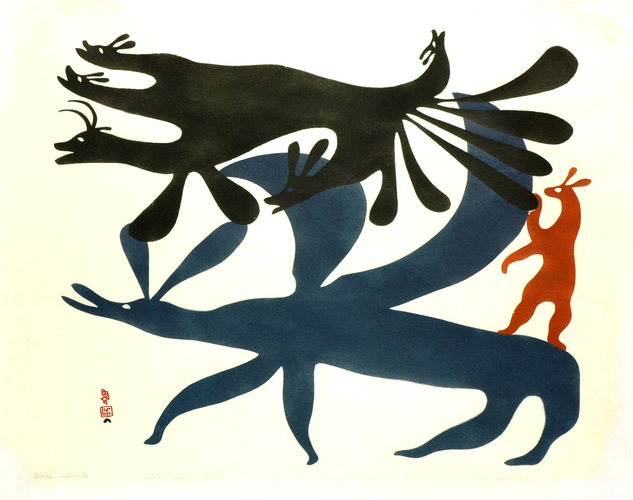
Kenojuak_Hare Spirits_sealskin stencil_1960
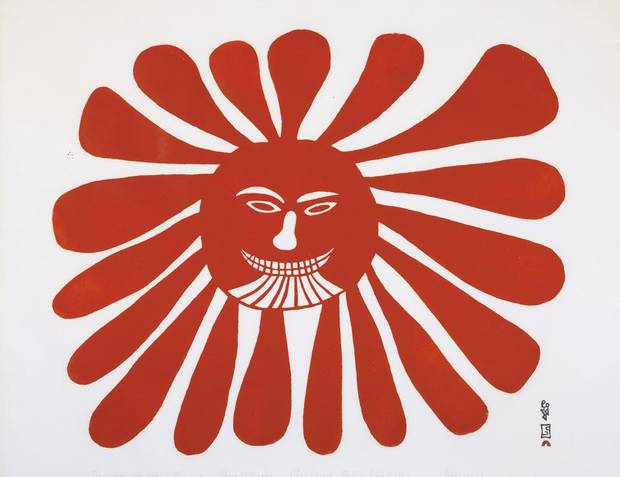
Kenojuak_The Woman who lives in the Sun_1960
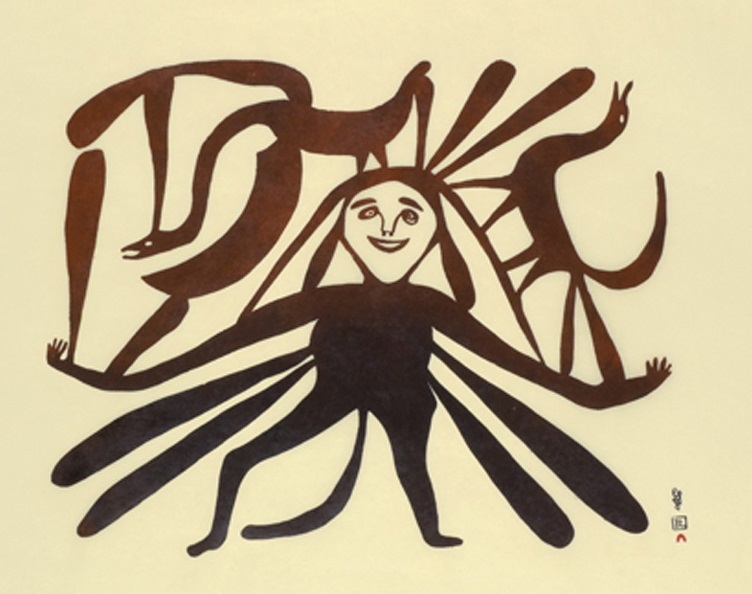
Kenojuak_Mother Earth_1961

Kenojuak photographed in 1963 in front of one of her prints
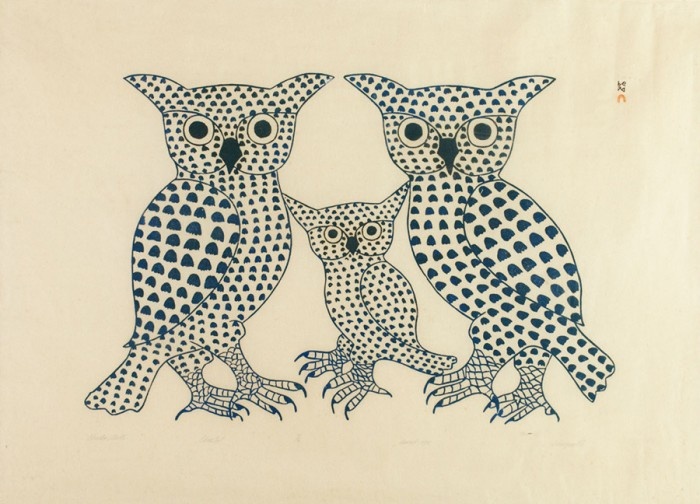
Kenojuak_Winter Birds_1975

Kenojuak in 1980
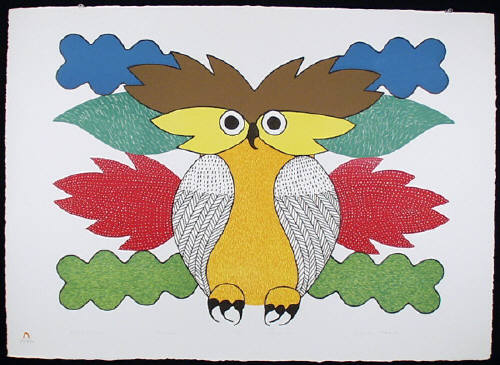
Kenojuak_Spirit of the Owl_lithograph_1980
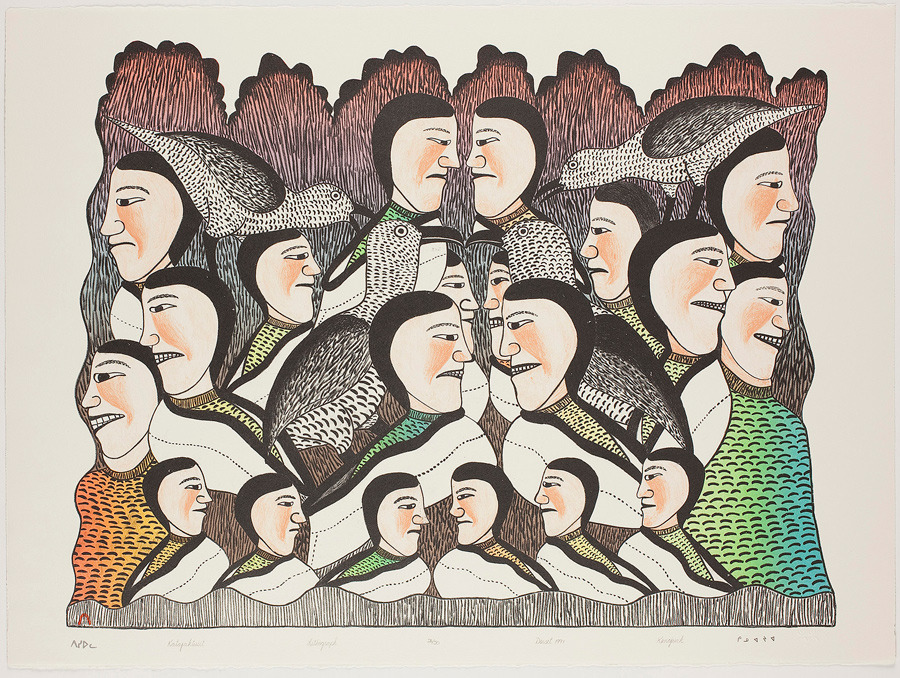
Kenojuak_Katajaktuiit_Throat Singers Gathering_1991
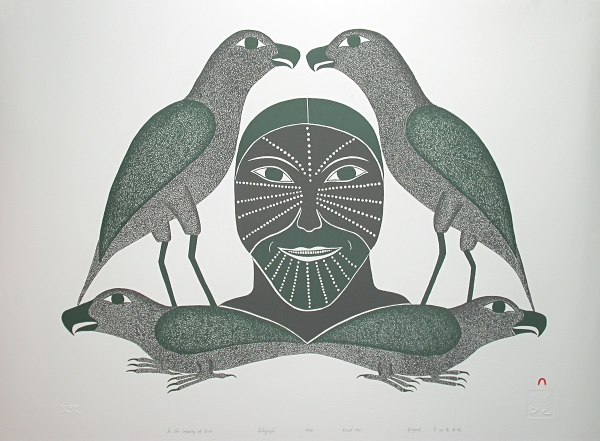
Kenojuak_In the company of birds_lithograph_1996
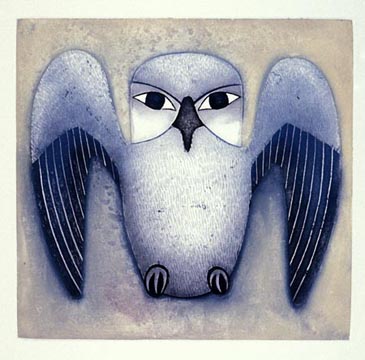
Kenojuak_Silver Owl_aquatint_1999
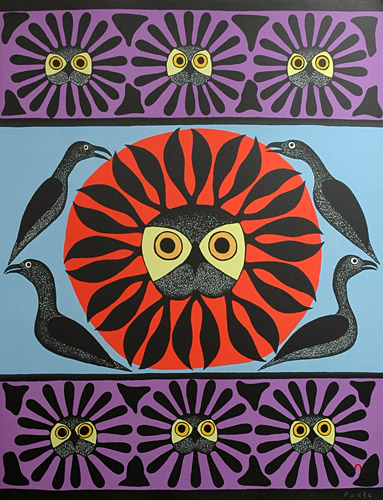
Kenojuak_Owl’s Treasure_2002

Kenojuak at work on Owl’s Treasure in 2002
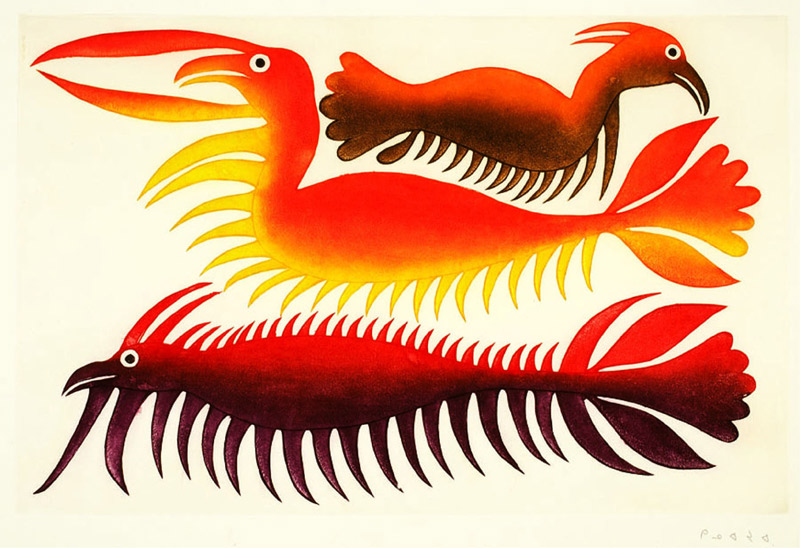
Kenojuak_Submerged Spirits_etching and aquatint_2002
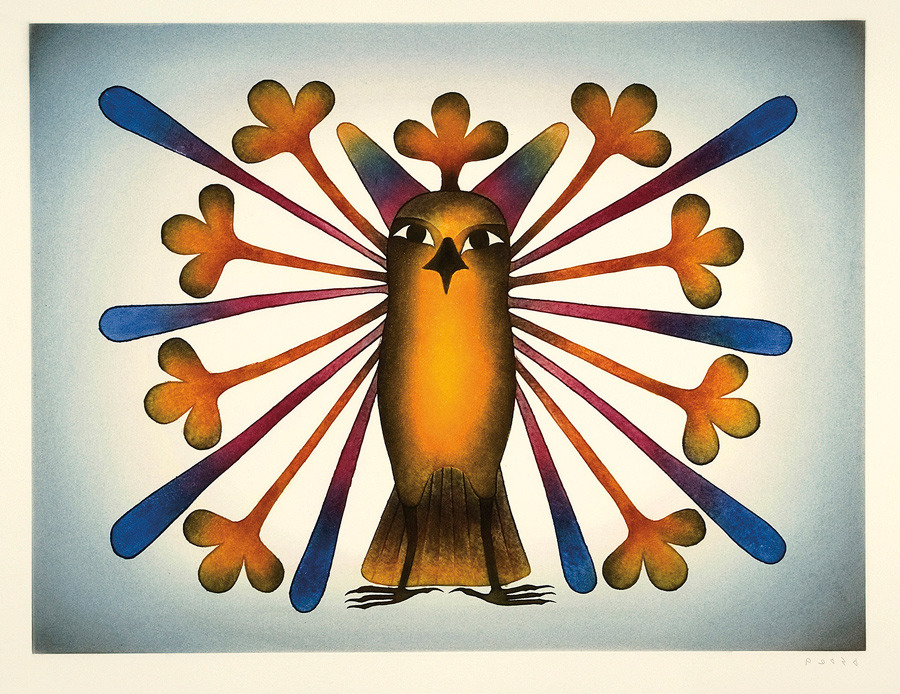
Kenojuak_Grande Dame_2009

Kenojuak in 2009, holding a 1968 photograph of herself with husband Johnniebo Ashevak
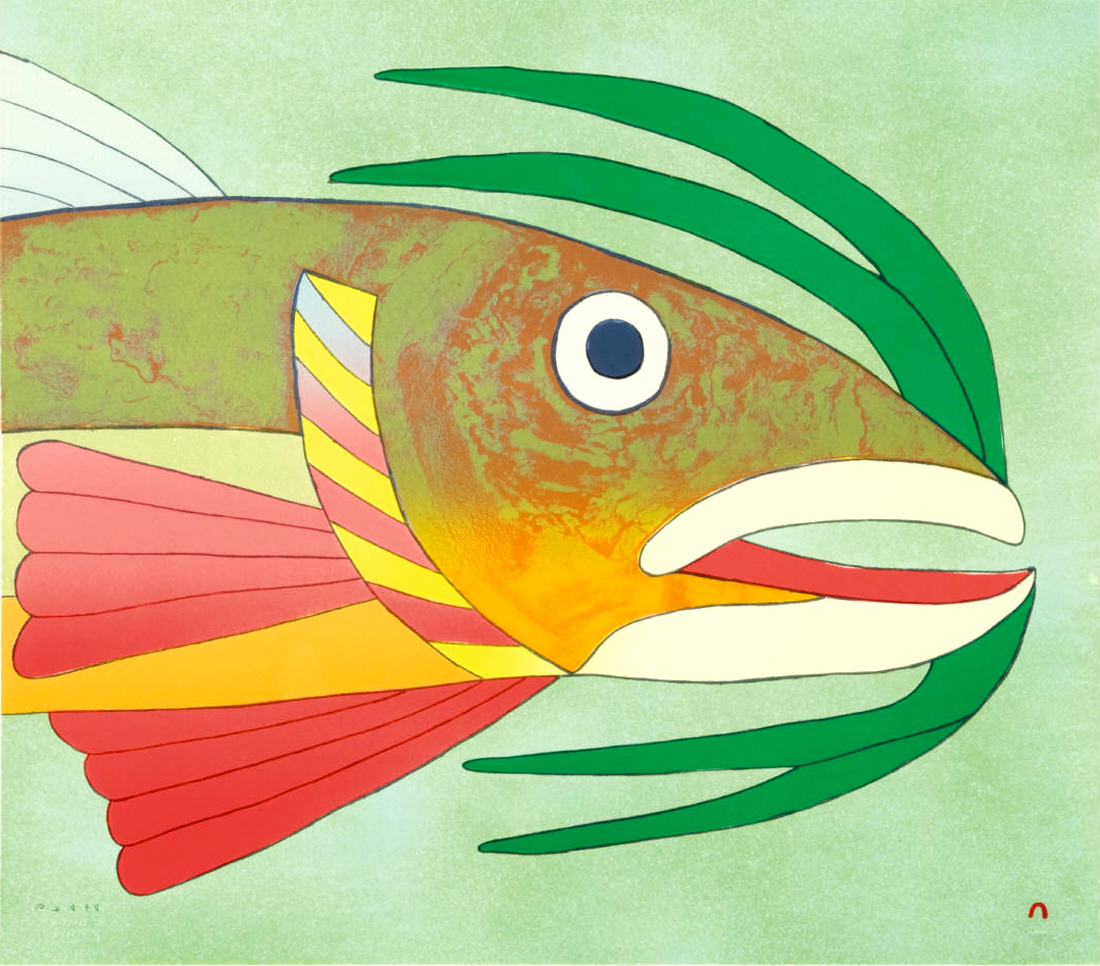
Kenojuak_Iridescent Char_lithograph_2009
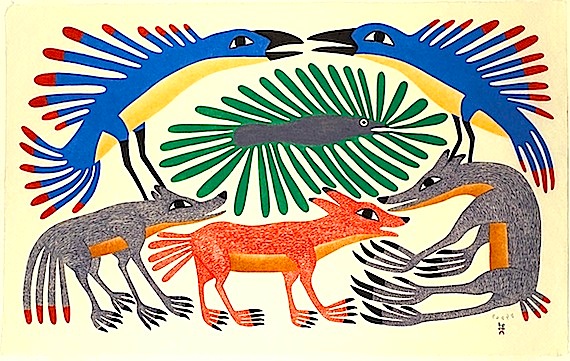
Kenojuak_Six-part Harmony_2011
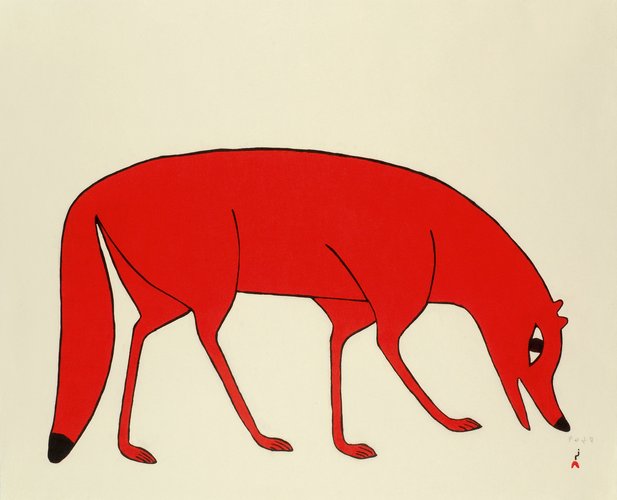
Kenojuak_Red Fox_stonecut_2012
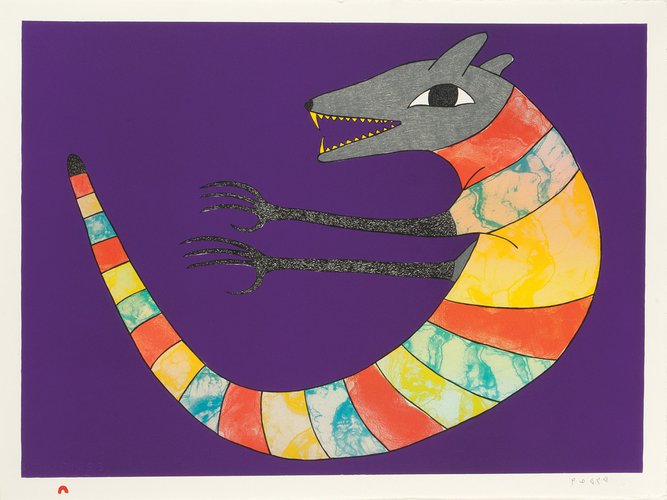
Kenojuak_Serpentine Wolf_lithograph_2013
. . . . .
መልካም ገና ! Melkam Gena: A Merry Ethiopian Christmas!
Posted: January 7, 2014 Filed under: Amharic, IMAGES Comments Off on መልካም ገና ! Melkam Gena: A Merry Ethiopian Christmas!
ZP_Ethiopian Nativity Scene painted in a traditional style

Proverbs, chapter 3, verses 5 and 6, from the Ethiopian Bible written in Amharic: Trust in the Lord with all thine heart; and lean not unto thine own understanding.
In all thy ways acknowledge Him, and He shall direct thy paths.
Jesucristo, el Gran Chamán: las pinturas de Norval Morrisseau, el mejor pintor canadiense del siglo XX / Jesus Christ, the Shaman: the paintings of Norval Morrisseau, Canada’s greatest painter of the 20th century
Posted: December 25, 2013 Filed under: English, IMAGES, Jesucristo el Gran Chamán: las pinturas de Norval Morrisseau / Jesus Christ the Shaman: the paintings of Norval Morrisseau, Spanish | Tags: ᐅᓴᐘᐱᑯᐱᓀᓯ, Norval Morrisseau Comments Off on Jesucristo, el Gran Chamán: las pinturas de Norval Morrisseau, el mejor pintor canadiense del siglo XX / Jesus Christ, the Shaman: the paintings of Norval Morrisseau, Canada’s greatest painter of the 20th century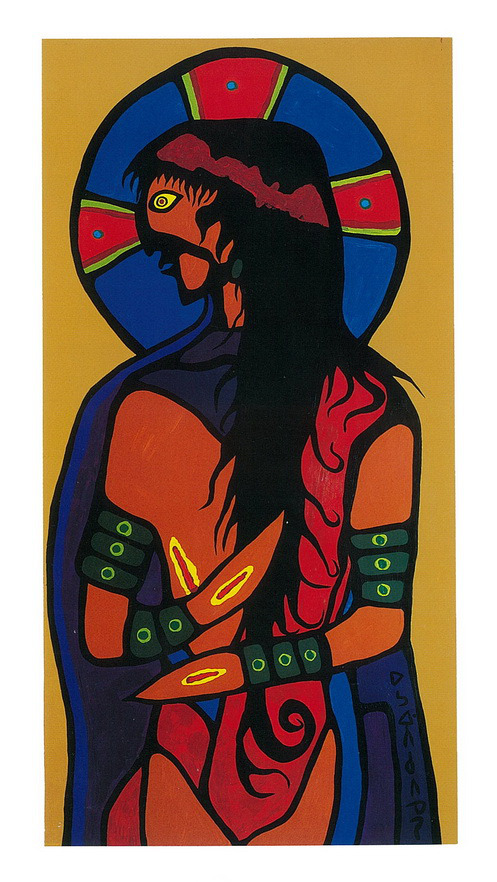
Norval Morrisseau_Jesucristo el Indio_Indian Jesus Christ_1974

Norval Morrisseau_El Infante Jesús_Escena de Natividad_Detalle_The Infant Jesus_Nativity Scene_Detail_acrylic on canvas_1972
Sólo es que mis pinturas te recordan que eres Indio. En algún lugar, dentro, somos todos Indios. Entonces ahora cuando me hago amigo de tí, estoy intentando suscitar en tí el ser Indio – para que creerás en Todo como Sagrado.
(Norval Morrisseau / ᐅᓴᐘᐱᑯᐱᓀᓯ 1932-2007)
.
My paintings only remind you that you’re an Indian. Inside somewhere, we’re all Indians. So now, when I befriend you, I’m trying to get the best Indian, bring out the Indianness in you, to make you think Everything Is Sacred.
(Norval Morrisseau / ᐅᓴᐘᐱᑯᐱᓀᓯ 1932-2007)

Norval Morrisseau_Transformación de un Chamán con Osos _Shaman Transforming with Bears_1986
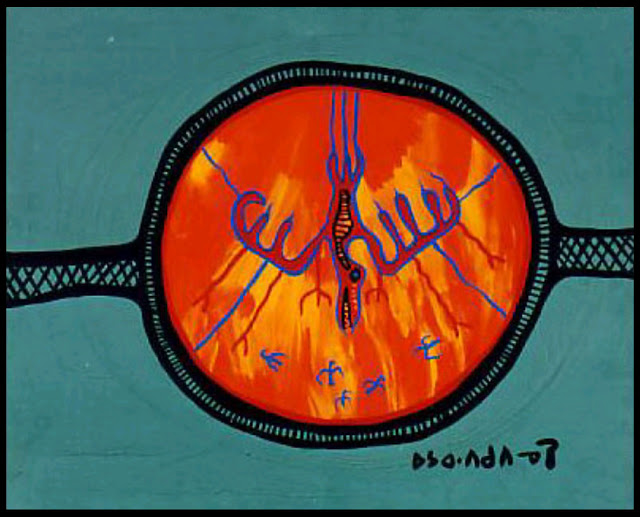
Norval Morrisseau_Pájaro de Trueno y Golondrinas_Thunderbird and Swallows
Desde siempre estoy atraído por las pinturas religiosas, pero únicamente aquellas que tienen una naturaleza mística y supernatural – por ejemplo, la escultura de Santa Teresa por Bernini. Me da “vibraciones” – cuando cierro los ojos puedo sentirlas. Eso es gran Arte – y provoca en mí un hormigueo sexual. También occurre con San Sebastián. Pero es la figura del Jesucristo que es, para mí, la figura dominante. Así que por eso Cristo es El Gran Chamán – El Mejor. Así que por eso ciertas visiones religiosas son tan complejas y difícil explicar a la gente. Pues cuando miras mis pinturas estás mirando mis “visiones” – lo que sea que sean.
.
I have always been attracted to religious paintings, but only the ones that had that mystical or supernatural quality in them, especially Saint Teresa by Bernini. Just looking at Saint Teresa I get vibrations from it. I can close my eyes and feel them. That’s great art, and it brings on that tingling sexual feeling. Other saints, like Saint Sebastian, do that as well. But the Christ figure was always the one that was dominant for me.That’s why I say that Christ to me is still The Greatest Shaman, and that is why some religious visions are so complex – and so very hard to explain to people. So whenever you’re looking at my pictures, you are looking at my visions – whatever they may be.
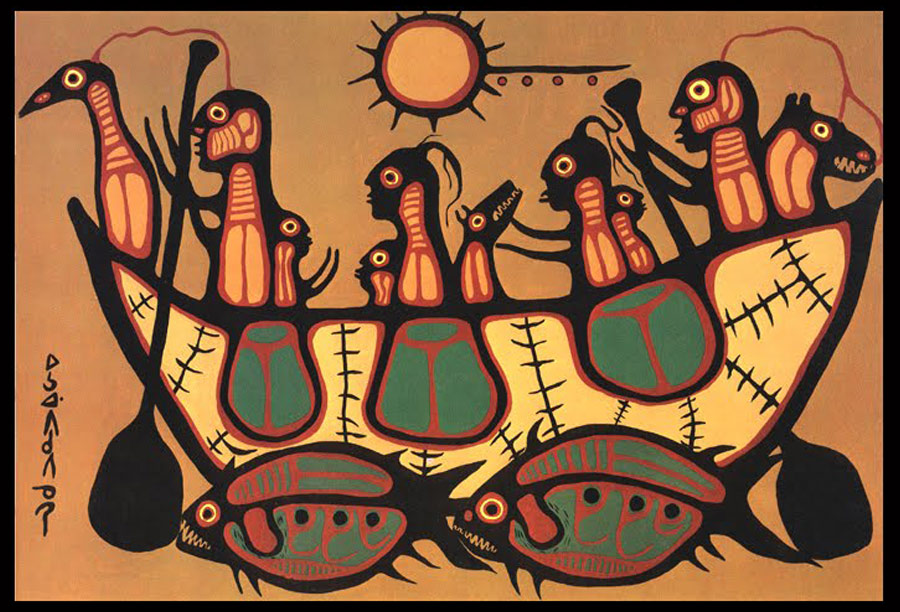
Norval Morrisseau_Desplazamiento_La Gran Inundación_Migration_The Great Flood_1973

Norval Morrisseau_Madre y Bebé_Mother and Child_1969
Nosotros – los Nativos – creen en este dicho: Nuestro Dios es Nativo. Y es La Gran Deidad de los Cinco Planos. Somos “ni pro ni contra”, hablamos ni del Cristo ni de Dios. Decimos: Déjalo estar. Seguimos el Espíritu en su Paso Interior del Alma vía actitudes y atenciones. Recuerda: Estamos en una Escuela Grande…y El Maestro Interior nos enseña Experiencia – durante muchas Vidas.
.
We Natives believe in the following saying: Our God is Native. The Great Deity of the Five Planes is So. We are neither for nor against. We speak not of Christ nor of God. We say: Let them be. We follow the Spirit on its Inward Journey of Soul through attitudes and attentions. Remember: We are all in a Big School and the Inner Master teaches us Experience – over many Lifetimes!
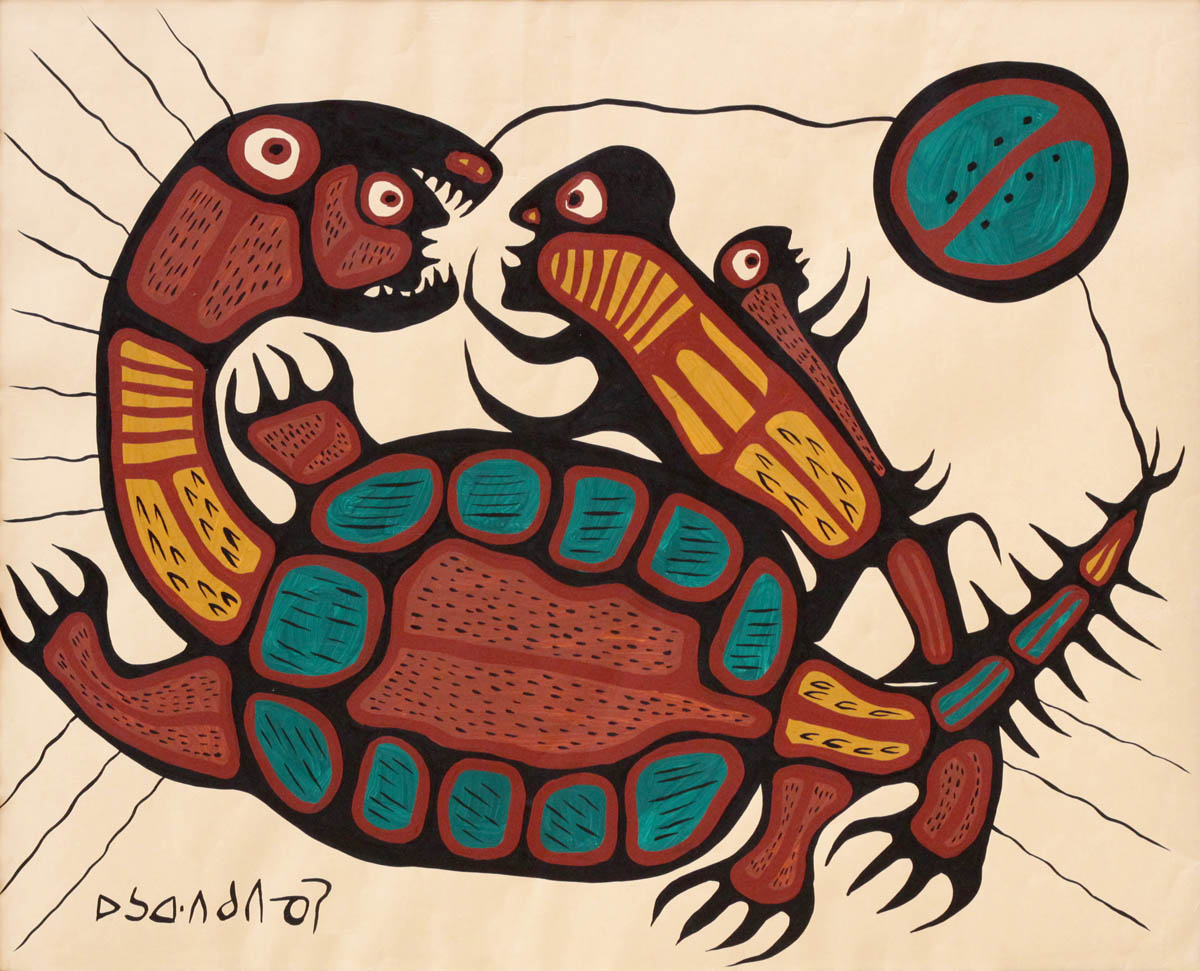
Norval Morrisseau_Creación _Creation_1970

Norval Morrisseau_Retrato del Artista como el Jesucristo_Portrait of the Artist as Jesus Christ_1966

Norval Morrisseau_Autoretrato devorado por demonios_Selfportrait devoured by demons_1964
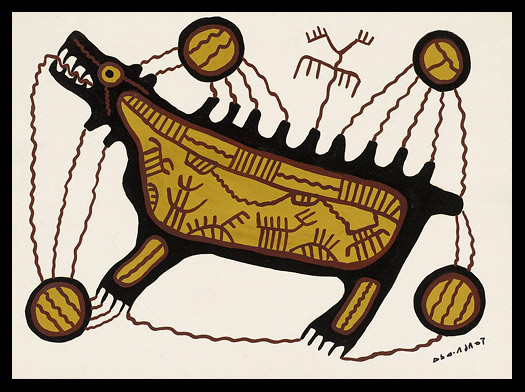
Norval Morrisseau_Oso sagrado del Midawiin Ojibwa_Ojibwa Midawiin Sacred Bear_circa 1962
. . . . .
¡Feliz Navidad a Todos! / A Merry Christmas to One and All!
Posted: December 24, 2013 Filed under: IMAGES Comments Off on ¡Feliz Navidad a Todos! / A Merry Christmas to One and All!
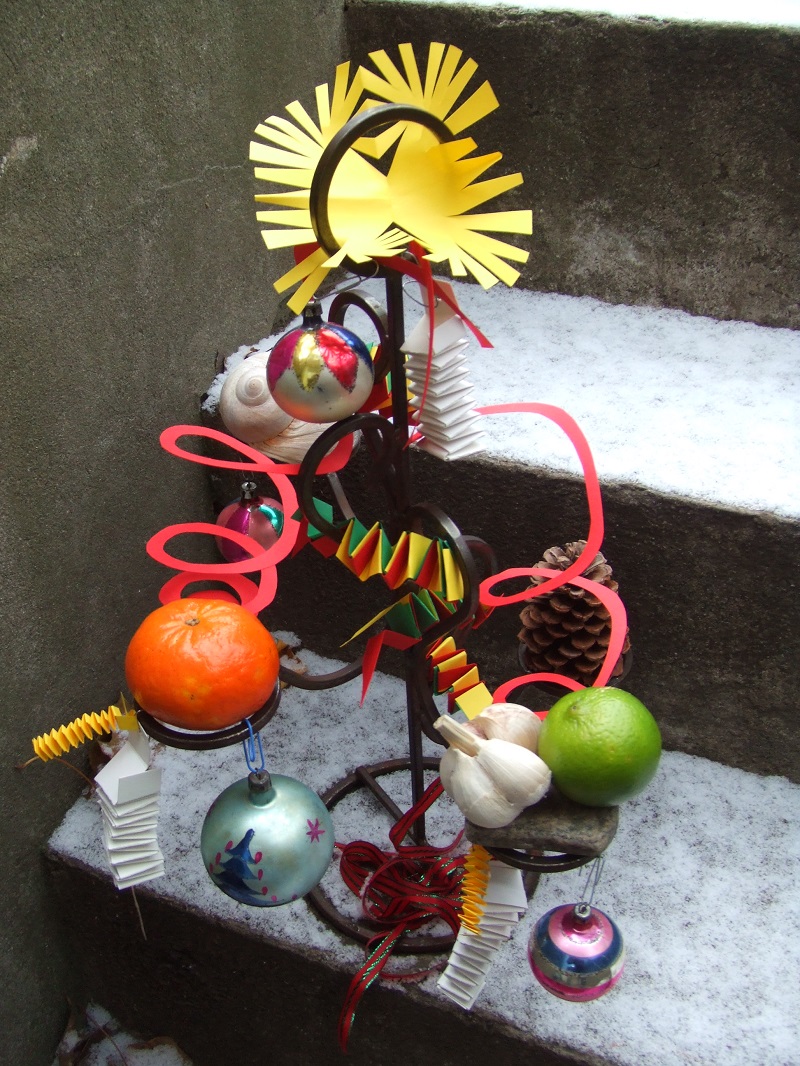
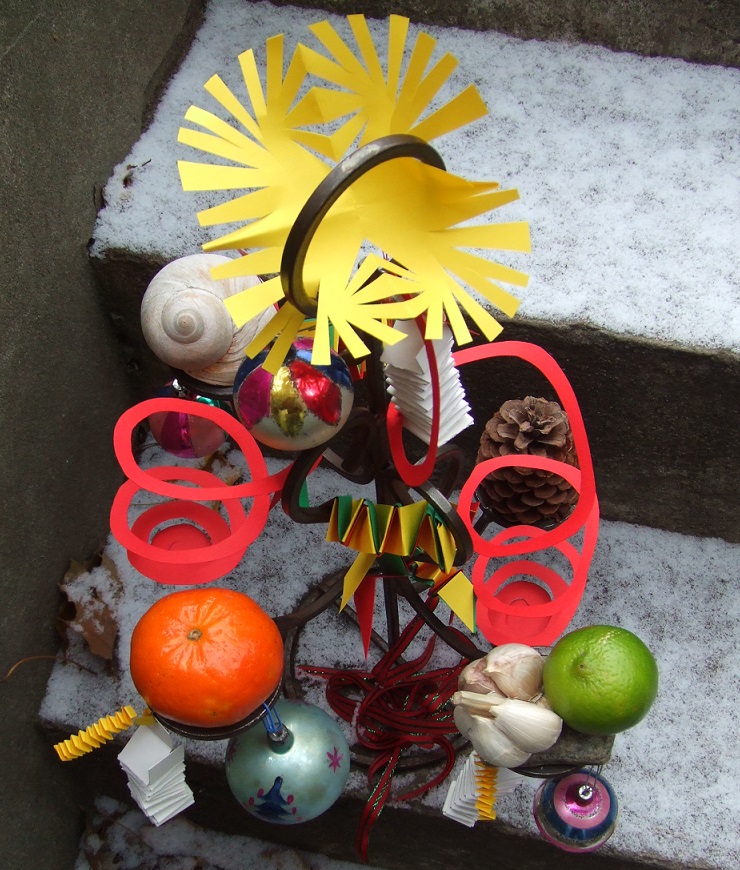
Mi Arbolito de Navidad 2013_Toronto, Canadá

“Lest We Forget…”
Posted: November 11, 2013 Filed under: IMAGES | Tags: First Nations Peoples and the Culture War against Them... Comments Off on “Lest We Forget…”.

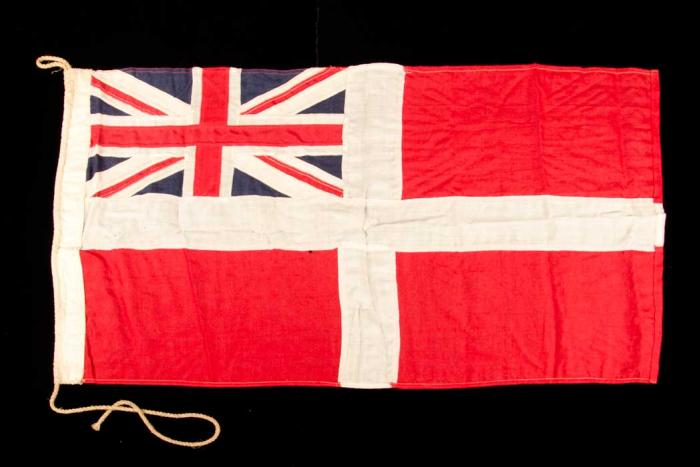
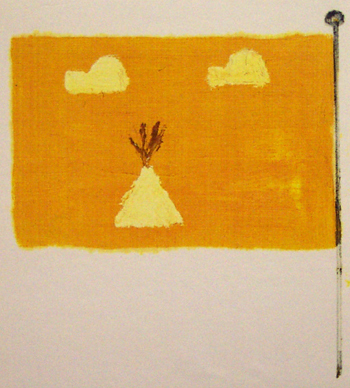
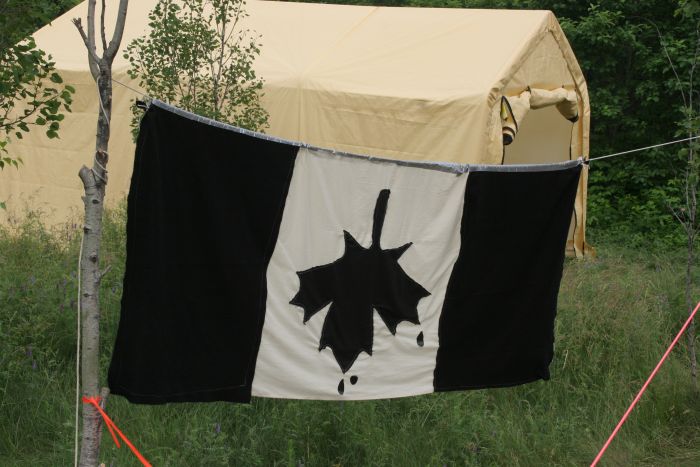
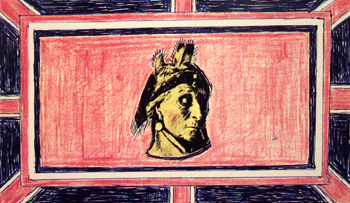 Just above: Two flags hand-drawn by citizens during 1964 as part of designing a New Canada Flag to replace the old Canada Red Ensign. The submission immediately above included the following note: “Indians were here 20,000 years ago, getting along peacefully until the White races came and stole nearly all they own. They are the true Canadians.” That statement is as polemical in 2013 as it would’ve been in 1964. History is cruel but the future may well be just. November 11th – Remembrance Day – makes us ponder human beings and their all-too-human culture: shipbuilding, trade, conquest, slavery, immigration, resistance, renaissance, reconciliation, mestizaje, and evolving nationhoods…
.
Invincible Peoples
Forgotten not gone
For Invisible Peoples
I’m beating my drum
Irrepressible Peoples
Our Story is long
Oh my Sister, my Brother
The Future is Now
—And Something be lost
—And Something be won
Invincible Spirit
Yes, Hear my Song!
.



Pumpkin-carving in Toronto / Hallowe’en’s origins in Samhain
Posted: October 31, 2013 Filed under: IMAGES Comments Off on Pumpkin-carving in Toronto / Hallowe’en’s origins in Samhain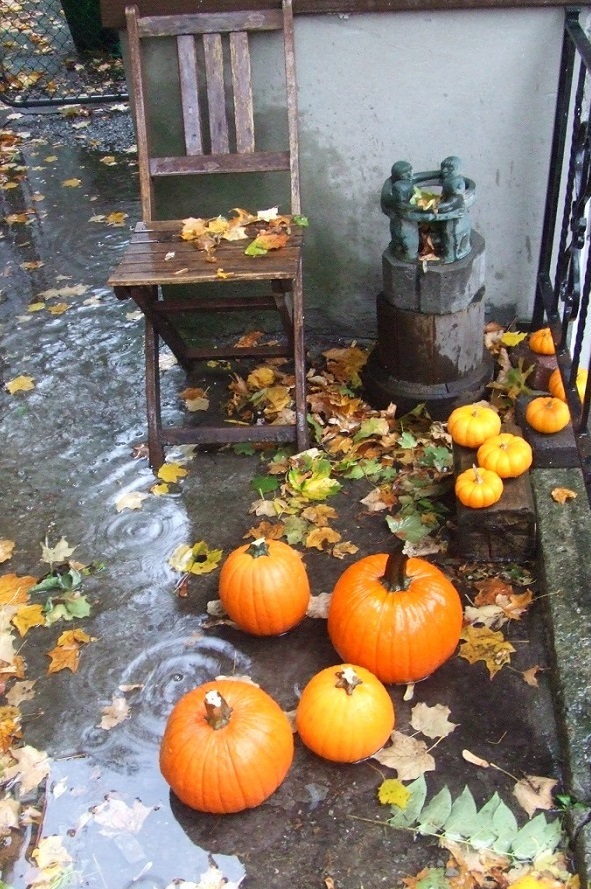
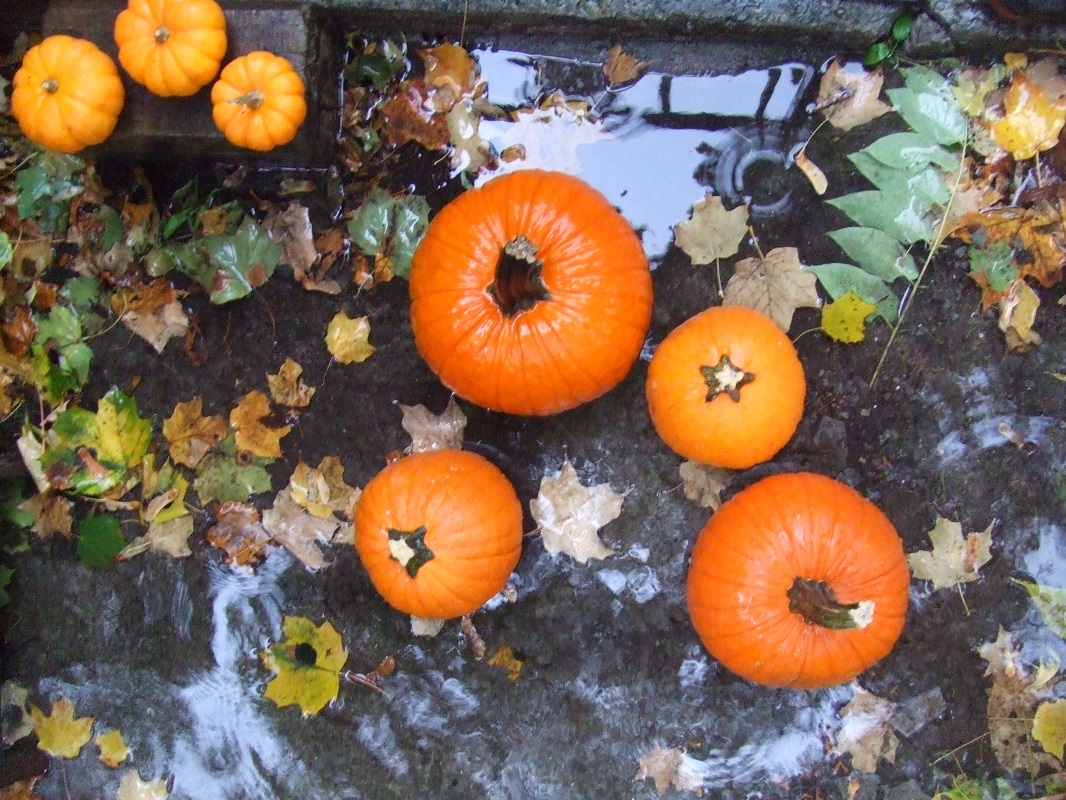
Hallowe’en, in its contemporary North-American manifestation, owes as much to pop-culture notions of corpses, cannibals and zombies in B-movies – and to Michael Jackson’s 1983 music video for his “monster” hit-song Thriller – as it does to the murky past. So it can be difficult to recognize Hallowe’en as a festival that evolved out of a pre-Christian Celtic seasonal ritual – Samhain. Samhain means, in Old Irish, “Summer’s end”. Around about October 31st all the harvest would’ve been gathered in, and the darker half of the year was beginning. The folk belief was that on that night of Samhain all spirits traveled easily back and forth between “our” world and the “other side of the veil” – making spiritual activity, including ‘visits’ from dead ancestors, and appearances by Aos Sí or “fairies” – who might enchant you or make malevolent mischief – particularly lively. The Aos Sí were respected and feared, and people appeased them with offerings of food and drink and with a portion of the crops. Pleasing the capricious Aos Sí meant that people and their livestock would survive the coming winter. The souls of the dead were also said to return to their homes, and so a place would be set for them at the board and a stool put for them by the fire. Ritual bonfires were built out of doors, and the flames allowed to go as high as they could go, in a kind of “imitative or suggestive magic”: that of the Sun and its power for growth and for keeping at bay the darkness and decay of winter. Flame, smoke and ash were believed to have both cleansing and protective strength. Candles were lit and placed on the window ledge and a hollowed-out turnip, magelwurzel or beet with a candle within would be set at the threshold to one’s cottage or hut. By the 16th century “guising” began to appear in Scotland and Ireland. “Guising” meant going from house to house “in disguise” or in costume, and reciting verses or singing songs in return for food and drink – or a blessing; the origin is clear there for what we now call “trick or treating”. Many guisers went disguised as malevolent spirits or fearsome beings – both in imitation of the Aos Sí and to “frighten them back”. Some carried a candle-lit turnip with them in the dark – what we now might call a “jack-o-lantern”. The Roman-Catholic Church in Ireland did – over the centuries – attempt to “disappear” Samhain into the religiously-sanctioned All Hallows Day which falls on November 1st, but, as academic folklorist Jack Santino has written: “The sacred and the religious are a fundamental context for understanding Hallowe’en – [certainly] in Northern Ireland – but there, as throughout Ireland, an uneasy truce exists between customs and beliefs associated with Christianity and those associated with religions that were Irish before Christianity arrived.”
19th-century Irish immigrants to the USA began to use that beautiful Native-American autumn vegetable – the pumpkin – for their jack-o-lanterns, and this made a brilliant adaptation of an old custom to a superior material!
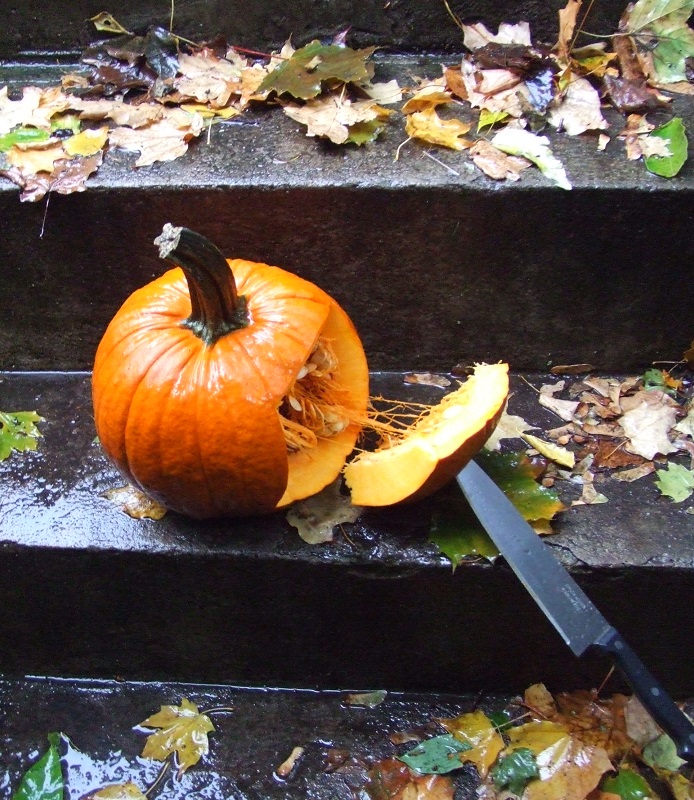
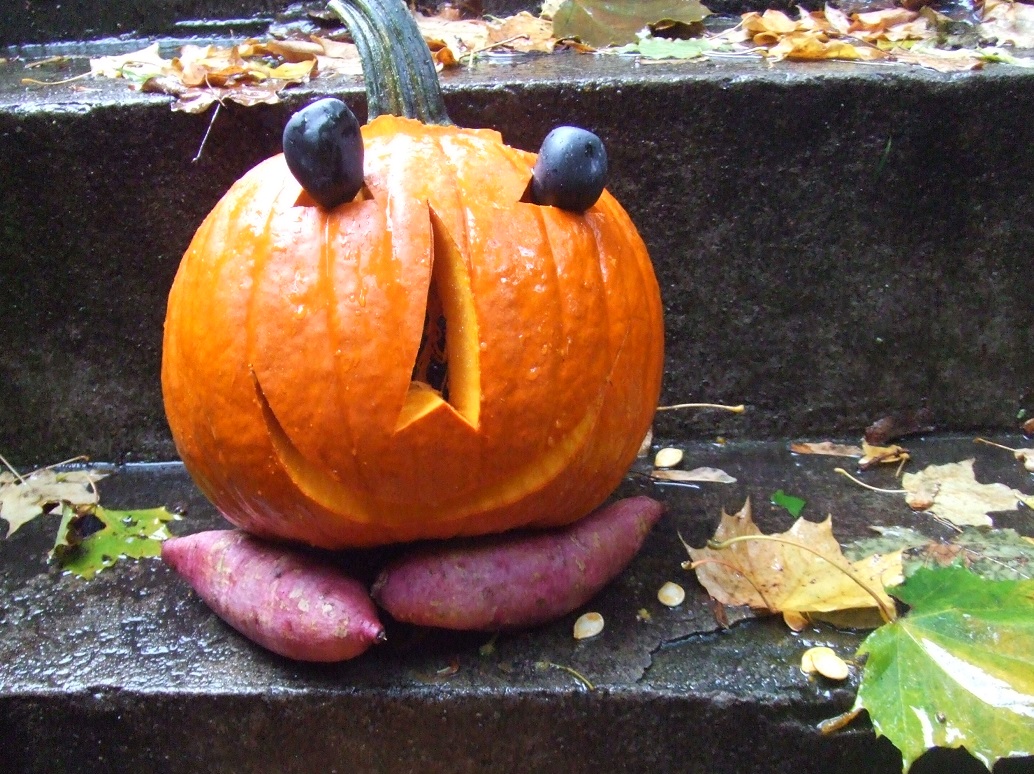
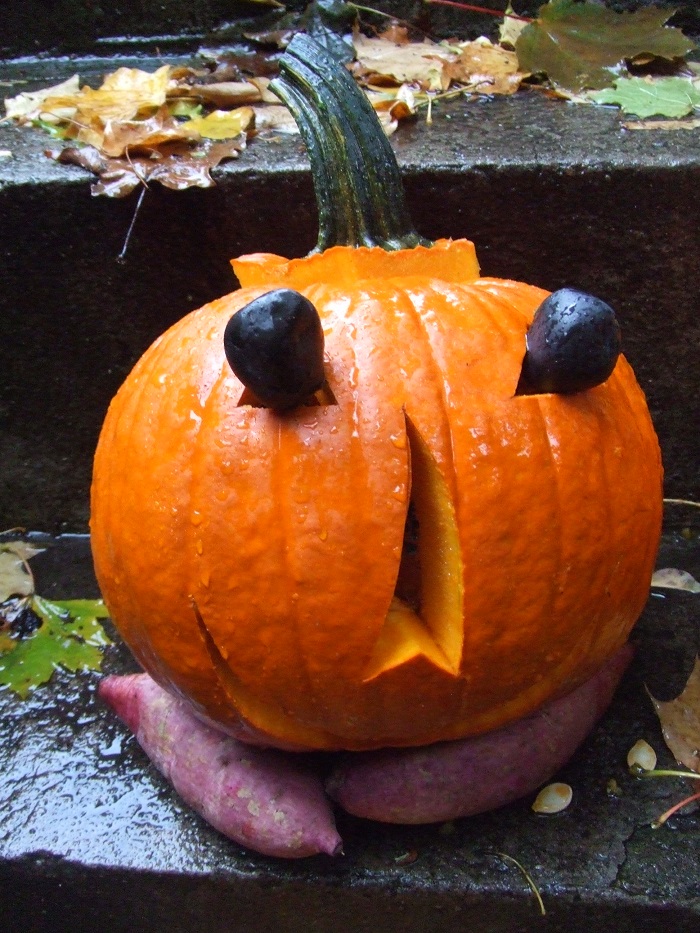
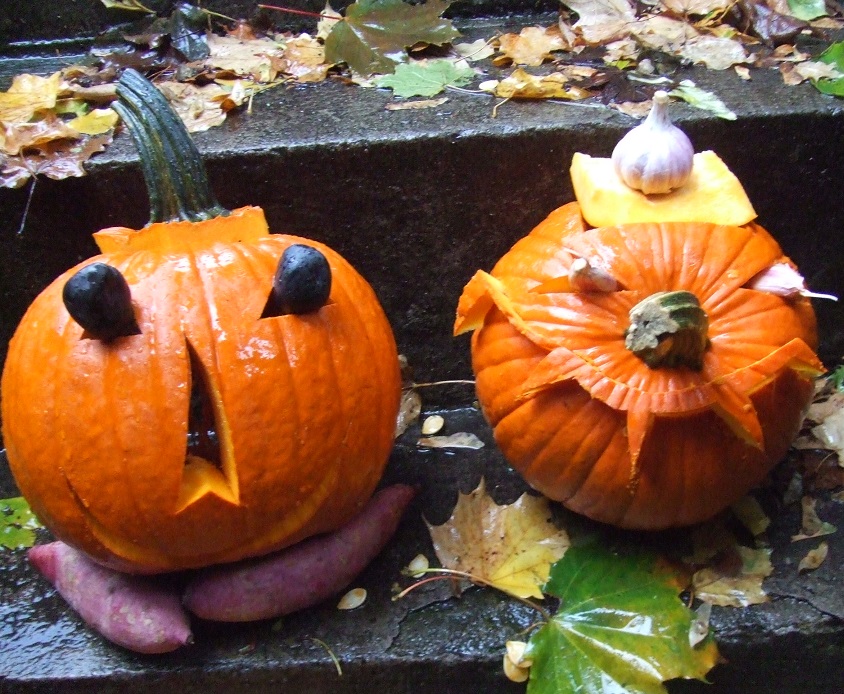
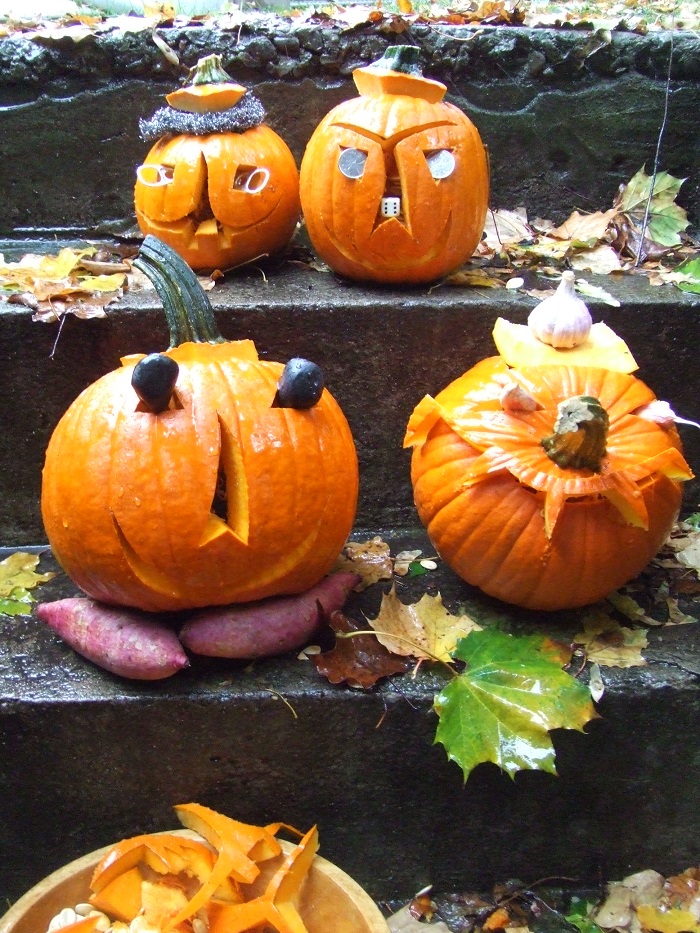

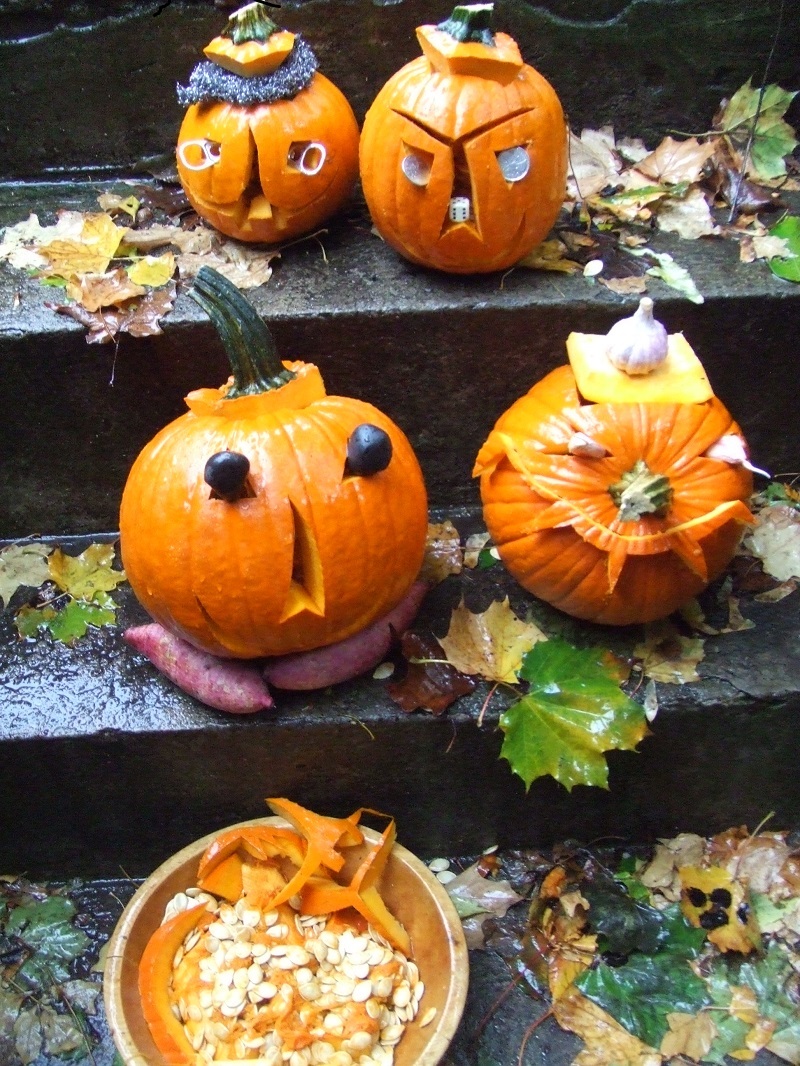
Fearsome or funny, our pumpkins will frighten approaching spirits or charm them into laughter. And so: Kind spirits, come! Baleful ones, A-WAY! Hard stone eyes, garlic eyes, drink-can tab eyes, money eyes: these’ll do the trick. Now let’s roast those pumpkin seeds!
Zócalo Poets…Volveremos en octubre de 2013 / ZP will return October 2013
Posted: August 31, 2013 Filed under: IMAGES Comments Off on Zócalo Poets…Volveremos en octubre de 2013 / ZP will return October 2013Zócalo Poets – ¡qué reunamos aquí en la gran plaza de poemas!
ZP – meet us in the Square!
¡Mándanos tus poemas – en cualquier idioma!
Send us your poems – in any language!
zocalopoets@hotmail.com

Hielo – Limón_Hasta luego, Verano…
 Zócalo Poets