“Por ahí, por aquí, en algún lugar”: poema con el corazón en la mano
Posted: September 22, 2014 Filed under: Alexander Best, Spanish | Tags: Poemas de Amor y Soledad, Poemas para el Cambio de Estaciones Comments Off on “Por ahí, por aquí, en algún lugar”: poema con el corazón en la mano
Por ahí, por aquí, en algún lugar…
“Por ahí, por aquí, en algún lugar”
.
Por ahí, por aquí, en algún lugar…
Un giro del destino – via la mano de Dios o Diosa –
me trajo el Desconocido Perfecto.
Esa persona era un trotamundos perspicaz y pulcro;
un ser resistente – y dulce.
Jugamos al Frisbee;
nos alimentamos con salmón ahumado, el uno al otro;
y hicimos el amor – a través de un solo beso.
.
Por lo tanto, pasó un año cuando escribimos cartas
y charlamos por pocas llamadas celular
– malas conexiones cada rara vez.
.
Y, después de ese año, era yo el viajero; y volé por las alas de una murraca metálico tintinando…
Nos reunimos de nuevo, en el otro lado, sólo para enterarme que
el Desconocido Perfecto era reservado, aún cerrado.
Él, por su comportamiento – sin palabras – me enseñó:
No me toques.
Y éso me hizo daño en la médula.
Pero no fue la culpa de nadie;
y, supongo,
él tuvo sus motivos – candorosos (debo creerlo.)
.
¡Puede ser un hueco vasto y vacío La Vida!
Pues cocinamos el huachinango al escabeche;
tomamos los tranvías en busca de churros más exquisitos;
y hicimos el amor – a través de un solo beso.
.
Sin embargo, no triunfará la relación íntima
cuando nos separa, los dos, este Mundo tan ancho.
Ah sí, he llorado un rato largo.
.
Todavía existe el Desconocido Perfecto;
ahora, en mis sueños, contemplo su cara bien recordado.
Y hoy, al final, tengo la comprensión:
que, a través de un solo beso,
hay un sentimiento de honradez y potencia tan grande
– que no pueda vivir por ahí, por aquí, en algún lugar –
sino en el fondo de mí, donde mora la desapercibida Verdad.
. . . . .
Tres Odas al Ajo
Posted: September 21, 2014 Filed under: English, Spanish, ZP Translator: Alexander Best | Tags: Festival del Ajo de Toronto Comments Off on Tres Odas al AjoCombate el mal aliento de café – ¡Devora más AJO!
Fight coffee breath – Eat GARLIC!
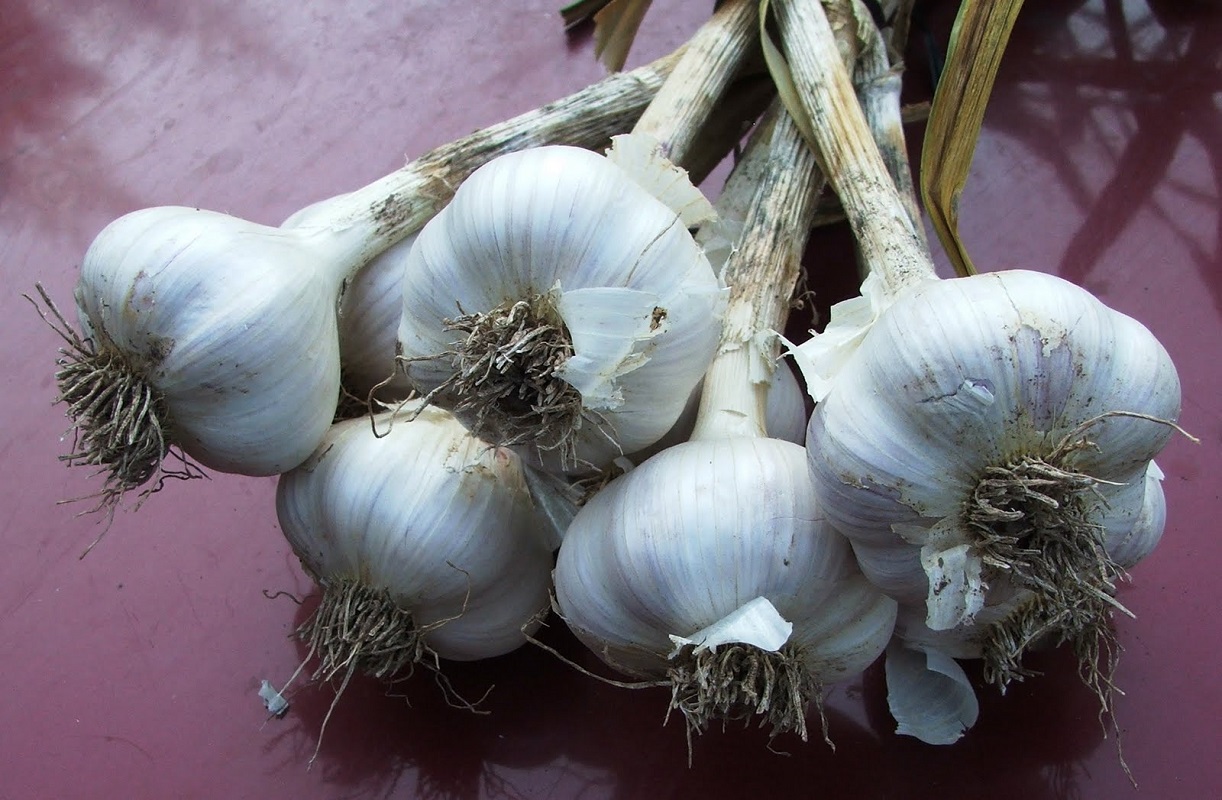
Mario Andrés Díaz Molina (Linares, Chile)
Oda al Ajo
.
Bailarina de trenzas brillantinas,
eterna resonancia del baile de los dientes.
Sabor telúrico de una sopa deseada.
Alegría humilde de una mesa pobre.
Invitado de honor en un banquete de alcurnia.
Esperanza que se come en ayunas.
Desfile de damas blancas
pasando por una eterna retina.
Delantales desprendidos de la desnudez de la tierra.
Astros flotando en el océano de la olla.
Besos que niegan su esencia
ante los labios vecinos.
Bocas volcánicas
que eructan el olor incorrupto de los campos.
Pesadilla de las niñas enamoradas
después de la cena.
Pasión tardía, oculta en el sabor
que desciende de las alturas del corazón
a los brazos del bienamado.
Sonriendo con el aroma de miel
que perfuma a primavera
el paso solemne del rey de la cocina.
. . .
Adrienne
Oda al Ajo
.
Estás allá, en banquetes los más elegantes;
Das vida a cada plato y
Haces bailar el gusto.
Ajo, eres el héroe aun de la literatura
– ¡puedes dominar a Drácula!
Eres nuestro placer culposo;
Dicen todo el mundo que te detestan, pero
Queremos tu aceite esencial.
De veras, Ajo: ¡eres el Rey de la Cocina!
. . .
Adrienne
Ode to Garlic
.
You are there at the finest banquets,
You liven up every dish
and make my palate dance.
Garlic, you’re the hero even of literature
– able to conquer Dracula!
You’re our guilty pleasure;
everyone says how they detest you
yet we all love your essential oil.
For truly, Garlic:
You are King of the Kitchen!
. . .
Mong-Lan (Vietnam/EE.UU., nacido en 1970)
Poema de Amor – para el Ajo
.
rosa maloliente
el olor embriagante
agrio picante
el más subestimado
orbe perenne
raíz bulboso
luna incandescente
.
invocado como deidad por los egipcios
ajo
cada día contigo es otro día triplicado
.
desvestido de tu cubierta delicada
tu crudeza fresca – escupiendo fuego
te adoro, integro,
un temblor cuando te muerdo
.
eres un milagro medicinal,
luchando contra resfriados,
disolvente de sangre,
antibiótico extraordinario
.
el modo de comerte crudo – y amarlo:
pela la cubierta de placenta ,
corta en juliana para salsa de pescado con ají e limon
.
tu palidez audaz descubierto,
te imagino en cada momento de cada día
. . .
Mong-Lan (Vietnam/USA, born 1970)
Love Poem to Garlic
.
stinking rose
the heady scent of you
tangy spicy
most under-rated
year-round orb
bulbous root, incandescent moon
invoked as a deity by the Egyptians
garlic
each day with you is another day tripled
stripped of your delicate cover
your fire-spitting fresh rawness
i love you unadulterated
a shiver once i bite you
medicinally you are a miracle
fighting colds
blood thinner
anti-bacterial extraordinaire
how to eat you raw & love it:
peel the placenta-like cover
julienne into fish sauce with red chili peppers & lemon
your bold paleness exposed
i imagine you
at every moment of every day
. . . . .
El Festival del Ajo de Toronto:
http://www.torontogarlicfestival.ca/
. . . . .
“How Can I Begin?”: poems from Milk Stone by Pat Lowther
Posted: September 13, 2014 Filed under: English, Pat Lowther Comments Off on “How Can I Begin?”: poems from Milk Stone by Pat Lowther
“How Can I Begin?”: poems from Milk Stone by Pat Lowther
. . .
How Can I Begin
.
How can I begin?
So many skins
of silence upon me
Not that they blunt me,
but I have become
accustomed to
walking like a pregnant woman
carrying something
alive yet remote.
My thoughts,
though less articulate
than image,
still have in them
something like a skeleton,
a durable beginning
waiting for
unpredicted flesh
and deliverance.
I would ask
you: learn as I learn
patience with mine
and your own silence.
. . .
String-figure man outside the door
.
Didn’t I too catch the sun
in a cradle spun
of my own gut string?
If now outside my house some thing
makes a sound like dry skins scraping,
should my bones dissolve to jelly
in my narrowing flesh?
It is fitting to strangle me in the mesh
of my own making.
I who made the sun
come in my belly.
I shall open my door
and accept the evil as I did before
the shining One.
. . .
Stone Deaf
.
Imagine it
– tympanum, cochlea,
cunning little frogs-legs ossicles,
all that delicate absurd machinery
petrified, rattling stonily
in the skull’s cavity
like garnets in a hollow rock.
.
Or like a whale’s eardrum
I saw once preserved,
blank as a great flint chip
and lonely as one cymbal.
.
And the blood’s surf beating
then always like the sea
unheard on solitary stone.
. . .
Periodicity
.
Fragments of shell
shards of protein alphabet
.
my hands are blind
.
at my skin’s circumference
i fumble
seams openings
(is this an organ
for breaking shells?)
.
i smell snow on this beach
what colour
are my eyes?
. . .
Touch Home
.
My daughter, a statistic
in a population explosion
exploded
popped
out of my body like a cork.
.
The doctors called for oxygen,
the birth too sudden, violent,
the child seemed pale
.
But my daughter lay
in perfect tranquillity
touching the new air
with her
elegant hands.
. . .
The Last Room
.
I am waiting for you
in the lowest room beneath the building
.
I am smooth as a gourd
without resistance
my shape spreads
downward
seeking the lowest
centre of gravity
.
I spend hours memorizing
the labyrinth
beneath our skins
by which I came
.
waiting for your long shadow
in the passage
.
I am green as a gourd
but inside I am red
.
All through the folded hours
I am burning
quietly
.
I am becoming a red hollow
skin
a gourd for drinking
.
Only now do I recognize
shards patterning the dust
between my legs
.
they are my former skins
.
How many times
have I come here
.
How long have I been waiting
. . .
Wanting
.
Wanting
to be broken
utterly
split apart with a mighty tearing
like an apple broken
to unfold
the delicate open veined petal pattern
inside the fruit
.
I am arrogant
knowing
what I can do
for a man
.
I am arrogant
for fear
I may be broken
utterly open
and he not see
the flower shape of me
. . .
Demons
.
It’s a kind of justice
for our having left them
face down
while we grew branched
metaphysics
.
They held out
dumb paws for grace
We gave them ritual
.
Even the spare comfort
they negotiated
we fattened on,
driving them always
to the edges
.
It’s a kind of justice
that in certain seasons
they possess us
like planets,
like territories
. . .
For Selected Friends
.
Work one face of a stone
only
so I can always have you:
at times I am one-dimensional.
Love on paper.
.
It’s easier to photograph you
with my mind
arresting you at mid-point
in some brilliant exposition
before discovery moves you
off the surface.
.
Although I know you’re
a cave splendid with crystals
and white bats,
sometimes I am
afraid to go there.
. . .
Letter to the Majority
.
We are not what you think we are.
In another space
enclosing another space
we have grown
whole crops of quiet.
Even our laughter
laughing at ourselves
has been too soft for you to hear.
You have thought us a mirror
to your torments
and your homely pleasures.
You have been watching
motion on a screen only.
.
You send us casual
directives – Eat me, Drink me.
We brush your language
from the pages of books.
It is a momentary diversion.
The only way you can
speak to us
is by speaking to the whole world.
. . .
All poems © Pat Lowther Estate and Borealis Press, from Milk Stone (published 1974)
. . .
Toronto poet Sonia Di Placido is running a poetry workshop about Pat Lowther and her complete + unpublished poems every Saturday beginning September 13th through November 29th, 2014. The workshop is part of Di Placido’s Poetry of the Canadian Moderns series. Click the link for more details:
http://diplacido.wordpress.com/
. . . . .
Victor Ekpuk: Painting and Nsibidi ideograms: an evolution
Posted: September 2, 2014 Filed under: IMAGES | Tags: Contemporary Nigerian artists Comments Off on Victor Ekpuk: Painting and Nsibidi ideograms: an evolution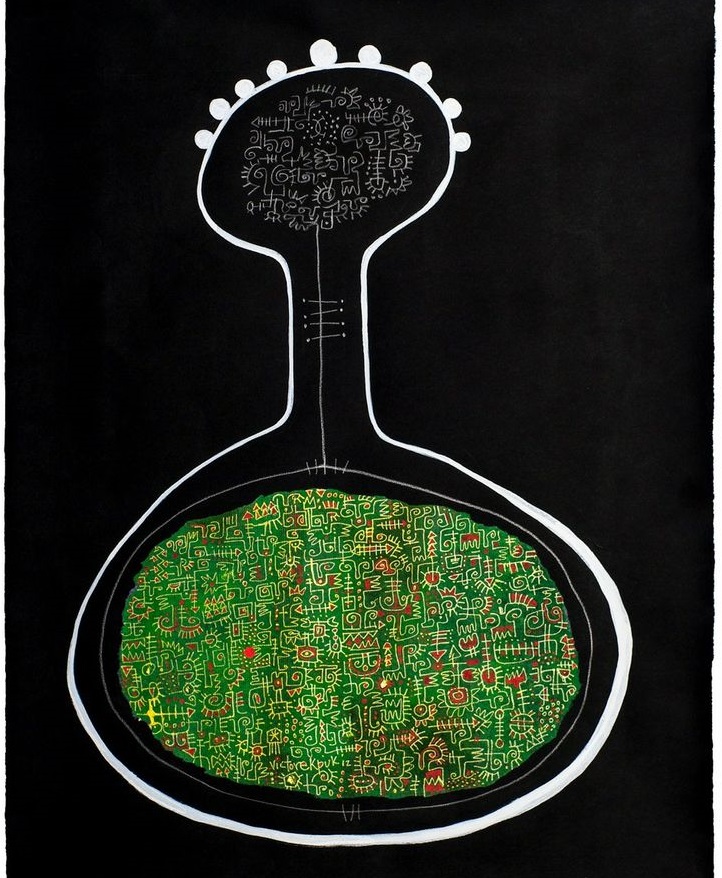
Victor Ekpuk_Ode to Mother
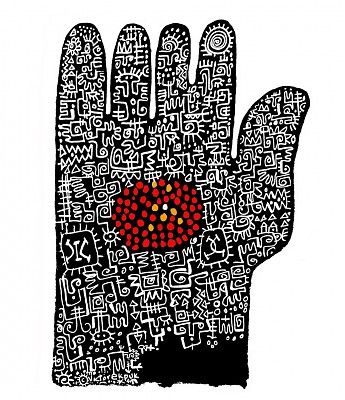

Victor Ekpuk_Composition number 2
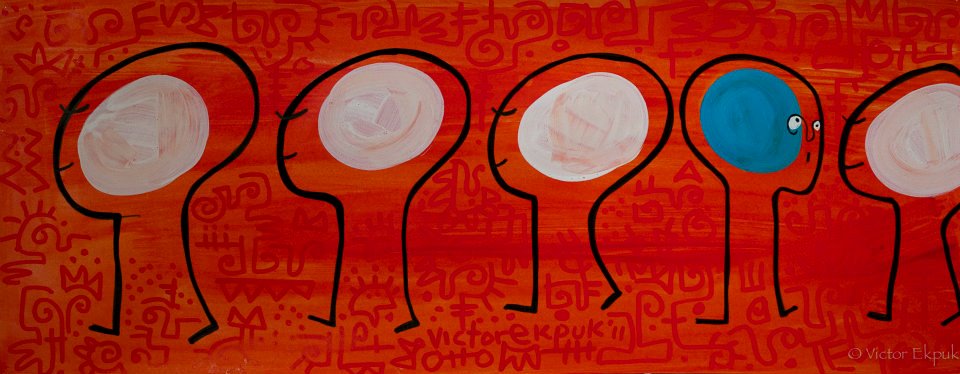
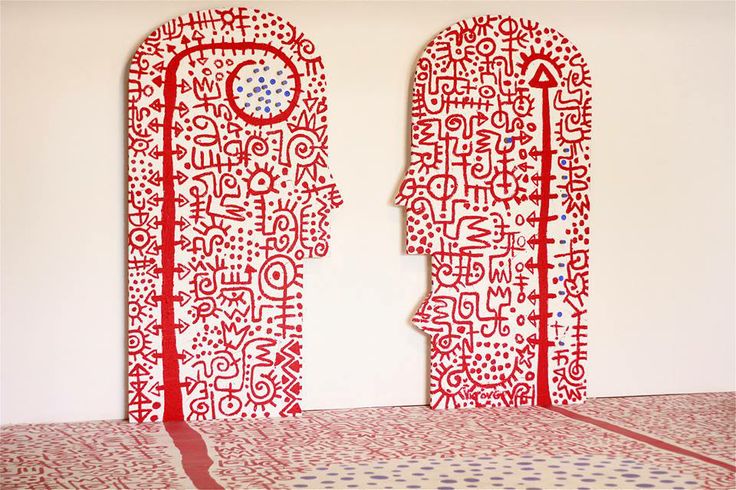
Victor Ekpuk_State of Beings

. . .
Victor Ekpuk is a Nigerian-born artist who now lives in Washington, D.C. His art, which began as an exploration of Nsibidi ideographic/logographic scripts/symbols from southeastern Nigeria, has evolved to embrace a wider spectrum of meaning that includes contemporary African and Global discourses.
The artist states: “The subject matter of my work deals with the human condition explained through themes that are both universal and specific: family, gender, politics, culture and identity.”
. . . . .
“Hoofs part the sky”: two poems by Tares Oburumu (Nigeria)
Posted: September 2, 2014 Filed under: English, Tares Oburumu | Tags: Nigerian poets Comments Off on “Hoofs part the sky”: two poems by Tares Oburumu (Nigeria)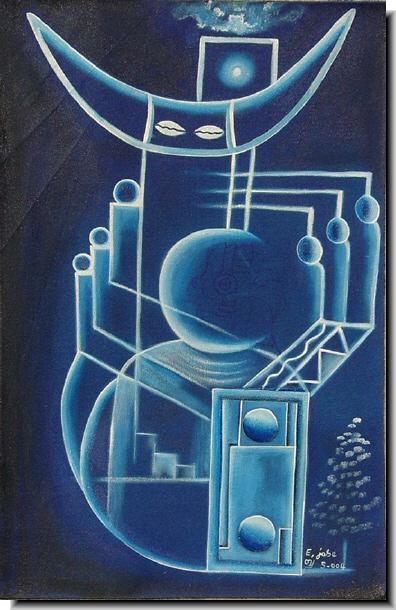
Just My Feeling by Edrisa Jobe (born in The Gambia, 1968)
Tares Oburumu
Parting
.
I
He saw in his eyes,
Paper-dreams folded in a basket.
Leaking roundwinds leaving him, leaving
Fisichella’s ways to Fishtown.
The tears there are like rivers
that never fill their brims in February.
Drifts of sorrow begotten in loneliness,
flowing the petty life of the sea to full.
Before butterflies go the gallops of white horses.
Go rose-thread; beauty flying an airplane past changed seasons
seasoning changes that stifle their own climes,
Turn a painted lady into British intelligence: A kite
in my hands flown frabjously close to the sky
Above gravity clasped between Iguana’s fringes.
A thousand Lynslager-blades fell
on the gods’ umbilical cord.
Saves the boy in the Queen’s recollections
to see the birth of death poised to conquer
a politics of waters in Annie Pepple House:
A hell burning out in the dry sun.
.
II
.
Noo,
Fold flagpole painted green on a white flag,
Tamp it into a faded pocket of futility.
Come to red tarmac, slowly.
Softly come round a box of airplane
sprawling in the open.
Fly into the future that awaits you in an orphan,
waking the Sahara with keener cries,
To be let loose in the winds.
Another Saro is dead.
There is death in killing a triplet.
Bring sweet Slessor from the Englands,
In your return flight back home.
Ogoni child seated on uranium laments…
And when you come, slowly,
Softly, touch down on a grave and dearth
of funerary voices: the shooting stars,
Who seemed to have willingly walked past the Redemption Gates.
Seeing you are wrapped in a coalsack nebula,
Silhouetted against a feel of eyes
in the beginning.
Hatched from eagles’ eggs. Crushed below
the underbrush of insects and arachnids,
Collected in a waste-basket.
. . .
Chimes – Before and After
.
Hoofs part the sky;
Riders—Horsemen of the sixth year,
Riders come into view covering their faces: feathery clouds
of angst, made from fabrics weaved in a furlough.
Who is he that comes to this candidatural boom?
This patented-grimace snuffing fresh badges
In green garments tugged at,
In an exercise hushed in a Damisa.
It frayed the nerves of an apocalypse.
Sheathed its sword in crimson where
a coat of arms laments.
He is an Angel—Light-bearer against profiteers.
He who rides on dark nimbus marching before
a slew of cherubims in great bowls of thunder and lightning.
He is an eastern grail,
Announcing a republic with Hitler’s counter-tenor.
The militia quells. A beauty to behold, mighty to hear.
Iron-ears wired to the wind listen
to music raised above the Mansion Gates,
A garden tended to by a Pam-swindling Bello,
dead in a blue colure, drifting eulogies to eleven saints and ties.
One Maimalri in the tack fastening
Largema tailored his rank
for the funeral of tribes,
the tribes that died awake. Counter-vailing drums
beat out a storm.
East crashed its airplane into the North.
An arc forms in mid-air and descends stairs for a West
stained with lifeblood of cows, wooing a Southern rebel
seated on shore fishing in the dark
walled off a world to be redeemed.
Loosened from paradise grip, a
thousand bowels of death-coloured dragons fell
on a fleet of ships flown beneath a day-crescent.
A human face at the other side of a war-mountain
leans on a tree and judges half of a sun
blown into smithereens.
A surgeon’s skill hurries to the battlefront,
Picks bone on flesh. Yet the tribes are lost in a new body:
an Angel of presence who flinches at vultures
fondling carrion under its wings flying without lead among eagles
into darkness.
*
Death is in the call…
From behind dark, I call.
From behind the flourescence of Tafewa Square,
I am that war gone awry.
Voice – from a deserter’s whisper – calls
for Shodenide’s night-rousing owls to accost
a foliage dressed in carom-silks, carom-greens. Shaped as bats
bouncing back into darkness, merging with wings of eagles.
Under them the horses come to war-brook.
There, a certain redness has transformed fishes into blood.
Nibbling at doubt; the health of another war at rest,
Waiting to tend to the wounds of reeds on broken reefs.
In their motions a flag is drowned.
Homespun pledges fixate on the tongue
Cast on a stale air. Fasten an azimuth to a bounty
stored as sand in hourglasses, sprinting to find
statecraft where they may meet stars,
Lawyering in the hands that rock the cradle.
In a planet calcifying blood of votes.
The soldier in me rose from dead war-dresses
to skewed apparitions. Hearing his own call,
To share the upper chambers among worms,
That ate Akintola’s bones in his grave
—mark of a century in need of bone and flesh,
to stand a skeleton against deads
coming to rend the cities in hundred pieces.
. . .
Tares Banigoe Oburumu is a poet from Delta state, Nigeria. He holds a B.A. in philosophy from the University of Benin. Currently working on his first fullscale collection of poetry, he also released this past July an e-chapbook (A Breath of Me) published through Green Griots Literary Consultancy / Poetry Mill (under the editorship of Senator Iyere Ihenyen).
. . . . .
Lenrie Peters: 9 poems from “Katchikali” (1971)
Posted: September 1, 2014 Filed under: English, Lenrie Peters | Tags: Gambian poets Comments Off on Lenrie Peters: 9 poems from “Katchikali” (1971)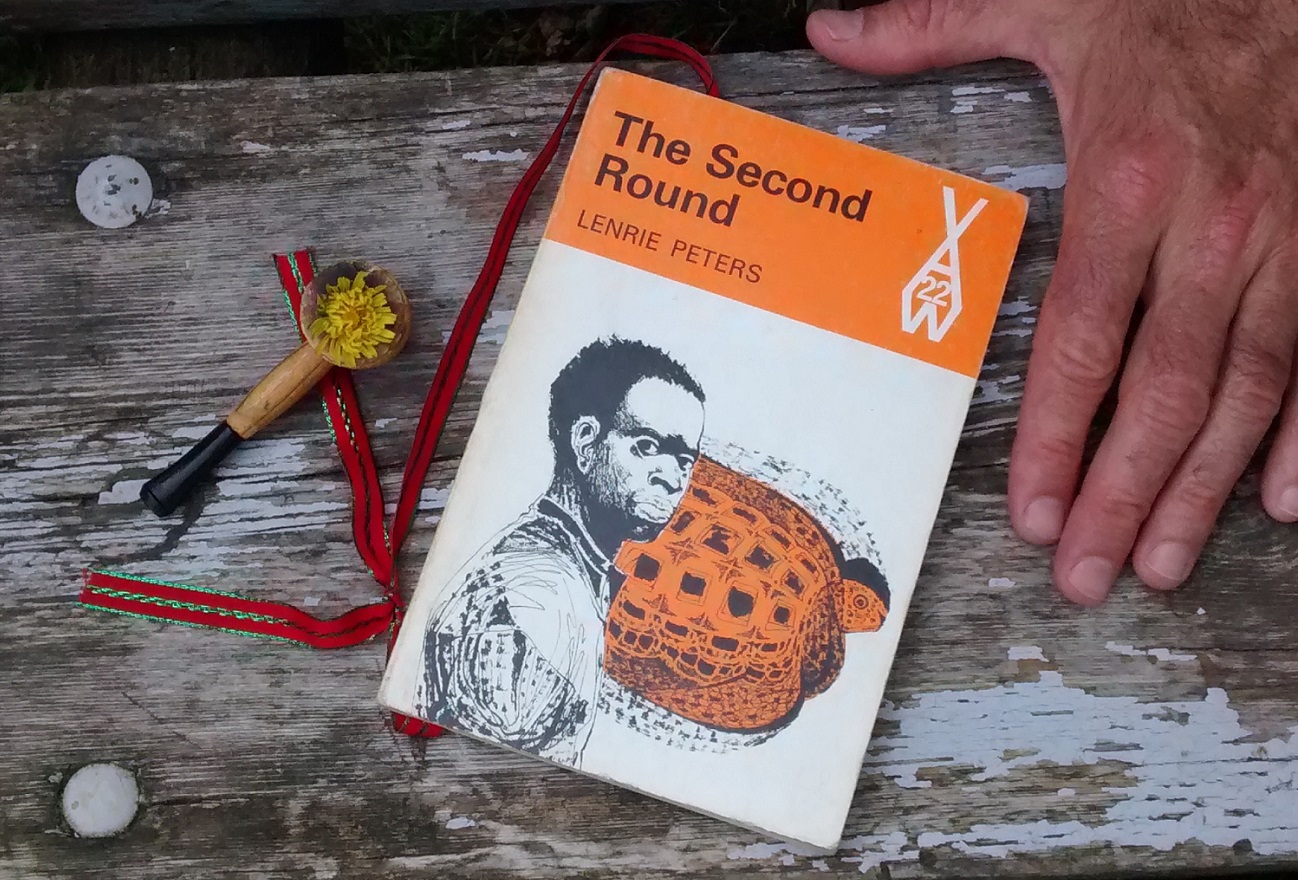
Lenrie Peters: 9 poems from “Katchikali” (1971)
. . .
Things perplex me
irritate and disgust me
Things disaffect me
when they try
to make me crawl.
.
Things persecute me
Those which try to usurp me
Things that have
no meaning
without me.
.
Things annoy me
when others worship them
Things that approximate I
to me and are
put in my place.
.
Things nauseate me,
good, bad, indifferent
Things; like flies
in a calabash
of sour milk.
.
I prefer people
laughter and comfort
the use and pleasure of science.
But my head aches when all I hear is
THINGS, THINGS, THINGS.
. . .
The Spectator
waits uncommitted
in his dry shell
hoping to see
both heaven and hell.
Silently watching
The Protagonists
use muscled fists.
Flinching when
the Referee is kicked.
Silence has many voices.
.
Soon
He must come down
to search the empty attic
for his pistol;
where thieving mice
have nibbled
at the bullets,
And he unpractised
soils his trouser pocket.
For silence has many voices.
.
He turns aside
ducking the first assault
which unconventionally
is rightly aimed.
Handsomely maimed,
he wants to know
the reason for his chains.
Silence has many voices.
. . .
I have chosen
The thick smudged layers of experience
For the fixed stare of a child.
.
I have chosen
The coloured phantoms, superficial greens and reds
For the dreamless sleep of a child.
.
I have broken
The glass eye of innocence
Which does not pigeon-hole, despise entomb
Dress in monsters’ masks
Those that have not shared the womb.
.
I have not said:
All men are children
Playing at the game
The happy game of living
From dawn till evening.
.
The poet’s heart is in a desert place
But when the winds blow
The sweat tumbles
The tears flow
The darkness lightens.
. . .
I came expecting much
turned-over soil
and acres laid with green
at least two solid ventures in between
.
don’t try to change a thing
we’ve been this idle
since the world began
the whole idea of progress is a fiddle
.
Go up the bush
and learn bush medicine.
Better than you were messed about
on higher antipodean flights
.
Hyenas dig up graves
micro-homini play with destinies.
Still I suppose no worse
than Oppenheimer and his nuclear pebbles.
. . .
The weaver-birds are nesting
shh! the weaver-birds are
happy the long day through
.
says one to another
twit-twit. I have two eggs
all shiny and white
.
shh says the other;
I’m equally bright.
Look into the water
and I’m standing on my head.
.
the weaver-birds are nesting
all yellow and black
like candles in low evening
festooning the river shrubs.
.
Be quiet snores the Hippo
one watery eye awake.
I cannot hear my dinner snap;
submerged, the crocodile complains.
.
but the weaver-birds are nesting
and so the world must wait.
They sing from dawn till evening
and next morning, they’re the first to wake.
. . .
Little one, you came
into the world knowing
nothing of misery and shame
.
when we first met
your bone cloaked in skin
your budding grace within
.
but after two days
the magic of the painless smile
the freedom of easy breath
.
Your mother said
how pleased, how happy
she was about the rest
.
I said: there was the valley
of the dead
where skeletons grow
.
and when my back was turned
she listened to another voice
snatched you forever away
.
into the world of nowhere
to die. Your footprints
will not see the day
.
but her conscience is clear
Allah! the will of the unknowing
uncaring spell of the evil eye.
. . .
It is time for reckoning Africa
time for taking stock
never mind New York, America –
it’s ours; is here, and running short
.
too long we have dragged
our slippered feet
through rank disorder
incompetence, self defeat
.
in the high capitals
the angry men; angry
with dust in their heads
a dagger at each other’s throats
.
‘Maudors’ sit on wicker thrones
ghosted by White ants
a hundred Marabus at hand
living on the fat of the land
.
all threatening coups
and claiming vast receipts
like winsome children
feeding on mother’s milk.
.
The seats of Government
leveled at the dice
they get the most
who tell the biggest lies
.
while honest men stand
waiting at the door
or rot in prison cells,
the vultures feed on sturgeon’s eggs
the riot squads
parade the avenues
like lion prides
testing their sinews
.
and every trembling heart
retires as evening falls
crushed by the weight of hours
till daylight comes
.
oh country of great hopes
and boundless possibilities
will the seed grain
perish for ever
.
will rivers run
endlessly with blood,
saints resort to massacre
and all your harvests burn?
.
will no one see
no sign instruct
till Noah’s ark
comes sailing on the flood?
.
between Alpha and Omega
is now; Africa
this is the lost time
and future time; Africa.
.
In this all revolutions end
and the straight path
from world to better world
branded across the sky.
. . .
Come let us listen together
sounds, blue, black, golden
the sea tossing the sky
yonder round an island.
Dolphin wings afloat
showers of ripe harvest
on groundnut hills
brown and white sands
in sunset; magenta seas.
They ring serene
calling with palms and drums.
The Atlantic speaks;
calling, howling, rushing
serpentine against the heated
powers of the desert.
.
A slender river flows
three hundred miles to harbour;
wide-mouthed towards the sun,
down inguinal pursuit
of open sea; tomorrow
fenced by mangroves,
settlements, ancient traditions,
The Gambia flows;
a trusting limb of elegance.
.
It flows with mirth,
an emblem flowing endlessly
through all vicissitudes;
cataracts of change, prosperity,
decline, but rising westward
dominates the strange passions
which lie about her shores.
The river flows into
a conclave of retreat
where flesh was laid
on naked bones
where first I woke to hear
the anger of the sea.
.
Four centuries ago
strange creatures rocked her shores
with greed, the branding iron,
then shut the door, on time.
Vintage of colonies
hanging precariously in
need of help. Take
nobly your sceptre with the rest
and step into the future.
.
Can any good thing come
out of Gambia? Wait.
nay; go and see.
. . .
The mind
Is like the desert winds
Ploughing the empty spaces
Listless, fastidiously laying down the dust.
gold as the ‘purdahed’ moon
the superconcentration – Pile
of most violent energies.
.
The mind
is the Southern Pole
Of men’s greatness.
At once the cancellation – And the equilibrium
after the riddle
which shrouds the magnificent darkness.
.
The mind
which will arrive upon the ageless shore
to find the barren senses there
forever shipwrecked on the tides of passion.
to find the sum total of existence
itself the explanation and the vision.
. . . . .
All poems from: Katchikali (poems) © Lenrie Peters, published in 1971 by Heinemann Educational Books Ltd., and number 122 in Heinemann’s African Writers Series. (“Katchikali” is the name of a sacred crocodile pool in Bakau, near Gambia’s Atlantic coast.)
A biographical paragraph about Peters – from the back cover of his 1965 novel The Second Round (the 1969 reprint is featured in the photograph above):
“Lenrie Peters was born in Bathurst, Gambia, on September 1st, 1932. In 1949 he moved to Sierra Leone and went to Prince of Wales School, Freetown, where he gained his Higher School Certificate in science subjects. In 1952 he left Freetown to study in England. In between reading Natural Sciences at Trinity College, Cambridge, becoming president of the African Students’ Union, interesting himself in politics – he is a Pan-Africanist – and writing poetry and plays, he started The Second Round. After qualifying in medicine in London he did special work in surgery and is now practising in Bathurst.”
.
His surgery clinic in Banjul (formerly called Bathurst) operated for many years – during which Dr. Peters continued to write and publish poetry. He died in 2009 at the age of 76 in Dakar, Senegal.
.
Critical commentary from Delalorm Sesi Semabia (African Soulja: African Poetry Review):
Peters is considered one of the most original voices of modern African poetry. A member of the African founding generation writing in English, he showed extensive pan-Africanism in his various volumes of poetry. His poems were mixed with medical terms, and sometimes his later works were angrier at the state of Africa than were his earlier volumes of poetry.
“Es algo tan muy nuevo”: versiones de poemas por e.e.cummings – con gouaches de William Gilpin-Beck / “It is so quite new a thing”: poems of e.e.cummings in Spanish translations – with gouaches by William Gilpin-Beck
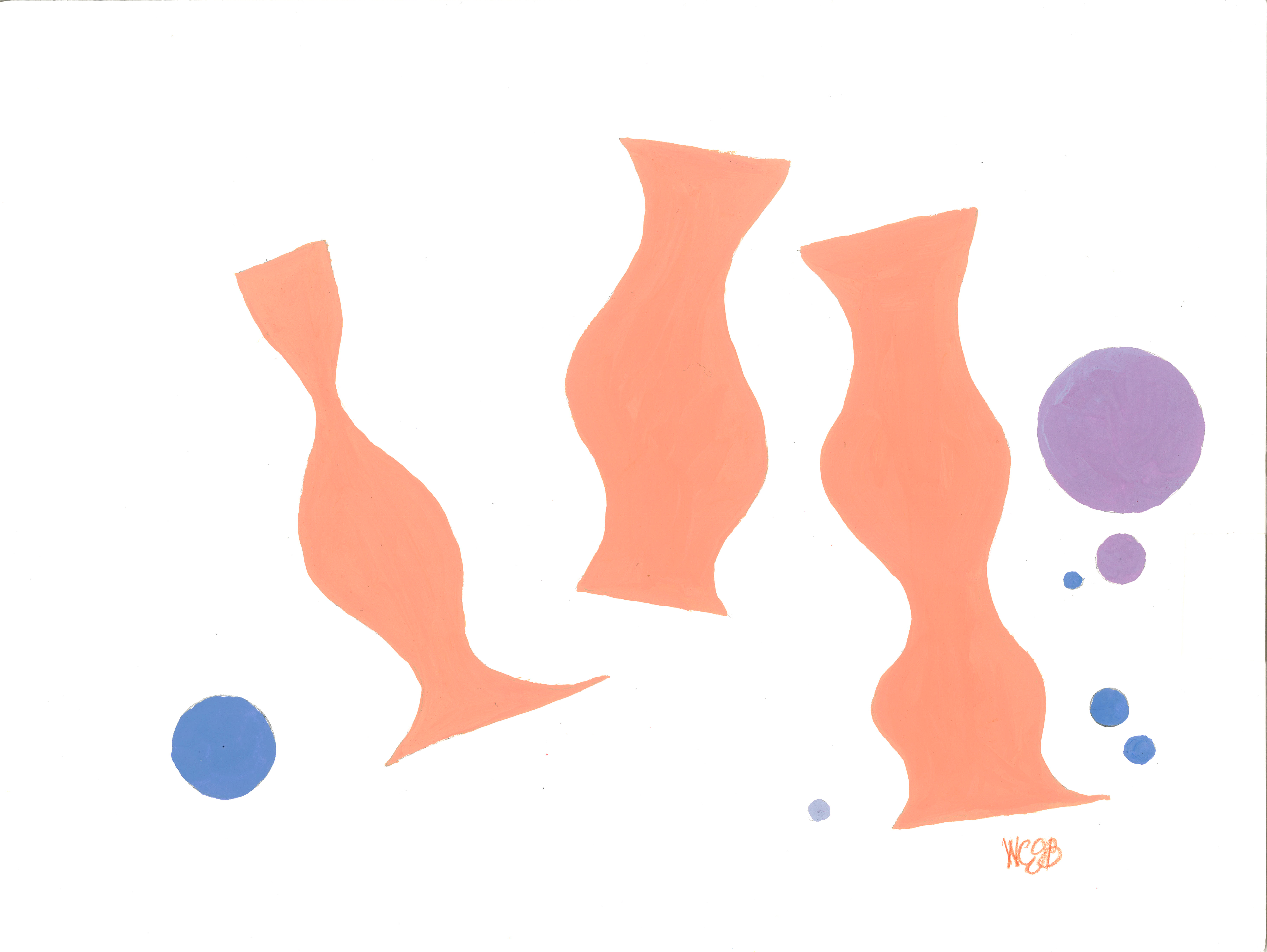
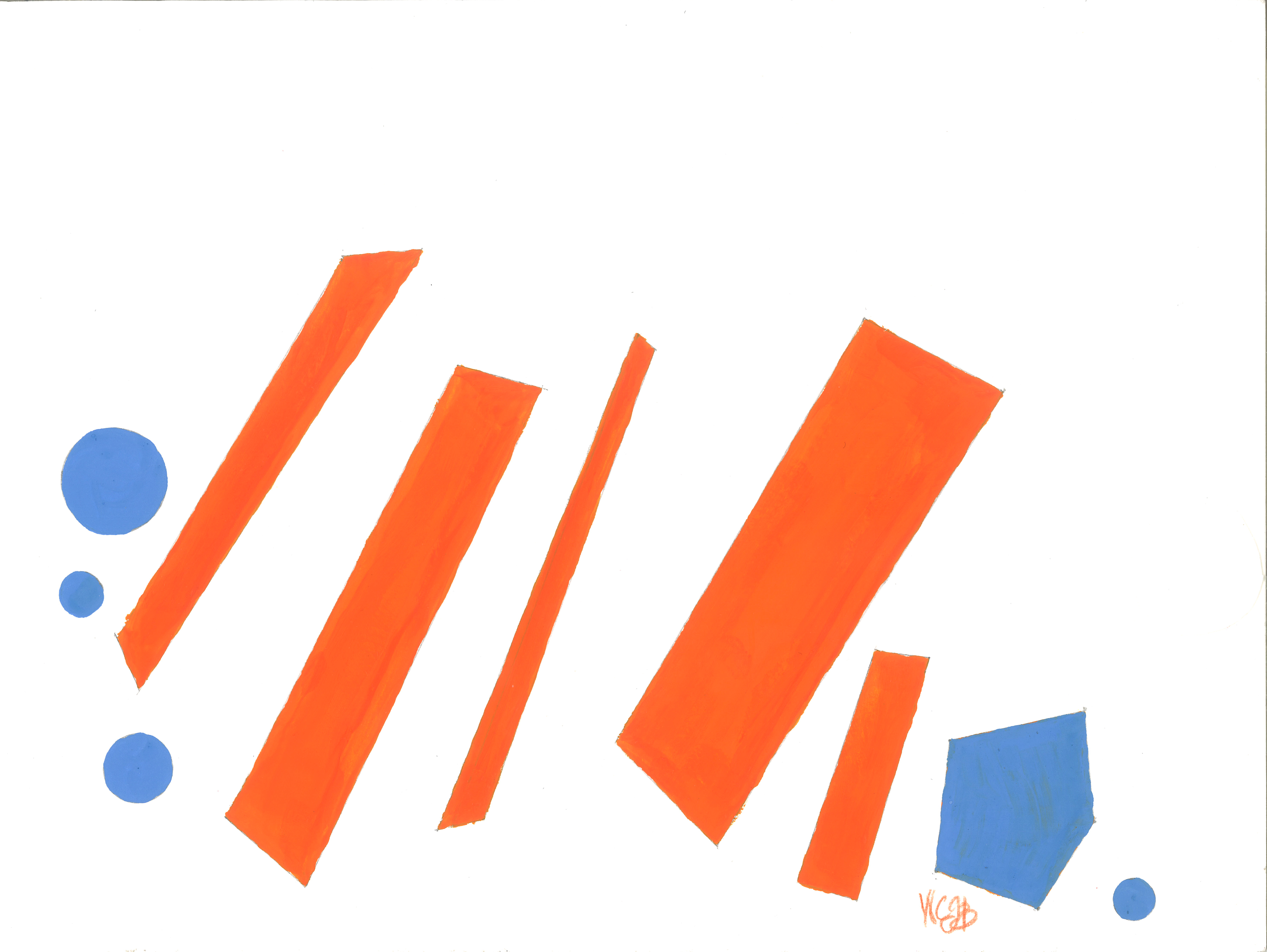
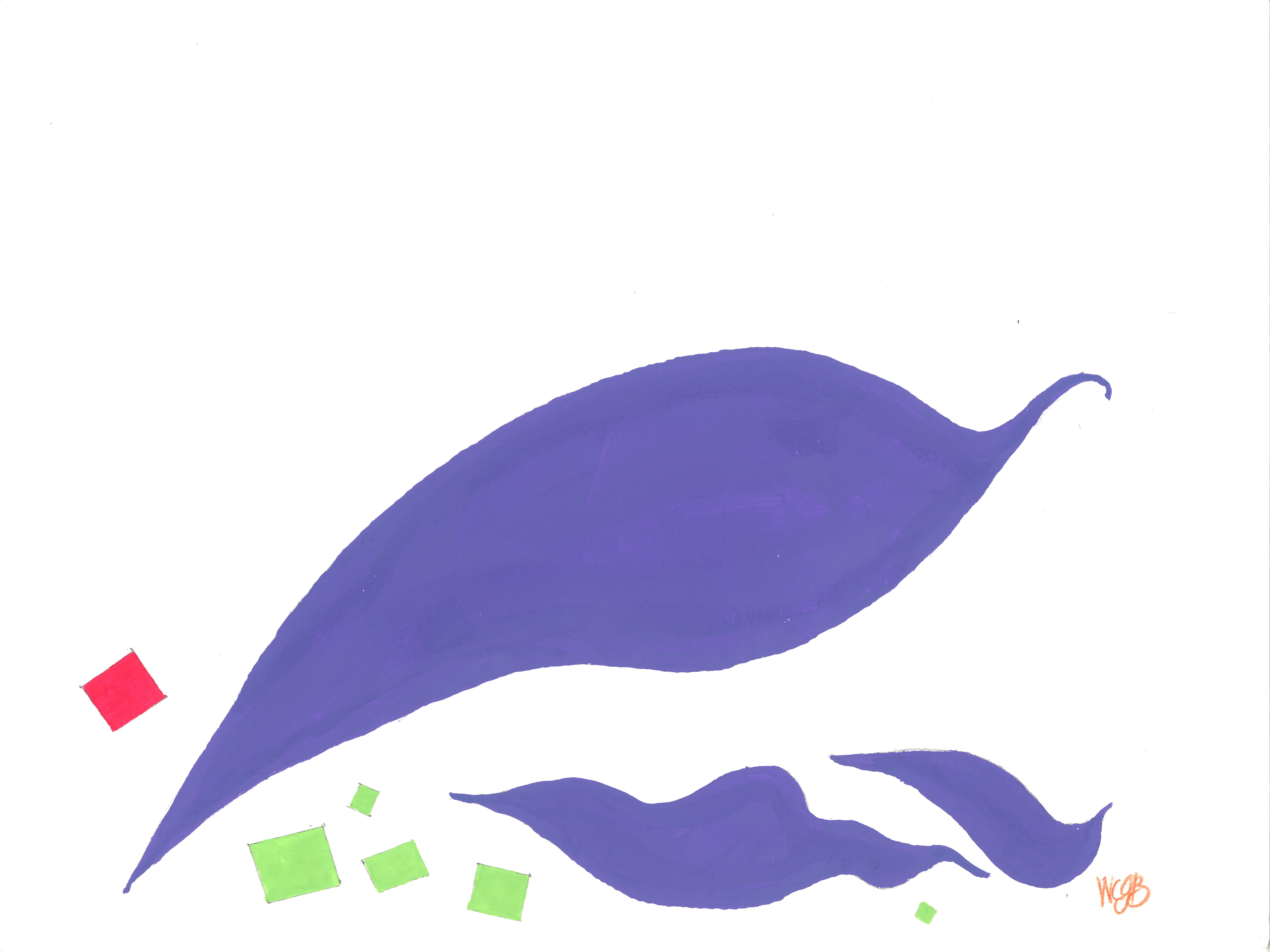
Posted: July 31, 2014 Filed under: E.E. Cummings, English, Spanish, ZP Translator: Alexander Best Comments Off on “Es algo tan muy nuevo”: versiones de poemas por e.e.cummings – con gouaches de William Gilpin-Beck / “It is so quite new a thing”: poems of e.e.cummings in Spanish translations – with gouaches by William Gilpin-Beck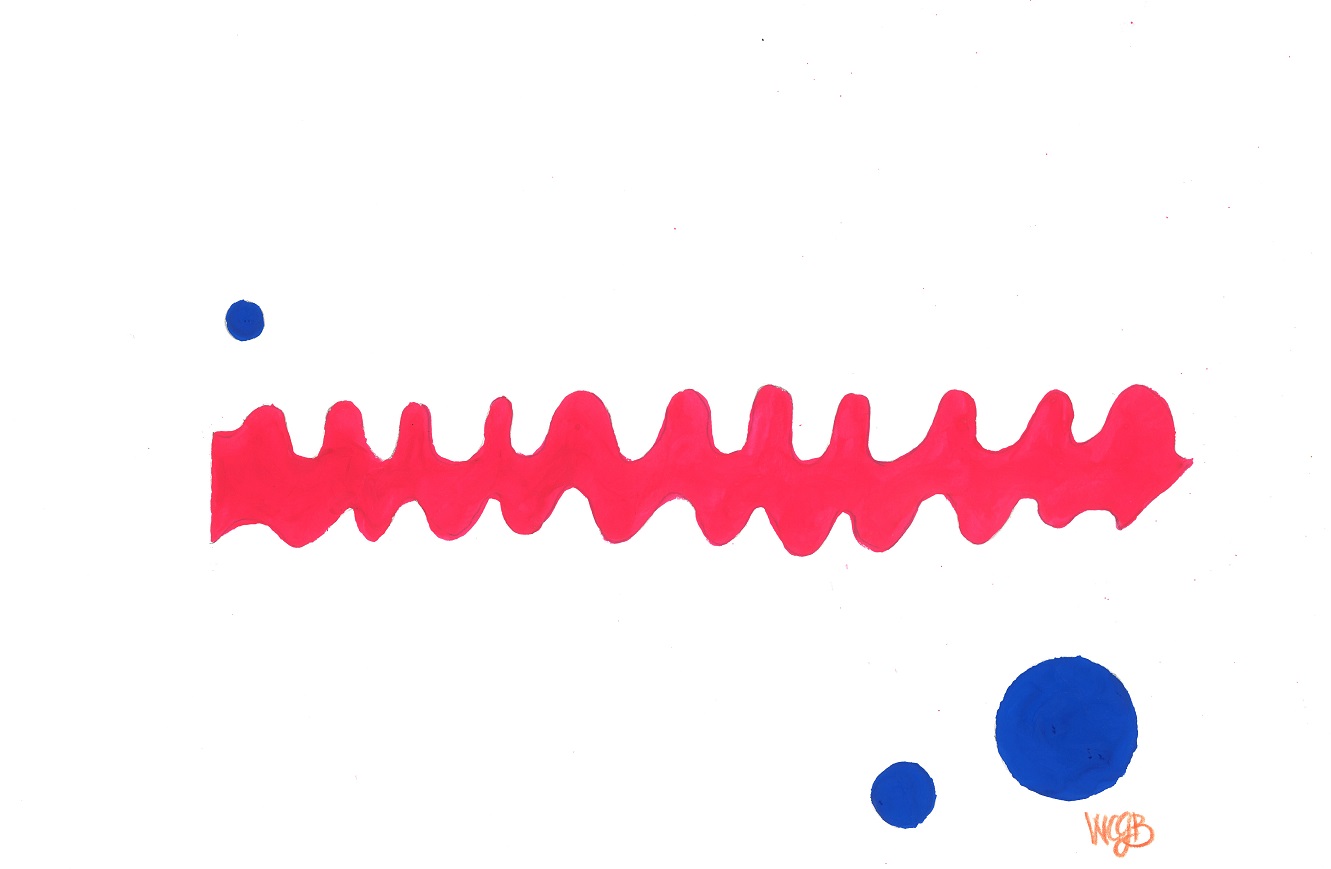
. . .
e.e.cummings (1894-1962, Cambridge, Massachusetts, USA)
i like my body when it is with your
.
i like my body when it is with your
body. it is so quite new a thing.
Muscles better and nerves more.
i like your body. i like what it does,
i like its hows. i like to feel the spine
of your body and its bones,and the trembling-
firm-smooth ness and which i will
again and again and again
kiss, i like kissing this and that of you,
i like,slowly stroking the,shocking fuzz
of your electric fur,and what-is-it comes
over parting flesh….And eyes big love-crumbs,
and possibly i like the thrill
of under me you so quite new
.
(from cummings’ 1925 collection, &[AND])
. . .
e.e.cummings
(1894-1962, poeta estadounidense innovador, nacido en Cambridge, Massachusetts)
me gusta mi cuerpo cuando al tuyo (1925)
.
me gusta mi cuerpo cuando al tuyo está junto.
es algo tan muy nuevo.
Músculos mejores y nervios más.
me gusta tu cuerpo. me gusta lo que hace,
y su cómo. me gusta tocar el espinazo
de tu cuerpo y sus huesos,y el temblor
-resuelto-lisura,que,
una y otra vez,
besaré, me gusta besar tu esto y tu eso,
me gusta, lentamente acariciar, el vello estremecedor
de tu pelaje eléctrico, y lo-que-es viene
sobre la raya abierta de tu carne viva. . . . Y ojos grandes-sobras de amor,
y me gusta, posiblemente, la incitación de
bajo el mí la tú tan muy nueva
. . .
since feeling is first
.
since feeling is first
who pays any attention
to the syntax of things
will never wholly kiss you;
wholly to be a fool
while Spring is in the world
my blood approves,
and kisses are a better fate
than wisdom
lady i swear by all flowers. Don’t cry
– the best gesture of my brain is less than
your eyelids’ flutter which says
we are for each other: then
laugh, leaning back in my arms
for life’s not a paragraph
And death i think is no parenthesis
.
(from cummings’ 1926 collection, is 5)
. . .
porque está primero el sentimiento (1926)
.
porque está primero el sentimiento
quien ponga atención
a la sintaxis de las cosas
nunca te besará, plenamente;
plenamente ser un bobo
mientras la Primavera está en el mundo
mi sangre aprueba,
y son un mejor destino, los besos,
que la razón
señora tengo plena confianza en todas las flores. No llores
– el mejor gesto del seso es menos que
el revuelo de tus párpados que dice que
somos el uno para el otro; pues
ríe, reclínate en mis brazos
porque no es un párrafo la vida
Y yo creo que la muerte no es ningún paréntesis
. . .
may i feel said she
.
may i feel said he
(i’ll squeal said she
just once said he)
it’s fun said she
(may i touch said he
how much said she
a lot said he)
why not said she
(let’s go said he
not too far said she
what’s too far said he
where you are said she)
may i stay said he
(which way said she
like this said he
if you kiss said she
may i move said he
is it love said she)
if you’re willing said he
(but you’re killing said she
but it’s life said he
but your wife said she
now said he)
ow said she
tiptop said he
don’t stop said she
oh no said he)
go slow said she
(cccome?said he
ummm said she)
you’re divine!said he
(you are Mine said she)
.
(from cummings’ 1935 collection, No Thanks)
. . .
puedo tocarte dijo él (1935)
.
dijo él: puedo tocarte
(dijo ella: chillaré
dijo él: sólo una vez)
dijo ella: es redivertido
(puedo palparte
cuánto
mucho)
por qué no
(vámonos dijo él
no demasiado dijo ella
qué es demasiado lejos
donde tu estás)
(puedo quedarme dijo él
cómo dijo ella
así dijo él
si me das un beso dijo ella
puedo moverme
es el amor)
si lo estás deseando
(pero me estás matando
él dijo: pero la vida es así
ella dijo: pero y tu mujer
él dijo: ahora)
ella dijo: ayy
súper dijo él
no te detengas dijo ella
ay no dijo él)
más despacio dijo ella
(¿te corres?
mmm)
¡eres divina!
(eres Mío…)
love is more thicker than forget
.
love is more thicker than forget
more thinner than recall
more seldom than a wave is wet
more frequent than to fail
it is most mad and moonly
and less it shall unbe
than all the sea which only
is deeper than the sea
love is less always than to win
less never than alive
less bigger than the least begin
less littler than forgive
it is most sane and sunly
and more it cannot die
than all the sky which only
is higher than the sky
.
(from cummings’ 1940 collection, 50 Poems)
. . .
amar es más denso que olvidar (1940)
.
amar es más denso que olvidar
más fino que recordar
más raramente que una ola mojada
más frecuente que fracasar
es más loco y lunarmente
y menos no será
que todo el mar que sólo
es más hondo que la marejada
el amor es menos siempre que ganar
menos nunca que viviente
menos grande que un comienzo que es lo mínimo
menos pequeño que perdón
es el más sensato y del sol (sol a mente)
y encima no puede morir
que todo el azul que sólo
es más alto que el cielo
. . .
i carry your heart with me
.
i carry your heart with me(i carry it in
my heart)i am never without it(anywhere
i go you go,my dear,and whatever is done
by only me is your doing,my darling)
i fear
no fate(for you are my fate,my sweet)i want
no world(for beautiful you are my world,my true)
and it’s you are whatever a moon has always meant
and whatever a sun will always sing is you
here is the deepest secret nobody knows
(here is the root of the root and the bud of the bud
and the sky of the sky of a tree called life;which grows
higher than soul can hope or mind can hide)
and this is the wonder that’s keeping the stars apart
i carry your heart(i carry it in my heart)
.
(from cummings’ 1958 collection, 95 Poems)
. . .
llevo tu corazón conmigo (1958)
.
llevo tu corazón conmigo, (lo llevo en mi corazón), sin él nunca estoy
(a donde quiera que voy vas tú mi amor;
y donde aquello que hago yo sola
es gracias a tí, mi cielo.)
no tengo miedo
del destino
(porque eres mi destino, cariño).no quiero ningún mundo porque hermosa
eres, mi mundo, mi verdad) y tú eres lo que es el siempre-significado de una luna y lo que cantará siempre el sol eres tú
este es el secreto más profundo y desconocido
(Acá está la raíz de la raíz
y el brote del brote
y el cielo del cielo de un árbol llamado vida;
que crece más alto de lo que el alma pueda esperar o la mente ocultar)
y esto es la maravilla que mantiene las estrellas separadas
llevo tu corazón, (lo llevo en mi corazón)
Edward Estlin Cummings (1894-1962) was an American poet and painter who grew up with the core values of New England Transcendentalism. Known for his broken syntax and a deliberate and playful mis-use of parentheses, commas, periods and lower-case letters, he was one of the modernizers of poetic language – wrenching it away from 19th century verse conventions. His 1917 poem Buffalo Bill’s defunct (based on a newspaper headline) signaled that clean break with the past. In 2014, more than a half century after his death, Cummings’ lustre has faded; his once-astonishing word games now seem less exciting when text messages and ‘tweets’ bring us fractured language daily. Joyce Kilmer’s sentimental Trees (1914) and Langston Hughes’ subtle and provocative A Dream Deferred (1951) are today far more often memorized and quoted than any verses by e.e.cummings. Yet at the time of his death, Cummings – along with Robert Frost – was the most widely read of American contemporary poets.
All of the above poems are here featured in their original lay-outs, and are taken from the 1994 centennial edition of E.E. Cummings: Complete Poems 1904-1962, edited by George J. Firmage, published by Liveright, New York City.
. . .
Edward Estlin Cummings (1894-1962) fue un poeta, pintor, ensayista y dramaturgo. Aunque él no aprobaba la práctica, sus editores frecuentemente escribían su nombre con minúsculas para representar su sintaxis extraordinaria. Cummings es conocido por sus poemas que rompen con toda estructura – incluyendo usos poco ortodoxos de las mayúsculas y la puntuación, en la que los puntos y comas podían incluso llegar a interrumpir oraciones y hasta palabras. Sus poemas también están escritos sin respeto a los renglones y los párrafos y algunos no parecen tener pies ni cabeza hasta que no son leídos en voz alta. A pesar del hecho que utilizó los estilos vanguardistas y la tipografía inusual, la buena parte de su obra es tradicional; su poesía frecuentemente trata el tema del Amor.
. . . . .
Sichtbar: e.e.cummings auf Deutsch / Silence: e.e.cummings in German
Posted: July 31, 2014 Filed under: E.E. Cummings, English, German Comments Off on Sichtbar: e.e.cummings auf Deutsch / Silence: e.e.cummings in German
stille
.ist
ein
shauender
vogel:der
wen
de;punkt,des
lebens
(suchend vor schnee
. . .
silence
.is
a
looking
bird:the
turn
ing;edge,of
life
(inquiry before snow
. . .
schnee heisst das
leben ist eine schwarze kannonad
e indie still
e go
ttllow
eg-weg)leben
?
baum3geister
sind Is 1 A ugen
Seltsam
vertraut
Gesicht
(warumlachend!unter:himmelsdiamanten
. . .
snow means that
life is a black cannonadin
g into silenc
e go
lliw
og-dog)life
?
tree3ghosts
are Is A eyes
Strange
known
Face
(whylaughing!among:skydiamonds
. . .
n
Ichtdl
n
gkann u
c
berTReff
e
n das
m
YsteriU
m
des
s
tilL.Sein
s
. . .
n
Othl
n
g can
s
urPas
s
the m
y
SteR
y
of
s
tilLnes
s
. . .
Wunderschön
ist das
unbe
deuten
des(lei
se)fal
lenden(da
nun
hier
all)s
chne
Es
. . .
Beautiful
is the
unmea
ning
of(sil
ently)fal
ling(e
ver
yw
here)s
Now
. . .
dies’ menschen herz
ist treu seiner
erde;so
jedermann’s welt
in
-t’ressiert ihn nicht(vom aus
sehen
anfühlen geschmack geruch
& klang
einer stille wer kann
ahnen
ge-
nau
was leben
tun wird)liebt
nichts
so serh so
wie(erst
das anko
-m-
me
-n)eine shneefloke tan-
zt
,auf
ihrem weg zum nie
-hier

r-f-e-p-u-e-h-s-a-g-r
welcher
al)s w(ir schau)en
aufnunrichht
PFEGERURASH
endz(u-
mDer):s
pr
iU
!ng:
T a
(n
kOmMeNd .gRrEaFsPuEh)
um
wieder(zu)ord(were)nen(en)d
,grashuepfer;

r-p-o-p-h-e-s-s-a-g-r
who
a)s w(e loo)k
upnowgath
PPEGORHRASS
eringint(o-
aThe):l
eA
!p:
S a
(r
rivinG .gRrEaPsPhOs)
to
rea(be)rran(com)gi(e)ngly
,grasshopper;
. . .
All e.e.cummings German translations © 2003, from the volume Sichtbar-Silence: Cummings coming into German, edited by Gudren M. Grabher
. . . . .
Ana María Caballero: Nuevos Poemas
Posted: July 29, 2014 Filed under: Ana María Caballero, Spanish Comments Off on Ana María Caballero: Nuevos Poemas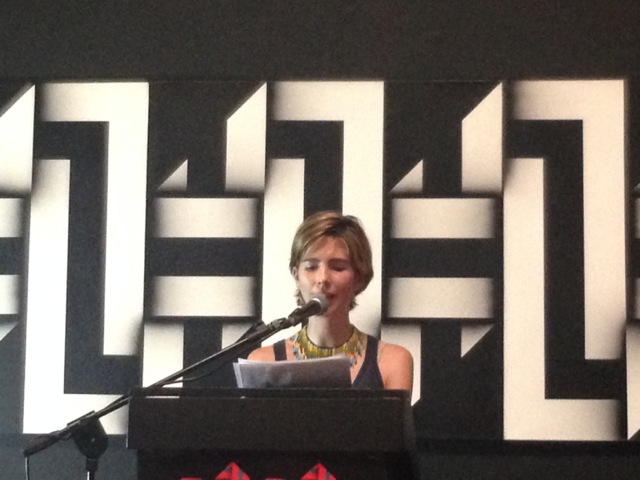
Ana Maria Caballero reading her poems in Roldanillo, Valle del Cauca, Colombia_La poeta leyendo sus poemas en Roldanillo, Valle, Colombia
La librería que recomendaste
Abierta a las 7 y 25 de la noche
Lunes
Mucha luz y 0 ruido, 2 libros de brujería moderna
Lunes
1 de pensamiento árabe, todos 3 en rebaja
Lunes
8 días después de dejarme un
Domingo
Después de 2 noches
Domingo
Los 2 creyendo que llamarías
Martes
1 noche a
Miércoles
Crear 1 noche
Jueves
Para sumar a las 2 noches
Viernes
Abierta tu librería a las 7 y 25
Lunes
Luz, 0 ruido, 3 libros
Lunes
2 noches, un
Lunes
0
ruido
. . .
Sí mi patrón
El patrón me llevó a su cuarto de patrón –
mesa, poltrona, balcón y hamaca.
Con el patrón yo la patrona –
palma plateada entre mi pueblo y mi puerta.
Desde el ron en la sangre cada paso su paso –
baldosa floreada un mapa de geometría opaca.
Al iniciar convidó pijama y enseres de higiene –
grueso cajón desnuda las herramientas.
Adentro cuento sombreros colgados –
afuera sopla la brisa y seca las sábanas limpias.
. . .
Te lo vi
Yo lo vi; te lo vi todo.
Te vi mi mano abriendo y cerrando
el cuero de un libro pesado.
Te vi mi mano mostrando y tapando
el reflejo de un tenedor bordado.
Te vi mi piel guardada.
Te vi la falta de crucifijos
en las paredes de mi casa.
Te vi la falta de edificios
en la vista de mi ventana.
Te vi mi perfil de florero recién lavado.
Te vi mi postura al montar a caballo,
con brinco discreto de buena equitación.
Te vi mis lenguajes clásicos y lejanos,
con sílabas que resuenan su larga educación.
Te vi mi tacón alto como si fuera guante blanco.
Yo lo vi; yo sé que se lo vi:
en el centro puro de su ojo oscuro
le vi mi ojo verde,
despedido por su merced.
. . .
Ahora se espera
Ahora no se quiere. Se espera.
Ahora no se mira, ahora no se toca.
Ahora se espera.
Ahora se piensa, se imagina, se calla.
Se ignora, se ocupa, se excusa.
Aunque se sepa, se sienta, se vea,
ahora se calla.
Aunque se piense, se imagine, se implore,
ahora se calla.
No se busca, se inventa.
Se aguanta.
Y no se cuenta.
. . .
Ana Maria Caballero has worked in the financial sector, as a journalist, for a wine importation company – even for the government of Colombia. Recently she became a mother, and now focuses her attention on writing poetry and literary commentary – what she calls “book thoughts”. These may be read at http://www.thedrugstorenotebook.co.
Her writing has appeared in numerous publications: Elephant Journal, CutBank, Aviary Review, Really Systems, Ghost House Review, Dagda Publishing, and Toasted Cheese Literary Journal.
Visit Zeteo Journal to read her weekly poetry feature in the Zeteo is Reading column:
http://www.zeteojournal.com
. . . . .
Navia Magloire: 4 poèmes de la poétesse haïtenne
Posted: July 28, 2014 Filed under: French, Navia Magloire Comments Off on Navia Magloire: 4 poèmes de la poétesse haïtenne
Tournure
Je ne veux plus rêver des hommes
Cheminant le vent des caraïbes
Je préfère imaginer leurs ombres
qui s’aventurent dans le jardin de ma conscience
Je me fais entremetteuse d’un monde connu
et celui de l’ inconnu
Avec eux, je suis ruine déshonorant mes
parterres de parfum, de naturel et de quiddité
Sans eux, je suis fortune d’imagination, de sourire
et de spontanéité
Je ne veux plus penser aux hommes
menaces pandémiques d’une société
asociale
désormais je les invente au coup
d’éclair de ma raison conditionnée
Je me fais paraphrase du réel et de l’irréel
Pour eux, je suis bonne chair, gourmet, désir
Loin d’eux, je suis pensée, divine et immortelle
Je ne veux plus parler des hommes
Je désire les créer dans des fibres d’amour
qui transcende le virtuel et peut-être
qu’un de ces matins apparaîtra l’homme
que j’ai rêvé.
Agapè
Combien j’ai envie de m’abandonner
à la prière amère de mes larmes
car j’habite un corps dont l’amour a déserté
les carrefours dès la jeunesse du matin
Sans amen je cherche l’abri de mon ombre
sans merci il me fuit
j’habite un corps désert
un corps fantôme
un corps liquide
un corps pétrifié
Combien hélas j’ai envie de marcher dans
la mémoire glissante de mes larmes
Car j’habite une ville fumée
depuis la traversée impersonnelle
de mon corps en transit
Sans relâche je furète sa vividité
Sans relâche il se tait
j’habite un corps évaporé
un corps fumant
un corps dilué
un corps périmé
Je suis poussé à voyager
les remous de mes larmes
car je cherche au participe passé
l’Agapè d’un corps inédit.

Maux d’Eau
Il pleut des rivières dans ma tête
Mon île ne rêve plus
les voix du passé obnubilent son imaginaire
Il pleut des tempêtes dans ma tête
mon île a délaissé son rêve
ses troubadours décriés s’empoissent
dans la gabégie
Il pleut à verses dans ma tête
Mon île a gommé son rêve
les tambours de ses contes s’obstinent
dans l’amnésie
il pleut, il pleut des larmes dans ma tête
mon île ne rêve plus
la cohorte des dieux a déserté l’oraison
de ses rites
il pleut dans ma tête en eau
ses semences chaotiques ont perdu
leur impulsion
mon île est un immense vase
de pleurs
Elle a cessé de rêver, mon île !

Terre arc en ciel
Le tambour de Dahomay
s’est éteint à Vertières
son roulement subversif
travesti en furie
assassine ma terre Arc-en-ciel
je décèle dans un bourdonnement
un désir de rédemption
mais hélas !
Le tam-tam des Peuls
s’est immobilisé à la Citadelle
son souffle subversif
perverti en folie
dévoye l’esprit de la gente intellect
je découvre dans ce bourdonnement
un refrain de guérison
mais hélas !
Le son des cornes des Nagos
s’est tû à la Crête à Pierrot
son esprit subversif
annihilé par le tribalisme
obscurci la vision futuriste
de ma terre Arc-en-ciel
se dénoue dans ce bourdonnement
une aversion tribale
et
l’avenir se coagule.


Navia Magloire est née au Cap Haïtien, une commune d’Haïti. Elle a débuté sa scolarité de l’âge de 2 ans à Saint-Joseph de Cluny où elle a terminé ses études primaires et secondaires classiques. Elle a complété des études universitaires en science de l’éducation et de psychologie a UJPM (Université Jean Price-Mars). Durant un séjour aux Etats-Unis d’Amérique, elle a familiarisé elle-même avec la poésie d’Anthony Phelps, et plus tard de Saint-John Kauss, qui est devenue pour elle un exemple à suivre, et qui la pousse à considérer l’écriture comme un exutoire à sa revolte.
. . .
 Zócalo Poets