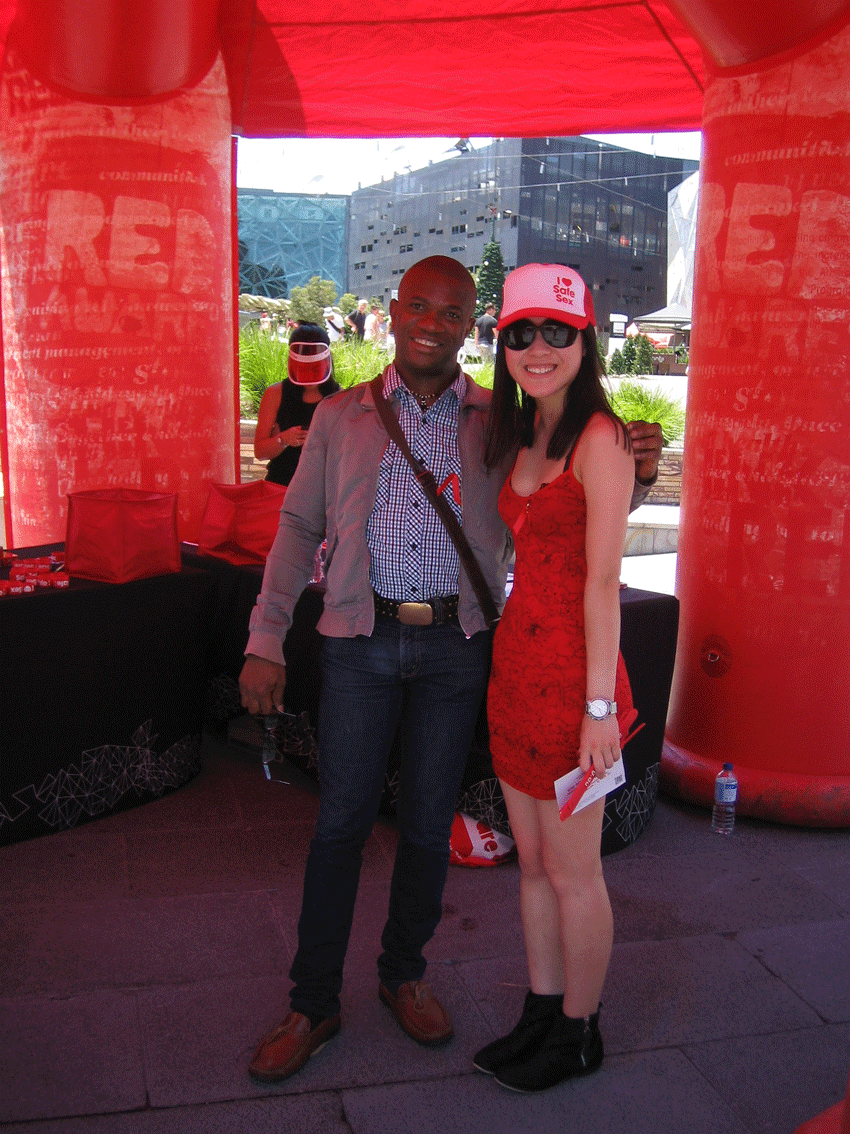
World AIDS Day: We Love Safe Sex!
Posted: December 1, 2014 Filed under: IMAGES Comments Off on World AIDS Day: We Love Safe Sex! ……….
……….
 ……….
……….
 ……….
……….
 ……….
……….
 ……….
……….
 ……….
……….
 ……….
……….
 ……….
……….
 ……….
……….

Prayers and Poems for World AIDS Day
Posted: December 1, 2014 Filed under: English | Tags: World AIDS Day poems Comments Off on Prayers and Poems for World AIDS Day
Emily Dickinson (1830-1886)
My Life Closed Twice Before Its Close
.
My life closed twice before its close;
It yet remains to see
if Immortality unveil
A third event to me,
So huge, so hopeless to conceive,
As these that twice befell.
Parting is all we know of heaven,
And all we need of hell.
. . .
The Maryknoll AIDS Task Force Prayer
.
God of all compassion, comfort your sons and daughters who live with HIV.
Spread over us all your quilt of mercy, love and peace.
Open our eyes to your presence reflected in their faces.
Open our ears to your truth echoing in their hearts.
Give us the strength to weep with the grieving,
to walk with the lonely, to stand with the depressed.
May our love mirror your love for those who live in fear,
who live under stress and who suffer rejection.
Mothering, fathering God grant rest to those who have died
and hope to all who live with HIV.
God of life, help us to find the cure now and help us to build
a world in which no one dies alone
and where everyone lives accepted, wanted and loved.
.
(Prayer courtesy of the Maryknoll Sisters of the San Salvador Diocesan HIV/AIDS programme and Ecumenical Advocacy Alliance)
. . .
Prayer for the Girl Child (from Musa W. Dube’s Africa Praying: A Handbook on HIV/AIDS)
We are gathered together to affirm the humanity of the girl child. We celebrate the fact that the girl child was created in the image of God and is loved by God. We claim responsibility to protect the girl child and give her the opportunity to grow without fear of being abused by anyone. We pray for a safe environment that is created by all for the safety of the girl child. Amen.
. . .
Albert Camus (1913-1960)
A Witness in Favour of a Stricken People (excerpt from The Plague)
Dr. Rieux resolved to compile this chronicle, so that he should not be one of those who hold their peace but should bear witness in favour of those plague-stricken people: so that some memorial of the injustice and outrage done them might endure; and to state quite simply what we learn in time of pestilence: that there are more things to admire in people than to despise. Nonetheless, he knew that the tale he had to tell could not be one of a final victory. It could be only the record of what had to be done, and what assuredly would have to be done again in the never ending fight against terror and its relentless onslaughts, despite their personal afflictions, by all who, while unable to be saints but refusing to bow down to pestilences, strive their utmost to be healers.
.
Translation from French: Stuart Gilbert
From the Rig-Veda (ancient Sanskrit hymns from India):
Oh God,
Let us be united
Let us speak in harmony;
Let our minds apprehend alike.
Common be our prayer,
Common be the end of our assembly;
Common be our resolution;
Common be our deliberations.
Alike be our feelings;
Unified be our hearts;
Common be our intentions;
Perfect be our unity.
. . .
Stanley Kunitz (1905-2006)
The Long Boat
.
When his boat snapped loose
from its mooring, under
the screaking of the gulls,
he tried at first to wave
to his dear ones on shore,
but in the rolling fog
they had already lost their faces.
Too tired even to choose
between jumping and calling,
somehow he felt absolved and free
of his burdens, those mottoes
stamped on his name-tag:
conscience, ambition, and all
that caring.
He was content to lie down
with the family ghosts
in the slop of his cradle,
buffeted by the storm,
endlessly drifting.
Peace! Peace!
To be rocked by the Infinite!
As if it didn’t matter
which way was home;
as if he didn’t know
he loved the earth so much
he wanted to stay forever.
. . .
Henry Scott Holland (1847-1918)
On Dying
.
I am standing on the seashore.
A ship spreads her white sails to the morning breeze and starts for the ocean.
I stand watching her until she fades on the horizon and someone at my side says
“She is gone.”
Gone where?
The loss of sight is in me, not in her.
Just at the moment when someone says “She is gone,”
there are others who are watching her coming;
other voices take up the glad shout, “Here she comes.”
And that is dying.
. . .
A Confucian Prayer
.
All fathers are to be served,
Revered, as one’s own father.
All mothers are to be cherished
As one’s own mother.
All men and women are to be respected,
Honoured, as one’s own brothers and sisters.
As earth bears them all,
So all of them are to be accepted.
All are to acknowledge
And to act upon
Their universal kinship.
Thus will the Great Unity come into being.
. . .
A Hopi Native-American Prayer
.
Do not stand at my grave and weep
– I am not there, I do not sleep.
I am a thousand winds that blow.
I am the diamond glint on snow.
I am the sunlight on ripened grain.
I am the gentle autumn rain.
When you wake in the morning hush,
I am the swift, uplifting rush
Of quiet birds in circling flight.
I am the soft starlight at night.
Do not stand at my grave and weep
– I am not there, I do not sleep.
. . .
From Japanese Shinto sayings:
.
Clothe yourself in kindness.
The heart of the person before you is a mirror:
Behold therein your own.
One good word can warm three winter months.
One good deed is better than three days of fasting at a shrine.
Requite ill-will with kindness.
Be like the tree – which covers with flowers the hand that shakes it.
. . .
We are grateful for provision of these poems and prayers to: The Maryknoll Sisters, whose AIDS Task Force was founded in January 1992; Professor Musa W. Dube, feminist theologian from Botswana; and The Huffington Post.
.
To read poems in four languages – ZP’s World AIDS Day 25th Anniversary feature (December 1st, 2013) – click the following link:
https://zocalopoets.com/tag/world-aids-day-25th-anniversary-poems/
. . . . .
Poems for Saint Andrew’s Day: Bruce & Neill & Thomson
Posted: November 30, 2014 Filed under: English, English: Scots, Gaelic: Scottish Comments Off on Poems for Saint Andrew’s Day: Bruce & Neill & Thomson
George Bruce (Fraserburgh, Aberdeenshire, 1909-2002)
Why the Poet makes Poems
(written to my dentist, Dr. K. P. Durkacz,
to explain why I failed to keep an appointment)
.
When it’s all done and said
whether he is smithing away by the mad sea,
or, according to repute, silvering them in a garret
by moonlight, or in plush with a gold nib,
or plain bourgeois in a safe bungalow with a mortgage,
or in a place with a name, Paris, Warsaw, Edinburgh,
or sitting with his heart in the Highlands,
or taking time off at the office to pen a few words,
the whole business is a hang-over from the men in the trees,
when thunder and sun and quake and peas in a pod
were magic, and still is according to his book, admitting
botany is OK for the exposition of how the buds got there,
geology for how the rocks got just like that,
zoology for the how of the animals,
biology for us kind – but that’s not his game:
he’s after the lion playing around with the lamb for fun.
He doesn’t want to know the how, the why. It’s enough for him to say:
‘That’s what’s going on. The grass is jumping for joy,
and all the little fishes are laughing their heads off.’
. . .
William Neill (Prestwick, Ayrshire, 1922-2010)
Seasons
.
Skeich wes the hert i the spring o the year
whan the well-sawn yird begoud tae steer
an the plewlan’s promise gledened the ee
atween Balgerran an Balmaghie.
The lang het simmer cam an rowed
the haill Glenkens in a glent o gowd
an the gangan fit on the hill gaed free
atween Balgerran an Balmaghie.
Hairst an the cornriggs flisked i the wun
like a rinnan sea i the southan sun;
then ilka meeda peyed its fee
atween Balgerran an Balmaghie.
Nou the lang year’s dune, an the druim grows stey
an the snaa liggs caal ower Cairnsmore wey;
the crannreuch’s lyart on ilka tree
atween Balgerran an Balmaghie.
. . .
Distant Snow
.
I see in the distance today,
a cloak of snow atop Meall Liath,
Why do I not sae Millyea,
the more Lowland name?
Though there is many a Gaelic name
on the natives of this district
many generations have caused a separation.
Am I blessed or cursed
with too much vision?
. . .
Distant Snow – in the original Gaelic:
Sneachd Air Astar
.
Chi mi an diugh air astar
fallain sneachd air Meall Liath.
Carson nach theirinn Millyea
ainm is motha Gallda?
Ged that iomadh sloinneadh Gàidhlig
air muinntir dùthchasach an àite
rinn iomadh linn eadar-dhealachadh.
Am beannaichte mise no mallaichte
le tuilleadh ‘sa chòir de lèirsinn?
. . .
Larach*
.
On Drumconnard now, only the curlew calls.
Sadly a body may stand on that high place
beside bare gable end and scattered walls
to think of old magic tales and a vanished grace.
.
Foolish, they say, are the praisers of time past:
a wise man turns his face and hails the new,
but bricks of hucksters hall will turn to dust
while Drumconnard’s ruin whispers to the few.
.
*Larach – Gaelic word for ruin or foundation
. . .
Deodorant Advert
(inspired by Catullus’ Latin poem LXIX)
.
Don’t you know, Rufus, why those lovely creatures
won’t let you bed ’em for those gifts laid out
of diamonds, dresses, jewels – things that feature
much in your wooings? There’s a tale about
that says your armpits have a horrid pong
like something dead – and that’s what makes ’em scared.
There’s no good-looking bird will come along
to get her nose filled when your armpit’s bared
– so get some stuff to chase that stink today
or pretty darlings just won’t come your way.
. . .
Deodorant Advert – in Scots:
.
Weill, Roy ma laddie, hou can ye no see
nae bonnie lass will ligg aside yir thie,
for gifts o silen claith an glentin stanes
while yon reek frae yir oxters aye remains?
It stangs yir hairt, ye say, yon nestie tale
that says a gait wad hae a sweeter smell.
Gin oor nebs runkle at yer stink’s rebuff
whit douce wee thing can thole yir manky guff?
Sine oot yon ugsome yowder eidentlie
or dinnae wunner hou the weemin flee.
. . .
Derick Thomson (Lewis/Glasgow, 1921-2012)
Return from Death
.
When I came back from death
it was morning,
the back door was open
and one of the buttons of my shirt had disappeared.
.
I needed to count the grass-blades again,
and the flagstones,
and I got the taste of fresh butter on the potatoes.
.
The car needed petrol,
and love sat sedately on a chair,
and there was an itchy feeling at the back of my knee.
.
And if you believe, as I do,
that one who reads can understand half a word,
you can see that I’ve mentioned
Only a couple of things I felt then.
. . .
Return from Death – in the original Gaelic:
.
Tilleadh Bhon a’ Bhàs
.
Nuair a thàinig mi air ais bhon a bhàs
bha a’ mhadainn ann,
bha an doras-cùil fosgailte,
is bha putan dhe na bha ‘na mo lèine air chall.
.
B’ fheudar dhomh am feur a chùnntadh a-rithist,
is na leacan,
is dh’fhairich mi blas an ìm ùir air a’ bhuntàt’.
.
Bha ‘n càr ag iarraidh peatroil,
‘s an gaol ‘na shuidhe gu stòlda air seuthar,
is tachais anns an iosgaid agam.
.
‘S ma tha thu creidse mar tha mise
gun tuig fear-leughaidh leth-fhacal,
chì thu nach tug mi iomradh
ach air rud no dhà a dh’ fhairich mi.
. . . . .
Jane Kenyon: Poemas sobre el Invierno
Posted: November 25, 2014 Filed under: English, Jane Kenyon, Spanish, ZP Translator: Alexander Best Comments Off on Jane Kenyon: Poemas sobre el Invierno
Jane Kenyon (1947-1995)
Poemas sobre el Invierno / Poems about Winter
. . .
Indolencia durante un invierno temprano
.
Llega una carta de unos amigos –
¡Déjenlos divorciarse, todos,
pues casarse de nuevo y volver a divorciarse!
Perdóname si me quede frito…
.
Yo debería avivar el fogón de leña,
ojalá que lo había hecho la hora pasada.
La casa se volverá frío como la piedra.
¡Fabuloso – no tendrá que hacer el balance con mi chequera!
.
Hay un amontonamiento precario de correo sin respuesta
y el gato lo derrumba cuando viene por verme.
.
Y quedo aquí, en mi silla,
enterrado bajo los escombros
de matrimonios fallidos,
formularios para renovar suscripciones de revistas,
cuentas,
amistades caducadas…
.
Es el sol que provoca esta clase de consideración.
Parte del cielo más y más temprano cada día, y se va en algún lugar,
como un marido preocupado,
o como una esposa melancólica.
. . .
Indolence in early winter
.
A letter arrives from friends…
Let them all divorce, remarry
and divorce again!
Forgive me if I doze off in my chair.
.
I should have stoked the stove
an hour ago. The house
will go cold as stone. Wonderful!
I won’t have to go on
balancing my chequebook.
.
Unanswered mail piles up
in drifts, precarious,
and the cat sets everything sliding
when she comes to see me.
.
I am still here in my chair,
buried under the rubble
of failed marriages, magazine
subscription renewal forms, bills,
lapsed friendships…
.
This kind of thinking is caused
by the sun. It leaves the sky earlier
every day, and goes off somewhere,
like a troubled husband,
or like a melancholy wife.
. . .
Mientras estuvimos discutiendo
.
Cayó la primera nieve – o debería decir:
Voló oblicuamente y parecía como
la casa se movía descuidadamente por el espacio.
.
Las lágrimas salpicaron como abalorios en tu pulóver.
Pues, para unos largos momentos, no hablaste.
Ningún placer en las tazas de té que hice distraídamente a las cuatro.
.
El cielo se oscureció. Oí el arribo del periódico y salí.
La luna oteaba entre nubes disintegrandos.
Dije en voz alta:
“Mira, hemos hecho daño.”
. . .
While we were arguing
.
The first snow fell – or should I say
it flew slantwise, so it seemed
to be the house
that moved so heedlessly through space.
.
Tears splashed and beaded on your sweater.
Then for long moments you did not speak.
No pleasure in the cups of tea I made
distractedly at four.
.
The sky grew dark. I heard the paper come
and went out. The moon looked down
between disintegrating clouds. I said
aloud: “You see, we have done harm.”
. . .
La nieve y una mañana oscura
.
Cae sobre el topillo del campo que empujar con el hocico
en alguna parte de las malas hierbas;
cae en el ojo abierto del estanque.
Y hace venir tarde el correo.
.
El trepador hace espirales de frente/abajo en el árbol.
.
Estoy adormilada y benigna en la oscuridad.
No hay nada que quiero…
. . .
Dark morning: Snow
.
It falls on the vole, nosing somewhere
through weeds, and on the open
eye of the pond. It makes the mail
come late.
.
The nuthatch spirals head first
down the tree.
.
I’m sleepy and benign in the dark.
There’s nothing I want…
. . .
Invierno seco
.
Tan poco de nieve…
La hierba del campo es como
un pensamiento terrible que
nunca desapareció completamente…
. . .
Dry winter
.
So little snow that the grass in the field
like a terrible thought
has never entirely disappeared…
. . . . .
Jane Kenyon: poemas íntimos sobre un esposo
Posted: November 20, 2014 Filed under: English, Jane Kenyon, Spanish, ZP Translator: Alexander Best Comments Off on Jane Kenyon: poemas íntimos sobre un esposo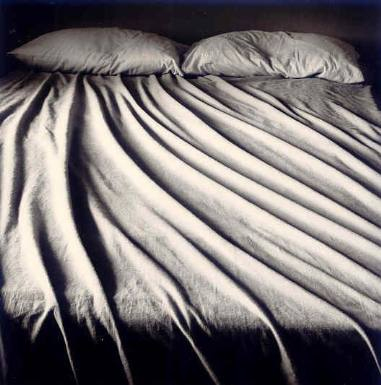
Jane Kenyon (1947-1995, poeta/traductor estadounidense)
. . .
The First Eight Days of the Beard
.
1. A page of exclamation points
2. A class of cadets at attention
3. A school of eels
4. Standing commuters
5. A bed of nails for the swami
6. Flagpoles of unknown countries
7. Centipedes resting on their laurels
8. The toenails of the face
. . .
Los Primeros Días de la Barba Incipiente
.
1. Una página de puntos de exclamación
.
2. Una clase de cadetes en posición de firmes
.
3. Una escuela de anguilas
.
4. Viajeros suburbanos en pie en la tren
.
5. Un lecho de clavos para un swami
.
6. Mástiles de paises desconocidos
.
7. Ciempieses descansando en sus laureles
.
8. Las uñas del pie de la cara
. . .
The Socks
.
While you were away
I matched your socks
and rolled them into balls.
Then I filled your drawer with
tight dark fists.
. . .
Los Calcetines
.
Mientras estabas fuera
emparejé tus calcetines
y los rodé en pelotas.
Pues llené tu cajón con
puños morenos apretados.
. . .
The Shirt
.
The shirt touches his neck
and smooths over his back.
It slides down his sides.
It even goes down below his belt
– down into his pants.
Lucky shirt.
. . .
La Camisa
.
La camisa toca su cuello
y alisa sobre su espalda.
Se desliza sus costados,
aun descende abajo de la cintura
– dentro de sus pantalones.
¡Qué camisa afortunada!
. . .
Alone for a week
.
I washed a load of clothes
and hung them out to dry.
Then I went up to town
and busied myself all day.
The sleeve of your best shirt
rose ceremonious
when I drove in; our night-
clothes twined and untwined in
a little gust of wind.
.
For me it was getting late;
for you, where you were, not.
The harvest moon was full
but sparse clouds made its light
not quite reliable.
The bed on your side seemed
as wide and flat as Kansas;
your pillow plump, cool,
and allegorical…
. . .
Una Semana de Soledad
.
Lavé un montón de ropas
y las colgué para secarse.
Pues fui al pueblo
y me mantuve todo el día.
La manga de tu mejor camisa
subió ceremoniosamente
cuando regresé en el carro.
Nuestros camisones entrelazaban y destorcían
en una racha de viento.
.
Para mí, se tornaba tarde;
para ti, donde estabas, no.
Había una luna de cosecha, y llena,
pero unas nubes escasas crearon
una luz no bastante fiable.
Nuestra cama (de tu lado) parecía
tan ancho y plano, como Kansas;
tu almohada estaba rolliza, fresca,
y alegórica…
. . . . .
Winter arrives: three poems by Jane Kenyon
Posted: November 20, 2014 Filed under: English, Jane Kenyon Comments Off on Winter arrives: three poems by Jane Kenyon
Jane Kenyon (1947-1995, Michigan/New Hampshire)
The Cold
.
I don’t know why it made me happy to see the pond ice over in a day,
turning first hazy, then white. Or why I was glad when the thermometre
read twenty-four below, and I came back to bed – the pillows cold,
as if I had not been there two minutes before.
. . .
Apple dropping into deep early Snow
.
A jay settled on a branch, making it sway.
The one shriveled fruit that remained
gave way to the deepening drift below.
I happened to see it the moment it fell.
.
Dusk is eager and comes early. A car
creeps over the hill. Still in the dark I try
to tell if I am numbered with the damned,
who cry, outraged, Lord, when did we see You?
. . .
Depression in Winter
.
There comes a little space between the south
side of a boulder
and the snow that fills the woods around it.
Sun heats the stone, reveals
a crescent of bare ground: brown ferns,
and tufts of needles like red hair,
acorns, a patch of moss, bright green…
.
I sank with every step up to my knees,
throwing myself forward with a violence
of effort, greedy for unhappiness
– until by accident I found the stone,
with its secret porch of heat and light,
where something small could luxuriate, then
turned back down my path, chastened and calm.
. . . . .
Margaret Atwood cumple setenta y cinco años…
Posted: November 18, 2014 Filed under: English, Spanish, ZP Translator: Alexander Best Comments Off on Margaret Atwood cumple setenta y cinco años…
Margaret Atwood (Ottawa, 18 de noviembre de 1939) es una poetisa y novelista prolífica, también una crítica literaria y activista política. Un miembro del organismo de derechos humanos Amnistia Internacional, vive en Toronto, Ontario, Canadá.
. . .
Es / No Es (1974)
.
El amor no es una profesión,
refinado o de otra manera
El sexo no es la odontología
el empaste hábil de dolores y cavidades
No eres el médico; no eres mi tratamiento;
nadie tiene ese poder; simplemente eres un compañero en el viaje
Ríndete este asunto medical,
abotonado, atento
Permítete la ira
y me permites la mía
que no necesita tu aprobación o tu sorpresa
que no necesita estar hecho legal
que no está contra una dolencia
– sino contra ti,
que no necesita estar comprendido
o lavado o cauterizado;
que necesita
ser dicho y dicho.
Permíteme el presente.
. . .
Versión de Alexander Best
. . .
Is/Not
.
Love is not a profession
genteel or otherwise
sex is not dentistry
the slick filling of aches and cavities
you are not my doctor
you are not my cure,
nobody has that
power, you are merely a fellow/traveller
Give up this medical concern,
buttoned, attentive,
permit yourself anger
and permit me mine
which needs neither
your approval nor your suprise
which does not need to be made legal
which is not against a disease
but against you,
which does not need to be understood
or washed or cauterized,
which needs instead
to be said and said.
Permit me the present tense.
. . .
Variación sobre la palabra Sueño (1981)
.
Me gustaría mirarte durmiendo,
lo que puede no ocurrir.
Me gustaría mirarte,
durmiendo. Me gustaría dormir
contigo, penetrar
en tu sueño como su ola suave y oscura
se desliza sobre mi cabeza
y caminar contigo a través de ese bosque
luminoso y vacilante de hojas verdiazules
con su sol acuoso y sus tres lunas
hacia la cueva que debes descender,
hacia tu miedo más tétrico
Me gustaría entregarte la rama
de plata, la florecilla blanca, la palabra
precisa que ha de protegerte
de la desdicha en el centro
de tu sueño, de la desdicha
en el centro. Me gustaría seguirte
y subir la gran escalera
otra vez y convertirme
en la barca en que remarías a la vuelta
con cuidado, una llama
en dos manos oferentes
a donde tu cuerpo yace
junto a mi, y entrarías
en él con la facilidad del respirar
Me gustaría ser el aire
que te habita por un instante
sólo. Me gustaría pasar así de inadvertida
y ser así de necesaria.
.
Versión de Luis Marigómez
. . .
Variations on the word Sleep
.
I would like to watch you sleeping,
which may not happen.
I would like to watch you,
sleeping. I would like to sleep
with you, to enter
your sleep as its smooth dark wave
slides over my head
and walk with you through that lucent
wavering forest of bluegreen leaves
with its watery sun & three moons
towards the cave where you must descend,
towards your worst fear
I would like to give you the silver
branch, the small white flower, the one
word that will protect you
from the grief at the centre
of your dream, from the grief
at the centre. I would like to follow
you up the long stairway
again & become
the boat that would row you back
carefully, a flame
in two cupped hands
to where your body lies
beside me, and you enter
it as easily as breathing in
I would like to be the air
that inhabits you for a moment
only. I would like to be that unnoticed
& that necessary.
. . . . .
Gord Peters: A reflection on First Nations contributions to the First and Second World Wars
Posted: November 11, 2014 Filed under: English | Tags: Remembrance Day Comments Off on Gord Peters: A reflection on First Nations contributions to the First and Second World Wars
A reflection on First Nations contributions to the First and Second World Wars
By Gord Peters – Grand Chief, Association of Iroquois and Allied Indians
.
Every year on Remembrance Day I think about my grandfathers, father, uncles, and the 6,000 First Nations soldiers who served alongside the Canadian Forces throughout the First and Second World Wars.
These men and women were not Canadian citizens and not subject to conscription efforts. Regardless, they volunteered and stood as allies with their settler brothers — nation to nation — in defence of the land and our collective freedoms. They made valuable contributions to the war efforts and earned more than 50 medals throughout both conflicts.
Our soldiers fought for the shared values of freedom and democratic rights for all. However, these soldiers returned from the war and quickly realized those freedoms and rights did not equally apply to them as they did their non-native comrades.
. . .
Equality on the battle field did not mean equality at home…
The policies of enfranchisement under the Indian Act meant that many returning soldiers had their identity as “Status Indians” stolen from them. The act stated that any Indian who was absent from the reserve for four consecutive years would lose their status.
Upon returning home, many also learned that their reserve lands had been sold to the Soldier Settlement Board. This process converted reserve land to “fee simple” land, reducing the overall size of reserve areas and ultimately the treaty responsibilities tied to that land. It also enabled the purchasing of land within the reserves by non-natives, further encroaching on traditional territories.
For many years after the wars, our people continued to fight for basic human rights and freedoms. In post-war colonial Canada, First Nations were continuously oppressed as the settler government worked to build a national Canadian identity — one that did not include First Nations.
These oppressions included legislative measures like the Canadian Citizenship Act which unilaterally included First Nations without our consent. These paternalistic policies further limited the rights of First Nations and attempted to disconnect the government of Canada from its treaty responsibilities.
In the face of the hundreds of First Nations soldiers who gave their lives defending freedom and civil liberties, Canada continued forward with policies of discrimination, assimilation and oppression.
. . .
“Lest We Forget”
This year, I challenge all Canadians to not forget. Do not forget the lives sacrificed by native and non-native soldiers. Do not forget the shared values that those soldiers carried into battle together. Do not forget the freedoms and liberties that continue to be lost on Canadian soil to this day.
Stand with your First Nations brothers and sisters, and help us defend our human rights as we did overseas so many years ago. Take the time to learn about our history and treaties. Demand an inquiry for our missing and murdered women. Don’t stand for inequitable service provisions in our communities.
Together — nation to nation — we can move forward. Let us honour our collective sacrifices and losses, and continue to build a better future.
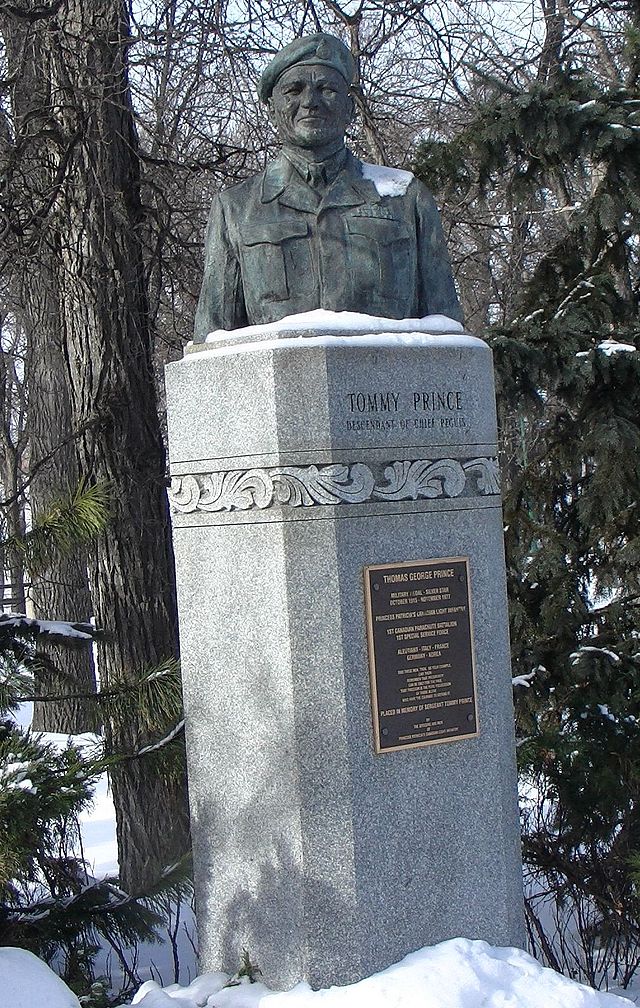
Ojibwe Tommy Prince, 1915 to 1977, great-great grandson of Peguis_ monument to Prince at Kildonan Park_Winnipeg, Manitoba, Canada
. . . . .
The essay above was featured yesterday on the website of the Association of Iroquois and Allied Indians – click on the link below:
http://www.aiai.on.ca/news/a-reflection-on-first-nations-contributions-to-the-first-and-second-world-wars.aspx
Claude McKay’s “The Cycle” (1943): Poems for Veterans Day / Remembrance Day
Posted: November 11, 2014 Filed under: Claude McKay, English | Tags: Remembrance Day poems Comments Off on Claude McKay’s “The Cycle” (1943): Poems for Veterans Day / Remembrance Day
Claude McKay
Poems from “The Cycle” (1943)
.
Introduction
.
These poems, distilled from my experience,
Exactly tell my feelings of today,
The cruel and the vicious and the tense
Conditions which have hedged my bitter way
Of life. But though I suffered much I bore
My cross and lived to put my trouble in song
– I stripped down harshly to the naked core
Of hatred based on the essential wrong!
.
But tomorrow, I may sing another tune,
No critic, white or black, can tie me down,
Maybe a fantasy of a fairy moon,
Or the thorns the soldiers weaved for Jesus’ crown,
For I, a poet, can soar with unclipped wings,
From earth to heaven, while chanting of all things.
. . .
2
.
The millionaire from Boston likes to write,
His letters scintillate the daily news.
He wrote a Left-ish paper to indict
My thoughts of Negroes – and oppose my views.
He has a Negro friend and thinks, therefore,
Himself authority on the Negro race,
And whites and blacks who disagree are poor
Damned fools who know their sole not from their face.
.
Our millionaire was once a Socialist,
But thought his party wrong on World War Two,
So liberal turned, like many who enlist,
In this grand fight for good old life or new.
I will not hint it was safer for his money,
For that would neither be polite or funny.
. . .
3
.
Where the Bostonian lives – I’m not aware,
Perhaps Waldorf or Astor shelters him,
In New York or some good place of lesser fare,
But Harlem’s out of bounds – dismal and grim.
And he is one of those who like to parrot
The popular song of Negro segregation,
His features lengthen and redden like a carrot,
When he pours all into his agitation
Of Negro separation from the white.
It is this thing that offers us no hope,
That understanding whites with blacks unite
To make the slogan of the Negro group.
In these times when means are sufficient to ends,
My prayer to God is: Save us from our friends!
. . .
4
.
In Southern states distinctions that they draw
Are clear like starshine in the firmament,
But in the North we’re equal under the law,
Which white men make their plans and circumvent.
What law can hold whites in a Northern street,
When blacks move in? They flee as from the devil,
As if God quickly energized their feet,
To take them far from the impending evil.
.
Meanwhile the ghoulish landlords rents inflate,
To save them from the inevitable slump,
For banks down Negro homes to lowest rate,
And soon the street becomes a Negro dump.
Oh Segregation! Negro leaders bawl,
And white liberals join them at the wailing wall.
. . .
5
.
I wonder who these wealthy whites are fooling
– themselves, the poor whites or the poor black folk?
To imagine that their smooth, infantile drooling
Will make the poor whites shoulder black men’s yoke.
Why should poor whites aspiring to those things
Their rich possess by black men be encumbered,
Pay heed to hypocrites who are pulling strings,
Merely among the “leaders” to be numbered?
.
Were I a poor white I would never surrender
My privilege to advance as other whites,
But let the powerful group be the defender
Of decency and progress – people’s rights.
Their wealth and privilege and education
Should teach them how to serve the entire nation.

6
.
Our boys and girls are taught in Negro schools
That they are just like other Americans,
And grow up educated semi-fools,
And ripe for spurious words of charlatans.
The group from which they spring they all despise,
For they imagine that if not for it,
They’d have a better chance in the world to rise,
Instead of being branded as unfit!
.
Thus they are ready for any crazy scheme
That carries with it an offer of escape,
Although elusive as a bright sunbeam,
Or empty as the cranium of an ape.
But thus we’re educated, friends and brothers,
To the American way of life – just like the others.
. . .
9
.
There is a new thing, pretty and dime-bright,
Which subtly they are peddling through the states:
That Negro people have turned anti-white,
With trembling whites afraid within their gates!
The Cracker grabbed the Negro by the neck,
And New York’s Irish fought him tooth and nail,
But neither ever cried to him: By heck!
You must love us white people without fail.
.
This new thing started out in New York City,
With one main object: To hum-bug the nation,
And rob the Negro of all human pity,
And multiply his harsh humiliation:
To make blacks anti-white and anti-semitic
Is just a damnable oriental trick!
. . .
10
.
Now I should like to ask for illustration
– why should blacks be overwhelmed with love of whites?
Does the Jew waste love on the German nation
for dooming him to mediaeval nights?
There are German thousands who are not anti-Jew
– more than friends of blacks in the U.S.A., perhaps –
But all are blamed for what the Nazis do,
And must take the righteous world’s unfriendly raps.
.
Now I do love the United States, so grand
In bigness, frankness – and brutality,
Love it because this great amazing land
Is so free from the Old World’s hypocrisy:
But this new Negro anti-white-ism rumour
– why? has America no sense of humour?

12
.
The Communists know how Negro life’s restricted
To very special grooves in this vast land,
And so pursue and persecute the afflicted,
Hiding betimes their bloody Levantine hand.
From futile propaganda they have turned
To welfare work and local politics,
Where plums are big and sweet and can be earned
By playing hard the game with devilish tricks.
.
For the Negro people, for so long plaything
Of elephant and ass the C.P. has a role,
They seek to tie their leaders with a string,
And thus over the Negroes get control.
And they use means foreign to our Western way,
That should make the elephant roar and the donkey bray.
. . .
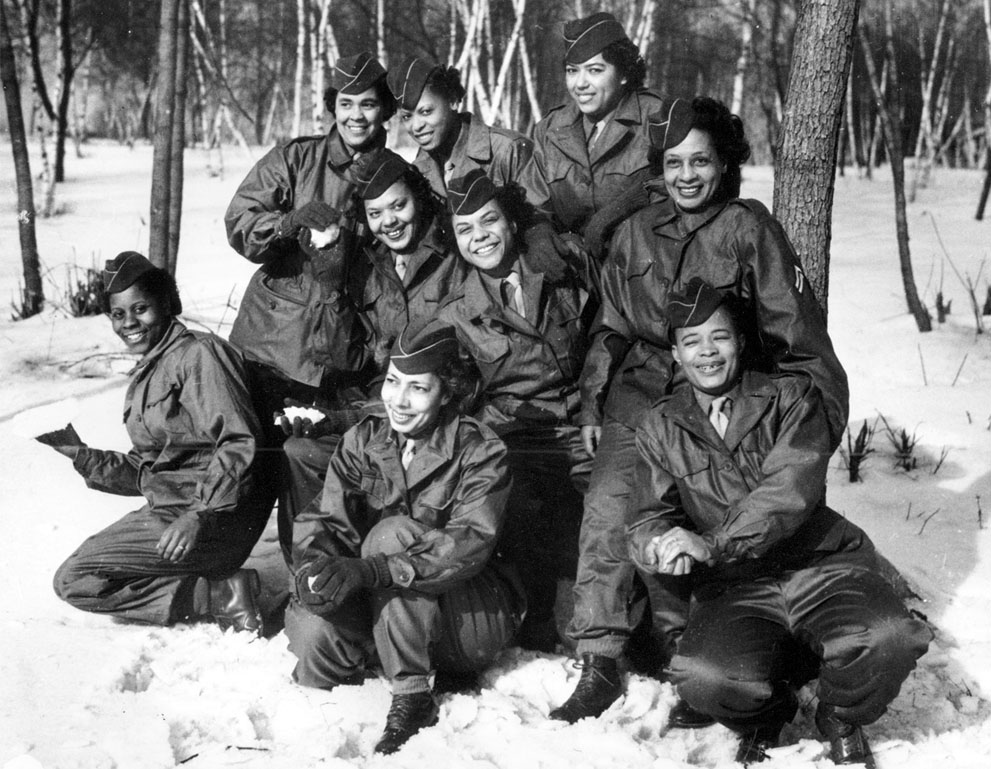
18
.
When I go out into the crowded street
And a white person smiles – I return the smile,
Stop not to ask the motive, for my feet
Are busy like thousands in the usual style.
I want not to find out what whites say “nigger”:
I have never been curious to know,
Nor do I want to waste my time to figure
How many are anti-black, how many pro!
.
I do not wear a chip upon my shoulder,
As I go elbowing among the crowd,
I do not feel I am the perfect holder
Of my race’s honour, arrogantly proud.
I’m only a human being – if you will let me –
Taking a sidewalk jaunt with naught to fret me.
. . .
19
.
Whichever way the whites may writhe and squirm,
The fact remains that Negroes are suppressed,
Kept underfoot as far down as a worm
– Jews under Nazis are not more unblest.
If Hitler ever gets Jews to their knees
– as abjectly as Negroes in these States –
Then baiting of the Jews at once will cease,
For they’ll be of all bereft without the gates!
.
So expect me not a hypocrite to say
Some other people is worse off than mine,
For facts remain in war and peace to flay
The falsehoods from the propaganda line.
If I tell the truth, it may not be in vain,
To another suffering group it may bring gain.
. . .
23
.
Lord, let me not be silent while we fight
In Europe Germans, Asia Japanese,
For setting up a Fascist way of might
While fifteen million Negroes on their knees
Pray for salvation from the Fascist yoke
Of these United States. Remove the beam
(Nearly two thousand years since Jesus spoke)
From your own eye before the mote you deem
It proper from your neighbour’s to extract!
We bathe our lies in vapours of sweet myrrh,
And close our eyes not to perceive the fact!
But Jesus said: You whited sepulchre,
Pretending to be uncorrupt of sin,
While worm-infested, rotten stinking within!
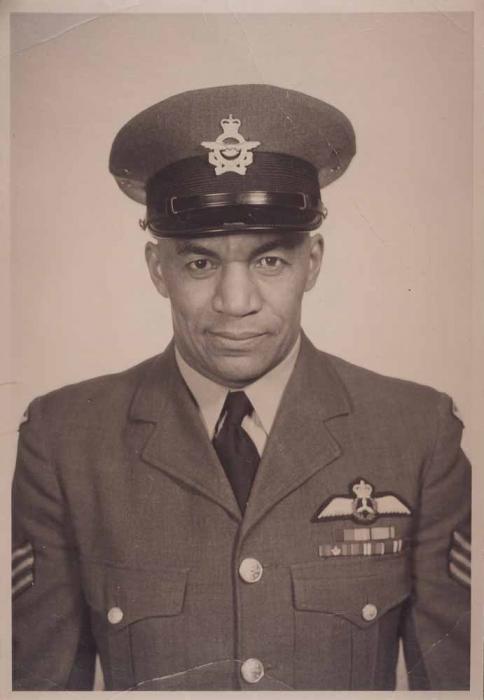
27
.
These intellectuals do not want to face
Our problems here: Europe is Fascist but
– why fifteen million Negroes in their place
Know that it’s Fascism keeps them in the rut!
The Fascist white South rules this land again,
Its sons are dominant in the armed forces,
(Its daughters marry powerful Northern men)
And incontestably shape the Negroes’ courses.
.
The South completely rules in Washington,
In industry takes all the better jobs,
The nation tells what with “niggers” should be done,
And set the paces for our Northern snobs!
Oh, go to Russia, my lily-white writer friend,
And leave the South our liberties to defend!
. . .
29
.
Of course, we have Democracy but it
Is plain Fascist Democracy for whites,
Where fifteen million blacks are not thought fit
To partake of Democracy’s delights.
The fact is we are not considered human
By our rulers who control from birth to tomb,
Are not considered children born of woman,
As whites who issue from their mother’s womb!
.
Since Colour is the most expressive brand
Of American Fascism and forms its basis,
Europe, of course, we cannot understand,
Where Fascism thrives on differences of races.
So Europe we must conquer, educate
The World by mark of colour to separate.
. . .
34
.
America said: Now, we’ve left Europe’s soil
With its deep national jealousies and hates,
Its religious prejudices and turmoil,
To build a better home within our gates.
English and German, French, Italian,
And Jew and Catholic and Protestant,
Yes, every European, every man
Is equal in this new abode, God grant.
.
And Africans were here as chattel slaves,
But never considered human flesh and blood,
Until their presence stirred the whites in waves
To sweep beyond them, onward like a flood,
To seek a greater freedom for their kind,
Leaving the blacks still half-slaves, dumb and blind.
. . .
35
.
This is the New World that we left the old
To build, here in America, they say.
From kings and lords and gentlemen bad and bold,
We turned to follow life the Indian way.
From oppressive priests and creeds to find release,
And feel the air around us really free,
To found a place where man may live in peace,
And grow and flower and bear fruit like a tree.
.
But from the beginning the Old World’s hand
Was heavy on the movement of the new,
Though wars and revolutions shook the land,
The grip remained and even tighter grew,
Until the New World opened up its gates
As an outpost of the Old World’s feuds and hates.
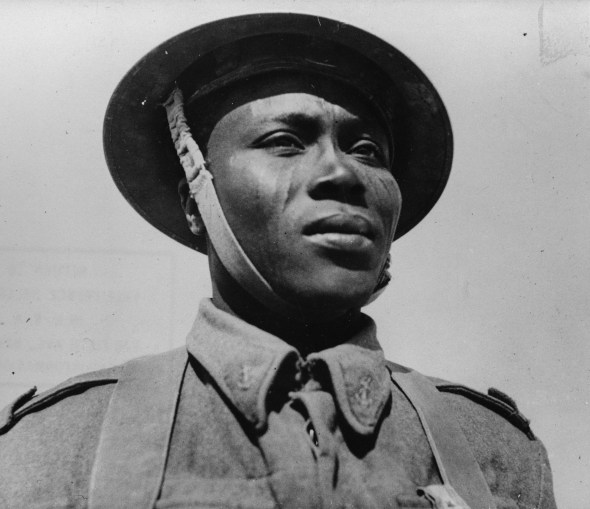
40
.
Oh can a Negro chant a hymn
And say, My task is yours
Oh fill my glass up to the brim,
This war, white man is ours.
.
Oh can he feel as white men do,
He’s fighting over there,
To save some precious thing and true
From dire destruction here?
.
Oh Lord, help us to understand,
For us, can it be sin
Not to feel smart and over grand
When battles white men win?
.
Oh Lord, grant us a ray of light,
For this we surely need,
Black children groping in the night
Of Christian chaos and greed.
.
WE want to live as white men live,
Oh even as they do –
But let us not ourselves deceive
“To thine own self be true.”
.
In wartime there are basic rights,
We can’t give up, oh Lord,
So help us to discern the lights,
According to thy word.

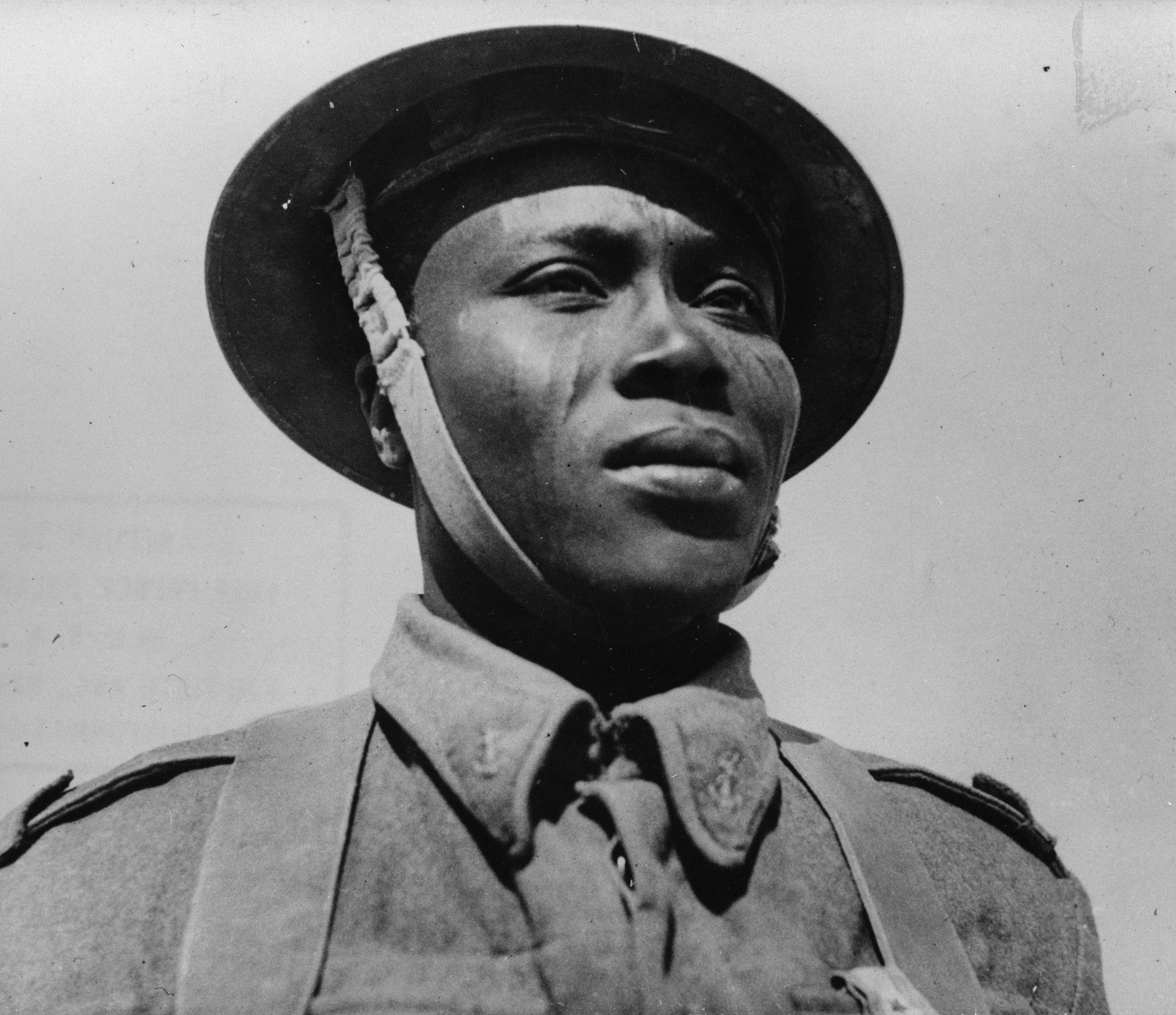
. . .
41
.
No lady of the land will praise my book.
It would not even be brought to her attention,
By those advising where and how to look
For items which make favourable mention.
Because my writings are not party stuff,
For those who follow the old trodden track.
There are nothing of the tricks – the whine and bluff –
Which make politicians jump to slap your back!
.
Because I show the Negro stripped of tricks,
As classic as a piece of African art,
Without the frills and mask of politics,
But a human being cast to play a part.
A human being standing at the bar
of Life, with face turned upward to a star.
. . .
Claude McKay, (1889-1948, born in Clarendon parish, Jamaica), is remembered as one of the founding literary voices of The Harlem Renaissance, and as the foremost Left-wing, Black-American intellectual of the 1920s through ’40s. A militant atheist once he emigrated to Harlem in the teens, he would end his career as a poet with a series of intense declamatory poems after his conversion to Catholicism before his death. Inbetween times the discreetly-bisexual McKay would publish tender, non-gender-specific love poems, as well as Race and Class-conscious verse. The Harlem Renaissance’s seminal poem collection was McKay’s Harlem Shadows (1922), and he would also pen a novel and a volume of short stories: Home to Harlem (1928) and Gingertown (1932). In 2012, an unknown McKay manuscript from 1941 was authenticated via the Samuel Roth Papers in Columbia University’s archives: Amiable With Big Teeth: A Novel of the Love Affair Between the Communists and the Poor Black Sheep of Harlem. This unpublished work centres on ideas and events – such as Italian Fascist leader Benito Mussolini’s invasion of Ethiopia – that animated intellectually the Harlem of 1935-1936.
. . .
McKay’s 1943 “The Cycle” series of poems – 18 of which are reproduced here – consisted of 53 mostly sonnets which took as their subject matter a complex amalgam of The War Effort, Fascism/Communism/Democracy, Race Relations and Racism, plus Segregation in the U.S.A.
Biographer William J. Maxwell (Complete Poems, published in 2004) describes McKay as a “worker-intellectual” of the international Labour Movement whose oeuvre as a poet has been difficult to categorize – indeed he has been roundly criticized – because of his “form-content schizophrenia”. By this Maxwell means: a form of modified traditional (English or Shakespearean) sonnet – 14 verses structured as 8 and 6, in iambic pentametre – with a Black Intellectual Radical’s content. Yet though McKay was definitely not involved with the 20th-century’s high-Modernist experiments in poetic form, still he “inverts the sonnet form’s orthodox emotion” – even as he adheres precisely to the structure. McKay’s passion – idealistic yet bitter, and angry with ‘a clean hatred’, as Maxwell calls it – is everywhere in evidence, whether he decries the Negro bootlicker or the White false-Liberal. “Cycle” poems not included here include: #31, about Westbrook Pegler (1894-1969), a Right-wing journalist and champion of fake populism whom McKay describes as “the great interpreter of the American mediocre mind”; #45, about Sufi Abdul Hamid (born Eugene Brown, 1903-1938),
who was a Harlem religious and labour leader – nicknamed The Black Hitler; and #50, about Marcus Garvey (1887-1940), the Jamaican-born Black-nationalist / pan-Africanist orator, whom McKay rightly deems to be an underappreciated hero.
. . . . .
Remembrance Day: “The Forgotten Soldiers”
Posted: November 11, 2014 Filed under: English | Tags: Remembrance Day Comments Off on Remembrance Day: “The Forgotten Soldiers”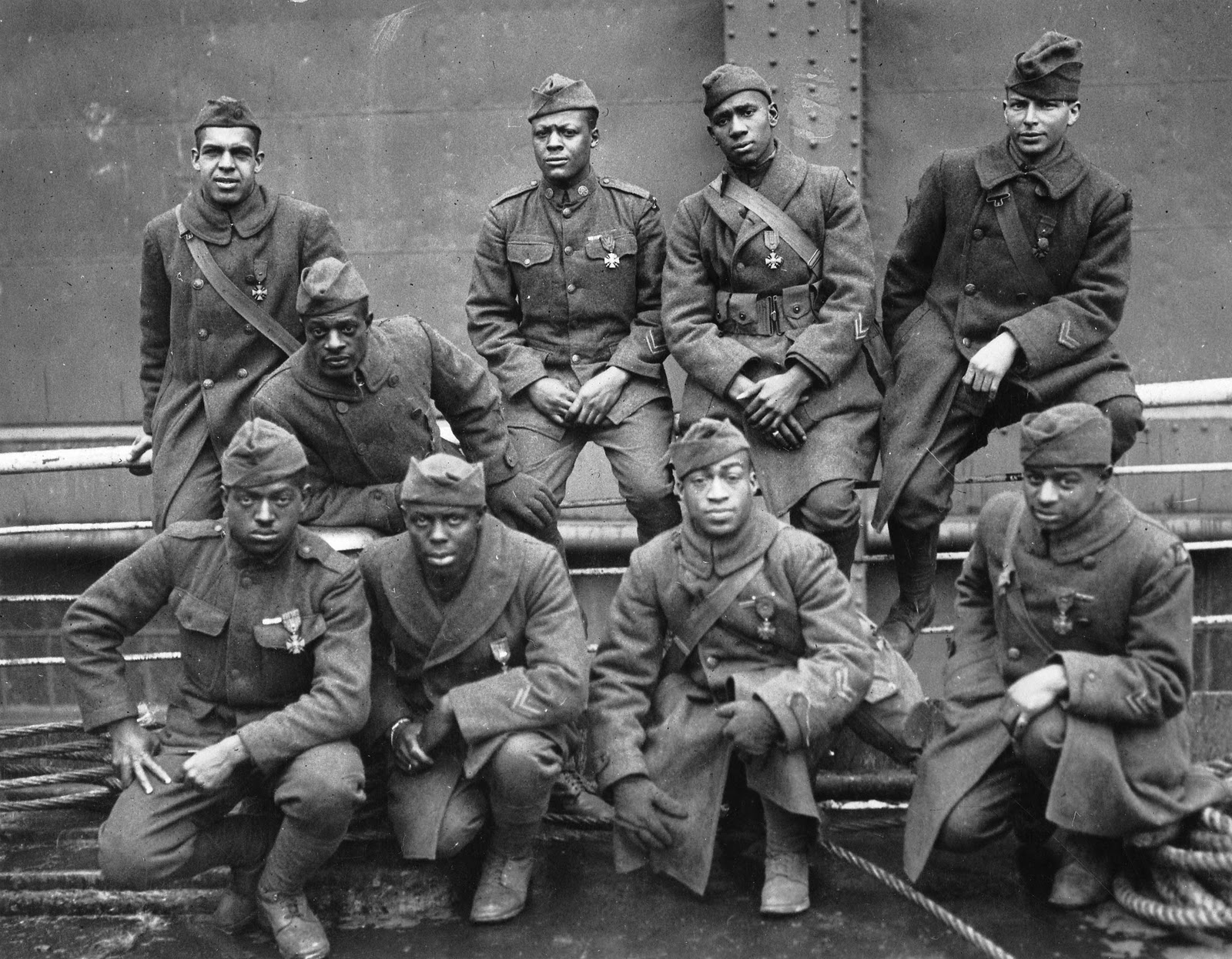
 Zócalo Poets