Ataulfo Alves: “In a masquerade of Joy I hid my Sadness…”
Posted: February 20, 2012 Filed under: Ataulfo Alves, English, Portuguese, Translator's Whimsy: Song Lyrics / Extravagancia del traductor: Letras de canciones traducidas por Alexander Best, ZP Translator: Alexander Best | Tags: Black poets, Poetas negros Comments Off on Ataulfo Alves: “In a masquerade of Joy I hid my Sadness…”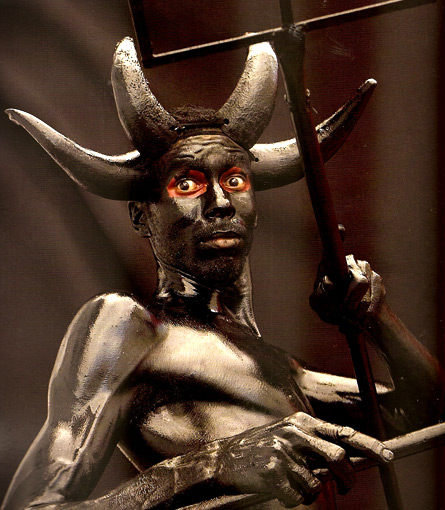
Ataulfo Alves (Sambista brasileiro, 1906-1969)
“Ilusão de carnaval”
.
Mascarado de alegria
Escondi minha tristeza
Terminada a folia
Sou mais triste com certeza
Ilusão de carnaval
Enganei somente a mim
Sem pensar que afinal
Carnaval também tem fim.
*
Ataulfo Alves
(Brazilian Samba composer, 1906-1969)
“Carnival Illusion”
.
In a masquerade of Joy
I hid my Sadness.
Revelry done,
More sad than ever
Am I…
.
You Illusion – oh Carnival !
I merely tricked myself
Without thinking that,
After all,
Carnival too comes to an end.
.
Translation from Portuguese:
Alexander Best

Nigel Darbasie: “Empires of Imagination”
Posted: February 20, 2012 Filed under: English, Nigel Darbasie Comments Off on Nigel Darbasie: “Empires of Imagination”_____
“Monday Jump-Up”
Is ol’ mas’ one carnival,
the best we could have fashioned
from our fathers’ discarded clothes.
In fat-pants and suspenders,
felt hats at our eyebrows,
we went to the railway station,
jammin’ steelband a cappella
as we headed for the city.
*
Almost everyone was on the hadj
to Queen’s Park Savannah in Port-of-Spain.
Royalty from unknown civilizations,
in silk and lamé, hobnobbed
with families of spectators
whose baskets filled our carriage
with aromas of peas and rice, and curry.
*
Outside the city terminus
a pack of half-naked devils descended.
Skins oily blue, and ochre.
Horned foreheads. Upturned tails
bobbing in wicked waist motion.
“Pay de devil! Pay de devil!” they chanted,
hustling purgatory dues from the crowd.
*
An ol’ mas’ band came along:
women in men’s clothes,
men in diapers, sucking carnival formula
from nippled Vat 19 and Old Oak rum bottles.
We revelled with them awhile
before jumpin’ behind giant butterflies
all the way to the Savannah.
*
There, at the confluence of worlds,
fantastic creatures swarmed overhead.
And down the streets,
from the empires of imagination,
flowed waves of mortal souls
dancing in the sunlight.
_____
Nigel Darbasie lives in Edmonton, Alberta, Canada.
He emigrated from Trinidad, West Indies, in 1969.
This poem, from his collection “A Map of the Island”,
brings us a nostalgic memory of Carnival in the 1960s
from the point-of-view of a lively, observant boy.
“Monday Jump-Up” is here used by permission of
The University of Alberta Press.
*
Editor’s note:
This year, 2012, today – February 20th – is the
“Monday” in the title of Darbasie’s poem:
a.k.a. J’Ouvert (Opening Day) of Trinidad Carnival.
_____
Djavan: “Face of the Indian” / “Cara de Índio”
Posted: February 19, 2012 Filed under: Djavan, English, Portuguese, Translator's Whimsy: Song Lyrics / Extravagancia del traductor: Letras de canciones traducidas por Alexander Best, ZP Translator: Alexander Best | Tags: Black poets Comments Off on Djavan: “Face of the Indian” / “Cara de Índio”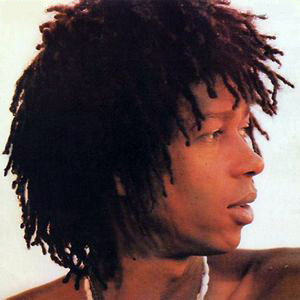
Letra da canção de
cantor e compositor afrobrasileiro
Djavan (nasce 1949)
“Cara de Índio”(1978)
Índio cara pálida,
cara de índio.
Índio cara pálida,
cara de índio.
Sua ação é válida, meu caro índio.
Sua ação é válida, válida ao índio.
Nessa terra tudo dá,
terra de índio.
Nessa terra tudo dá,
não para o índio.
Quando alguém puder plantar,
quem sabe índio.
Quando alguém puder plantar,
não é índio.
Índio quer se nomear,
nome de índio.
Índio quer se nomear,
duvido índio.
Isso pode demorar,
te cuida índio.
Isso pode demorar,
coisa de índio.
*
Índio sua pipoca,
tá pouca índio.
Índio quer pipoca,
te toca índio.
Se o índio se tocar,
touca de índio.
Se o índio toca,
não chove índio.
Se quer abrir a boca,
pra sorrir índio.
Se quer abrir a boca,
na toca índio.
*
A minha também tá pouca,
cota de índio.
Apesar da minha roupa,
também sou índio.
_____
Djavan
(Brazilian songwriter, born 1949)
“The Indian Face” (1978)
Indio pale-face
Indian face.
Pale-face Indio
Your action is just, my dear Indio.
Your action is valid, right for the Indian.
In that land everything grows
– the Indian’s land.
In that land everything grows
– but not for the Indian.
When someone can plant,
who knows? The Indio.
When someone inspires,
Isn’t it the Indio?
An Indian wants to call himself
an Indian name.
Indio wants to call himself himself
– I doubt it, Indio
– that might take time – take care,
That might take time,
The Indian thing.
*
Indio gets just
A little “popcorn”.
He wants “popcorn” too
– it’s your turn, Indio.
If the Indian touches his head
it doesn’t rain.
If he wants to open his mouth
– Smile, Indio.
If he wants to open his mouth,
Don’t touch him.
*
I also have little,
An Indian’s share.
Despite my clothes,
I’m an Indio, too.
_____
Jorge Ben Jor: Day of the Indian / Dia de Índio
Posted: February 19, 2012 Filed under: English, Jorge Ben Jor, Portuguese, Translator's Whimsy: Song Lyrics / Extravagancia del traductor: Letras de canciones traducidas por Alexander Best | Tags: Black poets Comments Off on Jorge Ben Jor: Day of the Indian / Dia de Índio_____
Jorge Ben Jor (nasce 1942)
“Curumin chama cunhãtã que eu vou contar
(Todo dia era Dia de Índio)” (1981)
Hey Hey Hey!
Hey Hey Hey!
Jês, Kariris, Karajás, Tukanos, Caraíbas,
Makus, Nambikwaras, Tupis, Bororós,
Guaranis, Kaiowa, Ñandeva, YemiKruia
Yanomá, Waurá, Kamayurá, Iawalapiti,
Txikão, Txu-Karramãe, Xokren, Xikrin,
Krahô, Ramkokamenkrá, Suyá !
*
Curumim chama cunhatã que eu vou contar
Cunhatã chama curumim que eu vou contar
Curumim, cunhatã
Cunhatã, curumim
*
Antes que os homens aqui pisassem
Nas ricas e férteis terraes brazilis
Que eram povoadas e amadas por milhões de índios
Reais donos felizes
Da terra do pau-brasil
Pois todo dia, toda hora, era dia de índio
Pois todo dia, toda hora, era dia de índio
*
Mas agora eles só têm um dia
O dia dezenove de abril…
Amantes da pureza e da natureza
Eles são de verdade incapazes
De maltratarem as fêmeas
Ou de poluir o rio, o céu e o mar
Protegendo o equilíbrio ecológico
Da terra, fauna e flora.
Pois na sua história, o índio
É o exemplo mais puro
Mais perfeito, mais belo
Junto da harmonia da fraternidade.
É da alegria,
Da alegria de viver
Da alegria de amar.
Mas no entanto agora
O seu canto de guerra
É um choro de uma raça inocente…
Que já foi muito contente
Pois antigamente
Todo dia, toda hora, era dia de índio.
*
Jês, Kariris, Karajás, Tukanos, Caraíbas,
Makus, Nambikwaras, Tupis, Bororós,
Guaranis, Kaiowa, Ñandeva, YemiKruia
Yanomá, Waurá, Kamayurá, Iawalapiti, Suyá,
Txikão, Txu-Karramãe, Xokren, Xikrin, Krahô,
Ramkokamenkrá, Suyá !
*
Todo dia, toda hora, era dia de índio…..
Curumim, cunhatã / Hey! Hey! Hey!
Hey! Hey! Hey! / Cunhatã, curumim…..
_____
Jorge Ben Jor
“Every day, every hour, was the Day of the Indian”
Hey Hey Hey!
Hey Hey Hey!
Jês, Kariris, Karajás, Tukanos, Caraíbas,
Makus, Nambikwaras, Tupis, Bororós,
Guaranis, Kaiowa, Ñandeva, YemiKruia
Yanomá, Waurá, Kamayurá, Iawalapiti,
Suyá, Txikão, Txu-Karramãe, Xokren, Xikrin,
Krahô, Ramkokamenkrá, Suyá !
*
Call: “Curumim cunhatã” – I’m going to tell it.
Cry: “Cunhatã curumim” is how I’m going to tell it.
Curumim, cunhatã
Cunhatã, curumim
*
Before people trod here
Upon this rich and fertile land of Brazil
It was populated and loved by millions of Indians,
Happy moneyless owners
Of this land of “Brazil-wood”.
Back then, every day, every hour, was the Day of the Indian.
But now they have only one day,
The 19th of April…
*
Lovers of purity, of nature,
They knew truth, incapable of
Mistreating Woman
Or of polluting river, sky and sea,
Protecting the ecological equilibrium
Of earth, flora and fauna.
And so, in history, the Indio
Is an exemplar most pure,
Perfect and beautiful.
Together in the harmony of humanity
He gives joy – joy of life, joy of love.
Now, though, theirs is a war song – and it’s
The cry of an innocent race…
In olden times they were most happy because
Every day, every hour, was the Day of the Indian.
*
Jês, Kariris, Karajás, Tukanos, Caraíbas,
Makus, Nambikwaras, Tupis, Bororós,
Guaranis, Kaiowa, Ñandeva, YemiKruia
Yanomá, Waurá, Kamayurá, Iawalapiti,
Txikão, Txu-Karramãe, Xokren, Xikrin,
Krahô, Ramkokamenkrá, Suyá !
*
Every day, every hour, was the Day of the Indian.
Curumim, cunhatã / Hey! Hey! Hey!
Hey! Hey! Hey! / Cunhatã, curumim…..
_____
Glossary:
Jês, Kariris, Karajás, Tukanos, Caraíbas, etc.,
– Ben gives us a list of names of the
Indian/Indigenous/Native Peoples of Brazil
The 19th of April – throughout Latin and South America,
this day – Dia Americano del Indio – draws attention to the
cultures, struggles and progress of Indigenous Peoples;
initiated in 1940 at Pátzcuaro, México, during the first
“Congreso Indigenista Interamericano”
/ InterAmerican Indigenous Congress
Jorge Ben Jor: “Em fevereiro tem carnaval…” / “In February there’s Carnaval…”
Posted: February 18, 2012 Filed under: English, Jorge Ben Jor, Portuguese, ZP Translator: Alexander Best Comments Off on Jorge Ben Jor: “Em fevereiro tem carnaval…” / “In February there’s Carnaval…”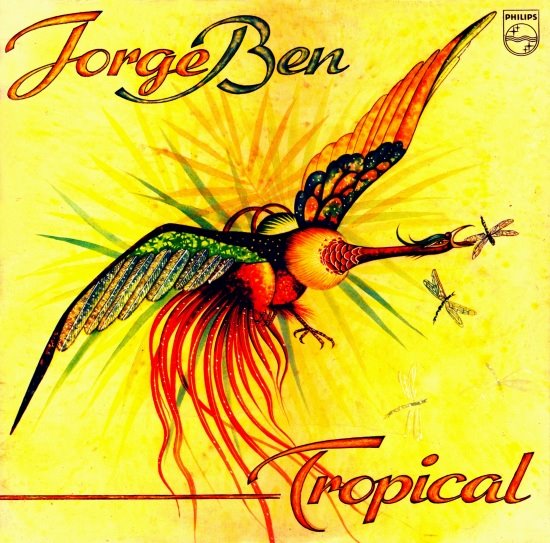
Jorge Ben Jor (born 1942)
“Tropical Country” (1969)
I live
In a tropical country
Blessed by God
And beautiful by nature
( and oh what beauty )
In February (February)
There’s Carnival (there’s Carnival)
I’ve got a VW “Bug” and a guitar
I’m from Flamengo*, and I’ve got a black girl
called Teresa!
( Samba, baby,
Samba, baby! )
*
I’m a young boy of average
intelligence (oh yeah)
But even so I’m happy
Because I don’t owe anything to anyone
(oh yeah)
Because I’m happy, yeah happy
with me!
*
I may not be a band-leader
(oh yeah)
But at home
all my friends
my buddies
respect me (oh yeah)
That’s what it means – being nice,
That’s the power of something extra
– and the joy-oy-oy-oy!
*
I live
In a tropical country
Blessed by God
And beautiful by nature
(and oh what beauty)
In February (in February)
There’s Carnival (There’s Carnival)
I’ve got a VW “Bug” and a guitar
I’m from Flamengo, and I’ve got a black girl
called Teresa!
( Samba, baby!
Samba, baby! )
*
Got a “Bug”,
a GUIT-ar,
Me, I’m Flamengan,
with a black gal called
Treeze… – from my Brazil!
* Flamengo – a neighbourhood in Rio de Janeiro, Brazil
_____
Jorge Ben Jor (nasce 1942)
“Pais Tropical” (1969)
Moro num país tropical,
abençoado por Deus
E bonito por natureza
(mas que beleza)
Em fevereiro (em fevereiro)
Tem carnaval (tem carnaval)
Tenho um fusca e um violão
Sou Flamengo
Tenho uma nêga
Chamada Tereza!
( “Sambaby!”
“Sambaby!” )
*
Sou um menino de mentalidade mediana
Pois é, mas assim mesmo sou feliz da vida
Pois eu não devo nada a ninguém
Pois é, pois eu sou feliz
Muito feliz comigo mesmo
*
Moro num país tropical,
abençoado por Deus
E bonito por natureza
(mas que beleza)
Em fevereiro (em fevereiro)
Tem carnaval (tem carnaval)
Tenho um fusca e um violão
Sou Flamengo
Tenho uma nêga
Chamada Tereza!
( “Sambaby!”
“Sambaby!” )
*
Eu posso não ser um “band-leader”
Pois é, mas assim mesmo lá em casa
Todos meus amigos,
meus camaradinhas me respeitam.
Pois é, essa é a razão da simpatia
Do poder, do algo mais e da alegria-a-a-a!
Tê um fu, um violão,
Sou Flamê
Tê uma nê
Chamá Terê… – do meu Brasil!
_____
Editor’s note:
Today is the opening day of Carnival 2012 in Rio de Janeiro,
and this song from the 1960s with its zest for life captures the
feeling of being young and alive, Brazilian and Black!
This Passionate Earth: “To Patrice Lumumba” by Roberto Armijo
Posted: February 15, 2012 Filed under: English, Roberto Armijo, Spanish Comments Off on This Passionate Earth: “To Patrice Lumumba” by Roberto Armijo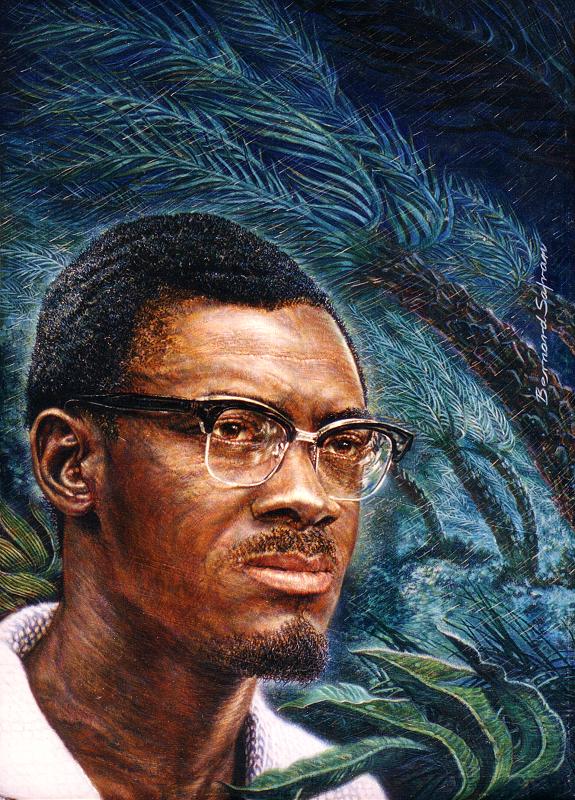
Roberto Armijo
(El Salvador, 1937-1997)
“To Patrice Lumumba”
.
This passionate earth.
Earth in love with the bare feet of the antelope’s nomadic gallop.
Earth exploded into reeds ants fountains and geraniums.
Tortured earth climbing in the wild vine that formed your flesh,
Your tongue, your nightingale breast, your assassinated whistle.
You came from the dark sorrow that
bled in the deep African night, you came from a village,
And you wanted the world of tomorrow to also be for Black people.
You didn’t want them extinguished between manure and the dark insides of mines.
You told your brothers that beyond sea, sky, and trees
Humanity was already tilling its path, destiny, and hope.
You knew it was necessary to open their eyes,
Extend their hands and ignite them with joy,
But those who hated your voice,
Those who shook and hovered around your shadow,
Those who assassinated you
Distort your death…your silence:
They pulled out your murmuring heart
And drowned the dove asleep in your blood
But they couldn’t cut off your clear and wild voice,
And since then you haunt their dreams
And the fearful search for you in your apartment’s darkest places
So as not to hear the rumour spread by your songs and poems
That sing in every young breast, on every separate untamed lip
And is freed, trembling,
To arrive each morning at the markets where the partitioned earth surges with
Flowers, vegetables and fruits,
As your voice travels over cities remote regions, wilderness,
Reaching jungles where the wild leopard, the rhinoceros and
The birds are sheltered below the shadow of trees.
Today more than ever they hate you, cannot stand
Hearing your name:
They corner you and blind you under portfolios and padlocks,
In their feverish anger they spit at you and crush you.
But they can’t, they can’t extinguish your voice,
Because in every abused heart, in every affronted Black person,
You are awakening man-the-sleeping-creature, and
With your songs you sing of hope for Black people
And all the people of the world.
* * * * *
Written in the 1970s, Armijo’s poem was a deeply-felt
tribute to a revolutionary hero – Patrice Lumumba –
from an earlier time, 1960-1961, and from another continent,
Africa – The Republic of The Congo specifically.
Patrice Lumumba was briefly Prime Minister of his
newly-independent country, was deposed in a
military coup then executed. The “Congo Crisis” lasted six
years and involved a Cold-War power struggle among
Belgium, The Soviet Union, The USA, and the
secessionist province of Katanga.
*
Roberto Armijo’s own country, El Salvador,
was at the onset of a similar conflict at
the time he wrote this poem – a civil war
exacerbated by powerful foreign (mainly
the USA) manipulation of the country’s
internal affairs.
* * * * *
Roberto Armijo
(Poeta d’El Salvador, 1937-1997)
“A Patricio Lumumba”
.
Esta tierra ardorosa.
La tierra enamorada del pie descalzo del nómada galope del antílope.
La tierra torturada trepadora en la enredadera salvaje
Modeló tu carne tu lengua tu pecho de ruiseñor tu silbo asesinado.
Tu venías del dolor oscuro que sangraba en la honda noche de Africa
Venías de la aldea
Y deseabas que la mañana del mundo también fuera del negro.
Tu no querías que el negro se apagara entre el estierco
Y la oscuridad de las minas.
A tus hermanos les hablabas que mas allá del mar del cielo y de los árboles
El hombre ya labraba su destino su misión su esperanza.
Tu sabías que era necesario abrir los ojos
Extender las manos y encenderlas de júbilo
Pero los que odiaban tu voz los que temblaban y rondaban tu sombre
Urdían tu muerte tu silencio
Te asesinaron
Te sacaron el corazón rumoroso
Y ahogaron la paloma dormida de tu sangre
Pero tu voz clara y silvestre no la pudieron segar
Y desde entonces temen
Te sueñan y medrosos buscan los sitios más oscuros de tu habitaciones
Para no oír el rumor dilatado de tus canciones
De tus poemas que en cada pecho joven
En cada labio indómito y segregado canta y se suelta temblando
Para llegar matinal a los mercados donde se alza la tierra repartida
En las flores las verduras y las frutas
Tu voz recorre las ciudades las regiones remotas y agrestes
Llega a las selvas donde se guarecen bajo la sombre de los árboles
El leopardo salvaje en rinoceronte y los pájaros.
Hoy más que nunca te odian ya no quisieran
ni oír tu nombre.
Te arrinconan y bajo portafolios y candados
Te ciegan y en su fiebre colérica te escupen te estrujan.
Pero no pueden pero no pueden apagar tu voz
Porque en cada pecho maltratado en cada negro afrentado
Estás tú despertando al hombre a la criatura dormida
Y con tus versos cantas la mañana del negro
Y del hombre del mundo.
.
Translation from Spanish into English: David Volpendesta
Traducción del español al inglés: David Volpendesta
_____
Poemas de Amor del idioma zapoteco
Posted: February 14, 2012 Filed under: English, Poemas de Amor del idioma zapoteco, Spanish, Victor Terán, Zapotec | Tags: Love poems, Poemas de Amor Comments Off on Poemas de Amor del idioma zapoteco
Victor Terán
(nace 1958, Juchitán, Oaxaca, México;
Idioma: Zapoteco Istmeño / Language:
Isthmus Zapotec)
Lu ti nagana
Lu ti neza
chupa ná’
nagu’xhugá
zuguaa’.
Tobi ri’
nadxii naa,
xtobi ca
nadxiee laa.
Nisaguié,
nisaguié,
gudiibixendxe
ladxiduá’.
Gubidxaguié’,
gubidxaguié’,
binduuba’ gu’xhu’
ndaani’ bizaluá’.
_____
Duda
Sobre un camino
Que se bifurca,
Confundido
Me hallo.
Ésta
Me ama,
Aquella la amo.
Lluvia,
Lluvia,
Lava con mucho esmero
El alma mía.
Sol en flor,
Sol en flor,
Barre el humo
De mis ojos.
_____
Indecision
Upon a road
which forks,
confused
I stand.
One woman
loves me,
another
I love.
Rain,
rain,
meticulously cleanse
my soul.
The blossoming sun,
the blossoming sun,
sweep the smoke
from my eyes.
_____ _____ _____
Biluxe
Biluxe
Ne ngasi nga laani.
Lu neza zadxaagalulu’
Ca ni bidxagalú cou’
Biá’ dxi
Gúcalu’ bandá’ xtibe;
Ti bi’cu’, ti bihui,
Ti binni.
Gasti’ zadxaa
Ne laaca ca bigose
Guxhuuna’ íquelu’
Gusiquichi ique badunguiiu
Bichaabe lii.
Ne laaca decheyoo
Bizucánelu’ laabe
Gusicabe guendarusiaanda’ xtibe.
Gasti’ zadxaa.
Lii siou’ nga zusácalu’
Guidxilayú ma qui gapa
Xiñee guireexieque,
Ma qui gapa xiñee
quiidxi guendanabani.
Ne zoyaalu’ guendanabani xtilu’,
Ladxido’lo zapapa
Bia’ qui guchendaxhiaasi layú,
Ne nalu’ ne ñeelu’
Zusiaandu’ laaca’,
Qui zánnalu paraa zuhuaalu’,
Ne nisi lulu’, nisi nalu’
Zaniibihuati guiá’ ne guete’.
_____
Se acabó
Se acabó
y eso es todo.
Sobre tus pasos encontrarás
las cosas mismas que hallaste
durante los días
que fuiste su sombre;
Un perro , un cerdo,
una persona.
Nada cambiará
y los mismos zanates
que te ensuciaron la cabeza
blanquearán la del joven
que tomó tu lugar.
Y detrás de la casa
donde se recostaban
ella asentará su olvido.
Nada cambiará,
sin embargo supondrás
que no tiene sentido ya
el movimiento de la tierra,
ya no existen motivos
para afferarse a la vida.
Y morderás tu hombría,
tu corazón vibrará
con las alas a punto de golpear la tierra,
y tus brazos y tus piernas
los pondrás en el olvido,
perdido en tu sitio
te verás moviendo tontamente
los ojos y los brazos de norte a sur.
_____
It’s Over
It’s over…
and that is all.
Along your pathway you will find
the same things you discovered
during the days when you were her shadow:
A dog, a pig,
A person.
Nothing will change…
And the same “zanates”(little crows)
that soiled your head
will whiten that of the young man
who took your place.
And behind the house
where you and she
used to lie,
she will lay down her memory.
Nothing will change…
However, you will think
that the earth’s movement
no longer makes any sense,
that there are no more reasons
to cling to life.
And you will swallow your manly pride;
your heart will pulsate,
its wings nearly striking the ground,
and your arms and legs
will be caste into oblivion…
Lost within your space,
you will find yourself
foolishly moving your eyes and arms
from north to south.
_____
Traducciones del zapoteco al español: el poeta
Translations from Zapotec into Spanish: the poet
Traducciones del español al inglés /
Translations from Spanish into English:
© Carlos Montemayor, Donald Frischmann, 2004

Poemas de Amor del idioma maya
Posted: February 14, 2012 Filed under: English, Gerardo Can Pat, Maya, Poemas de Amor del idioma maya, Spanish | Tags: Love poems, Poemas de Amor Comments Off on Poemas de Amor del idioma maya
Gerardo Can Pat (1957-1994,
Tibolón, Yucatán, México;
Idioma: Maya / Language: Maya)
Teech yeten teen
Wey yóok’olkaabe’ teech yéeten teen,
ka’atulo’on tyo’lal yaakunal núupo’on,
in yaakumech teche’a k’áaten,
yaakumabaa ka’ach to’on ka’atulo’on.
*
Teche’ mina’anech tin wiknal nejla’e’,
le yaakunale’ p’áat chen túun bejla’e’,
ba’ale’ tene’ leyli’ tin pa’tike’,
le yaabilaj ma’ táan dzikteno’.
*
Ka’atulo’on t-wayak’taj ya’ankach ba’alo’ob,
ti’ junp’éel lu’umkabil k-ti’al ka’atulo’on,
mix jach chichani’ mix jach nojochi’,
tu p’iis u ti’al k-yaakuntikbaa ka’achij.
*
Jaytéenak táan k-máan in lochmaj a kaal,
jaytéenak ta wa’ajten a yaakumajen,
le o’olal chan junp’éel ba’al in wojel,
teche’ mixbiik’in ken a tu’ubsilen.
*
Tin dzajtech u dzook ba’ax yaan tene’,
in yaakunal yéeten mis juntuusil,
ba’ale’ teche’ we’ek’ech men sajkil,
le o’olal bejla’e’ bey ma’ k’ajobae’.
*
Wa ti’ junp’éel k’iin ku suut a tuukule’,
wek’ a sajkilil ki’imakunta wóod,
tumen in sa’as tech’ mina’an mixba’al,
juntulili’on tu ka’atéen k’p’áatal.
_____
Tú y yo
En el mundo tú y yo
fuimos hechos inseparables por el amor.
Igual que tú, yo te amo,
juntos el amor nos hizo.
*
Juntos muchas cosas soñamos:
un mundo sólo para nosotros,
no grande ni pequeño,
exacto para este amor.
*
¡Cuántas veces caminamos, abrazándonos,
y tú diciendo que me amabas!
Sólo una cosa sé:
no has de olvidarme.
*
Te entregué lo que tenía:
mi amor sin un solo engaño.
Hoy el miedo te ha derrotado
y por eso parecemos desconocidos.
*
Pero si algún día tuvieras firme otra vez
el pensamiento
y vencieras este miedo, escucha:
no tengo nada que perdonarte,
otra vez seremos los dos uno solo.
_____
You and I
In this world, you and I
were made inseparable by love.
Just as you love me, I love you.
Love made us as one.
*
Together, we dreamed of many things:
a world just for us…
not large or small,
but just right for this love.
*
How many times we walked,
our arms around each other
– and you saying you loved me!
I know just one thing:
you will not forget me.
*
I gave you all that I had:
my love, without deceit.
Today fear has overcome you
and we are like strangers.
*
But if some day you were to
recover your reason
and overcome this fear, remember:
I have nothing to forgive you for;
we will again be as one.
_____
Taan a bin
In wojel ta bin, mixbik’in suunakech,
ma’alob xen ta beel, min tuklil in k’áastikech,
in dzíibolale’, ka’a anchak máax yaakuntikech,
wa le ka tuklil, le te’e ku binitiktech.
*
Ma’tuklil tyo’lal, wa kin p’áatal tin juunal,
kex mixmáak yaanten, ka’a páatak u náayskinwóol,
ma’ táan u páajtal, in k’at-óoltik u laak’ ba’al,
xi iktech ma’alobil x-ch’úupal ki’imakchak a wóol.
*
Kex túun yajtin wóol, tyo’lal tun tan a p’atken
ma’ tin tuklaje’, wa bey ken a beetiten,
tyo’lal óotzilen, lebeetik ma’ yakuntken,
wa túun ta bine’, mix u suut a wich ti’ ten.
*
In k’áat-óolale’, xi’iktech yéeten ya’ab utzil,
tumen tin wicho’obe’ táan u yalkab u ja’il,
tyo’lal mixbik’in bin suunaken in wilech,
tu xu’upul in wiik’, tu bin xan in kuxtalil.
*
Teche’ táan a bin. Tene’kin p’áatal.
_____
Te vas
Yo sé que te vas y no regresarás.
Si, prosigue tu camino, que no te detendré.
Ojalá haya quien te quiera,
si acaso eso te falta.
*
No pienses que si quedo solo
no tendré a nadie que me consuele.
¿Que más pudo desear para ti?
Que estés bien, que seas dichosa.
*
Me lastima que te alejes,
pues nunca pensé que esto hicieras.
Si por mi pobreza te vas,
ni siquiera a mirarme vuelvas.
*
Pero deseo que te vaya bien.
Corren lágrimas ahora en estos ojos
que nunca te volverán a ver.
Se me acaba el aire junto con mi vida.
*
Te vas, yo me quedo.
_____
You Are Leaving
I know that you are leaving and will not return.
Yes, follow your path, I won’t stop you.
I hope there will be someone to love you,
if that is what you need.
*
Don’t think that if I am left alone
I won’t have anyone to console me.
What more can I wish you
– but that you be well, be happy?
*
It hurts me that you are going away,
since I never thought you would.
If you are leaving because I’m poor,
don’t even look back.
*
But I hope things go well for you.
Tears now run from these eyes
that will never see you again.
My breath and my life are running out…
*
You are leaving, I am staying.
_____
Traducciones del maya al español y inglés:
Translations from Maya into Spanish and English:
© Carlos Montemayor, Donald Frischmann, 2004
Straight from the Heart: Teenagers “tell it like it is”
Posted: February 14, 2012 Filed under: English | Tags: Love poems, Poemas de Amor Comments Off on Straight from the Heart: Teenagers “tell it like it is”
Tilt the halo over my head
I don’t care what the caution tape read
It’s time to get a little dangerous
Let’s fall in love.
Forget the scriptures, forget the past
Conscience and common sense never last
It’s time to get a little curious
Let’s fall in love.
Rachel, age 15
_____
“A Broken Snow Globe”
There’s never been an excuse for ignorance.
Just flags and fags and burning bridges,
just lots of ancient skulls. I sat in my room,
aching as deeply as the warrior
whose heart had been pierced by an enemy’s spear
in his father’s hand.
*
I liked thinking that every one of the tears,
on its saltwater sojourn down my face,
contained a little universe born of rage.
Wishful thinking; just protein.
*
I remember wondering at how strange it was that
my father who’s always assured me
that the world would turn its back on me
sooner than he,
would rather me be a murderer than
a lover of my own gender.
*
And it wouldn’t be so bad, if he didn’t claim to love me
“no matter what”. I cried for him, and I will
again. The worst thing is my father’s love is a burden; he’s
become a cold crutch to me, a necessary evil,
something to be waited out; but
my father isn’t a storm.
He’s the angry tide against my weakening sands,
the frustration that threatens riot over reason,
and I’m worried. I’m worried for him,
and that his last words may be a curse.
*
I pace, and think of the knives in his heart
from my first true kiss…
whenever it may be.
Mehron, age 15
_____
“Hello, Love”
Hello, my old “friend”,
Been a while since
You were here last.
I know why you’ve come,
And I’ll ask you to leave me.
I know you’re a delusion,
Conjured by a fickle one.
Who knows not what
She wants.
You light me up falsely,
Butterflies I haven’t felt
Since a November years ago.
Warping me,
Like I’m drunk, lying
In those leaves again,
Asking for you,
Assured I really want you.
“Well,” I’ll say to you now,
“You’ve whirled me around enough,
I’ll sit this one out,
too dizzy.”
Michael, age 17
_____
“Twelve”
Young boys who fall in love
They
Want to love you
‘til the sun burns out.
They live in the days
Of knights and princesses,
Gently taking your hand
And leading you
To the shining castle
That holds their young hearts,
Give you every key to every door,
And
they’ll gaze with intent
upon every precious
step you take,
and hold your head
against a warm chest
so you can mesh
with every beat.
Then they’ll
Run with you
Out to the lawn
Run their fingers
Through your hair
Brush your forehead
With soft lips
Beneath the starry sky
While whispering
Of sugar-coated tomorrows –
Orange-sherbet sunsets,
Purest white picket fences,
And crystal-clear oceans
With shells of undented texture.
But young boys who fall in love
One day
See that same sky
Differently
Now with
Broken innocence
Pushing everything they’ve ever felt
Into the shadows
Of lost souls long forgotten
And then
They change all the locks.
Crystal, age 14
_____
“The Perfect Guy”
He gives me flowers,
Rings and notes,
Jewellery, makeup,
Other things.
I return the favours;
Anything for him.
I smile with joy –
No girl could ever be so lucky –
Until reality slaps me in the face.
It’s fun to pretend,
But I must remember;
It’s for her, not me.
Valerie, age 16
_____
“Hungry”
I know what you meant when you said
Words sound differently out loud,
And I cover my face
Because
I’m afraid of what I say.
I can hear you’re hungry
When I lay my head on your belly.
So desperate to hear such a sound again,
I starve myself into oblivion
Tonight.
Sandra, age 17
_____
Compilation © Betsy Franco
Nicomedes Santa Cruz: “Black Rhythms of Peru” / “Ritmos negros del Perú” – “Latin America” / “América Latina”
Posted: February 12, 2012 Filed under: English, Nicomedes Santa Cruz, Spanish, ZP Translator: Alexander Best, ZP Translator: Lidia García Garay | Tags: Black poets Comments Off on Nicomedes Santa Cruz: “Black Rhythms of Peru” / “Ritmos negros del Perú” – “Latin America” / “América Latina”
Nicomedes Santa Cruz
( Poeta y músico afro-peruano, 1925-1992)
“Ritmos negros del Perú” (1957)
Ritmos de la esclavitud
contra amarguras y penas.
Al compás de las cadenas
Ritmos negros del Perú.
*
De África llegó mi abuela
vestida con caracoles,
la trajeron lo´epañoles
en un barco carabela.
La marcaron con candela,
la carimba fue su cruz.
Y en América del Sur
al golpe de sus dolores
dieron los negros tambores
ritmos de la esclavitud
*
Por una moneda sola
la revendieron en Lima
y en la Hacienda “La Molina”
sirvió a la gente española.
Con otros negros de Angola
ganaron por sus faenas
zancudos para sus venas
para dormir duro suelo
y naíta´e consuelo
contra amarguras y penas…
*
En la plantación de caña
nació el triste socabón,
en el trapiche de ron
el negro cantó la zaña.
El machete y la guadaña
curtió sus manos morenas;
y los indios con sus quenas
y el negro con tamborete
cantaron su triste suerte
al compás de las cadenas.
*
Murieron los negros viejos
pero entre la caña seca
se escucha su zamacueca
y el panalivio muy lejos.
Y se escuchan los festejos
que cantó en su juventud.
De Cañete a Tombuctú,
de Chancay a Mozambique
llevan sus claros repiques
ritmos negros del Perú.
_____
Nicomedes Santa Cruz
(Black Peruvian poet and singer, 1925-1992)
Black Rhythms of Peru (1957)
Rhythms of slavery
Against bitterness and sorrows.
Keeping time to the beat of the chains
– Black rhythms of Peru.
*
From Africa arrived my grandmother
Adorned with conch-shells,
They brought her, those Spaniards,
In a three-masted ship.
Marked by wax and fire – the
“carimba” scar was the cross she bore.
And in South America
To each strike, in her suffering,
The Black drums gave
Rhythms to that slavery.
*
For one coin
They sold my grandmother again
In Lima
And at Hacienda La Molina
She served the Spanish people.
With other Blacks from Angola
She earned for her tasks
Mosquito bites on her veins
Sleeping upon hard ground,
And nuthin’ ain’t no consolation
Against bitterness and sorrows…
*
On the sugarcane plantation
Was born that sad “socabón” dance
In the rum-press at the mill,
The Black man sang of Zaña.
The “machete” and the scythe
Cut his dark hands;
And the Indians with their reed-flutes,
The Black man and his tambourine,
Sang of their sad luck
Keeping time to the beat of the chains.
*
They died, those old Black folks…
But within the dried fibres of the cut cane
One hears the Zamacueca dance
And the distant Panalivio.
One hears the festivities they
Sang of in their youth.
From Cañete to Timbuktu,
From Chancay to Mozambique
They carried the clear pitter-patter,
The tap-tap-tap of those
Black rhythms of Peru.
_____
Glossary:
Zaña: 16th-century Spanish-Colonial town in Peru – inhabited by
wealthy, pious Spanish families involved in sugar and cotton
plantations based upon African slavery and Native-Indian servitude.
Raided by English pirates in 1686 – many people were killed,
prosperous families abandoned the town, and slaves
became unexpectedly “free”… La Zaña is an Afro-Peruvian dance
originating in the town.
Zamacueca, Panalivio: Afro-Peruvian dances of the 18th
and 19th centuries – the Zamacueca was a courtship dance and
the Panalivio’s lyrics often told of the trials of slavery.
*
Cañete, Chancay: Peruvian Spanish-Colonial towns – prominent in
the 17th through the 19th centuries – surrounded by haciendas
and sugar/cotton plantations. Large African-born and native-
born Black slave populations.
* * *
Nicomedes Santa Cruz:
“América Latina”(1963) / “Latin America”(1963)
Mi cuate My pal
Mi socio My mate
Mi hermano My brother
Aparcero Sharecropper
Camarado Colleague
Compañero Comrade
Mi pata My buddy
M´hijito My boy
Paisano… Compatriot…
He aquí mis vecinos. Here I have my neighbours
He aquí mis hermanos. Here I have my brothers
*
Las mismas caras latinoamericanas The same Latin-American faces
de cualquier punto de América Latina: from every corner of Latin America:
Indoblanquinegros Indianwhiteblacks
Blanquinegrindios Whiteblackindians
y Negrindoblancos and Blackindianwhites
*
Rubias bembonas Blondes with thick lips
Indios barbudos Bearded Indians
y negros lacios and straight-haired Blacks
*
Todos se quejan: All of them complain
-¡Ah, si en mi país – Oh, if only in my country
no hubiese tanta política…! there wasn’t so much “politics”…!
-¡Ah, si en mi país – Oh, if only in my country
no hubiera gente paleolítica…! there weren’t such paleolithic people…!
-¡Ah, si en mi país – Oh, if only in my country
no hubiese militarismo, there was no militarism,
ni oligarquía or oligarchy
ni chauvinismo or chauvinism
ni burocracia or bureaucracy
ni hipocresía or hypocrisy
ni clerecía or clergy
ni antropofagia… or anthropophagy…
-¡Ah, si en mi país…! – Oh, if only – in my country…!
*
Alguien pregunta de dónde soy Someone asks where I’m from
(Yo no respondo lo siguiente): (I do not answer with the following):
Nací cerca de Cuzco I was born close to Cuzco
admiro a Puebla Puebla I admire
me inspira el ron de las Antillas I’m inspired by rum from The Antilles
canto con voz argentina I sing in an Argentinian voice
creo en Santa Rosa de Lima I believe in Saint Rose of Lima
y en los Orishas de Bahía. and in the Orishas of Bahia.
Yo no coloreé mi Continente I didn’t paint my Continent
ni pinté verde a Brasil the green of Brazil
amarillo Perú the yellow of Peru
roja Bolivia Bolivia’s red
*
Yo no tracé líneas territoriales I drew no border-lines
separando al hermano del hermano. separating brother from brother
*
Poso la frente sobre Río Grande I rest by the Rio Grande
me afirmo pétreo sobre el Cabo de Hornos I stand firm at Cape Horn
hundo mi brazo izquierdo en el Pacífico my left hand I dip down into the Pacific
y sumerjo mi diestra en el Atlántico. and into the Atlantic I submerge my right.
*
Por las costas de oriente y occidente By the coasts East and West
y doscientas millas entro and two-thousand miles inland
a cada Océano from each Ocean
sumerjo mano y mano I immerse both hands
y así me aferro a nuestro Continente and in this way I hold our Continent
en un abrazo Latinoamericano. in a Latin-American embrace.
*
Translation from the original Spanish into English:
“Black Rhythms of Peru”: Alexander Best
“Latin America”: Lidia García Garay
 Zócalo Poets