Aki no ki no…Autumn begins…Стихи про осень…Autumn poems…
Posted: September 21, 2012 Filed under: English, German, Japanese, Russian, Spanish Comments Off on Aki no ki no…Autumn begins…Стихи про осень…Autumn poems…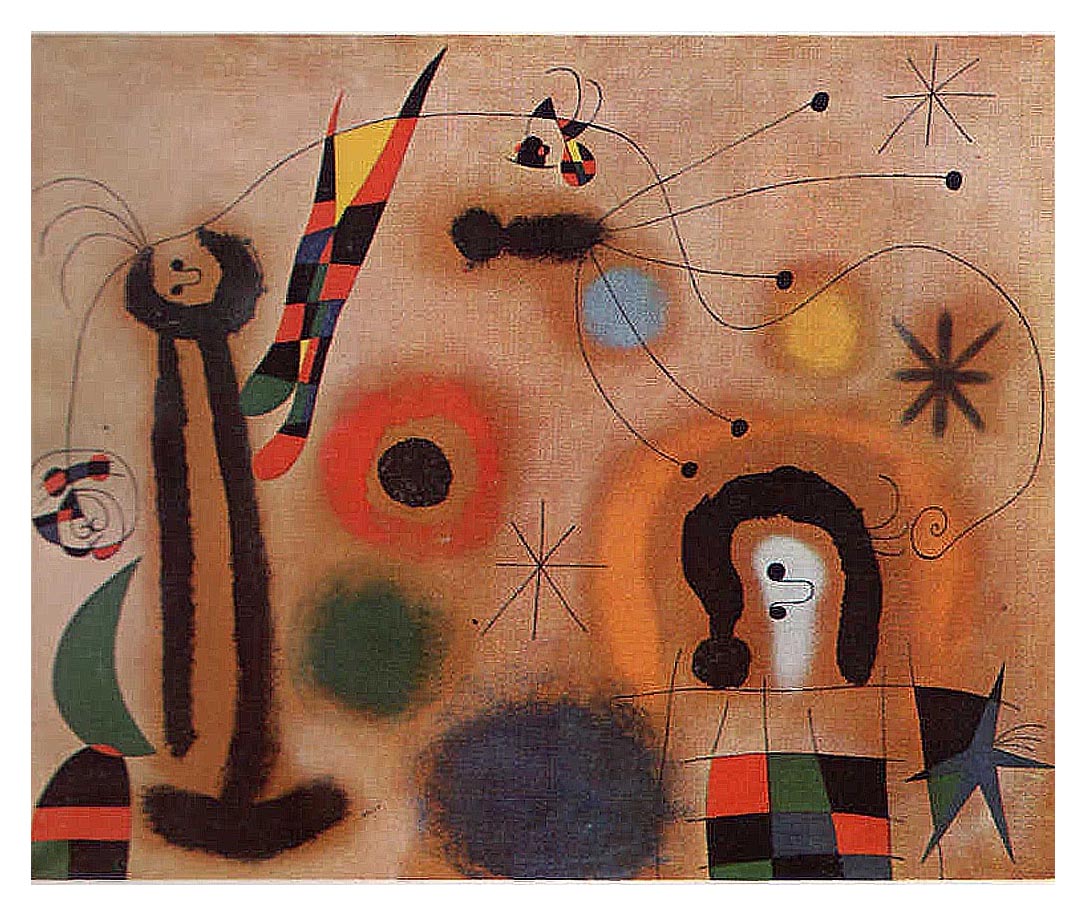
Марина Ивановна Цветаева (1892-1941)
.
Солнцем жилки налиты — не кровью —
На руке, коричневой уже.
Я одна с моей большой любовью
К собственной моей душе.
.
Жду кузнечика, считаю до ста,
Стебелёк срываю и жую…
— Странно чувствовать так сильно и так просто
Мимолётность жизни — и свою.
.
Marina Tsvetaeva (1892-1941)
.
My veins are filled with sun –
Not blood –
Brown is a hand – already like straw.
Alone I am with this strong love,
With love to my own wandering soul.
.
Waiting for a grasshopper
I count to ten,
Gathering flower-stalks to taste it…
– Feeling so simple, feeling so strange
The transience of life –
And me.
*
А́нна Андре́евна (1889-1966)
.
Есть в осени первоначальной
Короткая, но дивная пора —
Весь день стоит как бы хрустальный,
И лучезарны вечера…
.
Anna Akhmatova (1889-1966)
.
At the beginning of autumn
There is a short but wondrous time
When days seem made of crystal
And evenings are radiant…
*
Александр Блок (1880-1921)
.
Медлительной чредой нисходит день осенний,
Медлительно крутится желтый лист,
И день прозрачно свеж, и воздух дивно чист –
Душа не избежит невидимого тленья.
.
Так, каждый день стареется она,
И каждый год, как желтый лист кружится,
Всё кажется, и помнится, и мнится,
Что осень прошлых лет была не так грустна.
.
Alexander Blok (1880-1921)
.
In slow motion an autumn day is coming,
A yellow leaf is spinning tardily,
The day is quite fresh, the air divinely clear –
My soul shall not avoid its unseen fading.
.
Thus, one grows older with every day,
And every year spins like a yellow leaf,
As I enliven memories, it seems to me
That autumns of years past were not so sad…
*
Goethe (1749-1832)
“Herbstgefühl”
.
Fetter grüne, du Laub,
Am Rebengeländer
Hier mein Fenster herauf!
Gedrängter quellet,
Zwillingsbeeren, und reifet
Schneller und glänzend voller!
Euch brütet der Mutter Sonne
Scheideblick, euch umsäuselt
Des holden Himmels
Fruchtende Fülle;
Euch kühlet des Mondes
Freundlicher Zauberhauch,
Und euch betauen, ach!
Aus diesen Augen
Der ewig belebenden Liebe
Voll schwellende Tränen.
.
Goethe (1749-1832)
“Autumn Emotion”
.
A fuller green, you leaves,
up here to my window, along the grape trellis!
Swell more crowdedly,
indistinguishable berries,
and ripen more quickly
and more fully gleaming!
On you broods the mother sun’s parting glance,
all around you rustles the lovely sky’s fruitful abundance;
you are cooled by the moon’s kindly and magical breath,
you are bedewed
—ah!—
by the tears overflowing from
these eyes of eternally enlivening love.
*
Pablo Neruda (1904-1973)
“Te recuerdo como eras…”
.
Te recuerdo como eras en el último otoño.
Eras la boina gris y el corazón en calma.
En tus ojos peleaban las llamas del crepúsculo.
Y las hojas caían en el agua de tu alma.
.
Apegada a mis brazos como una enredadera,
las hojas recogían tu voz lenta y en calma.
Hoguera de estupor en que mi sed ardía.
Dulce jacinto azul torcido sobre mi alma.
.
Siento viajar tus ojos y es distante el otoño:
boina gris, voz de pájaro y corazón de casa
hacia donde emigraban
mis profundos anhelos
y caían mis besos alegres como brasas.
.
Cielo desde un navío. Campo desde los cerros.
Tu recuerdo es de luz, de humo, de estanque en calma!
Más allá de tus ojos ardían los crepúsculos.
Hojas secas de otoño giraban en tu alma.
.
Pablo Neruda (1904-1973)
“I remember you as you were…”
.
I remember you as you were that final autumn.
You were: grey beret, still heart.
In your eyes the flames of twilight fought on.
And the leaves fell in the water of your soul.
.
Clasping my arms like a climbing plant,
Leaves harvested your voice slow, at peace.
Bonfire of awe where my thirst was burning.
Sweet blue hyacinth twisted upon my soul.
.
I feel your eyes traveling, and the autumn is far off:
grey beret, voice of a bird, heart like a house,
towards which my deep longings migrated
and my kisses fell, happy as embers.
.
Sky from a ship. Field from the hills:
Your memory is made of light, of smoke, of a still pond!
Beyond your eyes, farther on, the evenings were blazing.
Dry autumn leaves revolved in your soul.
*
Robert Louis Stevenson (1850-1894)
“Autumn Fires”
.
In the other gardens
And all up the vale,
From the autumn bonfires
See the smoke trail!
.
Pleasant summer over
And all the summer flowers,
The red fire blazes,
The grey smoke towers.
.
Sing a song of seasons!
Something bright in all!
Flowers in the summer,
Fires in the fall!
*
藤原敏行
秋立つ日よめる
あききぬとめにはさやかに見えぬども
風のをとにぞおどろかれぬる
.
aki tatsu hi yomeru
aki kinu to me ni wa sayaka ni mienudomo
kaze no oto ni zo odorokarenuru
.
Fujiwara no Toshiyuki 藤原敏行
(10th century, Japan)
.
“Composed on the first day of Autumn…”
That autumn has come is not obvious to the eye,
rather, I was surprised by the sound of the wind.
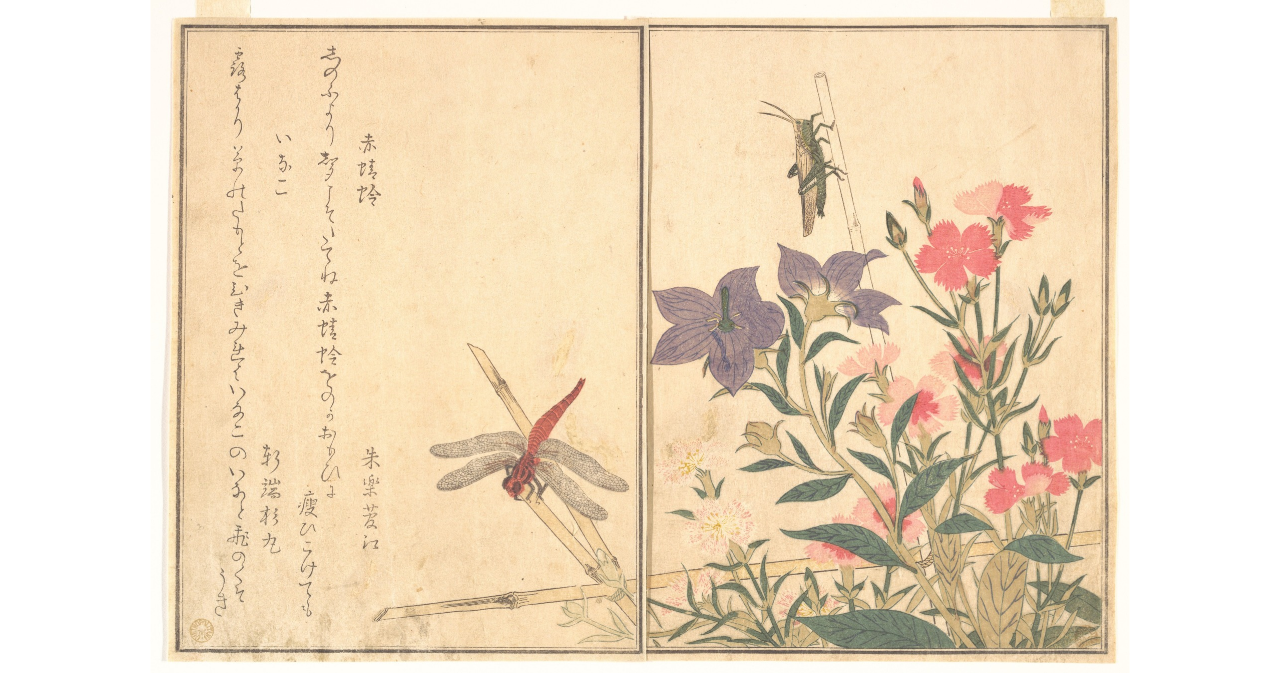
Kaya Shirao (1738-1791, Japan)
Aki no ki no / Autumn begins
.
Aki no ki no
Aka tombo ni
Sadamarinu.
.
The start of Autumn
Is always decided by
The red dragonfly.
_____
Special thanks:
David Bentley Hart (German, Spanish translations)
+ Yelena (Russian translations)
“Yancuic Xochicuicatl”: Poemas náhuatl para celebrar el Día de la Independencia – ¡Vivan las lenguas indígenas mexicanas, hoy y siempre! / Poems to celebrate México on Independence Day – Long live Her Indigenous Languages, Today and Always!
Posted: September 15, 2012 Filed under: English, Natalio Hernández, Náhuatl, Spanish, ZP Translator: Alexander Best | Tags: Poemas para el Día de la Independencia de México Comments Off on “Yancuic Xochicuicatl”: Poemas náhuatl para celebrar el Día de la Independencia – ¡Vivan las lenguas indígenas mexicanas, hoy y siempre! / Poems to celebrate México on Independence Day – Long live Her Indigenous Languages, Today and Always!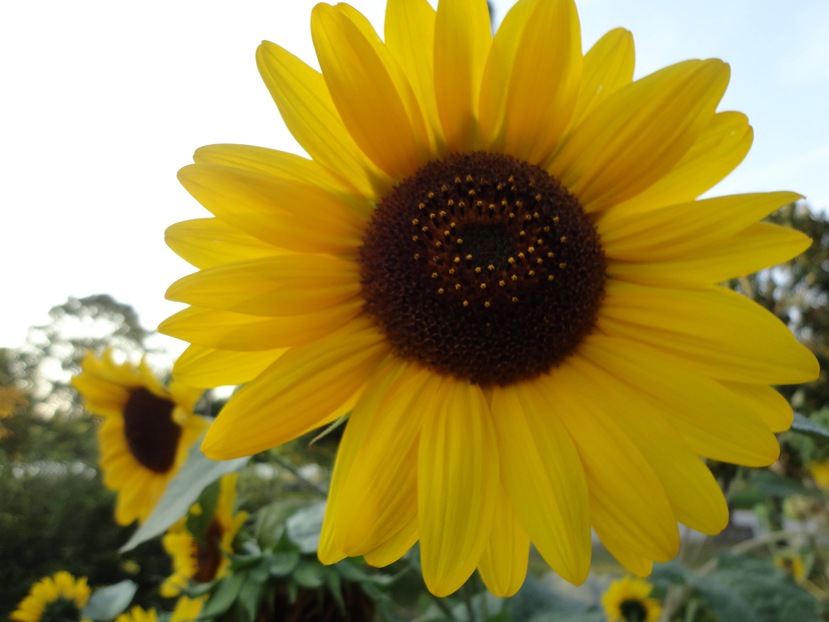
Natalio Hernández (nace 1947, Naranjo Dulce, Veracruz)
Selecciones del poemario Semanca Huitzlin
/ Colibrí de la Harmonía
/ Hummingbird of Harmony (2005)
.
“Yancuic Xochicuicatl”
Huetzis atl
huetzis atl
tiyolpaqui
huetzis atl,
tiyolpaqui
huetzis atl.
.
Huala atl
huala atl
tepetzala
huala atl,
tepetzala
huala atl.
.
Cuali atl
cuali atl
yatihnequi
cuali atl,
yatihnequi
cuali atl
.
Xochi atl
xochi atl
huetztihuala
.
xochi atl,
huetztihuala
xochi atl.
.
Huetzis atl
huetzis atl
tiyolpaqui
huetzis atl,
tiyolpaqui
huetzis atl.
.
“Yancuic Xochicuicatl”: Traducción en inglés / translation into English: Donald Frischmann
.
“New Flowers, New Songs”
It will rain
It will rain
we are happy
it will rain
we are happy
it will rain.
.
Rain is coming
rain is coming
o’er the hills
rain is coming
o’er the hills
rain is coming.
.
Good pure water
good pure water
we now wish for
good pure water
we now wish for
good pure water.
.
Flowered water
flowered water
is now falling
flowered water
is now falling
flowered water.
.
It will rain
it will rain
we are happy
it will rain
we are happy
it will rain.
Note: the words Flower + Song together in Náhuatl mean “Poetry”.
The phrase in Náhuatl is: ” in xochitl in cuicatl “
.
“Yancuic icuic Monteso Xocoyotzin”
Ximosehui tetahtzin
ximoyolsehui
xihcahua cuesoli
amo ximotequipacho;
nican tlachixtoque:
moconehua
mopilhuan
motlacamecayo,
ipan Mexihco totlalnantzin
nican titlachixtoque.
.
Xihuicahuitl panoc
panoc xopanatl;
ehecatl quihuicac cuesoli
quisehui choquilistli
quipahti totlacayo
quitlalochti mahmahtli.
Yancuic tonati
tech tlahuiltihuala.
.
Ximosehui tetahtzin
ximoyoltlali
amo nempolihuis in altepetl
chamanis totlahtol.
Nochipa manis in ixtli,
in yolohtli
in tlacamecayotl,
in xicnelhuayotl.
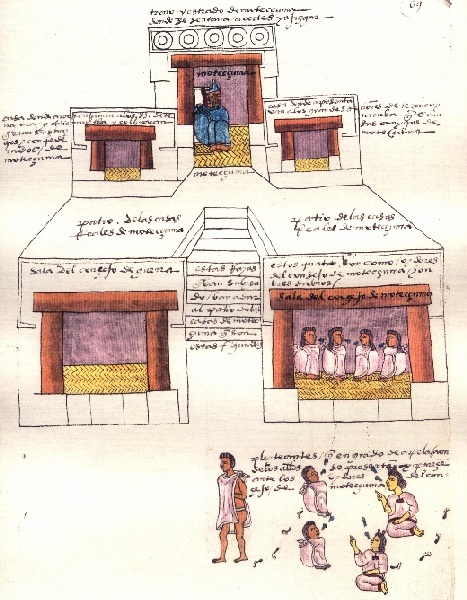
“Canto Nuevo a Moctezuma Xocoyotzin”
Reposa venerable viejo
apacigua tu corazón
abandona la tristeza
ya no te aflijas;
aquí permanecemos:
tus hijos
tus príncipes
tu linaje,
en la nación mexicana
aquí permanecemos.
.
Han pasado los años
la tempestad ya pasó;
El viento recogió nuestra tristeza
secó nuestras lágrimas
restauró nuestras heridas
ahuyentó el miedo.
Un nuevo sol
ya nos alumbra.
.
Reposa venerable viejo
tranquiliza tu corazón;
permanecerá el pueblo
renacerá la palabra.
No perecerá el rostro,
el corazón,
el linaje,
la raíz antigua.
. . . . .
“El Ritmo del Tiempo”
Todo a su debido tiempo…ni antes ni después.
Al año reverdece el campo.
El sol brota en el horizonte cuando la noche recoge su manto.
El hombre madura cuando el otoño llega y los árboles pierden sus hojas…
ni antes ni después.
El colibrí / huitzilin, inverna seis meses al año
y despierta cuando llega Xopantla / la primavera.
Ocurre lo mismo con el amor: llega con el tiempo…ni antes ni después.
.
“The Rhythm of Time”
In due course everything has its time…not before, not after.
The countryside greens up during the passage of the year.
The sun sprouts from the horizon when night gathers up its cloak.
Man matures when autumn comes and the trees lose their leaves
…not any sooner than that, not any later.
Hummingbird / Huitzilin* winters away for half the year
and awakes when Xopantla** / Spring arrives.
The same occurs with Love:
It comes with time…neither too soon, nor too late.
.
*Huitzilin – Náhuatl word for hummingbird
**Xopantla – Náhuatl word for spring
.
“El Ritmo del Tiempo”: Traducción del español al inglés: Alexander Best
“The Rhythm of Time”: Translation from Spanish into English: Alexander Best
Poemas náhuatl para celebrar el Día de la Independencia mexicana: “dos flores” de Juan Hernández Ramírez
Posted: September 15, 2012 Filed under: Juan Hernández Ramírez, Náhuatl, Spanish, ZP Translator: Lidia García Garay | Tags: Poemas para el Día de la Independencia de México Comments Off on Poemas náhuatl para celebrar el Día de la Independencia mexicana: “dos flores” de Juan Hernández Ramírez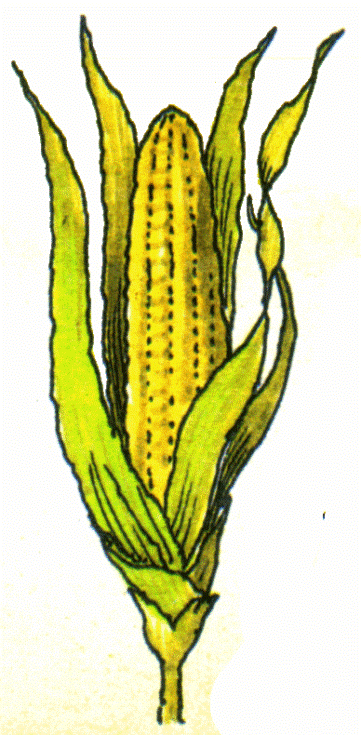
Juan Hernández Ramírez
(nace 1951, Colatlán, Veracruz)
Dos poemas del poemario Chikome xochitl / Siete-flor
“Miauaxochitl”
I
Ipan ueyatl axiuitik sintli
Makuilxochitl kipatlaua imamal.
Kueponi miauatl.
Xali xochitl tiokuitlatik.
In ajuechkali
moxochitlakentijtok.
San eltok kuikatl tlatsotsontli.
II
Tlilelemeka tonatij itsonkal
ipan sintli itlakayo.
Moxochiotlaltok Xilonen.
Pankistok siltik tlilelemektli.
Tlixochitl
toselik nakayo.
Ketsalxochimej kali.
III
Chichiltik, yayauik, chipauak, kostik
ikuetlaxo itlapoyauilis.
Tien sintli tlayoli.
Ika xochitl mokuachijchijtok Senteotl.
Kuika miauatototl.
In chalchiuitl uitsitsilij,
ika xochitl moiuintia.
IV
Kostik xochitl tlaixpaj.
Kantelaj tlauili. Kopalij ipokyo.
Tokistli tiochiualistli.
Tlali, se uinoj tlatsikuintli,
inik tlakatl seyok.
Xochimej, inik matlaeli.
Tlapojtok tlali, tlaoli kiselia.
V
Ipan youali tlakoyoyan kochki,
ajuechtli kiauitl issa.
Sintoktli.
Ipan kalejekatl yoltok.
Ipan tlauiltlalpan moskaltia,
xochiketsal ikuaxanko.
Xoxoktik xiuitl papalotl.
VI
Ketsaltototl kitlalana ipatlanil,
uiuipika sintli ixouiyo.
Ipan xoxouik xopantla tlali
tlen tlauili kuauitl moskaltia.
Kuikaya Xochitototl.
Tlapouij xiuimej
ipan yolistli.
VII
Ipan tonatij ichaj yoltok.
Tlen yolistli tiokuitlatl yoltok,
kostik sintlayoli.
Xoxoktik mestli xiuimej
itsajla tiotlatik tlauili uiuipikaj.
Tsaktok xochikoskatl.
Patlantok uitsitsilij.
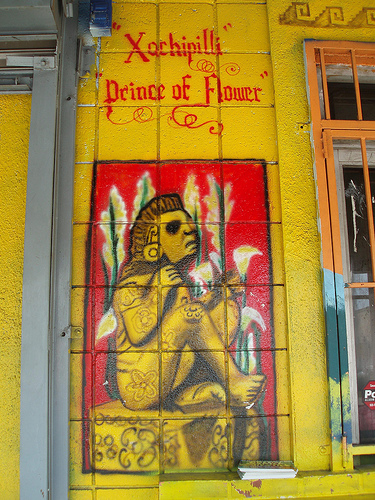
“Espiga de maíz”
I
Sobre el verde mar del maíz
Su manto extiende Macuilxóchitl.
Brota la espiga.
Dorada flor de arena.
La casa del rocío
está vestida de flores.
Prevalece la música y el canto.
II
Arde la cabellera del sol
sobre el cuerpo del maíz.
Xilonen ha florecido.
La fina llama ha brotado.
Flor de fuego
nuestra tierna carne.
Casa de preciosas flores.
III
Amarillo, blanco, negro, rojo,
los matices de su piel.
El grano de maíz.
Centeotl, de flores está adornado.
Canta el pájaro espiga.
El colibrí de jade
se embriaga con las flores.
IV
Altar de flores amarillas.
Luz de velas. Humo de copal.
Rito de la siembra.
Un trago de aguardiente a la tierra,
otro para el hombre.
Para la abundancia, flores.
La tierra abierta, recibe la semilla.
V
Ha dormido en el lugar de la noche,
despierta bajo la lluvia del rocío.
La mata de maíz.
Vive en la casa de los vientos.
Crece en la tierra de luz,
regazo de Xochiquetzal.
Mariposa de hojas verdes.
VI
Alza su vuelo el quetzal,
La hoja del maíz se estremece.
En la tierra verde-primavera
Crece el árbol de la luz.
Ya canta el pájaro flor.
Las hojas se abren
A la vida.
VII
Vive en la casa del sol.
El oro vivo de la vida,
dorada semilla de maíz.
Las hojas verde-luna
tiemblan bajo la luz atardecida.
Se ha cerrado el collar de flores.
El colibrí ha volado.
. . . . .
“Sempoalxochitl”
I
Kokitl itlauil
ipan yayauik ejekatl.
In kostik xochitl.
Ipan ejekatl tiokuitlaxochipetlatl
tlen tlali iijtiko pamitl.
Tlauili iuan tsintlayouali,
Sempoalxochitl.
II
Ika kostik xochitl
kisusua kauitl Xiutekojtli.
Tlixochimej.
Sesentsitsij xochimej moilpiaj
ketsalijuitl kiijitiyouij
kalmiktlampa inik ojtli.
Xochikoskatl.
III
Ipan kostik tlailpili
Tlen ikuaixuak tlajtsoyoj,
Moketstok kauitl.
In mijkatsij xochimej,
tiopantlauili kitemouaj
ipan youalkali.
In tlanestli sitlalij, inik tonali.
IV
Tiitstokeya nikanij,
¿Kanji tonejnemil techuikas?
¿ueslis ipan tonatij iojui?
Tiitstokeya nikanij.
Kostik xochimej tijtlachiliaj
iijuiyo tonatitototl tikitaj.
¿Temiktli in yolistli?
V
Nejnemi Tlitekojtli
ika miktokej yaotlakamej
ika siuamej miktokej ipan mixiuili.
Sempoalxochitl xochimej
tlapalmej totomej,
konemej, siuamej iuan tlakamej.
Tonatij iixpaj iichaj.
VI
Ika totomej ejekatl iniuaya
kuikatl iuan ajuechtli kimoyauaj.
Atl ikechkuayo.
Ipan yeuatsinko kuikaj texiuitik totomej,
tlen youaltotomej in tiotlak.
Tlauili iuan tsintlayouali.
Mikilistli iuan yolistli.
VII
Tiitstokejya nikanij
ika chichiltik xochitl titlakajtokej
ika kostik xochitl tikisteuasej.
In xiutototl techtlauilia
tlen mitlampa ojtli.
Ipan ojtli eltlapaltipaj tiyajtiasej
ika xochimej paxalouanij.
.
“Flor de Muerto”
I
Luz de luciérnaga
en el viento negro.
La flor amarilla.
Pétalos de oro al viento
dentro del surco de la tierra.
Oscuridad y luz,
Sepoalxóchitl.
II
Con flores amarillas
Xiutecojtli engarza el tiempo.
Flores de fuego.
Una a una se anudan las flores
tejiendo el fino plumaje
para el camino a casa de la muerte.
Collar de flores.
III
En el nudo amarillo
bordado en la frente,
se ha detenido el tiempo.
Las flores de la muerte,
buscan el temple de la luz
en la casa de la noche.
Para el espíritu, la estrella del alba.
IV
Ya estamos aquí,
¿dónde nuestros pasos nos llevarán?
¿acaso por los caminos del sol?
Ya estamos aquí.
Contemplamos las flores amarillas,
miramos el plumaje del pájaro sol.
¿Es la vida sueño?
V
El Señor del fuego camina
con los guerreros muertos,
con las mujeres el el parto muertas.
Son flores de cempoalxóchitl
las aves de colores,
los niños, mujeres y hombres.
Su hogar de cara al sol.
VI
El viento aliado con los pájaros,
esparcen el canto y el rocío.
La garganta es de agua.
Cantan pájaros azules en la aurora,
la tarde es de las nocturnas aves.
Luz y oscuridad.
Muerte y vida.
VII
Ya estamos aquí
con flores rojas hemos nacido,
con flores amarillas hemos de partir.
El pájaro solar “xiutototl” nos alumbra
camino a la morada de los muertos.
Nos hemos de ir en alas por la senda,
con las viajeras flores.
. . . . .
“Chikome xochitl” / Siete-flor, alude al maíz que, junto con semillas del chile-tomate-algodón-amaranto-ajonjolí
— y de la calabaza — constituyen el símbolo náhuatl de las siete flores.
. . . . .
“Ear of Corn”
I
On the green sea of corn
Macuixóchitl extends his mantle.
The ear of corn ear comes out.
Golden flower of sand
The dew’s home
is dressed with flowers.
Music and song abound.
II
The sun’s radiance
on the corn’s body.
Xilonen has blossomed.
The fine flame has sprouted
Fire flower
our tender flesh.
House of precious flowers.
III
Yellow, white, black, red.
nuances of the skin.
The corn grains.
Centeotl, adorned with flowers.
The corn-ear bird sings.
the jade hummingbird
gets drunk with the flowers.
IV
Altar of yellow flowers.
Candlelight. Smoke of “copal”.
Sowing rites.
A drink of liquor for the land,
another one for man.
For abundance, flowers.
The open earth receives the seed.
V
It has slept in the night’s home,
wakes up under the dew’s rain
– the corn plant.
Lives in the house of winds.
Grows in the land of light,
Xochiquetzal’s lap.
Green-leafed butterfly.
VI
The “quetzal” takes flight
the maize leaf trembles.
In the land of green-spring.
The tree of light grows.
The flower-bird sings.
The leaves open up.
To Life.
VII
Lives in the house of the sun.
The living gold of life
– golden seed of corn.
With green-moon leaves
a-hiver under the evening light.
The flower necklace is closed.
The hummingbird has flown….
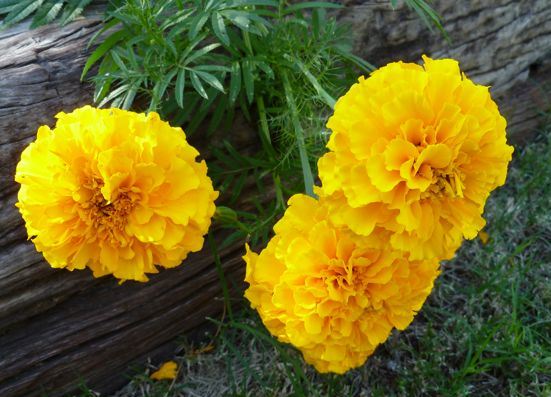
“The Flower of The Dead”
I
Glow-worm light
in the black wind.
Yellow flower.
Free-standing petals of gold.
Inside the ground’s furrow.
Darkness and light,
Sempoalxóchitl.
II
With yellow flowers
Xiutecojtli catches time.
Flowers of fire.
The flowers come together, one by one
knitting fine plumage
on the road to the house of death.
Flower necklace.
III
In the yellow knot
embroidered on the forehead,
time has stopped.
The flowers of death.
Seeking the temple of light
in the house of night.
For the spirit, the star of dawn.
IV
We’re here,
Where will our steps lead us?
Maybe to the paths of the sun?
We’re here.
Gazing at the yellow flowers,
Looking at the sun-bird’s plumage.
Is Life a dream?
V
The Lord of fire walks
with the dead warriors,
with the women who died in labour.
The “cempoalxóchitl” flowers
are birds in all colours.
Children, women and men.
Their home facing the sun.
VI
The wind and the birds together,
scatter song and dew.
Their throats – made of water.
The blue birds sing at daybreak,
and evening belongs to the night birds.
Light – Darkness,
Death and Life.
VII
We’re here
we were born with red flowers,
with yellow flowers we will leave.
The solar bird “xiutototl” shines on us.
On the way to the home of the dead.
And we must fly on that path
– with the travelling flowers.
.
Traducción del español al inglés / Translation from Spanish into English:
Lidia García Garay
Poemas para el Día de la Independencia: perspectivas frescas sobre Malinalli / Doña Marina / Malintzin / La Malinche – de los poetas Rosario Castellanos y Claribel Alegría
Posted: September 15, 2012 Filed under: Claribel Alegría, English, Rosario Castellanos, Spanish, ZP Translator: Alexander Best | Tags: Poemas para el Día de la Independencia de México Comments Off on Poemas para el Día de la Independencia: perspectivas frescas sobre Malinalli / Doña Marina / Malintzin / La Malinche – de los poetas Rosario Castellanos y Claribel Alegría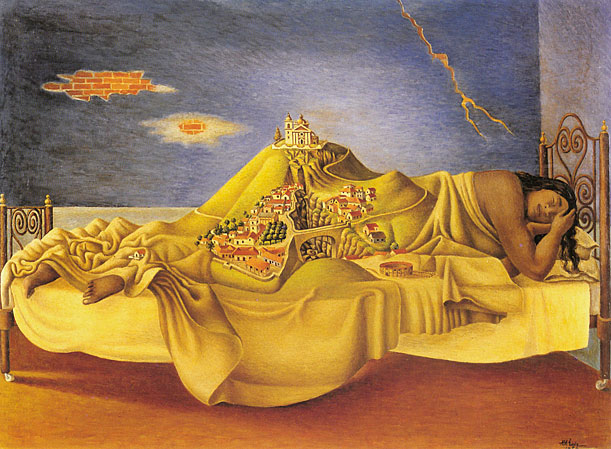
Rosario Castellanos (1925-1974, México)
“La Malinche”
Desde el sillón del mando mi madre dijo: “Ha muerto”.
.
Ya se dejó caer, como abatida,
en los brazos del otro, usurpador, padrastro
que la sostuvo no con el respeto
que el siervo da a la majestad de reina
sino con ese abajamiento mutuo
en que se humillan ambos, los amantes, los cómplices.
.
Desde la Plaza de los Intercambios
mi madre anunció: “Ha muerto”.
.
La balanza
se sostuvo un instante sin moverse
y el grano de cacao quedó quieto en el arca
y el sol permanecía en la mitad del cielo
como aguardando un signo
que fue, cuando partió como una flecha,
el ay agudo de las plañideras.
.
“Se deshojó la flor de muchos pétalos,
se evaporó el perfume,
se consumió la llama de la antorcha.
.
Una niña regresa, escarbando, al lugar
en el que la partera depositó su ombligo.
.
Regresa al Sitio de los que Vivieron.
.
Reconoce a su padre asesinado,
ay, ay, ay, con veneno, con puñal,
con trampa ante sus pies, con lazo de horca.
.
Se toman de la mano y caminan, caminan
perdiéndose en la niebla.”
.
Tal era el llanto y las lamentaciones
sobre algún cuerpo anónimo; un cadáver
que no era el mío porque yo, vendida
a mercaderes, iba como esclava,
como nadie, al destierro.
.
Arrojada, expulsada
del reino, del palacio y de la entraña tibia
de la que me dio a luz en tálamo legítimo
y que me aborreció porque yo era su igual
en figura y rango
y se contempló en mí y odió su imagen
y destrozó el espejo contra el suelo.
.
Yo avanzo hacia el destino entre cadenas
y dejo atrás lo que todavía escucho:
los fúnebres rumores con los que se me entierra.
.
Y la voz de mi madre con lágrimas ¡con lágrimas!
que decreta mi muerte.
. . .
El poema “La Malinche” – del poemario Poesía no eres tú (1972) – es uno de varios textos de Castellanos que revisa y reinterpreta figuras famosas femeninas.
. . .
Rosario Castellanos (1925-1974, México)
“La Malinche”
From her royal throne my mother announced: “She is dead”.
.
And then she collapsed, humbled,
in the arms of the other, the usurper, my stepfather
who sustained her not with the respect
a servant owes to the majesty of a queen
but with the mutual submissiveness
with which lovers, accomplices, abase themselves.
.
From the Plaza de los Intercambios
my mother announced: “She is dead.”
.
The scale
remained immobile for an instant
the cacao bean reposed quietly in its chest
the sun stood still in the sky’s zenith
as if awaiting a sign
which was, when it shot out like an arrow,
the penetrating cry of the mourners.
.
“The many-petaled flower has withered
the perfume has evaporated
the torch’s flame extinguished.
.
A girl returns, scratching at
the spot where the midwife left her navel.
.
She returns to the Place of Those who have Lived.
.
She beholds her father, murdered,
ay, ay, ay, with poison, with a dagger,
with a trap set before his feet, with a hangman’s noose.
.
Taken by the hand, she and they walk, they walk,
losing themselves in the fog.”
.
Such was the weeping and lamentation
over an anonymous corpse; a cadaver
that was not mine, because I, sold to
the merchants, went forth to exile like a slave,
a pariah.
.
Expelled, cast out from
the kingdom, from the palace and warmth
of her who gave honest birth to me
and who despised me because I was her equal
in figure and rank
she who saw herself in me and hated her image
and dashed the mirror to the ground.
.
I go, in chains, toward my destiny
and am followed still by the sounds
of the mournful chants with which they bury me.
.
And the voice of my mother in tears – in tears! –
that decries my death.
Translation from Spanish into English: © Julian Palley, 1988
_____
Claribel Alegría (nace 1924, Nicaragua/El Salvador)
“La Malinche”
Estoy aquí
en el banquillo de los acusados
dicen que soy traidora
¿a quién he traicionado?
era una niña aún
cuando mi padre
es decir
mi padrastro
temiendo que su hijo
no heredara las tierras
que a mí correspondían
me condujo hacia el sur
y me entregó a extraños
que no hablaban mi lengua.
Terminé de crecer en esa tribu
les servía de esclava
y llegaron los blancos
y me entregaron a los blancos.
¿Qué significa para ustedes
la palabra traición?
¿Acaso no fui yo la traicionada?
¿Quién de los míos vino a mi defensa
cuando el primer blanco me violó
cuando fui obligada
a besar su falo
de rodillas
cuando sentí mi cuerpo desgarrarse
y junto a él mi alma?
Fidelidad me exigen
ni siquiera conmigo
he podido ser fiel.
Antes de florecer
se me secó el amor
es un niño en mi vientre
que nunca vio la luz
¿Qué traicioné a mi patria?
Mi patria son los míos
y me entregaron ellos.
¿A quién rendirle cuentas?
¿A quién?
decidme
¿a quién?
.
Claribel Alegría (born 1924, Nicaragua/El Salvador)
“La Malinche”
Here I am
In “the dock”…
They say I’m a traitor,
Who have I betrayed?
I was just a little girl
When my father
(that is, my stepfather)
Fearing that his son
Would not inherit his lands
– lands to which I was entitled –
led me away to the south
And handed me over to strangers
Who didn’t speak my language.
I stopped growing in that tribe,
I served as slave.
And white people arrived
And I was handed over to them.
What does the word betrayal mean to all of you?
Wasn’t I the betrayed one?
Who of my people came to my defence
When the first white man violated me,
When I was made to kiss his phallus,
Down on my knees,
When I felt my body torn
And my soul right next to him?
Loyalty you demand of me
When I have not even been able to be true to myself.
Before blooming
I was already dessicated by Love.
There’s a child in my womb
who never saw the light.
In what way did I betray my homeland?
My country is my people
– and they abandoned me.
Who will account for that?
Who?
All of you, tell me – who?
Alegría translation from Spanish into English: Alexander Best
_____
La Malinche – born Malinalli, of Nahua parentage, in 1496 – was sold as a teenager by her mother and step-father to slave-traders – from whom she learned the Mayan language. She ended up as one of many “gifts” to recently-arrived “conquistador” Hernán Cortés, in 1519. She proved invaluable to him; her knowledge of both Náhuatl (the language of the Aztecs’ Empire) and of the neighbouring Maya meant that she could interpret for Cortés in his dealings with officials of both Peoples, thereby gaining the upper hand for Spain. Her fluency in Spanish soon followed, and in 1522, Doña Marina (her Christian baptism name, with the word “Lady” (Doña) before it) or Malintzin (as she was called respectfully by the Nahuas) bore a son by Cortés. His name was Martín, and he is said to symbolize the first true Mexican, being “mestizo” (“mixed race” of white/amerindian). Historians are in disagreement over the date of Malintzin’s death – 1529 or 1551. At any rate, Cortés was an ambitious and greedy man-in-a-hurry and he did not remain with Malintzin; yet she had been supremely useful to him – and to “el Imperio español”/The Spanish Empire, which was then in its initial surges of power.
Like The Virgin of Guadalupe La Malinche is a cultural icon in México – but unlike “Our Lady” she is also viewed negatively.
While she is seen as the “womb” of Mestizaje – the on-going union of different races and cultures – she is also, unfairly many contemporary scholars believe – a symbol of the “betrayal” of Indigenous Peoples – the Mexicas, the Tlaxcalans, the Totonacs, the Chichimecas – the lot.
The flashpoint is her multilinguality: ¡Traductora, traidora! Translator — Traitor!
This is a great deal for one woman to bear. And poets Rosario Castellanos and Claribel Alegría understand such a fact – so they have allowed Malintzin to “speak” in our era instead of only “interpreting” for others in centuries past…
Grito de Dolor, de Dignidad, de Orgullo: Cuauhtemoctzin, Anáhuac Huei Tlahtohuani: Su Último Mandato
Posted: September 15, 2012 Filed under: English, Náhuatl, Spanish, ZP Translator: Alexander Best | Tags: Poemas para el Día de la Independencia de México Comments Off on Grito de Dolor, de Dignidad, de Orgullo: Cuauhtemoctzin, Anáhuac Huei Tlahtohuani: Su Último Mandato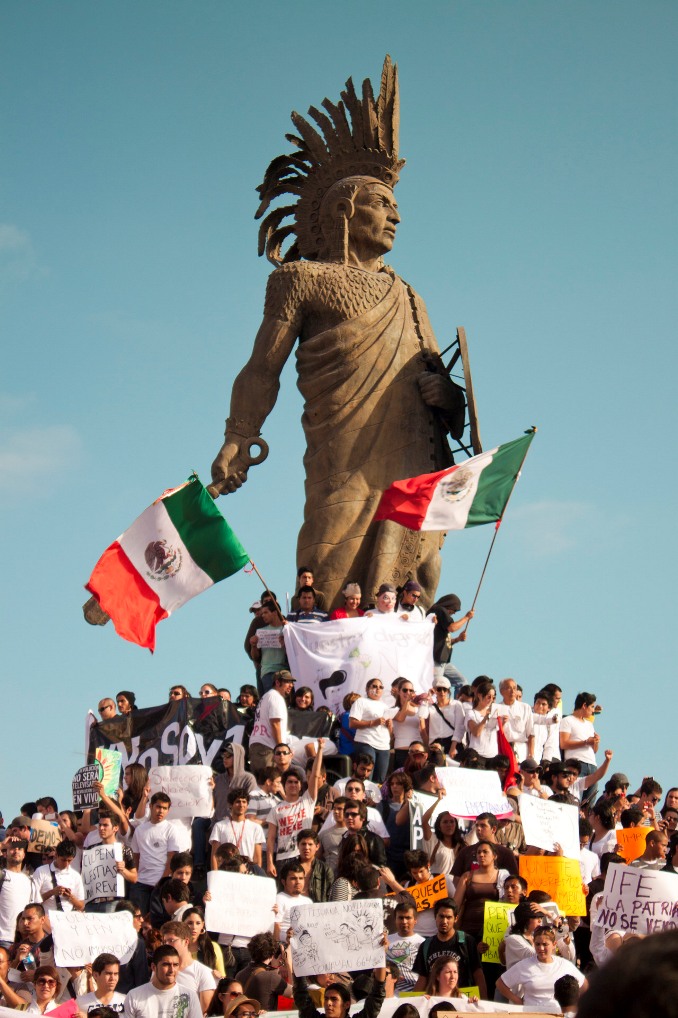
Cuauhtémoc (1496-1525) fue el último “tlatoani” mexica de México-Tenochtitlan.
Reinó durante la toma de Tenochtitlan por Hernán Cortés y sus soldados.
.
Tlatzacan Cuauhtemoctzintli Itenahuatil
.
Totonaltzin ye omotlatihzinoh,
totonaltzin ye omixpoliuhtzinoh,
ihuan centlayohuayan otechcahuilih.
.
Mach tictomachiliah occeppa mohualhuiliz,
ma occeppa moquizaltiz
ihuan yancuican techmotlahuililiquiuh.
.
In oquic ompa mictlanzinco momanilticaz
.
ma zan iciuhca titocentlalihtzinocan,
ma titonechicohtzinocan
ihuan toyolnepantlahtzinco ma tictotlatilican
mochi in toyollotzin quimotlazohtilia
ihuan ticmachiliah totlaqui:
topan yuhquin huei chalchihuitzintli.
.
Ma tiquinpohpolhuican in toteocalhuan,
in tocalmecahuan, in totlachcohuan,
in totelpochcalhuan, in tocuicacalhuan;
ma mocelcahuican in toohuihuan
ihuan tochantzitzinhuan ma techpielican
.
Quin ihcuac moquizaltiz in yancuic totonaltzin,
in tetahzitzintin ihuan in tenantzitzintin
ma aic xicmilcahuilican
quimilhuitizqueh in intelpochtzitzinhuan
ihuan ma quinmachtilican inpilhuantzitzinhuan
in oquic nemitizqueh,
huel quenin cualli moyetzinoticatca
quin axcan Totlazohanahuac
in campa techmocuitlahuiqueh toteotzitzinhuan,
intlanequiliz ihuan intlaelehuiliz,
ihuan zan ye no ipampa toquinmahuiliz
ihuan toquinpololiz
oquinceliliqueh in tiachcatzitzihuan,
ihuan tlen in totahtzitzihuan,
ahhuic yolecayopan,
oquinximachtiliqueh toyelizpan.
.
Axcan tehhuantzitzin tiquintotequimaquiliah
in topilhuan:
¡Macamo quicalhuilican, ma quinnonotzacan
inpilhuan huel quenin moyetzinotiyez
in imahcoquizaliz,
quenin occeppa moehualtiz in totohaltzin;
ihuan huel quenin mochicahuilihtzinoz
huel quenin moquitzontiliz hueyica
inehtotiliztzin inin
totlazohtlalnantzin Anáhuac!
” CUAUHTEMOCTZIN,
Anáhuac Huei Tlahtohuani ”
.
“El Último Mandato del Venerable Cuauhtémoc”
Nuestra sagrada energía ya tuvo a bien ocultarse,
nuestro venerable sol ya dignamente desapareció su rostro,
y en total obscuridad se dignó dejarnos.
.
Ciertamente sabemos que otra vez se dignará volver,
que otra vez tendrá a bien salir
y nuevamente vendrá dignamente a alumbrarnos.
.
En tanto que allá entre los muertos tenga a bien permanecer.
.
Muy rápido reunámonos,
congreguémonos
y en medio de nuestro corazón escondamos
todo el nuestro corazón se honra amando
y sabemos nuestra riqueza
en nosotros como gran esmeralda.
.
Hagamos desaparecer los nuestros lugares sagrados,
los nuestros Calmécac los nuestros juegos de pelota,
los nuestros Telpochcalli, las nuestras casas de canto;
que solos se queden los nuestros caminos
y nuestros hogares que nos preserven.
.
Hasta cuando se digne salir el nuevo nuestro Sol,
los venerados padres y las veneradas madres
que nunca se olviden de
decirles a los sus jóvenes
y que les enseñen a sus hijos
mientras se dignen vivir,
precisamente cuán buena ha sido
hasta ahora nuestra amada Anáhuac
donde nos cuidan nuestros venerados difuntos,
su voluntad y sus deseo,
y solo también por causa de nuestro respeto por ellos
y nuestra humildad ante ellos
que recibieron nuestros venerados antecesores
y que los nuestros venerados padres,
a un lado y otro en las venas de nuestro corazón,
los hicieron conocer en nuestro ser.
.
Ahora nosotros entregamos la tarea a
los nuestros hijos
Que no olviden, que les informen
a sus hijos intensamente como será
su elevación,
como nuevamente se levantará el nuestro venerable Sol
y precisamente como mostrará dignamente su fuerza
precisamente como tendrá a bien completar grandiosamente
su digna promesa esta
nuestra venerada y amada tierra madre Anáhuac!
.
“The Final Mandate of the most Venerable Cuauhtémoc”
Our sacred energy has already had to hide itself away,
Worthily, the face of our venerable Sun has disappeared
And in total darkness deigned to leave us.
.
Most certainly we know that once again he will condescend to return to us,
That again he will have to come out
And anew to shine worthily upon us.
.
Even while there among the dead he might well have to remain.
.
Most quickly now, let us gather,
Let us congregate
And in the middle of our heart let us hide,
All our heart is honoured in loving
And we know there are riches
Inside us like an enormous emerald.
.
Let us make our sacred places disappear,
Our Calmécac, our ball-games,
Our Telpochcalli, our song-houses;
That all that might remain be our roads
And our homes that we might preserve.
.
Until he our new Sun may deign to come out,
The venerable fathers and mothers
Who never may forget
To tell of themselves to the young
And who may teach the children
While they deign to still live,
Precisely when it has been
Up til now our belovéd Anáhuac
Where our venerated deceased ones care for us,
Their will, their desire,
And also only by reason of our respect for them
And our humbleness before them
Who received our venerable antecedents
And our venerated parents,
From one side to the other in the veins of our heart,
They made themselves known in our being.
.
Now we present to our children the task that
They not forget, that they might tell their children
Intensely as is fitting to their age and rank
As newly he will rise – our venerable Sun,
And precisely as he will show worthily his strength
He will have to truly and grandly complete
His worthy promise in
This our venerated, our belovéd, our earth-mother Anáhuac!
.
Translation from Spanish to English: Alexander Best
Poemas de América Central de las décadas de los 70 y 80, poemas para ayudarnos a recordar, poemas que nos hagan pensar… / Poems for the sake of El Salvador, Guatemala, Honduras, Nicaragua – poems to help us remember – poems to make us think…
Posted: September 15, 2012 Filed under: Daisy Zamora, English, José Luis Villatoro, Lil Milagro Ramírez, Roberto Sosa, Spanish Comments Off on Poemas de América Central de las décadas de los 70 y 80, poemas para ayudarnos a recordar, poemas que nos hagan pensar… / Poems for the sake of El Salvador, Guatemala, Honduras, Nicaragua – poems to help us remember – poems to make us think…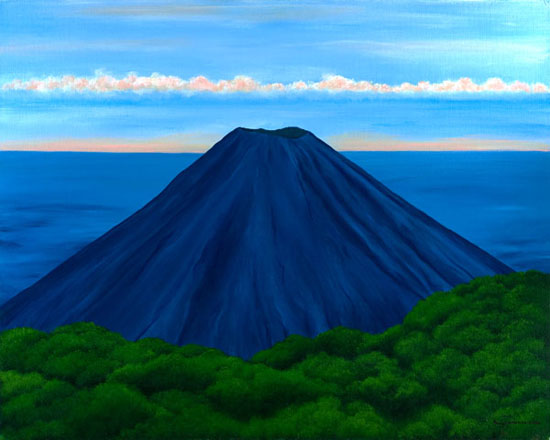
En este día – el 15 de septiembre…Poemas de América Central de las décadas de los 70 y 80 – tiempos de guerra civil, de lucha popular, de revolución…
Poems we post this 15th of September 2012 for the sake of Independence Days in El Salvador, Guatemala, Honduras, Nicaragua – poems from the 1970s and 1980s, decades of civil war, The People’s struggle, revolution…
.
Lil Milagro Ramírez (El Salvador)
“Despertar”
Yo era mansa y pacífica
Era una flor,
Pero la mansedumbre no es un muro
Que cubre la miseria.
Y vi las injusticias
Y ante los ojos asombrados,
Estallaron las huelgas y las rebeldías
Del hombre proletario.
.
Y en vez de absurdas lástimas,
De hipocresías compasivas,
Brotó mi indignación
Y me sentí fraternalmente unida a mis hermanos,
Y toda huelga me dolía,
Y cada grito me golpeaba
No sólo en la cabeza o los oídos
Sino en el corazón.
Cayó mi blanca mansedumbre,
Muerta a los pies del hambre,
Me desnude llorando de sus velas
Y un nuevo traje me ciñó las carnes.
Primavera de lucha son ahora mis brazos,
Mi enrojecida sangre es de protesta,
Mi cuerpo es verde olivo
Y un incendiario fuego me consume
…y sin embargo,
Sigo siendo como antes,
Amante de la paz,
Quiero luchar por ella desesperadamente,
Porque desde el principio
Yo soñé con la paz.
.
“Awakening”
I was gentle and peaceful,
A flower.
But gentleness isn’t a wall
That hides misery –
And I saw injustice,
And strikes and rebellions
By ordinary people
Exploded before my astonished eyes.
.
And instead of absurd pity
And sympathetic hypocrisy
My indignation burst forth
And I felt myself united with my sisters and brothers,
And every strike hurt me,
And every cry struck me
Not only in my head or ears
But in my heart.
My white gentleness fell,
Dead at the feet of hunger,
I undressed myself, weeping at its veils
And new clothing clung to my flesh.
My arms now in the springtime of struggle,
My red-hot blood protesting,
My body olive-green,
An incendiary passion consumes me
… and nevertheless
I keep feeling as before,
A lover of Peace,
I want to fight for it – desperately –
Because from the beginning
I have dreamt of Peace.
.
José Luis Villatoro (Guatemala)
“Elegía por el Joven Cadáver”
¿De quién es este joven
Cadáver que nos mira?
.
La calle tuvo antenas asesinas.
.
Sobre limpias baldosas
Su nombre perforaron,
Agujerearon su risa sospechosa.
.
Alguien anduvo cerca de sus labios
Y le hizo pedazos de sangre la palabra.
.
Amor, ¿como explicarte éste cadáver
Sin lastimar el fruto de tu vientre?
Será llegar sin cauce hasta el océano
Y llorar en la isla que le duele.
.
Hay un cadáver nuevo y vehemente
Con los ojos abiertos para siempre.
.
Amor, ¿como explicarte la mañana
Si apenas la tocamos con los dedos?
.
“Elegy for the Young Corpse”
Who is this young corpse
That looks at us?
.
The street had murderous antennae.
.
On clean cobblestones
They perforated his name,
They pierced his suspicious laugh.
.
Someone went near his lips
And turned his word into bloody pieces.
.
My love, how do I explain this corpse to you
Without wounding the fruit of your womb?
It will arrive at the ocean, rampant,
And weep on the island of its pain.
.
It’s a new and passionate corpse
With its eyes open forever.
.
My love, how do I explain the morning to you,
If we barely touch it with our fingers?
.
Roberto Sosa (Honduras)
“Dibujo a pulso”
A como dé lugar pudren al hombre en vida,
Le dibujan a pulso
Las amplias palideces de los asesinados
Y le encierran en el infinito.
.
Por eso
He decidido dulcemente
Mortalmente
Construir
Con todas mis canciones
Un puente interminable hacia la dignidad,
para que pasen,
Uno por uno,
Los hombres himillados de la Tierra.
.
“Freehand Sketch”
They use everything they’ve got to putrify a man alive,
Sketch in a flash
The ample pallor of the murdered
And lock him up in infinity.
.
And so,
Sweetly
Fatally
I have decided to construct
With all my songs
An endless bridge to dignity
So that,
One by one,
The humiliated of the Earth may pass.
.
Daisy Zamora (Nicaragua)
“Cuando regresemos”
Cuando regresemos a nuestra antigua tierra
Que nunca conocimos
Y platiquemos de todas esas cosas
Que nunca han sucedido
.
Caminaremos llevando de la mano niños
Que nunca han existido
.
Escucharemos sus voces y viviremos
Esa vida de la que tanto hablamos
Y nunca hemos vivido.
.
“When we return”
When we return to our ancient land
That we never knew
And we talk of all those things
That never happened
.
We will walk holding children by the hand
Who have never existed
.
We’ll listen to their voices and
Live that life we spoke of so often
And have never lived.
. . . . .
Traducciones del español al inglés / Translations from Spanish into English:
Barbara Paschke, Tony Ryan, David Volpendesta, Magaly Fernández
Macuilxochitzin / Macuilxóchitl: poetisa mexica del siglo XV
Posted: August 29, 2012 Filed under: Macuilxochitzin, Náhuatl, Spanish | Tags: Canto de Macuilxochitzin Comments Off on Macuilxochitzin / Macuilxóchitl: poetisa mexica del siglo XV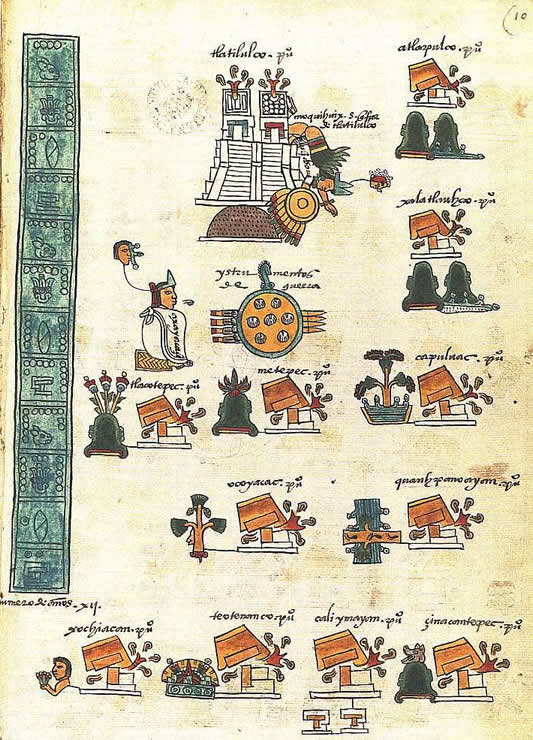
Canto de Macuilxochitzin
.
Elevo mis cantos,
Yo, Macuilxóchitl,
con ellos alegro al “Dador de la Vida”,
¡comience la danza!
.
¿Adonde de algún modo se existe,
a la casa de Él
se llevan los cantos?
¿O sólo aquí
están vuestras flores?,
¡comience la danza!
.
El matlatzinca
es tu merecimiento de gentes, señor Itzcóatl:
¡Axayacatzin, tú conquistaste
la ciudad de Tlacotépec!
Allá fueron a hacer giros tus flores,
tus mariposas.
Con ésto has causado alegría.
El matlatzinca
está en Toluca, en Tlacotépec.
.
Lentamente hace ofrenda
de flores y plumas
al “Dador de la Vida”.
Pone los escudos de las águilas
en los brazos de los hombres,
allá donde arde la guerra,
en el interior de la llanura.
Como nuestros cantos,
como nuestras flores,
así, tú, el guerrero de cabeza rapada,
das alegría al “Dador de la Vida”.
Las flores del águila
quedan en tus manos,
señor Axayácatl.
Con flores divinas,
con flores de guerra
queda cubierto,
con ellas se embriaga
el que está a nuestro lado.
.
Sobre nosotros se abren
las flores de guerra,
en Ehcatépec, en México,
con ellas se embriaga el que está a nuestro lado.
Se han mostrado atrevidos
los príncipes,
los de Acolhuacan,
vosotros los tecpanecas.
Por todas partes Axayácatl
hizo conquistas,
en Matlatzinco, en Malinalco,
en Ocuillan, en Tequaloya, en Xocotitlan.
Por aquí vino a salir.
Allá en Xiquipilco a Axayácatl
lo hirió en la pierna un otomí,
su nombre era Tlílatl.
.
Se fue éste a buscar a sus mujeres,
Les dijo:
“Preparadle un braguero, una capa,
se los daréis, vosotras que sois valientes.”
Axayácatl exclamó:
“¡Que venga el otomí
que me ha herido en la pierna!”
El otomí tuvo miedo,
dijo:
“¡En verdad me matarán!”
Trajo entonces un grueso madero
y la piel de un venado,
con ésto hizo reverencia a Axayácatl.
Estaba lleno de miedo el otomí.
Pero entonces sus mujeres
por él hicieron súplica a Axayácatl.
. . .
Traducción del náhuatl al español:
Miguel León-Portilla, 2003
. . .
En náhuatl:
Macuilxochitzin Icuic
.
A nonpehua noncuica,
ni Macuilxochitl,
zan noconahuiltia o a in ipalnemoa,
yn maconnetotilo – ohuaya, ohuaya!
.
Quenonamican,
can o ye ichan
im a itquihua in cuicatl?
Ic zanio nican
y izca anmoxochiuh?
In ma onnetotilo – ohuaya, ohuaya!
.
Temomacehual matlatzincatl,
Itzcohuatzin:
In Axayacatzin ticmomoyahuaco
in altepetl in Tlacotepec – a ohuaya!
O ylacatziuh ya ommoxochiuyh,
mopapaloouh.
Ic toconahuiltia.
In matlatzincatl, in Toloca, in Tlacotepec – a ohuaya.
.
Ayaxca ocontemaca
in xochitlaihuitla
ypalnemoa – ohuaya.
In quauhichimalli in temac,
ye quimana – ohuican ouihua,
yan tlachinolli itic,
yxtlahuatl itic – ohuaya, ohuaya.
In neneuhqui in tocuic,
neneuhqui in toxochiuh,
can tiquaochpan,
in toconahuiltia ypalnemoa – ohuaya, ohuaya.
In quauhxochitl
in momac ommani,
Axayacatzin.
In teoaxochitl,
in tlachinolxochitl ic,
yzhuayotimani,
yca yhuintihua
in tonahuac onoca – ohuaya, ohuaya.
.
Topan cueponi – a
yaoxochitl – a,
in Ehecatepec, in Mexico – ye ohoye
ye huiloya yca yhuintihua
in tonahuac onoc.
.
Za ye netlapalolo
in tepilhuan,
in acolihuaque,
an antepaneca – ohuaya, ohuaya.
.
In otepeuh Axayaca
nohuian,
Matlatzinco, Malinalco,
Ocuillan, Tequaloya, Xohcotitlan.
Nican ohualquizaco.
Xiquipilco oncan
oquimetzhuitec ce otomitl,
ytoca Tlilatl.
.
Auh yn oahcico,
quimilhui ycihuahuan:
– Xitlacencahuacan in maxtlatl, in tilmatli,
anquimacazque amoquichui.
Oquinenotzallan:
– Ma huallauh yn otomitl,
yn onechmetzhuitec!
Momauhtihtica yn otomitl,
quittoa:
– Anca ye nechmictizque!
Quihualhuica in huepantli,
in tlaxipehualli in mazatl,
ic quitlapaloco in Axaya.
Momauhtitihuitz.
Auh zan oquitlauhtique yn icihuahuan Axayaca.
_____
La princesa Macuilxochitzin/Macuilxóchitl nació en México-Tenochtitlan hacia 1435 y vivió la buena parte del siglo XV. Fue hija de Tlacaélel, un consejero de los reyes aztecas. Desde pequeña recibió la mejor educación; también escuchó de la boca de su madre los antiguos consejos de los mexicas. Y, por supuesto, ella conocía los artes del bordado y del telar.
Este poema – El Canto de Macuilxochitzin – trata de una conquista mexica del año 1476. Era la intención de la poetisa dar gracias al “Dador de la Vida” y preservar el cuento de la victoria de su pueblo.
El original se incluye en la colección de la BNM (Biblioteca Nacional de México).
Nezahualcoyotzin: in xochitl in cuicatl / Nezahualcóyotl: su “flor y canto”(poesía náhuatl)…y poemas del siglo xxi, inspirados en él
Posted: August 19, 2012 Filed under: Náhuatl, Nezahualcóyotl, Nezahualcoyotzin: in xochitl in cuicatl / Nezahualcóyotl: su "flor y canto"(poesía náhuatl) y poemas del siglo xxi - inspirados en él, Spanish | Tags: Poemas a Nezahualcóyotl, Poemas de Nezahualcoyotzin Comments Off on Nezahualcoyotzin: in xochitl in cuicatl / Nezahualcóyotl: su “flor y canto”(poesía náhuatl)…y poemas del siglo xxi, inspirados en él
Nezahualcoyotzin (1402-1472)
Amoxcalco pehua cuica
.
Amoxcalco pehua cuica
yeyecohua Yehuaya
quimoyahua xochitl
on ahuia cuicatl.
Oha mayya hue hahuayya … Ohuaya Ohuaya.
*
Icahuaca cuicatl
oyohualli ehua-tihuitz
zan quinanquiliya
toxochayacach
quimoyahua xochitl
on ahuia cuicatl.
*
Xochiticpac cuica
in yectli cocoxqui
ye con ya totama
a-itec.
Ho ilili yaha ilili yio
hui ohui ohui … Ohuaya Ohuaya.
*
Zan ye con nanquilia
in nepepan quechol
in yectli quechol
in huel ya cuica
ha ilili yaha ililili
ohui ohui ohui … Ohuaya Ohuaya.
*
Amoxtlacuilol in moyollo
tocuicaticaco in tictzotzona in mohuehueuh
in ticuicanitl
xopan cala itec,
in tonteyahuiltiya.
Yao yli yaha ilili lili iliya ohama hayya … Ohuaya Ohuaya.
*
Zan tic moyahua
in puyuma xochitli
in cacahua xochitli
in ticuicanitl
xopan cala itec
in tonteyahuiltiya
Yao ya oli yaha ilili lili iliya ohama … Ohuaya Ohuaya.
*
Xochitli tic ya mana
in nepapan xochitli
ic zan tonteyahuiltiya
ti tepiltzan o ti Nezahualcoyotzin
ah noyol quimati
momaco on maniya
timocozcatiya
xopan in xochitli.
No ama ha om hama hay yaha … Ohuaya Ohuaya.
*
Zan moch ompa ye huitze
onmeyocan ilhuicatli itec
o ica tonteyahuiltiya
ti tepiltzin o ti Nezahualcoyotzin
ah noyol quimati
momaco on maniya
timocozcatiya
xopan in xochitli.
_____
Nezahualcóyotl
(El rey-poeta de Texcoco, 1402-1472)
Un Libro de Canto es tu Corazón
.
En casa de musgo acuático
comienza a cantar,
ensaya su canto.
Derrama flores:
deleita el canto.
*
Repercute el canto,
suenan ligeros los cascabeles:
les responden nuestras sonajas floridas.
Derrama flores:
deleita el canto.
*
Canta sobre las flores
el hermosos faisán:
ya despliega su canto
dentro del agua.
*
Le responden los variados pájaros rojos,
los hermosos pájaros rojos:
bellamente cantan.
*
Un libro de cantos es tu corazón:
has venido a hacer oír tu canto,
tañendo estás tu atabal.
Eres cantor:
entre flores de primavera
deleitas a las personas.
*
Ya estás repartiendo
flores de fragrancia embriagadora,
flores preciosas:
eres cantor:
entre flores de primavera
deleitas a las personas.
*
Flores ofreces,
variadas flores:
con ellas deleitas a los hombres,
oh príncipe Nezahualcóyotl:
ah, mi corazón lo saborea:
se dan y perduran:
con ellas te haces un collar,
con flores primaverales.
*
De allá sólo vienen todas
del sitio de la Dualidad,
de dentro del cielo:
con ellas deleitas a los hombres,
oh príncipe Nezahualcóyotl:
ah, mi corazón lo saborea:
se dan y perduran:
con ellas te haces un collar,
con flores primaverales.
.
Traducción del náhuatl al español: Ángel M. Garibay (1972)
_____
Nezahualcoyotzin
Nitlayocoya, Nicnotlamatiya
.
Nitlayocoya, nicnotlamatiya,
zan nitepiltzin Nezahualcoyotl.
Xochitica ye ihuan cuicatica
niquimilnamiqui tepilhuan,
ayn oyaque,
yehua Tezozomoctzin, o yehuan Cuacuauhtzin
*
Oc nellin nemoan,
quenonamican.
¡Maya niquintoca in intepilhuan,
maya niquimonitquili toxochiuh!
ma ic ytech nonaci,
yectli yan cuicatl in Tezozomoctzin.
O ayc ompolihuiz in moteyo,
¡nopiltzin, Tezozomoctzin!,
anca za ye in mocuic a yca
Nihualchoca,
yn zan hihualicnotlamatico,
nontiya.
*
Zan nihualayocoya, nicnotlamati.
Ayoquic, ayoc,
quenmanian,
titechyaitaquiuh in tlalticpac,
yca, nontiya.
*
Nezahualcóyotl
Recuerdo de Tezozomoctzin y Cuacuauhtzin
.
Estoy triste, me aflijo,
yo, el señor Nezahualcoyotl.
Con flores y con cantos
recuerdo a los príncipes,
a los que se fueron,
a Tezozomoctzin, a Cuacuauhtzin.
*
En verdad viven,
allá en donde de algún modo se existe.
¡Ojalá pudiera yo seguir a los príncipes,
llevarles nuestras flores!
¡Si pudiera yo hacer míos
los hermosos cantos de Tezozomoctzin!
Jamás perecerá tu renombre,
¡oh, mi señor, tú, Tezozomoctzin!
Así, echando de menos tus cantos,
me he venido a afligir,
sólo he venido a quedar triste,
yo a mí mismo me desgarro.
*
He venido a estar triste, me aflijo.
Ya no estás aquí, ya no,
en la región donde de algún modo se existe,
nos dejaste sin provisión en la Tierra,
por esto, a mí mismo me desgarro.
Traducción del náhuatl al español:
.
Miguel León-Portilla (1972)
_____
Yoyontzin (Nezahualcoyotzin)
Yeccan tinemico xochipan…
.
Yeccan tinemico xochipan tinemico,
ah in tocnihuan.
¡Ma yuhcan quentetl,
ma on nemohua!
*
In zan in ni Yoyon*
ye nican paqui
toyollo tixco timatico
yectli totlatol
ah in tochihuan.
In zan achico.
¡Ma yuhcan quentetl,
ma on nemohua!
.
*Yoyon = Yoyontzin = Nezahualcoyotzin
_____
Vivimos en buen tiempo
por Yoyotzin (nombre honorífico de Nezahualcóyotl)
.
¡Vivimos en buen tiempo, vivimos sobre flores,
oh amigos!
¡Aunque así es un momento,
que así se viva!
*
Yo soy Yoyon*:
aquí me alegro.
Nuestra cara, nuestro corazón vinimos a conocer:
bellas son nuestras palabras,
oh amigos.
¡Sólo por breve tiempo!
¡Aunque así es un momento,
que así se viva!
.
*Yoyon=Yoyotzin=Nezahualcóyotl
Traductor: Ángel M. Garibay
_____
Nezahualcoyotzin
In zan o ihui tinemi
.
In zan o ihui tinemi
zan cuel achic in motloc
monahuac in ipalnemohuani.
Ni hual neiximacho
tlalticpac ye nican.
Ayac mocahuaz:
Quetzalli ya pupuztequi
in tlacuilolli zan no pupulihui
xochitl a cuitlahui:
ixquich ompa ya huicalo
ye ichan.
*
Nezahualcóyotl
Vida fugaz
.
¡Así es como vivimos!:
breve instante a tu lado,
junto a ti, Autor de la Vida:
vine a que me conozcan
aquí, sobre la Tierra.
¡Nadie habrá de quedarse!:
Plumas de quetzal se hacen trizas,
pinturas se van destruyendo,
las flores, se marchitan.
¡Todo es llevado allá
a la casa del Sol!
.
Traductor: Ángel M. Garibay
_____
Nezahualcoyotzin
Ah tlamiz noxochiuh
.
Ah tlamiz noxochiuh
Ah tlamiz nocuic
In nocon ya ehua
Zan nicuicanitl.
*
Xexelihui moyahua
Cozahuia xochitl:
Ye on calaquilo
Zacuan calitic.
*
Nezahualcóyotl
No acabarán mis flores
.
No acabarán mis flores,
no acabarán mis cantos:
yo los elevo:
no más soy un cantor.
*
¡Se reparten, se difunden,
amarillecen las flores:
ya son llevadas
dentro de una mansión de doradas plumas!
.
Traductor: Ángel M. Garibay
*_____*_____*_____*_____*
Cuatro poetas contemporáneos
inspirados en la poesía “flor y canto” del rey-poeta azteca, Nezahualcóyotl
*
Raúl Cáceres Carenzo
Canto al rey poeta
.
Príncipe Nezahualcóyotl,
con tus versos escribo
este poema:
Nuestro corazón esparce cantos,
irradia flores
en la mitad de la noche.
*
En la casa de las pinturas
nos encontramos nuevamente:
la hermandad de los amigos,
la comunidad,
la nobleza.
*
Tu canto resuena de nuevo.
Nuestras cascabelas se hacen oír.
Nuestras sonajas floridas,
nuestros atabales
responden a tu canto
Alegra nuestros corazones.
Derrama flores.
Esparce el canto.
*
Libro de pinturas es tu corazón.
En la casa de la primavera resuenan tus cantos.
*
Aquí lo entiende entonces mi corazón:
Oigo una flor/Veo el canto
*
En el libro de pinturas del poeta hallamos
al Dador de la vida.
Con flores escribes, Príncipe Nezahualcóyotl:
con cantos das color,
con cantos sombreas
A los que han de vivir en la tierra.
*
Sólo en tu libro de pinturas vivimos.
Así lo comprende hoy mi corazón.
_____
Uriel Valencia
La canción de Dirse
.
1. Junto a los pájaros la lluvia del tiempo/
a la hora en que el viento guarda lo que la vida trae
alguien esconde el polen herido de la tarde/
a la hora en que la soledad reposa
su despiadada ofrenda/
a la hora en que tú creces
llena de esta ternura de azogue/
en algún sitio
mi locura
el jazz intermitente que submerge en alcohol
la tristeza/
entonces habla de Dirse/
del origen que transita tu nombre/
del galope azul el llanto/
a la hora en que la noche abre el frío de la espera
la lluvia agonizante las veredas secretas
del miedo descubre/
entonces/y sólo entonces/cuando la poesía escribe/
emerges/
transitas la sangre/
descifras
las espuelas sublimes del deseo.
.
2. aquí encendimos por ti los caminos de la brisa/
aquí del amor sus barcos/
de la palabra su leve aventura/
aquí los pasadizos
y túneles báquicos del íntimo orgasmo/
sus himnos de guerra/
.
3. tengo junto la vida que es todo lo que tengo/
todo lo que acecha ceniza ungida de milagros/
de barro este puñal de asombro/
en el viento la palabra que es todo lo que tengo/
la piel y el vino aterido de sombras/
pero en ti todo lo que es mío y te habla
*
aquí los días del asedio que en esta noche enumeras/
rastreándome hierve descalzo el silencio
en el llano/
en los dinteles de la historia/
*
aquí todas las inscripciones y telúricos dardos
y junto a ti/
¡Oh Dirse!/
la poesía que es todo lo que tengo…
_____
Yamilé Paz Paredes
Pintar tu canto
(A Nezahualcóyotl)
.
Ponme como la flor de leche
sobre tu frente
Ponme como la flor rosada del cacao
sobre tu pecho
Ponme como la flor de maíz amarillo
alrededor de tu cintura
*
Sólo en las flores hay encuentro
Sólo en las flores hay abrazo
Sólo en las flores hay reunión
*
El canto de los poetas es un inmenso
ramo de flores
Y el poema es una flor
*
Ponme como la flor del amanecer
sobre tu boca
No te sacies de flores
que no se sacie nunca de flores y de canto
tu corazón
Píntame en el interior de una piel de venado
con tinta negra y roja
Con esa doble tinta con la cual los poetas
hacen cantar los códices
Ponme como la flor de girasol
sobre tu voz
Que no se desgrane
Que no se marchite
Que no se quiebre esa flor
*
Derrámame en la tierra
como un canto florido
Fecúndame en la noche
como el viento de estío
Ponme como una flor de luna
sobre tu corazón.
_____
Sergio García Díaz
Este Coyote
.
Este Coyote humedece sus belfos.
Lame palabras caramelo.
Persigue zorritas confundido.
Tiene hambre, pero dice que está en ayuno.
*
Es un estratega, tiene sueños.
Separa las aguas saladas de las dulces.
Riega jardines y se baña tres veces al día.
Toma pulque, duerme y las estrellas lo arrullan.
Cien mujeres esperando están.
*
Es guerrero, tiene lanza, rodela y mira desde lejos
al que viene y al que va.
Sube al monte y en una piedra construye anáforas.
Se comunica con la humanidad.
*
Sus lágrimas llenan cuencas que se desbordan;
secas, son salitre y, en marzo, remolinos
que se van.
El caos es su fuerza
y la metáfora su forma de comunicar.
*
Le dicen Coyote
porque platica con la luna
y en ayunas
construye una ciudad.
*
Territorio simbólico,
espacio abierto, tiempo inmóvil,
vasta geografía,
mítica, sagrada.
*
Coatlicue:
zurce los amplios pliegues del tejido social,
muere por nosotros, aquí, en la hora,
de nuestra vida, amén.
*
Coyote,
símbolo de lujuria
cobijo de los desvalidos,
soledad acompañada de monólogos internos.
*
Lluvia de colores,
mural de perros:
axolotl, escuincles,
coyote en ayuno.
*
Coyote,
aúlla por nosotros,
hermanito,
camarada.
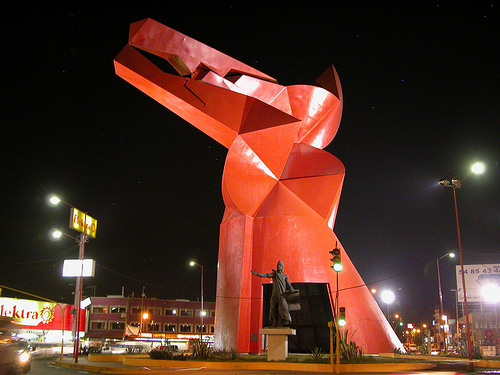
La selección de poemas contemporáneos está del libro conmemorativo – “Tú vivirás para siempre: poemas a Nezahualcóyotl” © 2002, Francisco Javier Estrada, editor
De ayer al porvenir: ¡Viva Zapata! y ¡Viva El Zapatista!
Posted: August 8, 2012 Filed under: Spanish | Tags: Poemas a Emiliano Zapata Comments Off on De ayer al porvenir: ¡Viva Zapata! y ¡Viva El Zapatista!
Emiliano Zapata Salazar (1879 – 1919), conocido como “El Caudillo del Sur”, fue uno de los líderes militares más importantes durante la Revolución Mexicana; tambien fue un símbolo de la resistencia campesina en México.
Hoy – el 8 agosto – es su cumpleaños.
Anónimo
A Zapata
Zapata fue un héroe
de gran corazón,
a los campesinos
les dio protección.
Al hombre del campo
le dio la parcela,
y a los niños pobres
les brindó la escuela.
Él fue muy valiente
en la rebelión,
pues formó el ejido
por nuestra nación.
Murió asesinado
por el mes de abril,
dejando el recuerdo
de un hombre viril.
_____
Eduardo Guerrero
Muerte de Zapata
Voy a cantar un gustito
que vale la pura plata,
donde les doy la noticia
de la muerte de Zapata.
*
¡Adiós, montes del Ajusco
adiós, cerros del Jilguero,
adiós, montañas y cuevas
donde anduve de guerrero!
*
Me trataron con respeto
todos mis soldados leales,
para ellos no había tormento.
Adiós, firmes generales.
*
Adiós, muy heroica Cuautla,
adiós torres de Morelos
adiós las de Tenepantla,
pues ya nunca nos veremos.
*
Adiós los que me ayudaron
los nueve años de batalla,
en que nos vimos cubiertos
por la terrible metralla.
*
Adiós, mi señora madre,
adiós, todos mis chamacos,
adiós, todos mis amigos,
les encargo a mis muchachos.
*
Muerto está ya el guerrillero
que a ninguno respetó,
pues a Madero y Carranza
bastante guerra les dio.
*
Hoy de todos se despide
con tristísima amargura
y pide que no lo olviden
en su oscura sepultura.
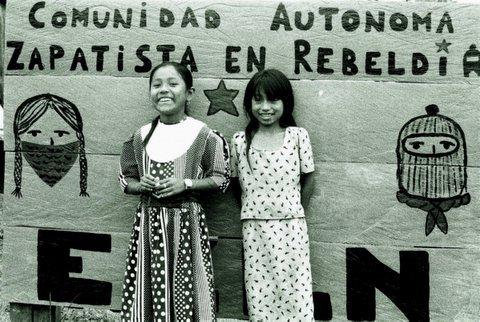
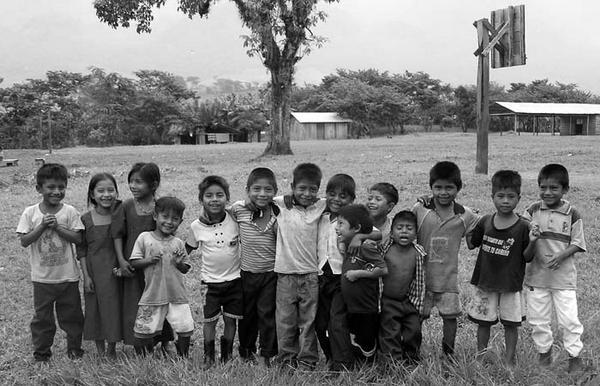
Versos atribuidos a Subcomandante Marcos del EZLN:
Instrucciones para Cambiar el Mundo
1. Constrúyase un cielo más bien cóncavo. Píntese de verde o de café, colores terrestres y hermosos. Salpíquese de nubes a discreción.
Cuelgue con cuidado una luna llena en occidente, digamos a tres cuartas sobre el horizonte respectivo. Sobre oriente inicie, lentamente, el ascenso de un sol brillante y poderoso. Reúna hombres y mujeres, hábleles despacio y con cariño, ellos empezarán a andar por sí solos. Contemple con amor el mar. Descanse el séptimo día.
2. Reúna los silencios necesarios.
Fórjelos con sol y mar y lluvia y polvo y noche. Con paciencia vaya afilando uno de sus extremos. Elija un traje marrón y un pañuelo rojo. Espere el amanecer y, con la lluvia por irse, marche a la gran ciudad.
Al verlo, los tiranos huirán aterrorizados, atropellándose unos a otros.
Pero, ¡no se detenga! La lucha apenas se inicia.
* * * * *
Instrucciones para Hacer una Canción
Inicialmente no es forzoso saber las notas, las rimas y ritmos. Basta con empezar a tararear alguna vieja tonada que recuerde. Repítala hasta que nada tenga que ver con la original. La letra es lo de menos, porque poemas sobran. Pero, por las dudas, cuide que nadie lo escuche – críticos también sobran…
The Face of Summer: ひまわり Tornasol Sunflower Tournesol Girasole Girassol ひまわり
Posted: July 31, 2012 Filed under: English, French, Italian, Japanese, Portuguese, Spanish Comments Off on The Face of Summer: ひまわり Tornasol Sunflower Tournesol Girasole Girassol ひまわり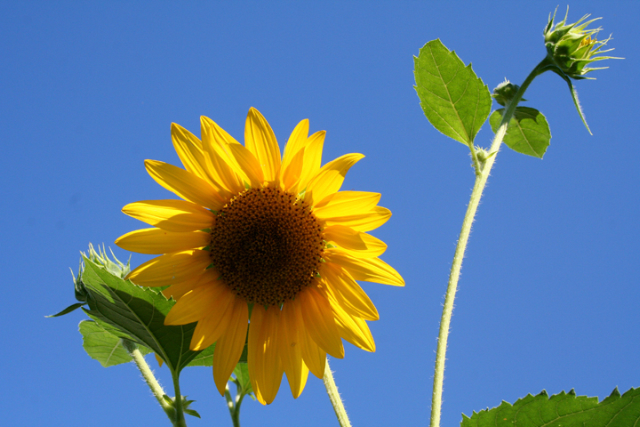
Mang Ke (1950 – )
Sunflower in the Sun (Excerpt)
きみは見たのか
陽光の中のあのひまわりを
見たまえ、うつむくこともなく
頭(こうべ)をうしろにふり向け
そっぽをむいてしまった
まるで一口に
あの頸にかけられた
あの太陽の手に引っ張られている縄を
噛み切ろうとするかのように
きみは見たのか
あの頭をもたげ
太陽に怒りの視線をなげかえすひまわりを
その首は太陽をさえぎるほど
その首はたとえ太陽のない時でも
やはり光の束を輝き放っている ….. …..
*
Mang Ke
Sunflower in the Sun (excerpt)
Do you see?
Do you see that sunflower in the sun?
You see, it didn’t bow its head
But turned its head back
As if to bite through
The rope around its neck
Held by the sun’s hands.
*
Do you see it?
Do you see that sunflower, raising its head
Glaring at the sun?
Its head almost eclipses the sun
Yet even when there is no sun
Its head still glows. ….. …..
Anónima
Invocación (un extracto)
Quédate bajo el brillo tornasol
o arrástrame
a tu sombría transparencia
Murciélago de luz
que sabe tanto de volar
como de sueño
agarrado
del techo
y de cabeza hacia la oscuridad.
Quédate bajo el brillo tornasol y arrástrame
a tu sombría transparencia
Soy sólo yo, a contracorriente
sólo mi corazón,
piedra vertiginosa
que rueda.
Dale Harris (New Mexico, USA)
Manzano Sunflowers
You missed Indian Market
And of course the sunflowers.
As usual they swept across August
At first a few, a yellow trickle along the fence line
Then more, making pools in the pasture
And splashing down into the “arroyo”
Then, incredibly many more,
Dappling the distance,
As though a giant hand had buttered the land.
*
Yet with the entire prairie to expand into,
They prefer crowds of themselves
They mass along the roadside,
Lined up as though a parade were about to pass.
Here and there one stands alone,
But not for long.
Soon his kin will come
And there will be sunflower squalor,
There will be sunflower squalor, a floral slum.
*
Once they are out,
They will not be ignored.
Stretching their skinny stalks,
They top our roof-line,
Press against the window screens,
And peep in at the door.
Familiar foot paths to the out buildings are obscured,
And from the road we seem afloat,
Our cabin, an odd tin boat
In a sea of sunflower faces.
*
They are the most staccato of flowers.
I catch them humming snatches of polkas
And John Philip Sousa marches,
Bobbing in the wind to the Boogaloo,
The Boogie Woogie and the Lindy Hop.
I call their names,
Clem, Clarissa, Sarah Jane
To try and tame them.
*
My neighbour comes by.
She has a field full
They’re useless, she complains.
Her horses can’t eat them.
I should hope not! I exclaim,
After she’s gone.
*
I don’t remember if you even liked sunflowers
But you liked Life
And they are all about that.
Today I wrote to your family, finally.
I expect they are occupying themselves,
With beautiful gestures
In order to get over the grief of you.
As for me, I have sunflowers…
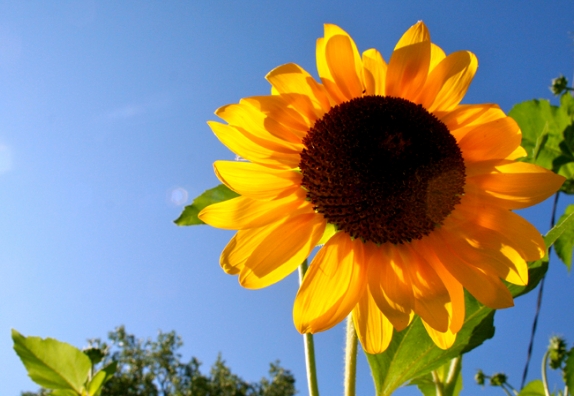
Michèle Corti
Tournesol
Vieille fleur du Pérou au bel astre pareil,
Sunflower, Sonnenblume, Girasol, Girassole
L’oiseau trouve un abri sous ton grand parasol,
Au plus chaud de l’été, éclosent tes merveilles.
*
“Hélianthus annuus” ou même “grand soleil”
Tu envahis les champs de mille têtes fières
Qui rebrodent d’or pur notre dame la Terre
Frissonnante d’azur, émeraude et vermeil.
*
De ton coeur irradié par l’astre solennel
Va couler la douceur d’une huile flavescente
Radieux tournesol, sur ta tige puissante
Tu règnes glorieux, et parais éternel !
*
La folie de Vincent a cru, dans tes pétales
Entrevoir les grands feux d’un lointain paradis
Tu as su fasciner le grand peintre maudit
Qui, au milieu des champs recherchait les étoiles…
Eugenio Montale (1896-1981)
Portami il girasole ch’io lo trapianti
Portami il girasole ch’io lo trapianti
nel mio terreno bruciato dal salino,
e mostri tutto il giorno agli azzurri specchianti
del cielo l’ansietà del suo volto giallino.
*
Tendono alla chiarità le cose oscure,
si esauriscono i corpi in un fluire
di tinte: queste in musiche. Svanire
è dunque la ventura delle venture.
*
Portami tu la pianta che conduce
dove sorgono bionde trasparenze
e vapora la vita quale essenza;
portami il girasole impazzito di luce.
Lô Borges e Márcio Borges
Um Girassol da Cor do Seu Cabelo
(Letras cantada por Milton Nascimento)
Vento solar e estrelas do mar
a terra azul da cor de seu vestido
vento solar e estrelas do mar
você ainda quer morar comigo.
*
Se eu cantar não chore não
é só poesia
eu só preciso ter você por mais um dia
ainda gosto de dançar, bom dia,
como vai você?
*
Sol, girassol, verde vento solar
você ainda quer morar comigo
vento solar e estrelas do mar
você ainda quer morar comigo.
芝不器男 Fukio Shiba (1903-1930)
Sunflower Haiku
向日葵の蕊(しべ)を見るとき海消えし
Looking into the sunflower’s centre,
the sea has disappeared.
 Zócalo Poets