Jaime Sabines: “Message to Rosario Castellanos” / “Recado a Rosario Castellanos”
Posted: October 8, 2013 Filed under: English, Jaime Sabines, Spanish Comments Off on Jaime Sabines: “Message to Rosario Castellanos” / “Recado a Rosario Castellanos”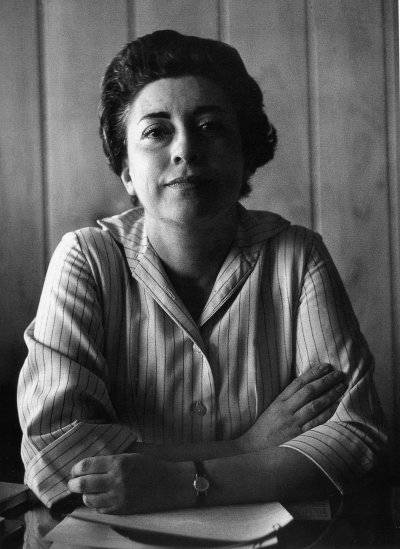
Jaime Sabines (Chiapas, 1926 – México City, 1999)
“Message to Rosario Castellanos”
(Translation from Spanish into English: Paul Claudel and St.John Perse)
.
Only a fool could devote a whole life to solitude and love.
Only a fool could die by touching a lamp,
if a lighted lamp,
a lamp wasted in the daytime is what you were.
Double fool for being helpless, defenceless,
for going on offering your basket of fruit to the trees,
your water to the spring,
your heat to the desert,
your wings to the birds.
Double fool, double Chayito*, mother twice over,
to your son and to yourself.
Orphan and alone, as in the novels,
coming on like a tiger, little mouse,
hiding behind your smile,
wearing transparent armour,
quilts of velvet and of words,
over your shivering nakedness.
.
How I love you, Chayo*, how I hate to think
of them dragging your body – as I’m told they did.
Where did they leave your soul?
Can’t they scrape it off the lamp,
get it up off the floor with a broom?
Don’t they have brooms at the Embassy?
How I hate to think, I tell you, of them taking you,
laying you out, fixing you up, handling you,
dishonouring you with the funeral honours.
(Don’t give me any of that
Distinguished Persons fucking stuff!)
I hate to think of it, Chayito!
And this is all? Sure it’s all. All there is.
At least they said some good things in The Excelsior*
and I’m sure there were some who cried.
They’re going to devote supplements to you,
poems better than this one, essays, commentaries
– how famous you are, all of a sudden!
Next time we talk
I’ll tell you the rest.
.
I’m not angry now.
It’s very hot in Sinaloa.
I’m going down to have a drink at the pool.
.
*Chayito / Chayo – nicknames for the name Rosario i.e. Little Rosary/Rosa/Rosie
*El Excélsior – a México City daily newspaper
. . .
“Recado a Rosario Castellanos”
.
Sólo una tonta podía dedicar su vida a la soledad
y al amor.
Sólo una tonta podía morirse al tocar una lámpara,
si lámpara encendida,
desperdiciada lámpara de día eras tú.
Retonta por desvalida, por inerme,
por estar ofreciendo tu canasta de frutas a los árboles,
tu agua al manantial,
tu calor al desierto,
tus alas a los pájaros.
Retonta, re-Chayito, remadre de tu hijo y de ti misma.
Huérfana y sola como en las novelas,
presumiendo de tigre, ratoncito,
no dejándote ver por tu sonrisa,
poniéndote corazas transparentes,
colchas de terciopelo y de palabras
sobre tu desnudez estremecida.
.
¡Como te quiero, Chayo, como duele
pensar que traen tu cuerpo! – así se dice –
(¿Dónde dejaron tu alma? ¿ No es posible
rasparla de la lámpara,
recogerla del piso con una escoba?
¿Qué, no tiene escobas la Embajada?)
¡Cómo duele, te digo, que te traigan,
te pongan, te coloquen, te manejen,
te lleven de honra en honra funerarias!
(¡No me vayan a hacer a mi esa cosa
de los Hombres Ilustres, con una chingada!)
¡Como duele, Chayito!
¿Y esto es todo? ¡ Claro que es todo, es todo!
Lo bueno es que hablan bien en el Excélsior
y estoy seguro de que algunos lloran,
te van a dedicar tus suplementos,
poemas mejores que éste, estudios, glosas,
¡qué gran publicidad tienes ahora!
La próxima vez que platiquemos
te diré todo el resto.
.
Ya no estoy enojado.
Hace mucho calor en Sinaloa.
Voy a irme a la alberca a echarme un trago.
. . .
Rosario Castellanos – poet, author, essayist – was born into a “Ladino” (Hispanicized Mestizo) landowning family in Chiapas. From her mid-teens onward she lived in México City, where she would gradually become one of the so-called “Generation of 1950” – post-War writers of Latin America. Throughout her life – cut short by a freak domestic electrical accident involving a lamp while she was leaving her bath in Tel Aviv – where she had been posted as Mexican ambassador – she wrote with passion and precision about what now we would call “cultural and gender oppression”. Her 1962 novel Oficio de Tinieblas(The Book of Lamentations in its English translation) is an empathetic yet trenchant imagining of the conflicts between Tzotzil Mayans and “Ladinos” leading up to agrarian reform in her ancestral Chiapas. Castellanos is important today for opening the doors to a Mexican Feminist world-view through her frank and insightful poetry, novels, and newspaper essays.
. . .
Rosario Castellanos – poeta y novelista – nació en la Ciudad de México en 1925. Su infancia y parte de su adolescencia la vivió en Comitán y en San Cristóbal de las Casas, Chiapas.
Dedicó una parte de su obra y de sus energías a la defensa de los derechos de las mujeres, labor por la que es recordada como uno de los símbolos del feminismo latinoamericano. A nivel personal, su propia vida estuvo marcada por un matrimonio infeliz y depresiones múltiples que la llevaron en más de una ocasión a ser ingresada.
Su obra incluye la novela Oficio de Tinieblas (1962) – trata de reforma agraria y tensiones sociales entre los tzotziles y los ladinos en el campo de Chiapas – también el poemario Poesía no eres tú (1972).
En 1971, Castellanos fue nombrada embajadora de México en Israel, desempeñándose como catedrática en la Universidad Hebrea de Jerusalén, además de su labor de diplomática. Falleció en Tel Aviv en agosto de 1974 – a consecuencia de una descarga eléctrica provocada por una lámpara cuando acudía a contestar el teléfono al salir de bañarse. Sus restos fueron trasladados a La Rotonda de los Hombres Ilustres (ahora La Rotonda de las Personas Ilustres) en la Ciudad de México.
. . . . .
Jaime Sabines: “Before the ice of silence descends on my tongue…” / “Antes de que caiga sobre mi lengua el hielo del silencio…”
Posted: October 8, 2013 Filed under: English, Jaime Sabines, Spanish Comments Off on Jaime Sabines: “Before the ice of silence descends on my tongue…” / “Antes de que caiga sobre mi lengua el hielo del silencio…” .
.
Jaime Sabines (Born in Chiapas, 1926 – died in México City, 1999)
. . .
“On Hope”
.
Occupy yourselves here with hope.
The joy of the day that’s coming
buds in your eyes like a new light.
But that day that’s coming isn’t going to come: this is it.
. . .
“De la esperanza”
.
Entreteneos aquí con la esperanza.
Es júbilo del día que vendrá
os germina en los ojos como una luz reciente.
Pero ese día que vendrá no ha de venir: es éste.
. . .
“On Illusion”
.
On the tablet of my heart you wrote:
Desire.
And I walked for days and days,
mad and scented and dejected.
.
“De la ilusión”
.
Escribiste en la tabla de mi corazón:
Desea.
Y yo anduve días y días,
loco, aromado, y triste.
. . .
“On Death”
.
Bury it.
There are many silent men under the earth
who will take care of it.
Don’t leave it here.
Bury it.

“De la muerte”
.
Enterradla.
Hay muchos hombres quietos, bajo tierra,
que han de cuidarla.
No la dejéis aquí –
Enterradla.
. . .
“On Myth”
.
My mother told me that I cried in her womb.
They said to her: he’ll be lucky.
.
Someone spoke to me all the days of my life
into my ear, slowly, taking their time.
Said to me: live, live, live!
It was Death.
.
“Del mito”
.
Mi madre me contó que yo lloré en su vientre.
A ella le dijeron: tendrá suerte.
.
Alguien me habló todos los días de mi vida
al oído, despacio, lentamente.
Me dijo: ¡vive, vive, vive!
Era la Muerte.
. . .
If I were going to die in a moment, I would write these words of wisdom: tree of bread and honey, rhubarb, coca-cola, zonite, swastika. And then I would start to cry.
.
You can start to cry even at the word “excused” if you want to cry.
.
And this is how it is with me now. I’m ready to give up even my fingernails, to take out my eyes and squeeze them like lemons over the cup of coffee.
(“Let’s have a cup of coffee with eye peel, My Heart”).
.
Before the ice of silence descends on my tongue, before my throat splits and my heart keels over like a leather sack, I want to tell you, My Life, how grateful I am for this stupendous liver that let me eat all your roses on the day when I got into your hidden garden without anyone seeing me.
.
I remember it. I filled my heart with diamonds – they are fallen stars that have aged in the dust of the earth – and it kept jingling like a tambourine when I laughed. The only thing that really annoys me is that I could have been born sooner and I didn’t do it.
.
Don’t put love into my hands like a dead bird.

Si hubiera de morir dentro de unos instantes, escribiría estas sabias palabras: árbol del pan y de la miel, ruibarbo, coca-cola, zonite, cruz gamada. Y me echaría a llorar.
.
Uno puede llorar hasta con la palabra “excusado” si tiene ganas de llorar.
.
Y esto es lo que hoy me pasa. Estoy dispuesto a perder hasta las uñas, a sacarme los ojos y a exprimirlos como limones sobre la taza de café.
(“Te convido a una taza de café con cascaritas de ojo, corazón mío”).
.
Antes de que caiga sobre mi lengua el hielo del silencio, antes de que se raje mi garganta y mi corazón se desplome como una bolsa de cuero, quiero decirte, vida mía, lo agradecido que estoy, por este higado estupendo que me dejó comer todas tus rosas, el día que entré a tu jardín oculto sin que nadie me viera.
.
Lo recuerdo. Me llené el corazón de diamantes – que son estrellas caídas y envejecidas en el polvo de la tierra – y lo anduve sonando como una sonaja mientras reía. No tengo otro rencor que el que tengo, y eso porque pude nacer antes y no lo hiciste.
.
No pongas el amor en mis manos como un pájaro muerto.
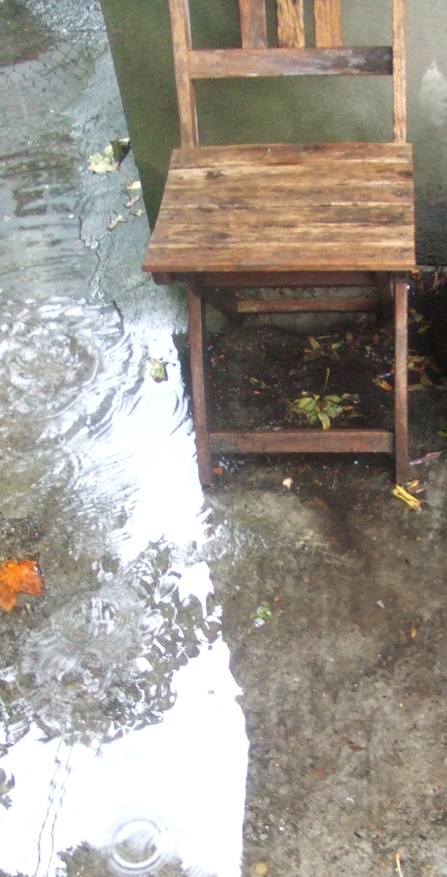

I take pleasure in the way the rain beats its wings on the back of the floating city.
.
The dust comes down. The air is left clean, crossed by leaves of odour, by birds of coolness, by dreams. The sky receives the city that is being born.
.
Streetcars, buses, trucks, people on bicycles and on foot, carts of all colours, street-vendors, bakers, pots of tamales, grilles of baked bananas, balls flying between one child and another: the streets swell, the sounds of voices multiply in the last light of the day hung up to dry.
.
They come out like ants after the rain, to pick up the crumb of the sky, the little straw of eternity to take away to their dark houses, with cuttlefish hanging from the roofs, with weaving spiders under the beds, and with one familiar ghost, at least, in back of some door.
.
Thanks be to you, Mother of the Black Clouds, who have so whitened the face of the afternoon and have helped us to go on loving life.
. . .
Me gustan los aletazos de la lluvia sobre los lomos de la ciudad flotante.
.
Desciende del polvo. El aire queda limpio, atravesado de hojas de olor, de pájaros de frescura, de sueños. El cielo recibe a la ciudad naciente.
.
Tranvías, autobuses, camiones, gentes en bicicleta y a pie, carritos de colores, vendedores ambulantes, panaderos, ollas de tamales, parrillas de plátanos horneados, pelotas de un niño al otro: crecen las calles, se multiplican los rumores en las últimas luces del día puesto a secar.
.
Salen, como las hormigas después de la lluvia, a recoger la migas del cielo, la pajita de la eternidad que han de llevarse a sus casas sombrías, con pulpos colgando del techo, con arañas tejedoras debajo de la cama, y con un fantasma familiar, cuando menos, detrás de alguna puerta.
.
Gracias te son dadas, Madre de las Nubes Negras, que has puesto tan blanca la cara de la tarde y que nos has ayudado a seguir amando la vida.
. . .
Before long you will offer these pages to people you don’t know as though you were holding out a handful of grass that you had cut.
.
Proud and depressed of your achievement you will come back and fling yourself into your favourite corner.
.
You call yourself a poet because you don’t have enough modesty to remain silent.
.
Good luck to you, thief, with what you’re stealing from your suffering – and your loves! Let’s see what sort of image you make out of the pieces of your shadow you pick up.
. . .
Dentro de poco vas a ofrecer estas páginas a los desconocidos como si extendieras en la mano un manojo de hierbas que tú cortaste.
.
Ufano y acongojado de tu proeza, regresarás a echarte al rincón preferido.
.
Dices que eres poeta porque no tienes el pudor necesario del silencio.
.
¡Bien te vaya, ladrón, con lo que le robas a tu dolor y a tus amores! ¡A ver qué imagen haces de ti mismo con los pedazos que recoges de tu sombra!
.
You have what I look for, what I long for, what I love – you have it.
The fist of my heart is beating, calling.
I thank the stories for you.
I thank your mother and your father and death who has not seen you.
I thank the air for you.
You are elegant as wheat,
delicate as the outline of your body.
I have never loved a slender woman
but you have made my hands fall in love,
you moored my desire,
you caught my eyes like two fish.
And for this I am at your door, waiting.
. . .
Tú tienes lo que busco, lo que deseo, lo que amo – tú lo tienes.
El puño de mi corazón está golpeando, llamando.
Te agradezco a lo cuentos,
doy gracias a tu madre y a tu padre,
y a lo muerte que no te ha visto.
Te agradezco al aire.
Eres esbelta como el trigo,
frágil como la línea du tu cuerpo.
Nunca he amado a mujer delgada
pero tú has enamorado mis manos,
ataste mi deseo,
cogiste mis ojos como dos peces.
Por eso estoy a tu puerta, esperando.
. . .
From: Selected Poems of Jaime Sabines: Pieces of Shadow
Translations from Spanish into English © W.S. Merwin (1995)
.
. . .
Jaime Sabines (1926-1999) was born in Tuxtla Gutiérrez in the state of Chiapas, México.
At 19 he moved to México City, studying Medicine for three years, then switching to Philosophy and Literature at UNAM (University of México). He published eight volumes of poetry, including Horal (1950), Tarumba (1956), and Maltiempo (1972), receiving the Xavier Villaurrutia Award for the latter. He was granted the Chiapas Prize in 1959 and the National Literature Award in 1983. He also served as a congressman for Chiapas. Octavio Paz called Sabines one of the handful of poets that comprised the beginning of Modern Latin-American Poetry. For such poets the aim of the poem was not – as before – to invent, rather to explore. In a 1970s interview Sabines observed: “No subject matter can be forced upon the poet. He must be a witness to his times. Must discover reality and recreate it. He should speak of that which he lives and experiences. I feel that a poet must first of all be authentic; I mean by this that there must be a correspondence between his personal world and the world that surrounds him. If you have a mystical inclination – why not write about it? If you live alone and are afflicted by your solitude – why not speak about it, if it is yours? Poetry must bear witness to our everyday lives.”
.
La obra de Jaime Sabines (1926-1999) representa, dentro de la poesía mexicana contemporánea, una isla que se vincula con la realidad a través de puentes inexorables: la muerte, la inquietud social, la angustia por la existencia, la presencia o la ausencia de Dios y – fundamentalmente – el amor. El amor es – en un poema de Sabines – no sólo un sentimiento sino también una herramienta – un clave personal – para comunicarse no sólo con la mujer sino con el mundo. Sabines fue el más notable precursor de la poesía coloquial en América Latina. (Mario Benedetti, 2007)
. . . . .
Ralph Carmichael: “Un lugar tranquilo” / “A Quiet Place”
Posted: October 1, 2013 Filed under: English, Ralph Carmichael, Spanish, Translator's Whimsy: Song Lyrics / Extravagancia del traductor: Letras de canciones traducidas por Alexander Best, ZP Translator: Alexander Best Comments Off on Ralph Carmichael: “Un lugar tranquilo” / “A Quiet Place”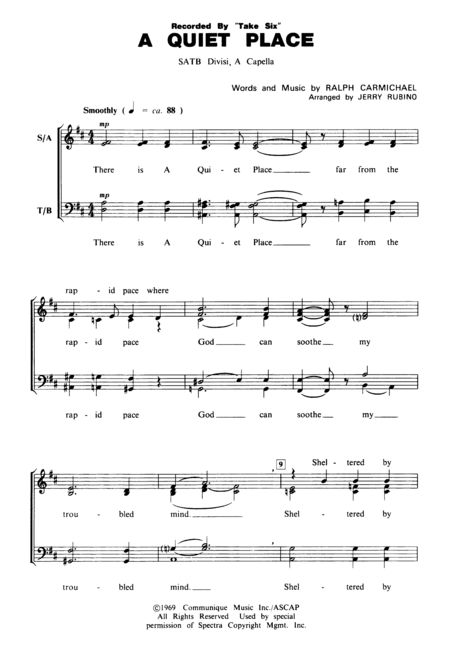
.
Ralph Carmichael (Compositor góspel, nacido 1927)
“Un lugar tranquilo”
.
Hay un lugar tranquilo
lejos del paso raudo
donde Dios puede calmar mi mente afligida.
Guardado por árbol y flor,
está allí que dejo atrás mis penas
durante la hora quieta con Él.
.
En un jardín pequeño
o alta montaña,
Encuentro allí
una nueva fortaleza
y mucho ánimo.
.
Y luego salgo de ese lugar sereno
bien listo para enfrentar un nuevo día
con amor por toda la raza humana.
. . .
Ralph Carmichael es un compositor de canciones ‘pop’ / cristianas contemporáneas.
Su canción “A Quiet Place” (“Un lugar tranquilo”) fue adaptada por un cantautor góspel estadounidense, Mervyn Warren, con su grupo “a capela” cristiano, Take 6, organizado en la Universidad Adventista Oakwood, de Huntsville, Alabama, EE.UU., durante los años 80. El arreglo musical de Señor Warren – hecho para seis voces en 1988 – es exquisitamente dulce y sensitivo. Éste no es el sonido tradicional de la música góspel, sino algo afinado y jazzístico.
Escuche la canción (versión original en inglés) en este videoclip del Festival de Jazz de Vitoria-Gasteiz (País Vasco, 1997):
http://www.youtube.com/watch?v=SH2orpg6ww4
. . .
Ralph Carmichael (born 1927)
“A Quiet Place” (1969)
.
There is a quiet place
far from the rapid pace
where God can soothe my troubled mind.
.
Sheltered by tree and flower
there in my quiet hour with Him
my cares are left behind.
.
Whether a garden small
or on a mountain tall
new strength and courage there I find.
.
And then from that quiet place
I go prepared to face a new day
with love for all mankind.
. . .
Ralph Carmichael is a composer and arranger of both pop music and contemporary Christian songs.
From 1962 to 1964 he arranged music for Nat King Cole, including Cole’s final hit, “L-O-V-E”.
“A Quiet Place” dates from 1969.
Mervyn Warren and Claude McKnight arranged a number of Christian songs – both traditional and “new” – for their six-part-harmony “barbershop”-style Gospel vocal sextet, Take 6.
Take 6 was formed at the Seventh-Day-Adventist college, Oakwood University, in Huntsville, Alabama in the early 1980s.
Mervyn Warren – most especially – is responsible for the exquisitely tender or playful harmonies that characterize Take 6’s unique sound. His 1988 arrangement of “A Quiet Place” is a good example of his genius as arranger. Astonishingly, Warren’s magnificent arrangements were never published or transcribed – all members learned their harmonies “in the moment” – through many hours of vocal jamming and experiment. Warren later left the group because the revelation of his homosexuality put him at cross-purposes with the Seventh-Day-Adventist credo.
Listen to Take 6 perform “A Quiet Place” (Mervyn Warren’s arrangement) on the following YouTube clip from a 1997 concert in Spain at the Festival de Jazz de Vitoria Gasteiz – their unusual Gospel sound is belovéd of Jazz aficionados, too!
http://www.youtube.com/watch?v=SH2orpg6ww4
. . . . .
Véronique Tadjo: “Cocodrilo” / “Crocodile”
Posted: August 27, 2013 Filed under: English, French, Spanish, Véronique Tadjo, ZP Translator: Alexander Best Comments Off on Véronique Tadjo: “Cocodrilo” / “Crocodile”
Véronique Tadjo (nacido en 1955, Paris/Abidjan, Costa de Marfil)
“Cocodrilo”
.
No es la vida fácil ser un cocodrilo
especialmente si no quiere ser un cocodrilo
El coco que usted puede ver – en la página opuesta* –
no es feliz en su
piel de coco
Era su preferencia
ser diferente
Habría preferido
llamar la atención de
Los niños
y jugar con ellos
Platicar con sus padres
Dar paseos
por la aldea
Excepto, excepto, excepto…
.
Cada vez que sale del agua
Los pescadores
tiran lanzas
Los niños
huyen
Las muchachas
abandonan sus jarros
.
Su vida es
una vida
de soledad y de la pena
Vida sin cuate y sin cariño,
sin ningún lugar a visitar
.
En todas partes – Desconocidos
.
Ese cocodrilo
Vegetariano
Un cocodrilo
y bueno para nada
Un cocodrilo
que se siente un
Horror sagrado de la sangre
.
Por favor:
Escríbale,
Escríbale a:
Cocodrilo Amable,
Caleta número 3,
Cuenca del Rio Níger.
.
*La versión original en francés presenta un dibujo hecho por Señora Tadjo.
.
Traducción en español: Alexander Best
. . .
Véronique Tadjo (née en 1955, Paris/Abidjan, Côte d’Ivoire)
“Crocodile”
.
Ce n’est pas facile d’être un crocodile
Surtout si on na’a pas envie
D’être un crocodile
Celui que vous voyez
Sur la page opposée
N’est pas bien
Dans sa peau
De croco
il aurait aimé
Etre different
Il aurait aimé
Attirer
Les enfants
Jouer
Avec eux
Converser
avec les parents
Se balader
Dans
Le village
Mais, mais, mais
.
Quand il sort
De l’eau
Les pêcheurs
Lancent des sagaies
Les gamins
Détalent
Les jeunes filles
Abandonnent leurs canaris
.
Sa vie
Est une vie
De solitude
Et de tristesse
.
Sans ami
Sans caresse
Nulle part
Où aller
.
Partout –
Etranger
.
Un crocodile
Crocodile
Végétarien
Et bon à rien
Qui a
Une sainte horreur
Du sang
.
S’il vous plaît
Ecrivez,
Ecrivez à:
Gentil Crocodile,
Baie Numéro 3,
Fleuve Niger.
. . .
Véronique Tadjo (born 1955, Paris/Abidjan, Ivory Coast)
“Crocodile”
.
It’s not easy to be a crocodile
Especially if you don’t want
To be a crocodile
The one you see
On the opposite page*
Is not happy
in his croc’s
Skin
He would have liked
To be different
He would have liked
To attract
Children
Play
with them
Talk
With their parents
Walk around
in the village
But, but, but
.
When he comes out
Of the water
Fisherman
Throw spears
Children
Take off
Young girls
Abandon their water jugs
.
His life
Is a life
Of solitude
And sadness
.
Without a friend
Without affection
Nowhere
To go
.
Everywhere
Strangers
.
A Crocodile
Vegetarian
Crocodile
And good for nothing
Who has
A holy horror
Of blood
.
Please
Write,
Write to:
Nice Crocodile,
Bay Number 3,
Niger River.
.
*The original French-language version of this poem featured a drawing by Tadjo herself of a crocodile.
. . . . .
Irene Rutherford McLeod: “Perro solitário” / “Lone Dog”
Posted: August 27, 2013 Filed under: English, Irene Rutherford McLeod, Spanish, ZP Translator: Alexander Best Comments Off on Irene Rutherford McLeod: “Perro solitário” / “Lone Dog”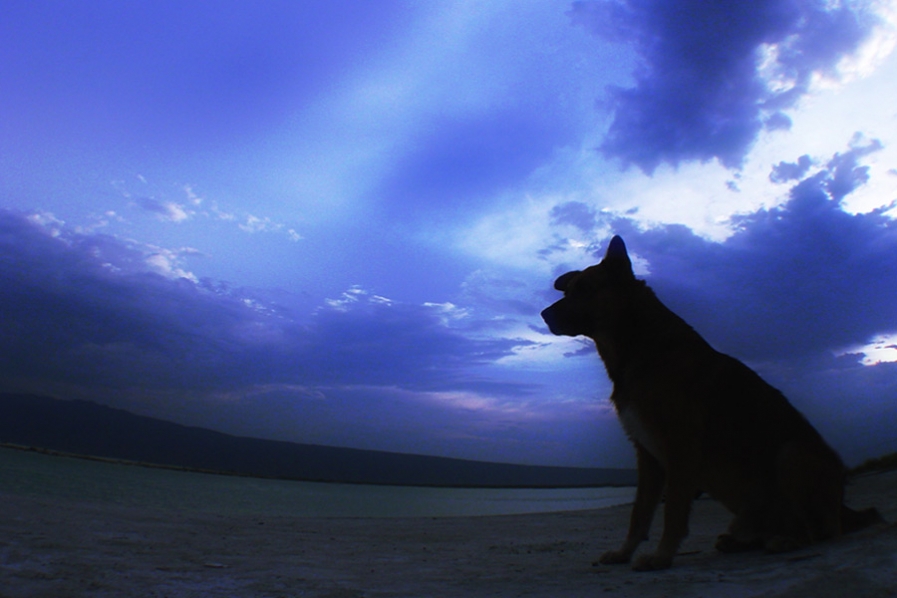 ZP_Perro solitário_Las Playitas_Cuatro Ciénegas_Coahuila_México_fotógrafo Hector Garza
.
Irene Rutherford McLeod (1891-1968)
“Perro solitário”
.
Soy un perro magro, un perro agudo – salvaje y solitário;
Un perro alborotador y firme, estoy cazando yo solo;
Un perro malo – y me cabreo – provocando a los tontos borregos;
Me gusta sentirme y aullar a la luna – para evitar que los almas gordas duerman.
.
Nunca ser un cachorro del regazo o lamer los pies sucios,
Un perrito dócil, elegante, arrastrándome por mi carne,
Ni la alfombrilla del hogar ni el plato bien llenado,
Sino puertas cerradas, piedras afiladas – y golpes, patadas: el odio.
.
Ningunos otros perros – para mí – corriendo hombro a hombro,
Algunos han corrido un rato corto – pero ningunos pueden durar.
El camino solo es mío – ¡Ah! – la senda ardua me parece bien:
¡Viento furioso, estrellas indómitas, el hambre de la búsqueda!
. . .
Irene Rutherford McLeod (1891-1968)
“Lone Dog”
.
I’m a lean dog, a keen dog, a wild dog, and lone;
I’m a rough dog, a tough dog, hunting on my own;
I’m a bad dog, a mad dog, teasing silly sheep;
I love to sit and bay the moon, to keep fat souls from sleep.
.
I’ll never be a lap dog, licking dirty feet,
A sleek dog, a meek dog, cringing for my meat,
Not for me the fireside, the well-filled plate,
But shut door, and sharp stone, and cuff and kick and hate.
.
Not for me the other dogs, running by my side,
Some have run a short while, but none of them would bide.
O mine is still the lone trail, the hard trail, the best –
Wide wind, and wild stars, and hunger of the quest!
.
Traducción del inglés al español / Translation from English into Spanish: Alexander Best
. . . . .
“Quien nace chicharra, muere cantando.”: ¡Las cigarras torontonienses hacen un gran zumbido! / “He who is born a cicada will die singing.”: Torontonian cicadas are right now making a big noise!
Posted: August 25, 2013 Filed under: English, Ernesto Cardenal, Spanish, ZP Translator: Alexander Best Comments Off on “Quien nace chicharra, muere cantando.”: ¡Las cigarras torontonienses hacen un gran zumbido! / “He who is born a cicada will die singing.”: Torontonian cicadas are right now making a big noise!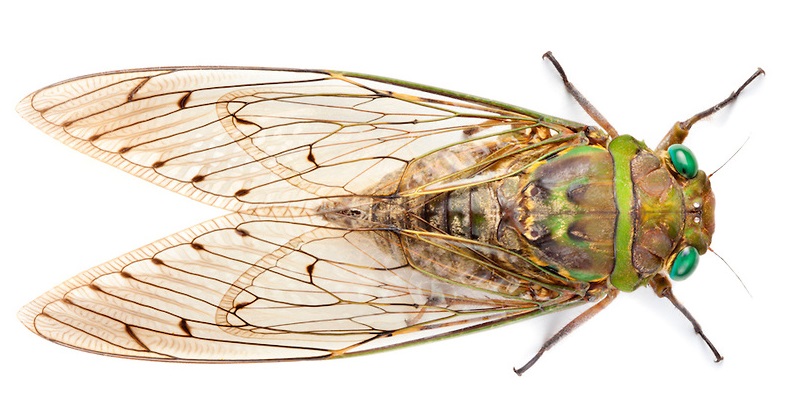 ZP_Cicada from Borneo_© photographer Alex Hyde
.
Después de un mutismo de seis semanas – tiempo fresco en vez del calor típico del verano – empieza de nuevo “la música de cámara de los timbales” – con la recurrencia de temperaturas de 30 grados centígrados. Las cigarras-machos del barrio “cantan” para llamar la atención de sus hembras – y después del apareamiento las cigarras morirán. Pero – como sucede con nuestro aposte de María Elena Walsh (“Como la Cigarra”) – La Cigarra nos inspira metafóricamente – un testigo es el poema siguiente del Padre Ernesto Cardenal…
.
Ernesto Cardenal (poeta, sacerdote y político, nace en 1925, Granada, Nicaragua)
“En Pascua resucitan las cigarras”
.
En Pascua resucitan las cigarras
—enterradas 17 años en estado de larva—
millones y millones de cigarras
que cantan y cantan todo el día
y en la noche todavía están cantando.
Sólo los machos cantan:
las hembras son mudas.
Pero no cantan para las hembras:
porque también son sordas.
Todo el bosque resuena con el canto
y sólo ellas en todo el bosque no los oyen.
¿Para quien cantan los machos?
¿Y porque cantan tanto? ¿Y que cantan?
Cantan como trapenses en el coro
delante de sus Salterios y sus Antifonarios
cantando el Invitatorio de la Resurrección.
Al fin del mes el canto se hace triste,
y uno a uno van callando los cantores,
y después sólo se oyen unos cuantos,
y después ni uno. Cantaron la resurrección.
. . .
After a silence of six weeks – cool weather instead of our typical Torontonian hot summer days – the “tymbal” chamber-music of the male cicadas is back in full force, now that temperatures are hitting 30 degrees celsius once again. The cicada’s “song” attracts a female to mate, and afterwards the cicadas die. And yet, as with our previous post – María Elena Walsh’s “Like a Cicada” – The Cicada inspires us metaphorically; witness the following poem by Father Ernesto Cardenal…
.
Ernesto Cardenal (poet, priest, politician, born 1925, Granada, Nicaragua)
“At Easter-time the cicadas are resurrected”
.
At Easter-time* the cicadas are resurrected
– underground 17 years in a larval state –
millions and millions of cicadas
which sing sing sing all day long
and which, at nightfall, are still singing…
Only the males do so – the females are quiet;
because they are also deaf.
The woods resound with cicada-song
and just the female cicadas – among all of us in the woods – don’t hear it.
For whom do these male cicadas sing then?
And why do they sing so much – and what is it that they are singing?
They sing like Trappist monks in a chorus,
before them their open Book of Psalms and “Antifonarios”,
incanting the Invitatory Psalm of the Resurrection.
After a month or more the cicada-song becomes sad,
and, one by one, the “singers” fall silent,
and then we hear just a few,
and, after that, nary a one.
They have sung the Resurrection.
.
* Perhaps April in a hotter southern climate, but not till July in Canada
.
Traducción en inglés / Translation from Spanish into English: Alexander Best
. . . . .
María Elena Walsh: “Como la cigarra” / “Like the Cicada”
Posted: August 22, 2013 Filed under: English, María Elena Walsh, Spanish Comments Off on María Elena Walsh: “Como la cigarra” / “Like the Cicada”
|
Tricia Postle: Poema (“ya está bien – bastante”) / Poem (“that’s enough of that”)
Posted: August 15, 2013 Filed under: English, Spanish, Tricia Postle Comments Off on Tricia Postle: Poema (“ya está bien – bastante”) / Poem (“that’s enough of that”)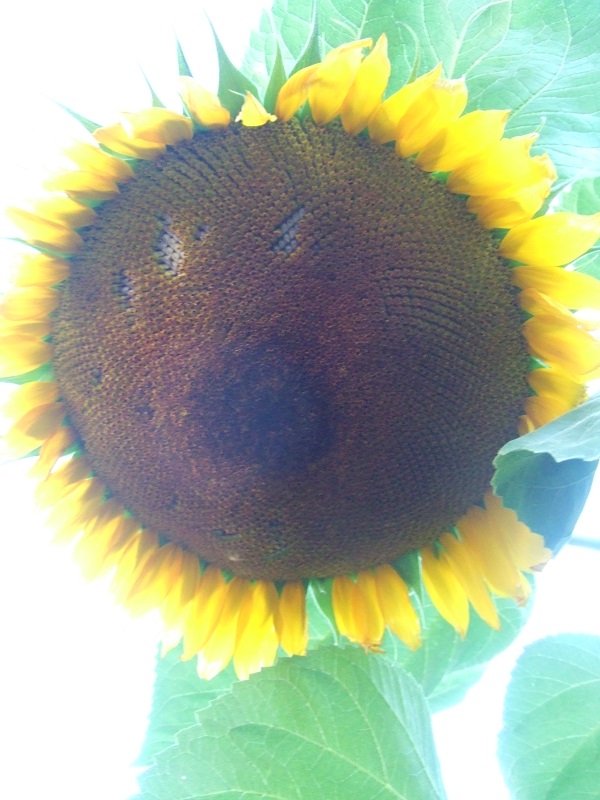
En el patio del fondo los girasoles se inclinan hacia adelante
Tarde de noche, de la puerta, están llamados por sus nombres
los gatos, y yo, jadeante, deduzco que la parcela vallada está
desocupada, la ventana del lado de la casa no tiene indicio de
la camisa amarilla de él, su cuerpo delgado comportando como
pesa de plomo después de su labor del día
.
Lleno de contradicciones, una criatura absurda
más o menos encontrándome contra las cuerdas,
unas diecisiete diferentes,
Ansio el paraíso de la compasión, de la condolencia,
y “ya está bien – bastante”
. . .
The sunflowers lean heavy in the yard
late at night, the cats are called by name
from the door, and breathless I gather
that the yard is empty, the side window
of the house holds no sign of his
yellow shirt, his slim body
carried heavily after a day’s work
.
Full of contradictions, an absurd
creature more or less at the end
of seventeen different ropes
I long for the paradise
of sympathy, condolence,
and “that’s enough of that”
. . .
Tricia Postle es músico y cantante. A ella le interesa la gran variedad musical del mundo, incluso el cancionero occitano, la ópera / la zarzuela, y las canciones exquisitas de Reynaldo Hahn. También toca el “kanun” y ha cantado en una banda “steam-punk”.
. . . . .
Gregory Porter: “Somos pintados sobre un lienzo ” / “Painted on canvases”
Posted: August 14, 2013 Filed under: English, Gregory Porter, Spanish, Translator's Whimsy: Song Lyrics / Extravagancia del traductor: Letras de canciones traducidas por Alexander Best, ZP Translator: Alexander Best Comments Off on Gregory Porter: “Somos pintados sobre un lienzo ” / “Painted on canvases”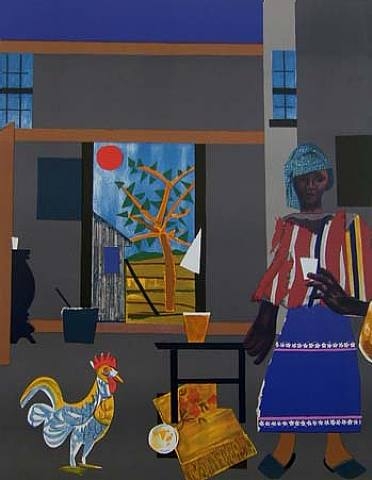 ZP_Romare Bearden (1911-1988)_Morning of the Rooster_1980
.
Gregory Porter (Cantante/compositor de jazz, nacido en 1971, EE.UU.)
“Somos pintados sobre un lienzo ”
.
Somos como niños
Somos pintados sobre un lienzo
logrando los tonos mientras pasamos
Empezamos con el “gesso”
puesto con pinteles por la gente que conocemos
Sea esmerado con la técnica mientras avanza
Se aleja para admirar mi vista
¿Puedo usar los colores que yo elijo?
¿Tengo algo que decir sobre lo que usted usa?
¿Puedo conseguir colores verde y colores azul?
.
Somos hechos del pigmento de pintura que se aplica
Nuestras historias son dichos por nuestros tonos
Como Motley y Bearden
Estos maestros de la paz, de la vida,
Hay capas de colores, del tiempo
Se aleja para admirar mi vista
¿Puedo usar los colores que yo elijo?
¿Tengo algo que decir sobre lo que usted usa?
¿Puedo conseguir unos verde y unos azul?
.
Somos como niños
Somos pintados sobre una gama de lienzos…
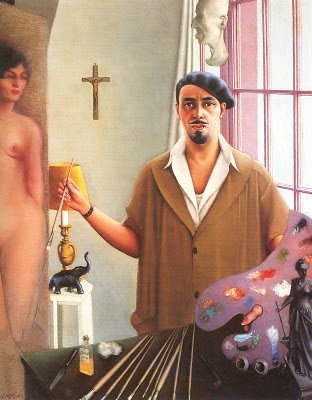 ZP_Archibald John Motley (1891-1981)_Self Portrait_1933
.
Gregory Porter (born 1971, American jazz vocalist/songwriter)
“Painted on canvases”
.
We are like children
we’re painted on canvases
picking up shades as we go
We start off with “gesso”
brushed on by people we know
Watch your technique as you go
Step back and admire my view
Can I use the colours I choose?
Do I have some say what you use?
Can I get some greens and some blues?
.
We’re made by the pigment of paint that is put upon
Our stories are told by our hues
Like Motley and Bearden
these masters of peace and life
layers of colours and time
Step back and admire my view
Can I use the colours I choose?
Do I have some say what you use?
Can I get some greens and some blues?
.
We are like children
We’re painted on canvases…
. . . . .
Maria Bethânia canta letras de Carlos Bahr & Adriana Calcanhotto / Maria Bethânia sings lyrics by Carlos Bahr & Adriana Calcanhotto
Posted: August 13, 2013 Filed under: English, Portuguese, Spanish, Translator's Whimsy: Song Lyrics / Extravagancia del traductor: Letras de canciones traducidas por Alexander Best, ZP Translator: Alexander Best Comments Off on Maria Bethânia canta letras de Carlos Bahr & Adriana Calcanhotto / Maria Bethânia sings lyrics by Carlos Bahr & Adriana Calcanhotto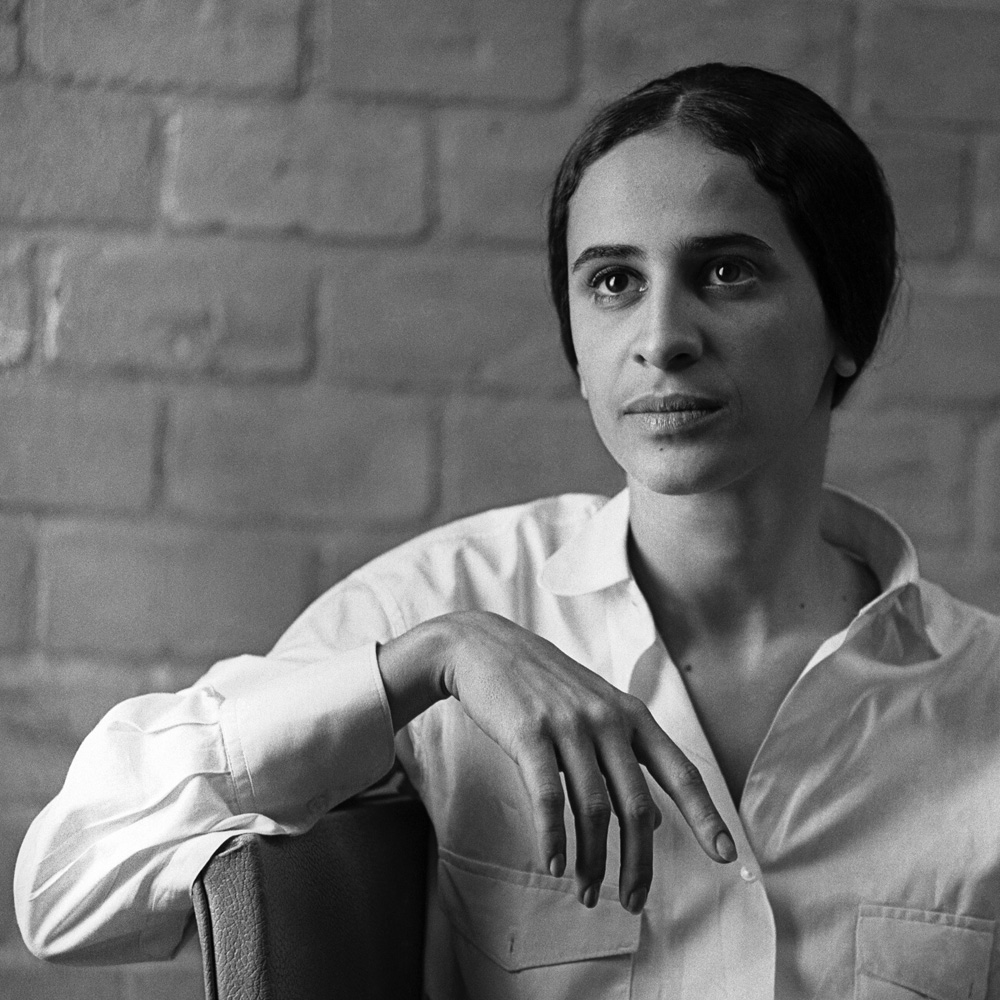 ZP_Maria Bethânia (born 1946), shown here at the age of 21, is a Brazilian singer and sister of Caetano Veloso
.
“Sin” / “Pecado”
Composer / Compositor: Carlos Bahr (Tango lyricist / Letrista de tango, 1902-1984, Buenos Aires, Argentina), with / con: Armando Pontier & Enrique Francini
As sung by / Cantada por: Maria Bethânia (from her album / de su álbum Pássaro Proibido, 1976)
.
I know not
whether this is forbidden;
if there’ll be forgiveness;
or if I’ll be carried to the brink of the abyss.
All that I know:
This is Love.
.
I know not
whether this Love is a sin;
if punishment awaits;
or if it disrespects all the decent laws
of humankind and of God.
.
All that I know: it’s a Love which stuns my Life
like a whirlwind; and
that I crawl, yes crawl, straight to your arms
in a blind passion.
.
And This is stronger than I am, than my Life,
my beliefs, my sense of duty.
It’s even stronger within me than
the fear of God.
.
Though it may be sin – how I want you,
yes, I want you all the same.
And even if everyone denies me that right,
I will seize hold of this Love.
. . .
Yo no sé
Si es prohibido
Si no tiene perdón
Si me lleva al abismo
Sólo se que es amor
.
Yo no sé
Si este amor es pecado
Si tiene castigo
Si es faltar a las leyes honradas
Del hombre y de Dios
.
Sólo sé que me aturde la vida
Como un torbellino
Que me arrastra y me arrastra a tus brazos
En ciega pasión
.
Es más fuerte que yo que mi vida
Mi credo y mi sino
Es más fuerte que todo el respeto
Y el temor a Dios
.
Aunque sea pecado te quiero
Te quiero lo mismo
Aunque todo me niegue el derecho
Me aferro a este amor.
. . .
“After having you” / “Depois de ter você ”
Composer / Composição: Adriana Calcanhotto (born in / nascida em 1965, Porto Alegre, Brasil)
As sung by / Cantada por: Maria Bethânia (from her album / em seu álbum Maricotinha, 2001)
.
After having you,
What reason is there to think of time,
how many hours have passed or remain?
If it’s night or if it’s warm out,
If we’re in summertime;
If the sun will show its face or not?
Or even what reason might a song like this serve?
After knowing you
– Poets? what’s the use of them?
Or of Gods – What purpose Doubts?
– Almond trees along the streets,
even the very streets themselves –
After having had You?
. . .
Depois de ter você,
Para que querer saber que horas são?
Se é noite ou faz calor,
Se estamos no verão,
Se o sol virá ou não,
Ou pra que é que serve uma canção como essa?
Depois de ter você, poetas para quê?
Os deuses, as dúvidas,
Para que amendoeiras pelas ruas?
Para que servem as ruas?
Depois de ter você.
. . .
Traducción/interpretación en inglés / Translation-interpretation from Spanish into English: Alexander Best
Tradução/interpretação em inglês / Translation-interpretation from Portuguese into English: Alexander Best
. . .
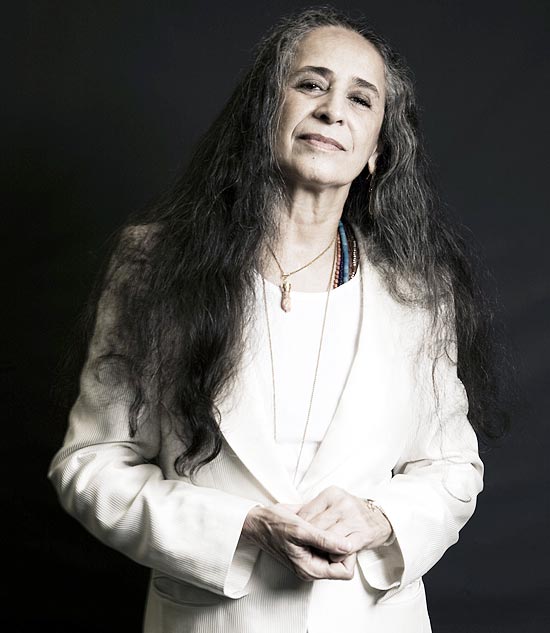 ZP_Maria Bethânia in 2010
. . . . .
 Zócalo Poets