Nezahualcoyotzin: in xochitl in cuicatl / Nezahualcóyotl: su “flor y canto”(poesía náhuatl)…y poemas del siglo xxi, inspirados en él
Posted: August 19, 2012 Filed under: Náhuatl, Nezahualcóyotl, Nezahualcoyotzin: in xochitl in cuicatl / Nezahualcóyotl: su "flor y canto"(poesía náhuatl) y poemas del siglo xxi - inspirados en él, Spanish | Tags: Poemas a Nezahualcóyotl, Poemas de Nezahualcoyotzin Comments Off on Nezahualcoyotzin: in xochitl in cuicatl / Nezahualcóyotl: su “flor y canto”(poesía náhuatl)…y poemas del siglo xxi, inspirados en él
Nezahualcoyotzin (1402-1472)
Amoxcalco pehua cuica
.
Amoxcalco pehua cuica
yeyecohua Yehuaya
quimoyahua xochitl
on ahuia cuicatl.
Oha mayya hue hahuayya … Ohuaya Ohuaya.
*
Icahuaca cuicatl
oyohualli ehua-tihuitz
zan quinanquiliya
toxochayacach
quimoyahua xochitl
on ahuia cuicatl.
*
Xochiticpac cuica
in yectli cocoxqui
ye con ya totama
a-itec.
Ho ilili yaha ilili yio
hui ohui ohui … Ohuaya Ohuaya.
*
Zan ye con nanquilia
in nepepan quechol
in yectli quechol
in huel ya cuica
ha ilili yaha ililili
ohui ohui ohui … Ohuaya Ohuaya.
*
Amoxtlacuilol in moyollo
tocuicaticaco in tictzotzona in mohuehueuh
in ticuicanitl
xopan cala itec,
in tonteyahuiltiya.
Yao yli yaha ilili lili iliya ohama hayya … Ohuaya Ohuaya.
*
Zan tic moyahua
in puyuma xochitli
in cacahua xochitli
in ticuicanitl
xopan cala itec
in tonteyahuiltiya
Yao ya oli yaha ilili lili iliya ohama … Ohuaya Ohuaya.
*
Xochitli tic ya mana
in nepapan xochitli
ic zan tonteyahuiltiya
ti tepiltzan o ti Nezahualcoyotzin
ah noyol quimati
momaco on maniya
timocozcatiya
xopan in xochitli.
No ama ha om hama hay yaha … Ohuaya Ohuaya.
*
Zan moch ompa ye huitze
onmeyocan ilhuicatli itec
o ica tonteyahuiltiya
ti tepiltzin o ti Nezahualcoyotzin
ah noyol quimati
momaco on maniya
timocozcatiya
xopan in xochitli.
_____
Nezahualcóyotl
(El rey-poeta de Texcoco, 1402-1472)
Un Libro de Canto es tu Corazón
.
En casa de musgo acuático
comienza a cantar,
ensaya su canto.
Derrama flores:
deleita el canto.
*
Repercute el canto,
suenan ligeros los cascabeles:
les responden nuestras sonajas floridas.
Derrama flores:
deleita el canto.
*
Canta sobre las flores
el hermosos faisán:
ya despliega su canto
dentro del agua.
*
Le responden los variados pájaros rojos,
los hermosos pájaros rojos:
bellamente cantan.
*
Un libro de cantos es tu corazón:
has venido a hacer oír tu canto,
tañendo estás tu atabal.
Eres cantor:
entre flores de primavera
deleitas a las personas.
*
Ya estás repartiendo
flores de fragrancia embriagadora,
flores preciosas:
eres cantor:
entre flores de primavera
deleitas a las personas.
*
Flores ofreces,
variadas flores:
con ellas deleitas a los hombres,
oh príncipe Nezahualcóyotl:
ah, mi corazón lo saborea:
se dan y perduran:
con ellas te haces un collar,
con flores primaverales.
*
De allá sólo vienen todas
del sitio de la Dualidad,
de dentro del cielo:
con ellas deleitas a los hombres,
oh príncipe Nezahualcóyotl:
ah, mi corazón lo saborea:
se dan y perduran:
con ellas te haces un collar,
con flores primaverales.
.
Traducción del náhuatl al español: Ángel M. Garibay (1972)
_____
Nezahualcoyotzin
Nitlayocoya, Nicnotlamatiya
.
Nitlayocoya, nicnotlamatiya,
zan nitepiltzin Nezahualcoyotl.
Xochitica ye ihuan cuicatica
niquimilnamiqui tepilhuan,
ayn oyaque,
yehua Tezozomoctzin, o yehuan Cuacuauhtzin
*
Oc nellin nemoan,
quenonamican.
¡Maya niquintoca in intepilhuan,
maya niquimonitquili toxochiuh!
ma ic ytech nonaci,
yectli yan cuicatl in Tezozomoctzin.
O ayc ompolihuiz in moteyo,
¡nopiltzin, Tezozomoctzin!,
anca za ye in mocuic a yca
Nihualchoca,
yn zan hihualicnotlamatico,
nontiya.
*
Zan nihualayocoya, nicnotlamati.
Ayoquic, ayoc,
quenmanian,
titechyaitaquiuh in tlalticpac,
yca, nontiya.
*
Nezahualcóyotl
Recuerdo de Tezozomoctzin y Cuacuauhtzin
.
Estoy triste, me aflijo,
yo, el señor Nezahualcoyotl.
Con flores y con cantos
recuerdo a los príncipes,
a los que se fueron,
a Tezozomoctzin, a Cuacuauhtzin.
*
En verdad viven,
allá en donde de algún modo se existe.
¡Ojalá pudiera yo seguir a los príncipes,
llevarles nuestras flores!
¡Si pudiera yo hacer míos
los hermosos cantos de Tezozomoctzin!
Jamás perecerá tu renombre,
¡oh, mi señor, tú, Tezozomoctzin!
Así, echando de menos tus cantos,
me he venido a afligir,
sólo he venido a quedar triste,
yo a mí mismo me desgarro.
*
He venido a estar triste, me aflijo.
Ya no estás aquí, ya no,
en la región donde de algún modo se existe,
nos dejaste sin provisión en la Tierra,
por esto, a mí mismo me desgarro.
Traducción del náhuatl al español:
.
Miguel León-Portilla (1972)
_____
Yoyontzin (Nezahualcoyotzin)
Yeccan tinemico xochipan…
.
Yeccan tinemico xochipan tinemico,
ah in tocnihuan.
¡Ma yuhcan quentetl,
ma on nemohua!
*
In zan in ni Yoyon*
ye nican paqui
toyollo tixco timatico
yectli totlatol
ah in tochihuan.
In zan achico.
¡Ma yuhcan quentetl,
ma on nemohua!
.
*Yoyon = Yoyontzin = Nezahualcoyotzin
_____
Vivimos en buen tiempo
por Yoyotzin (nombre honorífico de Nezahualcóyotl)
.
¡Vivimos en buen tiempo, vivimos sobre flores,
oh amigos!
¡Aunque así es un momento,
que así se viva!
*
Yo soy Yoyon*:
aquí me alegro.
Nuestra cara, nuestro corazón vinimos a conocer:
bellas son nuestras palabras,
oh amigos.
¡Sólo por breve tiempo!
¡Aunque así es un momento,
que así se viva!
.
*Yoyon=Yoyotzin=Nezahualcóyotl
Traductor: Ángel M. Garibay
_____
Nezahualcoyotzin
In zan o ihui tinemi
.
In zan o ihui tinemi
zan cuel achic in motloc
monahuac in ipalnemohuani.
Ni hual neiximacho
tlalticpac ye nican.
Ayac mocahuaz:
Quetzalli ya pupuztequi
in tlacuilolli zan no pupulihui
xochitl a cuitlahui:
ixquich ompa ya huicalo
ye ichan.
*
Nezahualcóyotl
Vida fugaz
.
¡Así es como vivimos!:
breve instante a tu lado,
junto a ti, Autor de la Vida:
vine a que me conozcan
aquí, sobre la Tierra.
¡Nadie habrá de quedarse!:
Plumas de quetzal se hacen trizas,
pinturas se van destruyendo,
las flores, se marchitan.
¡Todo es llevado allá
a la casa del Sol!
.
Traductor: Ángel M. Garibay
_____
Nezahualcoyotzin
Ah tlamiz noxochiuh
.
Ah tlamiz noxochiuh
Ah tlamiz nocuic
In nocon ya ehua
Zan nicuicanitl.
*
Xexelihui moyahua
Cozahuia xochitl:
Ye on calaquilo
Zacuan calitic.
*
Nezahualcóyotl
No acabarán mis flores
.
No acabarán mis flores,
no acabarán mis cantos:
yo los elevo:
no más soy un cantor.
*
¡Se reparten, se difunden,
amarillecen las flores:
ya son llevadas
dentro de una mansión de doradas plumas!
.
Traductor: Ángel M. Garibay
*_____*_____*_____*_____*
Cuatro poetas contemporáneos
inspirados en la poesía “flor y canto” del rey-poeta azteca, Nezahualcóyotl
*
Raúl Cáceres Carenzo
Canto al rey poeta
.
Príncipe Nezahualcóyotl,
con tus versos escribo
este poema:
Nuestro corazón esparce cantos,
irradia flores
en la mitad de la noche.
*
En la casa de las pinturas
nos encontramos nuevamente:
la hermandad de los amigos,
la comunidad,
la nobleza.
*
Tu canto resuena de nuevo.
Nuestras cascabelas se hacen oír.
Nuestras sonajas floridas,
nuestros atabales
responden a tu canto
Alegra nuestros corazones.
Derrama flores.
Esparce el canto.
*
Libro de pinturas es tu corazón.
En la casa de la primavera resuenan tus cantos.
*
Aquí lo entiende entonces mi corazón:
Oigo una flor/Veo el canto
*
En el libro de pinturas del poeta hallamos
al Dador de la vida.
Con flores escribes, Príncipe Nezahualcóyotl:
con cantos das color,
con cantos sombreas
A los que han de vivir en la tierra.
*
Sólo en tu libro de pinturas vivimos.
Así lo comprende hoy mi corazón.
_____
Uriel Valencia
La canción de Dirse
.
1. Junto a los pájaros la lluvia del tiempo/
a la hora en que el viento guarda lo que la vida trae
alguien esconde el polen herido de la tarde/
a la hora en que la soledad reposa
su despiadada ofrenda/
a la hora en que tú creces
llena de esta ternura de azogue/
en algún sitio
mi locura
el jazz intermitente que submerge en alcohol
la tristeza/
entonces habla de Dirse/
del origen que transita tu nombre/
del galope azul el llanto/
a la hora en que la noche abre el frío de la espera
la lluvia agonizante las veredas secretas
del miedo descubre/
entonces/y sólo entonces/cuando la poesía escribe/
emerges/
transitas la sangre/
descifras
las espuelas sublimes del deseo.
.
2. aquí encendimos por ti los caminos de la brisa/
aquí del amor sus barcos/
de la palabra su leve aventura/
aquí los pasadizos
y túneles báquicos del íntimo orgasmo/
sus himnos de guerra/
.
3. tengo junto la vida que es todo lo que tengo/
todo lo que acecha ceniza ungida de milagros/
de barro este puñal de asombro/
en el viento la palabra que es todo lo que tengo/
la piel y el vino aterido de sombras/
pero en ti todo lo que es mío y te habla
*
aquí los días del asedio que en esta noche enumeras/
rastreándome hierve descalzo el silencio
en el llano/
en los dinteles de la historia/
*
aquí todas las inscripciones y telúricos dardos
y junto a ti/
¡Oh Dirse!/
la poesía que es todo lo que tengo…
_____
Yamilé Paz Paredes
Pintar tu canto
(A Nezahualcóyotl)
.
Ponme como la flor de leche
sobre tu frente
Ponme como la flor rosada del cacao
sobre tu pecho
Ponme como la flor de maíz amarillo
alrededor de tu cintura
*
Sólo en las flores hay encuentro
Sólo en las flores hay abrazo
Sólo en las flores hay reunión
*
El canto de los poetas es un inmenso
ramo de flores
Y el poema es una flor
*
Ponme como la flor del amanecer
sobre tu boca
No te sacies de flores
que no se sacie nunca de flores y de canto
tu corazón
Píntame en el interior de una piel de venado
con tinta negra y roja
Con esa doble tinta con la cual los poetas
hacen cantar los códices
Ponme como la flor de girasol
sobre tu voz
Que no se desgrane
Que no se marchite
Que no se quiebre esa flor
*
Derrámame en la tierra
como un canto florido
Fecúndame en la noche
como el viento de estío
Ponme como una flor de luna
sobre tu corazón.
_____
Sergio García Díaz
Este Coyote
.
Este Coyote humedece sus belfos.
Lame palabras caramelo.
Persigue zorritas confundido.
Tiene hambre, pero dice que está en ayuno.
*
Es un estratega, tiene sueños.
Separa las aguas saladas de las dulces.
Riega jardines y se baña tres veces al día.
Toma pulque, duerme y las estrellas lo arrullan.
Cien mujeres esperando están.
*
Es guerrero, tiene lanza, rodela y mira desde lejos
al que viene y al que va.
Sube al monte y en una piedra construye anáforas.
Se comunica con la humanidad.
*
Sus lágrimas llenan cuencas que se desbordan;
secas, son salitre y, en marzo, remolinos
que se van.
El caos es su fuerza
y la metáfora su forma de comunicar.
*
Le dicen Coyote
porque platica con la luna
y en ayunas
construye una ciudad.
*
Territorio simbólico,
espacio abierto, tiempo inmóvil,
vasta geografía,
mítica, sagrada.
*
Coatlicue:
zurce los amplios pliegues del tejido social,
muere por nosotros, aquí, en la hora,
de nuestra vida, amén.
*
Coyote,
símbolo de lujuria
cobijo de los desvalidos,
soledad acompañada de monólogos internos.
*
Lluvia de colores,
mural de perros:
axolotl, escuincles,
coyote en ayuno.
*
Coyote,
aúlla por nosotros,
hermanito,
camarada.
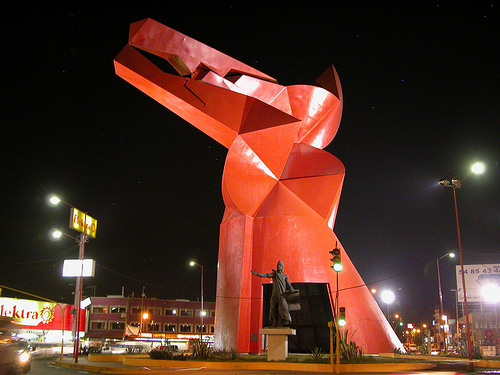
La selección de poemas contemporáneos está del libro conmemorativo – “Tú vivirás para siempre: poemas a Nezahualcóyotl” © 2002, Francisco Javier Estrada, editor
“The Shyp of Folys of the Worlde” (1509), translated by Alexander Barclay from Sebastian Brant’s “Das Narrenschiff” (1494)
Posted: August 16, 2012 Filed under: Alexander Barclay, English: Late Mediaeval - Early Renaissance, Sebastian Brant Comments Off on “The Shyp of Folys of the Worlde” (1509), translated by Alexander Barclay from Sebastian Brant’s “Das Narrenschiff” (1494)The Ship of Fools was as popular in its English dress as it had been in its original German garb. Here was a new satirical literature, itself a product of the mediaeval conception of The Fool. But now the figures are no longer abstractions; they are concrete examples of Folly: of the bibliophile who collects books but learns nothing from them, of the evil judge who takes bribes, of the procrastinator, of those who eagerly follow fashion, etc…
Das Narrenschiff (The Ship of Fools) by German humanist and satirist Sebastian Brant (1457-1521) was first printed in 1494, with woodblock prints illustrating each of his 113 varieties of Fool. In the next decade and a half the book was translated into several European languages – a “popular” book in its day, when the technology of the printing press was in its infancy.
The Ship of Fools’ verses describe sins and vices, really, rather than follies, and Brant’s didactic tone is reflected in Alexander Barclay’s translation. The Scottish Barclay (1476-1552) took the liberties that only a poet – and a translator – can, in the fact that Barclay translated “oute of Laten, Frenche, and Doche…sometyme addynge, sometyme detractinge and takinge away suche thinges as semeth me necessary and superflue.”
Barclay’s poem/translation is written in the ordinary Chaucerian stanza, using language which was in fact more modern than the common literary English of his day (1509).

Excerpt from Alexander Barclay’s
“The Shyp of Folys of the Worlde”(1509)
“Of tale berers, fals reporters, and prometers of stryfes”
Some ar that thynke the pleasoure and ioy of theyr lyfe
To brynge men in brawlynge to discorde and debate
Enioynge to moue them to chydynge and to stryfe
And where loue before was to cause mortall hate
With the comonty, and many great estate
Suche is moche wors than outher murderer or thefe
For ofte of his talys procedeth grete myschefe
Within his mouth is venym Jeperdous and vyle
His tonge styll laboryth lesynges to contryue
His mynde styll museth of falshode and on gyle
Therwith to trobyll suche as gladly wolde nat stryue
Somtyme his wordes as dartis he doth dryue
Agaynst good men: for onely his delyte.
Is set to sclaunder to diffame and bacbyte.
And namely them that fautles ar and innocent.
Of conscience clene, and maners commendable
These dryuyls sclaunder, beynge full dilygent.
To deuyde, louers that ar moste agreable
His tonge Infect his mynde abhomynable
Infectyth loue and ouertourneth charyte
Of them that longe tyme haue lyuyd in amyte
But he that accused is thus without all faute
And so sclaundred of this caytyf vnthryfty
Knowyth nought of this ieoperdous assaute
For he nought dowteth that is no thynge fauty
Thus whyle he nought feryth comyth sodaynly
This venemous doloure distaynynge his gode name
And so gyltles put to rebuke, and to shame.
Thus if one serche and seke the worlde ouerall
Than a backbyter nought is more peryllous
His mynde myscheuous, his wordys ar mortall
His damnable byt is foule and venemous
A thousande lyes of gyles odyous
He castyth out where he wolde haue debate
Engendrynge murder whan he his tyme can wayt
Where as any frendes lyueth in accorde
Faythfull and true: this cowarde and caytyf
With his fals talys them bryngeth to dyscorde
And with his venym kepeth them in stryfe
But howe beit that he thus pas forth his lyfe
Sawynge his sede of debate and myschefe
His darte oft retourneth to his own reprefe
But nat withstandynge, suche boldely wyl excuse
His fals dyffamynge: as fautles and innocent.
If any hym for his dedes worthely accuse
He couereth his venym: as symple of intent.
Other ar whiche flater: and to euery thynge assent.
Before face folowynge the way of adulacion,
Whiche afterwarde sore hurteth by detraccion.
The worlde is nowe alle set on dyffamacion.
Suche ar moste cherisshed that best can forge a tale.
Whych shulde be moste had in abhomynacion.
And so they ar of wyse men without fayle.
But suche as ar voyde of wysdom and counsayle
Inclyneth theyr erys to sclander and detraccion,
Moche rather than they wolde to a noble sermon.
But euery Sclanderer, and begynner of stryfe.
Lousers of loue, and infecters of Charite.
Unworthy ar to lyue here at large in this lyfe.
But in derke Dongeon they worthy ar to be.
And there to remayne in pryson tyl they dye.
For with there yl tunges they labour to destroy
Concorde: whiche cause is of loue and of ioy.
An olde quean that hath ben nought al hyr dayes.
Whiche oft hath for money hyr body let to hyre
Thynketh that al other doth folowe hyr olde wayes.
So she and hyr boul felawes syttinge by the fyre.
The Boule about walkynge with theyr tunges they conspyre
Agaynst goode peple, to sclander them wyth shame.
Than shal the noughty doughter lerne of the bawdy dame.
By his warkes knowen is euery creature
For if one good, louynge, meke and charitable be.
He labours no debates amonge men to procure.
But coueyteth to norysshe true loue and charite.
Where as the other ful of falshode and iniquyte
Theyr synguler plesour put to ingender variaunce.
But oft theyr folysshe stody retournes to theyr myschaunce
Therfore ye bacbyters that folke thus dyffame
Leue of your lewdnes and note wel this sentence.
Which Cryist hymself sayd: to great rebuke and shame
Unto them that sclandreth a man of Innocence.
Wo be to them whych by malyuolence
Slandreth or dyffameth any creature.
But wel is hym that wyth pacience can indure.
De ayer al porvenir: ¡Viva Zapata! y ¡Viva El Zapatista!
Posted: August 8, 2012 Filed under: Spanish | Tags: Poemas a Emiliano Zapata Comments Off on De ayer al porvenir: ¡Viva Zapata! y ¡Viva El Zapatista!
Emiliano Zapata Salazar (1879 – 1919), conocido como “El Caudillo del Sur”, fue uno de los líderes militares más importantes durante la Revolución Mexicana; tambien fue un símbolo de la resistencia campesina en México.
Hoy – el 8 agosto – es su cumpleaños.
Anónimo
A Zapata
Zapata fue un héroe
de gran corazón,
a los campesinos
les dio protección.
Al hombre del campo
le dio la parcela,
y a los niños pobres
les brindó la escuela.
Él fue muy valiente
en la rebelión,
pues formó el ejido
por nuestra nación.
Murió asesinado
por el mes de abril,
dejando el recuerdo
de un hombre viril.
_____
Eduardo Guerrero
Muerte de Zapata
Voy a cantar un gustito
que vale la pura plata,
donde les doy la noticia
de la muerte de Zapata.
*
¡Adiós, montes del Ajusco
adiós, cerros del Jilguero,
adiós, montañas y cuevas
donde anduve de guerrero!
*
Me trataron con respeto
todos mis soldados leales,
para ellos no había tormento.
Adiós, firmes generales.
*
Adiós, muy heroica Cuautla,
adiós torres de Morelos
adiós las de Tenepantla,
pues ya nunca nos veremos.
*
Adiós los que me ayudaron
los nueve años de batalla,
en que nos vimos cubiertos
por la terrible metralla.
*
Adiós, mi señora madre,
adiós, todos mis chamacos,
adiós, todos mis amigos,
les encargo a mis muchachos.
*
Muerto está ya el guerrillero
que a ninguno respetó,
pues a Madero y Carranza
bastante guerra les dio.
*
Hoy de todos se despide
con tristísima amargura
y pide que no lo olviden
en su oscura sepultura.
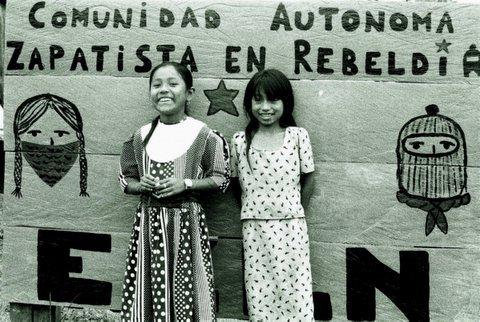
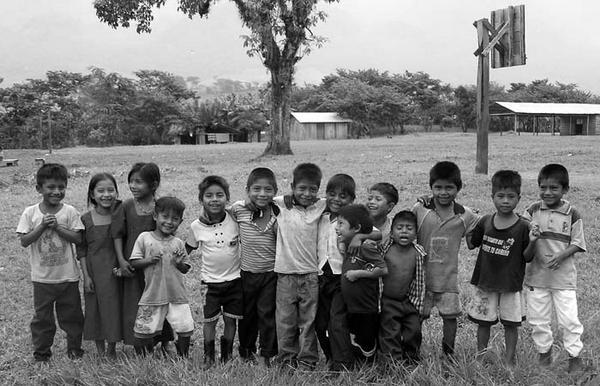
Versos atribuidos a Subcomandante Marcos del EZLN:
Instrucciones para Cambiar el Mundo
1. Constrúyase un cielo más bien cóncavo. Píntese de verde o de café, colores terrestres y hermosos. Salpíquese de nubes a discreción.
Cuelgue con cuidado una luna llena en occidente, digamos a tres cuartas sobre el horizonte respectivo. Sobre oriente inicie, lentamente, el ascenso de un sol brillante y poderoso. Reúna hombres y mujeres, hábleles despacio y con cariño, ellos empezarán a andar por sí solos. Contemple con amor el mar. Descanse el séptimo día.
2. Reúna los silencios necesarios.
Fórjelos con sol y mar y lluvia y polvo y noche. Con paciencia vaya afilando uno de sus extremos. Elija un traje marrón y un pañuelo rojo. Espere el amanecer y, con la lluvia por irse, marche a la gran ciudad.
Al verlo, los tiranos huirán aterrorizados, atropellándose unos a otros.
Pero, ¡no se detenga! La lucha apenas se inicia.
* * * * *
Instrucciones para Hacer una Canción
Inicialmente no es forzoso saber las notas, las rimas y ritmos. Basta con empezar a tararear alguna vieja tonada que recuerde. Repítala hasta que nada tenga que ver con la original. La letra es lo de menos, porque poemas sobran. Pero, por las dudas, cuide que nadie lo escuche – críticos también sobran…
Pier Paolo Pasolini: Versi dedicati a Marilyn Monroe
Posted: August 5, 2012 Filed under: Italian, PierPaolo Pasolini | Tags: Poems about Marilyn Monroe Comments Off on Pier Paolo Pasolini: Versi dedicati a Marilyn Monroe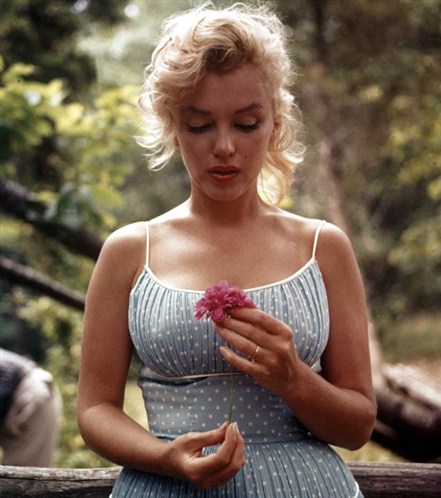
Pier Paolo Pasolini (1922-1975)
Versi dedicati a Marilyn Monroe
(morì 5 agosto 1962)
Del mondo antico e del mondo futuro
era rimasta solo la bellezza, e tu,
povera sorellina minore,
quella che corre dietro i fratelli più grandi,
e ride e piange con loro, per imitarli,
tu sorellina più piccola,
quella bellezza l’avevi addosso umilmente,
e la tua anima di figlia di piccola gente,
non ha mai saputo di averla,
perché altrimenti non sarebbe stata bellezza.
*
Il mondo te l’ha insegnata,
cosi la tua bellezza divenne sua.
Del pauroso mondo antico e del pauroso mondo futuro
era rimasta sola la bellezza, e tu
te la sei portata dietro come un sorriso obbediente.
L’obbedienza richiede troppe lacrime inghiottite,
il darsi agli altri, troppi allegri sguardi
che chiedono la loro pietà! Così
ti sei portata via la tua bellezza.
*
Sparì come un pulviscolo d’oro.
Dello stupido mondo antico
e del feroce mondo futuro
era rimasta una bellezza che non si vergognava
di alludere ai piccoli seni di sorellina,
al piccolo ventre così facilmente nudo.
E per questo era bellezza, la stessa
che hanno le dolci ragazze del tuo mondo…
le figlie dei commercianti
vincitrici ai concorsi a Miami o a Londra.
*
Sparì come una colombella d’oro.
*
Il mondo te l’ha insegnata,
e cosi la tua bellezza non fu più bellezza.
Ma tu continuavi a essere bambina,
sciocca come l’antichità, crudele come il futuro,
e fra te e la tua bellezza posseduta dal Potere
si mise tutta la stupidità e la crudeltà del presente.
La portavi sempre dietro come un sorriso tra le lacrime,
impudica per passività, indecente per obbedienza.
*
Sparì come una bianca colomba d’oro.
*
La tua bellezza sopravvissuta dal mondo antico,
richiesta dal mondo futuro, posseduta
dal mondo presente, divenne un male mortale.
*
Ora i fratelli maggiori, finalmente, si voltano,
smettono per un momento i loro maledetti giochi,
escono dalla loro inesorabile distrazione,
e si chiedono: “E’ possibile che Marilyn,
la piccola Marilyn, ci abbia indicato la strada?”
*
Ora sei tu,
quella che non conta nulla, poverina, col suo sorriso,
sei tu la prima oltre le porte del mondo
abbandonato al suo destino di morte.
(1963)
“Come, leh we jump up!” The Roots of Toronto Caribbean Carnival (“Caribana”): Calypso from Trinidad and Tobago
Posted: August 4, 2012 Filed under: David Rudder, English: Trinidadian Comments Off on “Come, leh we jump up!” The Roots of Toronto Caribbean Carnival (“Caribana”): Calypso from Trinidad and Tobago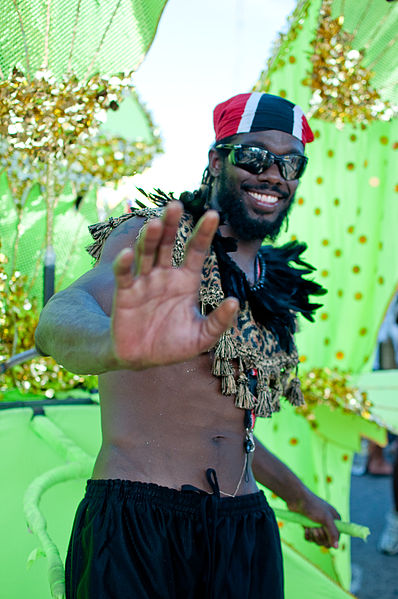
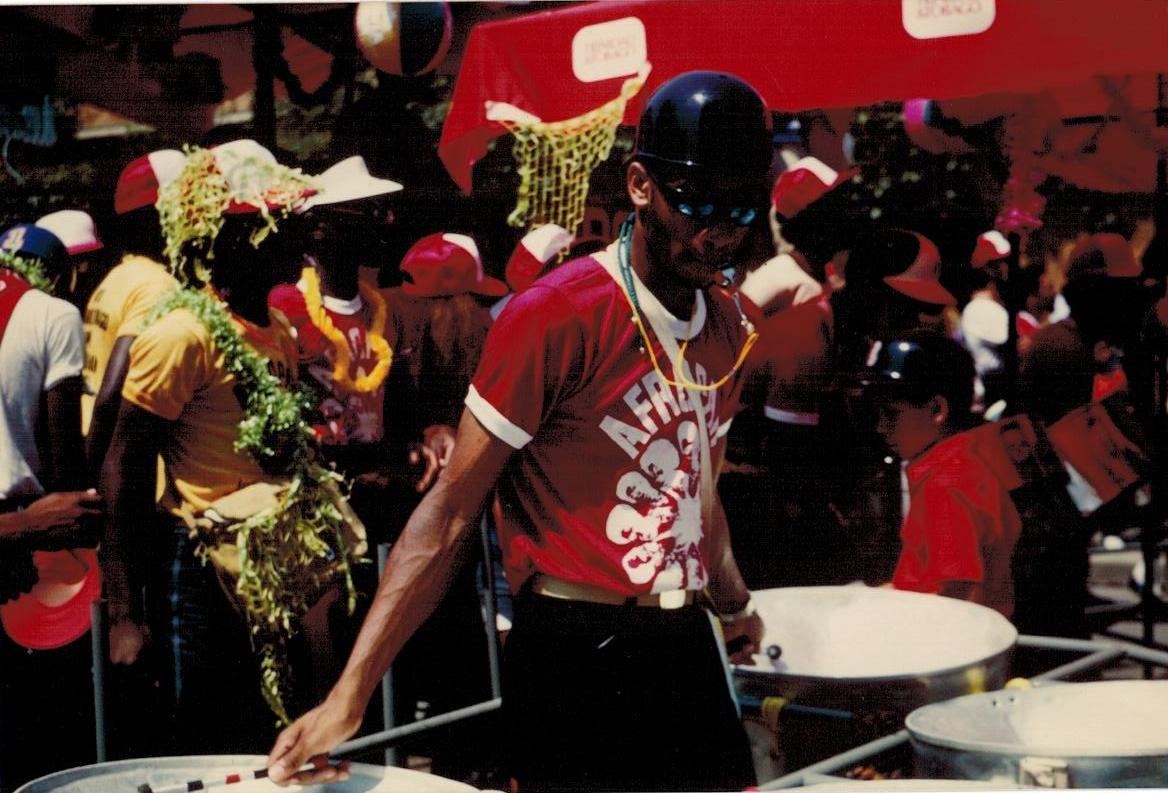
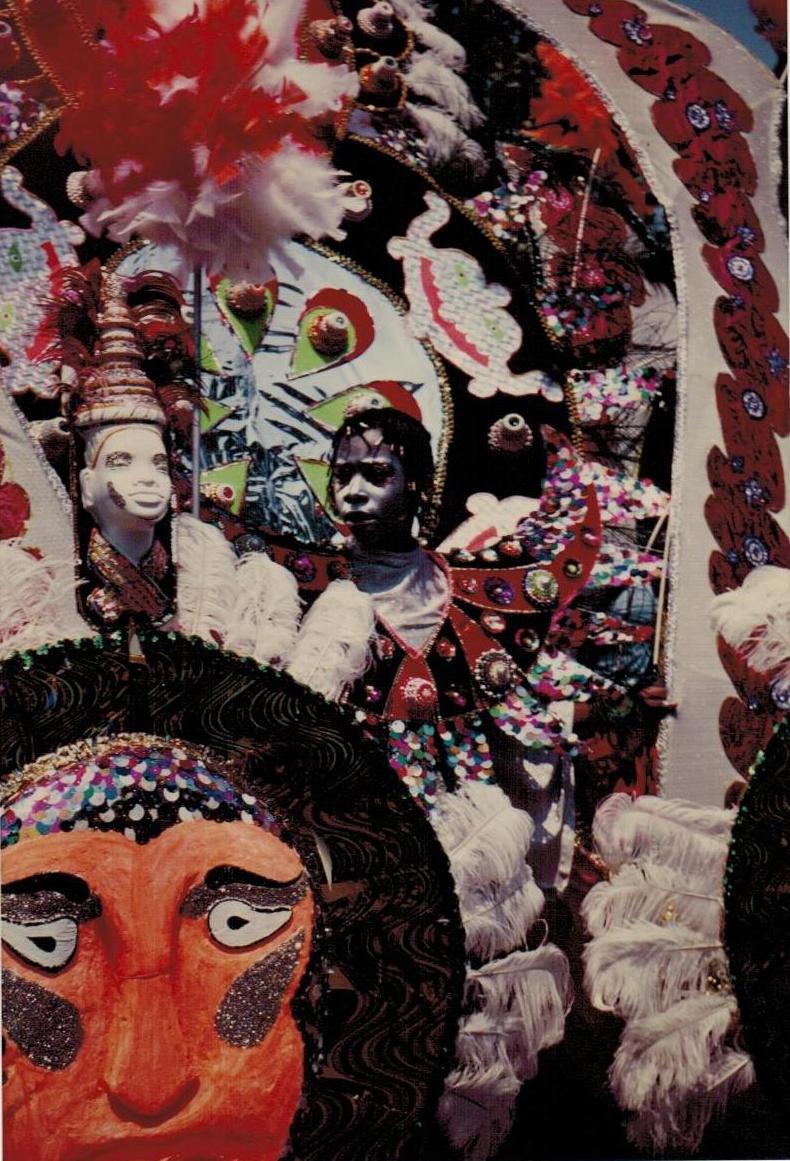
Today marks the 45th anniversary of Toronto, Canada’s, original Caribbean festival, started in 1967 by a handful of energetic Trinidadians who had settled in the city. What began as a simple parade of a few hundred on McCaul Street evolved into a massive day-long Jump-Up attracting a million-plus people, where the line between spectator and participant was often invisible – crowds following Charlie’s Roots, Catelli All-Stars or Toronto’s own AfroPan steel orchestra all along the parade route – holding up ‘streetcars’(trams) and causing traffic snarls on the Saturday of the Simcoe Day long weekend. Brass bands on flatbed trucks playing whichever year’s Road March or Calypso/Soca Top Ten, interspersed with costumed revellers “playing mas”, commenced at Queen’s Park, headed south down University Avenue, under the York Street railway bridge and dispersed at Queen’s Quay and the ferry dock on Lake Ontario – the party then continuing with a picnic and live music on Olympic Island.
Caribana was Toronto’s single biggest cultural event throughout much of the 1980s and up until the mid-1990s when The Jump-Up finally had some real summer competition: The Gay Pride Parade, The Beaches Jazz Festival, and Taste of the Danforth.
But it was Trinis who brought FUN to this city’s streets FIRST.
Today, Saturday August 4th, the 2012 Jump-Up is winding its way along Lakeshore Boulevard under sunshine and 30 degree Celsius heat – perfect weather for “playing mas”!
*
Mas is short for masquerade, and we feature Trinidad Calypsonian David Rudder’s 1998 Soca lyrics for High Mas (a pun on playing mas and holy mass) to honour the nation which brought a lusty public party spirit to the streets of Toronto away back when…

David Rudder
High Mas
( Give praise, give praise, Children, yeah!
Give praise, give praise, Children! )
Our Father who has given us this art
So that we can all feel like we are a part
Of this earthly heaven – (Amen)
Forgive us this day our daily weakness
As we seek to cast our mortal burdens on your city – (Amen)
Oh merciful Father, in this Bacchanal season
Where men lose their reason
But most of us just want to wine and have a good time
Cuz we looking for a lime,
Because we feeling fine, Lord, – (Amen)
And as we jump up and down in this crazy town
Send us some music for some healing – (Amen)
*
Everybody hand raise
Everybody give praise
Everybody hand raise
And if you know what ah mean – put up your finger
And if you know what ah mean – put up your hand
And if you know what ah mean – put up your finger
And if you know what ah mean then scream:
O O O O O, give Jah his praises
O O O O O, let Jah be praised
O O O O O, the Father in his mercy
He sends a little music to make the vibration raise
So Carnival Day everybody come and celebrate
Everybody come and celebrate
See the ragamuffin congregate, yeah
Everybody come and celebrate
And everybody say:
Eh eh eh eh eh eh, ah love meh country
Eh eh eh eh eh eh, ah feeling irie
Eh eh eh eh eh eh, ah love meh country
Eh eh eh eh eh eh, ah feeling irie
*
Our Father who has given us this art
So that we can all feel a part
Of your heaven – (Amen)
Forgive us this day our daily weakness
As we seek to cast our mortal burdens on your city – (Amen)
On this lovely day when we come out to play and
We come out to sway and we breakin a-way
Some will say what they have to say
But only you know the pain we are feeling – (Amen)
As it was in the beginning of J’ouvert
Goodbye to Carnival Tuesday ending – (Amen)
*
Everybody hand raise
Everybody give praise
Everybody hand raise
And if you know what ah mean – put up your finger
And if you know what ah mean – put up your hand
And if you know what ah mean – put up your finger
And if you know what ah mean then scream:
O O O O O give Jah his praises
O O O O O let Jah be praised
O, the Father in his mercy
He sends a little Soca to make the vibration raise
So Carnival Day everybody come and celebrate
Everybody come and celebrate
See the ragamuffin congregate, yeah
Everybody come and celebrate
And everybody say:
Eh eh eh eh eh eh ah love meh country
Eh eh eh eh eh eh ah feeling irie
Eh eh eh eh eh eh ah love meh country
Eh eh eh eh eh eh ah feeling irie…..
* * *
Trinidadian glossary:
Mas – Masquerade; revellers “play Mas” when they are in costume
Bacchanal – old-time word, still in use, meaning: festivities, good times, mayhem!
wine – verb: to move sensuously, and it’s all in the waist!
lime – noun or verb: hanging-out with friends; “chilling”
ah – I
Jah – God, The Creator, The Father – in the 20th-century Jamaican religion of Rastafarianism
(which has pan-Caribbean believers – including Trinidad’s David Rudder)
Soca – contemporary word for Calypso music; originally coined from Soul+Calypso
meh – my
irie – a Rastafarian word: joyful, deep down in your soul
breakin a-way – dancing with vitality and confidence; making a beautiful spectacle of yourself
J’ouvert – from the French “Jour ouvert” (Opening day); the Monday just before Ash Wednesday
(which is the day that Lent begins and Carnival is officially done – till the following year!)
The Face of Summer: ひまわり Tornasol Sunflower Tournesol Girasole Girassol ひまわり
Posted: July 31, 2012 Filed under: English, French, Italian, Japanese, Portuguese, Spanish Comments Off on The Face of Summer: ひまわり Tornasol Sunflower Tournesol Girasole Girassol ひまわり
Mang Ke (1950 – )
Sunflower in the Sun (Excerpt)
きみは見たのか
陽光の中のあのひまわりを
見たまえ、うつむくこともなく
頭(こうべ)をうしろにふり向け
そっぽをむいてしまった
まるで一口に
あの頸にかけられた
あの太陽の手に引っ張られている縄を
噛み切ろうとするかのように
きみは見たのか
あの頭をもたげ
太陽に怒りの視線をなげかえすひまわりを
その首は太陽をさえぎるほど
その首はたとえ太陽のない時でも
やはり光の束を輝き放っている ….. …..
*
Mang Ke
Sunflower in the Sun (excerpt)
Do you see?
Do you see that sunflower in the sun?
You see, it didn’t bow its head
But turned its head back
As if to bite through
The rope around its neck
Held by the sun’s hands.
*
Do you see it?
Do you see that sunflower, raising its head
Glaring at the sun?
Its head almost eclipses the sun
Yet even when there is no sun
Its head still glows. ….. …..
Anónima
Invocación (un extracto)
Quédate bajo el brillo tornasol
o arrástrame
a tu sombría transparencia
Murciélago de luz
que sabe tanto de volar
como de sueño
agarrado
del techo
y de cabeza hacia la oscuridad.
Quédate bajo el brillo tornasol y arrástrame
a tu sombría transparencia
Soy sólo yo, a contracorriente
sólo mi corazón,
piedra vertiginosa
que rueda.
Dale Harris (New Mexico, USA)
Manzano Sunflowers
You missed Indian Market
And of course the sunflowers.
As usual they swept across August
At first a few, a yellow trickle along the fence line
Then more, making pools in the pasture
And splashing down into the “arroyo”
Then, incredibly many more,
Dappling the distance,
As though a giant hand had buttered the land.
*
Yet with the entire prairie to expand into,
They prefer crowds of themselves
They mass along the roadside,
Lined up as though a parade were about to pass.
Here and there one stands alone,
But not for long.
Soon his kin will come
And there will be sunflower squalor,
There will be sunflower squalor, a floral slum.
*
Once they are out,
They will not be ignored.
Stretching their skinny stalks,
They top our roof-line,
Press against the window screens,
And peep in at the door.
Familiar foot paths to the out buildings are obscured,
And from the road we seem afloat,
Our cabin, an odd tin boat
In a sea of sunflower faces.
*
They are the most staccato of flowers.
I catch them humming snatches of polkas
And John Philip Sousa marches,
Bobbing in the wind to the Boogaloo,
The Boogie Woogie and the Lindy Hop.
I call their names,
Clem, Clarissa, Sarah Jane
To try and tame them.
*
My neighbour comes by.
She has a field full
They’re useless, she complains.
Her horses can’t eat them.
I should hope not! I exclaim,
After she’s gone.
*
I don’t remember if you even liked sunflowers
But you liked Life
And they are all about that.
Today I wrote to your family, finally.
I expect they are occupying themselves,
With beautiful gestures
In order to get over the grief of you.
As for me, I have sunflowers…

Michèle Corti
Tournesol
Vieille fleur du Pérou au bel astre pareil,
Sunflower, Sonnenblume, Girasol, Girassole
L’oiseau trouve un abri sous ton grand parasol,
Au plus chaud de l’été, éclosent tes merveilles.
*
“Hélianthus annuus” ou même “grand soleil”
Tu envahis les champs de mille têtes fières
Qui rebrodent d’or pur notre dame la Terre
Frissonnante d’azur, émeraude et vermeil.
*
De ton coeur irradié par l’astre solennel
Va couler la douceur d’une huile flavescente
Radieux tournesol, sur ta tige puissante
Tu règnes glorieux, et parais éternel !
*
La folie de Vincent a cru, dans tes pétales
Entrevoir les grands feux d’un lointain paradis
Tu as su fasciner le grand peintre maudit
Qui, au milieu des champs recherchait les étoiles…
Eugenio Montale (1896-1981)
Portami il girasole ch’io lo trapianti
Portami il girasole ch’io lo trapianti
nel mio terreno bruciato dal salino,
e mostri tutto il giorno agli azzurri specchianti
del cielo l’ansietà del suo volto giallino.
*
Tendono alla chiarità le cose oscure,
si esauriscono i corpi in un fluire
di tinte: queste in musiche. Svanire
è dunque la ventura delle venture.
*
Portami tu la pianta che conduce
dove sorgono bionde trasparenze
e vapora la vita quale essenza;
portami il girasole impazzito di luce.
Lô Borges e Márcio Borges
Um Girassol da Cor do Seu Cabelo
(Letras cantada por Milton Nascimento)
Vento solar e estrelas do mar
a terra azul da cor de seu vestido
vento solar e estrelas do mar
você ainda quer morar comigo.
*
Se eu cantar não chore não
é só poesia
eu só preciso ter você por mais um dia
ainda gosto de dançar, bom dia,
como vai você?
*
Sol, girassol, verde vento solar
você ainda quer morar comigo
vento solar e estrelas do mar
você ainda quer morar comigo.
芝不器男 Fukio Shiba (1903-1930)
Sunflower Haiku
向日葵の蕊(しべ)を見るとき海消えし
Looking into the sunflower’s centre,
the sea has disappeared.
The Voice of Summer: セミ Cigarra Cicada Cigale Cicala Cigarra セミ
Posted: July 31, 2012 Filed under: English, French, Italian, Japanese, Portuguese, Spanish Comments Off on The Voice of Summer: セミ Cigarra Cicada Cigale Cicala Cigarra セミ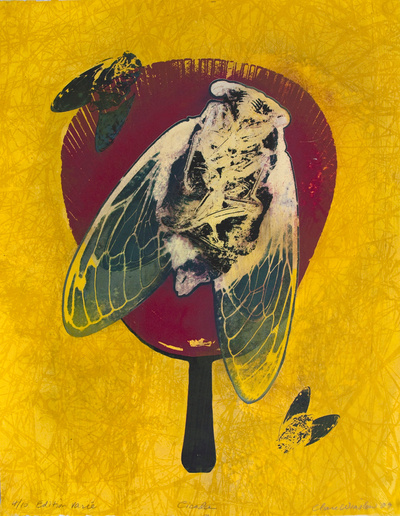
Matsuo Bashō (1644-1694)
セミ
静けさや
岩に滲み入る
蝉の声
shizukesaya
iwa ni shimiiru
semi no koe
utter silence
penetrating the rocks
the cicada’s voice
María Elena Walsh (1930-2011)
Como la Cigarra
Tantas veces me mataron,
tantas veces me morí,
sin embargo estoy aqui
resucitando.
Gracias doy a la desgracia
y a la mano con puñal
porque me mató tan mal,
y seguí cantando.
*
Cantando al sol como la cigarra
después de un año bajo la tierra,
igual que sobreviviente
que vuelve de la guerra.
*
Tantas veces me borraron,
tantas desaparecí,
a mi propio entierro fui
sola y llorando.
Hice un nudo en el pañuelo
pero me olvidé después
que no era la única vez,
y volví cantando.
*
Tantas veces te mataron,
tantas resucitarás,
tantas noches pasarás
desesperando.
A la hora del naufragio
y la de la oscuridad
alguien te rescatará
para ir cantando.
Roderic Quinn (Australia, 1867-1949)
The Song of the Cicadas
Yesterday there came to me
from a green and graceful tree
as I loitered listlessly
nothing doing, nothing caring,
light and warmth and fragrance sharing
with the butterfly and the bee,
while the sapling-tops a-glisten
danced and trembled, wild and willing
such a sudden sylvan shrilling
that I could not choose but listen
Green Cicadas, Black Cicadas,
happy in the gracious weather,
Floury-baker, Double-Drummer,
all as one and all together,
how they voiced the golden summer.
*
Stealing back there came to me
as I loitered listlessly
‘neath the green and graceful tree,
nothing doing, nothing caring,
boyhood moments spent in sharing
with the butterfly and the bee
youth and freedom, warmth and glamour
while Cicadas round me shrilling,
set the sleepy noontide thrilling
with their keen insistent clamour.
*
Green Cicadas, Black cicadas,
happy in the gracious weather
Floury-bakers, double-drummers
all as one and all together—
how they voice the bygone summers!
Marcel Pagnol (1895-1974)
La Cigale
Le soleil fendille la terre,
Aucun bruit ne trouble les champs;
On n’entend plus les joyeux chants
Des oiseaux qui chantaient naguère.
Tous par la chaleur assoupis
Sous les buissons se sont tapis.
Seule une cigale est sur l’aire.
*
Son ventre sonore se meut;
Sur une gerbe elle est posée;
Seule elle n’est point épuisée
Par l’astre à l’haleine de feu.
Et la chanteuse infatigable
Jette dans l’air brûlant et bleu
Sa ritournelle interminable.
Francesco Fabris Manini
La Cicala
La cicala del mattino frinisce
E mi sveglia su una tazzina di caffè
Bisbigliando gracili parole su ascolti assonnati
Di spettinati pensieri.
L’uscio s’apre al giorno con forzati ardori
Che dissolverà la sera sui passi
Di un solitario ritorno.
Olegário Mariano (1889-1958)
A Última Cigarra
Todas cantaram para mim. A ouvi-las,
Purifiquei meu sonho adolescente,
Quando a vida corria doidamente
Como um regato de águas intranqüilas.
*
Diante da luz do sol que eu tinha em frente,
Escancarei os braços e as pupilas.
Cigarras que eu amei! Para possui-las,
Sofri na vida como pouca gente.
*
E veio o outono… Por que veio o outono ?
Prata nos meus cabelos… Abandono…
Deserta a estrada… Quanta folha morta!
*
Mas, no esplendor do derradeiro poente,
Uma nova cigarra, diferente;
Como um raio de sol, bateu-me à porta.
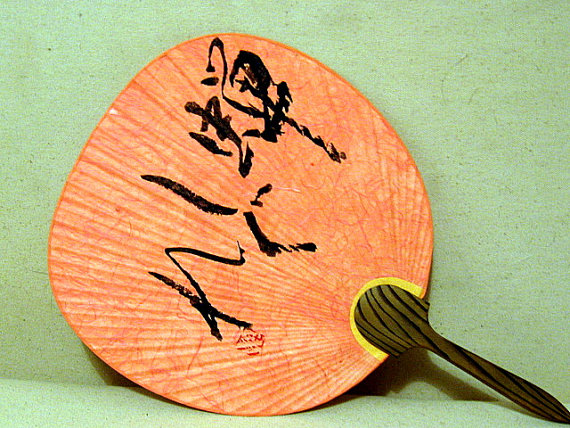
正岡 子規 Masaoka Shiki (1867-1902)
セミ
tsuku tsuku boshi / tsuku tsuku boshi / bakari nari
nothing but
cic-cic-cicada
cic-cic-cicada
Neal McLeod: “Songs to kill a Wîhtikow” ᐐᐧᐦᑎᑯᐤ
Posted: July 24, 2012 Filed under: Cree, English, Neal McLeod Comments Off on Neal McLeod: “Songs to kill a Wîhtikow” ᐐᐧᐦᑎᑯᐤ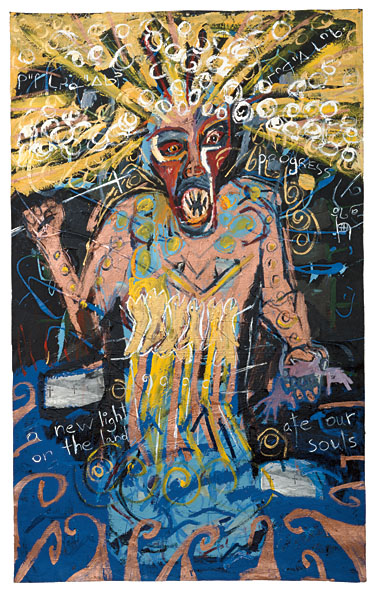
Neal McLeod
Wîhtikow *
They spoke of the time
beings broke the stillness of water
retreating from the pollution
that rested on the skin of days
kî-mistâpâwêhisocik, they drowned themselves
and the water became still
*
I went to a place to rest
and lay in the remnants of thunder
I collapsed in ripped and dried hollow earth
a fugitive of spent moments
which had outgrown their divinity
*
The old ones spoke of how the beings dug into the earth,
kôtâwîwak
to retreat from the pollution on the skin of the earth
the old ones spoke of wîhtikow
who hunted dreamers, under thick, dark, coarse sun
took their prey in
like the wind of trains
draws us to the tracks
Wîhtikow wandering
wîhtikow whispers
and pulls the light from the sky
only cluttered cover, electric neon
makes my steps heavy
pass abandoned house
windows opened
no longer covered by glass
emptied of people
and stories
burned out black hollow
my body
has also known
the fire of wîhtikow
bingo caller gives false hope
white johns
circle the wagons of families
cops who drive brothers
to cold places
wîhtikow wanders
in the grey, concrete forest
Crow cross
body heavy wooden
black circling round
crow crowned head
claws extended, cutting
arms extended
wrapped into horizon
feet on hands
abrupt blood pecks
expired fright scarecrow
pulled off
hands fling free
legs fall hard
extend relaxed hand
ready legs
onto road
away from crows
remember tracks
upon skin
sing praises
black crow crying
Kôkôcîs **
plaid crumpled and folded
hidden patterns of fabric
clung around his arms
his brown, storied hands
with lines of memory
which marked events
stories, and words
reached for the chewing tobacco
which slid through the
spaces of his mouth
and with the taste of tobacco
through his tongue
which created words
moving through the room
*
I remember the open windows
and brown, wet roads
cars and trucks
would pull up
and people would fill the windows
with colours and movement
*
familiar faces and rhythms
I remember the sound of his voice
of his laugh
the eternal song
up through his mouth
added stories
and layers of memory
to the photographs
bringing old ones alive
*
I remember kôkôcîs
words came from him like water
formed from the shallow fog
of the early spring afternoon
the room held his voice
the voice of others
pushed through
the fold of eternity
were held in
his textured voice
*
kôkôcîs, kâ-kî-itiht,
the once called kôkôcîs,
was my living link
to eternity and relatives
Cree-language words:
* wîhtikow — a being who consumes other beings – greedy, like a vampire
** kôkôcîs — the name of the poet’s great-grandfather
_____
Neal McLeod is Cree (having grown up on the James Smith reserve in Saskatchewan), and Swedish, having had the fortunate opportunity to study abroad at the Swedish Art Academy at Umeå. He has exhibited art work throughout Canada including at the 2005 exhibition au fil de mes jours (in my lifetime) at Le Musée national des beaux-arts du Québec – remounted at the Museum of Civilization in 2007. In addition to being a painter he is also a curator: his latest project was as co-curator of the exhibition James Henderson: The Man who Paints the Old Men which was organized by the Mendel Art Gallery in Saskatoon, Saskatchewan.
Neal’s first book of poetry, entitled Songs to Kill a Wîhtikow, was nominated for several Saskatchewan book awards including book of the year in 2005. It was nominated for book of the year at the Anskohk McNally Aboriginal Literature Awards, and won poetry book of the year by unanimous decision of the jurors. In 2007 Neal published Cree Narrative Memory which was also nominated for book of the year at the Anskohk McNally Aboriginal Literature Awards. In the fall of 2008 he published his second book of poetry entitled Gabriel’s Beach.
Neal is currently editing a volume entitled Indigenous Poetics. In addition he is working on the following books: Dreaming Blue Horses – a novel, a collection of humour short stories entitled Neechi Hustle, 100 Days of Cree, a biography of Noel Starblanket, and a book of poetry called Casting Spells of Neechery. He teaches Indigenous Studies at Trent University in Peterborough, Ontario.
Nurun Nahar’s “Travellers”: An Inspirational Bengali Poem for Ramadan 2012
Posted: July 20, 2012 Filed under: 7 GUEST EDITORS, Bengali (Bangla), English, Laboni Islam, Nurun Nahar | Tags: বাংলা কবিতা, Bengali (Bangla) poems, Poems for Ramadan Comments Off on Nurun Nahar’s “Travellers”: An Inspirational Bengali Poem for Ramadan 2012


Nurun Nahar (1924-1992) was born in Tangail, Bangladesh. She wrote this poem in her youth. Artist, writer, and mother of five, she could crochet blankets in her sleep. Translation by Syeda Parvin Shirin, her only daughter. Photo by Laboni Islam, one of Nurun’s many grand-daughters.
* * *
¡Buffy Sainte-Marie, en Toronto esta noche! / Buffy Sainte-Marie, in Toronto tonight! Una traducción para honrar a la cantautora y activista Cree
Posted: July 18, 2012 Filed under: Buffy Sainte-Marie, English, POETS / POETAS, Spanish, ZP Translator: Lidia García Garay Comments Off on ¡Buffy Sainte-Marie, en Toronto esta noche! / Buffy Sainte-Marie, in Toronto tonight! Una traducción para honrar a la cantautora y activista Cree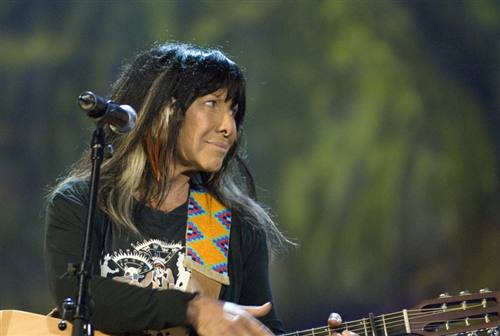
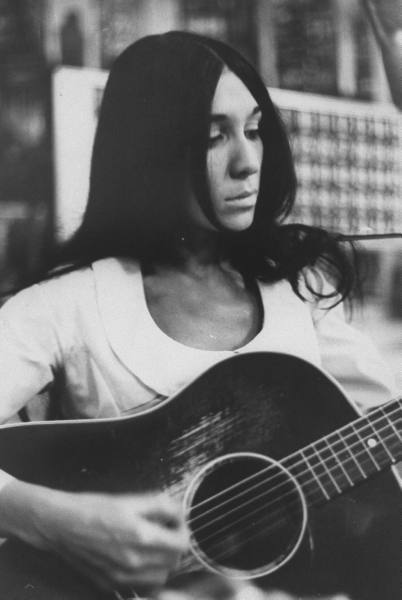
Buffy Sainte-Marie
(First Nations Cree singer-songwriter, activist, born 1941, Saskatchewan, Canada)
No No Keshagesh
Editor’s note: Keshagesh means Greedy Guts,
a child (or an adult) who eats his own food – and then wants everybody else’s, too.
_ _ _ _ _
I never saw so many business suits
Never knew a dollar sign could look so cute
Never knew a junkie with a money jones
Who’s buying Park Place? Who’s buying Boardwalk?
*
These old men they make their dirty deals
Go in the back room and see what they can steal
Talk about your ” beautiful for spacious skies “?
— it’s about uranium, it’s about the water rights!
*
Got Mother Nature on a luncheon plate
They carve her up and call it real estate
Want all the resources and all of the land
They make a war over it — they blow things up for it.
*
The reservation out at Poverty Row
There’s something cookin and the lights are low
Somebody tryin to save our Mother Earth… I’m gonna
Help ’em to Save it and Sing it and Pray it… singin:
No No Keshagesh you can’t do that no more…
No No Keshagesh you can’t do that no more…
*
Ole Columbus he was lookin good
When he got lost in our neighborhood
Garden of Eden right before his eyes
Now it’s all spyware — now it’s all income tax.
*
Ole Brother Midas lookin hungry today
What he can’t buy he’ll get some other way
Send in the troopers if the Natives resist
Same old story, boys — that’s how ya do it , boys!
*
Look at these people, Lord, they’re on a roll
Got to have it all — gotta have complete control
Want all the resources and all of the land
They break the law over it — blow things up for it.
*
While all our champions are off in the war
Their final rip-off here at home is on
Mister Greed I think your time has come… I’m gonna
Sing it and Say it and Live it and Pray it… singin:
No No Keshagesh you can’t do that no more…
No No Keshagesh you can’t do that no more…
_____
Buffy Sainte-Marie (nace 1941, Saskatchewan, Canadá)
¡No, no, Panzas ávaras! (No, no, Greedy-guts!)
Nota del editor:
Keshagesh quiere decir Panzas Ávaras.
Así se le llama a un niño (o un hombre) que se come su comida
y después quiere la de los demas.
_____
Nunca vi tantos atuendos formales
Nunca supe que un signo de dólar pareciera tan bonito
Nunca conocí a un adicto con una obsesión por dinero
¿Quién está comprando el Park Place – y el Boardwalk?
*
Estos viejos, hacen sus tratos sucios
Van al cuarto interior para hacer sus tratos sucios
¿Habla de “hermosa por cielos espaciosos”?
– ¡ se trata del uranio, se trata de derechos sobre el agua!
*
Tienen en un plato a la Madre Naturaleza
La dividen y la llaman: bienes raices.
Quieren todos los recursos naturales y toda la tierra
Hacen una guerra por eso – exageran las cosas para eso.
*
La reservación es Condenada a la Pobreza
Están cocinando algo y atenuan las luces
Alguien está intentando salvar a nuestra Madre Tierra
Voy a Ayudarles a Salvarla, Cantarle, y Orarle…cantando:
¡No, no, Panzas ávaras!
Ustedes ya no pueden hacer éso…..
Ustedes ya no pueden hacer éso…..
*
El bueno de Colón muy fresco
Cuando se perdió en nuestra vecindad
El Jardín de Edén en frente de sus ojos
Hoy día todo es spyware – ahora todo es impuesto sobre la renta.
*
El buen Hermano Midas parece hambriento hoy día
Lo que no puede comprar lo obtendrá de otra manera
Envian a los policías estatales si los Indígenas resisten
La misma historia de siempre – muchachos, es así como lo hacen.
*
Mira toda esta gente, Señor, son imparables
Tienen que poseer todo, tener control absoluto
Quieren todos los recursos naturales y todo lo de la tierra
Quebrantan la ley por eso – exageran las cosas por eso.
*
Mientras que nuestros campeones están lejos en la guerra
Su estafa final occurre aquí en casa.
Señor Avaricia – pienso que su tiempo ha llegado…Voy a
Cantarlo y Decirlo y Vivirlo y Orar… cantándolo:
¡No, no, Panzas ávaras!
Ustedes ya no puede hacer éso…..
Ustedes ya no puede hacer éso…..
_____
Traducción del inglés al español / Translation from English into Spanish: Lidia García Garay
 Zócalo Poets