Frida + Diego: poems, pictures / pinturas, poemas
Posted: October 20, 2012 Filed under: Eduardo Urueta, English, Frida + Diego: poems + pictures / pinturas + poemas, Hellen Chinchilla, José Pablo Sibaja Campos, Spanish, ZP Translator: Alexander Best Comments Off on Frida + Diego: poems, pictures / pinturas, poemas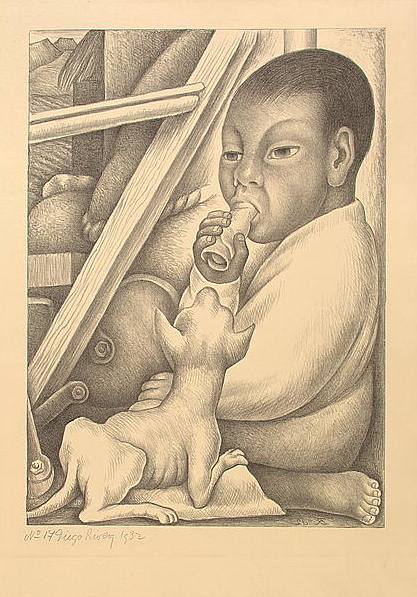
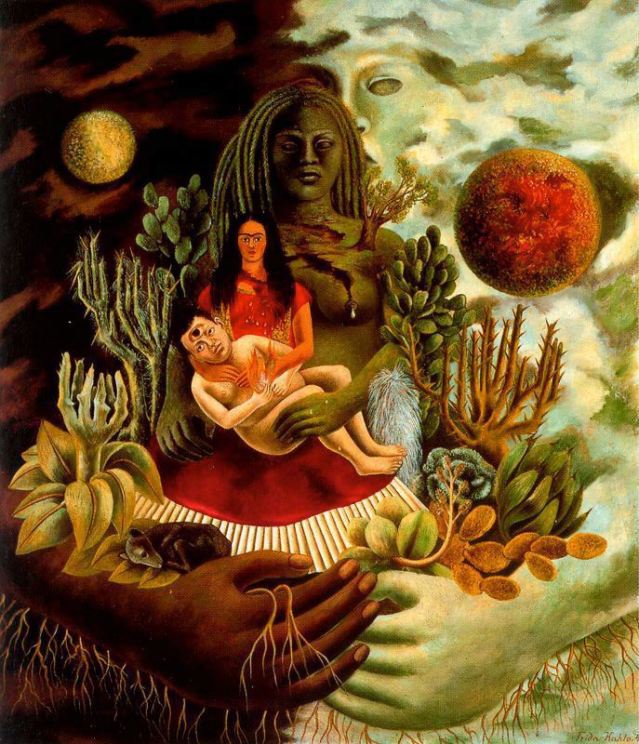
Today in Toronto, at the Art Gallery of Ontario, a first-time-ever exhibition in Canada opens: “Frida and Diego: Passion, Politics and Painting”. Combining the divergent artworks of México’s famous bohemian ‘power couple” of the twentieth century, Frida Kahlo and Diego Rivera – an odd yet charismatic pair of artists/soul-mates.
.
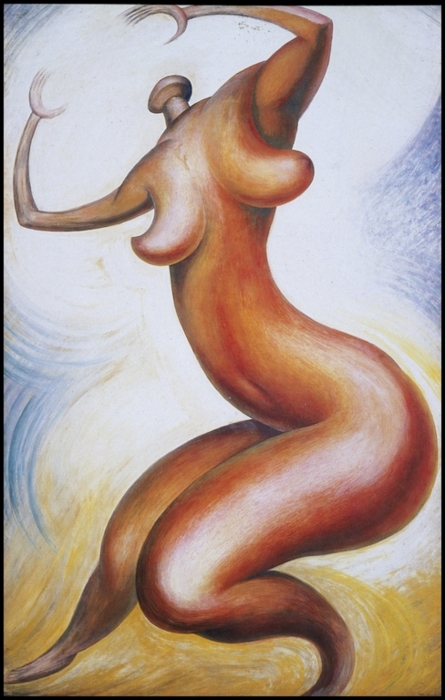
Diego Rivera (1886-1957) put México on the map internationally for his enormous public murals depicting Mexican history with a distinct Marxist perspective – and by placing Indigenous people front-and-centre in his work. Arguably, fellow muralists José Orozco and David Siqueiros were superior artists but Rivera’s vast energy and robust national/historical vision place him at the forefront. Though in his smaller painted canvases (some of which may be seen at the A.G.O. show) Rivera is wildly uneven as to technique and intellectual perspective – he can be cloying and mediocre – still, he is an exceptional figure for his vitality alone.
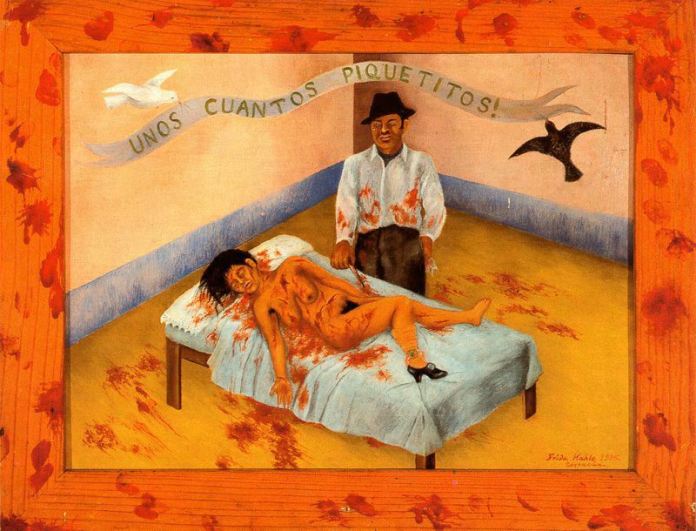
A maverick originality defines Frida Kahlo (1907-1954). In her short gutsy life she altered people’s perception of what it meant to be a woman painter. Though her small-size – and they are almost always small – canvases lack painterly finesse , nonetheless they are deeply affecting for their self-absorbed even disturbingly raw subject matter/point of view. Here was something new in a female painter – and Kahlo has been embraced by Surrealists, Feminists, champions of “Mestizaje”, Disabled and Chronic-Pain Activists, Body Self-Modifiers, and dedicated Non-Conformists. All have found what they needed in the work and life of this complex artist and woman – one who continues to fascinate a new generation now discovering her.
.
We present three poems in translation from Spanish by young poets who have meditated upon the “meaning of” Diego and of Frida…
. . .
Hoy en Toronto, el 20 de octubre, se inaugurará en La Galería de Arte de Ontario una exposición centrada en obras de los artistas Frida Kahlo y Diego Rivera – y titulada: Frida y Diego: Pasión, Política y Pintura. Es la primera vez que están en Canadá las pinturas de estos “compañeros” lo más famosos del arte mexicano del siglo XX.
Y para celebrar este hecho – las reflexiones de tres poetas…
. . .
Eduardo Urueta (pseudonym)
“Poem for Diego Rivera” (December 2011)
.
México:
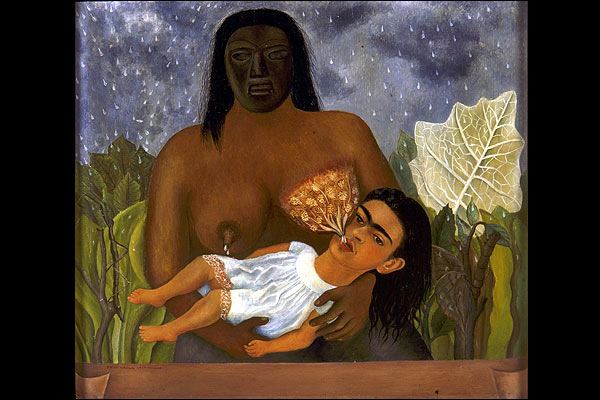
The wet-nurse that breastfed you,
Who gave you your icy tone in love,
And who drew you, with his plump hands, as
Black women, soldiers on fire, Communists, kids;
México misses you –
this place is a fountain of the dismal…
.
So pronounced is your brow – like your temper.
So easygoing – so bearable – these mummy-like buildings.
The México of your tree-of-awareness is – like you – dead.
They’ve got skeletons – ‘at par’ now.
We are grey dust – smog – save for
Guanajuato which keeps on with its brightly-coloured houses in the hills and its
Streets smelling of oil paints – almost kissing us.
.
The buckets which by you got filled in two days
And by the third became big round chests or trunks-ful,
Were:
1. a nude portrait of (audacious poetess) Guadalupe Amor
2. a transvestite you never wanted and who ‘rouged’ you with his bearded cheeks,
And
3. your dead son by your first wife, Angelina Beloff.
.
So much matrimony to satisfy your hefty body,
So much travel to make ‘bug out’ those toad-eyes of yours,
So many kilometres of walls
To fill this country UP with History.
.
You are in debt.
You await – you hope for – a novice urbanization.
You have to hope – always – that the
Wall of memory (painted by you)
Bears the weight of – can hold up – the sky for you.
People will continue to love
The “Bellas Artes” fresco,
and that staircase mural decorated by your hands
– until the thing collapses and falls down…
. . .
Eduardo Urueta (Seudónimo)
“Poema para Diego Rivera” (diciembre 2011)
.
México:
la nodriza que te amamantó,
quien te dio tu gélido acento de amor,
y quien te dibujó, en las manos llenas,
mujeres morenas, soldados en combustión, comunistas, niños;
te extraña
– es una fuente sombría.
.
Tan pronunciada tu frente, como tu genio
Tan llevadera la momia de los edificios.
El México de tu árbol-conciencia,
como tú, está muerto.
Se hicieron a la par esqueletos.
Somos polvo gris,
excepto Guanajuato que sigue con casas de color en sus cerros
y sus calles huelen a aceite de pintura, a besos.
.
Los cubos que en ti cupieron dos días
y al tercero se volvieron un baúl redondo,
fueron
Un retrato desnudo de Guadalupe Amor,
Un hombre travesti que nunca quisiste y que ruborizaste de rosa
sus mejillas de hombre barbón,
y tu hijo muerto de Angelina Beloff.
.
Tanto matrimonio para llenar tu cuerpo gordo
tanto viaje
para llenar tus ojos de sapo
tanto kilómetro de muros
para llenar de historia al país
.
En deuda estás.
Te espera el blanco de la novicia urbanización
Te ha de esperar, siempre
el muro de la memoria
te ha de sufrir el cielo
por sujetarte el peso.
Te seguirá amando Bellas Artes
su escalera adornada de tus manos
hasta que se derrumbe…
José Pablo Sibaja Campos
“To Frida”
.
Today, when inexorable Time has shown us
How many calendars have gone up in smoke;
Now that the leaves have begun to fall from the trees;
Only just today when the sky seems to be transforming itself into a violent sea;
I – pausing before your face and its glance – have got to say:
Frida Camarada Kahlo,
That which you painted at one time or another as if wanting to speak to me;
The same fixed glance with which you have turned yourself into a nereid, a sea-nymph,
from that murky sea many people wanted to conquer but which few have achieved.
.
To be sure, Frida, there are those who look for you under the shade of some Rivera painting;
Others, naïve ones, find you within the shuttered corridors of a dream
– Poor them! – sad…blind.
They don’t notice that you live in your paintings, your paintings live in you.
Come, Frida, rise up and walk, as if you were the biblical Lazarus.
Show yourself again and let us once more call you:
Woman, Artist, Revolutionary.
. . .
José Pablo Sibaja Campos
“A Frida”
.
Hoy que el inexorable tiempo nos ha enseñado
Cuantos calendarios ha quemado ya.
Ahora que las hojas han empezado a caer de los árboles,
Justo hoy que el cielo parece convertirse en un mar violento,
Tengo que decirlo, me detuve ante tu mirada
Frida Camarada Kahlo
Esa que pintaste una y otra vez como queriendo hablarme,
La misma mirada con la que te has convertido en la nereida
Del turbio mar que muchos quisieron conquistar
Pero que pocos han logrado.
.
Es cierto Frida algunos te buscan balo la sombra de un tal Rivera,
Otros ingenuos,
Te hallan en los postigos pasillos del sueño
Pobre de ellos, tristes…ciegos.
No se dan cuenta que vives en tu obra y tu obra en ti.
Ven Frida levántate y anda, cual si fueras el Lázaro bíblico
Muéstrate de nuevo y déjanos llamarte una vez más;
Mujer, Artista, Revolucionaria.
. . .
Hellen Chinchilla
“Between transgression and normalcy”
.
Why?
Why do you have to be along that line where there are no lines – no horizons?
Why are you not the same as all the others?
Why must you be seen as transgressive and not as normal?
Where is that fine line that keeps you apart?
Apart to be what you must be!
Forced by life, by decision, and by pain to be in that line off to one side,
where the others, even though they wanted not to be there,
are leaving behind the boundaries of the hetero…
Oh, you knew how to love…
You – different Woman,
Woman-transgressor,
Normal Woman – and then some.
Woman.
Hellen Chinchilla
“Entre la transgresión y la normalidad”
.
¿Por qué?
¿Por qué debes estar en la línea dónde no hay líneas?
¿Por qué no eres de las mismas?
¿Por qué tienes que ser vista como transgresora y no como normal?
¿Dónde está esa delgada línea que te mantiene al margen,
Al margen de ser lo que debes ser?
Obligada por vida, decisión y dolor a estar en la línea de al lado
En donde las otras, aunque quieran no pueden estar
Dejando atrás la frontera de lo hetero…
– Supiste amar…
Mujer diferente,
Mujer transgresora,
Mujer normal – o una más…
Mujer.
. . . . .
Traducciones del español al inglés / Translations from Spanish into English: Alexander Best
“A Frida” y “Entre la transgresión y la normalidad” y “Poema para Diego Rivera”
© José Pablo Sibaja Campos, Hellen Chinchilla, Eduardo Urueta
. . . . .
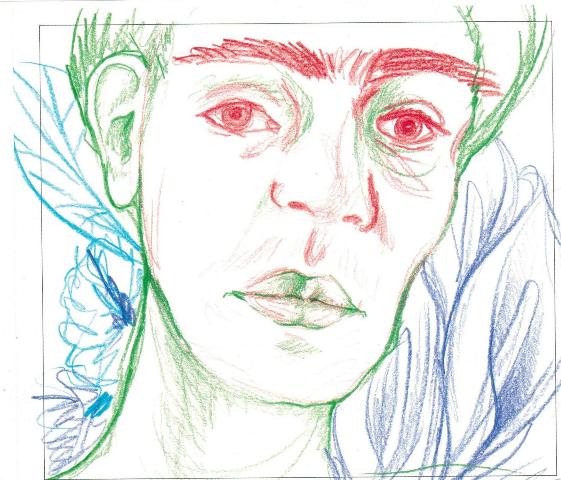
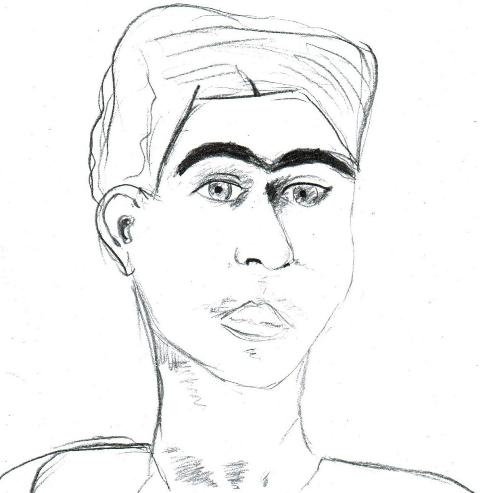
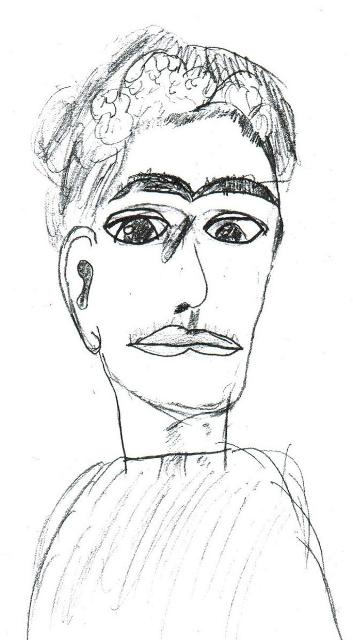
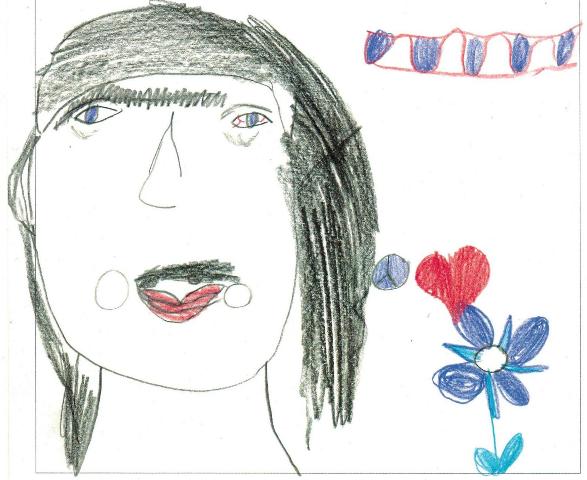
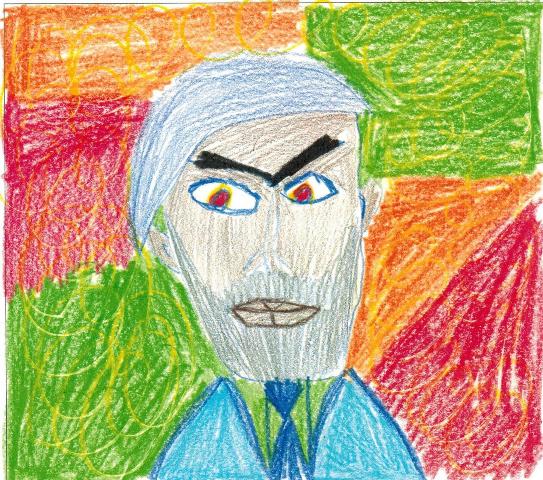
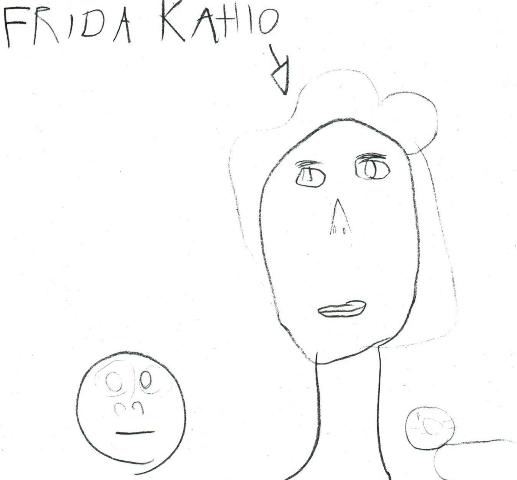
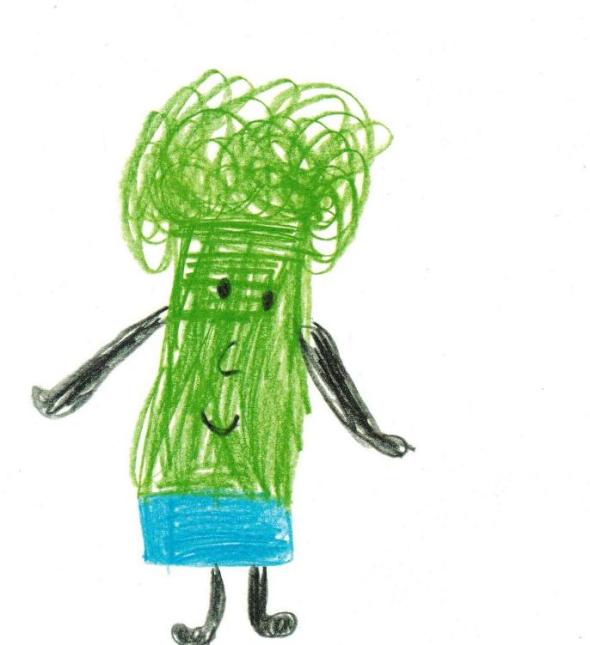
Retratos de Frida Kahlo: dibujos hechos por unos adolescentes y niños en Toronto, Canadá, otoño de 2012:
Lupicínio Rodrigues: “Volta” / “Come back to me”
Posted: October 13, 2012 Filed under: English, Lupicínio Rodrigues, Portuguese, Translator's Whimsy: Song Lyrics / Extravagancia del traductor: Letras de canciones traducidas por Alexander Best, ZP Translator: Alexander Best Comments Off on Lupicínio Rodrigues: “Volta” / “Come back to me”
“Volta”
(Letras/música: Lupicínio Rodrigues, compositor brasileiro, 1914-1974:
canção cantada por Gal Costa, 1973)
.
Quantas noites não durmo
A rolar-me na cama
A sentir tantas coisas
Que a gente não pode explicar – quando ama.
.
O calor das cobertas
Não me aquece direito
Não há nada no mundo
Que possa afastar esse frio do meu peito.
.
Volta,
Vem viver outra vez ao meu lado
Não consigo dormir sem teu braço
Pois meu corpo está acostumado.
.
Volta,
Vem viver outra vez ao meu lado
Não consigo dormir sem teu braço
Porque meu coração está acostumado…
. . .
“Come back”
(words and music by Lupicínio Rodrigues, Brazilian composer, 1914-1974:
as sung by Brazilian singer Gal Costa, 1973)
.
How often I can’t sleep!
– tossing and turning in bed –
Feeling so many things
That people – who are in love – cannot explain.
.
The heat of the blankets
Doesn’t warm me well
And there’s no-one in this world
Can keep this chill from my breast.
.
Return to me,
Come live again at my side
I can’t keep sleeping without your arms around me
– well, my body’s grown used to you!
.
Come back,
And live once more by my side
I can’t go on sleeping without your embrace
– and my heart’s accustomed to you now…
.
Translation/interpretation from the Portuguese: Alexander Best
Dois poemas / dois fotos para o Dia das Crianças – Agradecimentos a Lourdes Neves Cúrcio / Vera Gonçalves
Posted: October 12, 2012 Filed under: Portuguese | Tags: Poemas para o Dia das Crianças Comments Off on Dois poemas / dois fotos para o Dia das Crianças – Agradecimentos a Lourdes Neves Cúrcio / Vera Gonçalves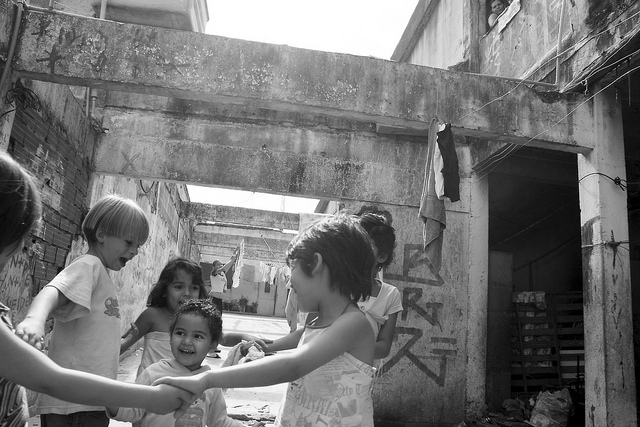
Lourdes Neves Cúrcio
“Ser Criança”
.
Ser criança é se entreter
Entre brinquedos e sonhos
É se alegrar, é viver
É expressar a candura
Respirar felicidade
Transmitir docilidade
Encantamento e ternura
.
Criança que tem alma pura
E tamanha espontaneidade
No agir e no falar,
Que sabe ter sinceridade
Que cativa com o sorriso
E traz a inocência no olhar
.
Saber viver é sentir
A alegria de ser criança
É deixar o coração
Se encher de felicidade
E transbordar esperança
.
Feliz é aquele que sabe
Interpretar o olhar
E o sorriso da criança,
Quem com ela é paciente
Quem valoriza o seu mundo
E a preserva do mal,
Fazendo com que ela possa
Vivenciar sua infância
Desfrutar de seu espaço
E ser simplesmente criança.

Lourdes Neves Cúrcio
“Súplica”
.
Proteja sempre, Senhor,
Todas as nossas crianças
Que elas sejam resguardadas
Dos atos de atrocidade,
São anjos, são indefesas,
Não devem ser hostilizadas.
Temos visto, ultimamente,
Seus sonhos interrompidos
Com frieza e crueldade,
Temos visto suas vidas
Ceifadas com precocidade.
Crianças são mimosas flores
Alegrando e ornamentando
Para a vida desabrochando,
Precisam ser bem cultivadas
Preservadas da violência
E não brutalmente arrancadas
Do jardim da existência.
Proteja sempre, Senhor,
As crianças do mundo inteiro
Queremos vê-las sorrindo
Brincando e acalentando
Seus sonhos mais verdadeiros.
Que a criança desfrute
Da infância em plenitude
Que possa viver e crescer
Cercada de muito amor
Sem dentro de si conviver
Com o estigma da dor.
. . .
“Ser Criança” & “Súplica”
© Lourdes Neves Cúrcio (Brasil)
Canção/Oração a Nossa Senhora Aparecida – Dia da Padroeira do Brasil, 12 de outubro 2012
Posted: October 12, 2012 Filed under: Portuguese | Tags: Oração a Nossa Senhora Aparecida Comments Off on Canção/Oração a Nossa Senhora Aparecida – Dia da Padroeira do Brasil, 12 de outubro 2012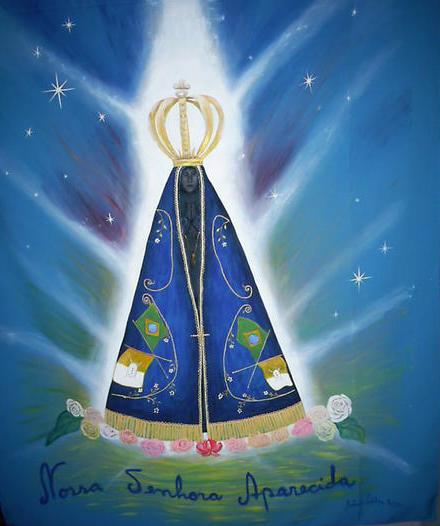
“Nossa Senhora Aparecida”
(Canção da dupla sertaneja Rick e Renner)
.
Ô Senhora Aparecida, Rainha da Minha Fé,
A força de quem é forte, escudo de quem não é,
Poe a sua mão sagrada sobre a cabeça da ente,
Consolo dos oprimidos, proteçao dos inocentes,
Nos livre da ignorancia que nesse mundo existe,
Miséria, violencia e fome,
Nossa verdade mais triste.
.
Ô Senhora Aparecida, Nossa Senhora Aparecida
És a Luz do Meu Caminho, Direçao da Minha Vida.
.
Ô Senhora Aparecida, olha pra nossas crianças,
Nosso fruto inocente precisa de esperança,
Precisar crescer na vida em graça e sabedoria
Porque sonho de menino é a cordar no outro dia,
Não existe amanhã se o hoje morre agora,
Estamos de coração em tuas mãos, Virgem Senhora.
.
Ô Senhora Aparecida, Nossa Senhora Aparecida
És a Luz do Meu Caminho, Direçao da Minha Vida.
.
Ô Senhora Aparecida não nos deixe perecer,
Somos um povo que sonha um povo que reza e crê,
Acenda a luz da esperança ao pobre que nada tem,
Mostre que a maior riqueza é viver fazendo o bem,
Não permita que o homem possa se afastar de Deus,
Cuide Mãe Aparecida os humildes Filhos Teus.
.
Ô Senhora Aparecida, Nossa Senhora Aparecida
És a Luz do Meu Caminho, Direçao da Minha Vida.
.
Ô Senhora Aparecida que esta tão perto do pai,
Me responda por favor pra onde esse mundo vai,
Mostre a magica da vida e a força do perdao
O que devemos fazer pra ganhar a salvação,
por que eu não sei rezar foi que fiz essa canção,
Ô Mãe, aceite esse meu canto como Minha Oração.
.
Ô Senhora Aparecida, Nossa Senhora Aparecida
És a Luz do Meu Caminho, Direçao da Minha Vida.
Ô Senhora Aparecida…..
Poems for a Canadian Thanksgiving: October 2012
Posted: October 7, 2012 Filed under: Anishinaabemowin / Ojibwe, English | Tags: Poems for Thanksgiving Comments Off on Poems for a Canadian Thanksgiving: October 2012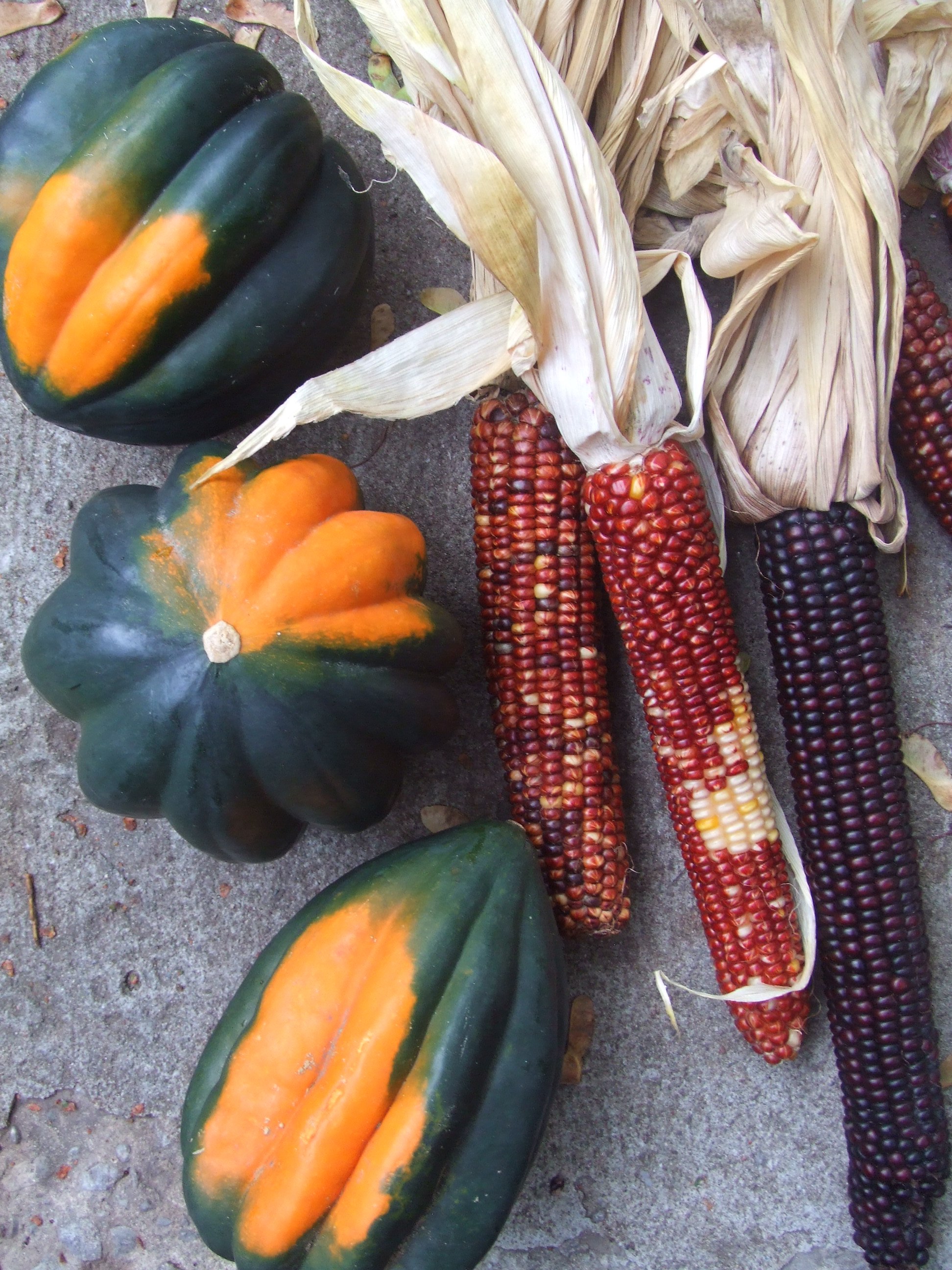
Eric Gansworth
Cross / PolliNation
.
And look here, you three
sisters grow together
each providing things
the others lack: support,
food, protection, and each
time you pull away from one
another, risking everything
you tear apart your world,
our world. Each time you offer
the line up, we will add one
purple bead to your white strand
reminding you of the ways
you put us all in danger
with each small tug
how you pull in opposition you
jerk on the string of beads
like seed in the wind
leaning in unforeseen directions
moment, hour, day, week, in another
place you land
and for what, to start over
reforming yourselves as
us in endless variation,
dark color, light color,
diluting your heritage
we disappear for that moment
then strengthen, regenerate ourselves
and embrace.
. . .
Eric Gansworth is a member of the Onondaga Nation located in western New York State, USA.
His poem discourses upon the symbolic Three Sisters of Iroquois (Haudenosaunee) society:
Corn, Beans and Squash.
Editor’s note:
‘Sweet corn’ or ‘papoon’, of the grilled/steamed “corn on the cob” variety, is eaten with the hands and is messy and delicious. Other types of “maize” (the family name for all corn) are used for stews or porridges such as ‘pozole’ or ‘hominy grits’. To grow The Three Sisters a small hillock of earth is formed. Corn is planted at the ‘summit’, beans planted in a circle around the corn, and squash at the ‘foot’ of the earth-mound. The beans will give nitrogen to the soil, the corn stalks will provide poles for the beans to climb and spread upon, and the far-extending vines and wide leaves of the squash plants will shade the earth-mound that hosts them all, helping to retain adequate moisture in the soil. The Three Sisters are much-appreciated Native-American contributions to our contemporary diet – particularly at Thanksgiving.
. . . . .
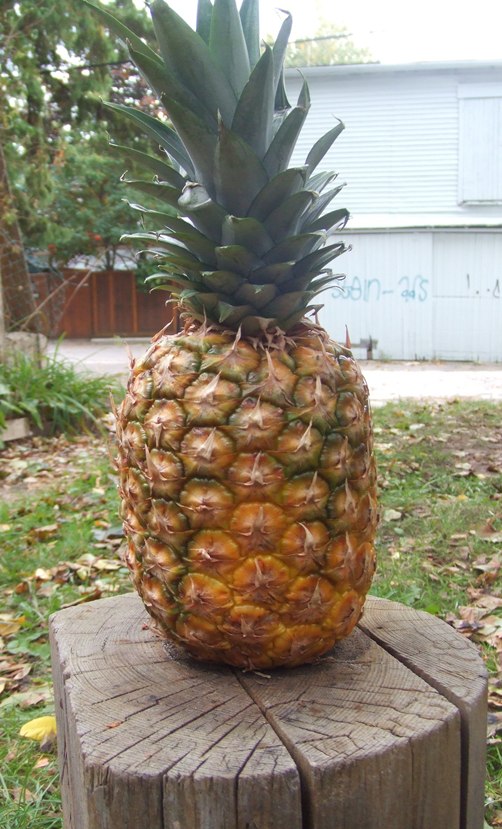
“For the Fruits of All Creation”
.
For the fruits of all creation – thanks be to God
For the gifts to every nation – thanks be to God
For the ploughing, sowing, reaping, silent growth while we are sleeping,
future needs in earth’s safekeeping – thanks be to God.
.
In the just reward of labour – God’s will is done
In the help we give our neighbour – God’s will is done
In our worldwide task of caring for the hungry and despairing,
in the harvests we are sharing – God’s will is done.
.
For the harvests of the Spirit – thanks be to God
For the good we all inherit – thanks be to God
For the wonders that astound us, for the truths that still confound us,
Most of all, that Love has found us – thanks be to God.
. . .
“For the Fruits of All Creation” is Hymn #802 in The Book of Praise (1997),
sung out of by go-ers to Presbyterian Churches in Canada.
Music: Welsh traditional / Words: Fred Pratt Green
. . .
Ngizhemanidoom, sema ngiimiinagoo wiinamaayaanh nangwaa. Gagwejimin wiizhiwendamaan maanda miijim miinawa zhiwenmishinaang nangwaa. Miigwech ndinaanaanik gewe wesiinhak, okaanak, bineshiinhak, miinawa giigonhik, kinagwa gwayaa gaabigitnaamwat wiinwa bimaadiziwaan maanpii akiing niinwe wiimaadiziiyaang. Miigwech ge ndikaadami netawging miinawa maanwaang gaamiizhiyaang wiimiijiyaang wiizongziiyaang nangwaa.
Miigwech Ngizhemanidoom miigwech.
.
An Every-Day Anishinaabe Prayer of Thanks,
translated from the Ojibwe language
( Anishinaabemowin or ᐊᓂᔑᓈᐯᒧᐎᓐ )
.
My Creator! Tobacco was given to me to help me pray today. I ask you in a good way to bless this food and to bless us today. We say thank you to all those animals, wild and domestic, the birds and the fish – everyone that gave up his or her life here upon the earth – so that we can live. We also say thank you for the vegetables and the fruits that you have given to us, so that we can have strength today.
Thank you, my Creator, thank you.
.
For the above Ojibwe-language Prayer we are grateful to:
Kenny Pheasant of The Little River Band of Ottawa Indians.
Poèmes de l’Angola et du Mozambique: Neto, Nogar, Rocha, Tavares et White
Posted: October 5, 2012 Filed under: Agostinho Neto, Eduardo White, French, Jofre Rocha, Paula Tavares, Rui Nogar | Tags: Poètes africains Comments Off on Poèmes de l’Angola et du Mozambique: Neto, Nogar, Rocha, Tavares et White
Agostinho Neto
(1922-1979, Angola)
.
Nuit
.
Je vis
dans les quartiers sombres du monde
sans lumière et sans vie.
.
Je marche dans les rues
à tâtons
appuyé sur mes rêves vagues
trébuchant sur l’esclavage
dans mon désir d’être.
.
Ce sont des quartiers d’esclaves
des mondes de misère
des quartiers sombres.
.
Où les volontés se sont diluées
et où les hommes se sont confondus
avec les choses.
.
Je marche en tâtonnant
dans les rues sans lumière
inconnues
encombrées de mystique et de terreur
bras dessus bras dessous avec les fantômes.
.
La nuit aussi est sombre.
.
Traduit du portugais par Jean-Michel Massa
. . . . .
Rui Nogar
(1935-1993, Mozambique)
.
Altruisme (au nom de Lavoisier)
.
Je veux mourir
en temps voulu
.
avec un cercueil de plomb
des larmes familiales
et un cadavre symétrique
.
mais un prêtre non mère
prends patience
le ciel que tu me destinais
sera le sol qui m’accueillera
.
et quand personne
ne fera attention
et que le plomb se fatiguera de la géométrie
et que tous me trouveront inutile
.
je retournerai à la terre en douceur
et de plein gré
de plein gré je vous le jure
.
Je rassasierai
des milliers de parasites
.
ceci pour qu’on ne dise pas
que je n’ai servi à rien.
.
Traduit du portugais par Marie-Claire Vromans
. . . . .
Jofre Rocha
(né en 1941, Angola)
.
Poème du Retour
.
Quand je rentrerai du pays de l’exil et du silence,
ne m’apportez pas de fleurs.
.
Apportez-moi plutôt toutes les rosées,
larmes d’aurores qui ont accompagné les drames.
Apportez-moi l’immense faim d’amour
et la plainte des sexes turgescents dans la nuit constellée.
Apportez-moi la longue nuit d’insomnie
des mères pleurant leurs bras vides d’enfants.
.
Quand je rentrerai du pays de l’exil et du silence,
non, ne m’apportez pas de fleurs…
.
Apportez-mois seulement, oh oui,
l’ultime désir des héros tombés à l’aube
une pierre sans ailes dans la main
et un filet de colère s’échappant de leurs yeux.
.
Traduit du portugais par Michel Laban
. . . . .
Paula Tavares
(neé en 1952, Angola)
.
“Les choses délicates se traitent avec soin.”
(Philosophie de Cabinda)
.
Tu m’as désossée…
.
Tu m’as désossée
soigneusement
m’inscrivant
dans ton univers
comme une blessure
une prothèse parfaite
maudite nécessaire
tu as détourné mes veines
pour qu’elles se vident
dans les tiennes
irrémédiablement
en toi un demi-poumon respire
l’autre, que je sache
existe à peine
.
Aujourd’hui je me suis levée tôt
j’ai enduit de “tacula” * et d’eau froide
mon corps enflammé
je ne battrai pas le beurre
je ne mettrai pas la ceinture
J’IRAI
vers le sud sauter l’enclos.
.
“tacula” * – poudre rouge utilisée comme cosmétique
.
Traduit du portugais par Michel Labon
. . . . .
Eduardo White
(né en 1963, Mozambique)
.
Nous sommes vieux.
Je suis vieux, émasculé.
Mais peut-être l’enthousiasme par lequel cet amour
a commencé
n’a-t-il maintenant plus d’importance,
pas plus peut-être que
l’office des corps,
le feu, l’eau, la vigueur;
et l’amour, mis en retraite
de tout cela,
vit maintenant de l’amitié
de ces deux vieux animaux
que nous sommes
si avertis.
.
Ce n’est pas de chanter qu’il vivra,
ni de se donner,
ni d’exister,
mais d’avoir fait
tout cela.
.
Traduit du portugais par Michel Laban
*
Poèmes d’une anthologie de l’éditeur Bernard Magnier
© les poètes eux-mêmes – ou leurs ayants droit
” Cette liberté d’écrire est une force étrange! ” : Six poètes du Nigeria
Posted: September 27, 2012 Filed under: Dan Anace, Ewi Adebayo Faleti, French, John Pepper Bekederemo Clark, Onookme Okome, Onuora Ossie Enekwe, Regina Eziagulu Obakhena | Tags: Poètes nigériens Comments Off on ” Cette liberté d’écrire est une force étrange! ” : Six poètes du Nigeria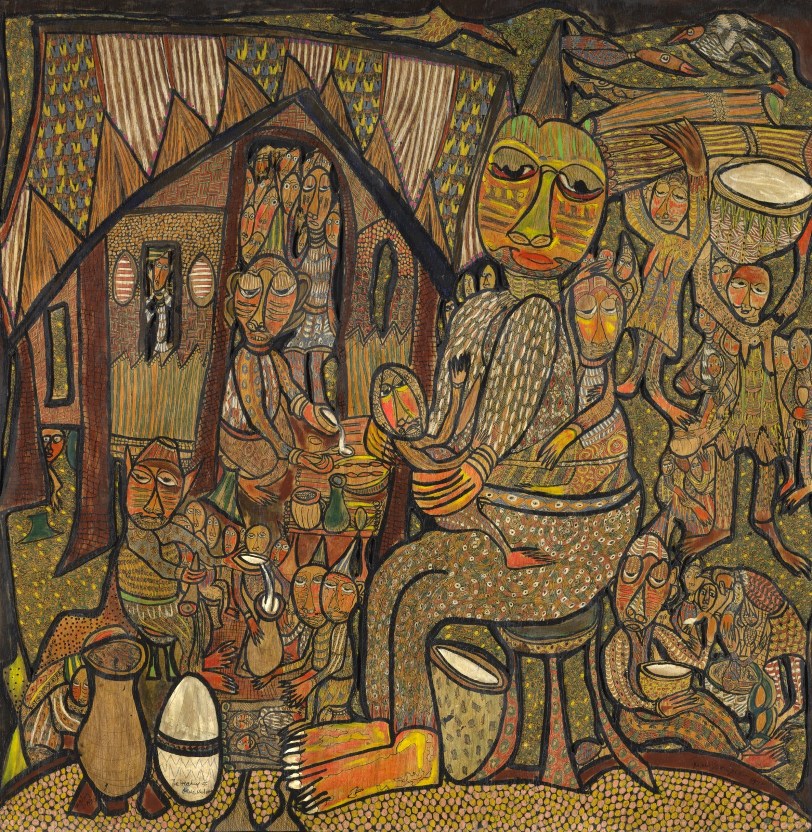
John Pepper Bekederemo Clark
(né en 1935)
Abiku*
*(Selon une croyance Yoruba, l’Abiku est
l’enfant qui ne cesse de mourir et renaître.)
.
Tu vas tu viens depuis tant de saisons
Reste donc dehors sur le baobab
Suis où tu veux tes esprits familiers
Si la maison ne peut pas tu suffire.
C’est vrai, elle fuit, le chaume
Laisse passer le flot lorsqu’il déborde
Et les chauves-souris, les chouettes
Souvent la nuit s’engouffrent sous le toit.
Et quand vient l’harmattan les parois de bambou
Sont toutes prêtes pour le feu
Qui sèche le poisson sur les claies.
Elle a été pourtant la réserve salubre
De bien des doigts, et tant d’autres viendront
Tendus vers le soleil.
Cesse donc enfin d’enjamber notre seuil
Entre et demeure pour de bon.
Nous le savons, les cicatrices
Qui te strient le ventre et le dos
Comme par le bec de l’espadon
Et tes deux oreilles marquées
Comme d’un esclave domestique
Sont les traces de tes premiers passages.
Alors entre, entre pour de bon
Car ta mère a le corps fatigué
Fatigué, et le lait a surgi
Où tant de bouches réjouissent le coeur.
.
Traduit de l’anglais par Etienne Galle
*
Ewi Adebayo Faleti
(né en 1935)
Le Silence du Poète
.
Le jour où vous voyez un poète qui se tait
Ne soyez pas fâchés, il parle en son coeur.
Le jour où vous rencontrez un poète qui ne parle pas,
Ne soyez pas fâchés, il parle en son coeur.
Mais qui connaît les pensées du poète?
Qui peut connaître les pensées dans le coeur du sage?
Qui peut connaître le chant au bord des lèvres du chanteur?
L’eau qui n’impressionne pas le fermier,
Peut atteindre le coeur du poète, devenir océan,
Elle peut atteindre le coeur du poète, devenir lagune.
El la tempête qui connaît l’océan et la lagune,
Peut atteindre le coeur du poète
Et devenir brise.
Le coeur du poète accepte la lie,
Et il accepte le limon
Et l’eau claire de la source.
Mais si vous rencontrez un poète
Qui a la tête a l’envers et se tait
Ne soyez pas fâchés, ne dites pas de mal de lui.
En son coeur, le poete parle.
.
Traduit de Yoruba par Michka Sachnine
*
Onuora Ossie Enekwe
(1942 – 2010)
Avant la Guerre
.
Bêtes de la jungle
aux ongles de feu
surgissant bondissant
morsure et mare de sang
Dans la cité
langues d’acide
visages de flamme
regards de braise
Le poison pullule
au coeur de la nuit
les sorcières et les vautours copulent.
. . .
Après la Guerre
.
Dans la sombre cité des morts
par les rues solitaires
les chiens aboient sur les ombres rampantes
Par-dessus la rivière des murmures
le vent hurle ses saluts
Sous un lit
du village désert
un cadavre criblé de balles
mûrit ses os.
.
Traduit de l’anglais par Etienne Galle
. . . . .
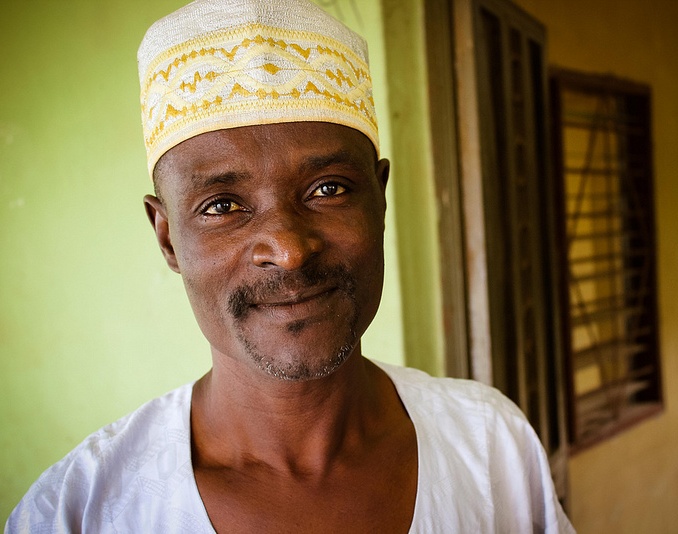
Dan Anace
Shago
.
Le monde est un lieu où on laisse les autres
le monde est la danse des filles
celui qui est devant s’en va derrière
à l’heure du champion il n’y a qu’un champion
à l’heure des uns il n’y en a pas d’autres
un jour, par Allah, un autre jour
ce sera les autres, ce ne sera plus nous
et même si nous sommes là, ce sera sans force
et nous serons assis à côté de l’arène
et nous nous contenterons de crier
ce monde m’est doux aujourd’hui
ce monde un autre jour me sera amer
alors je serai mort ou vieillissant
un jour tu me verras incapable de jouer
les jours passent
Allah mène le jeu
par Allah, un jour, un autre jour
les jours passent, un homme s’en est allé
d’autres jours passent, un homme s’en est allé
et tu entends les proches qui pleurent
et c’est le jour où l’on partage ses biens.
.
Traduit du Haoussa par Etienne Galle
*
Regina Eziagulu Obakhena
Calamité
.
Tout comme la rosée sur la montagne
Tout comme l’écume sur la lessive
Tout comme l’inondation
Tout comme la tornade
Tout comme les pluies torrentielles
La Véracité s’en est allée
Les humains sont devenus des bêtes dans l’énorme forêt.
. . .
Le Bon Roi
.
Le roi te demande de parler
De dire ce qui est bon pour l’oie et pour le jars
La joie du peuple est la probité du roi
Notre roi l’a promis:
“La buse se perchera,
L’aigle se perchera”.
Le village qui aime le roi aime Dieu
Le village qui combat pour le roi combat pour Dieu
Le roi qui aime ses sujets pleure la mort du plébéian.
.
Traduit d’après une traduction anglaise de l’auteur
par Etienne Galle
*
Onookme Okome
(né en 1960)
Mon coeur a dit des choses
.
Cette liberté d’écrire est une étrange force!
Soudain sur une étrange idée suppliant
j’entends s’ouvrir un coeur,
puis choir prudentes les pages réprimées
du coeur,
je vois un peuple perdu dans la contrainte des choses
sans espoir, et je sais:
.
le silence en mon coeur a dit des choses
que je n’ai pas notées au registre sénatorial:
Je me rappelle la dernière saison, nous récoltions
les rires déchaînés dans les granges, maintenant
les poutres sont désertes; remplies de visages abattus.
.
Cette liberté d’écrire est une force étrange!
La légèreté de l’être m’entraîne
en cette folie
qui me laisse libre d’écrire.
.
Traduit de l’anglais par Etienne Galle
. . . . .
Tous les poèmes: d’une anthologie par Bernard Magnier
© : les auteurs des poèmes – ou leurs ayants droit
Dos poemas para Yom Kipur / Two poems for Yom Kippur: Jane Kenyon, Mary Oliver + תשובה
Posted: September 25, 2012 Filed under: English, Jane Kenyon, Mary Oliver, Spanish Comments Off on Dos poemas para Yom Kipur / Two poems for Yom Kippur: Jane Kenyon, Mary Oliver + תשובהEste año, Yom Kipur – la conmemoración del Día de la Expiación y del Perdón – cae en el 25 y 26 de septiembre. Estos dos poemas, eligidos por la Rabina Rachel Barenblat, se tratan – elipticamente, oblicuamente – del sujeto de Teshuvá. Teshuvá (en hebreo תשובה) es la práctica de volver a las raíces de la fe. Incluye el esfuerzo del individuo hacia un sentido de arrepentirse de los pecados propios de una forma significativa y sincera…
*
This year Yom Kippur – the Day of Atonement and Forgiveness – begins at sunset on September 25th and continues through the 26th. The two poems featured here – chosen by Rabbi Rachel Barenblat – are about Teshuvah, although indirectly, elliptically so. Teshuvah involves a “return” to the roots of the faith, and includes each individual’s effort to feel repentant, genuinely sorry for, the wrongs he or she has done to another. When there is deep, meaningful sincerity to this spiritual process it is often reciprocated through forgiveness by the one who was wronged…
.
Jane Kenyon (1947-1995)
“Sola por una semana”
.
Hice una lavada de ropa
y la colgué para secar.
Subí al pueblo después fui al centro
y me entretuve todo el día.
La manga de tu camisa más fina
ascendió solemnemente
cuando llegaba en el carro
nuestras ropas de dormir
se enlazaron y desenlazaron
en una pequeña ráfaga de viento.
Para mí se estuvo haciendo tarde; estaba
para ti, donde estabas – no.
La luna de otoño estaba llena
pero las nubes escasas hacían su luz
no exactamente fidedigna.
La cama en tu lado parecía
ancha y llana como Kansas;
tu almohada estaba rellena, fresca, alegórica…
*
Jane Kenyon (1947-1995)
“Alone for a week”
.
I washed a load of clothes
and hung them out to dry.
Then I went up to town
and busied myself all day.
The sleeve of your best shirt
rose ceremonious
when I drove in; our night-
clothes twined and untwined in
a little gust of wind.
For me it was getting late;
for you, where you were, not.
The harvest moon was full
but sparse clouds made its light
not quite reliable.
The bed on your side seemed
as wide and flat as Kansas;
your pillow plump, cool,
and allegorical…
_____
Mary Oliver (nace 1935)
“El Viaje”
.
Por fin un día supiste
lo que tenías que hacer, y empezaste,
aunque las voces alrededor de ti
siguieron gritando
su mal consejo – aunque toda la casa
comenzó a temblar
y sentiste el jalón familiar
a tus tobillos.
“¡Arregla mi vida!”
gritó cada voz.
Pero no te detuvistes.
Supiste lo que tenías que hacer
aunque los dedos rígidos del viento
curiosearon aún en los fundamentos
aunque era terrible su melancolía.
Ya estaba bastante tarde
y una noche furiosa,
y el camino lleno de ramas y piedras caídas.
Pero, poco a poco,
como dejaste atrás sus voces,
las estrellas comenzaron a quemar
por las capas de nubes,
y había una fresca voz
que reconociste lentamente,
que te acompañaba
mientras que cruzaste a grandes zancadas
más y más en lo más hondo del mundo,
estando decidido a
hacer la sola cosa que podías hacer –
estando empeñado a salvar
la única vida que podías salvar.
*
Mary Oliver (born 1935)
“The Journey”
.
One day you finally knew
what you had to do, and began
though the voices around you
kept shouting
their bad advice—
though the whole house
began to tremble
and you felt the old tug
at your ankles.
“Mend my life!”
each voice cried.
But you didn’t stop.
You knew what you had to do,
though the wind pried
with its stiff fingers
at the very foundations,
though their melancholy
was terrible.
It was already late
enough, and a wild night,
and the road full of fallen
branches and stones.
But little by little,
as you left their voices behind,
the stars began to burn
through the sheets of clouds,
and there was a new voice
which you slowly
recognized as your own,
that kept you company
as you strode deeper and deeper
into the world,
determined to do
the only thing you could do—
determined to save
the only life you could save…
. . . . .
Traducción del inglés al español / Translation from English into Spanish:
Alexander Best, Lidia García Garay
Aki no ki no…Autumn begins…Стихи про осень…Autumn poems…
Posted: September 21, 2012 Filed under: English, German, Japanese, Russian, Spanish Comments Off on Aki no ki no…Autumn begins…Стихи про осень…Autumn poems…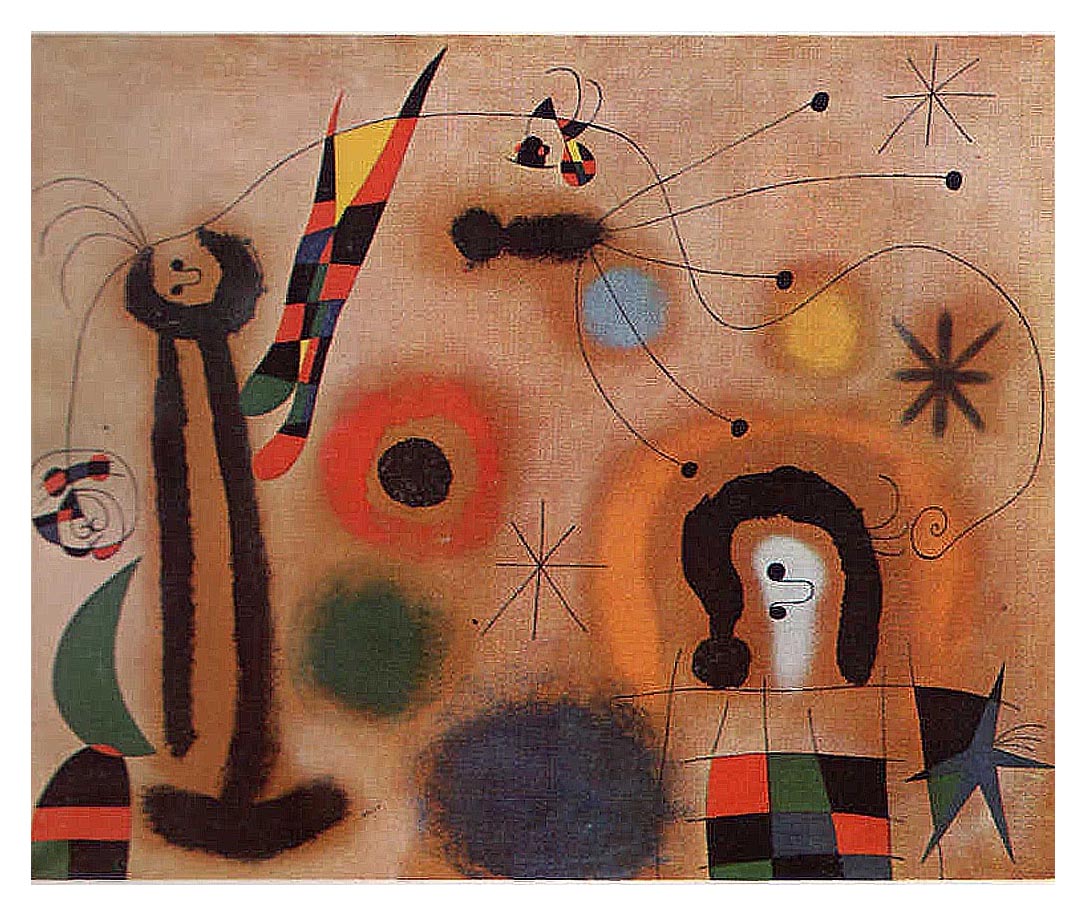
Марина Ивановна Цветаева (1892-1941)
.
Солнцем жилки налиты — не кровью —
На руке, коричневой уже.
Я одна с моей большой любовью
К собственной моей душе.
.
Жду кузнечика, считаю до ста,
Стебелёк срываю и жую…
— Странно чувствовать так сильно и так просто
Мимолётность жизни — и свою.
.
Marina Tsvetaeva (1892-1941)
.
My veins are filled with sun –
Not blood –
Brown is a hand – already like straw.
Alone I am with this strong love,
With love to my own wandering soul.
.
Waiting for a grasshopper
I count to ten,
Gathering flower-stalks to taste it…
– Feeling so simple, feeling so strange
The transience of life –
And me.
*
А́нна Андре́евна (1889-1966)
.
Есть в осени первоначальной
Короткая, но дивная пора —
Весь день стоит как бы хрустальный,
И лучезарны вечера…
.
Anna Akhmatova (1889-1966)
.
At the beginning of autumn
There is a short but wondrous time
When days seem made of crystal
And evenings are radiant…
*
Александр Блок (1880-1921)
.
Медлительной чредой нисходит день осенний,
Медлительно крутится желтый лист,
И день прозрачно свеж, и воздух дивно чист –
Душа не избежит невидимого тленья.
.
Так, каждый день стареется она,
И каждый год, как желтый лист кружится,
Всё кажется, и помнится, и мнится,
Что осень прошлых лет была не так грустна.
.
Alexander Blok (1880-1921)
.
In slow motion an autumn day is coming,
A yellow leaf is spinning tardily,
The day is quite fresh, the air divinely clear –
My soul shall not avoid its unseen fading.
.
Thus, one grows older with every day,
And every year spins like a yellow leaf,
As I enliven memories, it seems to me
That autumns of years past were not so sad…
*
Goethe (1749-1832)
“Herbstgefühl”
.
Fetter grüne, du Laub,
Am Rebengeländer
Hier mein Fenster herauf!
Gedrängter quellet,
Zwillingsbeeren, und reifet
Schneller und glänzend voller!
Euch brütet der Mutter Sonne
Scheideblick, euch umsäuselt
Des holden Himmels
Fruchtende Fülle;
Euch kühlet des Mondes
Freundlicher Zauberhauch,
Und euch betauen, ach!
Aus diesen Augen
Der ewig belebenden Liebe
Voll schwellende Tränen.
.
Goethe (1749-1832)
“Autumn Emotion”
.
A fuller green, you leaves,
up here to my window, along the grape trellis!
Swell more crowdedly,
indistinguishable berries,
and ripen more quickly
and more fully gleaming!
On you broods the mother sun’s parting glance,
all around you rustles the lovely sky’s fruitful abundance;
you are cooled by the moon’s kindly and magical breath,
you are bedewed
—ah!—
by the tears overflowing from
these eyes of eternally enlivening love.
*
Pablo Neruda (1904-1973)
“Te recuerdo como eras…”
.
Te recuerdo como eras en el último otoño.
Eras la boina gris y el corazón en calma.
En tus ojos peleaban las llamas del crepúsculo.
Y las hojas caían en el agua de tu alma.
.
Apegada a mis brazos como una enredadera,
las hojas recogían tu voz lenta y en calma.
Hoguera de estupor en que mi sed ardía.
Dulce jacinto azul torcido sobre mi alma.
.
Siento viajar tus ojos y es distante el otoño:
boina gris, voz de pájaro y corazón de casa
hacia donde emigraban
mis profundos anhelos
y caían mis besos alegres como brasas.
.
Cielo desde un navío. Campo desde los cerros.
Tu recuerdo es de luz, de humo, de estanque en calma!
Más allá de tus ojos ardían los crepúsculos.
Hojas secas de otoño giraban en tu alma.
.
Pablo Neruda (1904-1973)
“I remember you as you were…”
.
I remember you as you were that final autumn.
You were: grey beret, still heart.
In your eyes the flames of twilight fought on.
And the leaves fell in the water of your soul.
.
Clasping my arms like a climbing plant,
Leaves harvested your voice slow, at peace.
Bonfire of awe where my thirst was burning.
Sweet blue hyacinth twisted upon my soul.
.
I feel your eyes traveling, and the autumn is far off:
grey beret, voice of a bird, heart like a house,
towards which my deep longings migrated
and my kisses fell, happy as embers.
.
Sky from a ship. Field from the hills:
Your memory is made of light, of smoke, of a still pond!
Beyond your eyes, farther on, the evenings were blazing.
Dry autumn leaves revolved in your soul.
*
Robert Louis Stevenson (1850-1894)
“Autumn Fires”
.
In the other gardens
And all up the vale,
From the autumn bonfires
See the smoke trail!
.
Pleasant summer over
And all the summer flowers,
The red fire blazes,
The grey smoke towers.
.
Sing a song of seasons!
Something bright in all!
Flowers in the summer,
Fires in the fall!
*
藤原敏行
秋立つ日よめる
あききぬとめにはさやかに見えぬども
風のをとにぞおどろかれぬる
.
aki tatsu hi yomeru
aki kinu to me ni wa sayaka ni mienudomo
kaze no oto ni zo odorokarenuru
.
Fujiwara no Toshiyuki 藤原敏行
(10th century, Japan)
.
“Composed on the first day of Autumn…”
That autumn has come is not obvious to the eye,
rather, I was surprised by the sound of the wind.
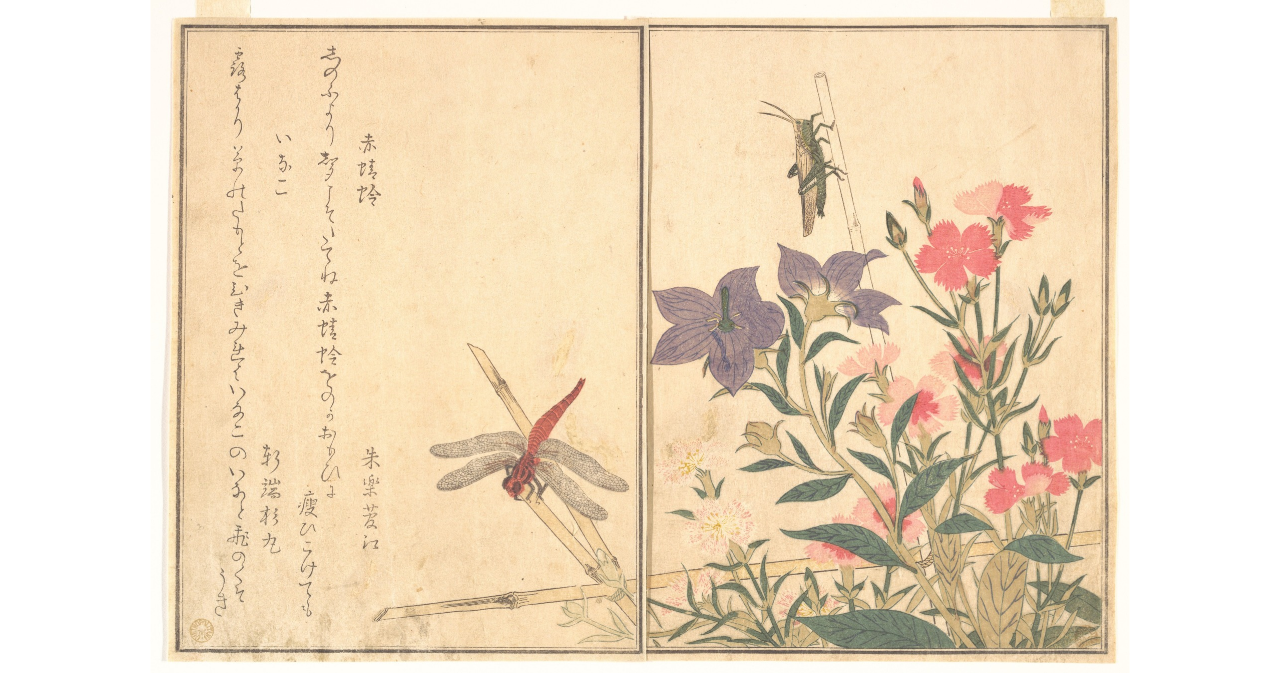
Kaya Shirao (1738-1791, Japan)
Aki no ki no / Autumn begins
.
Aki no ki no
Aka tombo ni
Sadamarinu.
.
The start of Autumn
Is always decided by
The red dragonfly.
_____
Special thanks:
David Bentley Hart (German, Spanish translations)
+ Yelena (Russian translations)
El Grito 2012: una celebración mexicanadiense en Toronto, Canadá
Posted: September 16, 2012 Filed under: IMAGES Comments Off on El Grito 2012: una celebración mexicanadiense en Toronto, Canadá

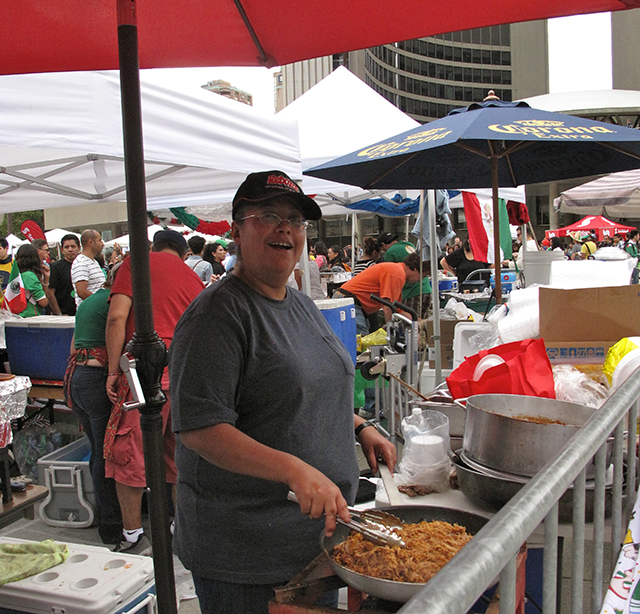
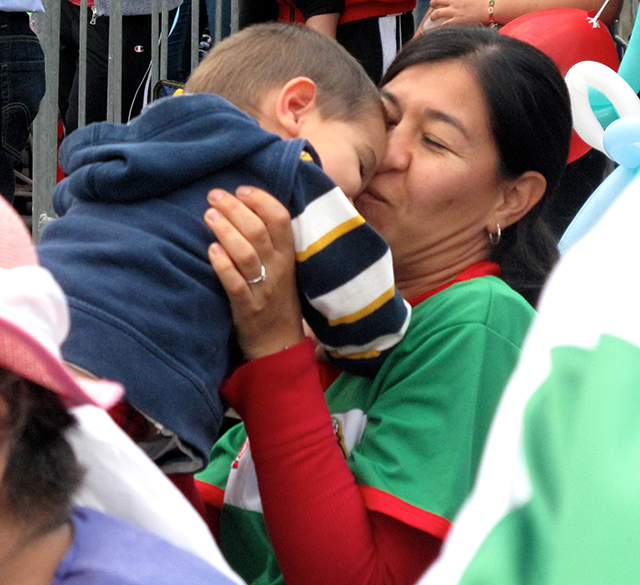
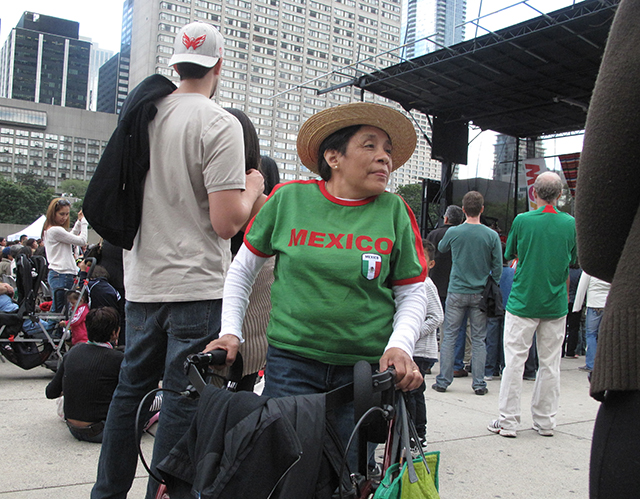
Fotos: Elisabeth Springate
Lugar: Nathan Phillips Square, Toronto, Canadá
Fecha: 15 de septiembre, 2012
 Zócalo Poets