Benito de Jesús’ “Nuestro Juramento” (“Our Oath”) as sung by Julio Jaramillo
Posted: February 14, 2013 Filed under: Benito de Jesús, Translator's Whimsy: Song Lyrics / Extravagancia del traductor: Letras de canciones traducidas por Alexander Best, ZP Translator: Alexander Best | Tags: Poemas de Amor Comments Off on Benito de Jesús’ “Nuestro Juramento” (“Our Oath”) as sung by Julio Jaramillo
ZP_A vintage Valentine’s Day postcard_1930s?_Note the absence of cutesy sentimentality or smarmy earnestness. Depicted are The Wiles, The Game, of Love.
Anyone hearing the 1957 recording of “Our Oath” (“Nuestro Juramento”) by 22-year-old Julio Jaramillo – later known as “The Nightingale of The Americas” for his sweet high tenor – perhaps will be surprised to learn – once the words have been translated from Spanish into English – how extravagantly Romantic are the lyrics of the song. Benito de Jesús’ lyrics emphasize Death and Love together, and it’s easy to forget that the word Romantic (with a capital R) used to include both – though the saccharine cuteness of Valentine’s Day – with its boxes of chocolates and bouquets of a dozen red roses – has diluted in the public sphere the irrational intensity of that many-limbed emotion, Love. In fact, there is nothing more Romantic than the death of the belovéd. de Jesús’ outlandish – by contemporary standards – and absolutely un-ironic – verses, combined with the delicacy and sincerity of Jaramillo’s voice, make for a curiously disquieting yet moving popular love song.
. . .
Benito de Jesús (1912 – 2010, Puerto-Rican composer)
“Our Oath” (“Nuestro Juramento”)
as sung by Julio Jaramillo (1935 – 1978, Guayaquil, Equador)
Translation/Interpretation from Spanish: Alexander Best
.
“Our Oath”
.
Your sorrowful face
I just cannot look upon
– because it kills me.
.
Sweet darling,
the weeping that
from you spills forth,
with anguish fills my heart.
.
Wordlessly I suffer if sad you fall,
I wish that no doubt might
make you cry at all.
We have vowed to love each other
until the day we die…
And if the dead may love?
– well, after our death we’ll love each other
all the more, oh my!
.
If I die first, promise to let a weeping
that sprouts from sorrow
pour down upon my body dead,
so that your love for me
by everyone present will be read.
.
If you should die first, I promise to write
the story of our love,
full of feeling in my soul.
Yes, I shall write our story in blood
– the ink-blood of my heart –
so that our tale of love is told!
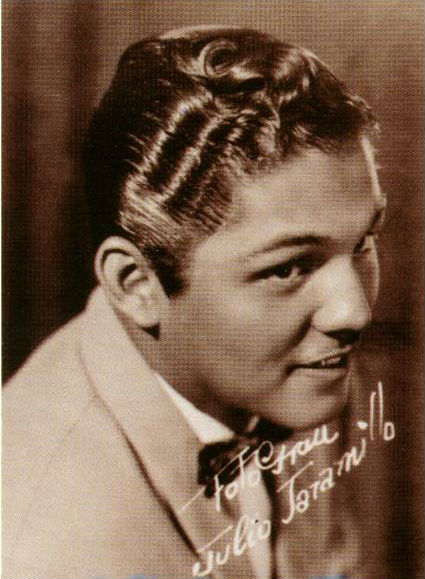
ZP_Julio Jaramillo in the 1950s
Después de su grabación en 1957, el bolero “Nuestro Juramento”, del compositor puertoriqueño Benito de Jesús, se convertió en icono de la música ecuatoriana. ¿Y por qué? A causa del tenor dulce de un cantante nacido en Guayaquil – Julio Jaramillo. En esta canción extravagante de Amor, Jaramillo – conocido más tarde como El Ruiseñor de América – canta con mucha ternura el tema, y la letra habla de una emoción fuerte que traspasa los límites de la vida. Merece la pena recordar en este Día de San Valentín que no es siempre precioso y meloso el Amor (como chocolates y ramos de rosas). El Amor incluye la eventualidad de un gran Hecho amenazador en el horizante – la Muerte.
. . .
Benito de Jesús (1912 – 2010, compositor puertoriqueño)
“Nuestro Juramento”
cantado por Julio Jaramillo (1935 – 1978, Guayaquil, Equador)
.
No puedo verte triste porque me mata
tu carita de pena, mi dulce amor.
Me duele tanto el llanto que tu derramas,
que se llena de angustia mi corazón.
.
Yo sufro lo indecible si tu entristeces,
no quiero que la duda te haga llorar.
Hemos jurado amarnos hasta la muerte
y si los muertos aman,
después de muertos amarnos más.
.
Si yo muero primero, es tu promesa,
sobre de mi cadaver dejar caer
todo el llanto que brote de tu tristeza
y que todos se enteren de tu querer.
.
Si tú mueres primero, yo te prometo,
escribiré la historia de nuestro amor
con toda el alma llena de sentimiento.
La escribiré con sangre,
con tinta sangre del corazón.
. . . . .
George Elliott Clarke: “El Blues para X” / “Blues for X”
Posted: February 12, 2013 Filed under: English: Black Canadian / American, George Elliott Clarke, Spanish, ZP Translator: Alexander Best, ZP Translator: Lidia García Garay | Tags: Black History Month poems Comments Off on George Elliott Clarke: “El Blues para X” / “Blues for X”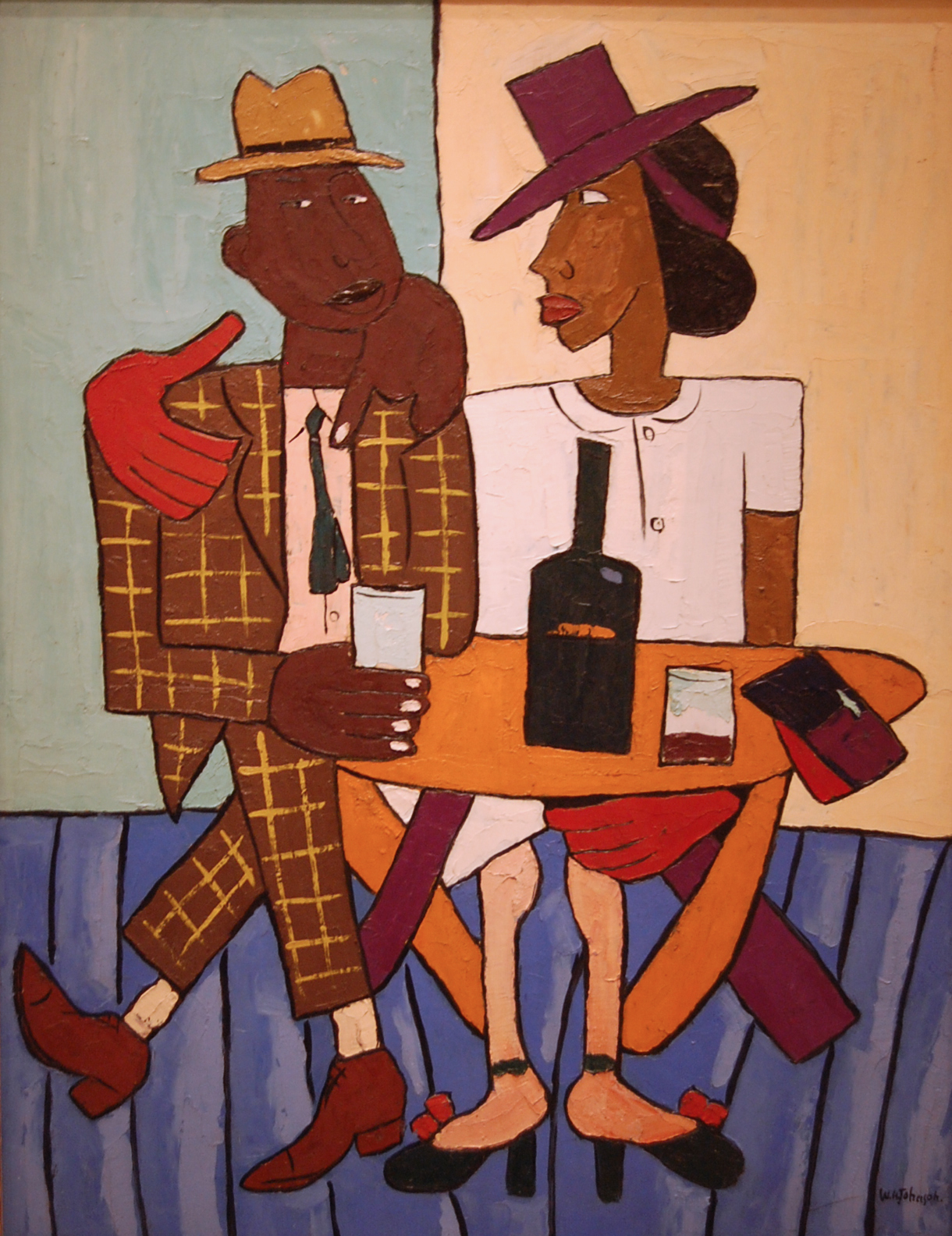
ZP_painting by William Henry Johnson, 1901 – 1970_Café_1940
George Elliott Clarke (born 1960)
“Blues for X”
.
Pretty boy, towel your tears,
And robe yourself in black.
Pretty boy, dry your tears,
You know I’m comin’ back.
I’m your slavish lover
And I’m slavish in the sack.
.
Call me: Sweet Potato,
Sweet Pea, or Sweety Pie,
There’s sugar on my lips
And honey in my thighs.
Jos’phine Baker bakes beans,
But I stew pigtails in rye.
.
My bones are guitar strings
And blues the chords you strum.
My bones are slender flutes
And blues the bars you hum.
You wanna stay my man ? –
Serve me whisky when I come !
. . .
George Elliott Clarke (nace 1960)
“El Blues para X”
.
Lindo chico, enjúgate las lágrimas,
Y vístete de negro.
Chico chicho – que no llores,
Volveré – tú sabes.
Soy tu amante-esclava
Y soy servil en la cama.
.
Llámame: “mi camote”,
“chícharo’zuc’rado” o “pastelito dulce”,
Hay azucar en mis labios
Y miel en mis muslos.
Jos’phine “Panadero” Baker cuece frijoles
Pero yo guiso colas-de-chancho en güisqui.
.
Son cuerdas de guitarra mis huesos
Y los acordes que rasgueas El Blues.
Los huesos son flautas esbeltas
Y El Blues – el compás que tarareas.
¿Quieres permanecer mi hombre?
!Sírveme güisqui cuándo me vengo!
. . .
George Elliott Clarke, el poeta laureado actual de la ciudad de Toronto, nació en este día, el 12 de febrero de 1960. Los temas de su poesía son los hechos y la mitología de su provincia natal – Nova Scotia, Canadá. Con la provincia al lado – New Brunswick – las dos forman lo que Señor Clarke dice como “Africadia” – la palabra África (de unos esclavos fugados de los Estados Unidos) + la palabra Acadia (la misma región canadiense en su época francesa, antes de la llegada de los británicos).
Señor Clarke es Profesor de la literatura canadiense y de la diáspora africana en la Universidad de Toronto.
El poema “El Blues para X” (1990) fue escrito en la voz de una mujer que está confiada en su sexualidad y honesta en sus deseos. El estilo del poema es, quizás, de “nuevo-Blues”. Mezcla algo de la habla clara de Langston Hughes con las palabras francas de Bessie Smith.
. . .
The City of Toronto’s current Poet Laureate, George Elliott Clarke (born February 12th, 1960, in Windsor Plains, Nova Scotia), has mythologized Black-Canadian history in what he calls Africadia – Africa + Acadia – the provinces of New Brunswick and Nova Scotia as lived by Black people for more than two centuries. Clarke received the Governor General’s Award in 2001 for his Execution Poems, based on the lives – and deaths – of two of his relatives, George and Rufus Hamilton. He wrote a libretto for his own play, Beatrice Chancy, and with a score by James Rolfe the opera premiered in Toronto in 1998 with Fredericton-born Measha Brueggergosman in the title role. Since 1999 Professor Clarke has taught Canadian and African Diasporic Literature at the University of Toronto. The poem “Blues for X” – from his 1990 poetry collection Whylah Falls – might be deemed a neo-Blues poem – harkening back to the plain-spoken Blues poems of Langston Hughes, but with a wake-up shot à la Bessie Smith (the last two verses).
.
Traducción en español / Translation into Spanish: Alexander Best, Lidia García Garay
“Blues for X” © George Elliott Clarke
“Viva y no pare” / “Live and don’t hold back”: Nicolás Guillén + el Yoruba de Cuba / the Yoruba from Cuba
Posted: February 5, 2013 Filed under: English, Nicolás Guillén, Nicolás Guillén + el Yoruba de Cuba / the Yoruba from Cuba, Spanish, ZP Translator: Alexander Best | Tags: Black History Month poems Comments Off on “Viva y no pare” / “Live and don’t hold back”: Nicolás Guillén + el Yoruba de Cuba / the Yoruba from Cuba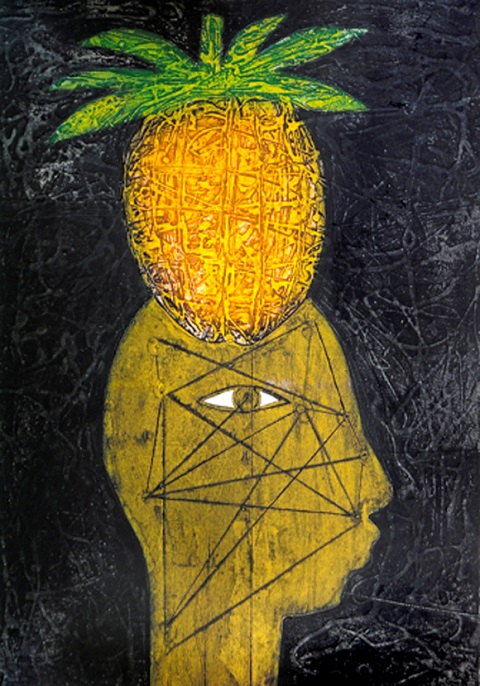
Z|P_Cabeza de piña por Eduardo Roca alias Choco_pintor cubano
Nicolás Guillén (Cuba, 1902-1989)
A poem from “ ‘Son’ Motifs ” (1930)
“Go get some dough”
.
Get some silver,
go get some dough for us!
Cuz I’m not goin one step more:
we’re down to just rice and crackers,
that’s it.
Yeah, I know how things are,
but hey, my Guy – a person’s gotta eat:
so get some money,
go get it,
else I’m gonna beat it.
Then they’ll call me a ‘no good’ woman
and won’t want nothin’ to do with me. But
Love with Hunger? Hell no!
.
There’s so many pretty new shoes out there, dammit!
So many wristwatches, compadre!
Hell – so many luxuries we might have, my Man!
.
Translation from Spanish: Alexander Best
.
Note: ‘Son’ (meaning Sound) was the traditional Cuban music style of the early twentieth century.
It combined Spanish song and guitars with African percussion of Bantu origin. ‘Son’ was the basis upon which Salsa developed.
. . .
Del poemario “Motivos de Son” (1930)
“Búcate plata”
.
Búcate plata,
búcate plata,
poqque no doy un paso má;
etoy a arró con galleta,
na má.
Yo bien sé como etá to,
pero biejo, hay que comé:
búcate plata,
búcate plata,
poqque me boy a corré.
Depué dirán que soy mala,
y no me quedrán tratá,
pero amó con hambre, biejo.
¡qué ba!
con tanto sapato nuevo,
¡qué ba!
Con tanto reló, compadre,
¡qué ba!
Con tanto lujo, mi negro,
¡qué ba!
. . .
A poem from Sóngoro cosongo: mulatto poems (1931)
“Cane”
.
The black man
together with the plantation.
The yankee
on the plantation.
The earth
beneath the plantation.
Our blood
drains out of us!
. . .
Un poema del poemario Sóngoro cosongo: poemas mulatos (1931)
“Caña”
.
El negro
junto al cañaveral.
El yanqui
sobre el cañaveral.
La tierra
bajo el cañaveral.
¡Sangre
que se nos va!
. . .
Two poems from “West Indies, Ltd.” (1934):
“Guadaloupe, W. I., Pointe-à-Pitre”
.
The black men, working
near the steamboat. The arabs, selling,
the french, strolling, having a rest
– and the sun, burning.
.
In the harbour the sea
lies down. The air toasts
the palm trees… I scream: Guadaloupe!
but nobody answers.
.
The steamboat leaves, labouring through
the impassive waters with a foaming roar.
There the black men stay, still working,
and the arabs, selling,
and the french, strolling, having a rest
– and the sun, burning…
. . .
“Guadalupe, W. I., Pointe-à-Pitre” (1934)
.
Los negros, trabajando
junto al vapor. Los árabes, vendiendo,
los franceses, paseando y descansando
– y el sol, ardiendo.
En el puerto se acuesta
el mar. El aire tuesta
las palmeras… Yo grito: ¡Guadalupe!
pero nadie contesta.
.
Parte el vapor, arando
las aguas impasibles con espumoso estruendo.
Allá quedan los negros trabajando,
los árabes vendiendo,
los franceses, paseando y descansando
– y el sol, ardiendo…
. . .
“Riddles”
.
The teeth, filled with the morning,
and the hair, filled with the night.
Who is it? It’s him, or it’s not him?
— Black man.
.
Though she being woman and not beautiful,
you’ll do what she orders you.
Who is it? It’s him, or it’s not him?
— Hunger.
.
Slave of the slaves,
and towards the masters, tyrant.
Who is it? It’s him, or it’s not him?
— Sugar cane.
.
Noise of a hand
that never ignores the other.
Who is it? It’s him, or it’s not him?
— Almsgiving.
.
A man who is crying
going on with the laugh he learned.
Who is it? It’s him, or it’s not him?
— Me.
. . .
“Adivinanzas”
.
En los dientes, la mañana,
y la noche en el pellejo.
¿Quién será, quién no será?
— El negro.
.
Con ser hembra y no ser bella,
harás lo que ella te mande.
¿Quién será, quién no será?
— El hambre.
.
Esclava de los esclavos,
y con los dueños, tirana.
¿Quién será, quién no será?
— La caña.
.
Escándalo de una mano
que nunca ignora a la otra.
¿Quién será, quién no será?
— La limosna.
.
Un hombre que está llorando
con la risa que aprendió.
¿Quién será, quién no será?
— Yo.
. . .
Poem from “Cantos para soldados y sones para turistas (1937)
“Execution”
.
They are going to execute
a man whose arms are tied.
There are four soldiers
for the shooting.
Four silent
soldiers,
fastened up,
like the fastened-up man they’re going to kill.
— Can you escape?
— I can’t run!
— They’re gonna shoot!
— What’re we gonna do?
— Maybe the rifles aren’t loaded…
— They got six bullets of fierce lead!
— Perhaps these soldiers don’t shoot!
— You’re a fool – through and through!
.
They fired.
(How was it they could shoot?)
They killed.
(How was it they could kill?)
They were four silent
soldiers,
and an official señor
made a signal to them, lowering his saber.
Four soldiers they were,
and tied,
like the man they were to kill.

ZP_En la mira (In the cross-hairs)_Eduardo Roca (Choco)_pintor cubano
“Fusilamiento”
.
Van a fusilar
a un hombre que tiene los brazos atados.
Hay cuatro soldados
para disparar.
Son cuatro soldados
callados,
que están amarrados,
lo mismo que el hombre amarrado que van a matar.
—¿Puedes escapar?
—¡No puedo correr!
—¡Ya van a tirar!
—¡Qué vamos a hacer!
—Quizá los rifles no estén cargados…
—¡Seis balas tienen de fiero plomo!
—¡Quizá no tiren esos soldados!
—¡Eres un tonto de tomo y lomo!
.
Tiraron.
(¿Cómo fue que pudieron tirar?)
Mataron.
(¿Cómo fue que pudieron matar?)
Eran cuatro soldados
callados,
y les hizo una seña, bajando su sable,
un señor oficial;
eran cuatro soldados
atados,
lo mismo que el hombre que fueron los cuatro a
matar.
. . .
“Bourgeois”
.
The vanquished bourgeois – they don’t make me sad.
And when I think they are going to make me sad,
I just really grit my teeth, really shut my eyes.
.
I think about my long days with neither shoes and roses,
I think about my long days with neither sombrero nor
clouds,
I think about my long days without a shirt – or dreams,
I think about my long days with my prohibited skin,
I think about my long days And
.
You cannot come in, please – this is a club.
The payroll is full.
There’s no room in this hotel.
The señor has stepped out.
Looking for a girl.
Fraud in the elections.
A big dance for blind folks.
.
The first price fell to Santa Clara.
A “Tómbola” lottery for orphans.
The gentleman is in Paris.
Madam the marchioness doesn’t receive people.
Finally And
.
Given that I recall everything and
the way I recall everything,
what the hell are you asking me to do?
In addition, ask them,
I’m sure they too
recall all.
. . .
“Burgueses”
.
No me dan pena los burgueses vencidos.
Y cuando pienso que van a dar me pena,
aprieto bien los dientes, y cierro bien los ojos.
.
Pienso en mis largos días sin zapatos ni rosas,
pienso en mis largos días sin sombrero ni nubes,
pienso en mis largos días sin camisa ni sueños,
pienso en mis largos días con mi piel prohibida,
pienso en mis largos días Y
.
No pase, por favor, esto es un club.
La nómina está llena.
No hay pieza en el hotel.
El señor ha salido.
.
Se busca una muchacha.
Fraude en las elecciones.
Gran baile para ciegos.
.
Cayó el premio mayor en Santa Clara.
Tómbola para huérfanos.
El caballero está en París.
La señora marquesa no recibe.
En fin Y
Que todo lo recuerdo y como todo lo
recuerdo,
¿qué carajo me pide usted que haga?
Además, pregúnteles,
estoy seguro de que también
recuerdan ellos.
. . .
“The Black Sea”
.
The purple night dreams
over the sea;
voices of fishermen,
wet with the sea;
the moon makes its exit,
dripping all over the sea.
.
The black sea.
Throughout the night, a sound,
flows into the bay;
throughout the night, a sound.
.
The boats see it happen,
throughout the night, this sound,
igniting the chilly water.
Throughout the night, a sound,
Inside the night, this sound,
Across the night – a sound.
.
The black sea.
Ohhh, my mulatto woman of fine, fine gold,
I sigh, oh my mixed woman who is like gold and silver together,
with her red poppy and her orange blossom.
At the foot of the sea.
At the foot of the sea, the hungry, masculine sea.
.
Translation from Spanish: Alexander Best
. . .
“El Negro Mar”
.
La noche morada sueña
sobre el mar;
la voz de los pescadores
mojada en el mar;
sale la luna chorreando
del mar.
El negro mar.
Por entre la noche un son,
desemboca en la bahía;
por entre la noche un son.
Los barcos lo ven pasar,
por entre la noche un son,
encendiendo el agua fría.
Por entre la noche un son,
por entre la noche un son,
por entre la noche un son. . .
El negro mar.
Ay, mi mulata de oro fino,
ay, mi mulata
de oro y plata,
con su amapola y su azahar,
al pie del mar hambriento y masculino,
al pie del mar.
. . .
“Son” Number 6
.
I’m Yoruba, crying out Yoruba
Lucumí.
Since I’m Yoruba from Cuba,
I want my lament of Yoruba to touch Cuba
the joyful weeping Yoruba
that comes out of me.
.
I’m Yoruba,
I keep singing
and crying.
When I’m not Yoruba then
I am Congo, Mandinga or Carabalí.
Listen my friends, to my ‘son’ which begins like this:
.
Here is the riddle
of all my hopes:
what’s mine is yours,
what’s yours is mine;
all the blood
shaping a river.
.
The silk-cotton tree, tree with its crown;
father, the father with his son;
the tortoise in its shell.
Let the heart-warming ‘son’ break out,
and our people dance,
heart close to heart,
glasses clinking together
water on water with rum!
.
I’m Yoruba, I’m Lucumí,
Mandinga, Congo, Carabalí.
Listen my friends, to the ‘son’ that goes like this:
.
We’ve come together from far away,
young ones and old,
Blacks and Whites, moving together;
one is a leader, the other a follower,
all moving together;
San Berenito and one who’s obeying
all moving together;
Blacks and Whites from far away,
all moving together;
Santa María and one who’s obeying
all moving together;
all pulling together, Santa María,
San Berenito, all pulling together,
all moving together, San Berenito,
San Berenito, Santa María.
Santa María, San Berenito,
everyone pulling together!
.
I’m Yoruba, I’m Lucumí
Mandinga, Congo, Carabalí.
Listen my friends, to my ‘son’ which ends like this:
.
Come out Mulatto,
walk on free,
tell the White man he can’t leave…
Nobody breaks away from here;
look and don’t stop,
listen and don’t wait
drink and don’t stop,
eat and don’t wait,
live and don’t hold back
our people’s ‘son’ will never end!
.
Translation from Spanish: Salvador Ortiz-Carboneres
. . .
“Son número 6”
.
Yoruba soy, lloro en yoruba
lucumí.
Como soy un yoruba de Cuba,
quiero que hasta Cuba suba mi llanto yoruba;
que suba el alegre llanto yoruba
que sale de mí.
.
Yoruba soy,
cantando voy,
llorando estoy,
y cuando no soy yoruba,
soy congo, mandinga, carabalí.
Atiendan amigos, mi son, que empieza así:
.
Adivinanza
de la esperanza:
lo mío es tuyo
lo tuyo es mío;
toda la sangre
formando un río.
.
La ceiba ceiba con su penacho;
el padre padre con su muchacho;
la jicotea en su carapacho.
.
¡Que rompa el son caliente,
y que lo baile la gente,
pecho con pecho,
vaso con vaso,
y agua con agua con aguardiente!
.
Yoruba soy, soy lucumí,
mandinga, congo, carabalí.
Atiendan, amigos, mi son, que sigue así:
.
Estamos juntos desde muy lejos,
jóvenes, viejos,
negros y blancos, todo mezclado;
uno mandando y otro mandado,
todo mezclado;
San Berenito y otro mandado,
todo mezclado;
negros y blancos desde muy lejos,
todo mezclado;
Santa María y uno mandado,
todo mezclado;
todo mezclado, Santa María,
San Berenito, todo mezclado,
todo mezclado, San Berenito,
San Berenito, Santa María,
Santa María, San Berenito
todo mezclado!
.
Yoruba soy, soy lucumí,
mandinga, congo, carabalí.
Atiendan, amigos, mi son, que acaba así:
.
Salga el mulato,
suelte el zapato,
díganle al blanco que no se va:
de aquí no hay nadie que se separe;
mire y no pare,
oiga y no pare,
beba y no pare,
viva y no pare,
que el son de todos no va a parar!
. . . . .
Zócalo Poets will return February 2013 / Zócalo Poets…Volveremos en febrero de 2013
Posted: December 31, 2012 Filed under: English, Jakuren, Japanese, Oliver Herford, Yosano Hiroshi, ZP Translator: Alexander Best Comments Off on Zócalo Poets will return February 2013 / Zócalo Poets…Volveremos en febrero de 2013¿Eres poeta o poetisa?
¡Mándanos tus poemas – en cualquier idioma!
Are you a poet or poetess?
Send us your poems – in any language!
zocalopoets@hotmail.com
.

.
与謝野 鉄幹 / Yosano Hiroshi (1873-1935)
.
yama fukami /deep in the mountains /en lo profundo de la cordillera
haru to mo shiranu / beyond the knowledge of spring /
más allá del conocimiento de la primavera
matsu no to ni / on a pine bough door /sobre una puerta de ramas de pino
taedae kakaru / there are faintly suspended / hay, delicadamente suspendidos,
yuki no tamamizu / beads of liquid snow / gotas de nieve líquida.
. . .
Oliver Herford (1863-1935)
“I heard a bird sing”
.
I heard a bird sing
In the dark of December.
A magical thing
And sweet to remember.
.
“We are nearer to Spring
Than we were in September,”
I heard a bird sing
In the dark of December.
. . .
“Oí un pájaro, cantante pájaro” (Oliver Herford, 1863-1935)
.
Oí un pájaro, cantante pájaro,
En l’ oscuridad de diciembre
– algo mágico, esa voz, y
Dulce en mi recuerdo.
.
“Estamos más cerca de la primavera
Que estuvimos en septiembre.”
Oí un pájaro, cantante pájaro,
En la luz tenue, diciembre.
. . .
藤原定長 / Jakuren (1139-1202)
.
kaze wa kiyoshi / the breeze is fresh / fresca, la brisa,
tsuki wa sayakeshi / the moon is bright; / brillante, la luna;
iza tomoni / come, we shall dance till dawn, / ven, bailaremos hasta el alba,
odori akasan / and say farewell to age… / y a la vejez diremos Adiós.
oi no nagori ni…
.
Translations of ‘tanka’ poems by Yosano Hiroshi and Jakuren from Japanese © Michael Haldane
Translations into Spanish / Traducciones al español: Alexander Best
. . . . .
Lolo at ang magandang Parol: tula ni Pepito/Huseng Batute
Posted: December 19, 2012 Filed under: English, Huseng Batute (José Corazón de Jesús), Tagalog / Filipino, ZP Translator: Carmelo Gorospe | Tags: Filipino Christmas poems, Tula sa Pasko Comments Off on Lolo at ang magandang Parol: tula ni Pepito/Huseng Batute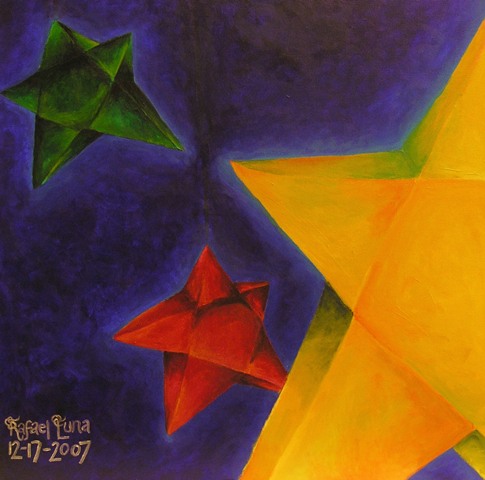
ZP_Parol Painting by Rafael Luna
José Corazón de Jesús (Huseng Batute) 1896-1932
“Ang Magandang Parol” (1928)
.
Isang papel itong ginawa ng lolo
may pula, may asul, may buntot sa dulo;
sa tuwing darating ang masayang Pasko
ang parol na ito’y makikita ninyo.
.
Sa aming bintana doon nakasabit
kung hipan ng hangi’y tatagi-tagilid,
at parang tao ring bago na ang bihis
at sinasalubong ang Paskong malamig.
.
Kung kami’y tutungo doon sa simbahan
ang parol ang aming siyang tagatanglaw,
at kung gabi namang malabo ang buwan
sa tapat ng parol doon ang laruan.
.
Kung aking hudyatin tanang kalaguyo,
mga kapwa bata ng pahat kong kuro,
ang aming hudyatan ay mapaghuhulo:
“Sa tapat ng lolo tayo maglalaro.”
.
Kaya nang mamatay ang lolo kong yaon,
sa bawat paghihip ng amihang simoy,
iyang nakasabit na naiwang parol
nariyan ang diwa noong aming ingkong.
.
Nasa kanyang kulay ang magandang nasa,
nasa kanyang ilaw ang dakilang diwa,
parang sinasabi ng isang matanda:
“Kung wala man ako’y tanglawan ang bata.”
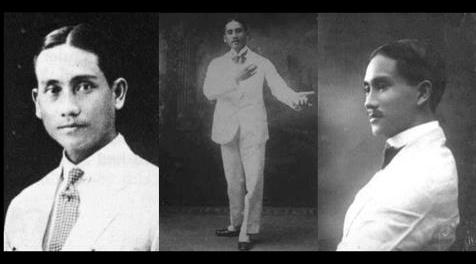
ZP_José Corazón de Jesús_Huseng Batute_1896-1932
“The Beautiful Parol (Christmas Lantern)”:
a translation/interpretation by Carmelo Gorospe, with Alexander Best
.
There was this one special kind of paper that Grandpa used,
and the Parol could be red or blue, and sometimes with a tail, too.
And now, every time Pasko (Christmas) comes around,
the Parol lantern can be found.
In every other window you’ll see one hanging,
and the wind blows it this way and that,
and each Parol is like a person with a new look that welcomes chilly Christmas!
On our way to church the Parol’s light was our guide in the darkness,
and when the moon might go behind a cloud, well,
the kids played beneath the Parol’s glow.
Whenever I give the sign to my friends, they remember, like all the kids did,
playing in front of Grandpa’s lantern light.
And, ever since he passed away…of course, each time a cool wind blows,
and the Parol sways,
it reminds me of him.
In Grandpa’s colours – such beautiful wishes.
In Grandpa’s light – such beautiful memories, as if saying:
“Though I’m no longer here, my Light will guide you, little ones!”
. . . . .
Cicatrizes da Vida: poemas brasileiros em inglês / Scars of Life: Brazilian poems in English
Posted: October 27, 2012 Filed under: English, Portuguese, Valdeck Almeida de Jesus, ZP Translator: Alexander Best | Tags: Poemas brasileiros em inglês Comments Off on Cicatrizes da Vida: poemas brasileiros em inglês / Scars of Life: Brazilian poems in EnglishValdeck Almeida de Jesus
“Aqui e agora”
.
Aqui e agora
Eu sou,
Sou tudo:
O mundo, o sol, o mar
O mar distante
O sol presente
O mundo invisível.
Sou nada:
O mar, o sol, o mundo
O mundo real
O sol no infinito
O mar da melancolia
Melancolia e saudade
Daquilo que não vivi.
. . .
“Here and Now”
.
Here and now
I am – I am
Everything:
The world, the sun and sea
– the distant sea,
The sun this very moment,
The invisible world.
.
I am nothing:
The sea, the sun, the world,
The real world,
The sun in its infinity,
And a sea of melancholy –
Melancholy and longing, yearning
– for that which I did not live.
. . .
“Cicatrizes”
.
A vida é uma sucessão,
Successão de cicatrizes…
Cicatrizes do amor
Cicatrizes da alegria
Cicatrizes da dor
Cicatrizes da euphoria.
Não quero viver
Sem cicatrizes
– alegres os tristes,
Quase felizes
Meus dias terão
Várias cicatrizes.
. . .
“Scars”
.
Life is a kind of succession…
– a succession of scars –
Love’s scars,
Scars of happiness,
Of grief, of euphoria.
I don’t wish to live
Without those scars
– scars joyful, scars sad,
Almost happy, my days…
And they’ll have numerous scars.
. . .
“Vida”
.
Viver en tento,
Morrer não quero,
Sorrir desejo,
Mas não consigo;
Me ver em ti,
Procuro sempre;
Amar com garra
E com segurança,
Estou tentando
Desde sempre.
Se não consigo
Ser mais autêntico,
É porque sou humano
E por tal, falho.
. . .
“Life”
.
To live with care,
And not want to die,
I wish to smile,
But maybe not with you…
.
To see myself in you
– always I seek that –
And to love with gusto, with sureness
(I’ve been trying to do that since forever!)
.
But if not with you…
Well, to be more real,
And it’s all because I’m human and,
For that reason,
Flawed.
.
“Aqui e agora”, “Cicatrizes”, “Vida”: © Valdeck Almeida de Jesus
. . .
Valdeck Almeida de Jesus é jornalista, escritor e poeta. Nasceu em 1966 em Jequié, Bahia, Brasil.
A journalist, writer and poet, Valdeck Almeida de Jesus was born in 1966.
He hails from Jequié, Bahia State, Brazil.
.
Tradução de português para inglês / Translations from Portuguese into English:
Alexander Best
Frida + Diego: poems, pictures / pinturas, poemas
Posted: October 20, 2012 Filed under: Eduardo Urueta, English, Frida + Diego: poems + pictures / pinturas + poemas, Hellen Chinchilla, José Pablo Sibaja Campos, Spanish, ZP Translator: Alexander Best Comments Off on Frida + Diego: poems, pictures / pinturas, poemas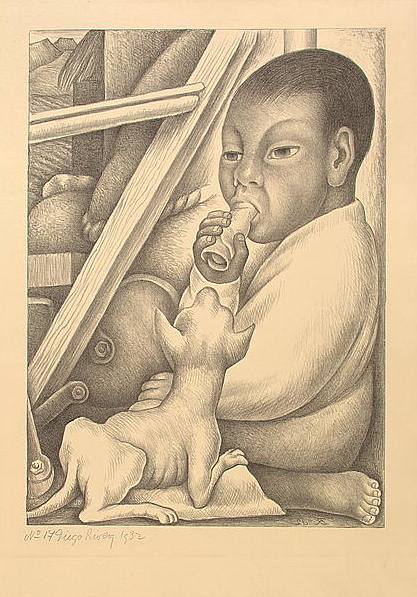
Today in Toronto, at the Art Gallery of Ontario, a first-time-ever exhibition in Canada opens: “Frida and Diego: Passion, Politics and Painting”. Combining the divergent artworks of México’s famous bohemian ‘power couple” of the twentieth century, Frida Kahlo and Diego Rivera – an odd yet charismatic pair of artists/soul-mates.
.
Diego Rivera (1886-1957) put México on the map internationally for his enormous public murals depicting Mexican history with a distinct Marxist perspective – and by placing Indigenous people front-and-centre in his work. Arguably, fellow muralists José Orozco and David Siqueiros were superior artists but Rivera’s vast energy and robust national/historical vision place him at the forefront. Though in his smaller painted canvases (some of which may be seen at the A.G.O. show) Rivera is wildly uneven as to technique and intellectual perspective – he can be cloying and mediocre – still, he is an exceptional figure for his vitality alone.
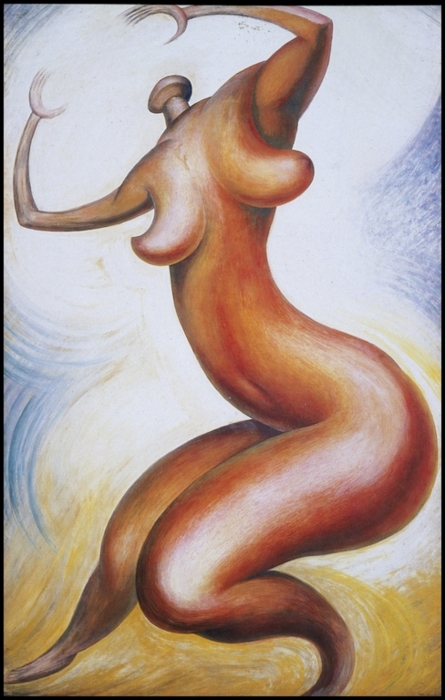
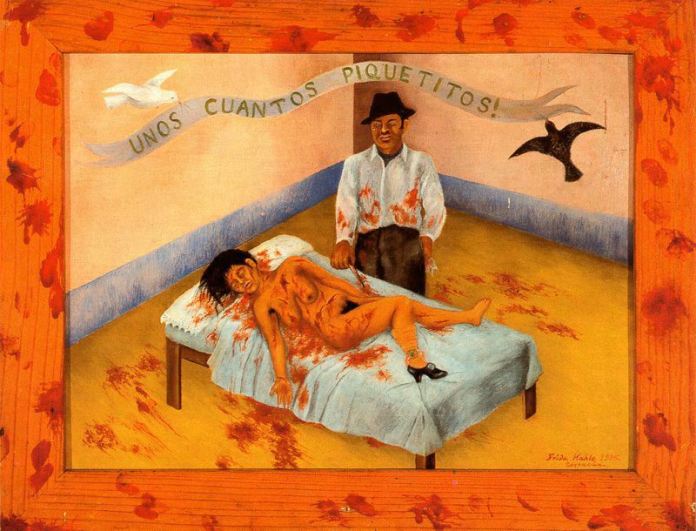
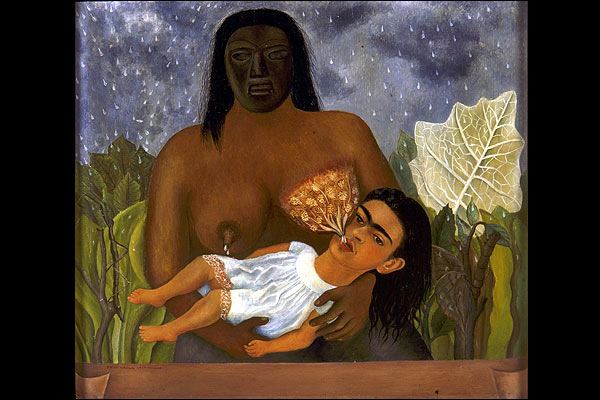
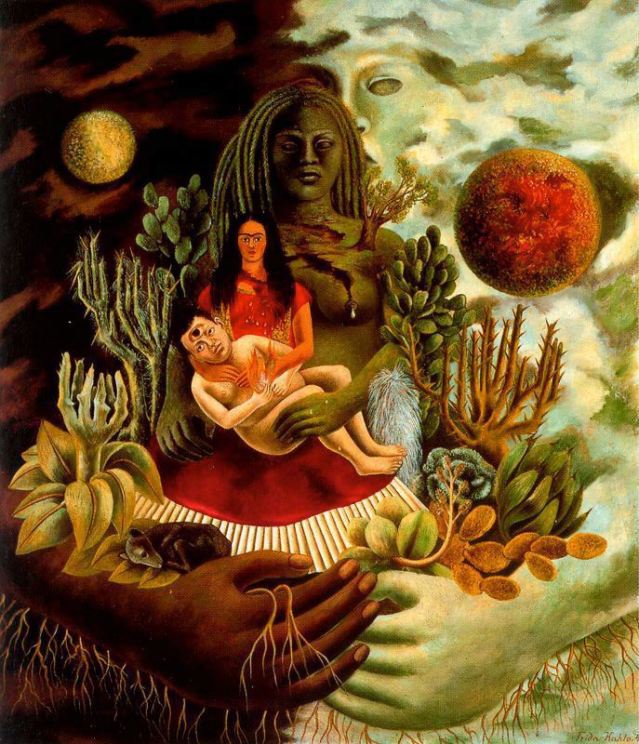
A maverick originality defines Frida Kahlo (1907-1954). In her short gutsy life she altered people’s perception of what it meant to be a woman painter. Though her small-size – and they are almost always small – canvases lack painterly finesse , nonetheless they are deeply affecting for their self-absorbed even disturbingly raw subject matter/point of view. Here was something new in a female painter – and Kahlo has been embraced by Surrealists, Feminists, champions of “Mestizaje”, Disabled and Chronic-Pain Activists, Body Self-Modifiers, and dedicated Non-Conformists. All have found what they needed in the work and life of this complex artist and woman – one who continues to fascinate a new generation now discovering her.
.
We present three poems in translation from Spanish by young poets who have meditated upon the “meaning of” Diego and of Frida…
. . .
Hoy en Toronto, el 20 de octubre, se inaugurará en La Galería de Arte de Ontario una exposición centrada en obras de los artistas Frida Kahlo y Diego Rivera – y titulada: Frida y Diego: Pasión, Política y Pintura. Es la primera vez que están en Canadá las pinturas de estos “compañeros” lo más famosos del arte mexicano del siglo XX.
Y para celebrar este hecho – las reflexiones de tres poetas…
. . .
Eduardo Urueta (pseudonym)
“Poem for Diego Rivera” (December 2011)
.
México:
The wet-nurse that breastfed you,
Who gave you your icy tone in love,
And who drew you, with his plump hands, as
Black women, soldiers on fire, Communists, kids;
México misses you –
this place is a fountain of the dismal…
.
So pronounced is your brow – like your temper.
So easygoing – so bearable – these mummy-like buildings.
The México of your tree-of-awareness is – like you – dead.
They’ve got skeletons – ‘at par’ now.
We are grey dust – smog – save for
Guanajuato which keeps on with its brightly-coloured houses in the hills and its
Streets smelling of oil paints – almost kissing us.
.
The buckets which by you got filled in two days
And by the third became big round chests or trunks-ful,
Were:
1. a nude portrait of (audacious poetess) Guadalupe Amor
2. a transvestite you never wanted and who ‘rouged’ you with his bearded cheeks,
And
3. your dead son by your first wife, Angelina Beloff.
.
So much matrimony to satisfy your hefty body,
So much travel to make ‘bug out’ those toad-eyes of yours,
So many kilometres of walls
To fill this country UP with History.
.
You are in debt.
You await – you hope for – a novice urbanization.
You have to hope – always – that the
Wall of memory (painted by you)
Bears the weight of – can hold up – the sky for you.
People will continue to love
The “Bellas Artes” fresco,
and that staircase mural decorated by your hands
– until the thing collapses and falls down…
. . .
Eduardo Urueta (Seudónimo)
“Poema para Diego Rivera” (diciembre 2011)
.
México:
la nodriza que te amamantó,
quien te dio tu gélido acento de amor,
y quien te dibujó, en las manos llenas,
mujeres morenas, soldados en combustión, comunistas, niños;
te extraña
– es una fuente sombría.
.
Tan pronunciada tu frente, como tu genio
Tan llevadera la momia de los edificios.
El México de tu árbol-conciencia,
como tú, está muerto.
Se hicieron a la par esqueletos.
Somos polvo gris,
excepto Guanajuato que sigue con casas de color en sus cerros
y sus calles huelen a aceite de pintura, a besos.
.
Los cubos que en ti cupieron dos días
y al tercero se volvieron un baúl redondo,
fueron
Un retrato desnudo de Guadalupe Amor,
Un hombre travesti que nunca quisiste y que ruborizaste de rosa
sus mejillas de hombre barbón,
y tu hijo muerto de Angelina Beloff.
.
Tanto matrimonio para llenar tu cuerpo gordo
tanto viaje
para llenar tus ojos de sapo
tanto kilómetro de muros
para llenar de historia al país
.
En deuda estás.
Te espera el blanco de la novicia urbanización
Te ha de esperar, siempre
el muro de la memoria
te ha de sufrir el cielo
por sujetarte el peso.
Te seguirá amando Bellas Artes
su escalera adornada de tus manos
hasta que se derrumbe…
José Pablo Sibaja Campos
“To Frida”
.
Today, when inexorable Time has shown us
How many calendars have gone up in smoke;
Now that the leaves have begun to fall from the trees;
Only just today when the sky seems to be transforming itself into a violent sea;
I – pausing before your face and its glance – have got to say:
Frida Camarada Kahlo,
That which you painted at one time or another as if wanting to speak to me;
The same fixed glance with which you have turned yourself into a nereid, a sea-nymph,
from that murky sea many people wanted to conquer but which few have achieved.
.
To be sure, Frida, there are those who look for you under the shade of some Rivera painting;
Others, naïve ones, find you within the shuttered corridors of a dream
– Poor them! – sad…blind.
They don’t notice that you live in your paintings, your paintings live in you.
Come, Frida, rise up and walk, as if you were the biblical Lazarus.
Show yourself again and let us once more call you:
Woman, Artist, Revolutionary.
. . .
José Pablo Sibaja Campos
“A Frida”
.
Hoy que el inexorable tiempo nos ha enseñado
Cuantos calendarios ha quemado ya.
Ahora que las hojas han empezado a caer de los árboles,
Justo hoy que el cielo parece convertirse en un mar violento,
Tengo que decirlo, me detuve ante tu mirada
Frida Camarada Kahlo
Esa que pintaste una y otra vez como queriendo hablarme,
La misma mirada con la que te has convertido en la nereida
Del turbio mar que muchos quisieron conquistar
Pero que pocos han logrado.
.
Es cierto Frida algunos te buscan balo la sombra de un tal Rivera,
Otros ingenuos,
Te hallan en los postigos pasillos del sueño
Pobre de ellos, tristes…ciegos.
No se dan cuenta que vives en tu obra y tu obra en ti.
Ven Frida levántate y anda, cual si fueras el Lázaro bíblico
Muéstrate de nuevo y déjanos llamarte una vez más;
Mujer, Artista, Revolucionaria.
. . .
Hellen Chinchilla
“Between transgression and normalcy”
.
Why?
Why do you have to be along that line where there are no lines – no horizons?
Why are you not the same as all the others?
Why must you be seen as transgressive and not as normal?
Where is that fine line that keeps you apart?
Apart to be what you must be!
Forced by life, by decision, and by pain to be in that line off to one side,
where the others, even though they wanted not to be there,
are leaving behind the boundaries of the hetero…
Oh, you knew how to love…
You – different Woman,
Woman-transgressor,
Normal Woman – and then some.
Woman.
Hellen Chinchilla
“Entre la transgresión y la normalidad”
.
¿Por qué?
¿Por qué debes estar en la línea dónde no hay líneas?
¿Por qué no eres de las mismas?
¿Por qué tienes que ser vista como transgresora y no como normal?
¿Dónde está esa delgada línea que te mantiene al margen,
Al margen de ser lo que debes ser?
Obligada por vida, decisión y dolor a estar en la línea de al lado
En donde las otras, aunque quieran no pueden estar
Dejando atrás la frontera de lo hetero…
– Supiste amar…
Mujer diferente,
Mujer transgresora,
Mujer normal – o una más…
Mujer.
. . . . .
Traducciones del español al inglés / Translations from Spanish into English: Alexander Best
“A Frida” y “Entre la transgresión y la normalidad” y “Poema para Diego Rivera”
© José Pablo Sibaja Campos, Hellen Chinchilla, Eduardo Urueta
. . . . .
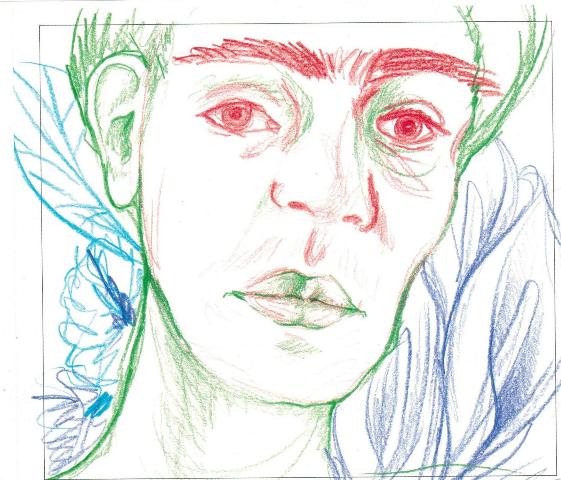
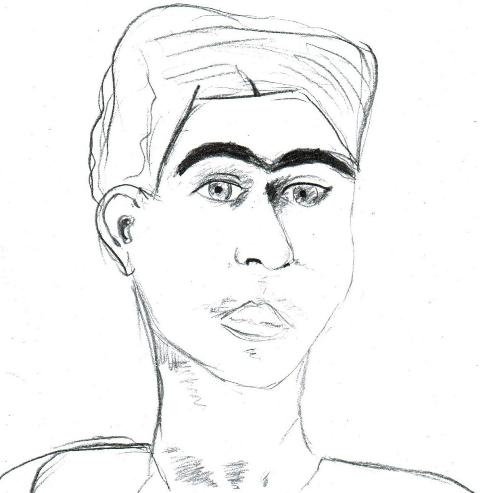
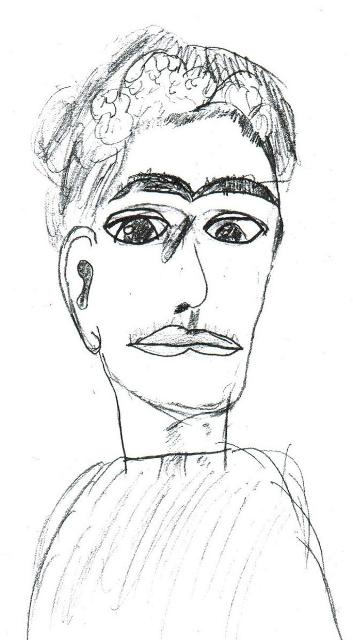
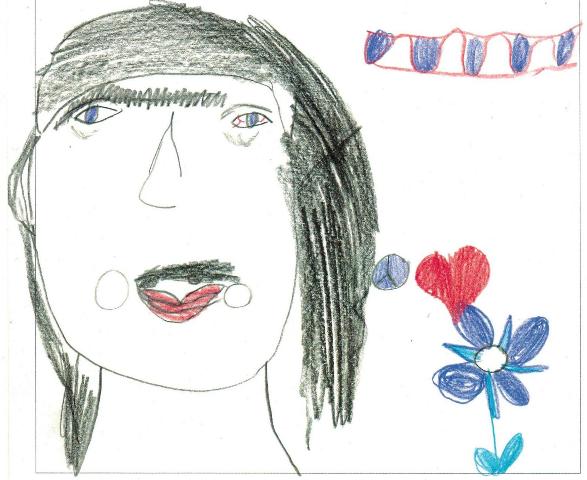
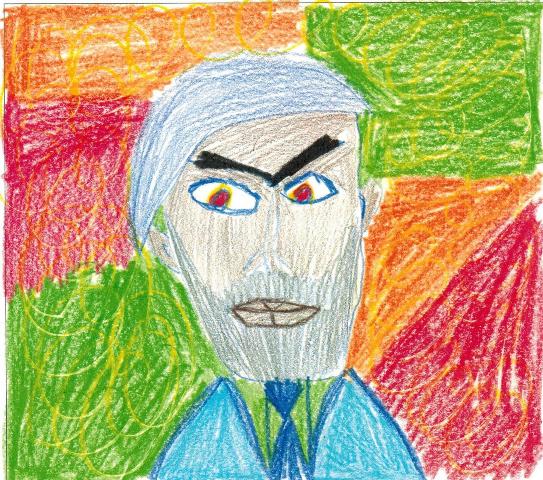
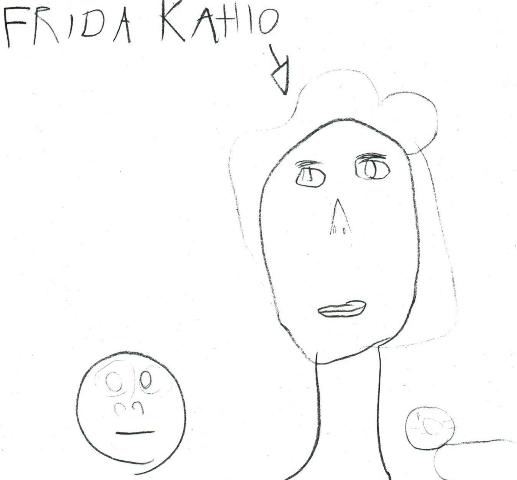
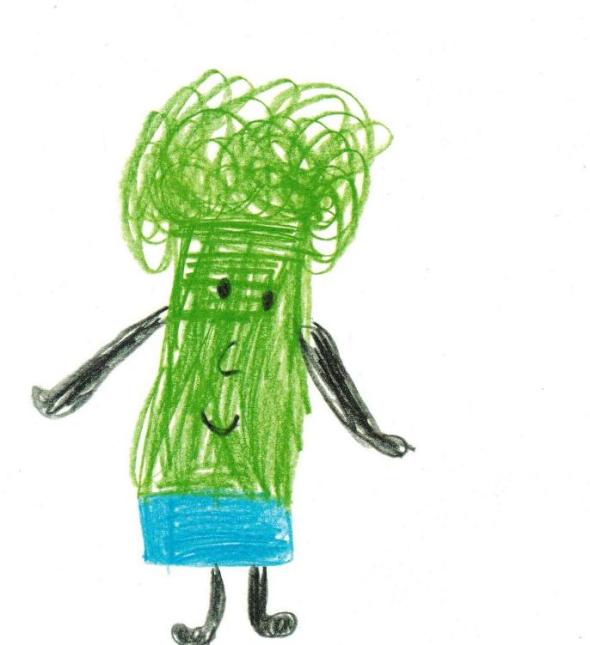
Retratos de Frida Kahlo: dibujos hechos por unos adolescentes y niños en Toronto, Canadá, otoño de 2012:
Lupicínio Rodrigues: “Volta” / “Come back to me”
Posted: October 13, 2012 Filed under: English, Lupicínio Rodrigues, Portuguese, Translator's Whimsy: Song Lyrics / Extravagancia del traductor: Letras de canciones traducidas por Alexander Best, ZP Translator: Alexander Best Comments Off on Lupicínio Rodrigues: “Volta” / “Come back to me”
“Volta”
(Letras/música: Lupicínio Rodrigues, compositor brasileiro, 1914-1974:
canção cantada por Gal Costa, 1973)
.
Quantas noites não durmo
A rolar-me na cama
A sentir tantas coisas
Que a gente não pode explicar – quando ama.
.
O calor das cobertas
Não me aquece direito
Não há nada no mundo
Que possa afastar esse frio do meu peito.
.
Volta,
Vem viver outra vez ao meu lado
Não consigo dormir sem teu braço
Pois meu corpo está acostumado.
.
Volta,
Vem viver outra vez ao meu lado
Não consigo dormir sem teu braço
Porque meu coração está acostumado…
. . .
“Come back”
(words and music by Lupicínio Rodrigues, Brazilian composer, 1914-1974:
as sung by Brazilian singer Gal Costa, 1973)
.
How often I can’t sleep!
– tossing and turning in bed –
Feeling so many things
That people – who are in love – cannot explain.
.
The heat of the blankets
Doesn’t warm me well
And there’s no-one in this world
Can keep this chill from my breast.
.
Return to me,
Come live again at my side
I can’t keep sleeping without your arms around me
– well, my body’s grown used to you!
.
Come back,
And live once more by my side
I can’t go on sleeping without your embrace
– and my heart’s accustomed to you now…
.
Translation/interpretation from the Portuguese: Alexander Best
“Yancuic Xochicuicatl”: Poemas náhuatl para celebrar el Día de la Independencia – ¡Vivan las lenguas indígenas mexicanas, hoy y siempre! / Poems to celebrate México on Independence Day – Long live Her Indigenous Languages, Today and Always!
Posted: September 15, 2012 Filed under: English, Natalio Hernández, Náhuatl, Spanish, ZP Translator: Alexander Best | Tags: Poemas para el Día de la Independencia de México Comments Off on “Yancuic Xochicuicatl”: Poemas náhuatl para celebrar el Día de la Independencia – ¡Vivan las lenguas indígenas mexicanas, hoy y siempre! / Poems to celebrate México on Independence Day – Long live Her Indigenous Languages, Today and Always!
Natalio Hernández (nace 1947, Naranjo Dulce, Veracruz)
Selecciones del poemario Semanca Huitzlin
/ Colibrí de la Harmonía
/ Hummingbird of Harmony (2005)
.
“Yancuic Xochicuicatl”
Huetzis atl
huetzis atl
tiyolpaqui
huetzis atl,
tiyolpaqui
huetzis atl.
.
Huala atl
huala atl
tepetzala
huala atl,
tepetzala
huala atl.
.
Cuali atl
cuali atl
yatihnequi
cuali atl,
yatihnequi
cuali atl
.
Xochi atl
xochi atl
huetztihuala
.
xochi atl,
huetztihuala
xochi atl.
.
Huetzis atl
huetzis atl
tiyolpaqui
huetzis atl,
tiyolpaqui
huetzis atl.
.
“Yancuic Xochicuicatl”: Traducción en inglés / translation into English: Donald Frischmann
.
“New Flowers, New Songs”
It will rain
It will rain
we are happy
it will rain
we are happy
it will rain.
.
Rain is coming
rain is coming
o’er the hills
rain is coming
o’er the hills
rain is coming.
.
Good pure water
good pure water
we now wish for
good pure water
we now wish for
good pure water.
.
Flowered water
flowered water
is now falling
flowered water
is now falling
flowered water.
.
It will rain
it will rain
we are happy
it will rain
we are happy
it will rain.
Note: the words Flower + Song together in Náhuatl mean “Poetry”.
The phrase in Náhuatl is: ” in xochitl in cuicatl “
.
“Yancuic icuic Monteso Xocoyotzin”
Ximosehui tetahtzin
ximoyolsehui
xihcahua cuesoli
amo ximotequipacho;
nican tlachixtoque:
moconehua
mopilhuan
motlacamecayo,
ipan Mexihco totlalnantzin
nican titlachixtoque.
.
Xihuicahuitl panoc
panoc xopanatl;
ehecatl quihuicac cuesoli
quisehui choquilistli
quipahti totlacayo
quitlalochti mahmahtli.
Yancuic tonati
tech tlahuiltihuala.
.
Ximosehui tetahtzin
ximoyoltlali
amo nempolihuis in altepetl
chamanis totlahtol.
Nochipa manis in ixtli,
in yolohtli
in tlacamecayotl,
in xicnelhuayotl.
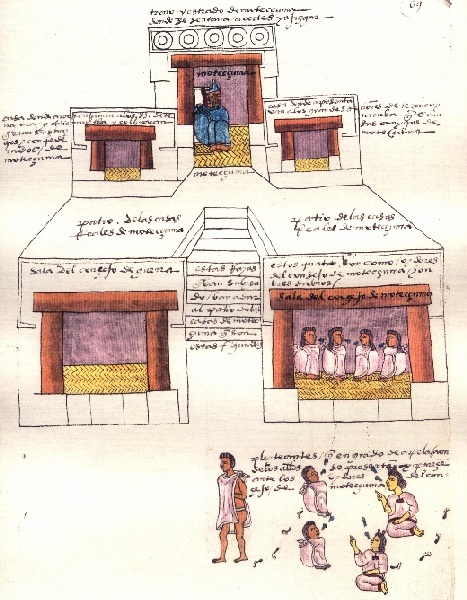
“Canto Nuevo a Moctezuma Xocoyotzin”
Reposa venerable viejo
apacigua tu corazón
abandona la tristeza
ya no te aflijas;
aquí permanecemos:
tus hijos
tus príncipes
tu linaje,
en la nación mexicana
aquí permanecemos.
.
Han pasado los años
la tempestad ya pasó;
El viento recogió nuestra tristeza
secó nuestras lágrimas
restauró nuestras heridas
ahuyentó el miedo.
Un nuevo sol
ya nos alumbra.
.
Reposa venerable viejo
tranquiliza tu corazón;
permanecerá el pueblo
renacerá la palabra.
No perecerá el rostro,
el corazón,
el linaje,
la raíz antigua.
. . . . .
“El Ritmo del Tiempo”
Todo a su debido tiempo…ni antes ni después.
Al año reverdece el campo.
El sol brota en el horizonte cuando la noche recoge su manto.
El hombre madura cuando el otoño llega y los árboles pierden sus hojas…
ni antes ni después.
El colibrí / huitzilin, inverna seis meses al año
y despierta cuando llega Xopantla / la primavera.
Ocurre lo mismo con el amor: llega con el tiempo…ni antes ni después.
.
“The Rhythm of Time”
In due course everything has its time…not before, not after.
The countryside greens up during the passage of the year.
The sun sprouts from the horizon when night gathers up its cloak.
Man matures when autumn comes and the trees lose their leaves
…not any sooner than that, not any later.
Hummingbird / Huitzilin* winters away for half the year
and awakes when Xopantla** / Spring arrives.
The same occurs with Love:
It comes with time…neither too soon, nor too late.
.
*Huitzilin – Náhuatl word for hummingbird
**Xopantla – Náhuatl word for spring
.
“El Ritmo del Tiempo”: Traducción del español al inglés: Alexander Best
“The Rhythm of Time”: Translation from Spanish into English: Alexander Best
Poemas náhuatl para celebrar el Día de la Independencia mexicana: “dos flores” de Juan Hernández Ramírez
Posted: September 15, 2012 Filed under: Juan Hernández Ramírez, Náhuatl, Spanish, ZP Translator: Lidia García Garay | Tags: Poemas para el Día de la Independencia de México Comments Off on Poemas náhuatl para celebrar el Día de la Independencia mexicana: “dos flores” de Juan Hernández Ramírez
Juan Hernández Ramírez
(nace 1951, Colatlán, Veracruz)
Dos poemas del poemario Chikome xochitl / Siete-flor
“Miauaxochitl”
I
Ipan ueyatl axiuitik sintli
Makuilxochitl kipatlaua imamal.
Kueponi miauatl.
Xali xochitl tiokuitlatik.
In ajuechkali
moxochitlakentijtok.
San eltok kuikatl tlatsotsontli.
II
Tlilelemeka tonatij itsonkal
ipan sintli itlakayo.
Moxochiotlaltok Xilonen.
Pankistok siltik tlilelemektli.
Tlixochitl
toselik nakayo.
Ketsalxochimej kali.
III
Chichiltik, yayauik, chipauak, kostik
ikuetlaxo itlapoyauilis.
Tien sintli tlayoli.
Ika xochitl mokuachijchijtok Senteotl.
Kuika miauatototl.
In chalchiuitl uitsitsilij,
ika xochitl moiuintia.
IV
Kostik xochitl tlaixpaj.
Kantelaj tlauili. Kopalij ipokyo.
Tokistli tiochiualistli.
Tlali, se uinoj tlatsikuintli,
inik tlakatl seyok.
Xochimej, inik matlaeli.
Tlapojtok tlali, tlaoli kiselia.
V
Ipan youali tlakoyoyan kochki,
ajuechtli kiauitl issa.
Sintoktli.
Ipan kalejekatl yoltok.
Ipan tlauiltlalpan moskaltia,
xochiketsal ikuaxanko.
Xoxoktik xiuitl papalotl.
VI
Ketsaltototl kitlalana ipatlanil,
uiuipika sintli ixouiyo.
Ipan xoxouik xopantla tlali
tlen tlauili kuauitl moskaltia.
Kuikaya Xochitototl.
Tlapouij xiuimej
ipan yolistli.
VII
Ipan tonatij ichaj yoltok.
Tlen yolistli tiokuitlatl yoltok,
kostik sintlayoli.
Xoxoktik mestli xiuimej
itsajla tiotlatik tlauili uiuipikaj.
Tsaktok xochikoskatl.
Patlantok uitsitsilij.
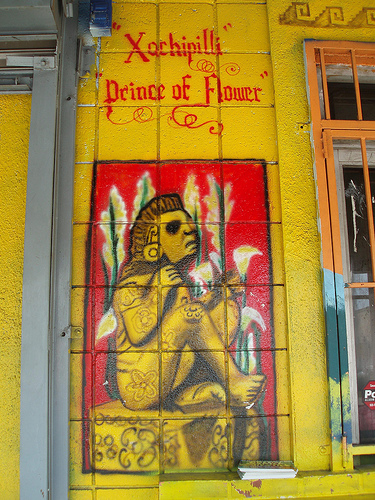
“Espiga de maíz”
I
Sobre el verde mar del maíz
Su manto extiende Macuilxóchitl.
Brota la espiga.
Dorada flor de arena.
La casa del rocío
está vestida de flores.
Prevalece la música y el canto.
II
Arde la cabellera del sol
sobre el cuerpo del maíz.
Xilonen ha florecido.
La fina llama ha brotado.
Flor de fuego
nuestra tierna carne.
Casa de preciosas flores.
III
Amarillo, blanco, negro, rojo,
los matices de su piel.
El grano de maíz.
Centeotl, de flores está adornado.
Canta el pájaro espiga.
El colibrí de jade
se embriaga con las flores.
IV
Altar de flores amarillas.
Luz de velas. Humo de copal.
Rito de la siembra.
Un trago de aguardiente a la tierra,
otro para el hombre.
Para la abundancia, flores.
La tierra abierta, recibe la semilla.
V
Ha dormido en el lugar de la noche,
despierta bajo la lluvia del rocío.
La mata de maíz.
Vive en la casa de los vientos.
Crece en la tierra de luz,
regazo de Xochiquetzal.
Mariposa de hojas verdes.
VI
Alza su vuelo el quetzal,
La hoja del maíz se estremece.
En la tierra verde-primavera
Crece el árbol de la luz.
Ya canta el pájaro flor.
Las hojas se abren
A la vida.
VII
Vive en la casa del sol.
El oro vivo de la vida,
dorada semilla de maíz.
Las hojas verde-luna
tiemblan bajo la luz atardecida.
Se ha cerrado el collar de flores.
El colibrí ha volado.
. . . . .
“Sempoalxochitl”
I
Kokitl itlauil
ipan yayauik ejekatl.
In kostik xochitl.
Ipan ejekatl tiokuitlaxochipetlatl
tlen tlali iijtiko pamitl.
Tlauili iuan tsintlayouali,
Sempoalxochitl.
II
Ika kostik xochitl
kisusua kauitl Xiutekojtli.
Tlixochimej.
Sesentsitsij xochimej moilpiaj
ketsalijuitl kiijitiyouij
kalmiktlampa inik ojtli.
Xochikoskatl.
III
Ipan kostik tlailpili
Tlen ikuaixuak tlajtsoyoj,
Moketstok kauitl.
In mijkatsij xochimej,
tiopantlauili kitemouaj
ipan youalkali.
In tlanestli sitlalij, inik tonali.
IV
Tiitstokeya nikanij,
¿Kanji tonejnemil techuikas?
¿ueslis ipan tonatij iojui?
Tiitstokeya nikanij.
Kostik xochimej tijtlachiliaj
iijuiyo tonatitototl tikitaj.
¿Temiktli in yolistli?
V
Nejnemi Tlitekojtli
ika miktokej yaotlakamej
ika siuamej miktokej ipan mixiuili.
Sempoalxochitl xochimej
tlapalmej totomej,
konemej, siuamej iuan tlakamej.
Tonatij iixpaj iichaj.
VI
Ika totomej ejekatl iniuaya
kuikatl iuan ajuechtli kimoyauaj.
Atl ikechkuayo.
Ipan yeuatsinko kuikaj texiuitik totomej,
tlen youaltotomej in tiotlak.
Tlauili iuan tsintlayouali.
Mikilistli iuan yolistli.
VII
Tiitstokejya nikanij
ika chichiltik xochitl titlakajtokej
ika kostik xochitl tikisteuasej.
In xiutototl techtlauilia
tlen mitlampa ojtli.
Ipan ojtli eltlapaltipaj tiyajtiasej
ika xochimej paxalouanij.
.
“Flor de Muerto”
I
Luz de luciérnaga
en el viento negro.
La flor amarilla.
Pétalos de oro al viento
dentro del surco de la tierra.
Oscuridad y luz,
Sepoalxóchitl.
II
Con flores amarillas
Xiutecojtli engarza el tiempo.
Flores de fuego.
Una a una se anudan las flores
tejiendo el fino plumaje
para el camino a casa de la muerte.
Collar de flores.
III
En el nudo amarillo
bordado en la frente,
se ha detenido el tiempo.
Las flores de la muerte,
buscan el temple de la luz
en la casa de la noche.
Para el espíritu, la estrella del alba.
IV
Ya estamos aquí,
¿dónde nuestros pasos nos llevarán?
¿acaso por los caminos del sol?
Ya estamos aquí.
Contemplamos las flores amarillas,
miramos el plumaje del pájaro sol.
¿Es la vida sueño?
V
El Señor del fuego camina
con los guerreros muertos,
con las mujeres el el parto muertas.
Son flores de cempoalxóchitl
las aves de colores,
los niños, mujeres y hombres.
Su hogar de cara al sol.
VI
El viento aliado con los pájaros,
esparcen el canto y el rocío.
La garganta es de agua.
Cantan pájaros azules en la aurora,
la tarde es de las nocturnas aves.
Luz y oscuridad.
Muerte y vida.
VII
Ya estamos aquí
con flores rojas hemos nacido,
con flores amarillas hemos de partir.
El pájaro solar “xiutototl” nos alumbra
camino a la morada de los muertos.
Nos hemos de ir en alas por la senda,
con las viajeras flores.
. . . . .
“Chikome xochitl” / Siete-flor, alude al maíz que, junto con semillas del chile-tomate-algodón-amaranto-ajonjolí
— y de la calabaza — constituyen el símbolo náhuatl de las siete flores.
. . . . .
“Ear of Corn”
I
On the green sea of corn
Macuixóchitl extends his mantle.
The ear of corn ear comes out.
Golden flower of sand
The dew’s home
is dressed with flowers.
Music and song abound.
II
The sun’s radiance
on the corn’s body.
Xilonen has blossomed.
The fine flame has sprouted
Fire flower
our tender flesh.
House of precious flowers.
III
Yellow, white, black, red.
nuances of the skin.
The corn grains.
Centeotl, adorned with flowers.
The corn-ear bird sings.
the jade hummingbird
gets drunk with the flowers.
IV
Altar of yellow flowers.
Candlelight. Smoke of “copal”.
Sowing rites.
A drink of liquor for the land,
another one for man.
For abundance, flowers.
The open earth receives the seed.
V
It has slept in the night’s home,
wakes up under the dew’s rain
– the corn plant.
Lives in the house of winds.
Grows in the land of light,
Xochiquetzal’s lap.
Green-leafed butterfly.
VI
The “quetzal” takes flight
the maize leaf trembles.
In the land of green-spring.
The tree of light grows.
The flower-bird sings.
The leaves open up.
To Life.
VII
Lives in the house of the sun.
The living gold of life
– golden seed of corn.
With green-moon leaves
a-hiver under the evening light.
The flower necklace is closed.
The hummingbird has flown….
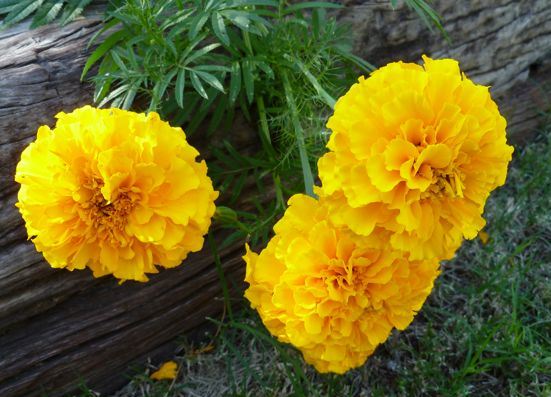
“The Flower of The Dead”
I
Glow-worm light
in the black wind.
Yellow flower.
Free-standing petals of gold.
Inside the ground’s furrow.
Darkness and light,
Sempoalxóchitl.
II
With yellow flowers
Xiutecojtli catches time.
Flowers of fire.
The flowers come together, one by one
knitting fine plumage
on the road to the house of death.
Flower necklace.
III
In the yellow knot
embroidered on the forehead,
time has stopped.
The flowers of death.
Seeking the temple of light
in the house of night.
For the spirit, the star of dawn.
IV
We’re here,
Where will our steps lead us?
Maybe to the paths of the sun?
We’re here.
Gazing at the yellow flowers,
Looking at the sun-bird’s plumage.
Is Life a dream?
V
The Lord of fire walks
with the dead warriors,
with the women who died in labour.
The “cempoalxóchitl” flowers
are birds in all colours.
Children, women and men.
Their home facing the sun.
VI
The wind and the birds together,
scatter song and dew.
Their throats – made of water.
The blue birds sing at daybreak,
and evening belongs to the night birds.
Light – Darkness,
Death and Life.
VII
We’re here
we were born with red flowers,
with yellow flowers we will leave.
The solar bird “xiutototl” shines on us.
On the way to the home of the dead.
And we must fly on that path
– with the travelling flowers.
.
Traducción del español al inglés / Translation from Spanish into English:
Lidia García Garay
 Zócalo Poets