“I seek freedom in the indefinable”: Five Poems by Lelawattee Manoo-Rahming
Posted: October 27, 2012 Filed under: English, Lelawattee Manoo-Rahming | Tags: Poets from Trinidad and Tobago Comments Off on “I seek freedom in the indefinable”: Five Poems by Lelawattee Manoo-RahmingLelawattee Manoo-Rahming
(born 1960, Trinidad and Tobago)
The Om
.
My Tanty used to sing/pray
evening ragas to the Earth Goddess
morning oblations to the Sun God
.
Now my Aunty prays
that I find salvation in the cross
in the church that has freed her
from indenture, from coolieness
.
Yet I seek freedom
in the indefinable
the OM
the puja breath that expands
my rib cage
with blessed pitchpine smoke
into an oval
large as the cosmic egg
.
The sea breath
OM
That echoes
In the conch shell
Blowing across the Caroni
Infinite like green plains
Of sugarcane
Or a milky river veiling
The face of the goddess
. . .
The Broken Key
.
1
Half left in the keyhole
Bright bronze blocking
Locking the door
.
Only a tiny drill
Can turn into powder
The hardened one
Reopen the door
Allow a human being
To become the way
For grace to come through
.
2
Half broken off
Round with jagged edge
As if the full moon
Had been gnawed by some
Celestial beast
Gnawed like the ropes
That bind us together
One tug away from
SNAP
CRACK
The sound of a key breaking
In the keyhole of our door
How can we reopen the door?
How can we ever let grace
Come through again?
. . .
Fusion
.
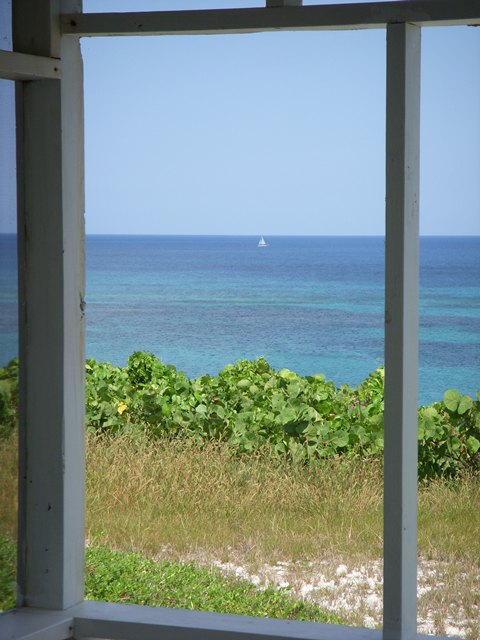
A quartet of ospreys calls
Kee-uk kee-uk cheep cheep
Kee-uk kee-uk cheep cheep
Riding on air currents
Beneath a periwinkle sky
Decibelled by steelpan carols
.
A sailboat chips along
Over cobalt blue near the horizon
As David Rudder’s voice solos
From the CD-player
.
A soulful Go Tell It on The Mountain
.
A white and orange tabby saunters
Along the boardwalk
Sasses Meow
Without stopping to marvel
At the ingenuity
Of Zanda and Hadeed’s
Playful panjazz fusion
.
The Mighty Shadow melodies
Greetings in a lover’s kaiso
While at the foot of the dune
Sixty feet down
The sea swashes in threes
A soft wetsandsmooth
Rake and Scrape response
Submerged voices of ghost Tainos
. . .
Beneath the Trees
.
These round roots encircle me
Like tubes
In a hospital bed but here there is no
Antiseptic scent
No sterile handwashing
.
Here the earth smells like wet moss
And when I bite into these roots
They taste of peppery pine
And green fruit: sugar apple maybe
.
Beneath these trees
I need no clothes to feel clothed
These gnarled roots with their humus
Coating warm my nakedness
In a cocoon soft like corn silk
.
The phloem and xylem passages
That carry messages
Between the sun and these roots
Water and feed my muscles
Giving them a turgidity
Like the fullness of youth
.
These roots do not just encase me
They cradle me
Like a mother’s arms
.
My heartbeat echoes
Through these roots
This earth
And I know
I have become
an incarnation
of Sita
Returning to her mother
Bhumi Devi: the great Earth Mother
Beneath these trees
. . .
Alphabet of Memory
.
I took with me seeds
Tiny dots of bhandhania
Flat, almost round disks of pimento pepper
And oval, plump legumes of seim
That I planted
With varying degrees of success
Wanting to feel at home
Where I have traveled to
.
Then I found
In a cobwebby closet
The alphabet of memory
I had brought with me
Some letters sharp as a tropical noonday
Others hazy
As a smoky dry season dusk
.
Letters which I shuffled
And then played a game of scrabble
Until I had used them all up
To create words
Then poems
To make me feel at home
. . .
Poet’s glossary:
Coolieness: East Indian Indentured Labourers who were brought to the West Indies, and their descendents are sometimes called ‘coolie’, as an insult. In my poem, ‘Coolieness’ refers to the East Indian culture that still exists in Trinidad and Tobago.
.
Puja (Bhojpuri Hindi): A personal, familial, or public Hindu prayer service or worship.
.
Caroni: A river in Trinidad and Tobago. The river plains, called the Caroni Plains were once used for sugar cane farming.
.
David Rudder: A calypsonian from Trinidad and Tobago.
.
Zanda: Clive Alexander, aka Zanda, or Clive Zanda Alexander, is a jazz pianist from Trinidad and Tobago.
.
Hadeed: Annise Hadeed is a steel pan soloist and composer from Trinidad and Tobago.
.
The Mighty Shadow: A calypsonian from Trinidad and Tobago.
.
Kaiso (Trinidad and Tobago Creole): Calypso
.
phloem and xylem: The primary components of the vascular tissues in plants, which transport the fluid and nutrients throughout the plant.
.
Sita: (Sanskrit: meaning “furrow”) is the wife of Lord Rama and one of the principal figures of the Ramayana, the epic Hindu scripture. As the devoted wife of Lord Rama, Sita is regarded as the most esteemed exemplar of womanly elegance and wifely virtue in Hinduism.
.
Bhandhania: The Hindi name for the herb, used in cooking, otherwise known as wild coriander or culantro.
.
Seim: The Hindi name for the Hyacinth bean, the green pods of which are used as a vegetable.
. . . . .
Lelawattee Manoo-Rahming is an engineer, poet and fiction writer. She won the David Hough Literary Prize (2001) and the Canute A. Brodhurst Prize (2009) from The Caribbean Writer Literary Journal; and the Commonwealth Broadcasting Association 2001 Short Story Competition. She is the author of two poetry collections: Curry Flavour, published by Peepal Tree Press (2000) and Immortelle and Bhandaaraa Poems, published by Proverse Hong Kong (2011).
.
Zócalo Poets wishes to thank guest-editor Andre Bagoo
for introducing us to the poetry of Lelawattee Manoo-Rahming.
Cicatrizes da Vida: poemas brasileiros em inglês / Scars of Life: Brazilian poems in English
Posted: October 27, 2012 Filed under: English, Portuguese, Valdeck Almeida de Jesus, ZP Translator: Alexander Best | Tags: Poemas brasileiros em inglês Comments Off on Cicatrizes da Vida: poemas brasileiros em inglês / Scars of Life: Brazilian poems in EnglishValdeck Almeida de Jesus
“Aqui e agora”
.
Aqui e agora
Eu sou,
Sou tudo:
O mundo, o sol, o mar
O mar distante
O sol presente
O mundo invisível.
Sou nada:
O mar, o sol, o mundo
O mundo real
O sol no infinito
O mar da melancolia
Melancolia e saudade
Daquilo que não vivi.
. . .
“Here and Now”
.
Here and now
I am – I am
Everything:
The world, the sun and sea
– the distant sea,
The sun this very moment,
The invisible world.
.
I am nothing:
The sea, the sun, the world,
The real world,
The sun in its infinity,
And a sea of melancholy –
Melancholy and longing, yearning
– for that which I did not live.
. . .
“Cicatrizes”
.
A vida é uma sucessão,
Successão de cicatrizes…
Cicatrizes do amor
Cicatrizes da alegria
Cicatrizes da dor
Cicatrizes da euphoria.
Não quero viver
Sem cicatrizes
– alegres os tristes,
Quase felizes
Meus dias terão
Várias cicatrizes.
. . .
“Scars”
.
Life is a kind of succession…
– a succession of scars –
Love’s scars,
Scars of happiness,
Of grief, of euphoria.
I don’t wish to live
Without those scars
– scars joyful, scars sad,
Almost happy, my days…
And they’ll have numerous scars.
. . .
“Vida”
.
Viver en tento,
Morrer não quero,
Sorrir desejo,
Mas não consigo;
Me ver em ti,
Procuro sempre;
Amar com garra
E com segurança,
Estou tentando
Desde sempre.
Se não consigo
Ser mais autêntico,
É porque sou humano
E por tal, falho.
. . .
“Life”
.
To live with care,
And not want to die,
I wish to smile,
But maybe not with you…
.
To see myself in you
– always I seek that –
And to love with gusto, with sureness
(I’ve been trying to do that since forever!)
.
But if not with you…
Well, to be more real,
And it’s all because I’m human and,
For that reason,
Flawed.
.
“Aqui e agora”, “Cicatrizes”, “Vida”: © Valdeck Almeida de Jesus
. . .
Valdeck Almeida de Jesus é jornalista, escritor e poeta. Nasceu em 1966 em Jequié, Bahia, Brasil.
A journalist, writer and poet, Valdeck Almeida de Jesus was born in 1966.
He hails from Jequié, Bahia State, Brazil.
.
Tradução de português para inglês / Translations from Portuguese into English:
Alexander Best
Frida + Diego: poems, pictures / pinturas, poemas
Posted: October 20, 2012 Filed under: Eduardo Urueta, English, Frida + Diego: poems + pictures / pinturas + poemas, Hellen Chinchilla, José Pablo Sibaja Campos, Spanish, ZP Translator: Alexander Best Comments Off on Frida + Diego: poems, pictures / pinturas, poemas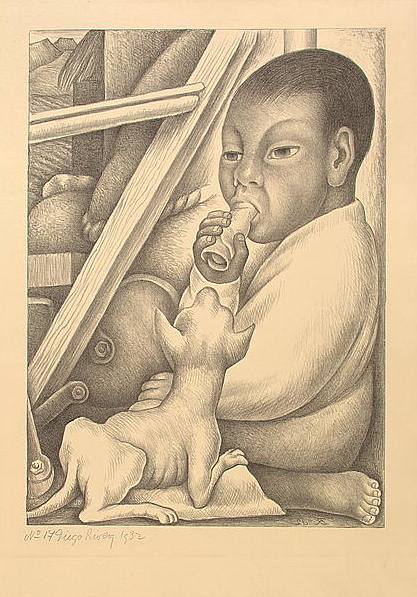
Today in Toronto, at the Art Gallery of Ontario, a first-time-ever exhibition in Canada opens: “Frida and Diego: Passion, Politics and Painting”. Combining the divergent artworks of México’s famous bohemian ‘power couple” of the twentieth century, Frida Kahlo and Diego Rivera – an odd yet charismatic pair of artists/soul-mates.
.
Diego Rivera (1886-1957) put México on the map internationally for his enormous public murals depicting Mexican history with a distinct Marxist perspective – and by placing Indigenous people front-and-centre in his work. Arguably, fellow muralists José Orozco and David Siqueiros were superior artists but Rivera’s vast energy and robust national/historical vision place him at the forefront. Though in his smaller painted canvases (some of which may be seen at the A.G.O. show) Rivera is wildly uneven as to technique and intellectual perspective – he can be cloying and mediocre – still, he is an exceptional figure for his vitality alone.
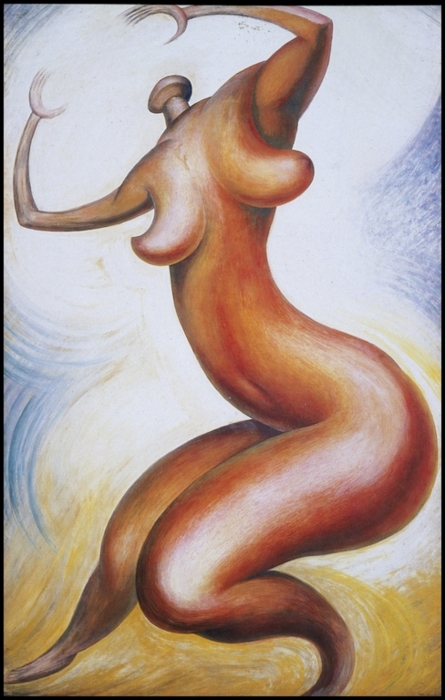
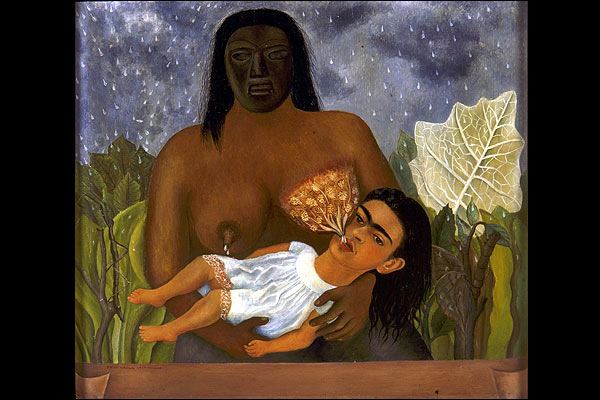
A maverick originality defines Frida Kahlo (1907-1954). In her short gutsy life she altered people’s perception of what it meant to be a woman painter. Though her small-size – and they are almost always small – canvases lack painterly finesse , nonetheless they are deeply affecting for their self-absorbed even disturbingly raw subject matter/point of view. Here was something new in a female painter – and Kahlo has been embraced by Surrealists, Feminists, champions of “Mestizaje”, Disabled and Chronic-Pain Activists, Body Self-Modifiers, and dedicated Non-Conformists. All have found what they needed in the work and life of this complex artist and woman – one who continues to fascinate a new generation now discovering her.
.
We present three poems in translation from Spanish by young poets who have meditated upon the “meaning of” Diego and of Frida…
. . .
Hoy en Toronto, el 20 de octubre, se inaugurará en La Galería de Arte de Ontario una exposición centrada en obras de los artistas Frida Kahlo y Diego Rivera – y titulada: Frida y Diego: Pasión, Política y Pintura. Es la primera vez que están en Canadá las pinturas de estos “compañeros” lo más famosos del arte mexicano del siglo XX.
Y para celebrar este hecho – las reflexiones de tres poetas…
. . .
Eduardo Urueta (pseudonym)
“Poem for Diego Rivera” (December 2011)
.
México:
The wet-nurse that breastfed you,
Who gave you your icy tone in love,
And who drew you, with his plump hands, as
Black women, soldiers on fire, Communists, kids;
México misses you –
this place is a fountain of the dismal…
.
So pronounced is your brow – like your temper.
So easygoing – so bearable – these mummy-like buildings.
The México of your tree-of-awareness is – like you – dead.
They’ve got skeletons – ‘at par’ now.
We are grey dust – smog – save for
Guanajuato which keeps on with its brightly-coloured houses in the hills and its
Streets smelling of oil paints – almost kissing us.
.
The buckets which by you got filled in two days
And by the third became big round chests or trunks-ful,
Were:
1. a nude portrait of (audacious poetess) Guadalupe Amor
2. a transvestite you never wanted and who ‘rouged’ you with his bearded cheeks,
And
3. your dead son by your first wife, Angelina Beloff.
.
So much matrimony to satisfy your hefty body,
So much travel to make ‘bug out’ those toad-eyes of yours,
So many kilometres of walls
To fill this country UP with History.
.
You are in debt.
You await – you hope for – a novice urbanization.
You have to hope – always – that the
Wall of memory (painted by you)
Bears the weight of – can hold up – the sky for you.
People will continue to love
The “Bellas Artes” fresco,
and that staircase mural decorated by your hands
– until the thing collapses and falls down…
. . .
Eduardo Urueta (Seudónimo)
“Poema para Diego Rivera” (diciembre 2011)
.
México:
la nodriza que te amamantó,
quien te dio tu gélido acento de amor,
y quien te dibujó, en las manos llenas,
mujeres morenas, soldados en combustión, comunistas, niños;
te extraña
– es una fuente sombría.
.
Tan pronunciada tu frente, como tu genio
Tan llevadera la momia de los edificios.
El México de tu árbol-conciencia,
como tú, está muerto.
Se hicieron a la par esqueletos.
Somos polvo gris,
excepto Guanajuato que sigue con casas de color en sus cerros
y sus calles huelen a aceite de pintura, a besos.
.
Los cubos que en ti cupieron dos días
y al tercero se volvieron un baúl redondo,
fueron
Un retrato desnudo de Guadalupe Amor,
Un hombre travesti que nunca quisiste y que ruborizaste de rosa
sus mejillas de hombre barbón,
y tu hijo muerto de Angelina Beloff.
.
Tanto matrimonio para llenar tu cuerpo gordo
tanto viaje
para llenar tus ojos de sapo
tanto kilómetro de muros
para llenar de historia al país
.
En deuda estás.
Te espera el blanco de la novicia urbanización
Te ha de esperar, siempre
el muro de la memoria
te ha de sufrir el cielo
por sujetarte el peso.
Te seguirá amando Bellas Artes
su escalera adornada de tus manos
hasta que se derrumbe…

José Pablo Sibaja Campos
“To Frida”
.
Today, when inexorable Time has shown us
How many calendars have gone up in smoke;
Now that the leaves have begun to fall from the trees;
Only just today when the sky seems to be transforming itself into a violent sea;
I – pausing before your face and its glance – have got to say:
Frida Camarada Kahlo,
That which you painted at one time or another as if wanting to speak to me;
The same fixed glance with which you have turned yourself into a nereid, a sea-nymph,
from that murky sea many people wanted to conquer but which few have achieved.
.
To be sure, Frida, there are those who look for you under the shade of some Rivera painting;
Others, naïve ones, find you within the shuttered corridors of a dream
– Poor them! – sad…blind.
They don’t notice that you live in your paintings, your paintings live in you.
Come, Frida, rise up and walk, as if you were the biblical Lazarus.
Show yourself again and let us once more call you:
Woman, Artist, Revolutionary.
. . .
José Pablo Sibaja Campos
“A Frida”
.
Hoy que el inexorable tiempo nos ha enseñado
Cuantos calendarios ha quemado ya.
Ahora que las hojas han empezado a caer de los árboles,
Justo hoy que el cielo parece convertirse en un mar violento,
Tengo que decirlo, me detuve ante tu mirada
Frida Camarada Kahlo
Esa que pintaste una y otra vez como queriendo hablarme,
La misma mirada con la que te has convertido en la nereida
Del turbio mar que muchos quisieron conquistar
Pero que pocos han logrado.
.
Es cierto Frida algunos te buscan balo la sombra de un tal Rivera,
Otros ingenuos,
Te hallan en los postigos pasillos del sueño
Pobre de ellos, tristes…ciegos.
No se dan cuenta que vives en tu obra y tu obra en ti.
Ven Frida levántate y anda, cual si fueras el Lázaro bíblico
Muéstrate de nuevo y déjanos llamarte una vez más;
Mujer, Artista, Revolucionaria.
. . .
Hellen Chinchilla
“Between transgression and normalcy”
.
Why?
Why do you have to be along that line where there are no lines – no horizons?
Why are you not the same as all the others?
Why must you be seen as transgressive and not as normal?
Where is that fine line that keeps you apart?
Apart to be what you must be!
Forced by life, by decision, and by pain to be in that line off to one side,
where the others, even though they wanted not to be there,
are leaving behind the boundaries of the hetero…
Oh, you knew how to love…
You – different Woman,
Woman-transgressor,
Normal Woman – and then some.
Woman.
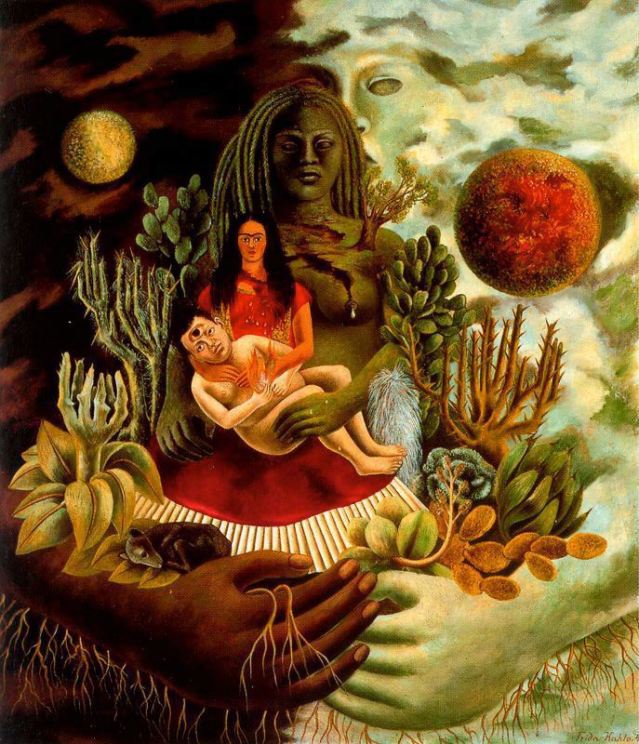
Hellen Chinchilla
“Entre la transgresión y la normalidad”
.
¿Por qué?
¿Por qué debes estar en la línea dónde no hay líneas?
¿Por qué no eres de las mismas?
¿Por qué tienes que ser vista como transgresora y no como normal?
¿Dónde está esa delgada línea que te mantiene al margen,
Al margen de ser lo que debes ser?
Obligada por vida, decisión y dolor a estar en la línea de al lado
En donde las otras, aunque quieran no pueden estar
Dejando atrás la frontera de lo hetero…
– Supiste amar…
Mujer diferente,
Mujer transgresora,
Mujer normal – o una más…
Mujer.
. . . . .
Traducciones del español al inglés / Translations from Spanish into English: Alexander Best
“A Frida” y “Entre la transgresión y la normalidad” y “Poema para Diego Rivera”
© José Pablo Sibaja Campos, Hellen Chinchilla, Eduardo Urueta
. . . . .
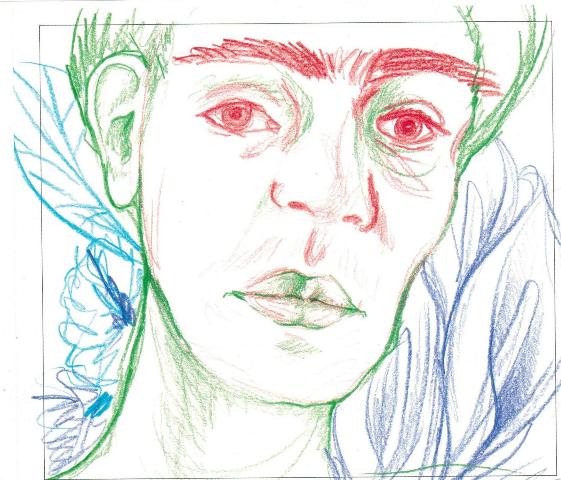
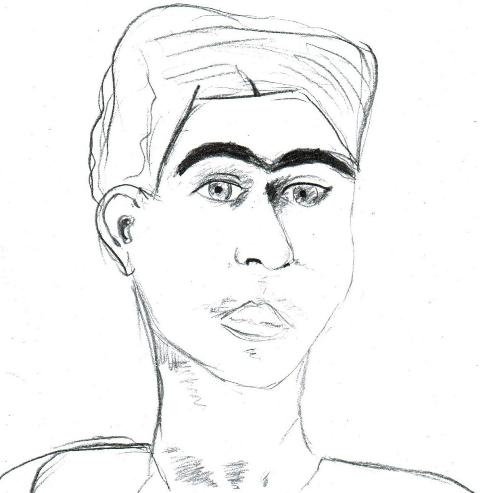
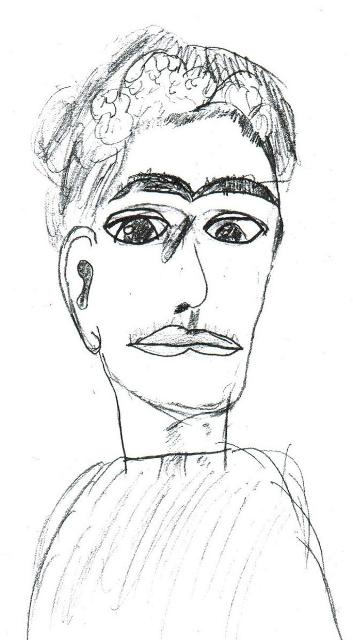
Retratos de Frida Kahlo: dibujos hechos por unos adolescentes y niños en Toronto, Canadá, otoño de 2012:
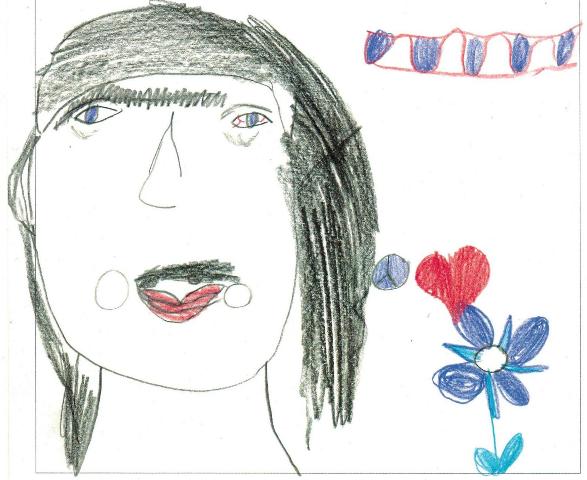
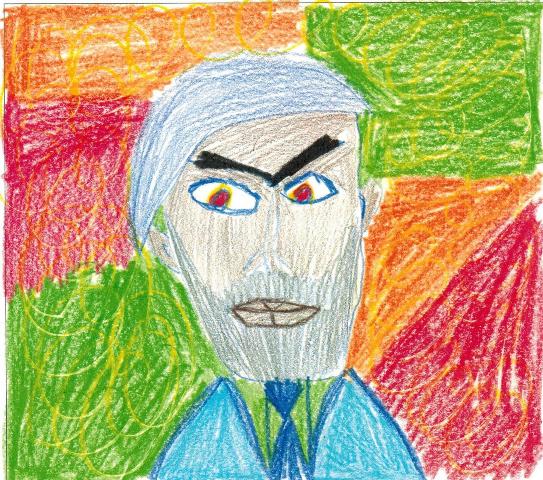
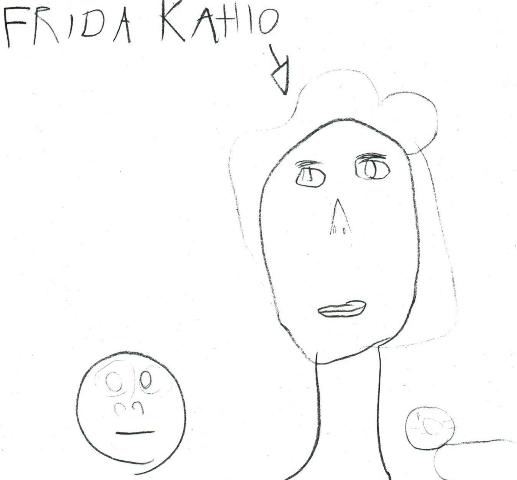
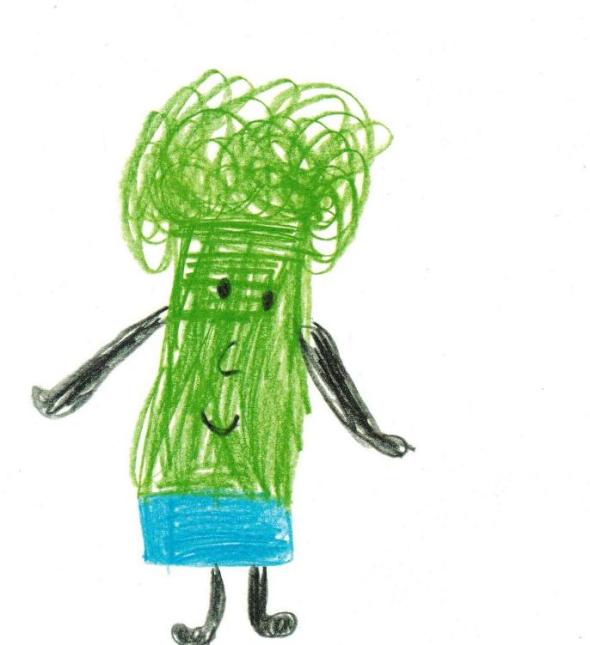
Lupicínio Rodrigues: “Volta” / “Come back to me”
Posted: October 13, 2012 Filed under: English, Lupicínio Rodrigues, Portuguese, Translator's Whimsy: Song Lyrics / Extravagancia del traductor: Letras de canciones traducidas por Alexander Best, ZP Translator: Alexander Best Comments Off on Lupicínio Rodrigues: “Volta” / “Come back to me”
“Volta”
(Letras/música: Lupicínio Rodrigues, compositor brasileiro, 1914-1974:
canção cantada por Gal Costa, 1973)
.
Quantas noites não durmo
A rolar-me na cama
A sentir tantas coisas
Que a gente não pode explicar – quando ama.
.
O calor das cobertas
Não me aquece direito
Não há nada no mundo
Que possa afastar esse frio do meu peito.
.
Volta,
Vem viver outra vez ao meu lado
Não consigo dormir sem teu braço
Pois meu corpo está acostumado.
.
Volta,
Vem viver outra vez ao meu lado
Não consigo dormir sem teu braço
Porque meu coração está acostumado…
. . .
“Come back”
(words and music by Lupicínio Rodrigues, Brazilian composer, 1914-1974:
as sung by Brazilian singer Gal Costa, 1973)
.
How often I can’t sleep!
– tossing and turning in bed –
Feeling so many things
That people – who are in love – cannot explain.
.
The heat of the blankets
Doesn’t warm me well
And there’s no-one in this world
Can keep this chill from my breast.
.
Return to me,
Come live again at my side
I can’t keep sleeping without your arms around me
– well, my body’s grown used to you!
.
Come back,
And live once more by my side
I can’t go on sleeping without your embrace
– and my heart’s accustomed to you now…
.
Translation/interpretation from the Portuguese: Alexander Best
Poems for a Canadian Thanksgiving: October 2012
Posted: October 7, 2012 Filed under: Anishinaabemowin / Ojibwe, English | Tags: Poems for Thanksgiving Comments Off on Poems for a Canadian Thanksgiving: October 2012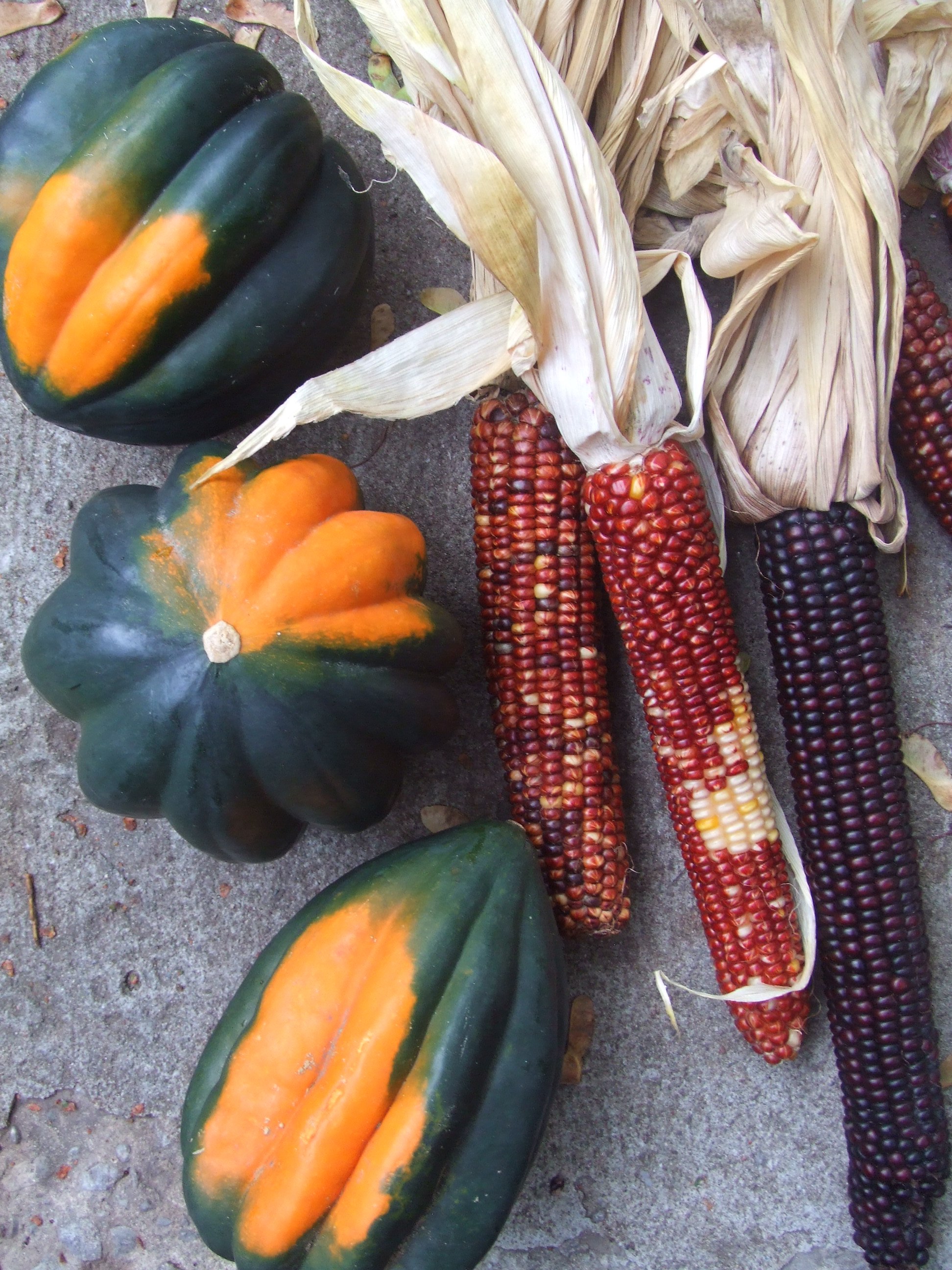
Eric Gansworth
Cross / PolliNation
.
And look here, you three
sisters grow together
each providing things
the others lack: support,
food, protection, and each
time you pull away from one
another, risking everything
you tear apart your world,
our world. Each time you offer
the line up, we will add one
purple bead to your white strand
reminding you of the ways
you put us all in danger
with each small tug
how you pull in opposition you
jerk on the string of beads
like seed in the wind
leaning in unforeseen directions
moment, hour, day, week, in another
place you land
and for what, to start over
reforming yourselves as
us in endless variation,
dark color, light color,
diluting your heritage
we disappear for that moment
then strengthen, regenerate ourselves
and embrace.
. . .
Eric Gansworth is a member of the Onondaga Nation located in western New York State, USA.
His poem discourses upon the symbolic Three Sisters of Iroquois (Haudenosaunee) society:
Corn, Beans and Squash.
Editor’s note:
‘Sweet corn’ or ‘papoon’, of the grilled/steamed “corn on the cob” variety, is eaten with the hands and is messy and delicious. Other types of “maize” (the family name for all corn) are used for stews or porridges such as ‘pozole’ or ‘hominy grits’. To grow The Three Sisters a small hillock of earth is formed. Corn is planted at the ‘summit’, beans planted in a circle around the corn, and squash at the ‘foot’ of the earth-mound. The beans will give nitrogen to the soil, the corn stalks will provide poles for the beans to climb and spread upon, and the far-extending vines and wide leaves of the squash plants will shade the earth-mound that hosts them all, helping to retain adequate moisture in the soil. The Three Sisters are much-appreciated Native-American contributions to our contemporary diet – particularly at Thanksgiving.
. . . . .
“For the Fruits of All Creation”
.
For the fruits of all creation – thanks be to God
For the gifts to every nation – thanks be to God
For the ploughing, sowing, reaping, silent growth while we are sleeping,
future needs in earth’s safekeeping – thanks be to God.
.
In the just reward of labour – God’s will is done
In the help we give our neighbour – God’s will is done
In our worldwide task of caring for the hungry and despairing,
in the harvests we are sharing – God’s will is done.
.
For the harvests of the Spirit – thanks be to God
For the good we all inherit – thanks be to God
For the wonders that astound us, for the truths that still confound us,
Most of all, that Love has found us – thanks be to God.
. . .
“For the Fruits of All Creation” is Hymn #802 in The Book of Praise (1997),
sung out of by go-ers to Presbyterian Churches in Canada.
Music: Welsh traditional / Words: Fred Pratt Green
. . .
Ngizhemanidoom, sema ngiimiinagoo wiinamaayaanh nangwaa. Gagwejimin wiizhiwendamaan maanda miijim miinawa zhiwenmishinaang nangwaa. Miigwech ndinaanaanik gewe wesiinhak, okaanak, bineshiinhak, miinawa giigonhik, kinagwa gwayaa gaabigitnaamwat wiinwa bimaadiziwaan maanpii akiing niinwe wiimaadiziiyaang. Miigwech ge ndikaadami netawging miinawa maanwaang gaamiizhiyaang wiimiijiyaang wiizongziiyaang nangwaa.
Miigwech Ngizhemanidoom miigwech.
.
An Every-Day Anishinaabe Prayer of Thanks,
translated from the Ojibwe language
( Anishinaabemowin or ᐊᓂᔑᓈᐯᒧᐎᓐ )
.
My Creator! Tobacco was given to me to help me pray today. I ask you in a good way to bless this food and to bless us today. We say thank you to all those animals, wild and domestic, the birds and the fish – everyone that gave up his or her life here upon the earth – so that we can live. We also say thank you for the vegetables and the fruits that you have given to us, so that we can have strength today.
Thank you, my Creator, thank you.
.
For the above Ojibwe-language Prayer we are grateful to:
Kenny Pheasant of The Little River Band of Ottawa Indians.
Dos poemas para Yom Kipur / Two poems for Yom Kippur: Jane Kenyon, Mary Oliver + תשובה
Posted: September 25, 2012 Filed under: English, Jane Kenyon, Mary Oliver, Spanish Comments Off on Dos poemas para Yom Kipur / Two poems for Yom Kippur: Jane Kenyon, Mary Oliver + תשובהEste año, Yom Kipur – la conmemoración del Día de la Expiación y del Perdón – cae en el 25 y 26 de septiembre. Estos dos poemas, eligidos por la Rabina Rachel Barenblat, se tratan – elipticamente, oblicuamente – del sujeto de Teshuvá. Teshuvá (en hebreo תשובה) es la práctica de volver a las raíces de la fe. Incluye el esfuerzo del individuo hacia un sentido de arrepentirse de los pecados propios de una forma significativa y sincera…
*
This year Yom Kippur – the Day of Atonement and Forgiveness – begins at sunset on September 25th and continues through the 26th. The two poems featured here – chosen by Rabbi Rachel Barenblat – are about Teshuvah, although indirectly, elliptically so. Teshuvah involves a “return” to the roots of the faith, and includes each individual’s effort to feel repentant, genuinely sorry for, the wrongs he or she has done to another. When there is deep, meaningful sincerity to this spiritual process it is often reciprocated through forgiveness by the one who was wronged…
.
Jane Kenyon (1947-1995)
“Sola por una semana”
.
Hice una lavada de ropa
y la colgué para secar.
Subí al pueblo después fui al centro
y me entretuve todo el día.
La manga de tu camisa más fina
ascendió solemnemente
cuando llegaba en el carro
nuestras ropas de dormir
se enlazaron y desenlazaron
en una pequeña ráfaga de viento.
Para mí se estuvo haciendo tarde; estaba
para ti, donde estabas – no.
La luna de otoño estaba llena
pero las nubes escasas hacían su luz
no exactamente fidedigna.
La cama en tu lado parecía
ancha y llana como Kansas;
tu almohada estaba rellena, fresca, alegórica…
*
Jane Kenyon (1947-1995)
“Alone for a week”
.
I washed a load of clothes
and hung them out to dry.
Then I went up to town
and busied myself all day.
The sleeve of your best shirt
rose ceremonious
when I drove in; our night-
clothes twined and untwined in
a little gust of wind.
For me it was getting late;
for you, where you were, not.
The harvest moon was full
but sparse clouds made its light
not quite reliable.
The bed on your side seemed
as wide and flat as Kansas;
your pillow plump, cool,
and allegorical…
_____
Mary Oliver (nace 1935)
“El Viaje”
.
Por fin un día supiste
lo que tenías que hacer, y empezaste,
aunque las voces alrededor de ti
siguieron gritando
su mal consejo – aunque toda la casa
comenzó a temblar
y sentiste el jalón familiar
a tus tobillos.
“¡Arregla mi vida!”
gritó cada voz.
Pero no te detuvistes.
Supiste lo que tenías que hacer
aunque los dedos rígidos del viento
curiosearon aún en los fundamentos
aunque era terrible su melancolía.
Ya estaba bastante tarde
y una noche furiosa,
y el camino lleno de ramas y piedras caídas.
Pero, poco a poco,
como dejaste atrás sus voces,
las estrellas comenzaron a quemar
por las capas de nubes,
y había una fresca voz
que reconociste lentamente,
que te acompañaba
mientras que cruzaste a grandes zancadas
más y más en lo más hondo del mundo,
estando decidido a
hacer la sola cosa que podías hacer –
estando empeñado a salvar
la única vida que podías salvar.
*
Mary Oliver (born 1935)
“The Journey”
.
One day you finally knew
what you had to do, and began
though the voices around you
kept shouting
their bad advice—
though the whole house
began to tremble
and you felt the old tug
at your ankles.
“Mend my life!”
each voice cried.
But you didn’t stop.
You knew what you had to do,
though the wind pried
with its stiff fingers
at the very foundations,
though their melancholy
was terrible.
It was already late
enough, and a wild night,
and the road full of fallen
branches and stones.
But little by little,
as you left their voices behind,
the stars began to burn
through the sheets of clouds,
and there was a new voice
which you slowly
recognized as your own,
that kept you company
as you strode deeper and deeper
into the world,
determined to do
the only thing you could do—
determined to save
the only life you could save…
. . . . .
Traducción del inglés al español / Translation from English into Spanish:
Alexander Best, Lidia García Garay
Aki no ki no…Autumn begins…Стихи про осень…Autumn poems…
Posted: September 21, 2012 Filed under: English, German, Japanese, Russian, Spanish Comments Off on Aki no ki no…Autumn begins…Стихи про осень…Autumn poems…
Марина Ивановна Цветаева (1892-1941)
.
Солнцем жилки налиты — не кровью —
На руке, коричневой уже.
Я одна с моей большой любовью
К собственной моей душе.
.
Жду кузнечика, считаю до ста,
Стебелёк срываю и жую…
— Странно чувствовать так сильно и так просто
Мимолётность жизни — и свою.
.
Marina Tsvetaeva (1892-1941)
.
My veins are filled with sun –
Not blood –
Brown is a hand – already like straw.
Alone I am with this strong love,
With love to my own wandering soul.
.
Waiting for a grasshopper
I count to ten,
Gathering flower-stalks to taste it…
– Feeling so simple, feeling so strange
The transience of life –
And me.
*
А́нна Андре́евна (1889-1966)
.
Есть в осени первоначальной
Короткая, но дивная пора —
Весь день стоит как бы хрустальный,
И лучезарны вечера…
.
Anna Akhmatova (1889-1966)
.
At the beginning of autumn
There is a short but wondrous time
When days seem made of crystal
And evenings are radiant…
*
Александр Блок (1880-1921)
.
Медлительной чредой нисходит день осенний,
Медлительно крутится желтый лист,
И день прозрачно свеж, и воздух дивно чист –
Душа не избежит невидимого тленья.
.
Так, каждый день стареется она,
И каждый год, как желтый лист кружится,
Всё кажется, и помнится, и мнится,
Что осень прошлых лет была не так грустна.
.
Alexander Blok (1880-1921)
.
In slow motion an autumn day is coming,
A yellow leaf is spinning tardily,
The day is quite fresh, the air divinely clear –
My soul shall not avoid its unseen fading.
.
Thus, one grows older with every day,
And every year spins like a yellow leaf,
As I enliven memories, it seems to me
That autumns of years past were not so sad…
*
Goethe (1749-1832)
“Herbstgefühl”
.
Fetter grüne, du Laub,
Am Rebengeländer
Hier mein Fenster herauf!
Gedrängter quellet,
Zwillingsbeeren, und reifet
Schneller und glänzend voller!
Euch brütet der Mutter Sonne
Scheideblick, euch umsäuselt
Des holden Himmels
Fruchtende Fülle;
Euch kühlet des Mondes
Freundlicher Zauberhauch,
Und euch betauen, ach!
Aus diesen Augen
Der ewig belebenden Liebe
Voll schwellende Tränen.
.
Goethe (1749-1832)
“Autumn Emotion”
.
A fuller green, you leaves,
up here to my window, along the grape trellis!
Swell more crowdedly,
indistinguishable berries,
and ripen more quickly
and more fully gleaming!
On you broods the mother sun’s parting glance,
all around you rustles the lovely sky’s fruitful abundance;
you are cooled by the moon’s kindly and magical breath,
you are bedewed
—ah!—
by the tears overflowing from
these eyes of eternally enlivening love.
*
Pablo Neruda (1904-1973)
“Te recuerdo como eras…”
.
Te recuerdo como eras en el último otoño.
Eras la boina gris y el corazón en calma.
En tus ojos peleaban las llamas del crepúsculo.
Y las hojas caían en el agua de tu alma.
.
Apegada a mis brazos como una enredadera,
las hojas recogían tu voz lenta y en calma.
Hoguera de estupor en que mi sed ardía.
Dulce jacinto azul torcido sobre mi alma.
.
Siento viajar tus ojos y es distante el otoño:
boina gris, voz de pájaro y corazón de casa
hacia donde emigraban
mis profundos anhelos
y caían mis besos alegres como brasas.
.
Cielo desde un navío. Campo desde los cerros.
Tu recuerdo es de luz, de humo, de estanque en calma!
Más allá de tus ojos ardían los crepúsculos.
Hojas secas de otoño giraban en tu alma.
.
Pablo Neruda (1904-1973)
“I remember you as you were…”
.
I remember you as you were that final autumn.
You were: grey beret, still heart.
In your eyes the flames of twilight fought on.
And the leaves fell in the water of your soul.
.
Clasping my arms like a climbing plant,
Leaves harvested your voice slow, at peace.
Bonfire of awe where my thirst was burning.
Sweet blue hyacinth twisted upon my soul.
.
I feel your eyes traveling, and the autumn is far off:
grey beret, voice of a bird, heart like a house,
towards which my deep longings migrated
and my kisses fell, happy as embers.
.
Sky from a ship. Field from the hills:
Your memory is made of light, of smoke, of a still pond!
Beyond your eyes, farther on, the evenings were blazing.
Dry autumn leaves revolved in your soul.
*
Robert Louis Stevenson (1850-1894)
“Autumn Fires”
.
In the other gardens
And all up the vale,
From the autumn bonfires
See the smoke trail!
.
Pleasant summer over
And all the summer flowers,
The red fire blazes,
The grey smoke towers.
.
Sing a song of seasons!
Something bright in all!
Flowers in the summer,
Fires in the fall!
*
藤原敏行
秋立つ日よめる
あききぬとめにはさやかに見えぬども
風のをとにぞおどろかれぬる
.
aki tatsu hi yomeru
aki kinu to me ni wa sayaka ni mienudomo
kaze no oto ni zo odorokarenuru
.
Fujiwara no Toshiyuki 藤原敏行
(10th century, Japan)
.
“Composed on the first day of Autumn…”
That autumn has come is not obvious to the eye,
rather, I was surprised by the sound of the wind.
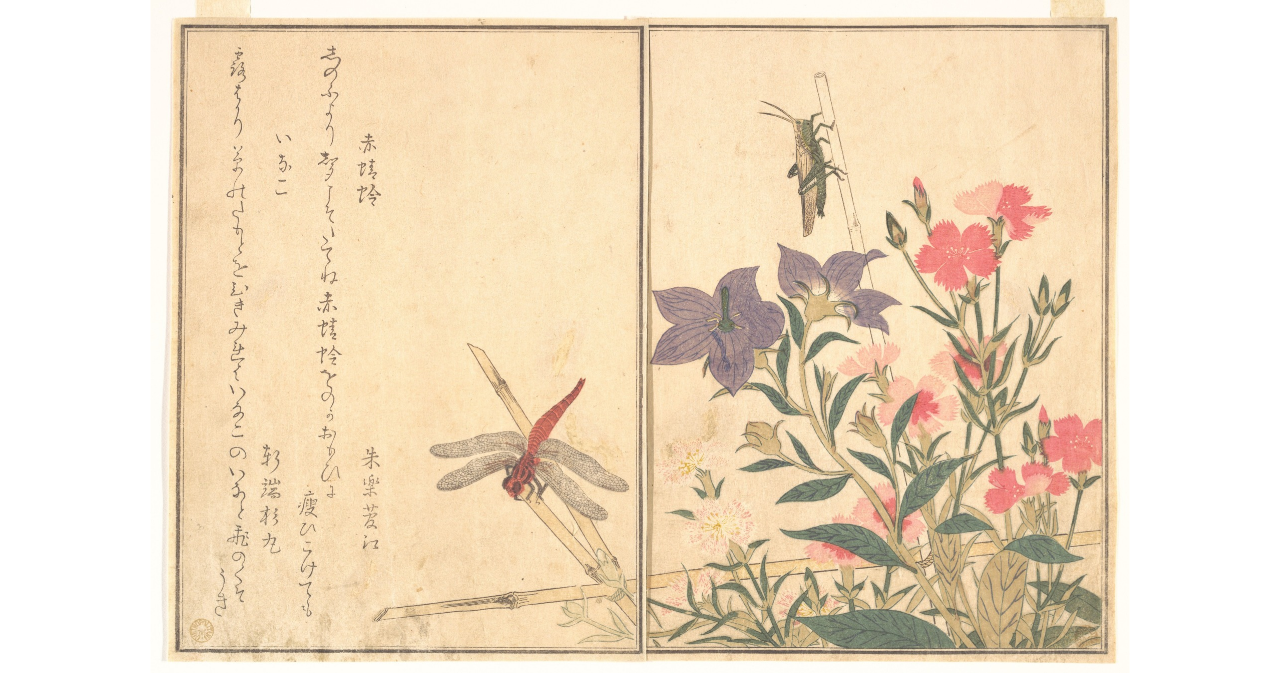
Kaya Shirao (1738-1791, Japan)
Aki no ki no / Autumn begins
.
Aki no ki no
Aka tombo ni
Sadamarinu.
.
The start of Autumn
Is always decided by
The red dragonfly.
_____
Special thanks:
David Bentley Hart (German, Spanish translations)
+ Yelena (Russian translations)
“Yancuic Xochicuicatl”: Poemas náhuatl para celebrar el Día de la Independencia – ¡Vivan las lenguas indígenas mexicanas, hoy y siempre! / Poems to celebrate México on Independence Day – Long live Her Indigenous Languages, Today and Always!
Posted: September 15, 2012 Filed under: English, Natalio Hernández, Náhuatl, Spanish, ZP Translator: Alexander Best | Tags: Poemas para el Día de la Independencia de México Comments Off on “Yancuic Xochicuicatl”: Poemas náhuatl para celebrar el Día de la Independencia – ¡Vivan las lenguas indígenas mexicanas, hoy y siempre! / Poems to celebrate México on Independence Day – Long live Her Indigenous Languages, Today and Always!
Natalio Hernández (nace 1947, Naranjo Dulce, Veracruz)
Selecciones del poemario Semanca Huitzlin
/ Colibrí de la Harmonía
/ Hummingbird of Harmony (2005)
.
“Yancuic Xochicuicatl”
Huetzis atl
huetzis atl
tiyolpaqui
huetzis atl,
tiyolpaqui
huetzis atl.
.
Huala atl
huala atl
tepetzala
huala atl,
tepetzala
huala atl.
.
Cuali atl
cuali atl
yatihnequi
cuali atl,
yatihnequi
cuali atl
.
Xochi atl
xochi atl
huetztihuala
.
xochi atl,
huetztihuala
xochi atl.
.
Huetzis atl
huetzis atl
tiyolpaqui
huetzis atl,
tiyolpaqui
huetzis atl.
.
“Yancuic Xochicuicatl”: Traducción en inglés / translation into English: Donald Frischmann
.
“New Flowers, New Songs”
It will rain
It will rain
we are happy
it will rain
we are happy
it will rain.
.
Rain is coming
rain is coming
o’er the hills
rain is coming
o’er the hills
rain is coming.
.
Good pure water
good pure water
we now wish for
good pure water
we now wish for
good pure water.
.
Flowered water
flowered water
is now falling
flowered water
is now falling
flowered water.
.
It will rain
it will rain
we are happy
it will rain
we are happy
it will rain.
Note: the words Flower + Song together in Náhuatl mean “Poetry”.
The phrase in Náhuatl is: ” in xochitl in cuicatl “
.
“Yancuic icuic Monteso Xocoyotzin”
Ximosehui tetahtzin
ximoyolsehui
xihcahua cuesoli
amo ximotequipacho;
nican tlachixtoque:
moconehua
mopilhuan
motlacamecayo,
ipan Mexihco totlalnantzin
nican titlachixtoque.
.
Xihuicahuitl panoc
panoc xopanatl;
ehecatl quihuicac cuesoli
quisehui choquilistli
quipahti totlacayo
quitlalochti mahmahtli.
Yancuic tonati
tech tlahuiltihuala.
.
Ximosehui tetahtzin
ximoyoltlali
amo nempolihuis in altepetl
chamanis totlahtol.
Nochipa manis in ixtli,
in yolohtli
in tlacamecayotl,
in xicnelhuayotl.
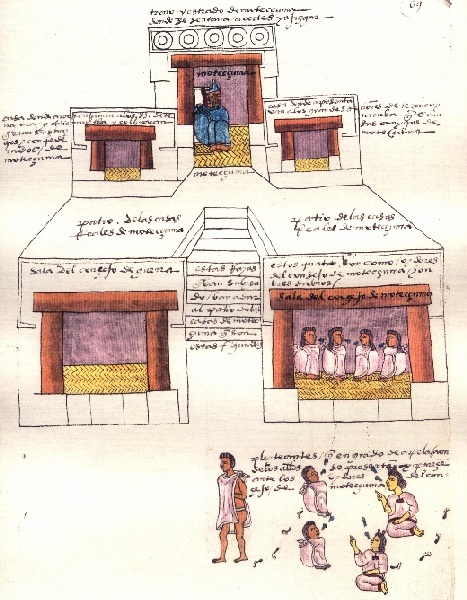
“Canto Nuevo a Moctezuma Xocoyotzin”
Reposa venerable viejo
apacigua tu corazón
abandona la tristeza
ya no te aflijas;
aquí permanecemos:
tus hijos
tus príncipes
tu linaje,
en la nación mexicana
aquí permanecemos.
.
Han pasado los años
la tempestad ya pasó;
El viento recogió nuestra tristeza
secó nuestras lágrimas
restauró nuestras heridas
ahuyentó el miedo.
Un nuevo sol
ya nos alumbra.
.
Reposa venerable viejo
tranquiliza tu corazón;
permanecerá el pueblo
renacerá la palabra.
No perecerá el rostro,
el corazón,
el linaje,
la raíz antigua.
. . . . .
“El Ritmo del Tiempo”
Todo a su debido tiempo…ni antes ni después.
Al año reverdece el campo.
El sol brota en el horizonte cuando la noche recoge su manto.
El hombre madura cuando el otoño llega y los árboles pierden sus hojas…
ni antes ni después.
El colibrí / huitzilin, inverna seis meses al año
y despierta cuando llega Xopantla / la primavera.
Ocurre lo mismo con el amor: llega con el tiempo…ni antes ni después.
.
“The Rhythm of Time”
In due course everything has its time…not before, not after.
The countryside greens up during the passage of the year.
The sun sprouts from the horizon when night gathers up its cloak.
Man matures when autumn comes and the trees lose their leaves
…not any sooner than that, not any later.
Hummingbird / Huitzilin* winters away for half the year
and awakes when Xopantla** / Spring arrives.
The same occurs with Love:
It comes with time…neither too soon, nor too late.
.
*Huitzilin – Náhuatl word for hummingbird
**Xopantla – Náhuatl word for spring
.
“El Ritmo del Tiempo”: Traducción del español al inglés: Alexander Best
“The Rhythm of Time”: Translation from Spanish into English: Alexander Best
Poemas para el Día de la Independencia: perspectivas frescas sobre Malinalli / Doña Marina / Malintzin / La Malinche – de los poetas Rosario Castellanos y Claribel Alegría
Posted: September 15, 2012 Filed under: Claribel Alegría, English, Rosario Castellanos, Spanish, ZP Translator: Alexander Best | Tags: Poemas para el Día de la Independencia de México Comments Off on Poemas para el Día de la Independencia: perspectivas frescas sobre Malinalli / Doña Marina / Malintzin / La Malinche – de los poetas Rosario Castellanos y Claribel Alegría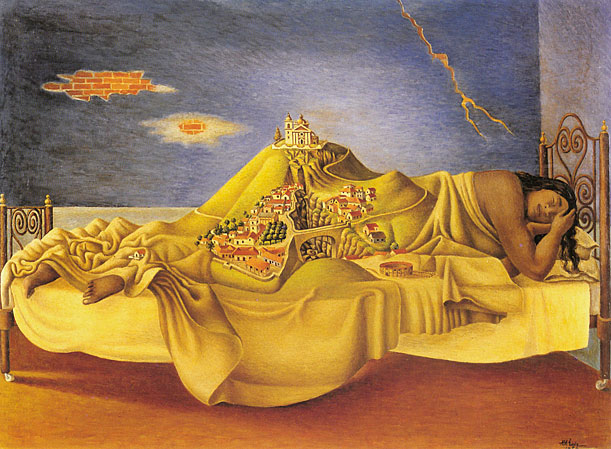
Rosario Castellanos (1925-1974, México)
“La Malinche”
Desde el sillón del mando mi madre dijo: “Ha muerto”.
.
Ya se dejó caer, como abatida,
en los brazos del otro, usurpador, padrastro
que la sostuvo no con el respeto
que el siervo da a la majestad de reina
sino con ese abajamiento mutuo
en que se humillan ambos, los amantes, los cómplices.
.
Desde la Plaza de los Intercambios
mi madre anunció: “Ha muerto”.
.
La balanza
se sostuvo un instante sin moverse
y el grano de cacao quedó quieto en el arca
y el sol permanecía en la mitad del cielo
como aguardando un signo
que fue, cuando partió como una flecha,
el ay agudo de las plañideras.
.
“Se deshojó la flor de muchos pétalos,
se evaporó el perfume,
se consumió la llama de la antorcha.
.
Una niña regresa, escarbando, al lugar
en el que la partera depositó su ombligo.
.
Regresa al Sitio de los que Vivieron.
.
Reconoce a su padre asesinado,
ay, ay, ay, con veneno, con puñal,
con trampa ante sus pies, con lazo de horca.
.
Se toman de la mano y caminan, caminan
perdiéndose en la niebla.”
.
Tal era el llanto y las lamentaciones
sobre algún cuerpo anónimo; un cadáver
que no era el mío porque yo, vendida
a mercaderes, iba como esclava,
como nadie, al destierro.
.
Arrojada, expulsada
del reino, del palacio y de la entraña tibia
de la que me dio a luz en tálamo legítimo
y que me aborreció porque yo era su igual
en figura y rango
y se contempló en mí y odió su imagen
y destrozó el espejo contra el suelo.
.
Yo avanzo hacia el destino entre cadenas
y dejo atrás lo que todavía escucho:
los fúnebres rumores con los que se me entierra.
.
Y la voz de mi madre con lágrimas ¡con lágrimas!
que decreta mi muerte.
. . .
El poema “La Malinche” – del poemario Poesía no eres tú (1972) – es uno de varios textos de Castellanos que revisa y reinterpreta figuras famosas femeninas.
. . .
Rosario Castellanos (1925-1974, México)
“La Malinche”
From her royal throne my mother announced: “She is dead”.
.
And then she collapsed, humbled,
in the arms of the other, the usurper, my stepfather
who sustained her not with the respect
a servant owes to the majesty of a queen
but with the mutual submissiveness
with which lovers, accomplices, abase themselves.
.
From the Plaza de los Intercambios
my mother announced: “She is dead.”
.
The scale
remained immobile for an instant
the cacao bean reposed quietly in its chest
the sun stood still in the sky’s zenith
as if awaiting a sign
which was, when it shot out like an arrow,
the penetrating cry of the mourners.
.
“The many-petaled flower has withered
the perfume has evaporated
the torch’s flame extinguished.
.
A girl returns, scratching at
the spot where the midwife left her navel.
.
She returns to the Place of Those who have Lived.
.
She beholds her father, murdered,
ay, ay, ay, with poison, with a dagger,
with a trap set before his feet, with a hangman’s noose.
.
Taken by the hand, she and they walk, they walk,
losing themselves in the fog.”
.
Such was the weeping and lamentation
over an anonymous corpse; a cadaver
that was not mine, because I, sold to
the merchants, went forth to exile like a slave,
a pariah.
.
Expelled, cast out from
the kingdom, from the palace and warmth
of her who gave honest birth to me
and who despised me because I was her equal
in figure and rank
she who saw herself in me and hated her image
and dashed the mirror to the ground.
.
I go, in chains, toward my destiny
and am followed still by the sounds
of the mournful chants with which they bury me.
.
And the voice of my mother in tears – in tears! –
that decries my death.
Translation from Spanish into English: © Julian Palley, 1988
_____
Claribel Alegría (nace 1924, Nicaragua/El Salvador)
“La Malinche”
Estoy aquí
en el banquillo de los acusados
dicen que soy traidora
¿a quién he traicionado?
era una niña aún
cuando mi padre
es decir
mi padrastro
temiendo que su hijo
no heredara las tierras
que a mí correspondían
me condujo hacia el sur
y me entregó a extraños
que no hablaban mi lengua.
Terminé de crecer en esa tribu
les servía de esclava
y llegaron los blancos
y me entregaron a los blancos.
¿Qué significa para ustedes
la palabra traición?
¿Acaso no fui yo la traicionada?
¿Quién de los míos vino a mi defensa
cuando el primer blanco me violó
cuando fui obligada
a besar su falo
de rodillas
cuando sentí mi cuerpo desgarrarse
y junto a él mi alma?
Fidelidad me exigen
ni siquiera conmigo
he podido ser fiel.
Antes de florecer
se me secó el amor
es un niño en mi vientre
que nunca vio la luz
¿Qué traicioné a mi patria?
Mi patria son los míos
y me entregaron ellos.
¿A quién rendirle cuentas?
¿A quién?
decidme
¿a quién?
.
Claribel Alegría (born 1924, Nicaragua/El Salvador)
“La Malinche”
Here I am
In “the dock”…
They say I’m a traitor,
Who have I betrayed?
I was just a little girl
When my father
(that is, my stepfather)
Fearing that his son
Would not inherit his lands
– lands to which I was entitled –
led me away to the south
And handed me over to strangers
Who didn’t speak my language.
I stopped growing in that tribe,
I served as slave.
And white people arrived
And I was handed over to them.
What does the word betrayal mean to all of you?
Wasn’t I the betrayed one?
Who of my people came to my defence
When the first white man violated me,
When I was made to kiss his phallus,
Down on my knees,
When I felt my body torn
And my soul right next to him?
Loyalty you demand of me
When I have not even been able to be true to myself.
Before blooming
I was already dessicated by Love.
There’s a child in my womb
who never saw the light.
In what way did I betray my homeland?
My country is my people
– and they abandoned me.
Who will account for that?
Who?
All of you, tell me – who?
Alegría translation from Spanish into English: Alexander Best
_____
La Malinche – born Malinalli, of Nahua parentage, in 1496 – was sold as a teenager by her mother and step-father to slave-traders – from whom she learned the Mayan language. She ended up as one of many “gifts” to recently-arrived “conquistador” Hernán Cortés, in 1519. She proved invaluable to him; her knowledge of both Náhuatl (the language of the Aztecs’ Empire) and of the neighbouring Maya meant that she could interpret for Cortés in his dealings with officials of both Peoples, thereby gaining the upper hand for Spain. Her fluency in Spanish soon followed, and in 1522, Doña Marina (her Christian baptism name, with the word “Lady” (Doña) before it) or Malintzin (as she was called respectfully by the Nahuas) bore a son by Cortés. His name was Martín, and he is said to symbolize the first true Mexican, being “mestizo” (“mixed race” of white/amerindian). Historians are in disagreement over the date of Malintzin’s death – 1529 or 1551. At any rate, Cortés was an ambitious and greedy man-in-a-hurry and he did not remain with Malintzin; yet she had been supremely useful to him – and to “el Imperio español”/The Spanish Empire, which was then in its initial surges of power.
Like The Virgin of Guadalupe La Malinche is a cultural icon in México – but unlike “Our Lady” she is also viewed negatively.
While she is seen as the “womb” of Mestizaje – the on-going union of different races and cultures – she is also, unfairly many contemporary scholars believe – a symbol of the “betrayal” of Indigenous Peoples – the Mexicas, the Tlaxcalans, the Totonacs, the Chichimecas – the lot.
The flashpoint is her multilinguality: ¡Traductora, traidora! Translator — Traitor!
This is a great deal for one woman to bear. And poets Rosario Castellanos and Claribel Alegría understand such a fact – so they have allowed Malintzin to “speak” in our era instead of only “interpreting” for others in centuries past…
Grito de Dolor, de Dignidad, de Orgullo: Cuauhtemoctzin, Anáhuac Huei Tlahtohuani: Su Último Mandato
Posted: September 15, 2012 Filed under: English, Náhuatl, Spanish, ZP Translator: Alexander Best | Tags: Poemas para el Día de la Independencia de México Comments Off on Grito de Dolor, de Dignidad, de Orgullo: Cuauhtemoctzin, Anáhuac Huei Tlahtohuani: Su Último Mandato
Cuauhtémoc (1496-1525) fue el último “tlatoani” mexica de México-Tenochtitlan.
Reinó durante la toma de Tenochtitlan por Hernán Cortés y sus soldados.
.
Tlatzacan Cuauhtemoctzintli Itenahuatil
.
Totonaltzin ye omotlatihzinoh,
totonaltzin ye omixpoliuhtzinoh,
ihuan centlayohuayan otechcahuilih.
.
Mach tictomachiliah occeppa mohualhuiliz,
ma occeppa moquizaltiz
ihuan yancuican techmotlahuililiquiuh.
.
In oquic ompa mictlanzinco momanilticaz
.
ma zan iciuhca titocentlalihtzinocan,
ma titonechicohtzinocan
ihuan toyolnepantlahtzinco ma tictotlatilican
mochi in toyollotzin quimotlazohtilia
ihuan ticmachiliah totlaqui:
topan yuhquin huei chalchihuitzintli.
.
Ma tiquinpohpolhuican in toteocalhuan,
in tocalmecahuan, in totlachcohuan,
in totelpochcalhuan, in tocuicacalhuan;
ma mocelcahuican in toohuihuan
ihuan tochantzitzinhuan ma techpielican
.
Quin ihcuac moquizaltiz in yancuic totonaltzin,
in tetahzitzintin ihuan in tenantzitzintin
ma aic xicmilcahuilican
quimilhuitizqueh in intelpochtzitzinhuan
ihuan ma quinmachtilican inpilhuantzitzinhuan
in oquic nemitizqueh,
huel quenin cualli moyetzinoticatca
quin axcan Totlazohanahuac
in campa techmocuitlahuiqueh toteotzitzinhuan,
intlanequiliz ihuan intlaelehuiliz,
ihuan zan ye no ipampa toquinmahuiliz
ihuan toquinpololiz
oquinceliliqueh in tiachcatzitzihuan,
ihuan tlen in totahtzitzihuan,
ahhuic yolecayopan,
oquinximachtiliqueh toyelizpan.
.
Axcan tehhuantzitzin tiquintotequimaquiliah
in topilhuan:
¡Macamo quicalhuilican, ma quinnonotzacan
inpilhuan huel quenin moyetzinotiyez
in imahcoquizaliz,
quenin occeppa moehualtiz in totohaltzin;
ihuan huel quenin mochicahuilihtzinoz
huel quenin moquitzontiliz hueyica
inehtotiliztzin inin
totlazohtlalnantzin Anáhuac!
” CUAUHTEMOCTZIN,
Anáhuac Huei Tlahtohuani ”
.
“El Último Mandato del Venerable Cuauhtémoc”
Nuestra sagrada energía ya tuvo a bien ocultarse,
nuestro venerable sol ya dignamente desapareció su rostro,
y en total obscuridad se dignó dejarnos.
.
Ciertamente sabemos que otra vez se dignará volver,
que otra vez tendrá a bien salir
y nuevamente vendrá dignamente a alumbrarnos.
.
En tanto que allá entre los muertos tenga a bien permanecer.
.
Muy rápido reunámonos,
congreguémonos
y en medio de nuestro corazón escondamos
todo el nuestro corazón se honra amando
y sabemos nuestra riqueza
en nosotros como gran esmeralda.
.
Hagamos desaparecer los nuestros lugares sagrados,
los nuestros Calmécac los nuestros juegos de pelota,
los nuestros Telpochcalli, las nuestras casas de canto;
que solos se queden los nuestros caminos
y nuestros hogares que nos preserven.
.
Hasta cuando se digne salir el nuevo nuestro Sol,
los venerados padres y las veneradas madres
que nunca se olviden de
decirles a los sus jóvenes
y que les enseñen a sus hijos
mientras se dignen vivir,
precisamente cuán buena ha sido
hasta ahora nuestra amada Anáhuac
donde nos cuidan nuestros venerados difuntos,
su voluntad y sus deseo,
y solo también por causa de nuestro respeto por ellos
y nuestra humildad ante ellos
que recibieron nuestros venerados antecesores
y que los nuestros venerados padres,
a un lado y otro en las venas de nuestro corazón,
los hicieron conocer en nuestro ser.
.
Ahora nosotros entregamos la tarea a
los nuestros hijos
Que no olviden, que les informen
a sus hijos intensamente como será
su elevación,
como nuevamente se levantará el nuestro venerable Sol
y precisamente como mostrará dignamente su fuerza
precisamente como tendrá a bien completar grandiosamente
su digna promesa esta
nuestra venerada y amada tierra madre Anáhuac!
.
“The Final Mandate of the most Venerable Cuauhtémoc”
Our sacred energy has already had to hide itself away,
Worthily, the face of our venerable Sun has disappeared
And in total darkness deigned to leave us.
.
Most certainly we know that once again he will condescend to return to us,
That again he will have to come out
And anew to shine worthily upon us.
.
Even while there among the dead he might well have to remain.
.
Most quickly now, let us gather,
Let us congregate
And in the middle of our heart let us hide,
All our heart is honoured in loving
And we know there are riches
Inside us like an enormous emerald.
.
Let us make our sacred places disappear,
Our Calmécac, our ball-games,
Our Telpochcalli, our song-houses;
That all that might remain be our roads
And our homes that we might preserve.
.
Until he our new Sun may deign to come out,
The venerable fathers and mothers
Who never may forget
To tell of themselves to the young
And who may teach the children
While they deign to still live,
Precisely when it has been
Up til now our belovéd Anáhuac
Where our venerated deceased ones care for us,
Their will, their desire,
And also only by reason of our respect for them
And our humbleness before them
Who received our venerable antecedents
And our venerated parents,
From one side to the other in the veins of our heart,
They made themselves known in our being.
.
Now we present to our children the task that
They not forget, that they might tell their children
Intensely as is fitting to their age and rank
As newly he will rise – our venerable Sun,
And precisely as he will show worthily his strength
He will have to truly and grandly complete
His worthy promise in
This our venerated, our belovéd, our earth-mother Anáhuac!
.
Translation from Spanish to English: Alexander Best
 Zócalo Poets