A “narrbong” of Indigenous Australian poems and paintings
Posted: October 1, 2014 Filed under: English, IMAGES Comments Off on A “narrbong” of Indigenous Australian poems and paintings
Jackie Giles (1935-2010)_Purrungu rock hole showing underground travel coils of the ancestral snake or jila_2008
Oodgeroo Noonuccal
God’s One Mistake
.
“It repenteth me that I have made man.” (Genesis 6:7)
.
I who am ignorant and know so little,
So little of life and less of God,
This I do know
That happiness is intended and could be,
That all wild simple things have life fulfilled
Save man.
Without books or schools, lore or philosophy
In my own heart I know
That hate is wrong,
Injustice evil.
Pain there must be and tears,
Sorrow and death, but not
Intolerance, unkindness, cruelty,
Unless men choose
The mean and base, which Nature never made,
But we alone.
And sometimes I will think that God looks down
With loving smile, saying,
‘Poor child, poor child, maybe I was wrong
In planning for you reason and free will
To fashion your own life in your own way.
For all the rest
I settled and appointed as for children
Their simple days, but you
I gave the Godlike gift to choose,
Who were not wise – for see how you have chosen,
Poor child, alone among them all now,
Unhappy on the earth.’
. . .
Jonathan Hill
Light Years Away
.
My lifetime flickers
In the fading light,
I no longer have
The will to fight.
The battle continues
Till my dying day,
Forever forced to live
The white man’s way.
The songlines and stories
The laws of the land,
Deemed mythical nonsense
By those in command.
Now lost to eternity
Perished and passed,
Making way for modernity
A comical farce.
A culture bound
By desire not need,
Ruled by the wealthy
Infected with greed.
The unifying power
Of the setting sun
Is proof humanity
Is collectively one.
But such realisation
Is light years away,
There’s no profit to be made
Living the peaceful way.
. . .
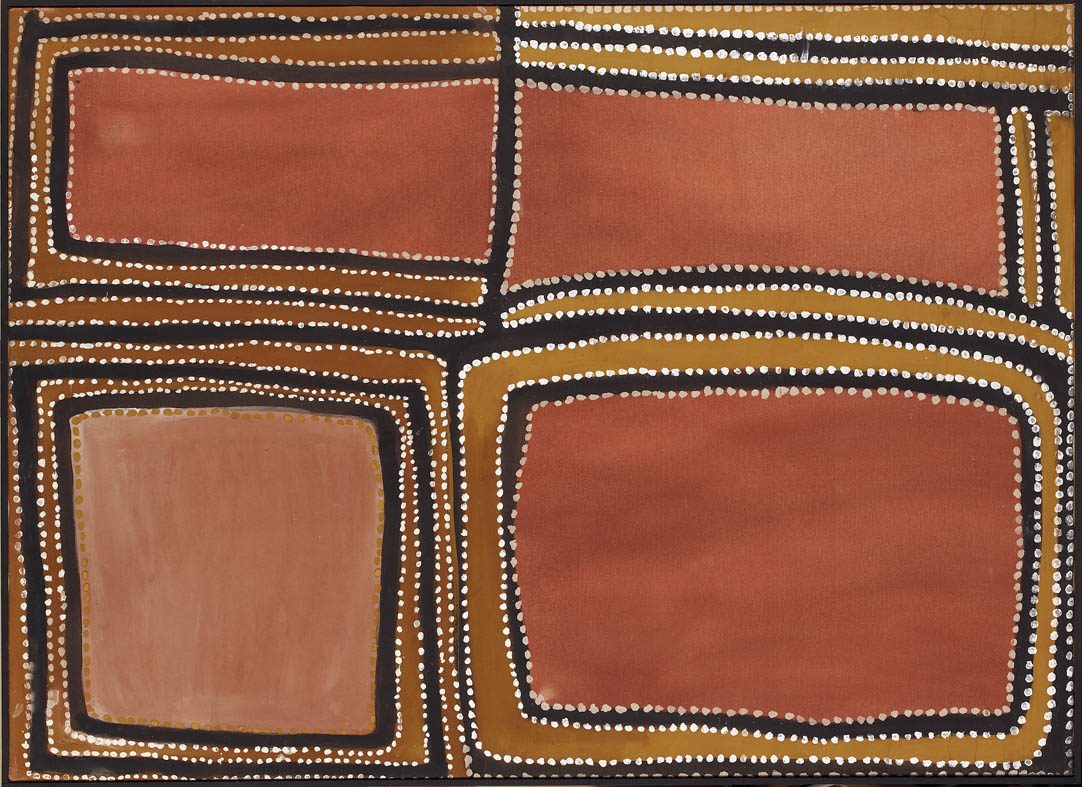
Rover Thomas (1926-1998)_Rock Country on Texas Downs_1988_bush gum and ochre
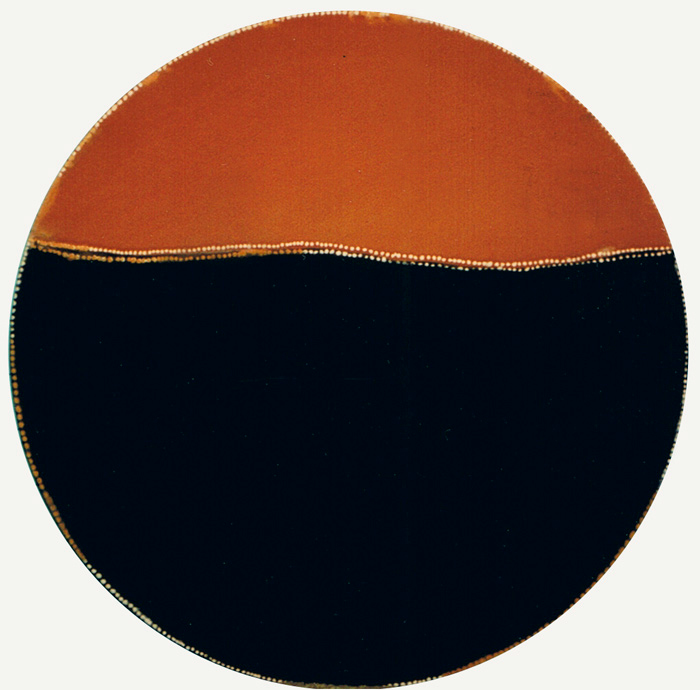
Rover Thomas_Sydney Harbour_1991
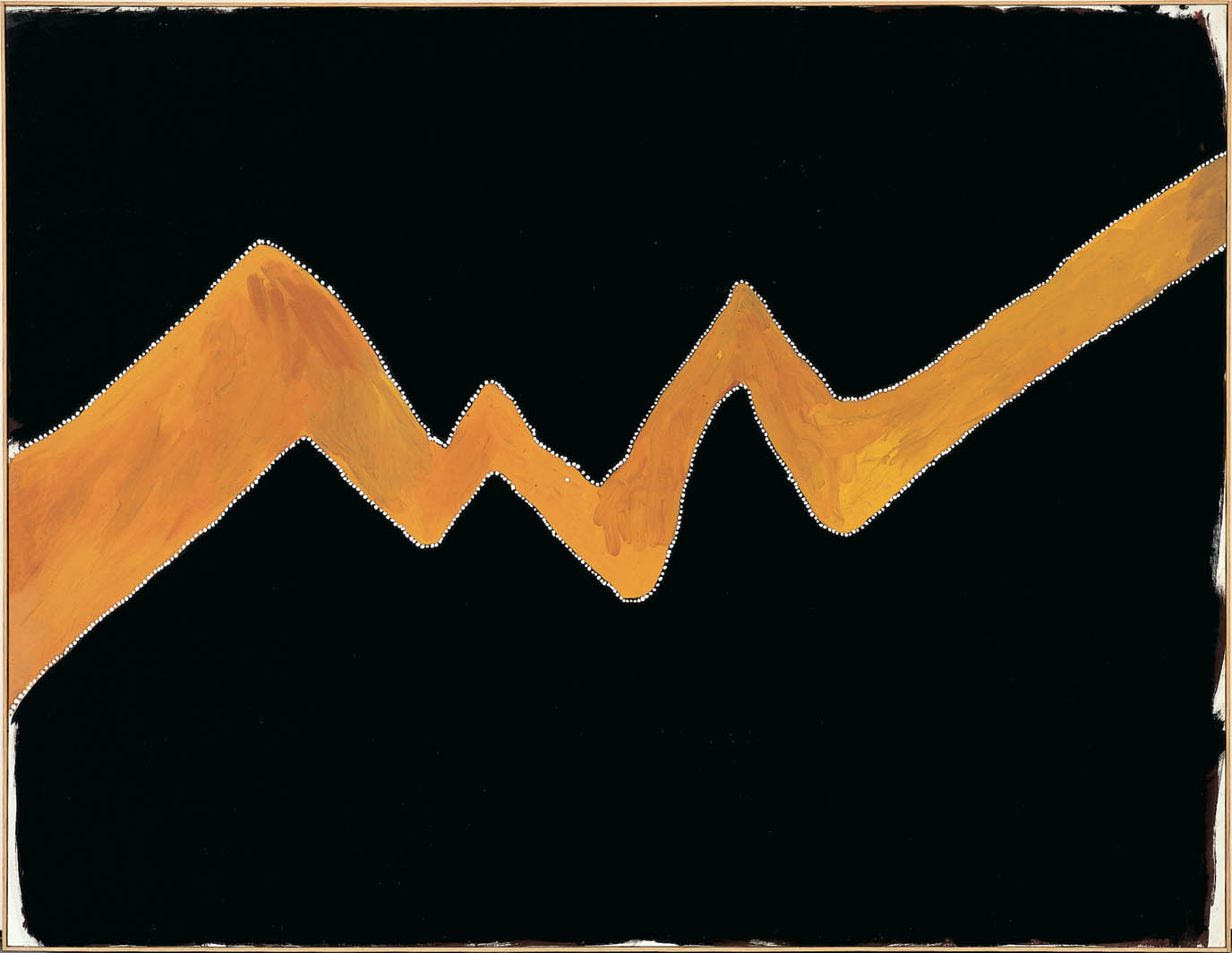
Rover Thomas_Lightning_1995
. . .
Kevin Gilbert
Kill the legend
.
Kill the legend
Butcher it
With your acute cynicisms
Your paternal superfluities
With your unwise wisdom
Kill the legend
Obliterate it
With your atheism
Your fraternal hypocrisies
With your primal urge of miscegenation
Kill the legend
Devalue it
With your sophistry
Your baseless rhetoric
Your lusting material concepts
Your groundless condescension
Kill it
Vitiate the seed
Crush the root-plant
All this
And more you must needs do
In order
To form a husk of a man
To the level and in your own image
Whiteman.
.
Kevin Gilbert (1933-1993) wrote “Kill the Legend” in 1971, while serving 14 years in jail for murder.
. . .
Gerry Bostock
Black Children
.
Prepare Black Children
For the Land Rights fight,
Our cause is true,
Our aim’s in sight,
Unite my people,
Unite!
Come on, Black Children
Rise on your feet!
Get out of the gutter
And onto the street;
United together,
Hand in hand,
Heads raised, high we stand,
Then, march as one,
Surging forward and onward,
For justice
For freedom
And for Our Land.
.
(1980)
. . .
Kevin Gilbert
Tree
.
I am the tree
the lean hard hungry land
the crow and eagle
sun and moon and sea
I am the sacred clay
which forms the base
the grasses vines and man
I am all things created
I am you and
you are nothing
but through me the tree
you are
and nothing comes to me
except through that one living gateway
to be free
and you are nothing yet
for all creation
earth and God and man
is nothing
until they fuse
and become a total sum of something
together fuse to consciousness of all
and every sacred part aware
alive
in true affinity.
. . .
Mangroves
Zelda Quakawoot
.
Buzzing
Stinging
Mossies roam
Silent
Biters
Sandfly’s home
Greens
Browns
Reds and blue
Smokey
Fire
Keep them from you
Salty
Dampness
Muddy banks
Crab
Empires
Our tummies thank…
Fire smells
Salty
Air
Goodnight
Sweet mangroves
For secrets
Shared.
. . .
Tutama Tjapangati
Aladayi
.
big one mutukayi
kulaputja katiku
bring em up here
big one
Tjukula, show em a you
my country
Mickini, mighty be we take em
Mayayana, my daught
Nolan, my brother
Kayiyu Kayiyu, Nampitjimp
Ohh, too much!
grab em big one you
ebbrything a tucker
kapi too/puttem a-drum
you right that’s ‘im
my country, piyu
kala!
.
Aladayi is a poem about a local schoolbus. It employs a mix of Pintupi/Luritja and English.
[mutukayi – motorcar; kulaputja – schoolbus; kayiyu – will bring;
Tjukula – a place in the eastern Gibson Desert; Nampitjimp –
shortened version of Nampitjinpa, a skin-name; kapi – water;
piyu – all’s well; kala – anyway, what next?]
. . .
J. E. Doyle
Wisdom
.
I sat and spoke to the Elders today
It is not so wrong in what they say
The times have changed as they well know,
But isn’t it time we had a fair go?
So let us all band together and clear the air
The Kooris* know that things are not fair
Their knowledge is known for thousands of years
Through hunting, healing, also tears
They have also survived hatred and fear
So let us all live together before it’s too late
And make this land a wonderful place.
. . .
*Kooris – the name that Indigenous Australians from what are now the states of New South Wales and Victoria traditionally have called themselves.
. . .
Gail Kay
My Sitting Down Place
.
I go down to the creek
Where the water gurgles
Joyfully
As it hurries along
Over the shining sand and pebbles
To its destiny
With the sea.
Dappled sunlight
Flits and moves
Across the water, over the creek bank,
And the birds sing happily
To the accompaniment
Of insects and crickets.
I sit in silence as I soak it all into my soul.
Peace flows
From the water
To my heart.
Whatever life brings me
I now can face
Because of this,
My sitting down place!
. . .
N. B. “Narrbong” means “string bag”.
We are grateful to Jens Korff of Creative Spirits for provision of the above poems, except for God’s One Mistake (via Australian Poetry Library); Kill the legend, Black Children, and Aladayi (Adam Shoemaker of Australian National University, Canberra); and Kevin Gilbert’s daughter, Kerry Reed-Gilbert, provided Tree.
. . . . .
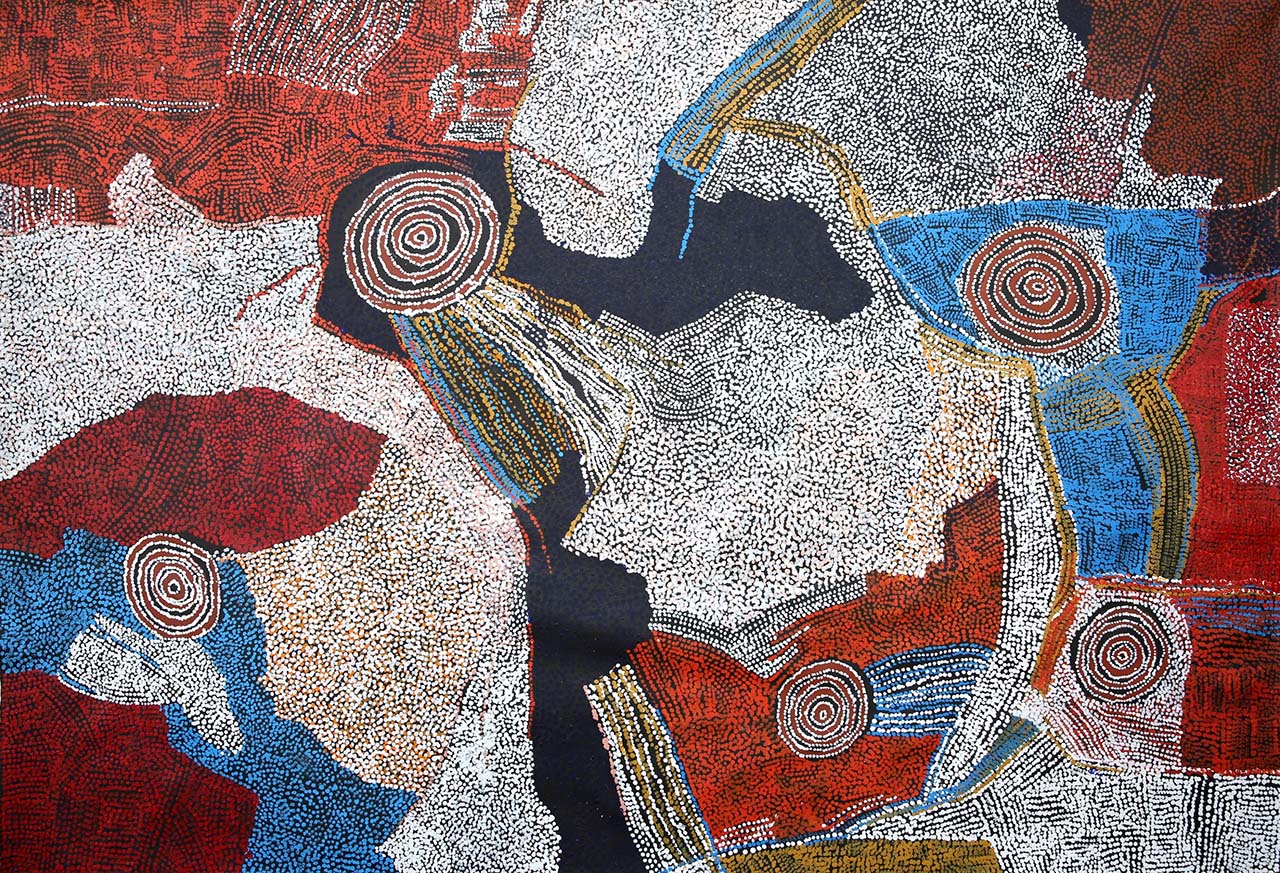
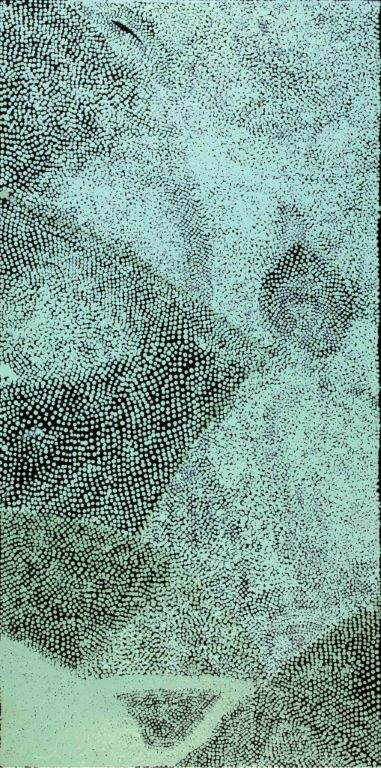
Bill Tjapattjarri (1920-2008)_Rockholes near The Olgas
Pepai Jangala Carroll, born 1950_Walungurru number 294.13

Colleen Wallace Nungari_Body painting design
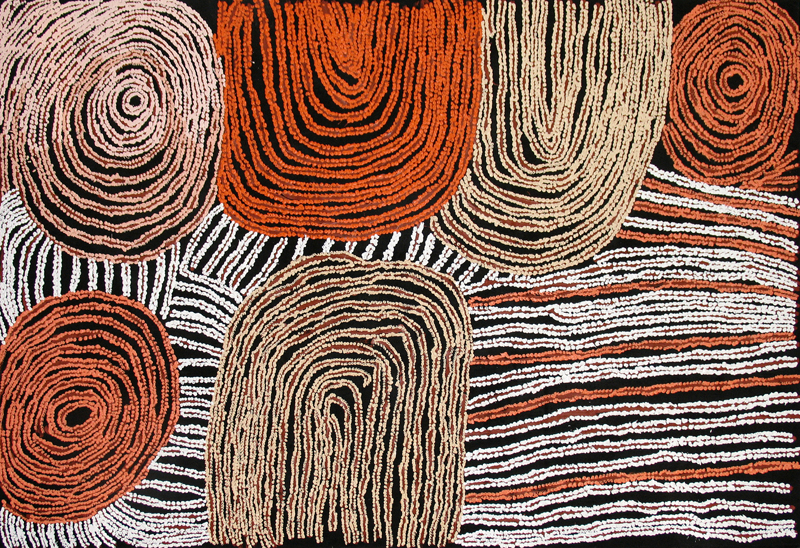
Walangkura Napanangka_Women’s Dreaming

Emily Kam Kngwarry_Anmatyerr_Kam_yam pencil bark seed
Indigenous Australian peoples (“Aboriginal” peoples) were making rock paintings and rock engravings many thousands of years ago. Later, Dot painting – whether on boulders, in caves, or on sand – involved four main paint colours: yellow (sun), brown (soil), red (desert sand), and white (clouds and sky). Legends and dreams have all been depicted. Aerial-view paintings of the desert, including bird’s- eye “maps” of animal tracks, or “rock holes” (where water may be found in the dryest places) remain standard subject matter, even today.
. . . . .
Victor Ekpuk: Painting and Nsibidi ideograms: an evolution
Posted: September 2, 2014 Filed under: IMAGES | Tags: Contemporary Nigerian artists Comments Off on Victor Ekpuk: Painting and Nsibidi ideograms: an evolution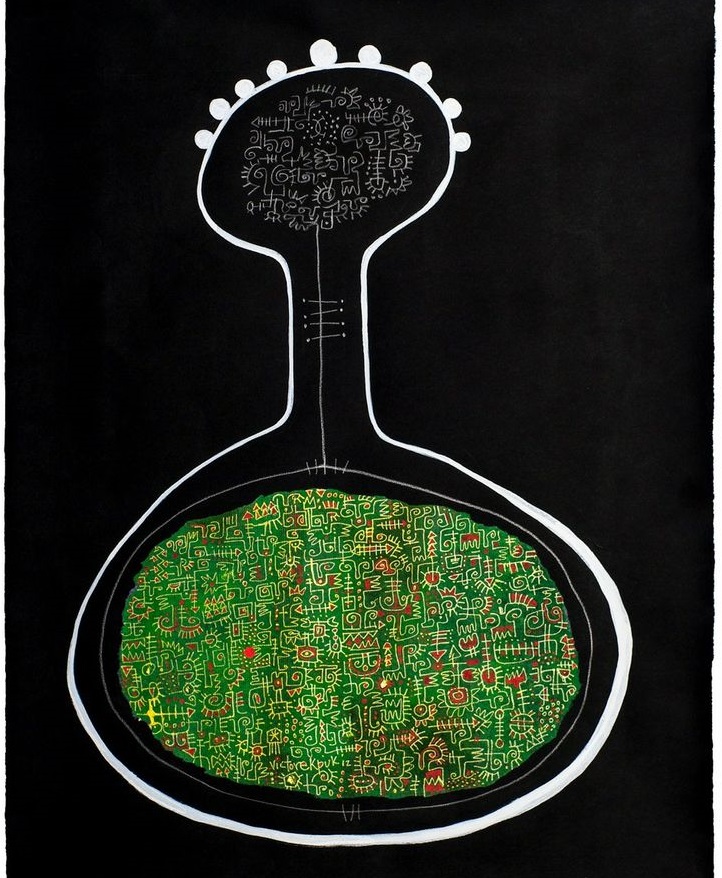
Victor Ekpuk_Ode to Mother
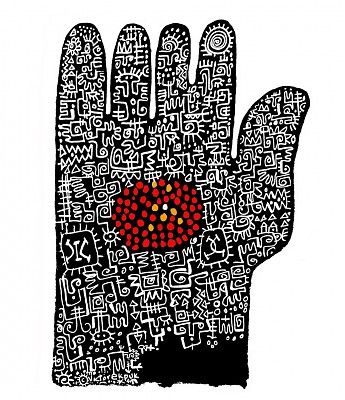
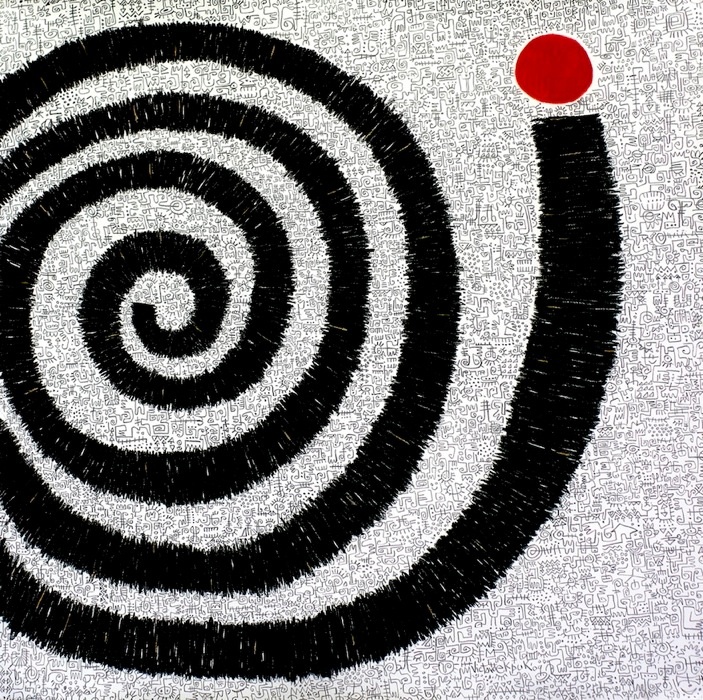
Victor Ekpuk_Composition number 2
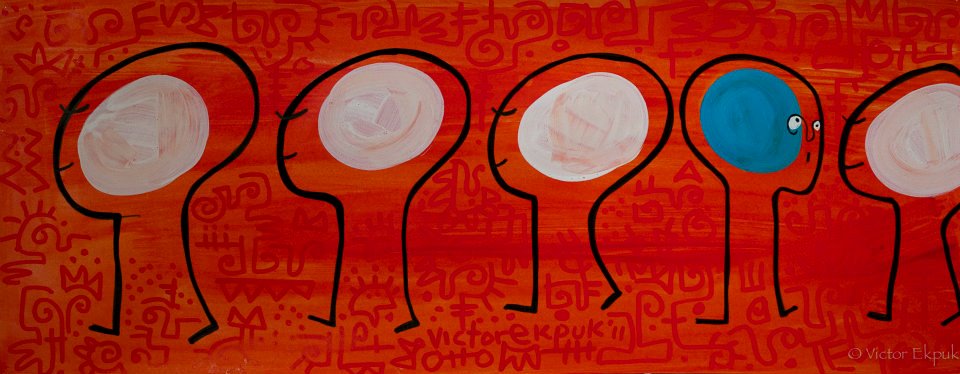
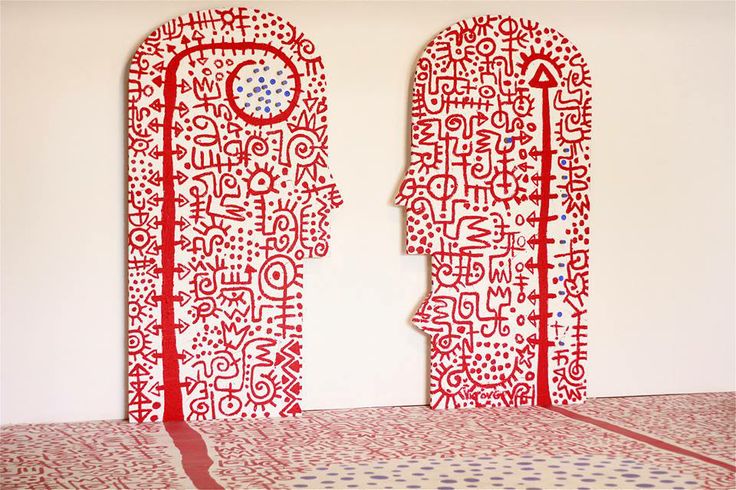
Victor Ekpuk_State of Beings

. . .
Victor Ekpuk is a Nigerian-born artist who now lives in Washington, D.C. His art, which began as an exploration of Nsibidi ideographic/logographic scripts/symbols from southeastern Nigeria, has evolved to embrace a wider spectrum of meaning that includes contemporary African and Global discourses.
The artist states: “The subject matter of my work deals with the human condition explained through themes that are both universal and specific: family, gender, politics, culture and identity.”
. . . . .
Before and After the Horizon: Anishinaabe Artists of the Great Lakes
Posted: July 25, 2014 Filed under: IMAGES | Tags: Anishinaabe Artists Comments Off on Before and After the Horizon: Anishinaabe Artists of the Great Lakes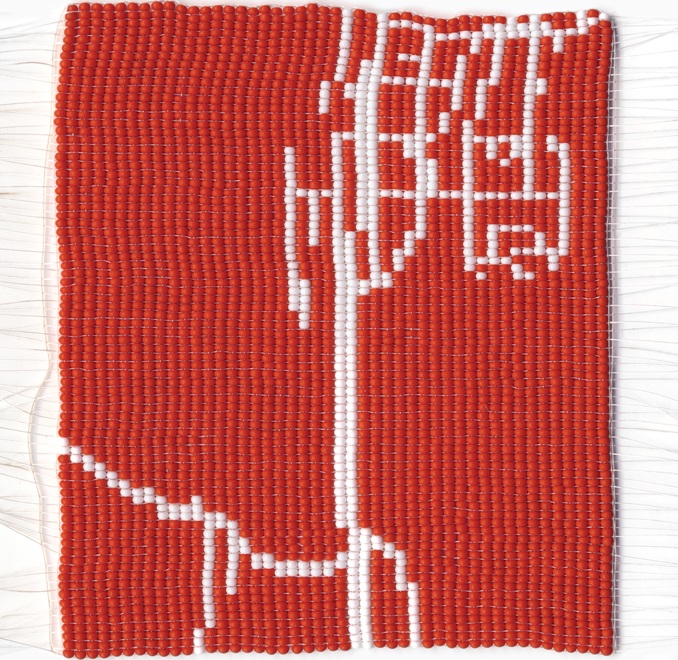
A first-ever exhibition for the Art Gallery of Ontario in Toronto opens today: Before and After the Horizon: Anishinaabe Artists of the Great Lakes.
The Anishinaabe Peoples gave us many of the place names we use today in the Canadian province of Ontario:
Algonquin, Attawapiskat, Etobicoke, Gananoque, Kanata, Kapuskasing, Manitoulin, Mississauga, Niagara, Nipigon, Ontario, Oshawa, Ottawa, Penetanguishene, Petawawa, Temagami, Tyendinaga, Wasaga, Wawa, Wikwemikong.
Anishinaabeg have lived in the Great Lakes region for thousands of years – and include the Algonquin, Chippewa, Mississauga, Nipissing, Ojibwe, Odawa, Potawatomi and Saulteaux Peoples. Their social-cultural-geographical landscape comprises what are now the provinces of Québec, Ontario and Manitoba here in Canada, and eight states in the USA which border the five Great Lakes (Superior, Michigan, Huron, Erie and Ontario).
Before and After the Horizon is a joint effort of the A.G.O. and the National Museum of the American Indian in Washington, D.C. Curated by David Penney and Gerald McMaster, the show combines spear points and axe blades from 1000 BCE, with Keesic Douglas’ arched-eyebrow, very “now” Lifestyle photos; turn-of-the-century Ojibwe “floral leggings” of cotton, velvet, glass beads and metal discs, with Nadia Myre’s series of red-and-white “beaded over” pages from the federal government’s Indian Act; practical yet decorative boxes made of birchbark, porcupine quills, spruce root and sweetgrass, with Arthur Shilling’s Expressionist Self-Portrait; a Chippewa saddle blanket and bandolier bag – both exquisitely beaded – with a Wally Dion collage of computer circuit boards.
Carl Ray, Carl Beam, Robert Houle, Frank Big Bear, and Métis painter Christi Belcourt expand the idea of contemporary Anishinaabe art and – of course – there are the still fresh, still bold canvases of Norval Morrisseau (1932-2007), the greatest painter Canada has ever known. His Psychic Space (1996) thrills with its depiction of humanity in unrestrained colours. And in the neighbouring 20th-century Canadian gallery, A.G.O.curator Andrew Hunter has had the lightbulb idea – long-overdue – of re-jigging the space so as to give a 1977 Morrisseau masterpiece, the six-panel Man Changing Into Thunderbird, pride of place in a new and improved setting. (Previously, the work had been stuck in a long, underlit corridor with poor sightlines.) The majestic Treaty Robe for Tecumseh – an intervention created by Bonnie Devine– is also a welcome addition to the same gallery.
Curator Hunter says: “This is a powerful exhibition that is very much about this place [for the A.G.O. is situated in the very heart of traditional Anishinaabe territory] and its timeless connection to a distinct worldview, one that continues to resonate with Anishinaabeg.”


 Images:


Beadwork by Nadia Myre (2 examples)
Game Over (PacMan) by Wally Dion
Untitled by Christi Belcourt
Festival Internacional de Poesía de Medellín / The 24th International Poetry Festival of Medellín starts today!
Posted: July 19, 2014 Filed under: IMAGES Comments Off on Festival Internacional de Poesía de Medellín / The 24th International Poetry Festival of Medellín starts today!
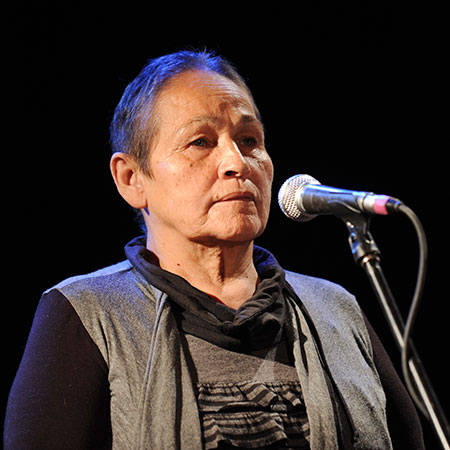
Joséphine Bacon_Poeta Innu_Canadá
El Festival Internacional de Poesía de Medellín / The 24th International Poetry Festival of Medellín, Colombia, starts today!
.
The inaugural readings include the following poets: Juan Gregorio Regino (México), Horacio Benavides (Colombia), Oumar Farouk Sesay (Sierra Leona), Ivo Svetina (Eslovenia), Metin Cengiz (Turquía), Isztván Turczi (Hungría), Joséphine Bacon (Canadá / Nación Innu), Amin Khan (Argelia), Lou Ying (China), Gcina Mhlophe (Suráfrica), Joy Harjo (Estados Unidos / Nación Muskogee).
.
http://www.festivaldepoesiademedellin.org/es/Festival/24/index.html
Women Out and About Together: SlutWalks, Blame Games, and Reclaiming Names
Posted: July 12, 2014 Filed under: IMAGES | Tags: SlutWalk Toronto July 12th 2014 Comments Off on Women Out and About Together: SlutWalks, Blame Games, and Reclaiming Names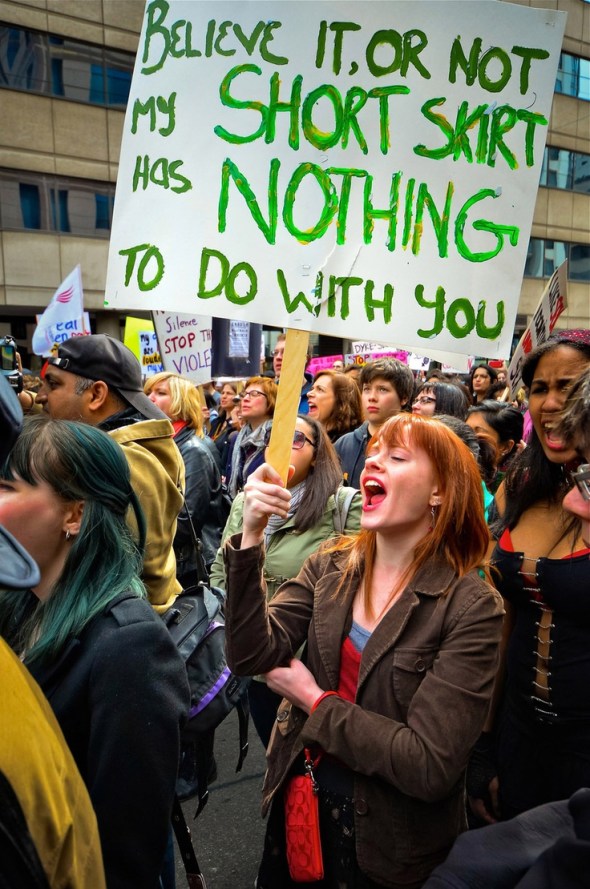 By now you may have heard about how SlutWalk Toronto got started, and how a small group of people in our city kicked off what became a global movement by challenging harmful, victim-blaming language. Three years later, we’re still focused because victim-blaming remains a problem – one that validates the actions of perpetrators of sexual violence and upholds many forms of systemic violence.
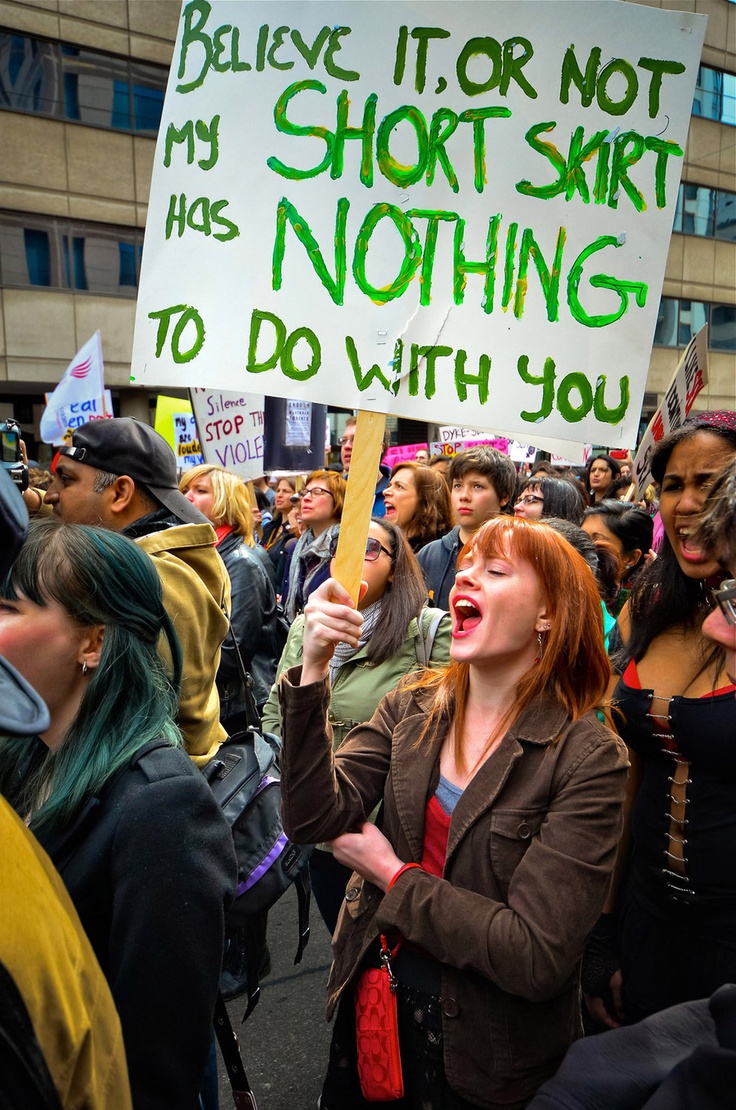
The first SlutWalk rally in Toronto in 2011 lit the spark for grassroots action in scores of countries worldwide where organizers have rallied communities for marches against victim-blaming. Some of these marches have been called SlutWalks, others have taken locally-driven names; all have been a part of international, collective action against victim-blaming in support of survivors of sexual violence.
SlutWalk Toronto continues because survivors of sexual violence deserve our support – not our scrutiny.
SlutWalk’s allies include, among others: Blowing the Whistle on Sexual Assault on Campus, Centre for Police Acountability, Good for Her, Toronto Rape Crisis Centre, YWCA Toronto – and loving men!
Join fearless women in our ongoing efforts!
From the SlutWalkToronto website:
We do not require participants to want to reclaim “slut” or any other slurs that have been used against them, nor do we require any particular dress code. We ask only that you come to support an end to victim-blaming and rape culture. Regardless of the victim’s ability, age, attire, gender, housing situation, immigration status, income, intoxication, job, race, or relationship with the abuser, the only person ever responsible for sexual violence is the perpetrator.
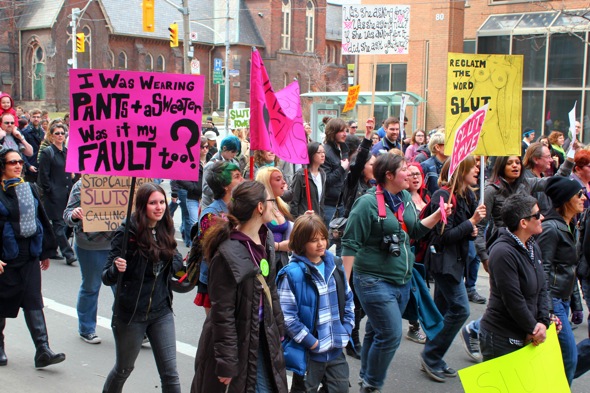
Why use the word Slut in this provocative way? Click on the link and read the FAQs:
http://www.slutwalktoronto.com/about/faqs
Zócalo Poets featured SlutWalk Toronto in 2012. Click on the link to read background details + poems!
https://zocalopoets.com/category/poets/karla-baez/
. . . . .
Ramadan Mubarek, My Gay Brothers and Sisters!
Posted: July 3, 2014 Filed under: IMAGES Comments Off on Ramadan Mubarek, My Gay Brothers and Sisters!
A young man who combines his Faith with High Self-Esteem – a winning combination. The first day of the holy Islamic month of Ramadan and Toronto’s World Pride Parade fell on the same day this year, Sunday, June 29th.
. . .
Love is a place
*
love is a place
& through this place of
love
move
(with brightness of peace)
all places
*
yes is a world
& in this world of
yes live
(skillfully curled)
all worlds
– E. E. Cummings
. . .

“Yo soy la resurrección y la vida”: imágenes para Domingo de Pascua / “I am the resurrection and the life”
Posted: April 20, 2014 Filed under: IMAGES Comments Off on “Yo soy la resurrección y la vida”: imágenes para Domingo de Pascua / “I am the resurrection and the life”
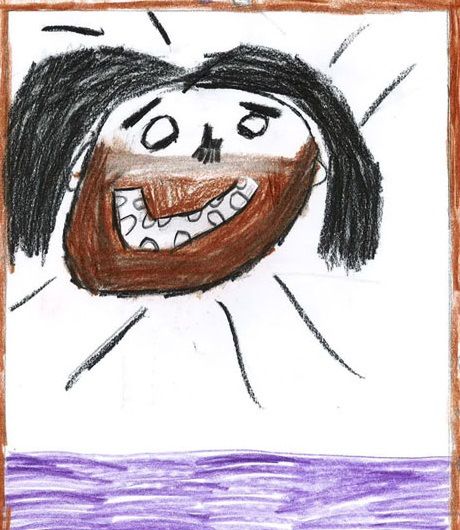
The Face of Jesus drawn by a little boy named Ben_2011
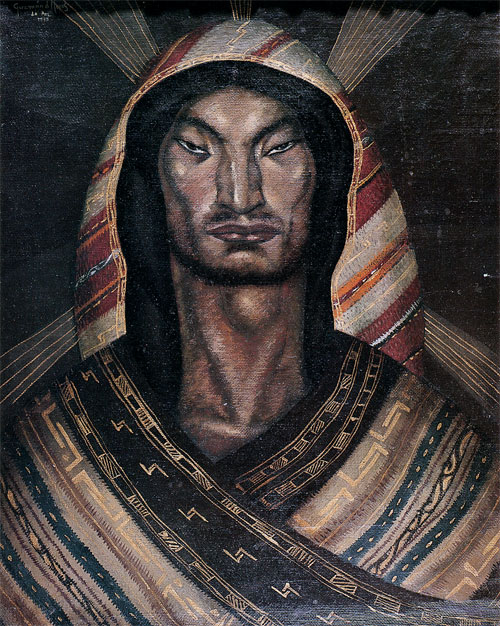
Cecilio Guzmán de Rojas_pintor boliviano_Cristo aimará_Aymara Christ_1939
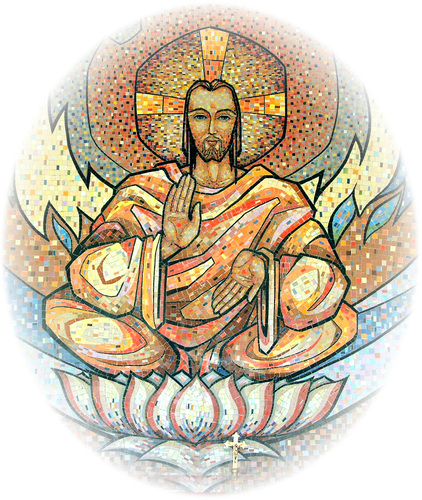
Jesus as अवतार (avatāra) and guru_mosaic depiction from India
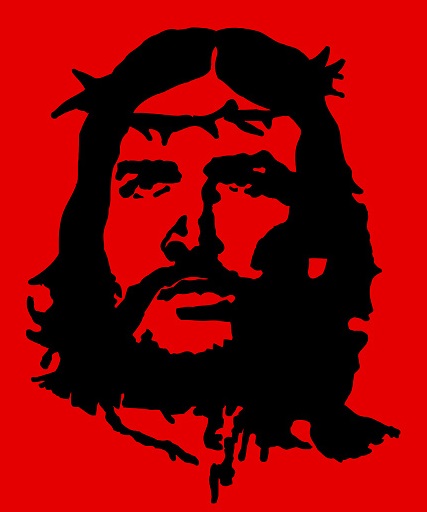
Detail of a 1999 U.K. Easter poster designed to encourage people to go to church: “Discover the real Jesus.” Jesus as Revolutionary – like Che Guevara
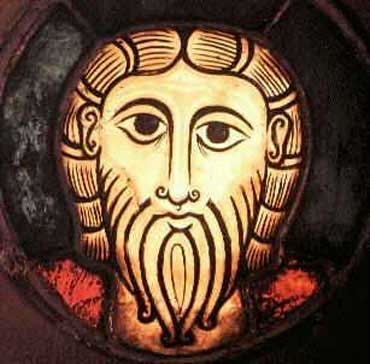
An old stained glass image of a Celtic Christ
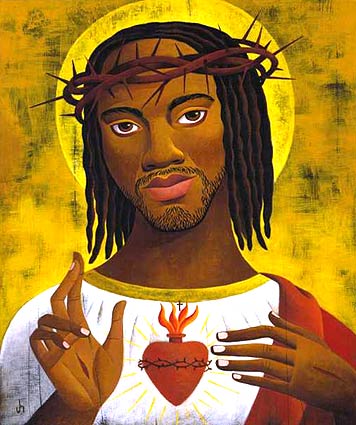
Jesus may be envisioned with many different faces for He is in every one of us.
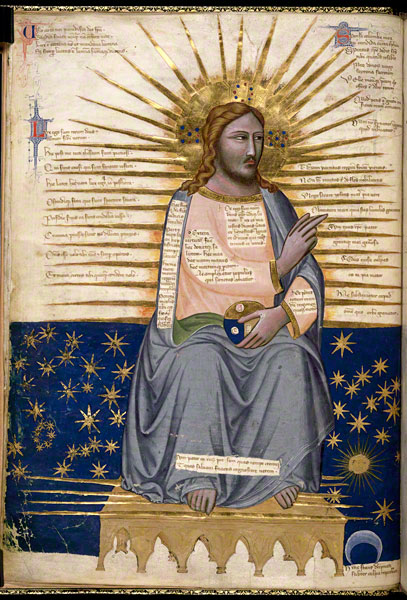
Pacino di Bonaguida_Christ Enthroned_14th century
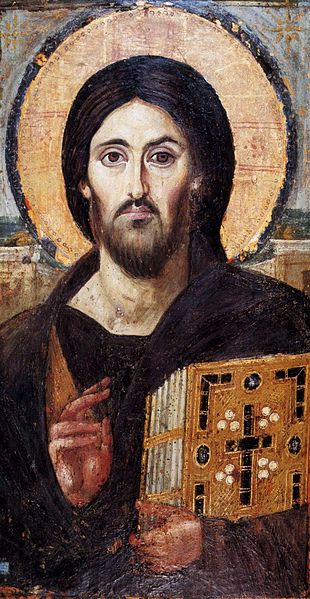
Christ the Saviour_Pantokrator_a 6th century icon from St. Catherine’s Monastery_Mount Sinai, Egypt
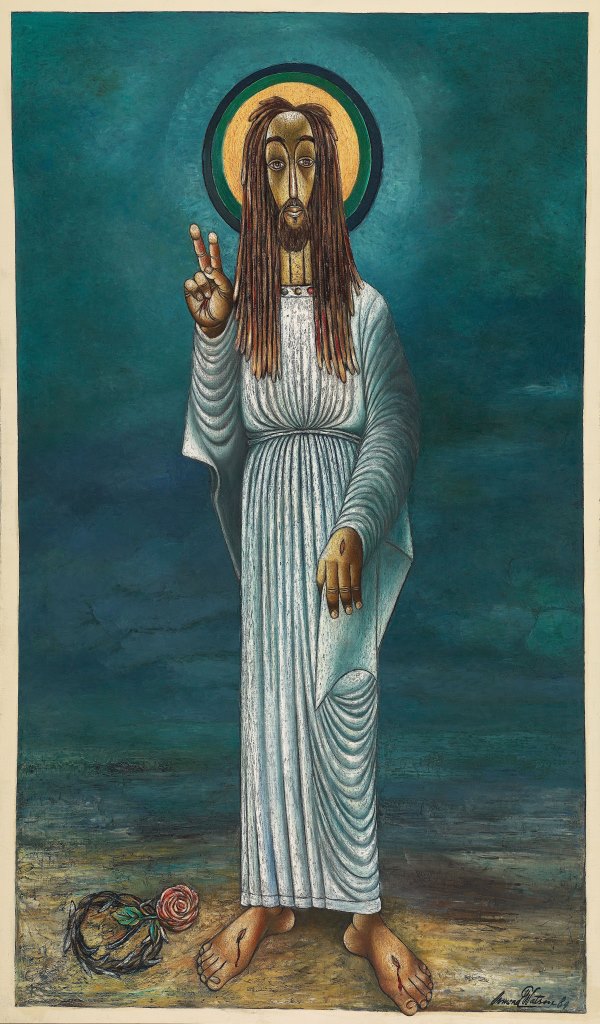
Jamaican painter Osmond Watson_Jah Lives, 1984
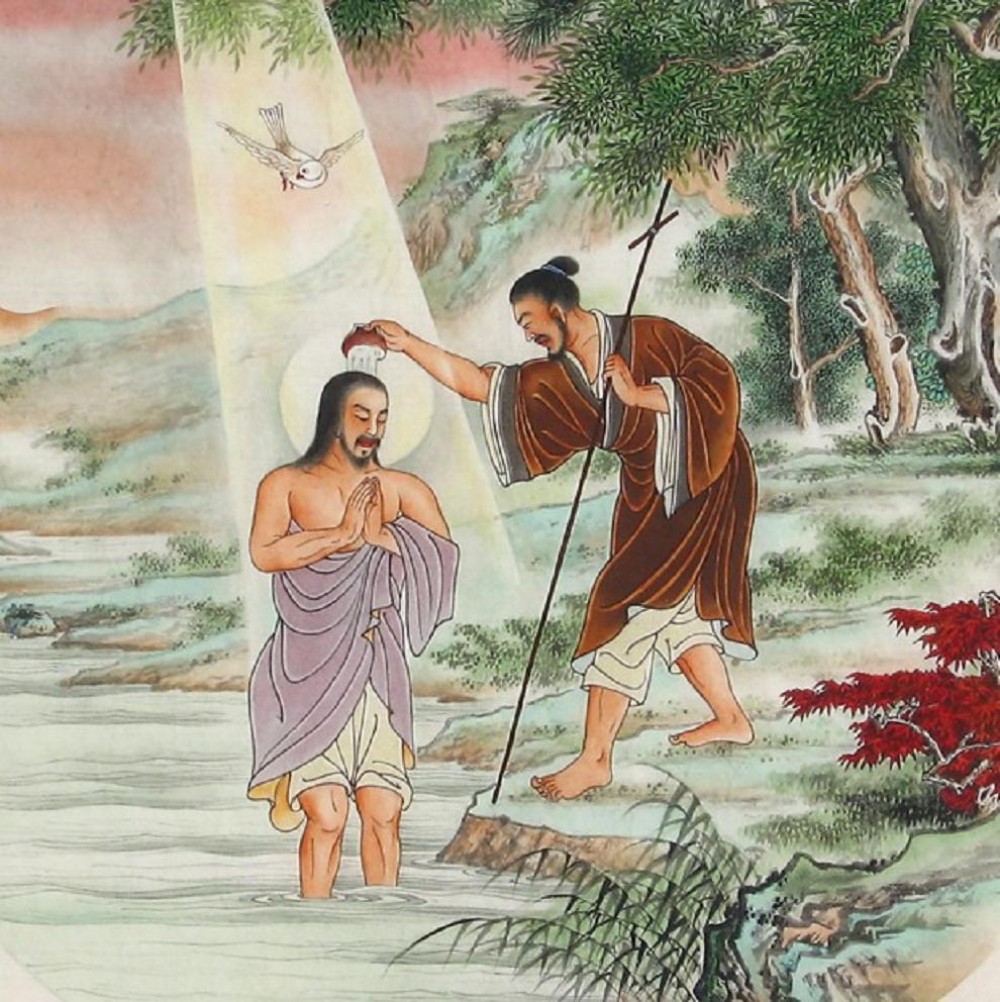
John the Baptist baptizing Jesus_Chinese painting
La Pasión de Jesús en imágenes / The Passion in pictures
Posted: April 18, 2014 Filed under: IMAGES Comments Off on La Pasión de Jesús en imágenes / The Passion in pictures
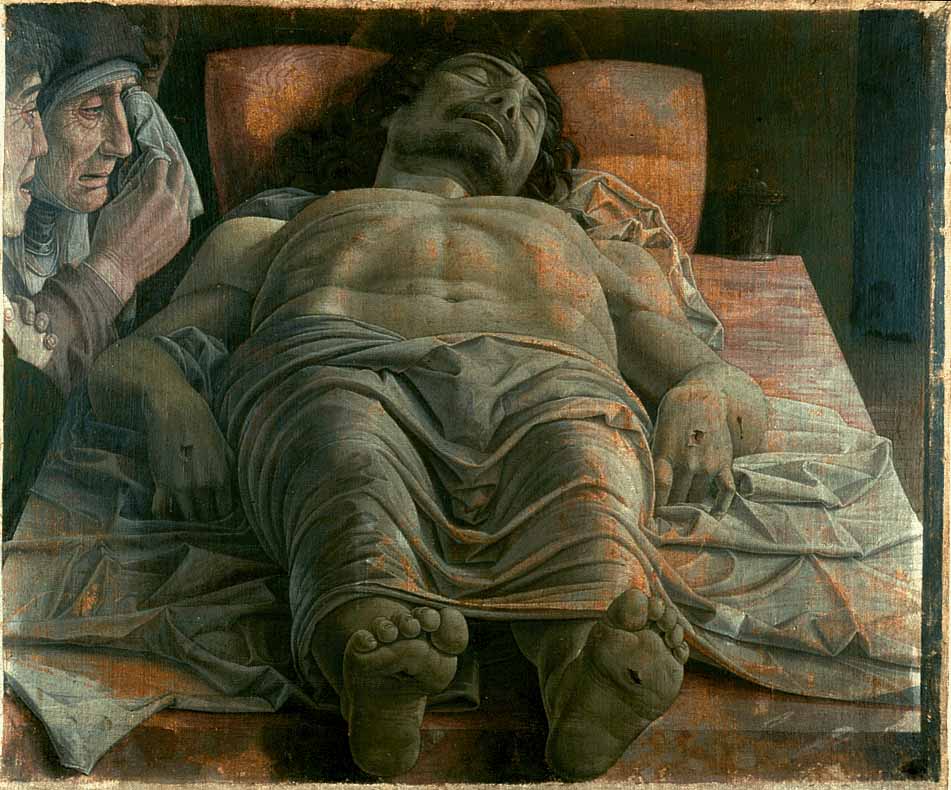
Andrea Mantegna_Lamentation over The Dead Christ_with Mother Mary and John_late 1470s
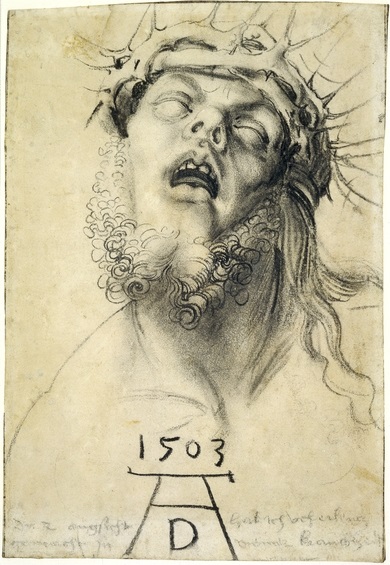
Albrecht Dürer_Head of The Dead Christ_a charcoal drawing dated 1503
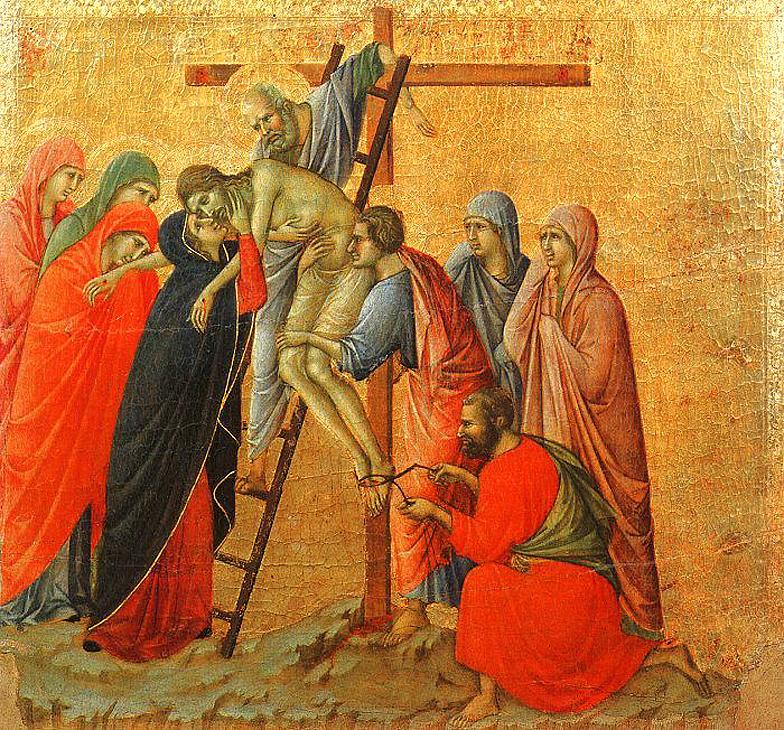
Duccio di Buoninsegna_Deposizione dalla Croce_Descent from The Cross, 1311
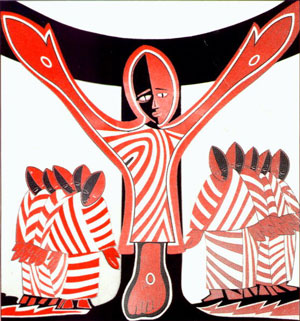
Jesus on The Cross_a painting from Cameroon
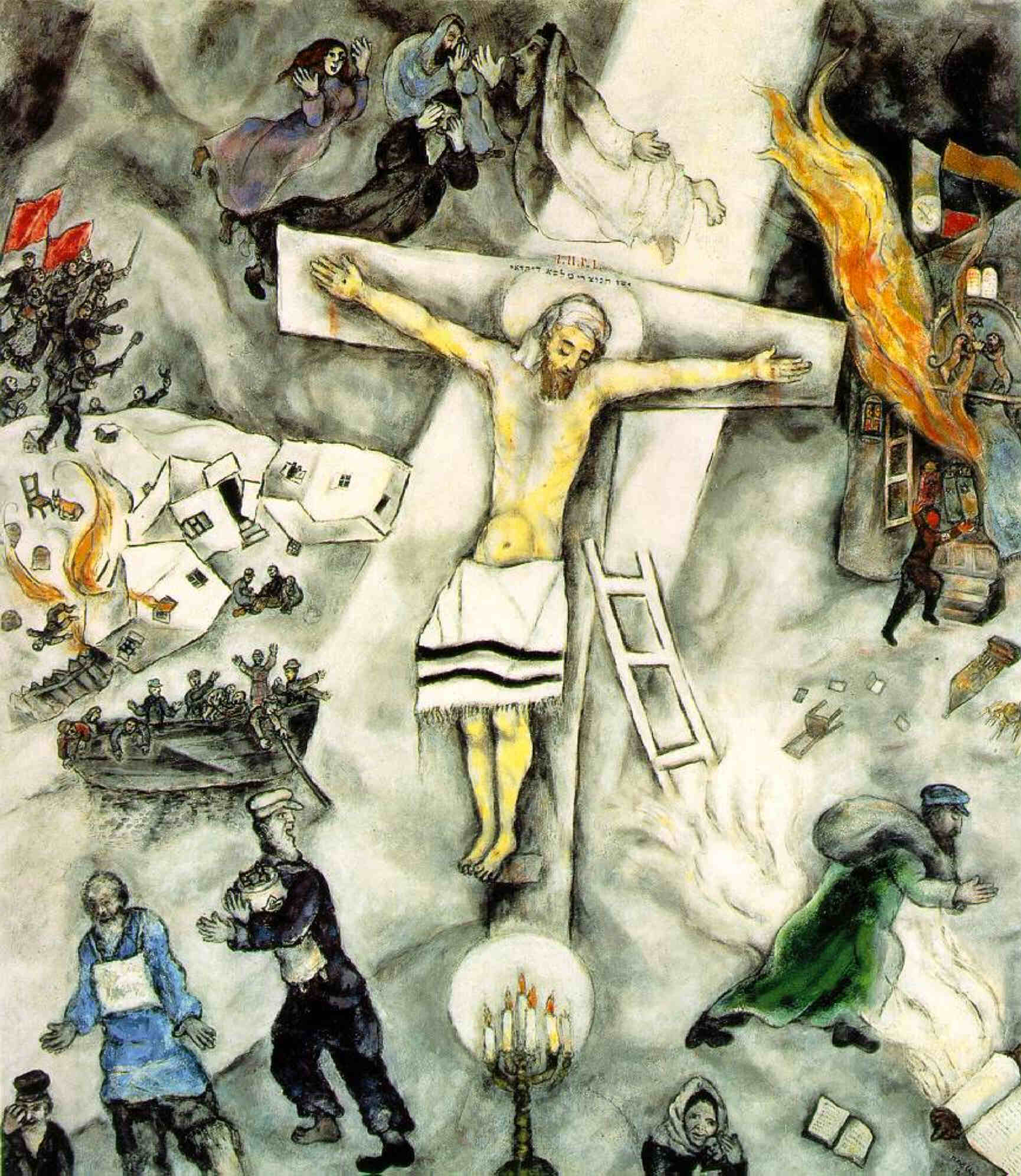
Marc Chagall_The White Crucifixion_1938
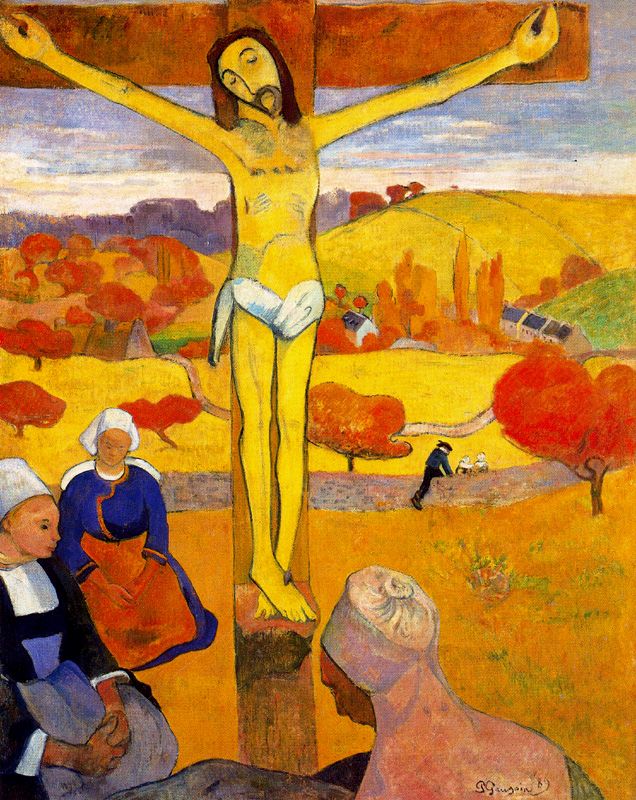
Paul Gauguin_Le Christ jaune_1889_oil on canvas
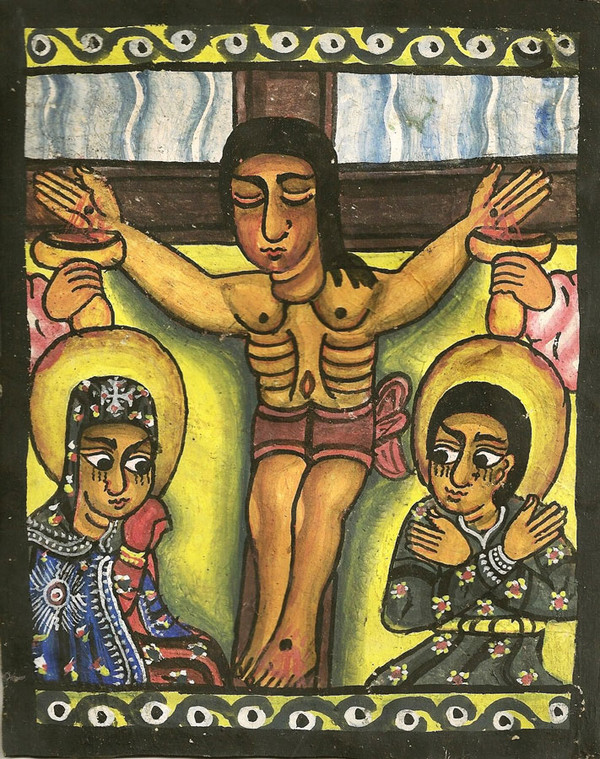
Ethiopian Crucifixion painting_Artist unknown
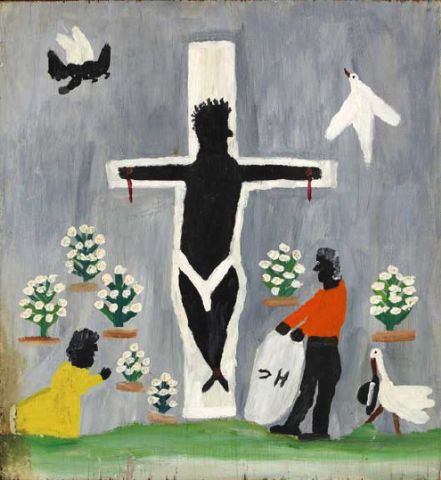
Clementine Hunter_1887 to 1988_Black Jesus
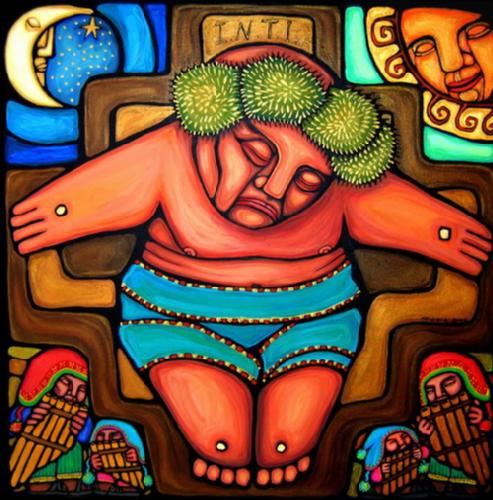
Cristo indígena_America del Sur
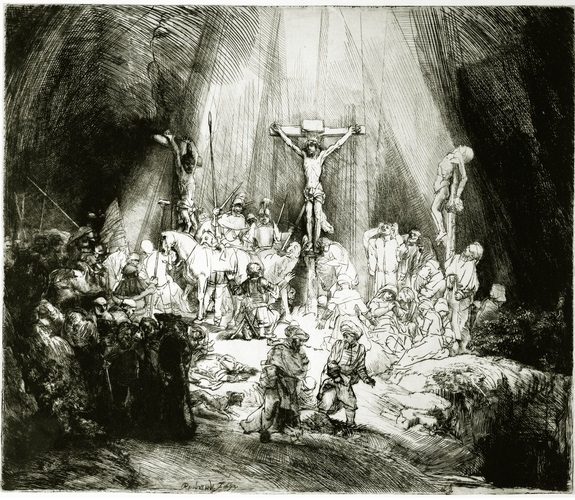
Rembrandt van Rijn_The Three Crosses_Christ between the two thieves_drypoint etching_1653
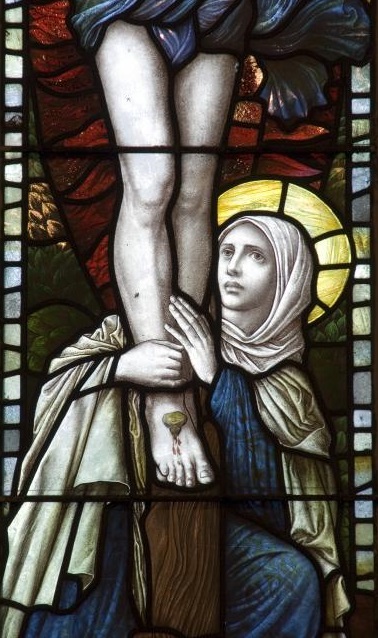
Mary Magdalen at the foot of The Cross as Jesus suffered_an 1886 stained glass window from Saint Bledrws Church in Wales
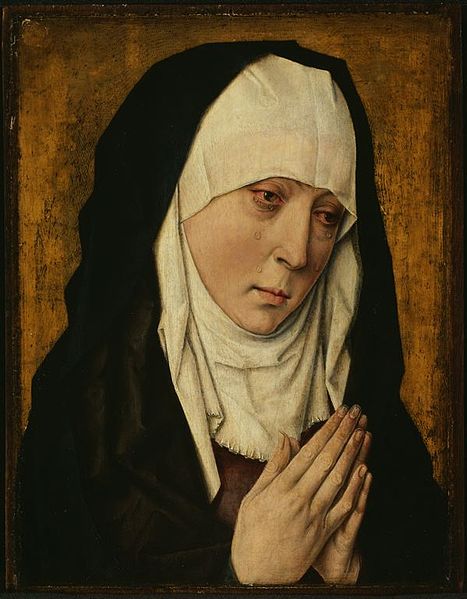
Dieric Bouts’ workshop_around 1480_Mater Dolorosa_The Sorrowing Mary, Mother of Jesus
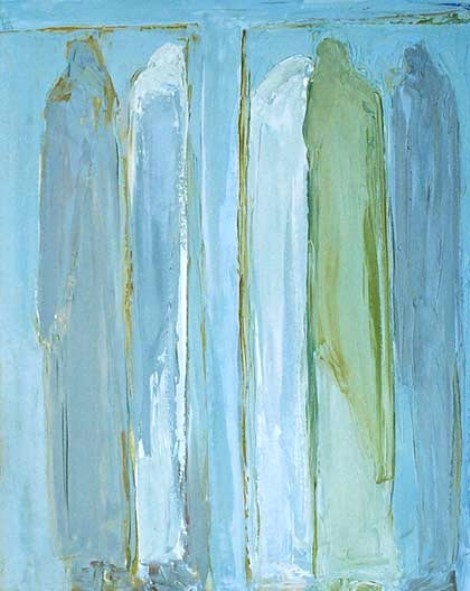
Macha Chmakoff_At the foot of The Cross_Abstract painting based on John 19: verses 25- 27_The women gathered at the cross included Mary, mother of Jesus and Mary Magdalene.
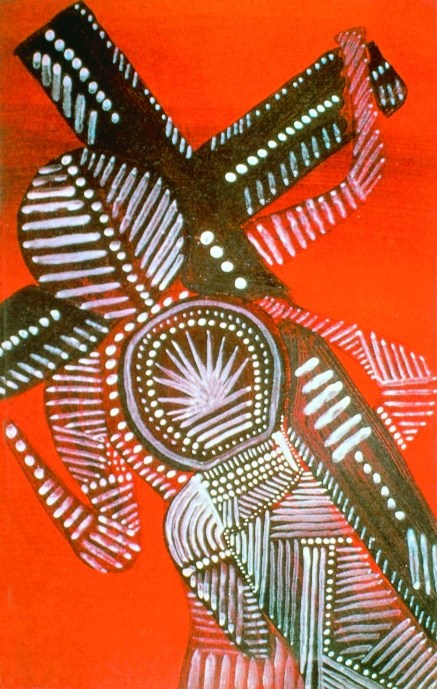
Miriam-Rose Ungunmerr_Simon of Cyrene helps Jesus to bear The Cross_Luke chapter 23, verse 26
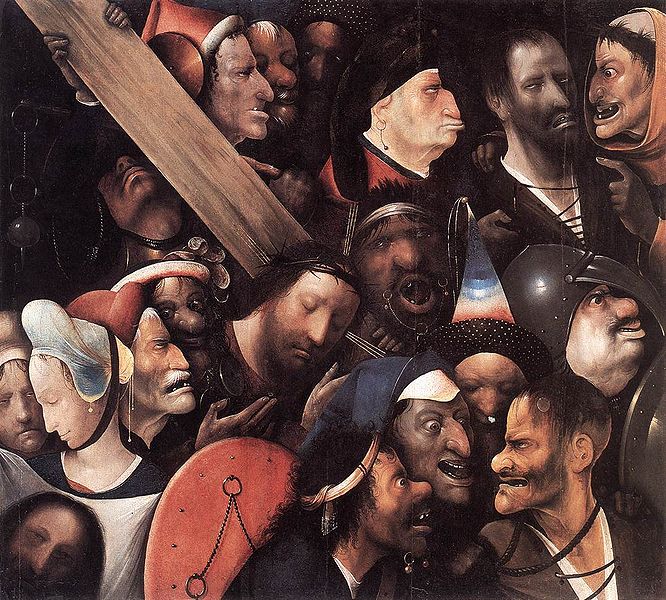
Hieronymus Bosch_Christ carrying The Cross_oil on panel_painted between 1510 and 1535
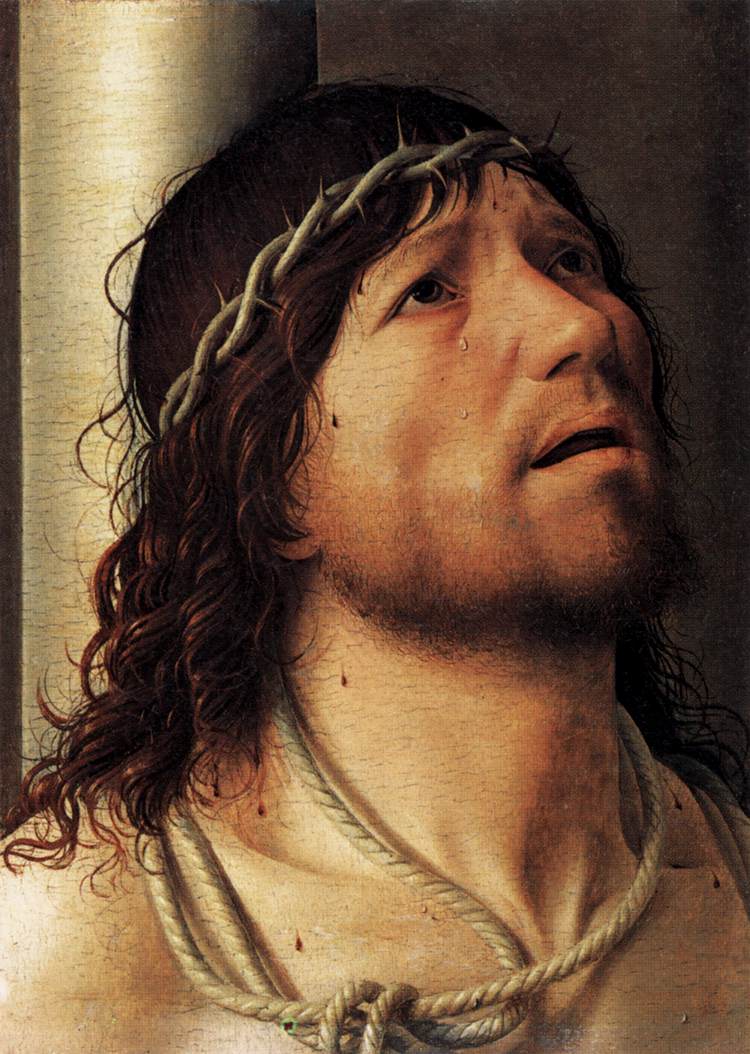
Antonello da Messina_Christ at the column_1476
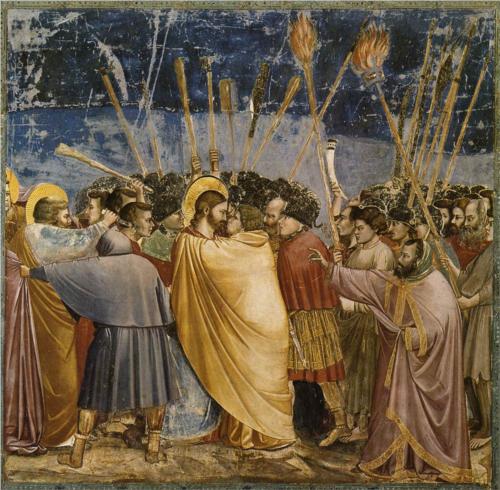
Giotto_La cattura di Cristo (Il bacio di Giuda)_The arrest of Christ (The kiss of Judas)_fresco in Padua, Italy_painted in 1306
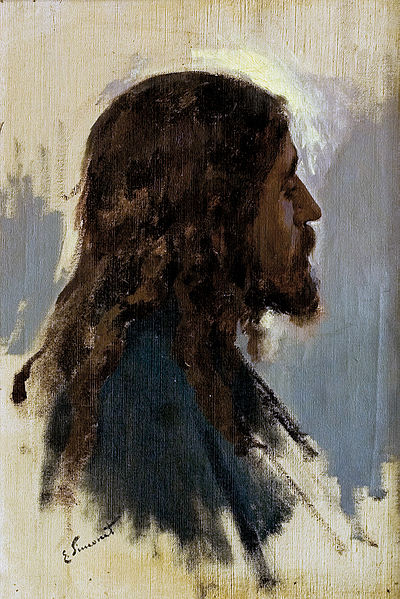
Enrique Simonet_Cabeza de Jesús_Head of Jesus_Deep in Contemplation_1891
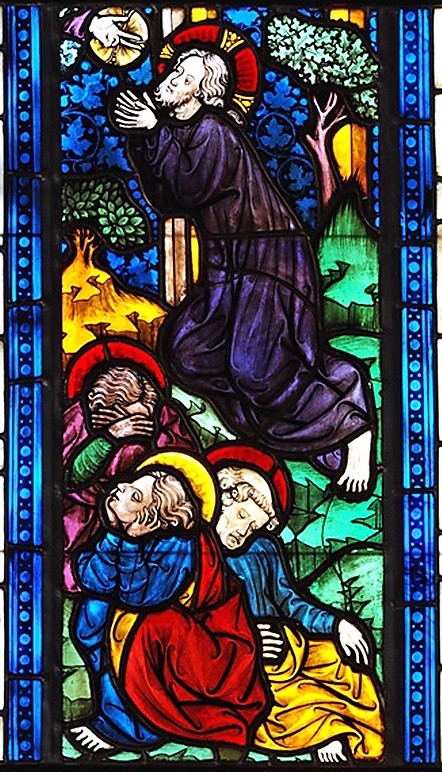
La Agonía en el huerto de Getsemaní_The Agony in the Garden_Jesus at Gethsamane praying while His disciples sleep_a stained glass window from Ebreichsdorf chapel in Austria_1390s
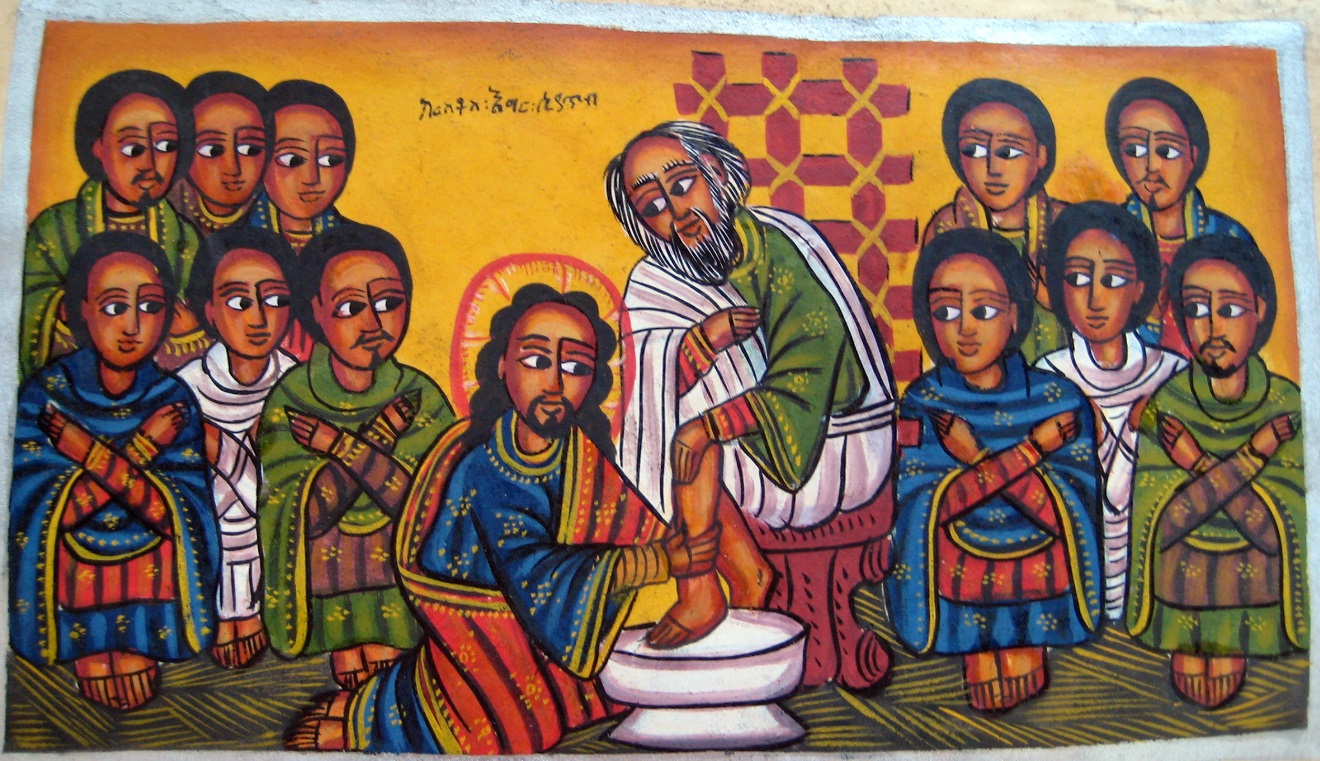
Jesus washes his disciples’ feet_Ethiopian painting
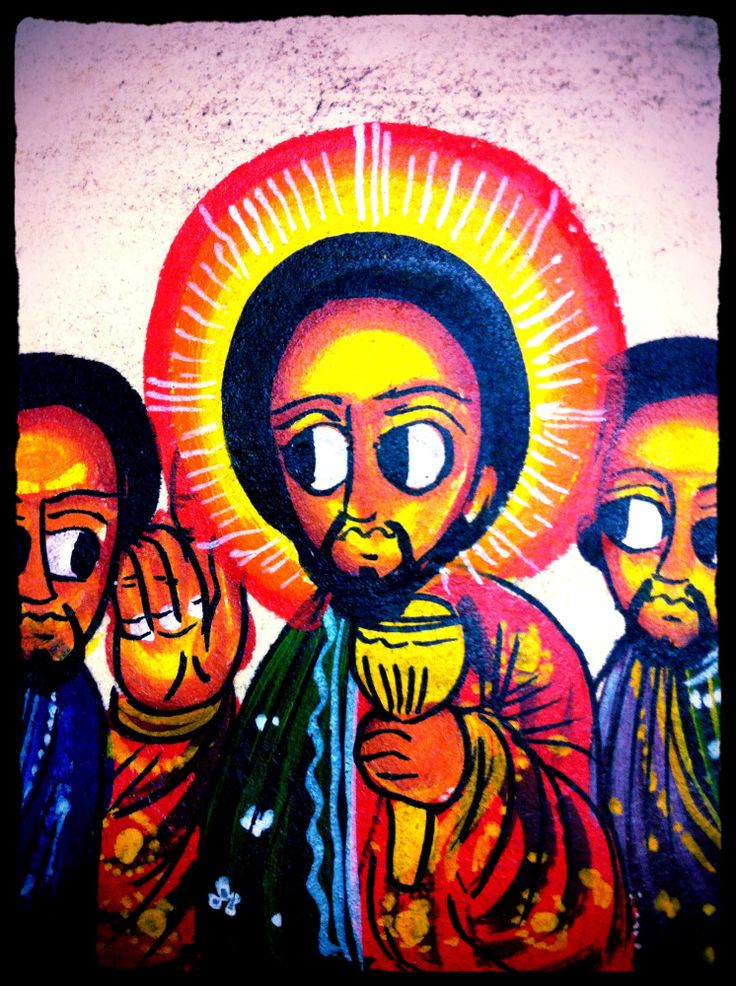
Luke 22: verses 19-20_This do in remembrance of me_Ethiopian painting
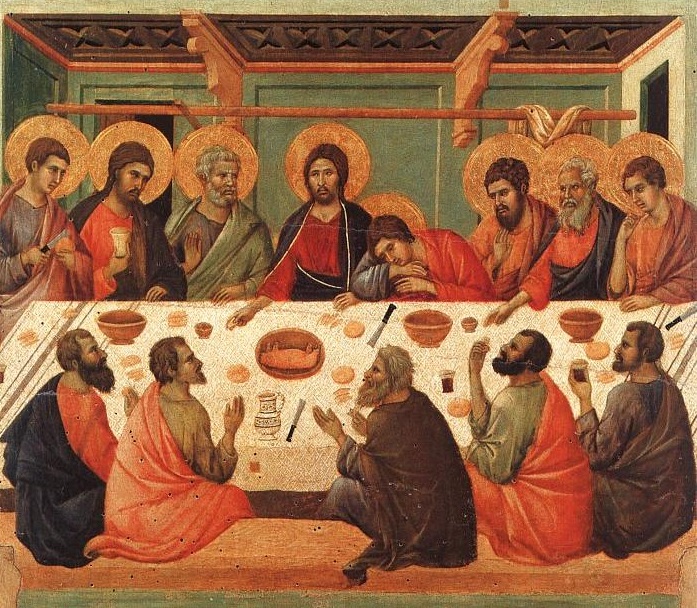
Duccio di Buoninsegna_The Last Supper, painted in 1311
Itee Pootoogook (1951-2014): A Tribute in Poems
Posted: March 26, 2014 Filed under: English, IMAGES | Tags: Itee Pootoogook: a tribute in poems Comments Off on Itee Pootoogook (1951-2014): A Tribute in Poems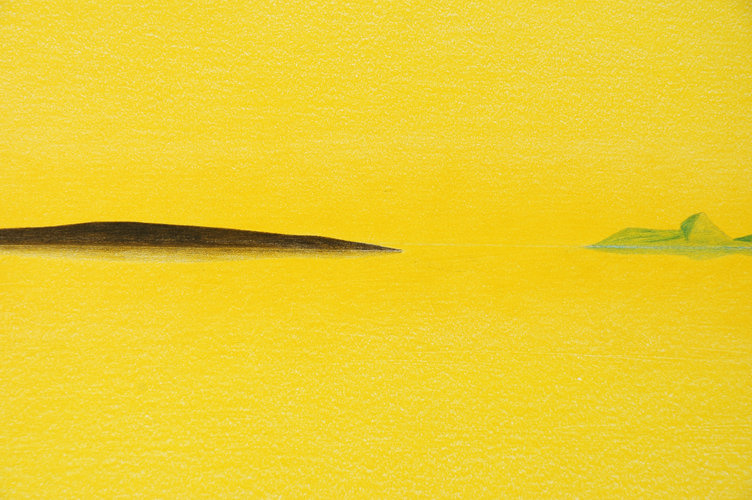
Itee Pootoogook_After Midnight_coloured pencil_2007
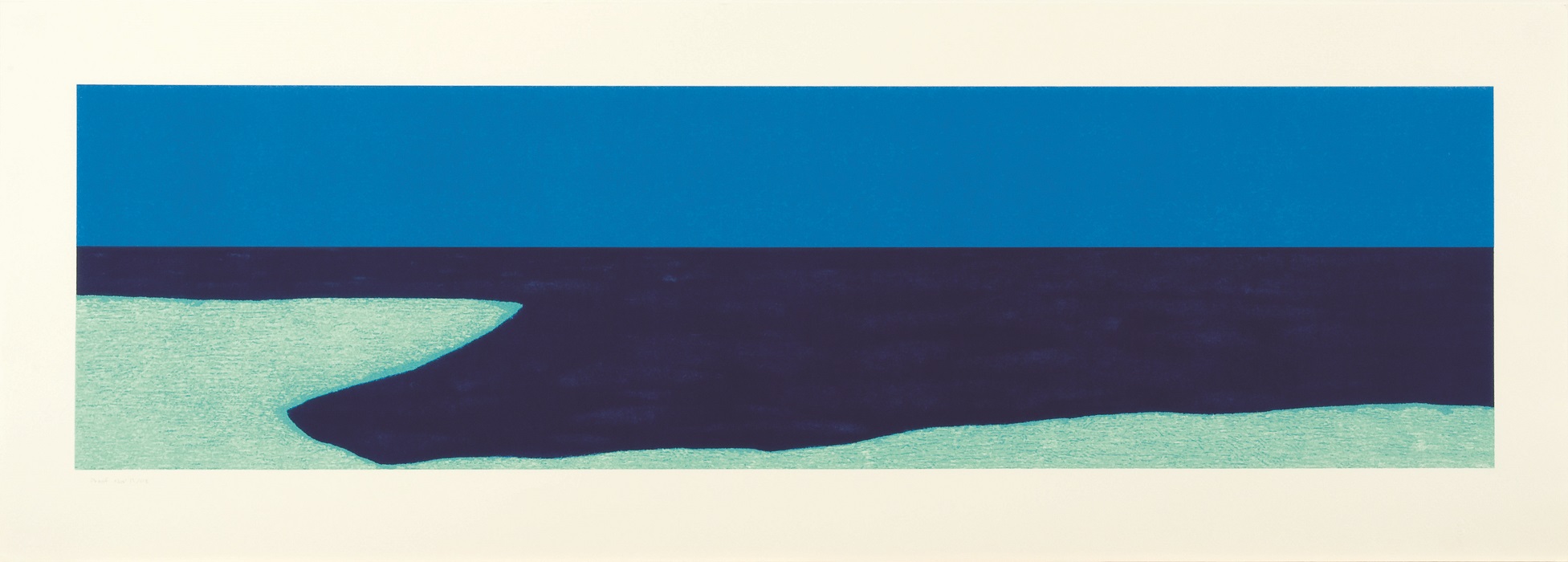
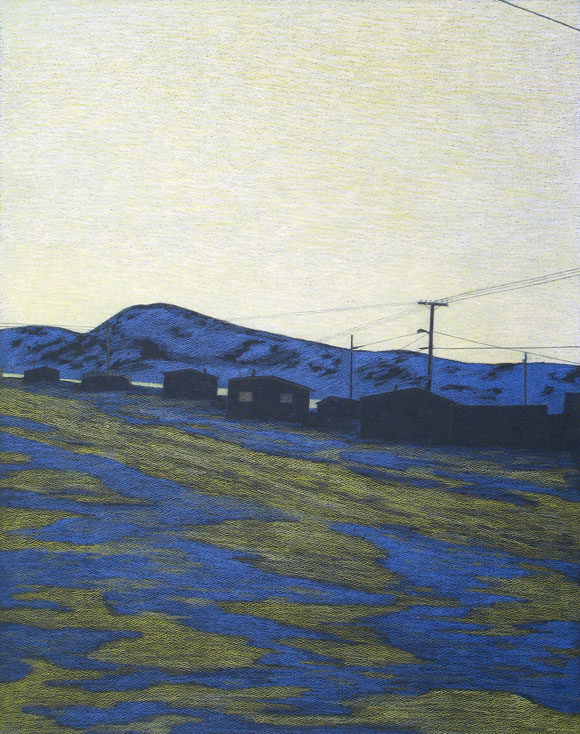
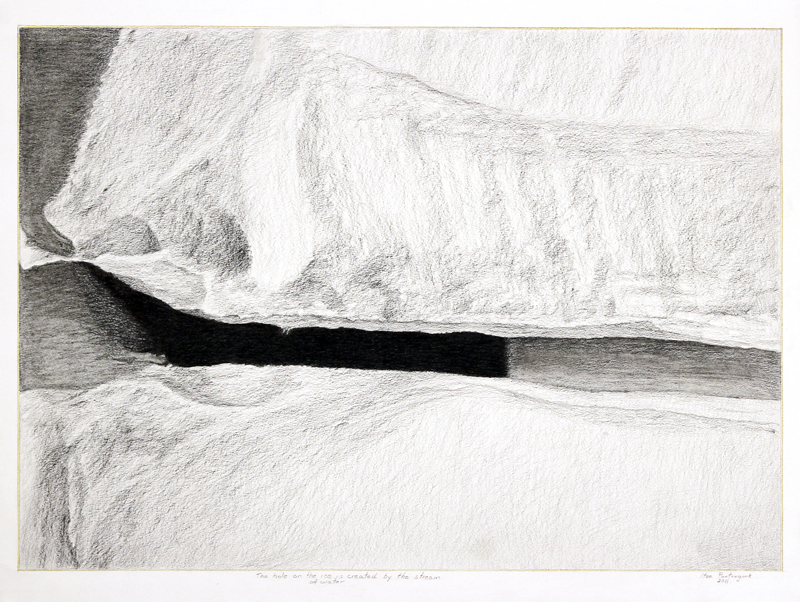
Itee Pootoogook, an Inuk and artist from Kimmirut, Baffin Island, was born in 1951 to Ishuhungitok and Paulassie Pootoogook. His drawings are characterized by an uncluttered gaze that sees what is directly before it, and an ability to find the profound in the simple. He died earlier this month of cancer; he was 63 years old.
Some artists are rooted in a place; this was Itee Pootoogook, very much so, and his drawings depict life in Nunavut. But great art travels, becomes universal. And so we have gathered poems from Germany, Russia, India and the USA, to accompany a selection of Itee’s drawings…
. . .
Hermann Hesse (1877-1962)
On a Journey
.
Don’t be downcast, soon the night will come,
When we can see the cool moon laughing in secret
Over the faint countryside,
And we rest, hand in hand.
.
Don’t be downcast, the time will soon come
When we can have rest. Our small crosses will stand
On the bright edge of the road together,
And rain falls, and snow falls,
And the winds come and go.
. . .
Hermann Hesse
How Heavy the Days
.
How heavy the days are,
There’s not a fire that can warm me,
Not a sun to laugh with me,
Everything bare,
Everything cold and merciless,
And even the beloved, clear
Stars look desolately down
– Since I learned in my heart that
Love can die.
.
Translations from the German: James Wright
. . .
Itee Pootoogook_Floe Edge, Winter
Mohan Rana (born 1964, Delhi, India)
After Midnight
.
I saw the stars far off,
as far as I was from them,
in this moment I saw them,
in a moment of the twinkling past.
In the boundless depths of darkness,
these hours hunt the morning through the night.
.
And I can’t make up my mind:
am I living this life for the first time?
Or repeating it, forgetting as I live,
that first breath – every time?
.
Does the fish too drink water?
Does the sun feel the heat?
Does light see the dark?
Does the rain also get wet?
Do dreams ask questions about sleep – as I do?
.
I walked a long, long way…
and when I saw, I saw the stars – close by.
Today it rained all day long
and words washed away from your face.
.
Translation from Hindi: Lucy Rosenstein and Bernard O’Donoghue
. . .
Itee Pootoogook_The ground is wet for it’s been raining during the night…It is early fall and it’s early morning_pencil crayon on paper_2010
Itee Pootoogook_Water and Ice_coloured pencil on paper_2012
Marina Ivanovna Tsvetaeva (1892-1941)
from: Poems for Blok (1916)
.
Your name is a—bird in my hand,
a piece of ice on my tongue.
The lips’ quick opening.
Your name—four letters.
A ball caught in flight,
a silver bell in my mouth.
A stone thrown into a silent lake
is—the sound of your name.
The light click of hooves at night
—your name.
Your name at my temple
—sharp click of a cocked gun.
Your name—impossible—
kiss on my eyes,
the chill of closed eyelids.
Your name—a kiss of snow.
Blue gulp of icy spring water.
With your name—sleep deepens.
.
Translation from the Russian original: Ilya Kaminsky and Jean Valentine
. . .
Angelyn Hays (Texas/Florida, USA)
One of the Cardinal Seasons
After the hardest snow of the year
the birches huddle in rows.
Ice breaks their wooden bones,
and hangs them by the thumbs
in a March sun too weak to heal them.
Birds call to each other
from the tangle of bare arms.
A red-dark Cardinal feasts in my backyard,
singing to warm his lungs. He enters
just as I am ready to leave.
I had stopped the clock,
put away my mother’s china,
and wanted to sink to timeless black.
But the bird came for me,
signaling me to rise, recall his password.
The window is framed by trees, no longer trees,
sky, no longer sky, but now a watch
by which I measure my days.
Shouting the weight of his pleasure
from fevered beak, he rolls a black eye
and we click off the minute.
Then he swoops over my white garden,
drunk as Li Po, his floating path
a dance on an empty swingset of wind.
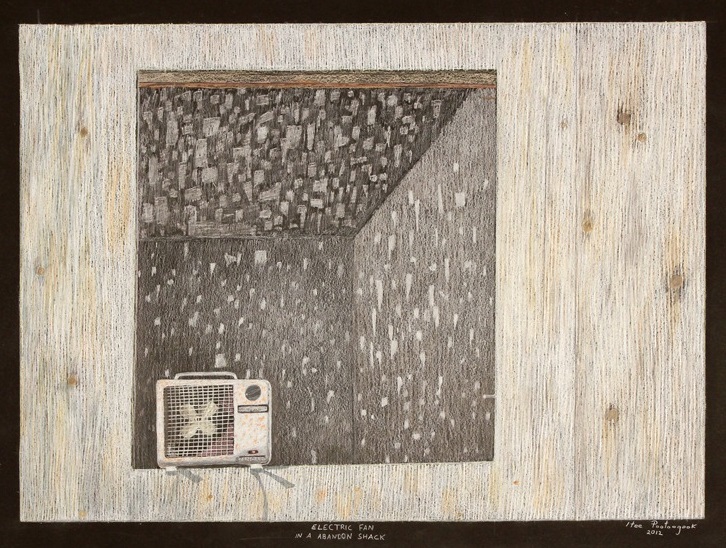
Itee Pootoogook_Electric fan in an abandoned shack_2012
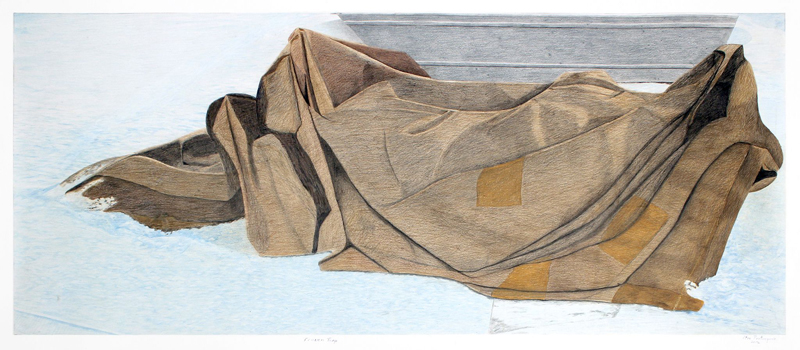
Itee Pootoogook_Frozen Tarp_coloured pencil_2013
Michael Valentine (Maryland, USA)
A Meadow in March
.
Early Spring snowfall
dusts late Winter bloom
crystalline fractals piling gently
all around
to rest upon vibrant petal
leaf
stem
and ground.
The field now
a riot of pixelated colour
struggling to be seen under
blank canvas tarp of
Winter’s last throes.
Portrait of Nature’s perfect balance
Yin meeting Yang
flowing together
each becoming the other
flower melts snow into water flowing into flower.
Demonstration of Tao
in this limbo-time between the seasons
that is no longer Winter
and not yet Spring,
when the Universe gives lessons
to remind us that
there is no such thing as
“impossible”.
. . .
Mitchell Walters (Temecula, California, USA)
The Shack
.
I walked to the river and back.
Something told me I should.
I saw things I hadn’t seen before:
A dog. A deer. A stream.
.
I saw an old abandoned shack.
It was made entirely of wood.
I walked to the shack and opened the door.
And that was the start of my dream.
. . . . .
Kerbel, Terada, Nauman: three Wordy conceptual artists – But Wait, There’s More!
Posted: March 25, 2014 Filed under: English, IMAGES | Tags: Wayne Reuben: Honest Ed's signpainter Comments Off on Kerbel, Terada, Nauman: three Wordy conceptual artists – But Wait, There’s More!
Janice Kerbel_one page of A letter by Rodolphe Boulanger de Huchette to Emma Bovary written by Gustave Flaubert in my hand
Currently, at the Art Gallery of Ontario in Toronto, Canada, there are works from the permanent collection on view by three conceptual artists who use words – just a phrase, or a crammed page – as the locus of their art. The artists are: Janice Kerbel (born 1969, Canada, now living in London, England); Ron Terada (also 1969, Canada); and Bruce Nauman (born 1941, USA).
Kerbel’s 5-poster series Remarkable, from 2007, presents the viewer with silkscreened prints on what is known as campaign poster paper – something used for 19th-century traveling circus billboard “announcements” or for election hoardings. Using bold black letters on white, Kerbel describes The Regurgitating Lady and The Human Firefly, as if inviting us in to a carnival side-show. Yet her characters are imaginary and so we become completely involved in the artist’s sometimes archaic use of language and her strong typographical arrangements.

Janice Kerbel_silkscreen print on campaign poster paper_The Temperamental Barometric Contortionist_2007
Vancouver-based Ron Terada has been very precisely focused in his art on phrases, sentences, written presentation. Twenty years ago he did a series of “ad paintings” that were a branching out of monochromatic minimalism in visual art. He worked in other media for several years then returned in 2010 with the large-scale white-on-black chapter pages of “Jack” (from a biography of painter Jack Goldstein, Jack Goldstein and the CalArts Mafia). Each chapter page is a painting – not a print. To the individual pages of a book, Terada brings the discipline of a serious painter.

Ron Terada_Jack_2010_acrylic on canvas
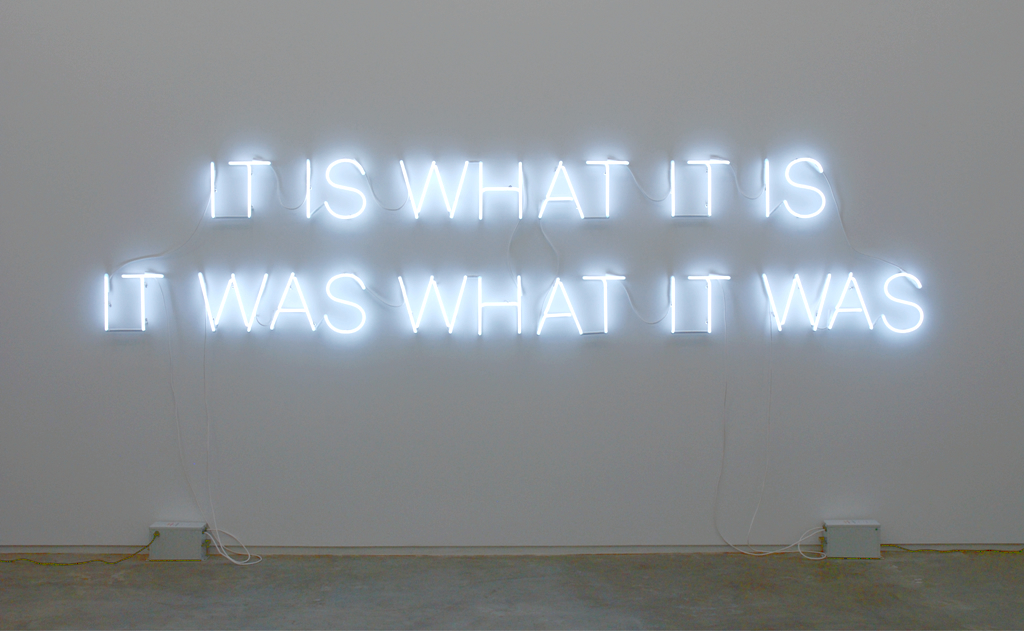
Ron Terada_born 1969_neon text sculpture_It is what it is It was what it was
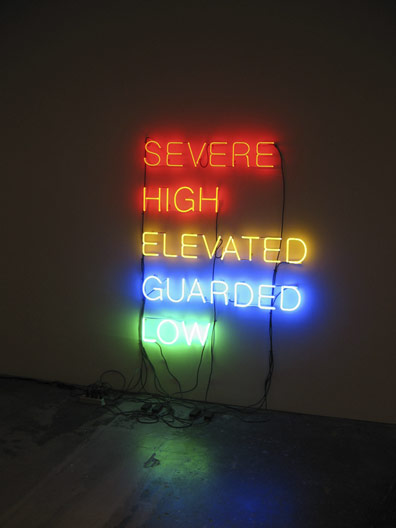
Ron Terada’s neon text sculpture, It Is What It Is, It Was What It Was, reflects on present-day use of language, offering a general critique of complacency in society. Severe High makes reference to threat definitions for Homeland Security in the USA.
Bruce Nauman is a multimedia artist who has been heavy on “concept” and “performance”. The online, user-driven encyclopedia Wikipedia describes Nauman’s “practice” as being “characterized by an interest in language, often manifesting itself in a playful, mischievous manner.” And: [Nauman is] fascinated by the nature of communication and language’s inherent problems, as well as the role of the artist as a supposed communicator and manipulator of visual symbols.”
Among the A.G.O.’s pieces are two lithographs, Ah Ha (1975) and Pay Attention (1973):

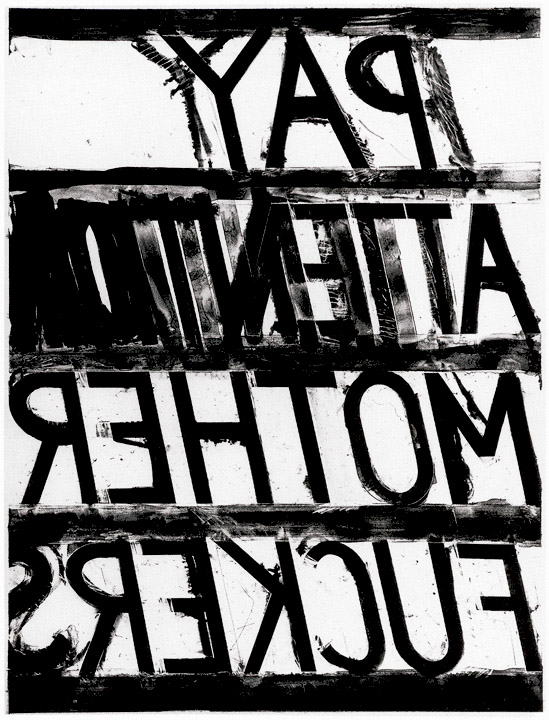
The reproduction of Pay Attention shown here (copied many times around the internet) is marred by the lack of print clarity in the word attention, which affects the viewer’s – reader’s ! – ability to quickly “get it”, that is, the power of the statement itself: Pay Attention, Motherfuckers! Interestingly, the print of Pay Attention that belongs to the A.G.O. is much clearer, so that all four words hit the mark. Which is important, especially since the statement is presented to us as a mirror image i.e. backwards.
Some of Nauman’s works now seem dated or stilted, but others have a fresh power in 2014 that comes out of our being awash now in “text” – as all words seem to be called these days – and “text” often without “context”. People’s ubiquitous use of :-) and, most especially, ;-), is indicative of the fact that words and phrases themselves are no longer adequate. What’s the tone – what’s the tone? It’s there you’ll find the meaning. The most effective of all the Nauman works at the A.G.O. is a 1985 videotape installation, Good Boy Bad Boy. There are two older-model TV sets side by side, and each shows its own videocassette of a man – mid-40s black guy, and a woman – mid-40s, white – each of whom speaks a set group of short sentences which are statements, and then does it all over again, but altering the vocal tone. To hear each of them “perform” these statements twice, changing his/her tone, is a simple and clear demonstration of the complexity and muddiness of Language. The man says: I was a bad girl. You were a bad girl. We were baaad girls. We were baaaaad! And he’s enjoying remembering being a slut. The woman says the same things and she is a scolding puritan; she may be speaking of a pet dog who pooped on the Persian carpet, or of two 12 year olds caught smoking cigarettes. Same phrases – entirely different meanings. A good contemporary example of this is two words: Hello and Whatever. Both have pleasant or neutral uses in conversation but both also can be altered via tonal change, pitch, even syllable stress, to communicate irate impatience or deliberate rudeness (Hello); and casual defiance or a kind of hybrid attitude of blasé and crass (Whatever).
Nauman is quoted at the A.G.O. exhibit: “When language begins to break down a little bit it becomes exciting and communicates in nearly the simplest way that it can function. You are forced to be aware of the sounds and the poetic parts of words.”

Some of Honest Ed’s iconic handpainted signs on display in 2012_Wayne Reuben has been, for decades, that man with the calligraphy brush and the poster paints.

Honest Ed’s signpainter, Wayne Reuben, at work in July 2013_photograph by Darren Calabrese, National Post
To whom shall we give the last Word? Why, Wayne Reuben – of course!
Wayne Reuben is the man behind the sometimes wacky ads, proclamations, commands and price cards at Honest Ed’s discount store, the building structure of which is a vivid Toronto landmark, what with the thousands of marquee bulbs that light up its red and yellow exterior. It’s Reuben’s handiwork when, out on the sidewalk, you read: Come In And Get Lost! And it’s Reuben’s blue and red paint letters that tell you, once you’re inside: Don’t Just Stand There – Buy Something!
Two weeks ago, hundreds of Torontonians lined up around the block to get the chance to pore over Mr. Reuben’s thousand-plus handpainted signs that Ed’s never trashed over the decades. The lucky buyer might’ve come away with Fancy Panties or Men’s Mesh Tops, a sign in the shape of a Hallowe’en pumpkin that reads WIGS $6.99, lovingly handpainted price boards for tinned sardines, coconut milk, hair grease or pomades – even Justin Bieber-photosilkscreened pyjamas. Along with Doug Kerr, the left-handed Reuben writes/paints in something like a serif font (and sans serif), to spell out Ed’s commercial message; and the tempera paint palette is strong and basic: blue, red, yellow, black.
So why would people line up to buy ephemeral signboards for 5 to 40 dollars? Is it nostalgia for the handmade? Or the curvilinear ease of Reuben’s brushstroke? No. It’s because Honest Ed Is For The Birds: Cheap Cheap Cheap!
 Zócalo Poets