Black History Month and Canada’s Flag (50th anniversary)
Posted: February 15, 2015 Filed under: English, IMAGES Comments Off on Black History Month and Canada’s Flag (50th anniversary)

On this day, the 50th anniversary of Canada’s Flag, we reflect on the contributions of Black people to Canadian society through elected or appointed office…
.
There is a journey of commitment and hard work for all those who choose public life, and Black Canadians have persevered – and excelled. From William Peyton Hubbard we reach Michael Thompson; from Zanana Akande we come to Margarett Best; from Keith Forde there is an unwavering line that leads to Devon Clunis.
Here are some Black “Firsts” in Canada:
.
Saint-Firmin Monestime (1909-1977): Haitian-born doctor and first Black mayor of a Canadian municipality (Mattawa, Ontario, 1964-1977)
.
Lincoln MacCauley Alexander (1922-2012): Toronto-born lawyer and elected first Black member of Canada’s federal parliament (1968-1980)
.
Leonard Austin Braithwaite (1923-2012): Born in Toronto of West-Indian parents, he was elected the first Black member of a Canadian provincial legislature (Ontario, 1963-1975).
.
Rosemary Brown (1930-2003): Jamaican-born Brown was the first Black woman elected to a Canadian provincial legislature (British Columbia, 1972-1986), and also the first Black woman (and only the second woman) to run for leadership of a Canadian federal political party (the NDP, in 1975).
.
Jean Augustine (born 1937, Grenada): In 1993 she was elected the first Black woman member of Canada’s federal parliament (1993-2006), and also the first to serve as a federal cabinet minister (2003).
.
Michaëlle Jean: Born in 1957, the Haitian-Montrealer was the first Black Governor-General of Canada (2005-2010).
. . . . .
Won’t You Be Our Valentine? Five Beautiful Women & Five Beautiful Men / ¿Quieres ser nuestra/o enamorada/o? Cinco bellas mujeres y cinco bellos hombres
Posted: February 14, 2015 Filed under: IMAGES | Tags: Día de San Valentín, Valentine's Day Comments Off on Won’t You Be Our Valentine? Five Beautiful Women & Five Beautiful Men / ¿Quieres ser nuestra/o enamorada/o? Cinco bellas mujeres y cinco bellos hombres. . . . .
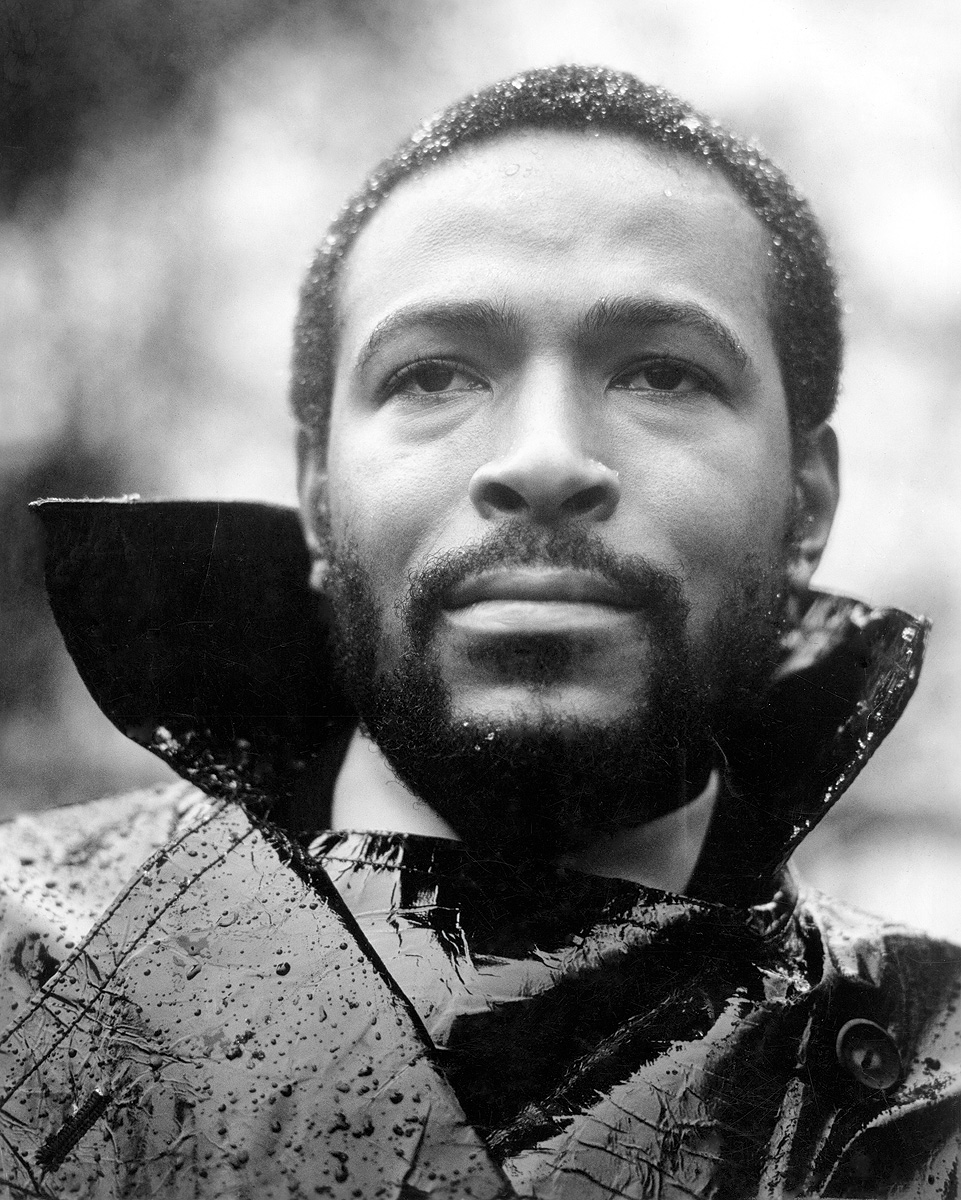
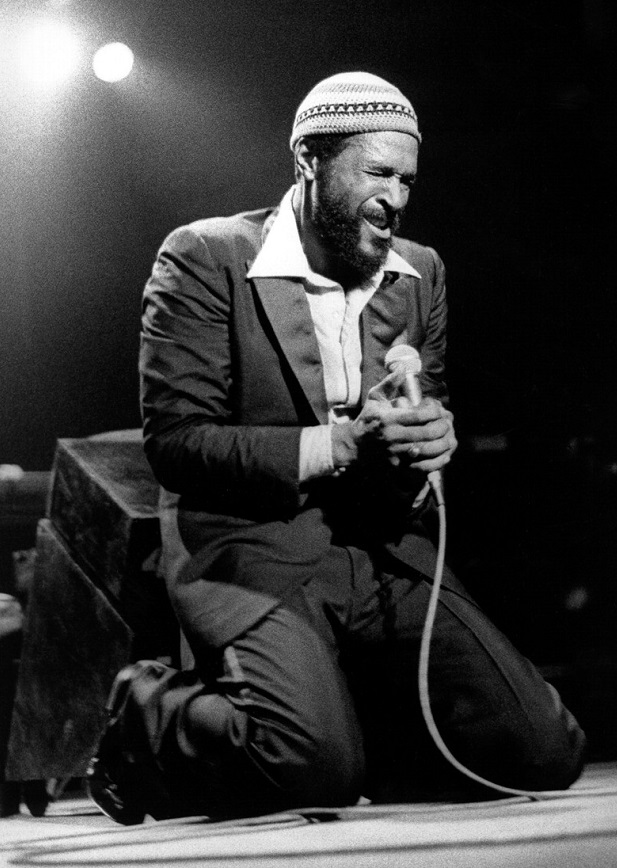
Marvin Gaye (1939-1984)

.
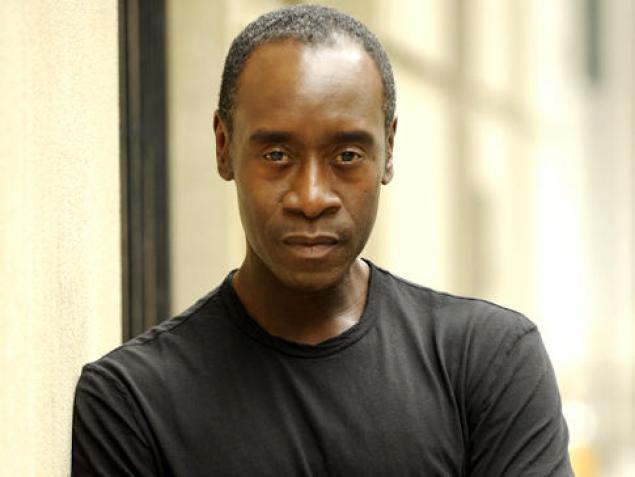
Don Cheadle (born 1964)

.
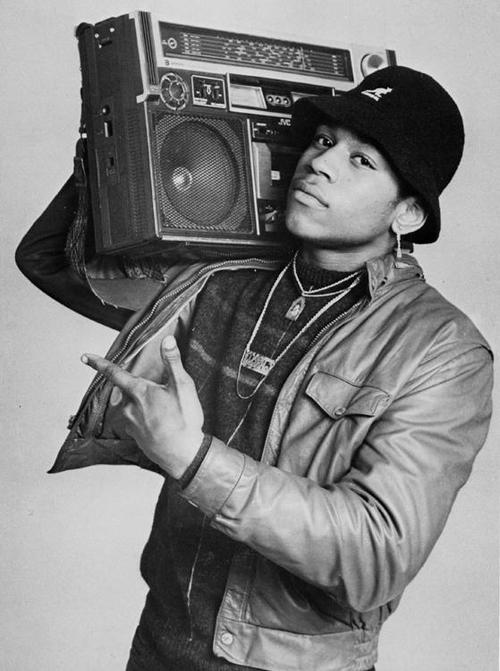
James Todd Smith (L. L. Cool J., born 1968)

 .
.
John Amaechi (born 1970)
 .
.
 .
.
Shemar Moore (born 1970)


. . . . .
Anna Mae Bullock (Tina Turner, born 1939)
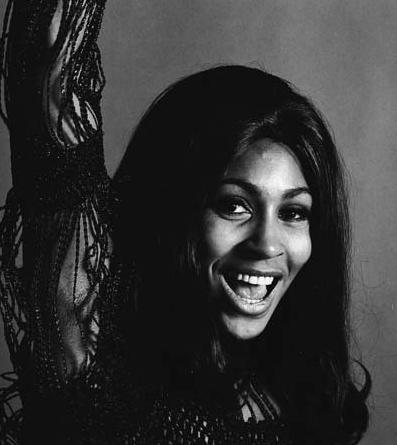
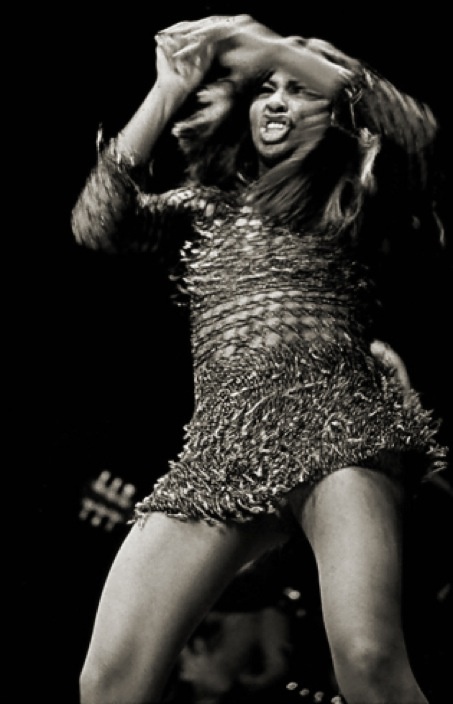

.
Alfre Woodard (born 1952)
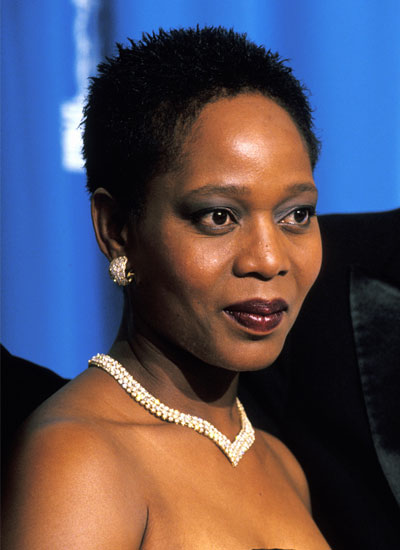

.
Helen Folasade Adu (Sade, born 1959)
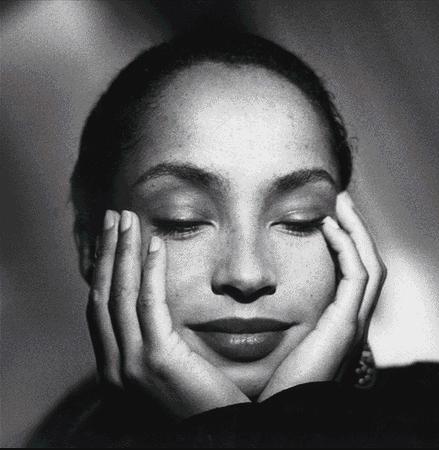

.
Vanessa Williams (born 1963)

 .
.
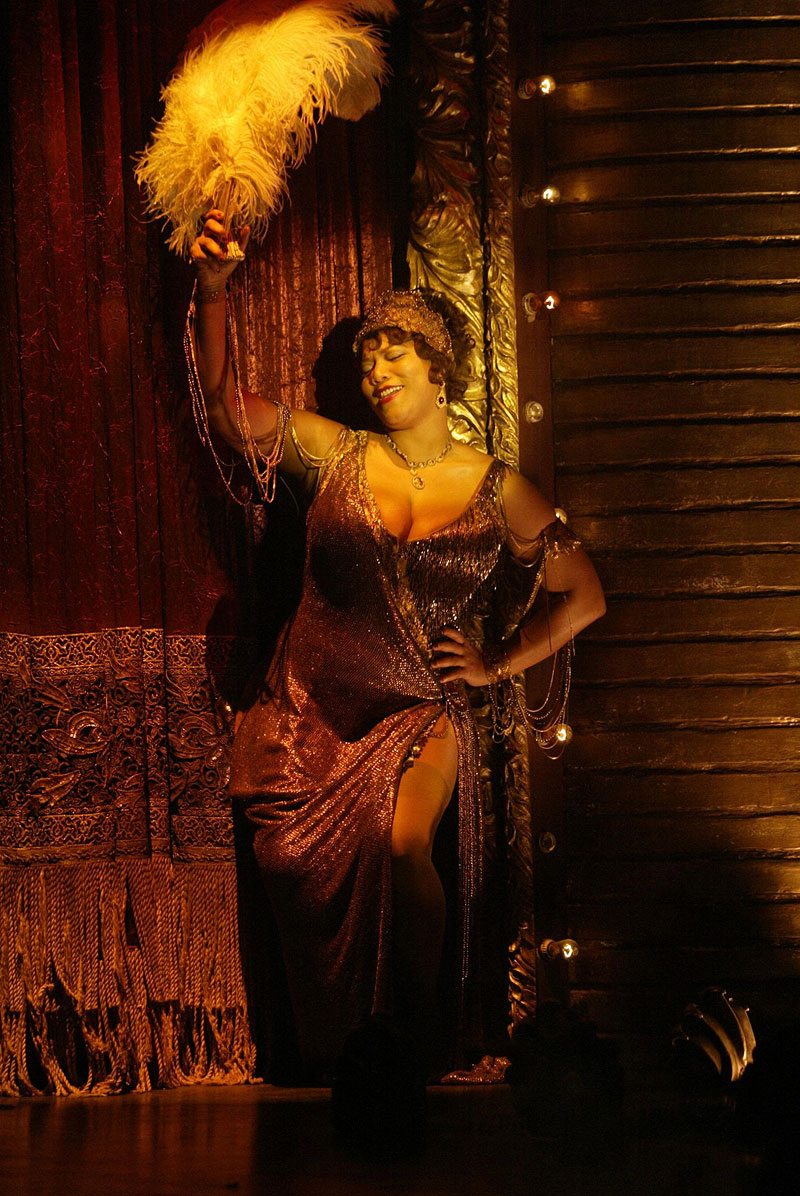
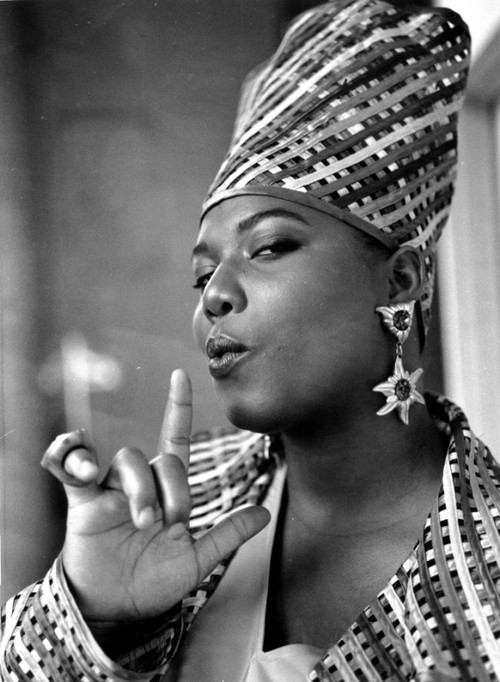
Dana Elaine Owens (Queen Latifah, born 1970)
. . . . .
Toronto Reggae History Project: 1972-1987
Posted: February 10, 2015 Filed under: IMAGES | Tags: Black History Month Comments Off on Toronto Reggae History Project: 1972-1987

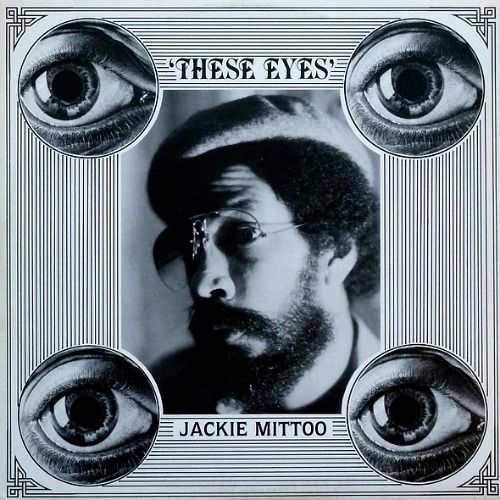
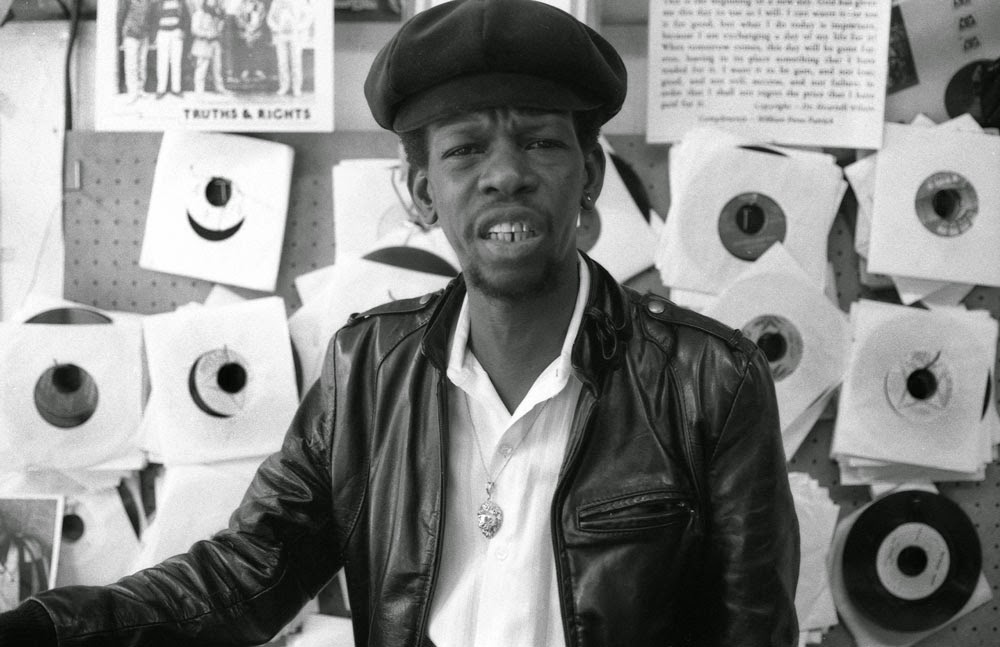
Stranger Cole in Toronto…
 Visit Reggae Toronto at

http://reggaetoronto.com/
Tanya Tagaq: Nunavut’s radical throat-singer
Posted: December 30, 2014 Filed under: Alootook Ipellie, IMAGES Comments Off on Tanya Tagaq: Nunavut’s radical throat-singer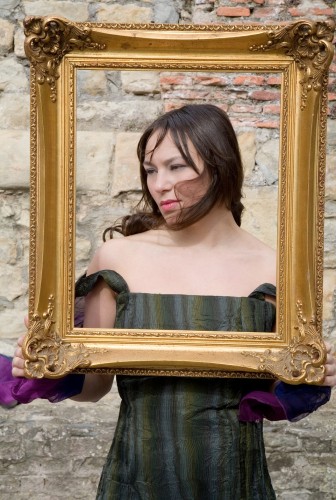
. . .
Inuk artist and poet Alootook Ipellie (Iqaluit, Baffin Island, 1951-2007) might’ve thrilled to the vocal sounds – both traditional and progressive/highly original – of contemporary singer Tanya Tagaq (born 1975). The following poem, which Ipellie wrote in 1974, could’ve been referring to the future Tagaq – just substitute “singer” for “dancer”!
.
Alootook Ipellie
One of those Wonderful Nights
.
It was one of those wonderful nights
When we gathered at the dance house.
I recall the familiar sights
When everyone laughed and danced
And had a tremendous time.
The great drums were booming,
Hands were clapping,
And happy faces were rocking back
And forth with the rhythmic dancing
Of the woman who had four legs.
Happy were those days when this
Woman danced all night long without
Resting for a moment.
She gave us so much joy,
So much feeling for life,
That the hazards of the land were
Forgotten —
On one of those wonderful nights
When we gathered at the dance house.
. . .
.
.
.
.
.
. . . . .
¡Feliz Navidad para Todos! / A Merry Christmas to Everyone!
Posted: December 24, 2014 Filed under: IMAGES Comments Off on ¡Feliz Navidad para Todos! / A Merry Christmas to Everyone!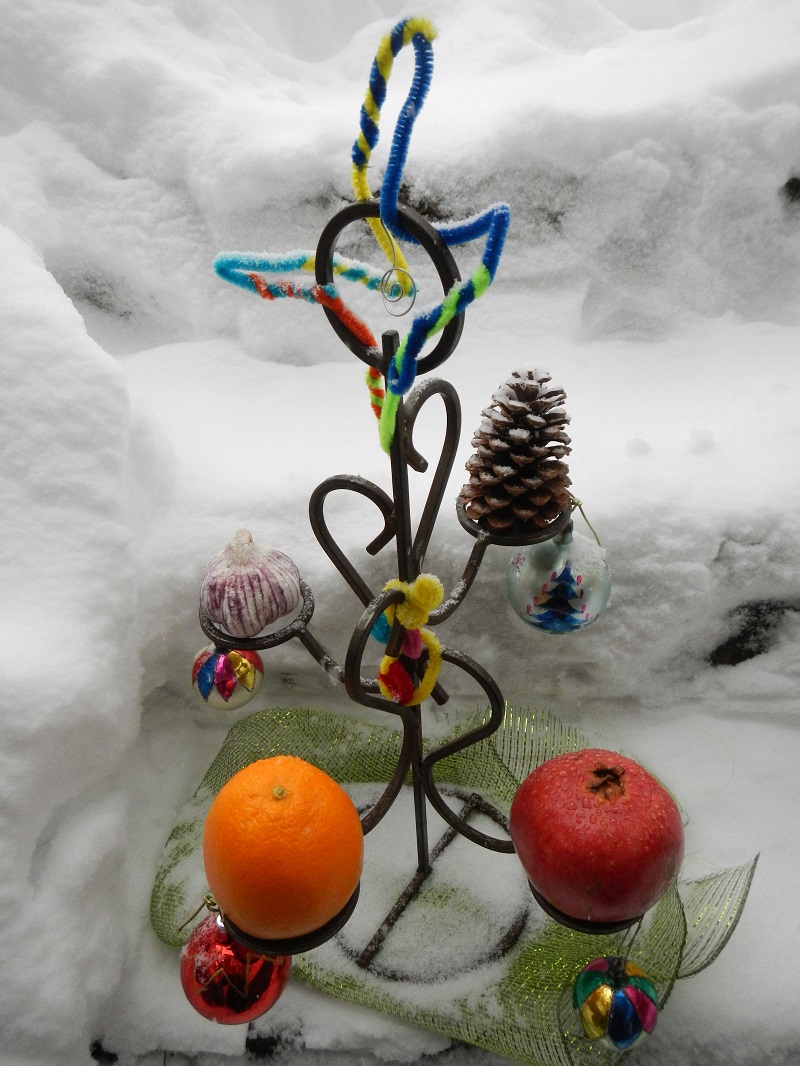
Gozo del Invierno: George du Maurier y el Patinaje
Posted: December 24, 2014 Filed under: IMAGES, Spanish, ZP Translator: Alexander Best Comments Off on Gozo del Invierno: George du Maurier y el Patinaje George du Maurier (1834-1896)
Rincomania (1875)
.
Friends of the fleeting skate, behold in this
A Rincomaniac’s dream of earthly bliss,
Sketched by the frantic pen of one who thinks
That Heaven is paved with everlasting rinks
Where Cherubs sweep forever and a day,
Smooth tepid ice that never melts away,
While graceful, gay, good-natured Lovers blend,
To Endless tune, in circles without End.




George du Maurier (1834-1896)
Manía de patinaje (1875)
.
Amigos del patín fugaz,
contemplen el sueño de extásis terrenal
del “maniático de la pista de hielo”,
bosquejado por la pluma frenética de un hombre que cree
que el Cielo está pavimentado con pistas perpetuas
donde vuelan querubines por siempre jamás,
hielo liso y tibio pero nunca se derretirá,
mientras Amantes graciosos, vistosos y simpáticos combinan
a la Tonada infinita, en círculos sin Fin.


Antonio Valeriano: Nican mopohua and Mexico’s Our Lady of Guadalupe
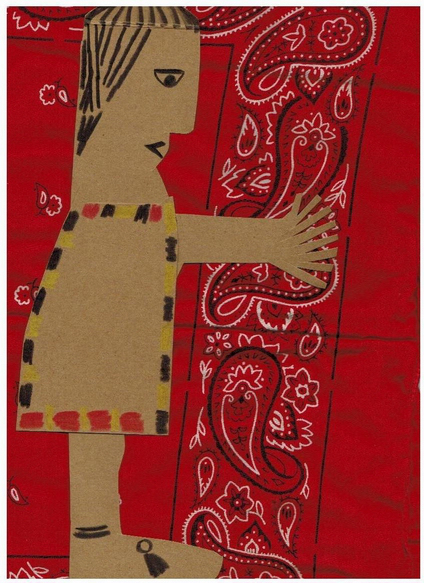
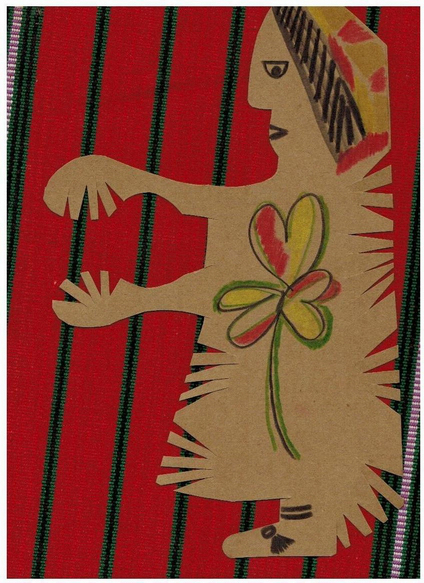
Posted: December 12, 2014 Filed under: English, IMAGES, Náhuatl Comments Off on Antonio Valeriano: Nican mopohua and Mexico’s Our Lady of GuadalupeDecember 1531: Juan Diego Cuauhtlatoatzin’s encounter with Santa Maria Totlaconantzin (Our Lady of Guadalupe):
…..Auh in acico in inahuac tepetzintli in itocayocan Tepeyacac,
ye tlatlalchipahua…..
*
Concac in icpac tepetzintli cuicoa, yuhquin nepapan tlazototome cuica;
cacahuani in intozqui, iuhquin quinananquilia tepetl, huel cenca teyolquima,
tehuellamachti in incuic; quicenpanahuia in coyoltotl in tzinitzcan ihuan in
occequin tlazototome ic cuica…..
*
“Canin ye nica? Canin ye ninotta? Cuix ye oncan in quitotehuaque huehuetque
tachtohuan tococolhuan, in xochitlalpan in tonacatlalpan,
cuix ye oncan ilhuicatlalpan?”…..
*
In oyuhceuhtiquiz in cuicatl, inomocactimoman in yeequicaqui
hualnotzalo inicpac tepetzintli, quilhuia: “Juantzin, Juan Diegotzin”…..
*
Auh in ye acitiuh in icpac tepetzintli, in ye oquimottili ce Cihuapilli
oncanmoquetzinoticac, quihualmonochili inic onyaz in inahuactzinco…..
*
Auh in tetl, in texcalli in ic itech moquetza, inic quimina…..
*
Auh in mizquitl, in nopalli ihuan occequin nepapan xiuhtotontin
oncan mochichihuani yuhquin quetzaliztli. Yuhqui in teoxihuitl in
iatlapalio neci. Auh in icuauhyo, in ihuitzyo, in iahuayo yuhqui in
cozticteocuitlatl in pepetlaca…..
*
Quimolhuili: “Tlaxiccaqui noxocoyotl Juantzin, campa in timohuica?”
*
Auh in yehuatl quimonanquilili: “Notecuiyoé, Cihuapillé, Nochpochtziné!
Ca ompa nonaciz mochantzinco México-Tlatilolco,
nocontepotztoca in Teyotl…..”


…..And as he drew near the little hill called Tepeyac
it was beginning to dawn…..
*
He heard singing on the little hill, like the song of many precious birds;
when their voices would stop, it was as if the hill were answering them;
extremely soft and delightful; their songs exceeded the songs of the
coyoltotl and the tzinitzcan and other precious birds…..
*
“Where am I? Where do I find myself? Is it possible that I am in the
place our ancient ancestors, our grandparents, told about, in the
land of the flowers, in the land of corn, of our flesh, of our sustenance,
possibly in the land of heaven?”…..
*
And then when the singing suddenly stopped, when it could no longer
be heard, he heard someone calling him, from the top of the hill, someone
was saying to him: “Juan, Dearest Juan Diego”…..
*
And when he reached the top of the hill, a Maiden who was standing there,
who spoke to him, who called to him to come close to her…..
*
And the stone, the crag on which she stood, seemed to be giving out rays…..
*
And the mesquites and nopales and the other little plants that are up there
seemed like emeralds. Their leaves, like turquoise. And their trunks, their
thorns, their prickles, were shining like gold…..
*
She said to him, “Listen, my dearest-and-youngest son, Juan,
Where are you going?”
*
And he answered her: “My Lady, my Queen, my Beloved Maiden!
I am going as far as your little house in Mexico-Tlatilolco,
to follow the things of God…..”
* * * * *
On December 9th, 1531, Juan Diego Cuauhtlatoatzin (1474-1548)
encountered a radiant native-Mexican woman at Tepeyac Hill
(site of a former temple to the Aztec Earth-Mother goddess Tonantzin).
He knew her to be Santa María Totlaconantzin – Mary, Our
Precious Mother – and she spoke to him in his own language – Náhuatl.
*
Tepeyac is now the location of the largest shrine in Latin America –
La Basílica de Nuestra Señora de Guadalupe / The Basilica of
Our Lady of Guadalupe – the name by which Juan Diego’s
Virgin Mary is known in México today…
Popularly, she is also called The Mother of All México.
And December 12th is Our Lady of Guadalupe’s “santo” or feast/saint’s day.
*
The above text – in the original Náhuatl (language of the Aztecs)
plus English translation by D. K. Jordan – is taken from
Nican mopohua (“Here is recounted…”)
by Antonio Valeriano (1556), and is the first chapter in the
written telling of the miraculous life of Juan Diego Cuauhtlatoatzin.
Valeriano was a native-Mexican scholar in three languages
– his birth-language, Náhuatl, plus Spanish and Latin.
Nican mopohua forms part of a larger volume,
Huei tlamahuiçoltica (“The Great Happening”),
published by Luis Laso de la Vega in 1649. The book is a
crucial Náhuatl text from the 16th and 17th centuries
– a period of immense trauma during which a new race
– el Mestizo – and a new nationality – Mexican – were being forged.
World AIDS Day: We Love Safe Sex!
Posted: December 1, 2014 Filed under: IMAGES Comments Off on World AIDS Day: We Love Safe Sex! ……….
……….
 ……….
……….
 ……….
……….
 ……….
……….
 ……….
……….
 ……….
……….
 ……….
……….
 ……….
……….
 ……….
……….

José Guadalupe Posada: the ‘calaveras’ of a Mexican master of social reportage and satire
Posted: November 2, 2014 Filed under: Alexander Best, IMAGES, Retratos por José Guadalupe Posada | Tags: Day of the Dead (Mexico) Comments Off on José Guadalupe Posada: the ‘calaveras’ of a Mexican master of social reportage and satire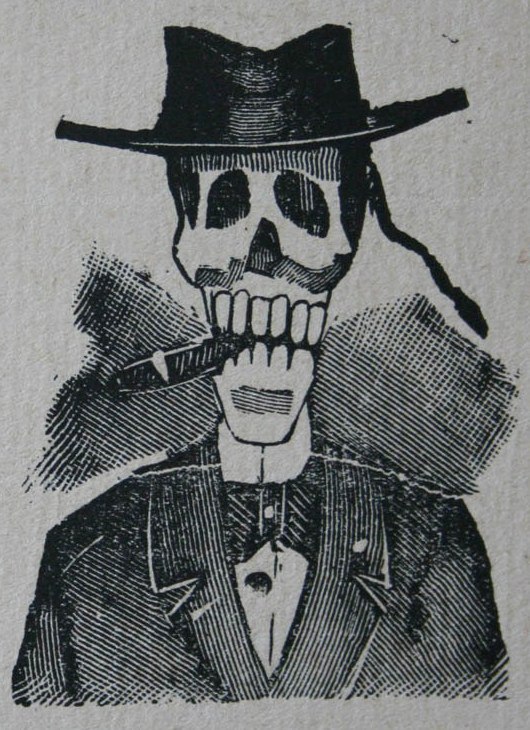
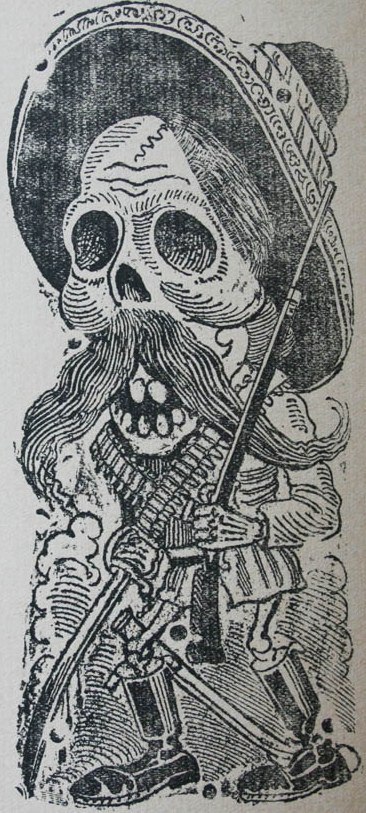
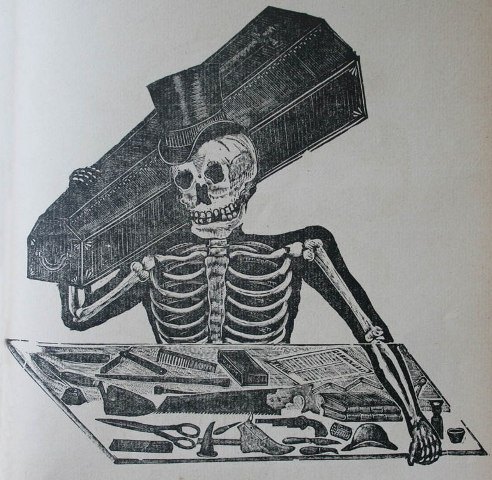
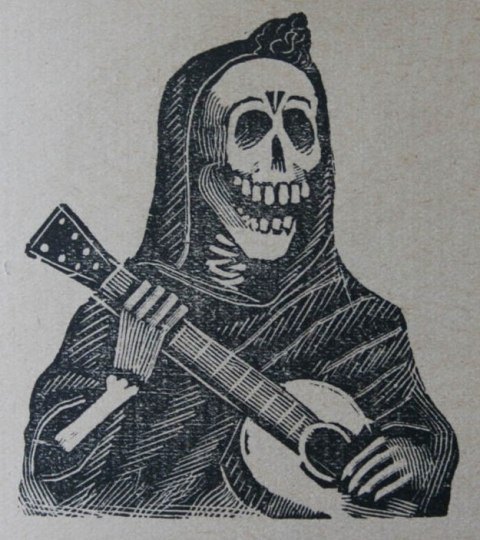
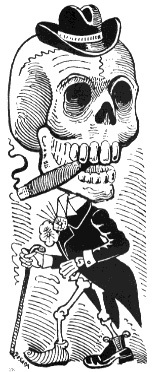
The etchings of José Guadalupe Posada (1852-1913) demonstrated a worldview that was, and often still is, profoundly Mexican. A commercial illustrator who also printed political broadsides, Posada invented the ‘calavera’ portrait. Calavera means skull, and by extension, skeleton. Aspects of the nation’s Indigenous heritage (skulls and death-goddesses were central to Aztec and Maya cultures) plus its Spanish cultural inheritance (death-oriented monastic orders, the ‘dance of death’ and ‘memento mori’ traditions) combine in Posada’s rustic yet sophisticated prints to give us the flavour of the average Mexican’s stoical yet humorous appreciation of Death.
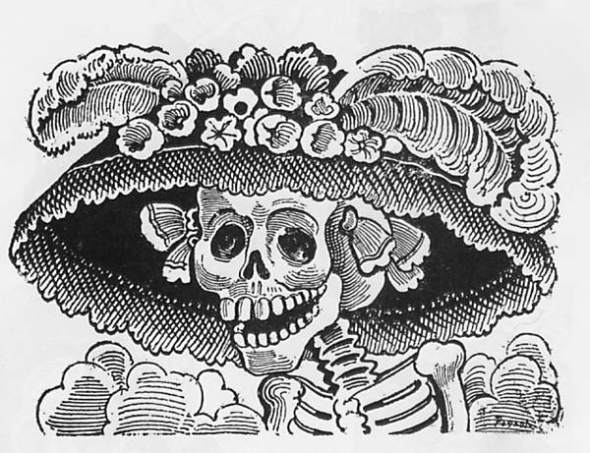
La Catrina_zinc etching by J.G. Posada
……….
A Sincere Tale for The Day of The Dead :
“ Lady Catrina goes for a stroll / Doña Catrina da un paseo ”
*
“¡ Santa Mictecacihuatl !
These Mandible Bone-nix (Manolo Blahniks) weren’t meant for
The Long Haul – certainly not worth the silver I shelled out for ’em ! ”
Thus spoke that elegant skeleton known as La Catrina.
And she clunked herself down at the stone curb, kicking off the
jade-encrusted, ocelot-fur-trimmed high-heel shoes.
“ Well, I haven’t been ‘bone-foot’ like this since I was an escuincle. ”
She chuckled to herself as she began rummaging through her Juicy handbag.
Extracting a shard of mirror, she held it up to her face – a calavera
with teardrop earrings grinned back at her. ¡Hola, Preciosa!
she said to herself with quiet pride. She adjusted her necklace of
cempasúchil blossoms and smoothed her yellow-white-red-and-black
designer-huipil.
*
Just then a lad and lassie crossed her path…
“ Yoo-hoo, Young Man, Young Woman !
Be dears, would you both, and escort an old dame
across La Plaza de la Existencia ! My feet are simply
worn down to the bone ! ”
*
“ Certainly, madam – but we’re new here…
Where is La Plaza de la Existencia ? ”
*
“ We’re just at the edge of it – El Zócalo ! ”
And La Catrina gestured beyond them where an
immense public square stretched far and wide.
She clasped their hands – the Young Man on her left,
the Young Woman on her right – and the trio set out
across a sea of cobbles…
*
By the time they reached the distant side of the Plaza the
Young Man and Young Woman had shared much with the
calaca vivaz – their hopes, fears, sadness and joy – their Lives.
*
The Woman by now had grown a long, luxurious
silver braid and The Man a thick, salt-and-pepper
beard. Both knew they’d lived fully – and were satisfied.
But my… – they were tired !
*
In the company of the strange and gregarious Catrina 5 minutes
to cross The Zócalo had taken 50 years…
*
“ Doña Catrina, here we are at your destination – will you be
alright now ? ”
*
“ Never felt better, Kids ! I always enjoy charming company
on a journey ! ” And she winked at them, even though she had
no eyeballs – just sockets. “ Join me for a caffè-latte? Or a café-pulque,
if you’re lactose-intolerant ! ”
*
“Thank you, no,” said the Man and Woman, in unison.
And both laughed heartily, breathed deeply, and sat down
at the curb.
*
When they looked up, Doña Catrina had clattered gaily out of sight.
And before their eyes the vast Zócalo became peopled with
scenes from their Lives.
The Man and Woman smiled, then sighed contentedly. And, side by side, they leaned closer together – and died.
* finis *
Alexander Best – November 2nd, 2011
……….
Glossary:
Mictecacihuatl – Aztec goddess of the AfterLife, and Keeper of The Bones
La Catrina – from La Calavera Catrina (The Elegant Lady-Skull),
a famous zinc etching by Mexican political cartoonist and print-maker
Jose Guadalupe Posada (1852-1913). Posada’s “calavera” prints depict
society from top to bottom – even the upper-class woman of wealth –
La Catrina – must embrace Death, just like everyone else…
She has since become a “character”,
invented and re-invented, for The Day of The Dead (Nov.2nd).
escuincle – little kid or street urchin
calavera – skull
¡Hola, Preciosa! – Hello, Gorgeous!
cempasúchil – marigold (the Day of The Dead flower)
huipil – blouse or dress, Mayan-style
El Zócalo – the main public square (plaza mayor) in Mexico City,
largest in The Americas
calaca vivaz – lively skeleton
pulque – a Mexican drink make from fermented
agave or maguey – looks somewhat like milk
……….
¡Chaucito, chavos! Ciao, kiddies!
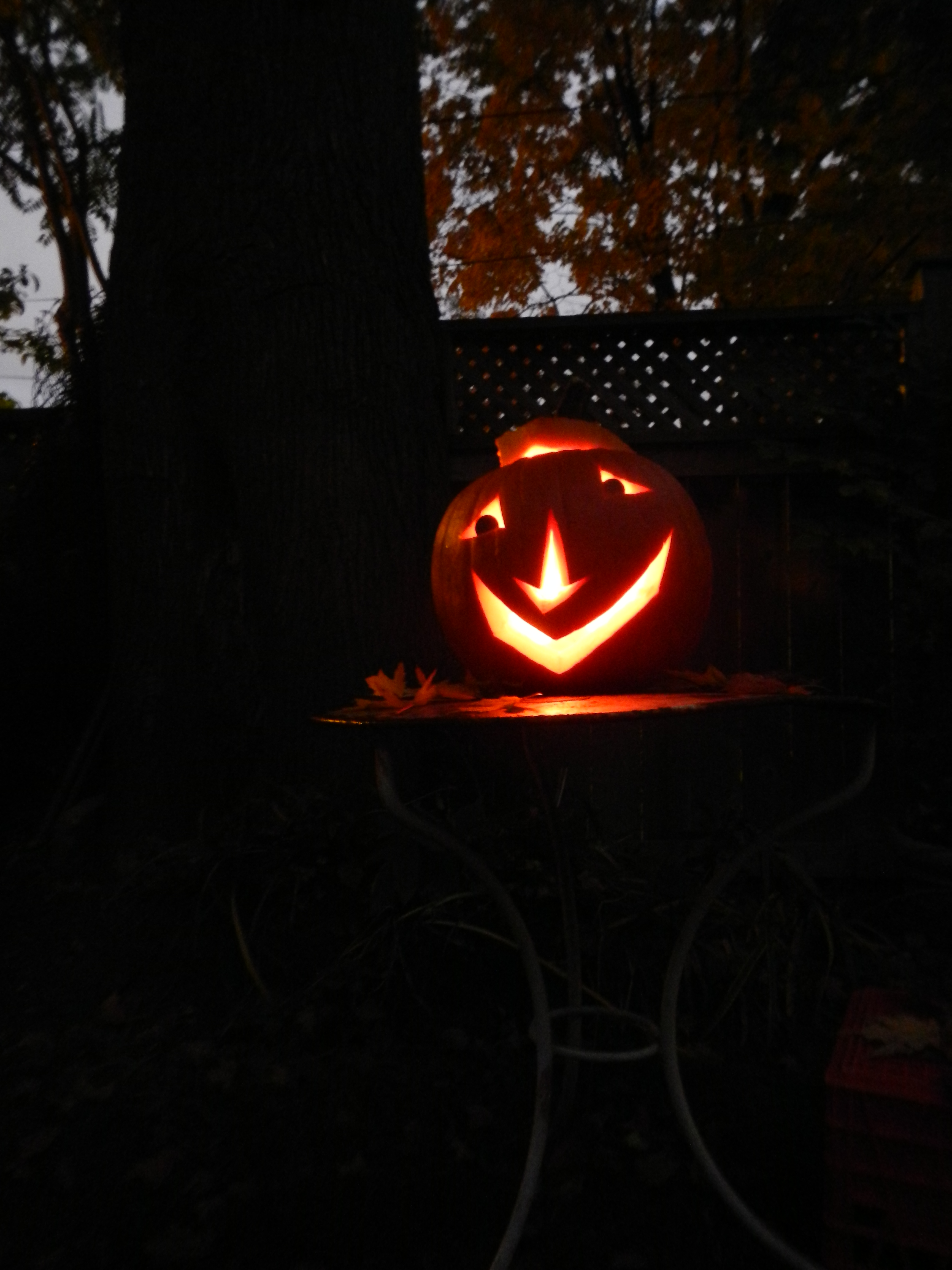
Cuento anaranjado: tallando una calabaza de Hallowe’en… / Orange Story: carving a Jack-o’-Lantern…
Posted: October 31, 2014 Filed under: Cuento anaranjado: tallando una calabaza de Hallowe'en..., IMAGES Comments Off on Cuento anaranjado: tallando una calabaza de Hallowe’en… / Orange Story: carving a Jack-o’-Lantern…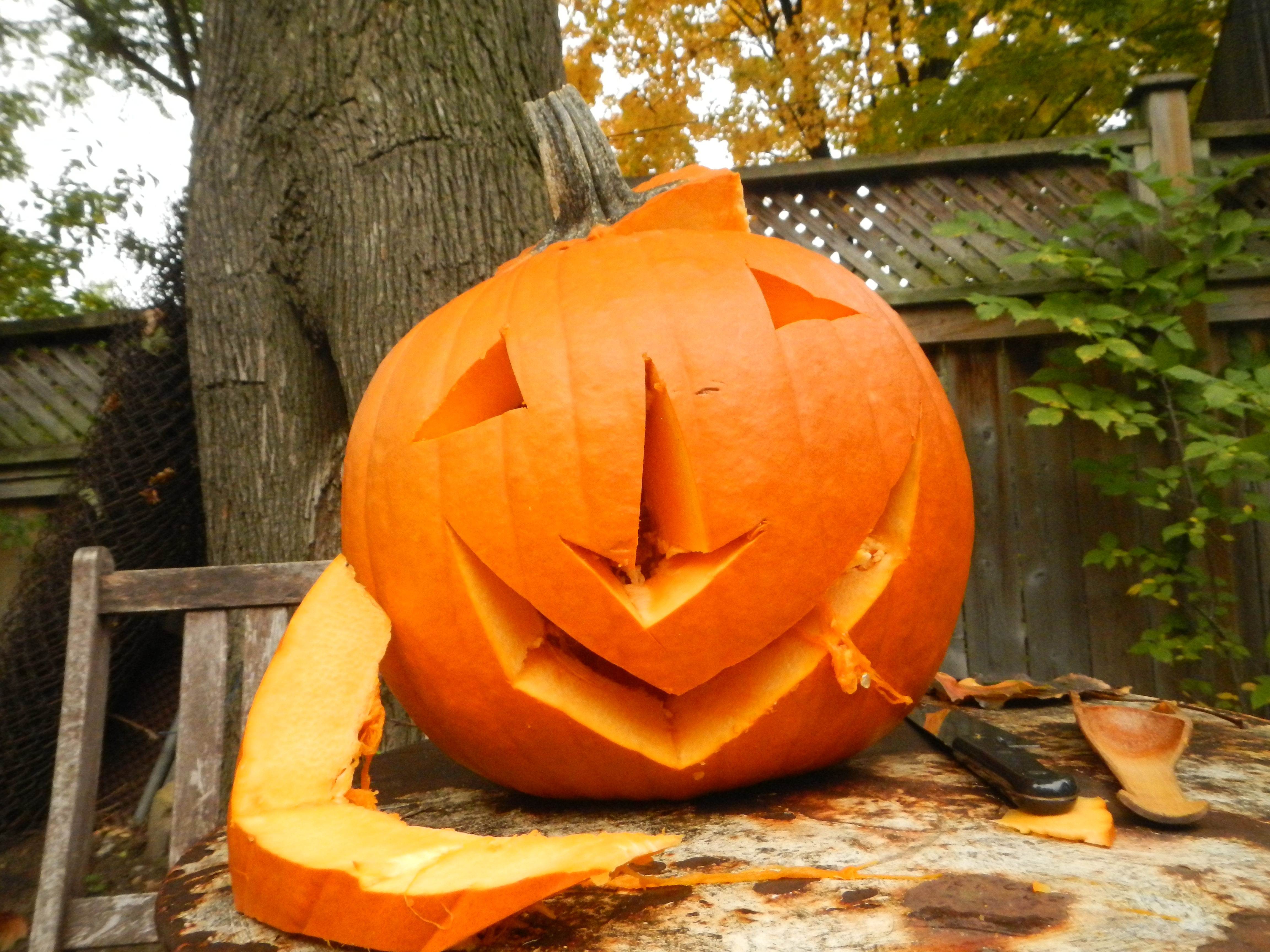
Cuento anaranjado: tallando una calabaza de Hallowe’en…
.
Desde mi niñez me he sentido atraído por la calabaza de Hallowe’en.
Así pues…puedo ser un artista retratista que blande una navaja – o un puñal – y todo también trata del color naranja, eso de la paleta otoñal de hojas volteando: naranja, amarillo, y rojo. Son mis tres colores favoritos, en hecho, porque soy daltónico; pero puedo ver con exactitud este “trío” vívido.
Hallowe’en es una noche mágica, repleta de ideas y de sentimientos (alboroto, miedo, entusiasmo) de la emoción universal, y que creció concretamente de la festividad celta de Samhain (la palabra noviembre en gaélico irlandés.) También esta fecha del 31 de octubre acontece al borde de la transición en Canadá al tiempo de invierno; lo usual es que llega nuestra primera escarcha-“matanza”. ¡Y el acto de tallar una calabaza existe al centro de lo todo!
. . .
Orange Story: carving a Jack-o’-Lantern…
.
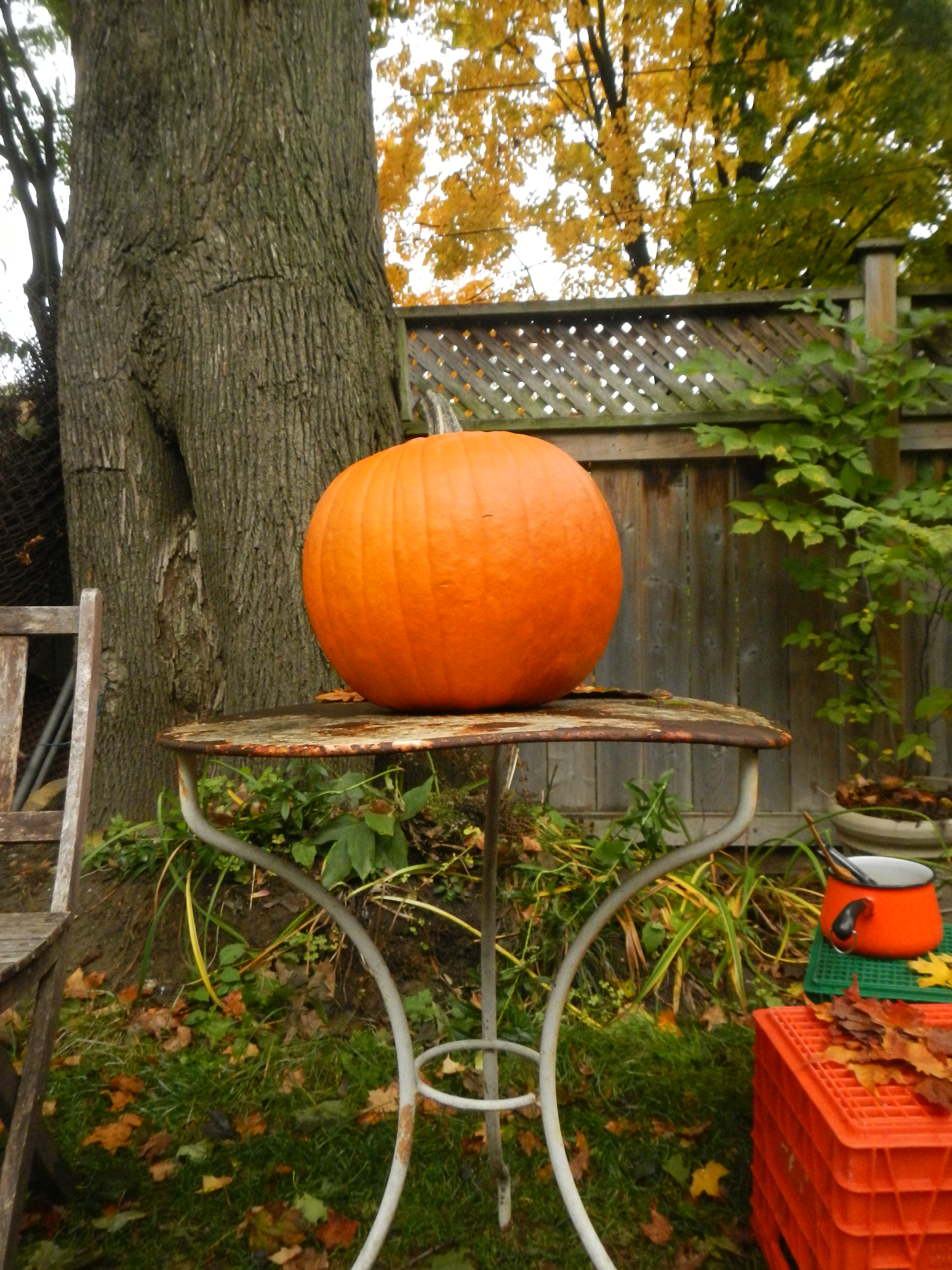
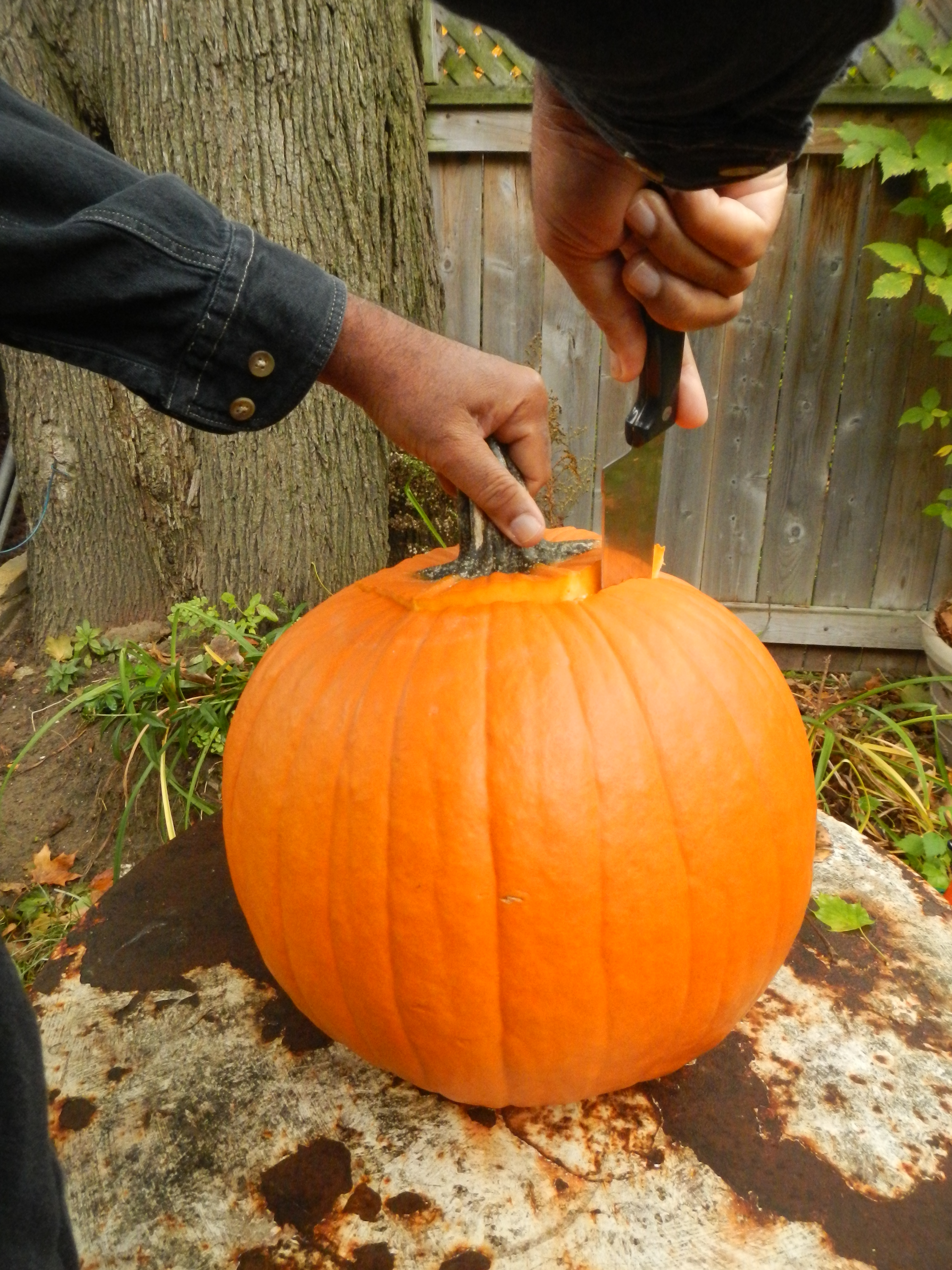
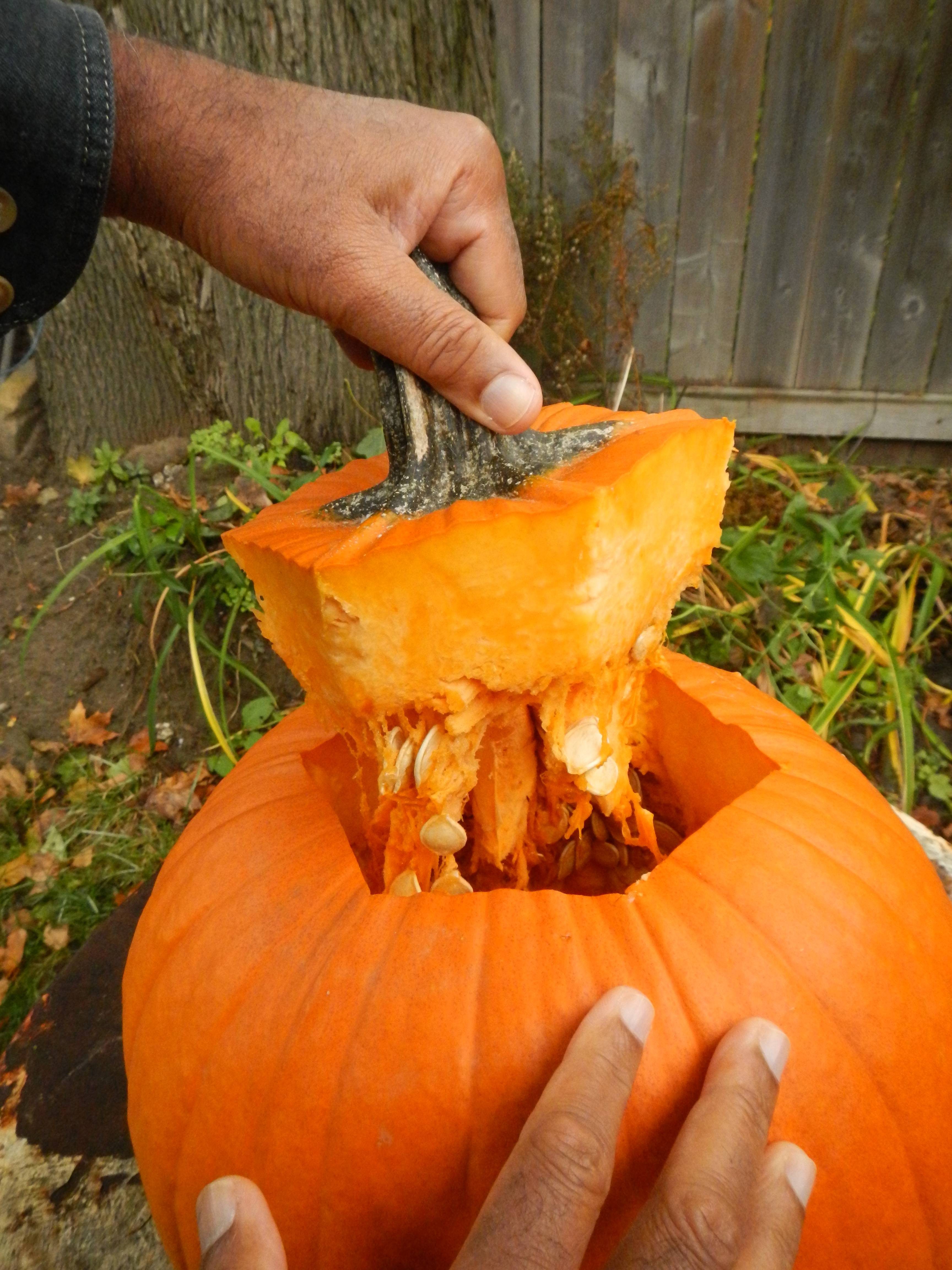
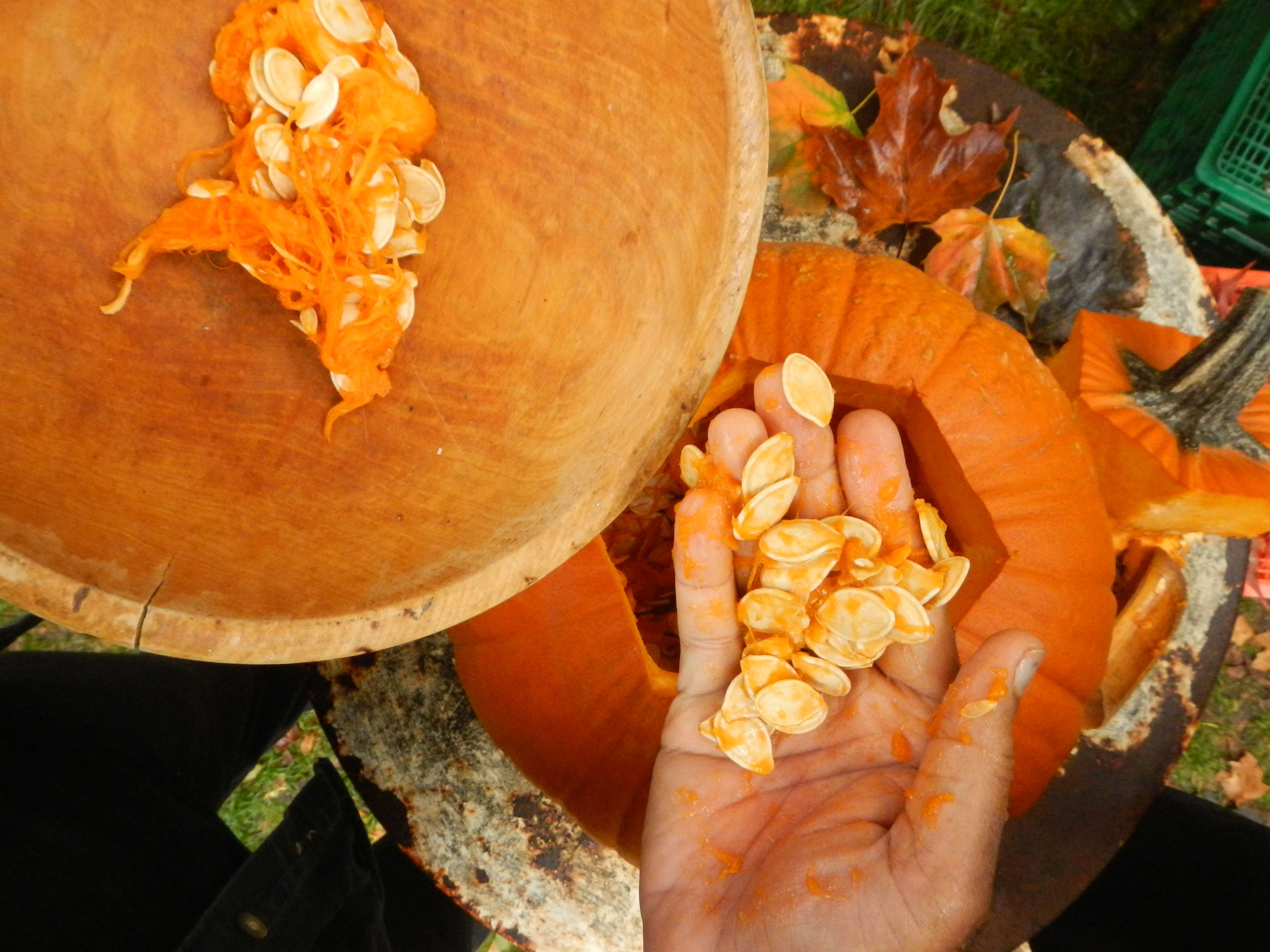
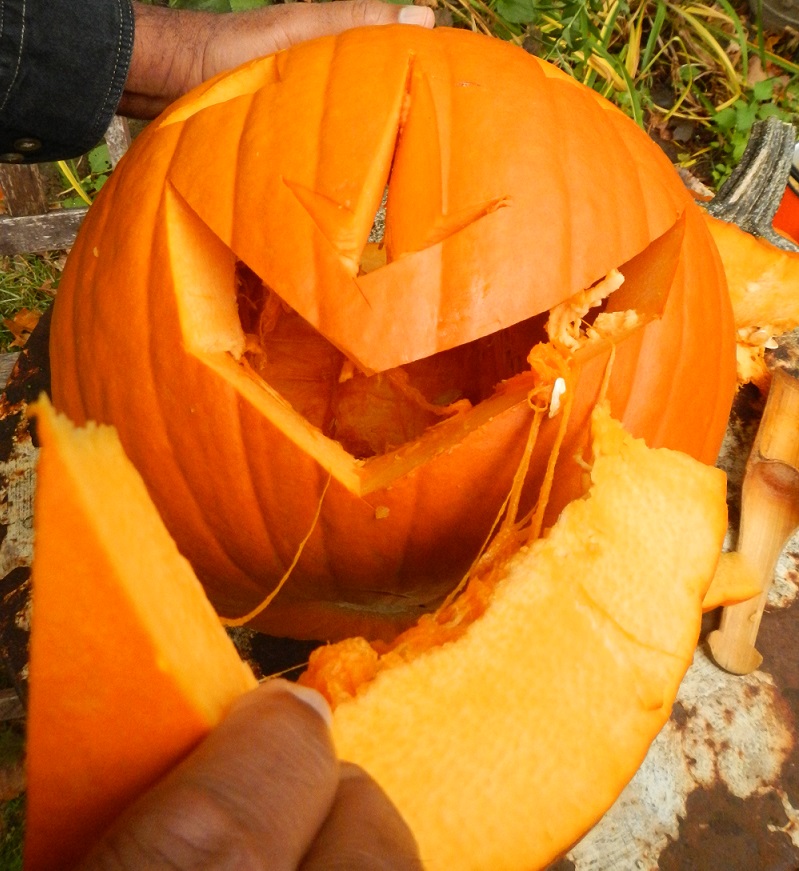
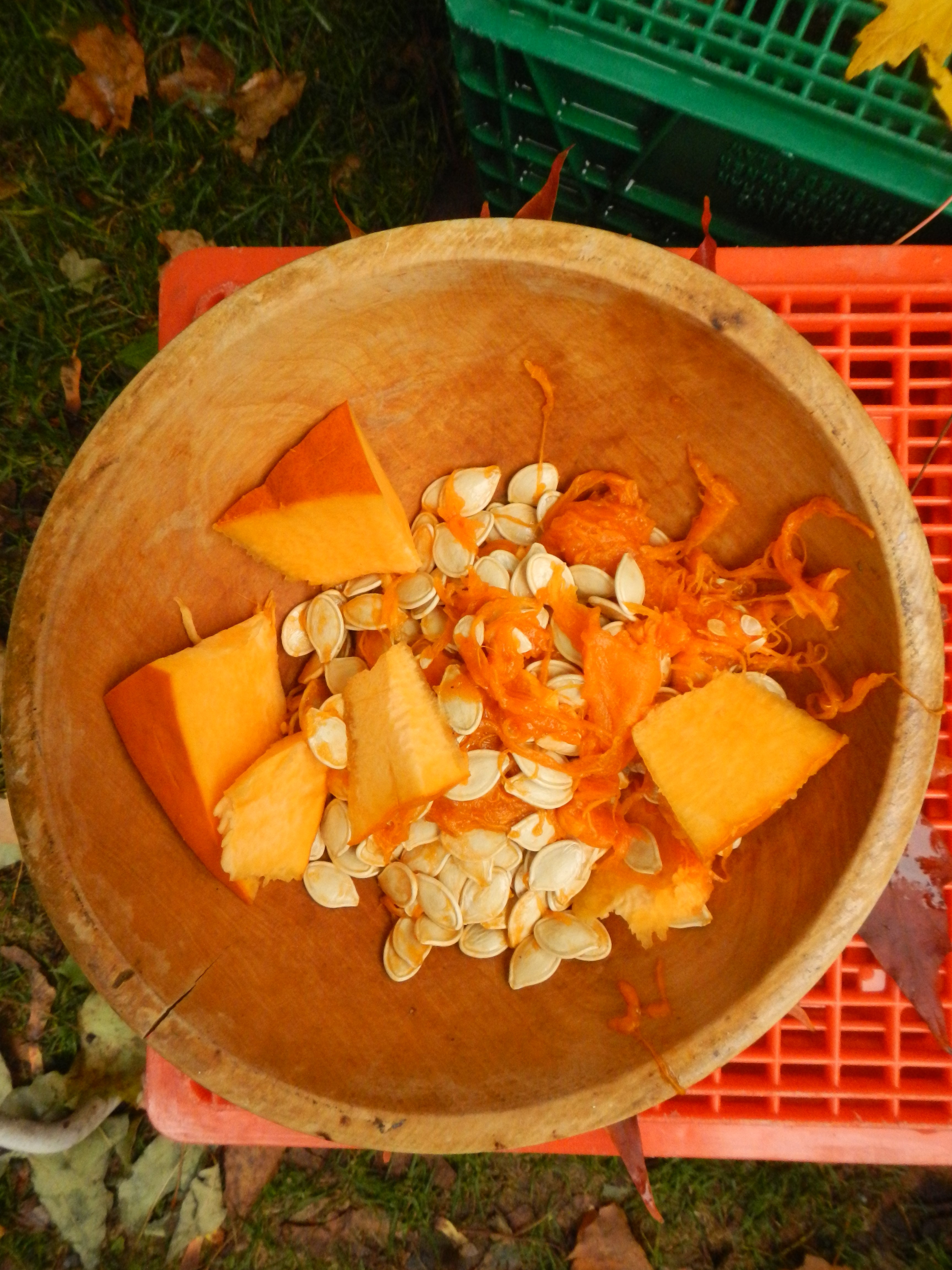
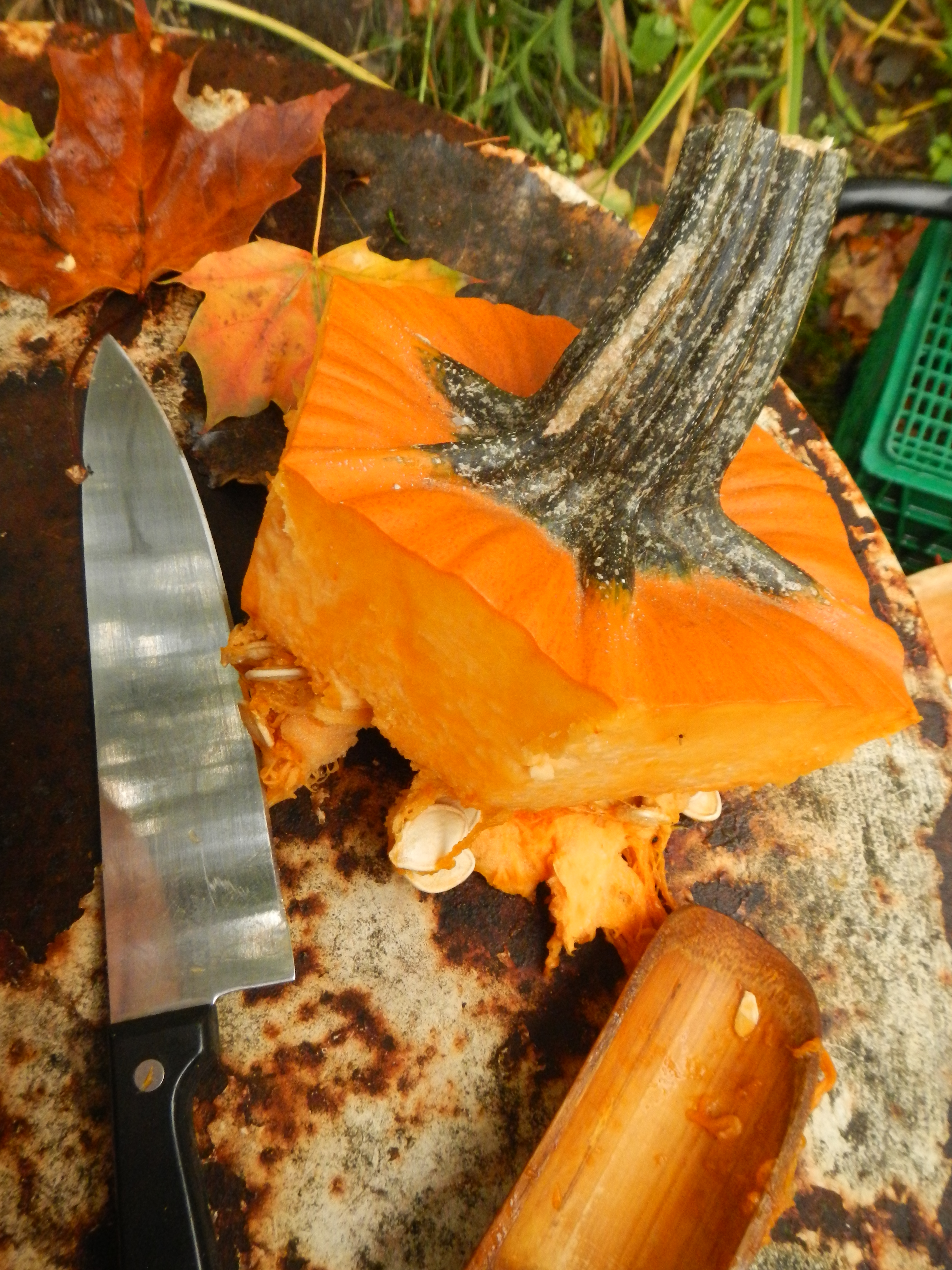
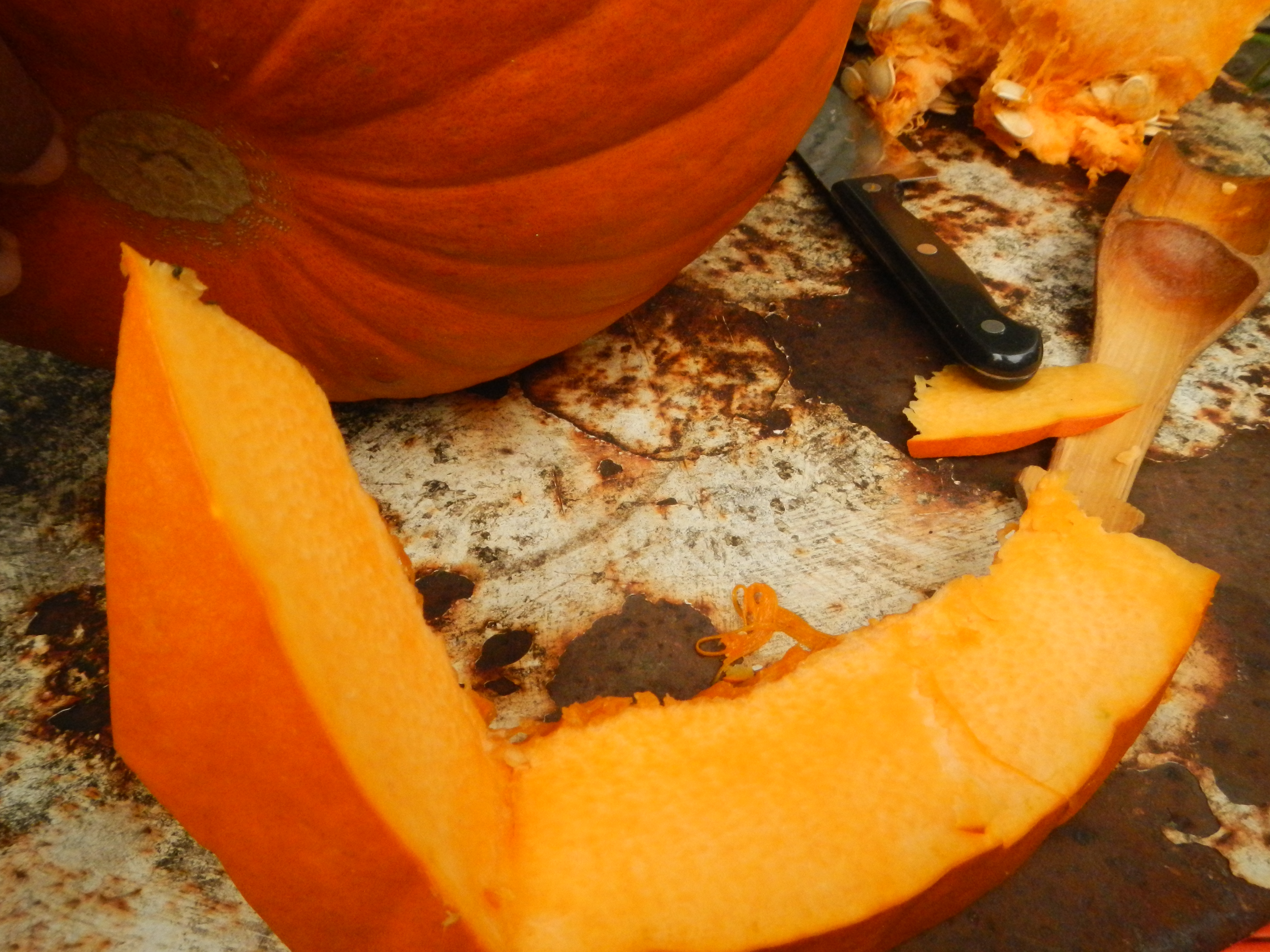
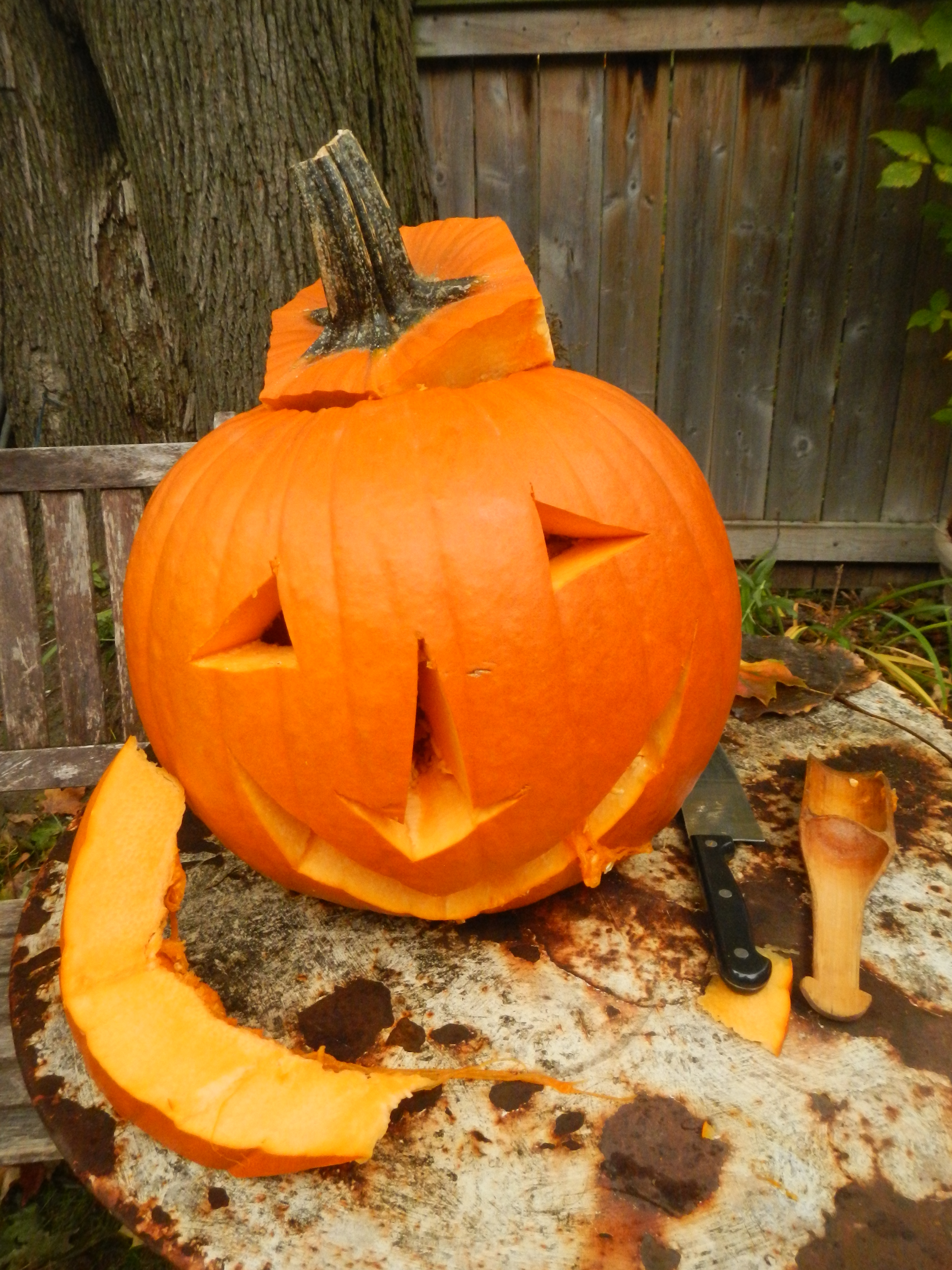
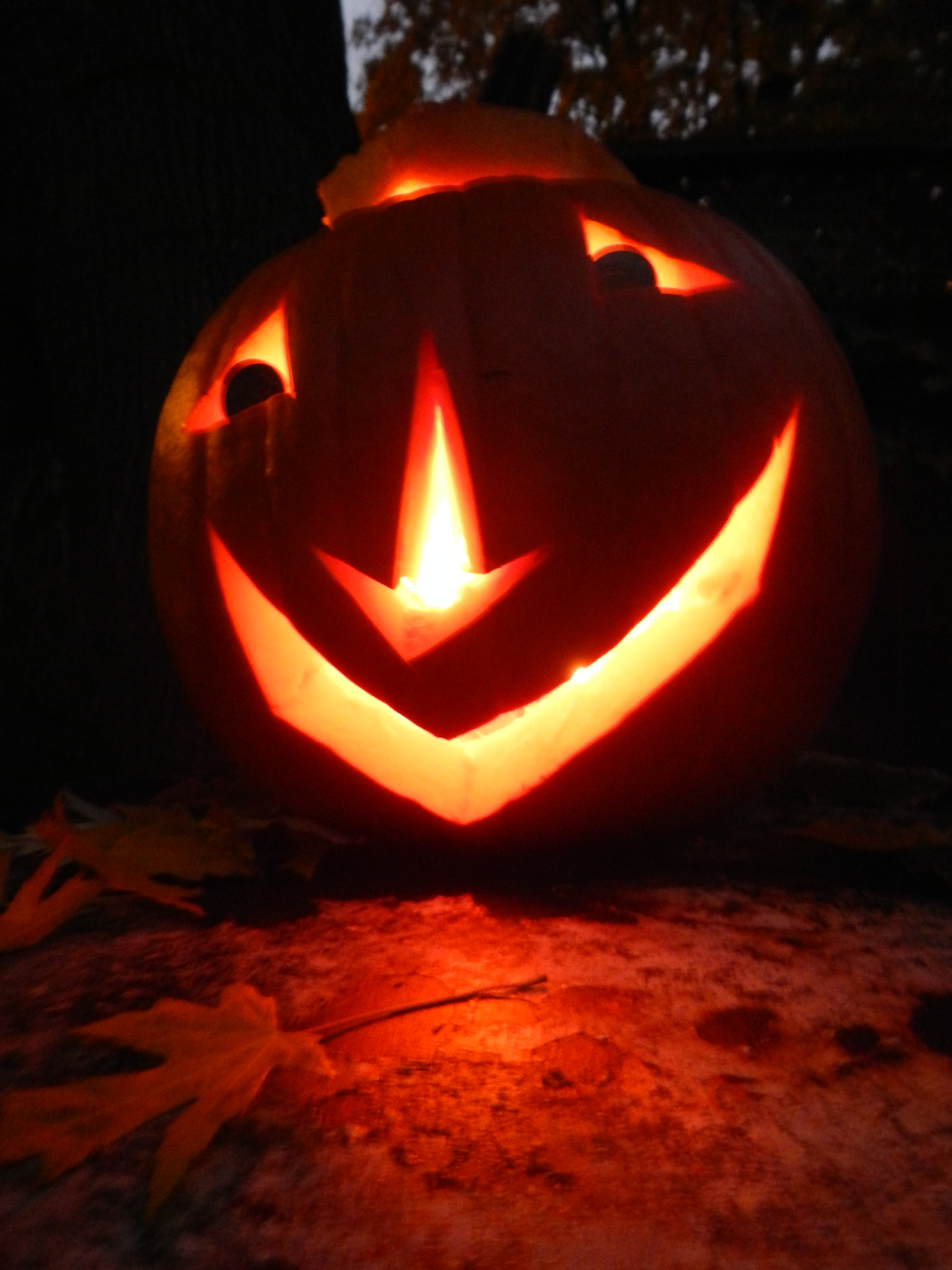
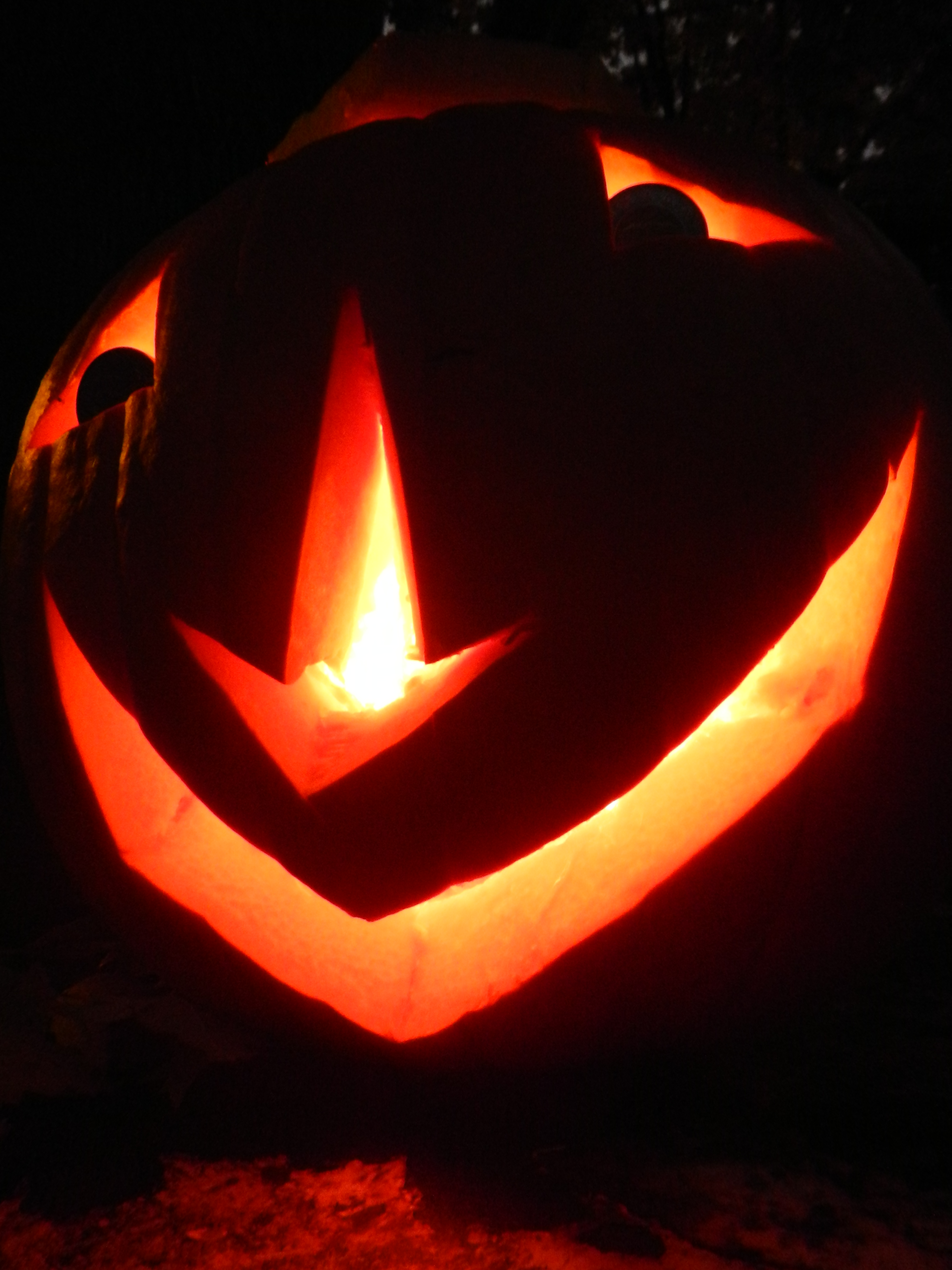
Since childhood I have loved pumpkins – all of them: mini ones, oddly shaped ones, big overgrown ones. And, living in Ontario, we’ve got some of the best, for they’re native to the place, an Amerindian food staple, and a gift to our culture. To carve a pumpkin for Hallowe’en is to express – swiftly and simply – one’s innate artistry and specific personality. What’s not to love, therefore?
.
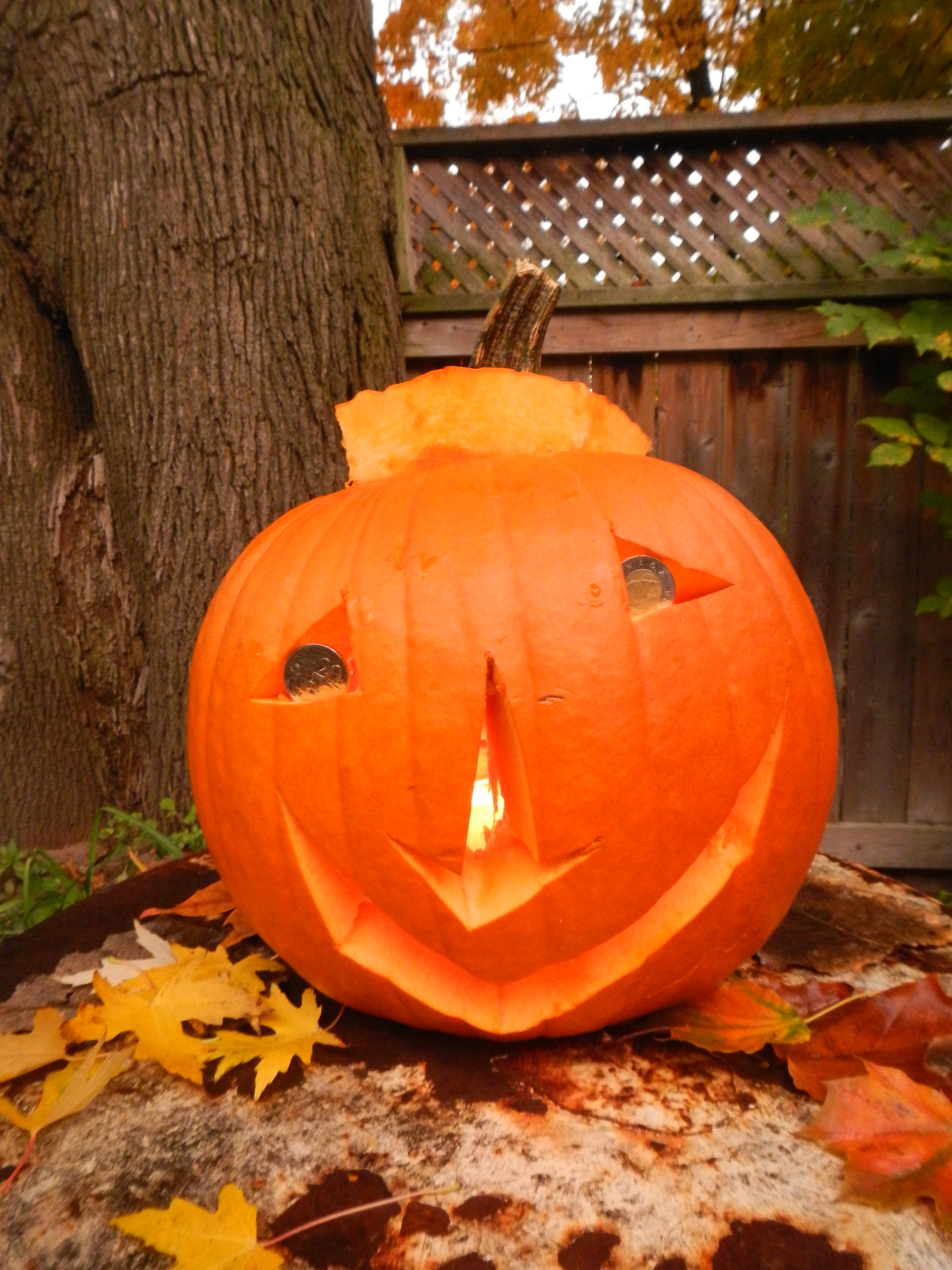
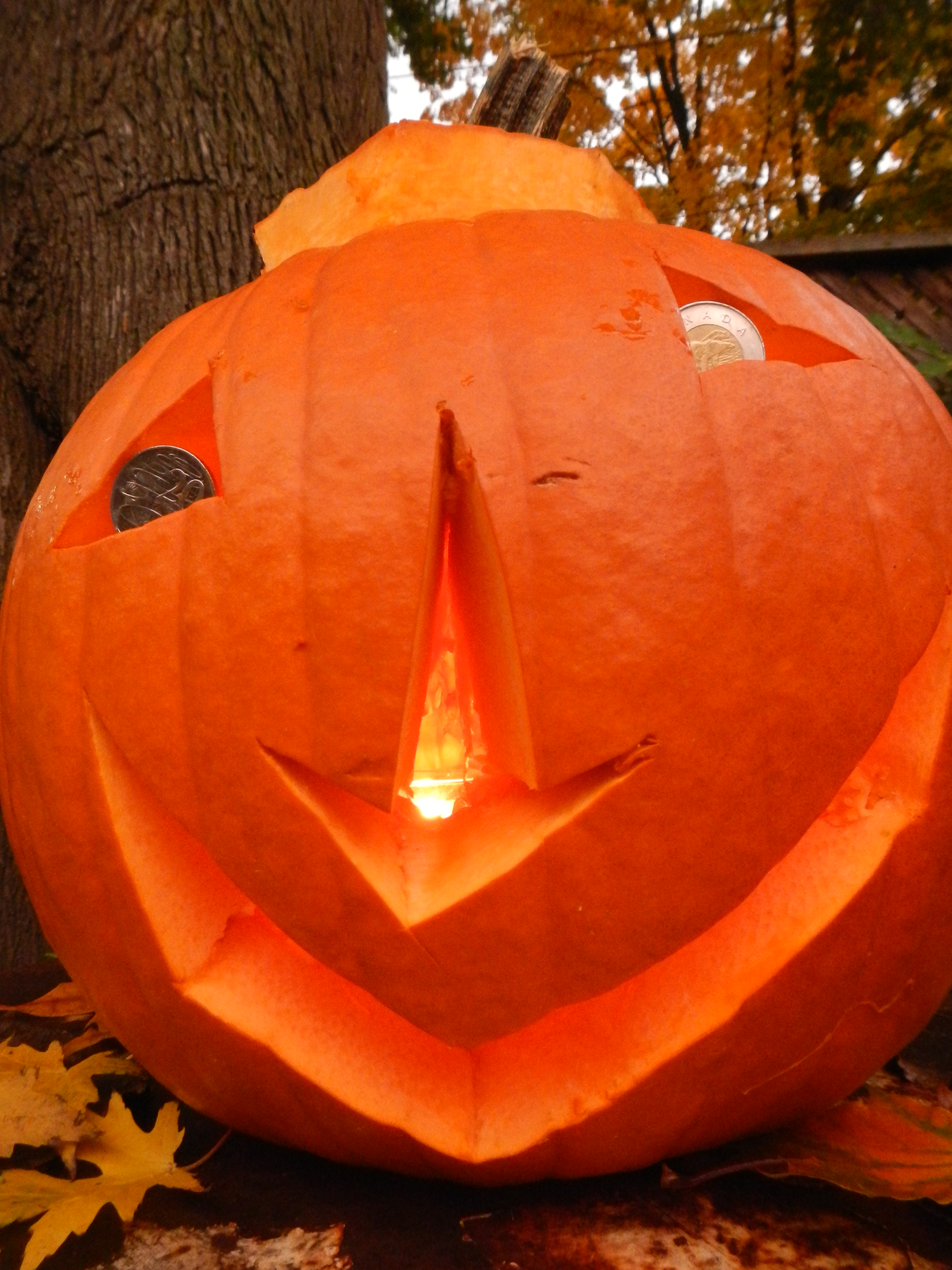
The origin of Jack-o’-Lantern carving is in Ireland, and the pre-Christian festival of Samhain. Samhain (which is the Gaelic word for November) hinges on the end of the harvest / Celtic old year, and the beginning of Winter / Celtic new year. For a few hours all Spirits, including our ancestors, may run free, back and forth between “this” world and the “other”). In old Eire it was the dependable turnip that was hollowed out, and a candle placed within. Positioned at a cottage threshold, or upon a window ledge, the glowing turnip “face” would announce to roving Spirits – some of which might’ve meant harm – that this was a house protected and not to be tampered with. Sometimes coins were inserted as “lucky eyes”, in case any malevolent invisible-now-visible Beings of Samhain needed to steal something away: better they take two pieces of silver than to carry off a calf or sicken to death the smallest child.
Irish immigrants of the nineteenth century to the U.S.A. adapted the far-superior Native-American Pumpkin to their lucky “face” lantern, and gradually the secular Hallowe’en that we now know evolved. The Church too was involved: All Souls’ Day (November 1st) was, in fact, created specifically to counter-act the powerful “pagan” traditions associated with Samhain. And this was already happening in Europe and the British Isles before the Irish-American immigrant “wave” of a 150 years ago.
At any rate, carving a pumpkin is as much fun today as it was decades ago, when I was a kid!
 Zócalo Poets