“Go on and up!”: the tight-rope-walking poetry of Paul Laurence Dunbar
Posted: February 1, 2013 Filed under: English, English: Nineteenth-century Black-American Southern Dialect, Go on and up!: poems by Paul Laurence Dunbar, Paul Laurence Dunbar | Tags: Black History Month poems Comments Off on “Go on and up!”: the tight-rope-walking poetry of Paul Laurence Dunbar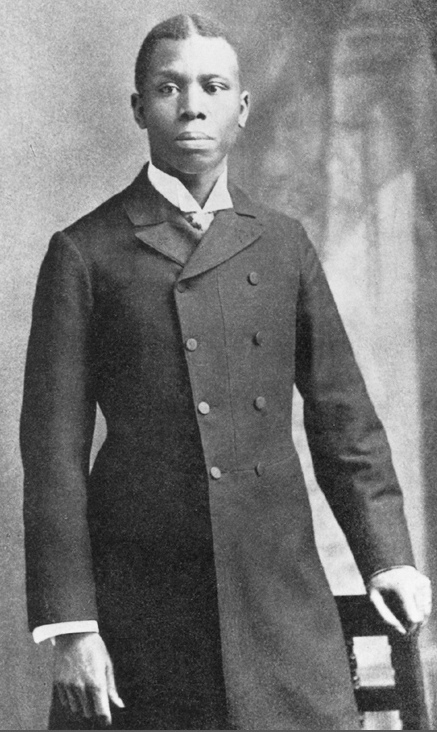
ZP_Paul Laurence Dunbar_a studio photographic portrait from 1896
Paul Laurence Dunbar (1872-1906, Dayton, Ohio, U.S.A.)
“Accountability”
.
Folks ain’t got no right to censuah othah folks about dey habits;
Him dat giv’ de squir’ls de bushtails made de bobtails fu’ de rabbits.
Him dat built de gread big mountains hollered out de little valleys,
Him dat made de streets an’ driveways wasn’t shamed to make de alleys.
.
We is all constructed diff’ent, d’ain’t no two of us de same;
We cain’t he’p ouah likes an’ dislikes, ef we’se bad we ain’t to blame.
Ef we’se good, we needn’t show off, case you bet it ain’t ouah doin’
We gits into su’ttain channels dat we jes’ cain’t he’p pu’suin’.
.
But we all fits into places dat no othah ones could fill,
An’ we does the things we has to, big er little, good er ill.
John cain’t tek de place o’ Henry, Su an’ Sally ain’t alike;
Bass ain’t nuthin’ like a suckah, chub ain’t nuthin’ like a pike.
.
When you come to think about it, how it’s all planned out it’s splendid.
Nuthin’s done er evah happens, ‘dout hit’s somefin’ dat’s intended;
Don’t keer whut you does, you has to, an’ hit sholy beats de dickens –
Viney, go put on de kittle, I got one o’ mastah’s chickens.
. . .
“A Negro Love Song”
.
Seen my lady home las’ night,
Jump back, honey, jump back.
Hel’ huh han’ an’ sque’z it tight,
Jump back, honey, jump bck.
Hyeahd huh sigh a little sigh,
Seen a light gleam f’om huh eye,
An’ a smile go flittin’ by –
Jump back, honey, jump back.
.
Hyeahd de win’ blow thoo de pine,
Jump back, honey, jump back.
Mockin’-bird was singin’ fine,
Jump back, honey, jump back.
An’ my hea’t was beatin’ so,
When I reached my lady’s do’,
Dat I couldn’t ba’ to go –
Jump back, honey, jump back.
.
Put my ahm aroun’ huh wais’,
Jump back, honey, jump back.
Raised huh lips an’ took a tase,
Jump back, honey, jump back.
Love me, honey, love me true?
Love me well ez I love you?
An’ she answe’d, “ ’Cose I do” –
Jump back, honey, jump back.
. . .
“Jilted”
.
Lucy done gone back on me,
Dat’s de way wif life.
Evaht’ing was movin’ free,
T’ought I had my wife.
Den some dahky comes along,
Sings my gal a little song,
Since den, evaht’ing’s gone wrong,
Evah day dey’s strife.
.
Didn’t answer me to-day,
W’en I called huh name,
Would you t’ink, she’d ac’ dat way
W’en I ain’t to blame?
Dat’s de way dese women do,
W’en dey fin’s a fellow true,
Den dey ’buse him thoo an’ thoo;
Well, hit’s all de same.
.
Somep’n’s wrong erbout my lung,
An’ I’s glad hit’s so.
Doctah says ’at I’ll die young,
Well, I wants to go!
Whut’s de use o’ livin’ hyeah,
W’en de gal you loves so deah,
Goes back on you clean an’ cleah –
I sh’d like to know!
. . .
“Drizzle”
.
Hit ‘s been drizzlin’ an’ been sprinklin’,
Kin’ o’ techy all day long.
I ain’t wet enough fu’ toddy,
I ‘s too damp to raise a song,
An’ de case have set me t’inkin’,
Dat dey ‘s folk des lak de rain,
Dat goes drizzlin’ w’en dey’s talkin’,
An’ won’t speak out flat an’ plain.
.
Ain’t you nevah set an’ listened
At a body ‘splain his min’?
W’en de t’oughts dey keep on drappin’
Was n’t big enough to fin’?
Dem ‘s whut I call drizzlin’ people,
Othahs call ’em mealy mouf,
But de fust name hits me bettah,
Case dey nevah tech a drouf.
.
Dey kin talk from hyeah to yandah,
An’ f’om yandah hyeah ergain,
An’ dey don’ mek no mo’ ‘pression,
Den dis powd’ry kin’ o’ rain.
En yo’ min’ is dry ez cindahs,
Er a piece o’ kindlin’ wood,
‘T ain’t no use a-talkin’ to ’em,
Fu’ dey drizzle ain’t no good.
.
Gimme folks dat speak out nachul,
Whut ‘ll say des whut dey mean,
Whut don’t set dey wo’ds so skimpy
Dat you got to guess between.
I want talk des’ lak de showahs
Whut kin wash de dust erway,
Not dat sprinklin’ convusation,
Dat des drizzle all de day.
. . .
“The Lawyer’s Ways”
.
I ‘ve been list’nin’ to them lawyers
In the court house up the street,
An’ I ‘ve come to the conclusion
That I’m most completely beat.
Fust one feller riz to argy,
An’ he boldly waded in
As he dressed the tremblin’ pris’ner
In a coat o’ deep-dyed sin.
.
Why, he painted him all over
In a hue o’ blackest crime,
An’ he smeared his reputation
With the thickest kind o’ grime,
Tell I found myself a-wond’rin’
In a misty way and dim,
How the Lord had come to fashion
Sich an awful man as him.
.
Then the other lawyer started,
An’ with brimmin’, tearful eyes,
Said his client was a martyr
That was brought to sacrifice.
An’ he give to that same pris’ner
Every blesséd human grace,
Tell I saw the light o’ virtue
Fairly shinin’ from his face.
.
Then I own ‘at I was puzzled
How sich things could rightly be;
An’ this aggervatin’ question
Seems to keep a-puzzlin’ me.
So, will some one please inform me,
An’ this mystery unroll–
How an angel an’ a devil
Can persess the self-same soul?
. . .
“Tim”
.
Well, mebbe ya don’t remember Tim
Little feller, lank an’ slim
Jest about as big as a minute
With an eye like coal, with a sparkle in it.
Newsboys ust to carry The Press
Littlest one on the force I guess
But he wasn’t afeared to run and holler
Spry as a cricket an’ bright as a dollar.
Wall, like a book I knowed this Tim
use to work along a’ him
When The Press was a little measley sheet,
An’ I reckon this team was hard to beat.
Sell papers, well know you’re a talkin’ sin;
When we got out we made a din
All up and down the busy street
Till every blesséd printed sheet
We had was gone, then me and Tim
We’d hurry home in the twilight dim
Down to our cellar an’ while away
The darkenin’ hours in quiet play.
Fur we wuz only kids, us two
And played like other youngsters do.
Orphans, we wuz without friend
His aid er helpin’ hand to lend
Yes we wuz poor as poor could be
But we wuz happy – Tim and me.
And the days went by like a song of joy
You know what it is to be a boy
I reckon you’ll laugh when you hear me say
That we fell in love in a boyish way.
. . .
“To a Captious Critic”
.
Dear critic, who my lightness so deplores,
Would I might study to be prince of bores,
Right wisely would I rule that dull estate –
But, sir, I may not, till you abdicate.
. . .
“Song”
.
My heart to thy heart,
My hand to thine;
My lip to thy lips,
Kisses are wine
Brewed for the lover in sunshine and shade;
Let me drink deep, then, my African maid.
.
Lily to lily,
Rose unto rose;
My love to thy love
Tenderly grows.
Rend not the oak and the ivy in twain,
Nor the swart maid from her swarthier swain.
. . .
“Ode to Ethiopia”
.
O Mother Race! to thee I bring
This pledge of faith unwavering,
This tribute to thy glory.
I know the pangs which thou didst feel,
When Slavery crushed thee with its heel,
With thy dear blood all gory.
.
Sad days were those – ah, sad indeed!
But through the land the fruitful seed
Of better times was growing.
The plant of freedom upward sprung,
And spread its leaves so fresh and young –
Its blossoms now are blowing.
.
On every hand in this fair land,
Proud Ethiope’s swarthy children stand
Beside their fairer neighbour;
The forests flee before their stroke,
Their hammers ring, their forges smoke –
They stir in honest labour.
.
They tread the fields where honour calls;
Their voices sound through senate halls
In majesty and power.
To right they cling; the hymns they sing
Up to the skies in beauty ring,
And bolder grow each hour.
.
Be proud, my Race, in mind and soul;
Thy name is writ on Glory’s scroll
In characters of fire.
High ‘mid the clouds of Fame’s bright sky
Thy banner’s blazoned folds now fly,
And truth shall lift them higher.
.
Thou hast the right to noble pride,
Whose spotless robes were purified
By blood’s severe baptism.
Upon thy brow the cross was laid,
And labour’s painful sweat-beads made
A consecrating chrism.
.
No other race, or white or black,
When bound as thou wert, to the rack,
So seldom stooped to grieving;
No other race, when free again,
Forgot the past and proved them men
So noble in forgiving.
.
Go on and up! Our souls and eyes
Shall follow thy continuous rise;
Our ears shall list thy story
From bards who from thy root shall spring,
And proudly tune their lyres to sing
Of Ethiopia’s glory.
. . .
“We Wear the Mask”
.
We wear the mask that grins and lies,
It hides our cheeks and shades our eyes,
This debt we pay to human guile;
With torn and bleeding hearts we smile,
And mouth with myriad subtleties.
.
Why should the world be over-wise
In counting all our tears and sighs?
Nay, let them only see us, while
We wear the mask.
.
We smile, but, O great Christ, our cries
To thee from tortured souls arise.
We sing, but oh the clay is vile
Beneath our feet, and long the mile;
But let the world dream otherwise,
We wear the mask!
. . .
“Misappreshension”
.
Out of my heart, one day, I wrote a song,
With my heart’s blood imbued,
Instinct with passion, tremulously strong,
With grief subdued;
Breathing a fortitude
Pain-bought.
And one who claimed much love for what I wrought,
Read and considered it,
And spoke:
“Ay, brother – ’tis well writ,
But where’s the joke?”
. . .
“Unexpressed”
.
Deep in my heart that aches with the repression,
And strives with plenitude of bitter pain,
There lives a thought that clamours for expression,
And spends its undelivered force in vain.
.
What boots it that some other may have thought it?
The right of thoughts’ expression is divine;
The price of pain I pay for it has bought it,
I care not who lays claim to it –’t is mine!
.
And yet not mine until it be delivered;
The manner of its birth shall prove the test.
Alas, alas, my rock of pride is shivered –
I beat my brow – the thought still unexpressed.
. . .
“A Choice”
.
They please me not – these solemn songs
That hint of sermons covered up.
’T is true the world should heed its wrongs,
But in a poem let me sup,
Not simples brewed to cure or ease
Humanity’s confessed disease,
But the spirit-wine of a singing line,
Or a dew-drop in a honey cup!
. . .
“Equipment”
.
With what thou gavest me, O Master,
I have wrought.
Such chances, such abilities,
To see the end was not for my poor eyes,
Thine was the impulse, thine the forming thought.
.
Ah, I have wrought,
And these sad hands have right to tell their story,
It was no hard up striving after glory,
Catching and losing, gaining and failing,
Raging me back at the world’s raucous railing.
Simply and humbly from stone and from wood,
Wrought I the things that to thee might seem good.
.
If they are little, ah God! but the cost,
Who but thou knowest the all that is lost!
If they are few, is the workmanship true?
Try them and weigh me, whate’er be my due!
. . . . .
Paul Laurence Dunbar was born in Dayton, Ohio, in 1872 – less than a decade after the Emancipation Act – to a mother and a father who had been slaves in Kentucky. His mother had learned to read expressly for the purpose of saying aloud the Bible and Dunbar learned to read at his mother’s knee – from The Good Book. He wrote his first poem at the age of 6 and by the end of high school in Dayton he had had poems published in The Herald newspaper. His first book of poems, Oak and Ivy, was published in 1893. Editor and critic William Dean Howells wrote a glowing review of Dunbar’s second book of poetry, Majors and Minors, in 1896. Combining the two books into one, Lyrics of Lowly Life, with an introduction by the influential Howells, Dunbar had a best-seller and was soon nationally famous. Drawing attention to Dunbar’s dark skin, as if mulatto writers somehow didn’t count, Howells had written that Dunbar was “the only man of pure African blood and of African civilization to feel the Negro life aesthetically and express it lyrically”. Hogwash, a good half of that extravagant statement. But Howells was writing for white readers of poetry who preferred something authentic, something other than the common Coon Songs/Minstrel Music of the 1890s. And all this just as Jim Crow legislation – ‘separate but equal’ bylaws – became firmly entrenched.
Thereafter, Dunbar would walk a literary tightrope. He tried to be true to his own ambition to develop and showcase his considerable range as a poet while being clamoured after for Negro-Dialect poems (verses using everyday Black speech from The South – which had constituted just a quarter of the 100-plus poems in Lyrics). And yet – Dunbar’s Negro-Dialect poems can in instances go beyond the popular Minstrel-influenced poems and songs of the era because he voiced in them a very-real sadness sometimes, some subtly subversive wit – and cynicism as well. It is notable that he also wrote other Peoples’ dialect poems that showed a supple command of Irish, German and Southern-White speech patterns. Briefly and unhappily Dunbar was married to Alice Ruth Moore – later a journalist and anti-lynching campaigner – from 1898 to 1902. Diagnosed with tuberculosis in 1900 he was prescribed “the whiskey diet” plus the pure air of Colorado. Feeling perhaps that Time was running out, he began writing essays and unusual, inventive stage plays – which scholars since the 1990s have been re-appraising (along with Dunbar’s Negro-Dialect poems). His health worsened and he returned to Ohio in 1904, dying there in 1906 at the age of 33. After much academic argument about Paul Laurence Dunbar’s legacy it is now agreed that he was the finest Black-American poet before the cultural blossoming of the 1920s Harlem Renaissance.
. . . . .
José Guadalupe Posada: the ‘calaveras’ of a Mexican master of social reportage and satire
Posted: November 2, 2012 Filed under: IMAGES, Retratos por José Guadalupe Posada | Tags: Pictures for The Day of The Dead, Retratos para El Día de los Muertos Comments Off on José Guadalupe Posada: the ‘calaveras’ of a Mexican master of social reportage and satire. . .
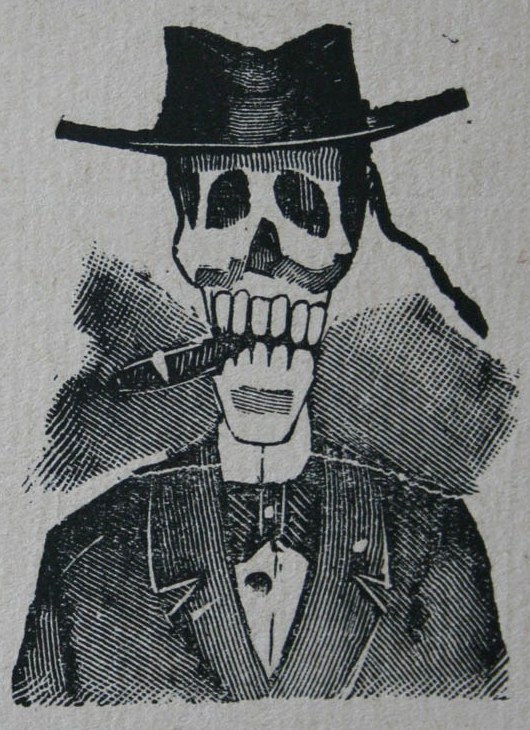
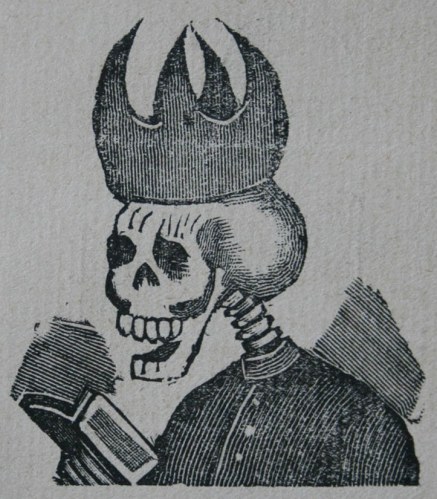
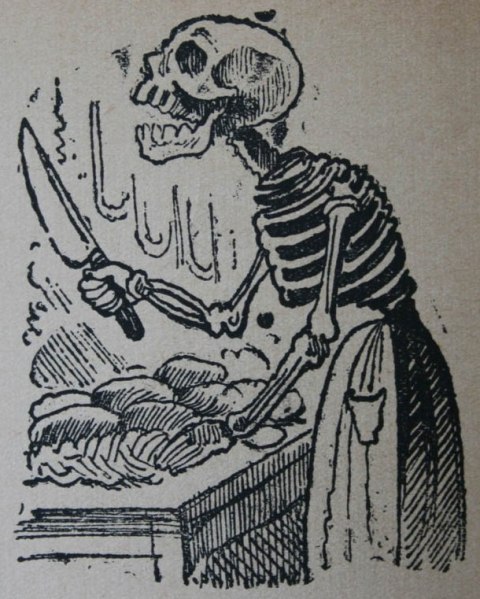
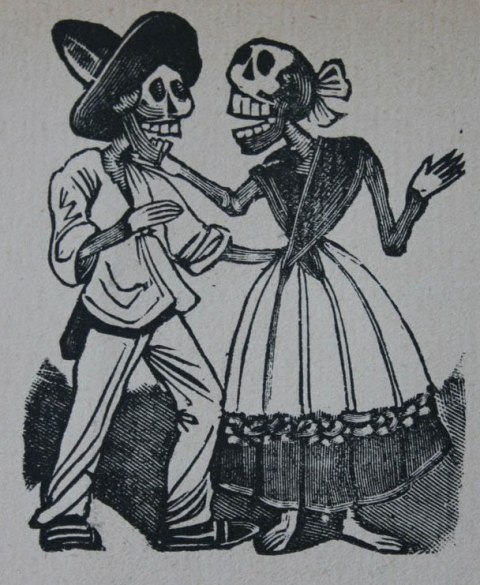
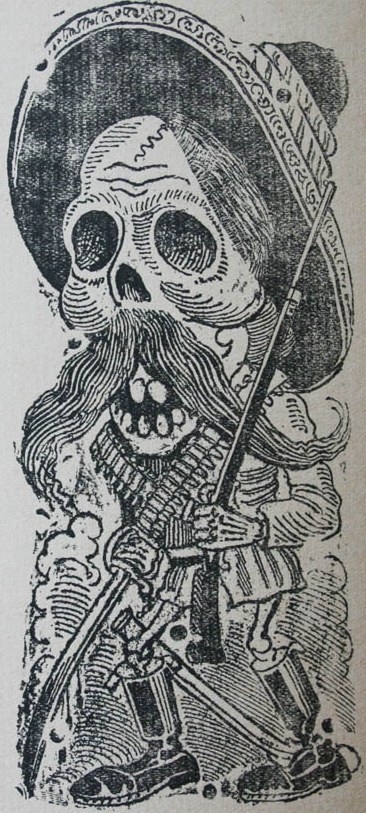
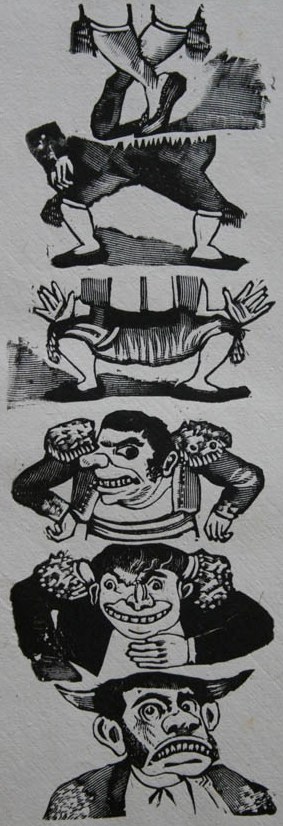
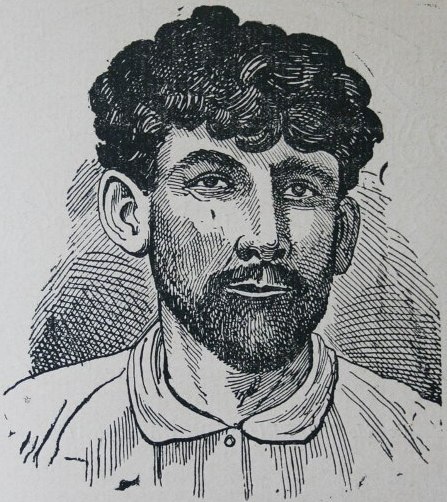
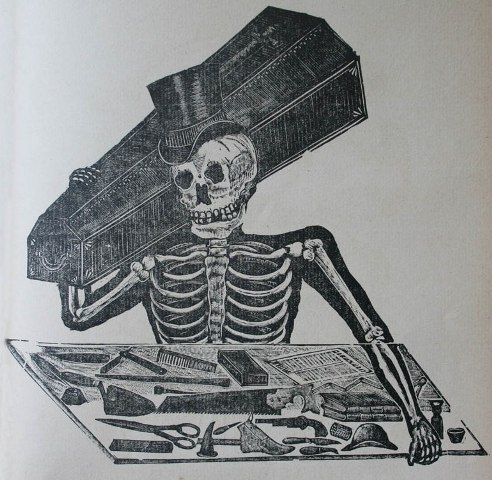
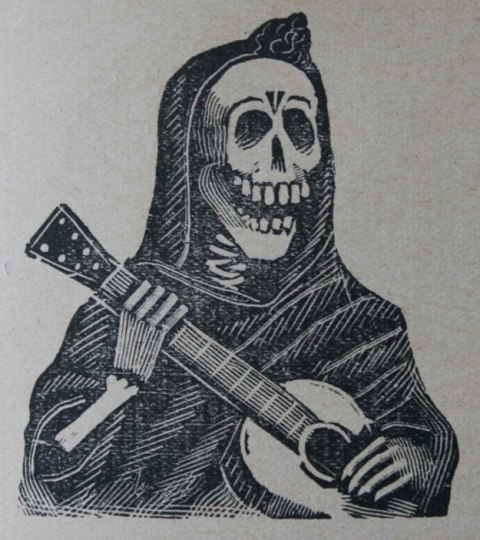
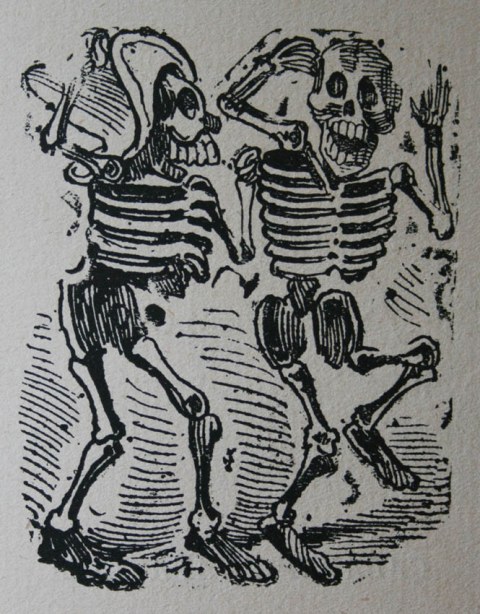
The etchings of José Guadalupe Posada (1852-1913) demonstrated a worldview that was, and often still is, profoundly Mexican. A commercial illustrator who also printed political broadsides, Posada invented the ‘calavera’ portrait. Calavera means skull, and by extension, skeleton. Aspects of the nation’s Indigenous heritage (skulls and death-goddesses were central to Aztec and Maya cultures) plus its Spanish cultural inheritance (death-oriented monastic orders, the ‘dance of death’ and ‘memento mori’ traditions) combine in Posada’s rustic yet sophisticated prints to give us the flavour of the average Mexican’s stoical yet humorous appreciation of Death.
.
To read a description, allow your ‘mouse’ to hover over each image.
. . .
Frida + Diego: poems, pictures / pinturas, poemas
Posted: October 20, 2012 Filed under: Eduardo Urueta, English, Frida + Diego: poems + pictures / pinturas + poemas, Hellen Chinchilla, José Pablo Sibaja Campos, Spanish, ZP Translator: Alexander Best Comments Off on Frida + Diego: poems, pictures / pinturas, poemas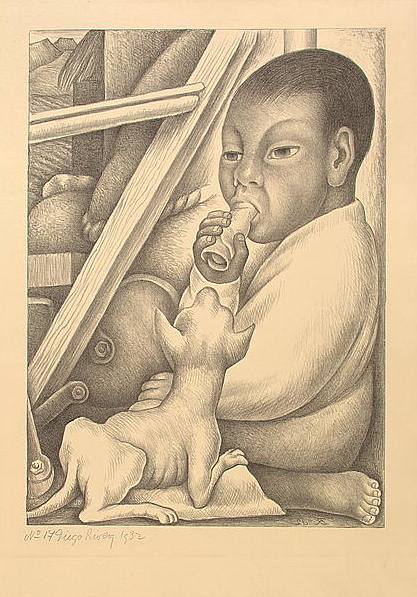
Today in Toronto, at the Art Gallery of Ontario, a first-time-ever exhibition in Canada opens: “Frida and Diego: Passion, Politics and Painting”. Combining the divergent artworks of México’s famous bohemian ‘power couple” of the twentieth century, Frida Kahlo and Diego Rivera – an odd yet charismatic pair of artists/soul-mates.
.
Diego Rivera (1886-1957) put México on the map internationally for his enormous public murals depicting Mexican history with a distinct Marxist perspective – and by placing Indigenous people front-and-centre in his work. Arguably, fellow muralists José Orozco and David Siqueiros were superior artists but Rivera’s vast energy and robust national/historical vision place him at the forefront. Though in his smaller painted canvases (some of which may be seen at the A.G.O. show) Rivera is wildly uneven as to technique and intellectual perspective – he can be cloying and mediocre – still, he is an exceptional figure for his vitality alone.
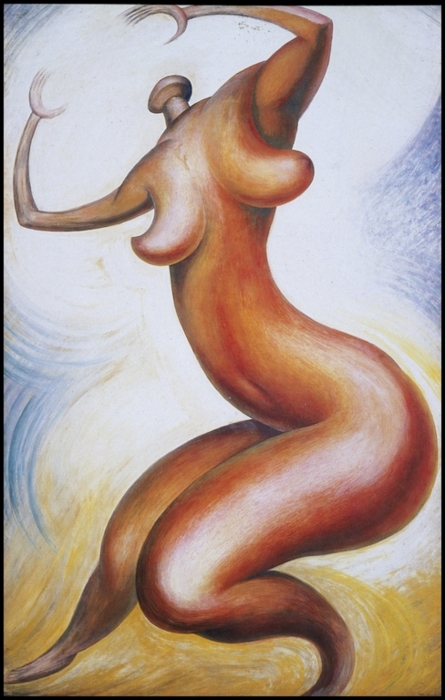
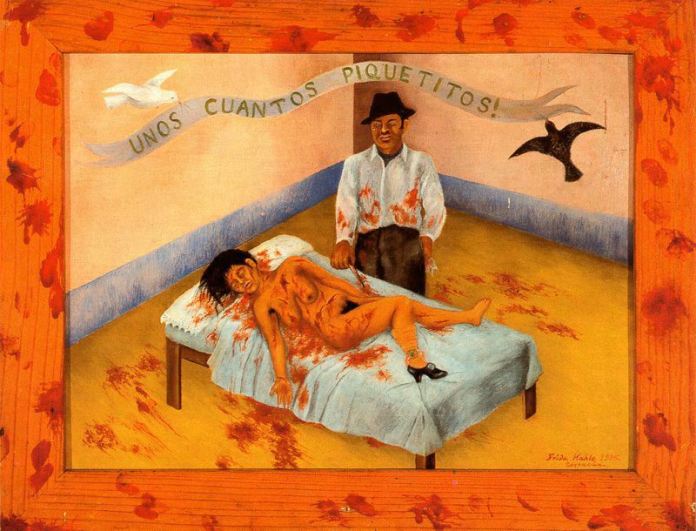
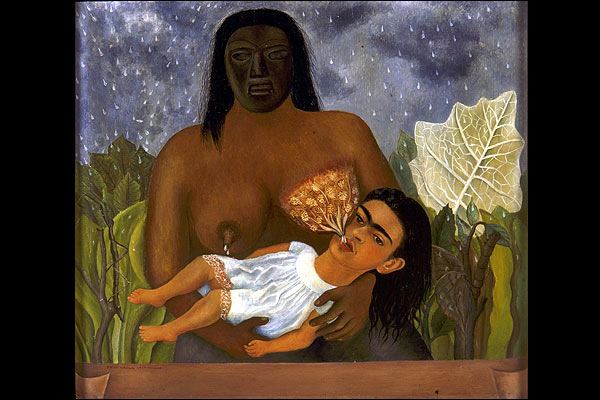
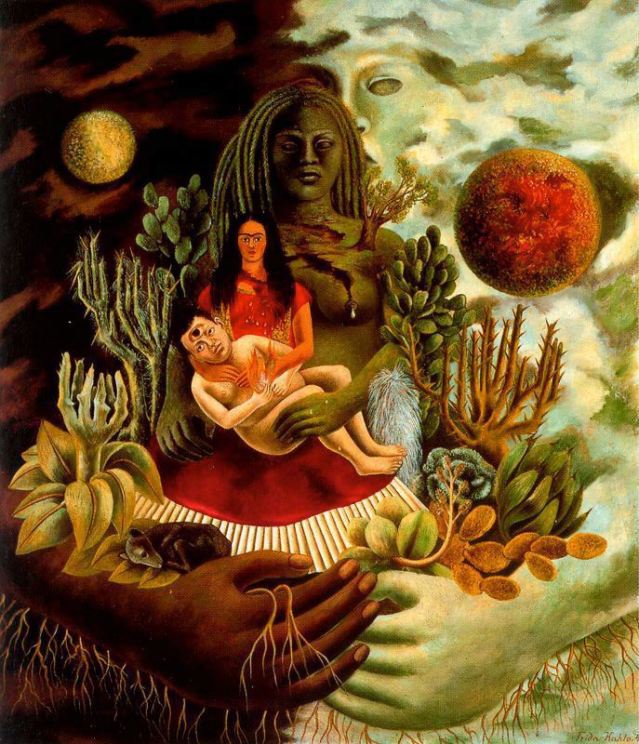
A maverick originality defines Frida Kahlo (1907-1954). In her short gutsy life she altered people’s perception of what it meant to be a woman painter. Though her small-size – and they are almost always small – canvases lack painterly finesse , nonetheless they are deeply affecting for their self-absorbed even disturbingly raw subject matter/point of view. Here was something new in a female painter – and Kahlo has been embraced by Surrealists, Feminists, champions of “Mestizaje”, Disabled and Chronic-Pain Activists, Body Self-Modifiers, and dedicated Non-Conformists. All have found what they needed in the work and life of this complex artist and woman – one who continues to fascinate a new generation now discovering her.
.
We present three poems in translation from Spanish by young poets who have meditated upon the “meaning of” Diego and of Frida…
. . .
Hoy en Toronto, el 20 de octubre, se inaugurará en La Galería de Arte de Ontario una exposición centrada en obras de los artistas Frida Kahlo y Diego Rivera – y titulada: Frida y Diego: Pasión, Política y Pintura. Es la primera vez que están en Canadá las pinturas de estos “compañeros” lo más famosos del arte mexicano del siglo XX.
Y para celebrar este hecho – las reflexiones de tres poetas…
. . .
Eduardo Urueta (pseudonym)
“Poem for Diego Rivera” (December 2011)
.
México:
The wet-nurse that breastfed you,
Who gave you your icy tone in love,
And who drew you, with his plump hands, as
Black women, soldiers on fire, Communists, kids;
México misses you –
this place is a fountain of the dismal…
.
So pronounced is your brow – like your temper.
So easygoing – so bearable – these mummy-like buildings.
The México of your tree-of-awareness is – like you – dead.
They’ve got skeletons – ‘at par’ now.
We are grey dust – smog – save for
Guanajuato which keeps on with its brightly-coloured houses in the hills and its
Streets smelling of oil paints – almost kissing us.
.
The buckets which by you got filled in two days
And by the third became big round chests or trunks-ful,
Were:
1. a nude portrait of (audacious poetess) Guadalupe Amor
2. a transvestite you never wanted and who ‘rouged’ you with his bearded cheeks,
And
3. your dead son by your first wife, Angelina Beloff.
.
So much matrimony to satisfy your hefty body,
So much travel to make ‘bug out’ those toad-eyes of yours,
So many kilometres of walls
To fill this country UP with History.
.
You are in debt.
You await – you hope for – a novice urbanization.
You have to hope – always – that the
Wall of memory (painted by you)
Bears the weight of – can hold up – the sky for you.
People will continue to love
The “Bellas Artes” fresco,
and that staircase mural decorated by your hands
– until the thing collapses and falls down…
. . .
Eduardo Urueta (Seudónimo)
“Poema para Diego Rivera” (diciembre 2011)
.
México:
la nodriza que te amamantó,
quien te dio tu gélido acento de amor,
y quien te dibujó, en las manos llenas,
mujeres morenas, soldados en combustión, comunistas, niños;
te extraña
– es una fuente sombría.
.
Tan pronunciada tu frente, como tu genio
Tan llevadera la momia de los edificios.
El México de tu árbol-conciencia,
como tú, está muerto.
Se hicieron a la par esqueletos.
Somos polvo gris,
excepto Guanajuato que sigue con casas de color en sus cerros
y sus calles huelen a aceite de pintura, a besos.
.
Los cubos que en ti cupieron dos días
y al tercero se volvieron un baúl redondo,
fueron
Un retrato desnudo de Guadalupe Amor,
Un hombre travesti que nunca quisiste y que ruborizaste de rosa
sus mejillas de hombre barbón,
y tu hijo muerto de Angelina Beloff.
.
Tanto matrimonio para llenar tu cuerpo gordo
tanto viaje
para llenar tus ojos de sapo
tanto kilómetro de muros
para llenar de historia al país
.
En deuda estás.
Te espera el blanco de la novicia urbanización
Te ha de esperar, siempre
el muro de la memoria
te ha de sufrir el cielo
por sujetarte el peso.
Te seguirá amando Bellas Artes
su escalera adornada de tus manos
hasta que se derrumbe…
José Pablo Sibaja Campos
“To Frida”
.
Today, when inexorable Time has shown us
How many calendars have gone up in smoke;
Now that the leaves have begun to fall from the trees;
Only just today when the sky seems to be transforming itself into a violent sea;
I – pausing before your face and its glance – have got to say:
Frida Camarada Kahlo,
That which you painted at one time or another as if wanting to speak to me;
The same fixed glance with which you have turned yourself into a nereid, a sea-nymph,
from that murky sea many people wanted to conquer but which few have achieved.
.
To be sure, Frida, there are those who look for you under the shade of some Rivera painting;
Others, naïve ones, find you within the shuttered corridors of a dream
– Poor them! – sad…blind.
They don’t notice that you live in your paintings, your paintings live in you.
Come, Frida, rise up and walk, as if you were the biblical Lazarus.
Show yourself again and let us once more call you:
Woman, Artist, Revolutionary.
. . .
José Pablo Sibaja Campos
“A Frida”
.
Hoy que el inexorable tiempo nos ha enseñado
Cuantos calendarios ha quemado ya.
Ahora que las hojas han empezado a caer de los árboles,
Justo hoy que el cielo parece convertirse en un mar violento,
Tengo que decirlo, me detuve ante tu mirada
Frida Camarada Kahlo
Esa que pintaste una y otra vez como queriendo hablarme,
La misma mirada con la que te has convertido en la nereida
Del turbio mar que muchos quisieron conquistar
Pero que pocos han logrado.
.
Es cierto Frida algunos te buscan balo la sombra de un tal Rivera,
Otros ingenuos,
Te hallan en los postigos pasillos del sueño
Pobre de ellos, tristes…ciegos.
No se dan cuenta que vives en tu obra y tu obra en ti.
Ven Frida levántate y anda, cual si fueras el Lázaro bíblico
Muéstrate de nuevo y déjanos llamarte una vez más;
Mujer, Artista, Revolucionaria.
. . .
Hellen Chinchilla
“Between transgression and normalcy”
.
Why?
Why do you have to be along that line where there are no lines – no horizons?
Why are you not the same as all the others?
Why must you be seen as transgressive and not as normal?
Where is that fine line that keeps you apart?
Apart to be what you must be!
Forced by life, by decision, and by pain to be in that line off to one side,
where the others, even though they wanted not to be there,
are leaving behind the boundaries of the hetero…
Oh, you knew how to love…
You – different Woman,
Woman-transgressor,
Normal Woman – and then some.
Woman.
Hellen Chinchilla
“Entre la transgresión y la normalidad”
.
¿Por qué?
¿Por qué debes estar en la línea dónde no hay líneas?
¿Por qué no eres de las mismas?
¿Por qué tienes que ser vista como transgresora y no como normal?
¿Dónde está esa delgada línea que te mantiene al margen,
Al margen de ser lo que debes ser?
Obligada por vida, decisión y dolor a estar en la línea de al lado
En donde las otras, aunque quieran no pueden estar
Dejando atrás la frontera de lo hetero…
– Supiste amar…
Mujer diferente,
Mujer transgresora,
Mujer normal – o una más…
Mujer.
. . . . .
Traducciones del español al inglés / Translations from Spanish into English: Alexander Best
“A Frida” y “Entre la transgresión y la normalidad” y “Poema para Diego Rivera”
© José Pablo Sibaja Campos, Hellen Chinchilla, Eduardo Urueta
. . . . .
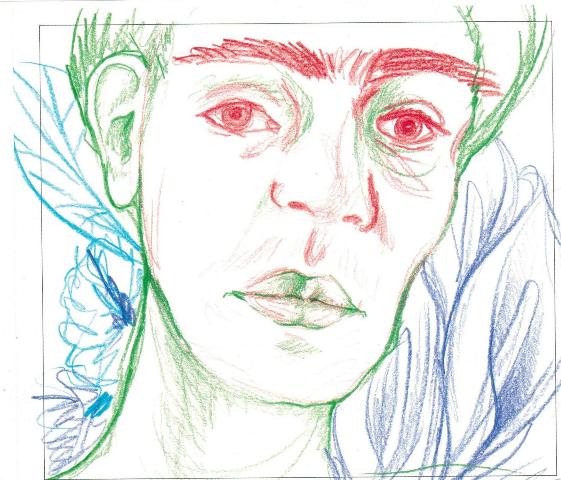
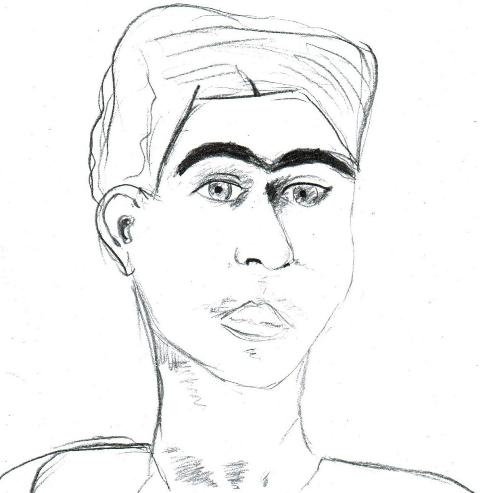
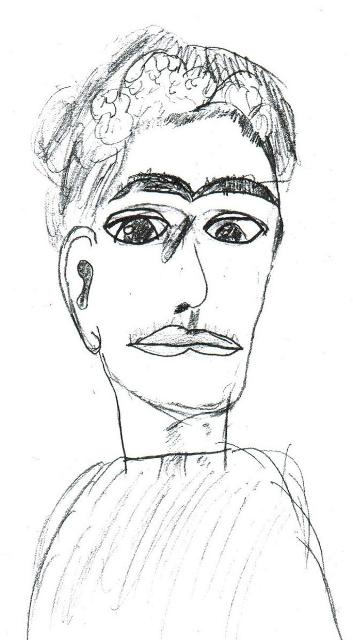
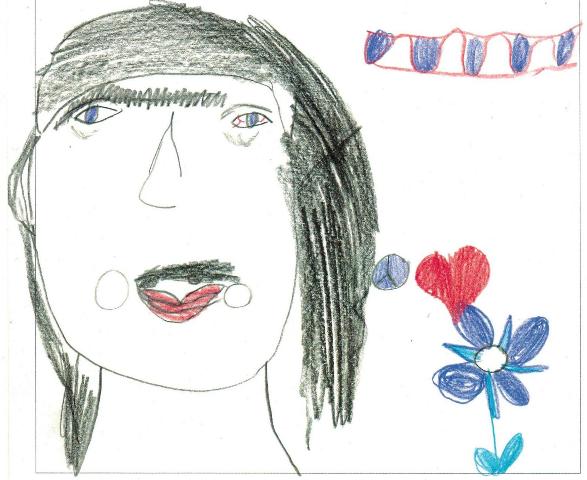
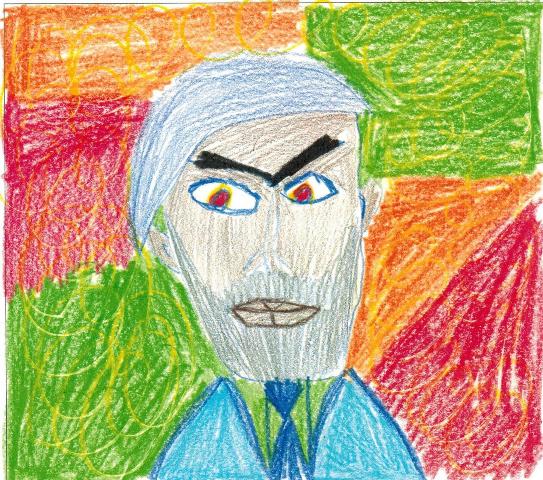
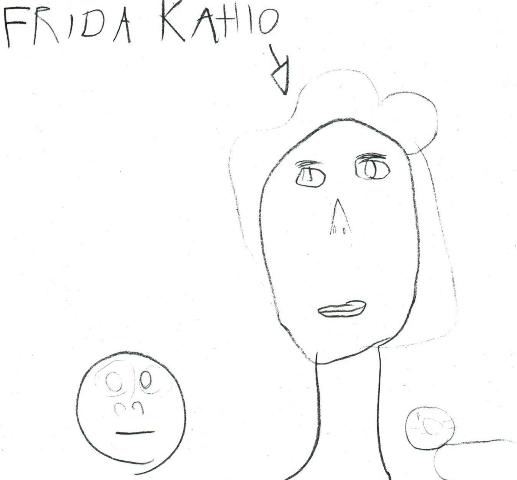
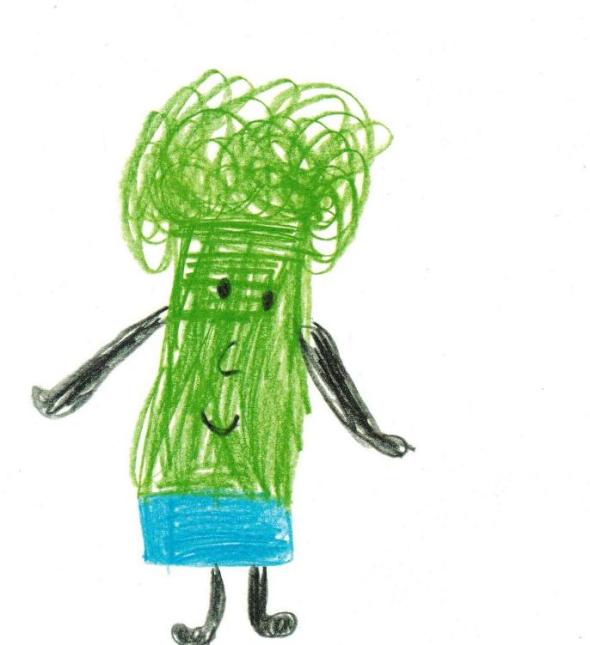
Retratos de Frida Kahlo: dibujos hechos por unos adolescentes y niños en Toronto, Canadá, otoño de 2012:
Lupicínio Rodrigues: “Volta” / “Come back to me”
Posted: October 13, 2012 Filed under: English, Lupicínio Rodrigues, Portuguese, Translator's Whimsy: Song Lyrics / Extravagancia del traductor: Letras de canciones traducidas por Alexander Best, ZP Translator: Alexander Best Comments Off on Lupicínio Rodrigues: “Volta” / “Come back to me”
“Volta”
(Letras/música: Lupicínio Rodrigues, compositor brasileiro, 1914-1974:
canção cantada por Gal Costa, 1973)
.
Quantas noites não durmo
A rolar-me na cama
A sentir tantas coisas
Que a gente não pode explicar – quando ama.
.
O calor das cobertas
Não me aquece direito
Não há nada no mundo
Que possa afastar esse frio do meu peito.
.
Volta,
Vem viver outra vez ao meu lado
Não consigo dormir sem teu braço
Pois meu corpo está acostumado.
.
Volta,
Vem viver outra vez ao meu lado
Não consigo dormir sem teu braço
Porque meu coração está acostumado…
. . .
“Come back”
(words and music by Lupicínio Rodrigues, Brazilian composer, 1914-1974:
as sung by Brazilian singer Gal Costa, 1973)
.
How often I can’t sleep!
– tossing and turning in bed –
Feeling so many things
That people – who are in love – cannot explain.
.
The heat of the blankets
Doesn’t warm me well
And there’s no-one in this world
Can keep this chill from my breast.
.
Return to me,
Come live again at my side
I can’t keep sleeping without your arms around me
– well, my body’s grown used to you!
.
Come back,
And live once more by my side
I can’t go on sleeping without your embrace
– and my heart’s accustomed to you now…
.
Translation/interpretation from the Portuguese: Alexander Best
Nezahualcoyotzin: in xochitl in cuicatl / Nezahualcóyotl: su “flor y canto”(poesía náhuatl)…y poemas del siglo xxi, inspirados en él
Posted: August 19, 2012 Filed under: Náhuatl, Nezahualcóyotl, Nezahualcoyotzin: in xochitl in cuicatl / Nezahualcóyotl: su "flor y canto"(poesía náhuatl) y poemas del siglo xxi - inspirados en él, Spanish | Tags: Poemas a Nezahualcóyotl, Poemas de Nezahualcoyotzin Comments Off on Nezahualcoyotzin: in xochitl in cuicatl / Nezahualcóyotl: su “flor y canto”(poesía náhuatl)…y poemas del siglo xxi, inspirados en él
Nezahualcoyotzin (1402-1472)
Amoxcalco pehua cuica
.
Amoxcalco pehua cuica
yeyecohua Yehuaya
quimoyahua xochitl
on ahuia cuicatl.
Oha mayya hue hahuayya … Ohuaya Ohuaya.
*
Icahuaca cuicatl
oyohualli ehua-tihuitz
zan quinanquiliya
toxochayacach
quimoyahua xochitl
on ahuia cuicatl.
*
Xochiticpac cuica
in yectli cocoxqui
ye con ya totama
a-itec.
Ho ilili yaha ilili yio
hui ohui ohui … Ohuaya Ohuaya.
*
Zan ye con nanquilia
in nepepan quechol
in yectli quechol
in huel ya cuica
ha ilili yaha ililili
ohui ohui ohui … Ohuaya Ohuaya.
*
Amoxtlacuilol in moyollo
tocuicaticaco in tictzotzona in mohuehueuh
in ticuicanitl
xopan cala itec,
in tonteyahuiltiya.
Yao yli yaha ilili lili iliya ohama hayya … Ohuaya Ohuaya.
*
Zan tic moyahua
in puyuma xochitli
in cacahua xochitli
in ticuicanitl
xopan cala itec
in tonteyahuiltiya
Yao ya oli yaha ilili lili iliya ohama … Ohuaya Ohuaya.
*
Xochitli tic ya mana
in nepapan xochitli
ic zan tonteyahuiltiya
ti tepiltzan o ti Nezahualcoyotzin
ah noyol quimati
momaco on maniya
timocozcatiya
xopan in xochitli.
No ama ha om hama hay yaha … Ohuaya Ohuaya.
*
Zan moch ompa ye huitze
onmeyocan ilhuicatli itec
o ica tonteyahuiltiya
ti tepiltzin o ti Nezahualcoyotzin
ah noyol quimati
momaco on maniya
timocozcatiya
xopan in xochitli.
_____
Nezahualcóyotl
(El rey-poeta de Texcoco, 1402-1472)
Un Libro de Canto es tu Corazón
.
En casa de musgo acuático
comienza a cantar,
ensaya su canto.
Derrama flores:
deleita el canto.
*
Repercute el canto,
suenan ligeros los cascabeles:
les responden nuestras sonajas floridas.
Derrama flores:
deleita el canto.
*
Canta sobre las flores
el hermosos faisán:
ya despliega su canto
dentro del agua.
*
Le responden los variados pájaros rojos,
los hermosos pájaros rojos:
bellamente cantan.
*
Un libro de cantos es tu corazón:
has venido a hacer oír tu canto,
tañendo estás tu atabal.
Eres cantor:
entre flores de primavera
deleitas a las personas.
*
Ya estás repartiendo
flores de fragrancia embriagadora,
flores preciosas:
eres cantor:
entre flores de primavera
deleitas a las personas.
*
Flores ofreces,
variadas flores:
con ellas deleitas a los hombres,
oh príncipe Nezahualcóyotl:
ah, mi corazón lo saborea:
se dan y perduran:
con ellas te haces un collar,
con flores primaverales.
*
De allá sólo vienen todas
del sitio de la Dualidad,
de dentro del cielo:
con ellas deleitas a los hombres,
oh príncipe Nezahualcóyotl:
ah, mi corazón lo saborea:
se dan y perduran:
con ellas te haces un collar,
con flores primaverales.
.
Traducción del náhuatl al español: Ángel M. Garibay (1972)
_____
Nezahualcoyotzin
Nitlayocoya, Nicnotlamatiya
.
Nitlayocoya, nicnotlamatiya,
zan nitepiltzin Nezahualcoyotl.
Xochitica ye ihuan cuicatica
niquimilnamiqui tepilhuan,
ayn oyaque,
yehua Tezozomoctzin, o yehuan Cuacuauhtzin
*
Oc nellin nemoan,
quenonamican.
¡Maya niquintoca in intepilhuan,
maya niquimonitquili toxochiuh!
ma ic ytech nonaci,
yectli yan cuicatl in Tezozomoctzin.
O ayc ompolihuiz in moteyo,
¡nopiltzin, Tezozomoctzin!,
anca za ye in mocuic a yca
Nihualchoca,
yn zan hihualicnotlamatico,
nontiya.
*
Zan nihualayocoya, nicnotlamati.
Ayoquic, ayoc,
quenmanian,
titechyaitaquiuh in tlalticpac,
yca, nontiya.
*
Nezahualcóyotl
Recuerdo de Tezozomoctzin y Cuacuauhtzin
.
Estoy triste, me aflijo,
yo, el señor Nezahualcoyotl.
Con flores y con cantos
recuerdo a los príncipes,
a los que se fueron,
a Tezozomoctzin, a Cuacuauhtzin.
*
En verdad viven,
allá en donde de algún modo se existe.
¡Ojalá pudiera yo seguir a los príncipes,
llevarles nuestras flores!
¡Si pudiera yo hacer míos
los hermosos cantos de Tezozomoctzin!
Jamás perecerá tu renombre,
¡oh, mi señor, tú, Tezozomoctzin!
Así, echando de menos tus cantos,
me he venido a afligir,
sólo he venido a quedar triste,
yo a mí mismo me desgarro.
*
He venido a estar triste, me aflijo.
Ya no estás aquí, ya no,
en la región donde de algún modo se existe,
nos dejaste sin provisión en la Tierra,
por esto, a mí mismo me desgarro.
Traducción del náhuatl al español:
.
Miguel León-Portilla (1972)
_____
Yoyontzin (Nezahualcoyotzin)
Yeccan tinemico xochipan…
.
Yeccan tinemico xochipan tinemico,
ah in tocnihuan.
¡Ma yuhcan quentetl,
ma on nemohua!
*
In zan in ni Yoyon*
ye nican paqui
toyollo tixco timatico
yectli totlatol
ah in tochihuan.
In zan achico.
¡Ma yuhcan quentetl,
ma on nemohua!
.
*Yoyon = Yoyontzin = Nezahualcoyotzin
_____
Vivimos en buen tiempo
por Yoyotzin (nombre honorífico de Nezahualcóyotl)
.
¡Vivimos en buen tiempo, vivimos sobre flores,
oh amigos!
¡Aunque así es un momento,
que así se viva!
*
Yo soy Yoyon*:
aquí me alegro.
Nuestra cara, nuestro corazón vinimos a conocer:
bellas son nuestras palabras,
oh amigos.
¡Sólo por breve tiempo!
¡Aunque así es un momento,
que así se viva!
.
*Yoyon=Yoyotzin=Nezahualcóyotl
Traductor: Ángel M. Garibay
_____
Nezahualcoyotzin
In zan o ihui tinemi
.
In zan o ihui tinemi
zan cuel achic in motloc
monahuac in ipalnemohuani.
Ni hual neiximacho
tlalticpac ye nican.
Ayac mocahuaz:
Quetzalli ya pupuztequi
in tlacuilolli zan no pupulihui
xochitl a cuitlahui:
ixquich ompa ya huicalo
ye ichan.
*
Nezahualcóyotl
Vida fugaz
.
¡Así es como vivimos!:
breve instante a tu lado,
junto a ti, Autor de la Vida:
vine a que me conozcan
aquí, sobre la Tierra.
¡Nadie habrá de quedarse!:
Plumas de quetzal se hacen trizas,
pinturas se van destruyendo,
las flores, se marchitan.
¡Todo es llevado allá
a la casa del Sol!
.
Traductor: Ángel M. Garibay
_____
Nezahualcoyotzin
Ah tlamiz noxochiuh
.
Ah tlamiz noxochiuh
Ah tlamiz nocuic
In nocon ya ehua
Zan nicuicanitl.
*
Xexelihui moyahua
Cozahuia xochitl:
Ye on calaquilo
Zacuan calitic.
*
Nezahualcóyotl
No acabarán mis flores
.
No acabarán mis flores,
no acabarán mis cantos:
yo los elevo:
no más soy un cantor.
*
¡Se reparten, se difunden,
amarillecen las flores:
ya son llevadas
dentro de una mansión de doradas plumas!
.
Traductor: Ángel M. Garibay
*_____*_____*_____*_____*
Cuatro poetas contemporáneos
inspirados en la poesía “flor y canto” del rey-poeta azteca, Nezahualcóyotl
*
Raúl Cáceres Carenzo
Canto al rey poeta
.
Príncipe Nezahualcóyotl,
con tus versos escribo
este poema:
Nuestro corazón esparce cantos,
irradia flores
en la mitad de la noche.
*
En la casa de las pinturas
nos encontramos nuevamente:
la hermandad de los amigos,
la comunidad,
la nobleza.
*
Tu canto resuena de nuevo.
Nuestras cascabelas se hacen oír.
Nuestras sonajas floridas,
nuestros atabales
responden a tu canto
Alegra nuestros corazones.
Derrama flores.
Esparce el canto.
*
Libro de pinturas es tu corazón.
En la casa de la primavera resuenan tus cantos.
*
Aquí lo entiende entonces mi corazón:
Oigo una flor/Veo el canto
*
En el libro de pinturas del poeta hallamos
al Dador de la vida.
Con flores escribes, Príncipe Nezahualcóyotl:
con cantos das color,
con cantos sombreas
A los que han de vivir en la tierra.
*
Sólo en tu libro de pinturas vivimos.
Así lo comprende hoy mi corazón.
_____
Uriel Valencia
La canción de Dirse
.
1. Junto a los pájaros la lluvia del tiempo/
a la hora en que el viento guarda lo que la vida trae
alguien esconde el polen herido de la tarde/
a la hora en que la soledad reposa
su despiadada ofrenda/
a la hora en que tú creces
llena de esta ternura de azogue/
en algún sitio
mi locura
el jazz intermitente que submerge en alcohol
la tristeza/
entonces habla de Dirse/
del origen que transita tu nombre/
del galope azul el llanto/
a la hora en que la noche abre el frío de la espera
la lluvia agonizante las veredas secretas
del miedo descubre/
entonces/y sólo entonces/cuando la poesía escribe/
emerges/
transitas la sangre/
descifras
las espuelas sublimes del deseo.
.
2. aquí encendimos por ti los caminos de la brisa/
aquí del amor sus barcos/
de la palabra su leve aventura/
aquí los pasadizos
y túneles báquicos del íntimo orgasmo/
sus himnos de guerra/
.
3. tengo junto la vida que es todo lo que tengo/
todo lo que acecha ceniza ungida de milagros/
de barro este puñal de asombro/
en el viento la palabra que es todo lo que tengo/
la piel y el vino aterido de sombras/
pero en ti todo lo que es mío y te habla
*
aquí los días del asedio que en esta noche enumeras/
rastreándome hierve descalzo el silencio
en el llano/
en los dinteles de la historia/
*
aquí todas las inscripciones y telúricos dardos
y junto a ti/
¡Oh Dirse!/
la poesía que es todo lo que tengo…
_____
Yamilé Paz Paredes
Pintar tu canto
(A Nezahualcóyotl)
.
Ponme como la flor de leche
sobre tu frente
Ponme como la flor rosada del cacao
sobre tu pecho
Ponme como la flor de maíz amarillo
alrededor de tu cintura
*
Sólo en las flores hay encuentro
Sólo en las flores hay abrazo
Sólo en las flores hay reunión
*
El canto de los poetas es un inmenso
ramo de flores
Y el poema es una flor
*
Ponme como la flor del amanecer
sobre tu boca
No te sacies de flores
que no se sacie nunca de flores y de canto
tu corazón
Píntame en el interior de una piel de venado
con tinta negra y roja
Con esa doble tinta con la cual los poetas
hacen cantar los códices
Ponme como la flor de girasol
sobre tu voz
Que no se desgrane
Que no se marchite
Que no se quiebre esa flor
*
Derrámame en la tierra
como un canto florido
Fecúndame en la noche
como el viento de estío
Ponme como una flor de luna
sobre tu corazón.
_____
Sergio García Díaz
Este Coyote
.
Este Coyote humedece sus belfos.
Lame palabras caramelo.
Persigue zorritas confundido.
Tiene hambre, pero dice que está en ayuno.
*
Es un estratega, tiene sueños.
Separa las aguas saladas de las dulces.
Riega jardines y se baña tres veces al día.
Toma pulque, duerme y las estrellas lo arrullan.
Cien mujeres esperando están.
*
Es guerrero, tiene lanza, rodela y mira desde lejos
al que viene y al que va.
Sube al monte y en una piedra construye anáforas.
Se comunica con la humanidad.
*
Sus lágrimas llenan cuencas que se desbordan;
secas, son salitre y, en marzo, remolinos
que se van.
El caos es su fuerza
y la metáfora su forma de comunicar.
*
Le dicen Coyote
porque platica con la luna
y en ayunas
construye una ciudad.
*
Territorio simbólico,
espacio abierto, tiempo inmóvil,
vasta geografía,
mítica, sagrada.
*
Coatlicue:
zurce los amplios pliegues del tejido social,
muere por nosotros, aquí, en la hora,
de nuestra vida, amén.
*
Coyote,
símbolo de lujuria
cobijo de los desvalidos,
soledad acompañada de monólogos internos.
*
Lluvia de colores,
mural de perros:
axolotl, escuincles,
coyote en ayuno.
*
Coyote,
aúlla por nosotros,
hermanito,
camarada.
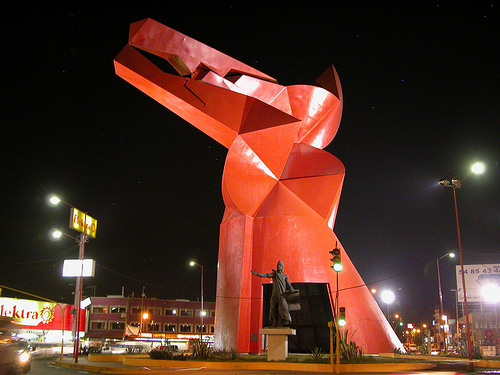
La selección de poemas contemporáneos está del libro conmemorativo – “Tú vivirás para siempre: poemas a Nezahualcóyotl” © 2002, Francisco Javier Estrada, editor
Flags of Canada: July 1st, 2012
Posted: July 1, 2012 Filed under: Flags of Canada, IMAGES Comments Off on Flags of Canada: July 1st, 2012



For information about each flag, allow your cursor to hover over the image.
. . . . .
Faces and places: Canadian Gay heroes sung and unsung
Posted: July 1, 2012 Filed under: Faces and places: Canadian Gay heroes, sung and unsung, IMAGES Comments Off on Faces and places: Canadian Gay heroes sung and unsung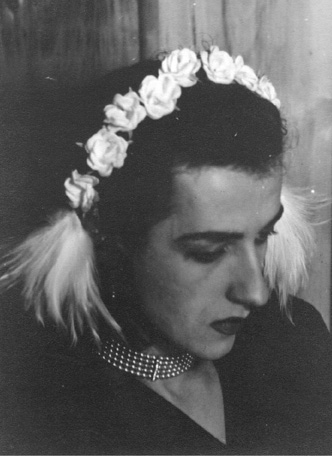
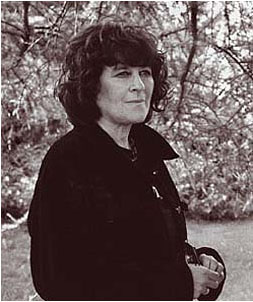
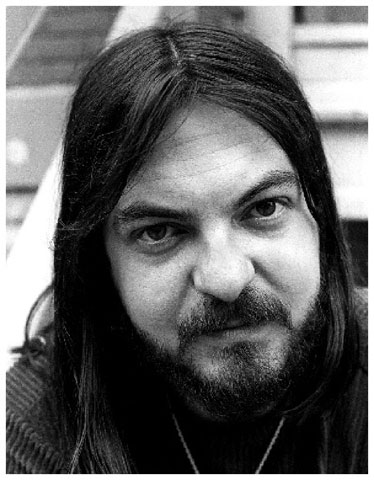
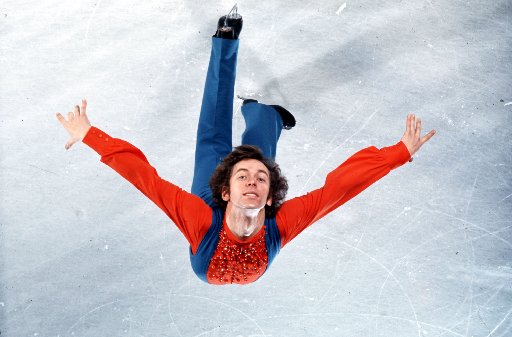
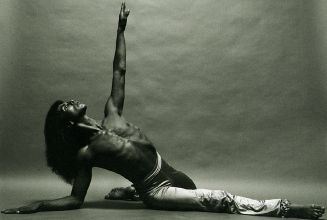




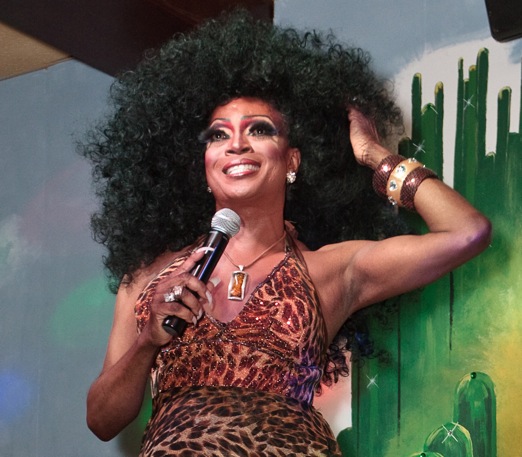
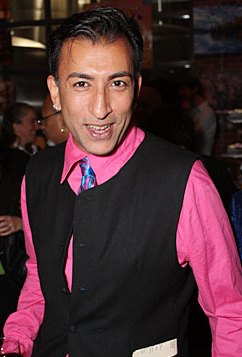

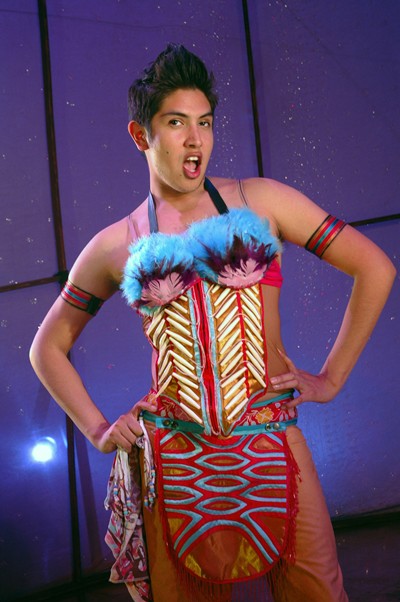

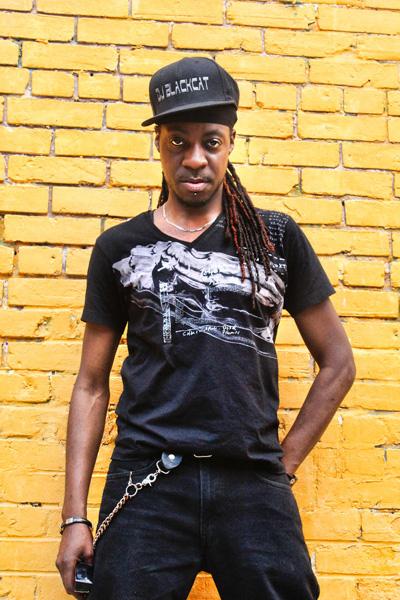

For information about each photograph, allow your cursor to hover over the image.
Peter Blue Cloud: Tales and Poems of Coyote
Posted: May 15, 2012 Filed under: English, Peter Blue Cloud: Tales and Poems of Coyote Comments Off on Peter Blue Cloud: Tales and Poems of Coyote
Peter Blue Cloud
Coyote makes the First People
Coyote stopped to drink at a big lake and saw his reflection. “Now there’s a really good-looking coyote,” he said, leaning farther over.
And of course he fell in. And of course you will think this is a take-off on an old theme.
But what happened was, he drank up the whole lake to keep from drowning. And because he didn’t really like the taste of certain fish, he spat them out. And because he felt sorry when he saw them flopping around, he sang a song to give them legs.
“Maybe they’ll become the first people,” Coyote mused aloud.
“Oh no you don’t,” said the headman of that tribe of fish, “if it’s all the same with you, could you just put us back where we were? And could you please take away these stupid legs?”
So Coyote regurgitated the lake and put everything back the way it was.
Again he saw his reflection and said, “Okay, you’re pretty good-looking, but are you smart? I’ve been trying to make the first people for a long time now, but nothing wants to be people. So, what do I do – huh – can you tell me?”
His reflection studied him for a long time, then it squatted and dropped a big turd.
“Okay,” said Coyote, “I guess that’s as good an answer as any.”
Then he himself squatted and began to fashion the first people…
_____
An Arrangement
Three dried stems of grass. A horizontally branching twig of bittersweet. A single, tiny, hand-like bit of cedar bough found upon the ground.
How to place their stems within the narrow neck of a delicate, ceramic vessel?
Ah, good…But no, perhaps I should break one of the grass stems, to give a sharp downward angle, to balance the bittersweet.
But that’s manipulation, isn’t it? Well – so’s picking them in the first place.
“We’re out of kindling,” Coyote Woman said.
Hm, cedar kindling sure makes a nice, smooth, splintering, creaking, tearing-like-jerky noise as the axe penetrates. If I close my eyes I can daydream the sound into scenes and sensations and imagine all kinds of… …
Yes, Coyote is even like this, sometimes.
_____
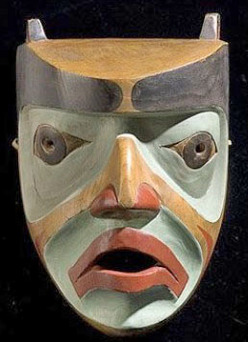
Coyote, Coyote, Please Tell Me
– What is a shaman?
A shaman I don’t know
anything about.
I’m a doctor, myself.
When I use medicine,
it’s between me,
my patient,
and the Creation.
*
Coyote, Coyote, please tell me – what is power?
It is said that power
is the ability to start
your chainsaw
with one pull.
*
Coyote, Coyote, please tell me – what is magic?
Magic is the first taste
of ripe strawberries, and
magic is a child dancing
in a summer’s rain.
*
Coyote, Coyote, please tell me – why is Creation?
Creation is because I
went to sleep last night
with a full stomach,
and when I woke up
this morning,
everything was here.
*
Coyote, Coyote, please tell me who you belong to?
According to the latest
survey, there are certain
persons who, in poetic
or scholarly guise,
have claimed me like
a conqueror’s prize.
Let me just say
once and for all,
just to be done:
Coyote, he belongs to none.
_____
Elderberry Flute Song
He was sitting there on a stone
at world’s end,
all was calm and Creation was
very beautiful.
There was a harmony and a wholeness
in dreaming,
and peace was a warming breeze
given by the sun.
*
The sea rose and fell
in the rhythm of his mind,
and stars were points of thought
which led to reason.
The universe turned in the vastness
of space like a dream,
a dream given once and carried
forever as memory.
*
He raised the flute to lips
sweetened by springtime
and slowly played a note
which hung for many seasons
above Creation.
And Creation was content
in the knowledge of music.
*
The singular note drifted
far and away
in the mind of Creation,
to become a tiny roundness.
And this roundness stirred
to open new born eyes
and gazed with wonder
at its own birth.
Then note followed note
in a melody which wove
the fabric of first life.
The sun gave warmth
to waiting seedlings,
and thus were born
the vast multitudes
from the song
of a flute.

Editor’s note:
The Coyote (“Canis latrans”) is related to the domestic dog, the wolf, and the fox – and based upon its proven adaptability to human settlement is one of the most reviled – and admired – North American animals of the last century-and-a-half.
*
And then there is Coyote…
Coyote can be Trickster, Fool, Clown – and even The Creator – in Native mythologies of North America.
Often anthropomorphic, he is energetic, slyly resourceful, full of himself, goofy, embarrassing, a total liar and completely honest.
Coyote has been compared to Prometheus in Greek mythology and Anansi in the Ashanti mythology of Ghana.
But how about the Irish Leprechaun — or Bugs Bunny ? They share a lot in common with Coyote, too.
Encounters with Coyote are often spiritually transformative for Human Beings – and he himself is neither dog nor wolf nor fox but a synthesis-in-progress, with Us thrown in just to keep it weird. Life Lessons plus earthy humour – these are Coyote’s “story”.
*
Peter Blue Cloud (Aroniawenrate) (1935 – 2011)
was a Mohawk poet and short-story-teller – of the Turtle Clan – born in Kahnawake, Mohawk Territory, (Québec, Canada).
He travelled to the west coast of the USA where he spent years as an iron-worker, logger and ranch-hand.
He participated in the craziness of Beat and Hippy cultures in the California of the early 1960s through the mid- ‘70s – learning from those amorphous “movements” yet distancing himself from their excessive self-absorption. Spending time with Maidu Elders in California, he was strengthened by their wisdom and their stories.
In 1972 his history of the 1969 Native “Occupation” of the former Alcatraz Prison/Island – “Alcatraz is not an Island” – was published. In 1975-76 – and again from 1983-85 – he wrote for and edited Akwesasne Notes, a Native journal published out of Akwesasne, New York.
He was a recipient of the American Book Award in 1981 – chosen by other writers.
Poemas de Amor en el idioma quechua / Sunqupa Harawinkuna
Posted: May 10, 2012 Filed under: #1 – ¡Nuestro Número Uno! Poemas en Quechua, Quechua, Spanish Comments Off on Poemas de Amor en el idioma quechua / Sunqupa Harawinkuna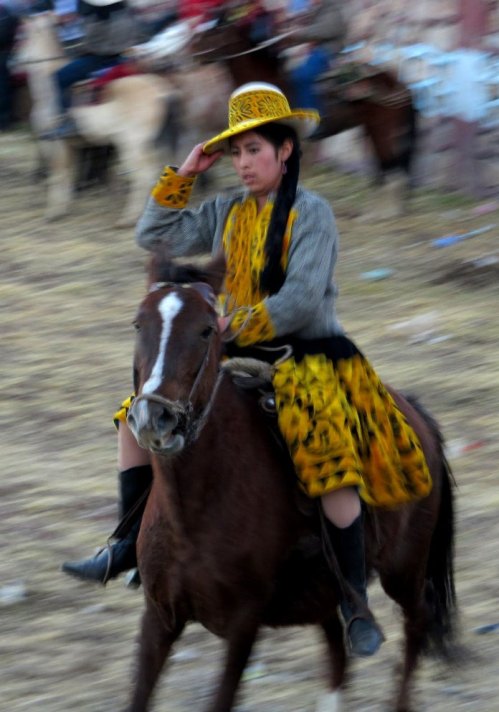
Poemas de Amor en el idioma quechua / Sunqupa Harawinkuna
*
Víctor Tenorio García (poeta peruano contemporáneo)
Ven, amada mía Hamuy urpi
Así como el viento Imaynam wayra
Sobre la flor Waytapa
Duerme Hawampi puñun
Así Chaynam
Cuando te evoco Qamta yuyariptiy
Mis recuerdos Yuyapakusqay
Sueñan en tu flor Musqun waytaykipi
_ _
Lucero que al amanecer Achikyaypi quñi
Alumbra en el corazón Quñi pukyupa
Ardiente del manantial Sunqunpi
Entre mis brazos Kanchariq quyllur
Amada mía tú Rikray ukupim qam
Iluminas Waqchirimunki
_ _
Por eso Chaymi
Todo mi ser Lliw runa kayniy
Madero de leno Yanta kullu
Arde por ti Rawrarin
_ Qam rayku
_ _
Ven de prisa Hamuy utqamuy
A mis brazos Rikrayman
Vuela exacta Pawamuy puni
Mi pobre corazón en vano Sunqullaymi yanqa
Te busca Musquyninpi
Con su boca herida Kirisqa siminwan
En sus sueños Sutikita tuqyaypaq
Musita y musita Tuqyachin
Grita en vano Qaparin yanqa
Tu nombre
_ _
Ardiendo Kaynataña
De esta manera Rawraspaqa
Me consumiré Lliwchachaylla
Por entero Kañakurusaq
_ _
Si me convierto en ceniza Kañakuruspa
Tras consumirme Uchpaña kaptiyqa
El viento de la tristeza Llaki wayrach
Con su gélido aliento Qunqachikuq wayrach
Me soplará a la muerte Wañuyman pukuykuwanqa
Sin remedio Chin niqta
_ Riti samayninwan
_ _
Ven paloma mía Hamuy urpillay
Juntos Kuskanchikqa
Floreceremos Wiñaypaqmi
Para siempre Waytarisunchik
Que tu amor Kuyakuyniki
A mi amor Kuyakuyniyman
Retorne Kutirimuchun
Ambos Wayllunakuq
Palomas que se quieren Urpikuna
Flor de felicidad Kusi waytam
Arderán en amor Rawranqaku
Alumbrarán Wiña wiñaypaqmi
Por siempre. Kancharinqaku
_ Kawsaypa sunqunpi.
_____
Víctor Tenorio García
Delirio del deseo Munakuy Muspay
Cuánto quisiera Haykaynaraqcha
Besar insaciable Munayman
La flor de tu boca Quñichkaq qisaykipi
Cuando en tu lecho Chay yana chiwillu
Caliente aún Chukchachaykita
Estés peinando Achikyaq chaskapa
Tu cabellera Ñaqchanwan
Trinar de ruiseñores Ñaqchakuchkaqta
Con peine del lucero Wayta simichaykipi
Del amanecer Muchapayaykuyta
_ _
En vano Yanqa
En mi delirio Muspayniypim
Quemo incendio Tipi wiqawchaykipi
En tu cintura Rawraq makillaykunata
Mis ardientes manos Kañaypaq kañani
Luego Chaymantañataq
Delirante Muspaq
Recojo estrellitas Munapa ñukñu
En tus tiernos Ñuñuchaykikunapi
Turgentes senos Quyllurkunata pallapayani
Y bebo ebrio Killapa
El amor de la luna Kuyakuynintam
_ Upyani sinka
_ _
Al hallarme ya Hanaq Pachapiña
En el Paraíso Rikurispam
Me pierdo Ñawikikunapa
En el fuego Rawrayninpi
De tus ojos Chinkakuni
_ _
De tus golosos labios Runayachiwaqniy
Que me convierten en hombre Mucha mucha
Desciendo Simichaykimantam
Despacio Uraykamuni
De flor en flor Allillamanta
Cantando feliz Waytan waytan
De rodillas Taki takiristin
Agradeciendo Qunquranpa
A los dioses Taytachakunata
_ Riqsikustin
_ _
Entonces Hinaspa
En tu chacrita bella – Yupaychana llamkaq –
– Trabajador memorable – Kuyapa chakrachaykipi
Siembro vida Kawsayta tarpuni
Endulzándome Miskichikustin
Convertido en fuego Nina ninallaña
Dejándome vencer con la muerte Wañuywan sipichikustin
Venciendo Wañuyta sipi sipiristin
Y volviendo a vencer a la muerte
Ay delirio delirio delirio… Ay muspay muspay muspay…
¡Delirio de amor! ¡Munakuy muspay!
_____
¿Sin eso acaso podríamos vivir?
(Poema/canción quechua del Pueblo Kallawaya,
de la época de transición inca-española, siglo xvi)
Las mujeres:
Quítate los pantalones,
Que tu botón me está lastimando
Y después de sacarte
Puedes acostarte conmigo.
Los hombres:
¡Qué inmenso placer había sido
Que se abracen un hombre y una mujer
Y que así estén por siempre!
¡Qué agradable, qué dulce,
Qué me importa lo demás!
Las mujeres:
De ocultas nomás acaríciame
Para que la gente no nos advierta,
Porque si se diera cuenta,
Imitarnos querría de inmediato.
Los hombres:
¿Quién había sido el que no desea
Servirse una apetitosa comida?
¿Y acaso van a murmurar
Por lo que me acuesto con mi mujer?
¡Qué agradable, qué dulce,
Que digan lo que dijeren!
Las mujeres:
¿Por qué juegas de esa manera,
Manoseando indecentemente,
Acaso no has aprendido hasta ahora
Los modales de gente decente?
Los hombres:
¿No te enojes, buena matron,
De lo que acaricio tus formas,
Acaso podríamos vivir felices
Sin ese placer de la vida?
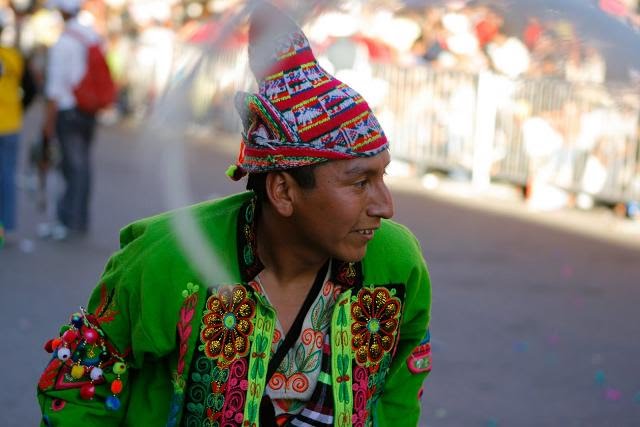
Mana Chaywanri Kawsaykumanchu?
Warmikuna:
Thatharqukuy pantalonniykita,
Botonisayki nanachisqawan,
Pantalonta lluch’urqukuspataq
Nuqapataman sirikamuwanki.
Qharikuna:
Kay jina sumaqri kapuqchu kasqa
Qhari warmiwan mark’anakuyqa,
Jayk’aqkamapas kakuna jina!
Sumaqmari, misk’imari,
Imasmari, jayk’aqmari.
Warmikuna:
Pakallamanta munaririway,
Ama runaq rikhunawanchisqa,
Runa rikhunwanchisman chhikaqa
Kikinta yanakuyta munanman.
Qharikuna:
Pitaqri kasqa mana munakuq,
Mana sumaq mikhúy mikhurikuq?
Chayraykullachu parlankumanri
Warmiywan puñurikusqaymanta?
Sumaqmari, misk’imari,
Imasmari, jak’aqmari.
Warmikuna:
Imatataq jinata pujllanki
Chay jina millayta q’apinakuspa,
Manallachuri kunankamari
Yachanki allin purikuytari?
Qharikuna:
Ama phiñakuychu, sumaq mama,
Sikillaykita munarisqani,
Mana chaywanri kawsanchismanchu,
Kusisqallari tiyanchismanchu?
_____
Adela Zamudio
(poetisa boliviana, y escritor en quechua, 1854-1928)
Para Siempre
Estoy contando los días,
En tu partida pensando
Llorando estoy sin consuelo
De mi pecho en lo recóndito.
*
¡Vete, vete! En otros países
Anda a buscar otra luz
Y olvida en esa alegría
Lo que has padecido aquí.
*
Si hubiera flores en mi árido
Y enfermizo corazón
A derramarlas iría
En la senda que has hollado.
*
Sólo tú me has despertado
Cuando soñaba en la muerte,
Conozco el vivir intenso
Desde que te he conocido.
*
Negra nube, oscura nube
Asomando está a tu rostro,
Todo cuanto has padecido
A mi congoja se junta.
*
¡Vete, vete! Ve y olvida
A todos los que aquí quedan.
¡Pero en verdad tú me dejas
Tu recuerdo para siempre!
Traducción del quechua al español: Jesús Lara (1960)
*
Wiñaypaq Wiñayninkama
Ripuniykita yuyaspa
P’unchaykuná yupasqani,
Sunquy ukhu pakasqapi
Waqaspa tukukusqani.
*
Ripuy, ripuy! Waq llaqtapi
Waq k’anchayta mask’arqamuy
Kaypi ñak’arisqaykita
Chay kusiypi qunqarqamuy.
*
T’ikachus sunquypi kanman
Unphu sunquy ch’akisqapi
T’ikata t’akaspariyman
Purisqayki ñan patapi.
*
Qanllan rijch’arichiwanki
Wañuypi muspaq karqani;
Riqsisusqallaymantaña
Sinchi kawsay kawsasqani.
*
Yana phuyu, laqha phuyu
Uyaykipi rikhukusqan,
Chay chhika llakikusqayki
Llakiyniywan tantakusqan.
*
Ripuy, ripuy! Qunqarqamuy
Tukuyta kaypi kaqkama.
Yuyayniyki saqiwanki
Wiñaypaq wiñayninkama!
_____
Nohj Nektia (poeta boliviano, nace 1944)
Ya me voy
¿Hablas quechua?
te pregunté.
Solamente quechua,
me contestaste.
¿Cómo te llamas, ojosa?
te pregunté.
Me han dado el nombre de una flor.
¿Es bonita mi tierra?
te pregunté.
Aquí me quedaría a vivir,
me dijiste.
¿Has visto la luna plateada?
te pregunté.
Cada noche me alumbra,
me dijiste.
¡Haces aletear mi corazón!
te dije.
Anochece, ya me voy,
me dijiste.
Ripusaqña
Qhiswata rimankichu?
tapurqayki.
Qhiswallata rimakuni
niwarqanki.
Imá sutiyki, ñawisapa?
tapurqayki.
T’ikaq sutinwan sutichawanku.
K’achituchu llaqtay kasqa?
tapusqayki.
Kayllapiña kawsakuyman
niwarqanki.
Qulqi killata qhawankichu?
tapurqayki.
Sapa tuta k’anchariwan
niwarqanki.
Sunquyta pharaqichinki?
willarqayki.
Tutayasan, ripusaqña
niwarqanki.
Cinco de Mayo: Then and Now…
Posted: May 5, 2012 Filed under: Cinco de Mayo: Then and Now, IMAGES Comments Off on Cinco de Mayo: Then and Now…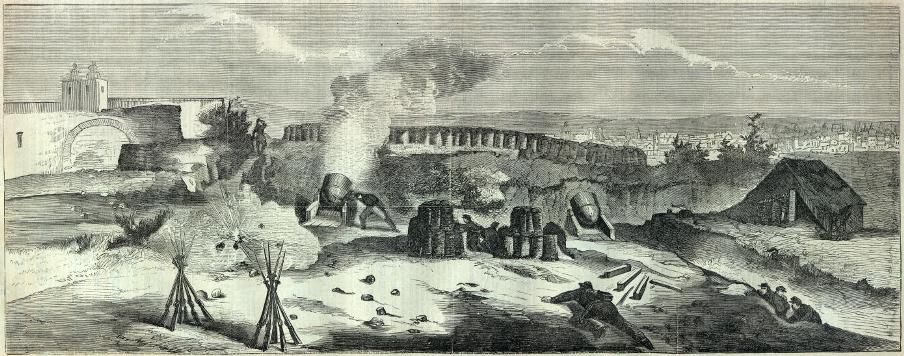 The Battle of Puebla_ May 5th, 1862_a nineteenth century etching
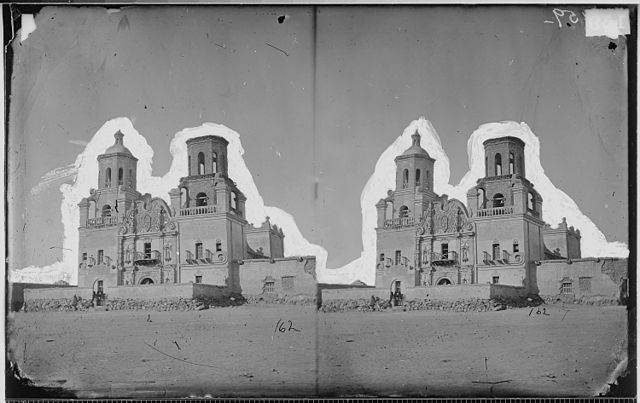 San Xavier del Bac Mission, founded in 1692 by Spanish Jesuits_Tucson, Arizona_a novelty photograph from around 1900
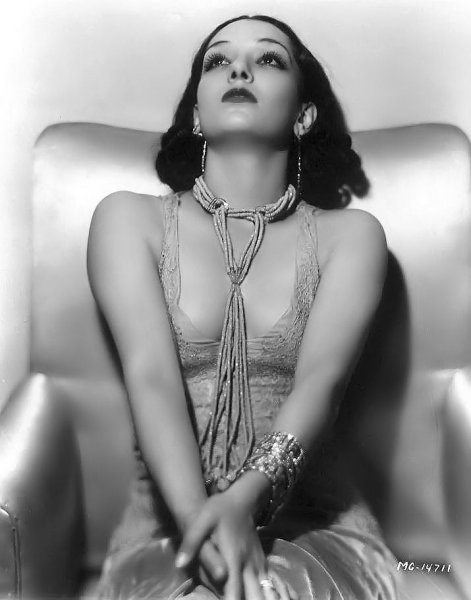 Actress Lupe Velez, 1930s
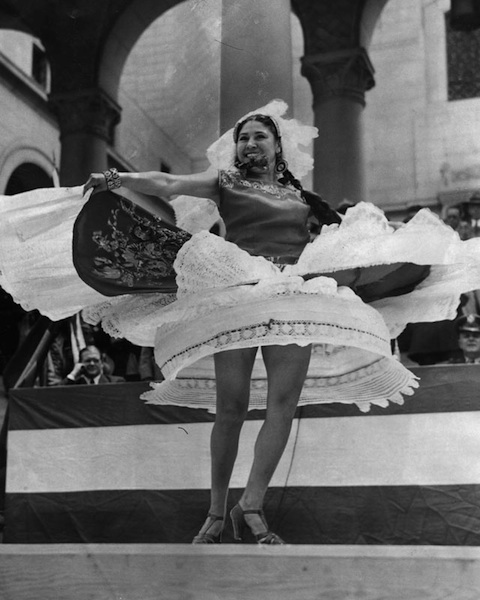 Luz Vasquez dancing on the steps of Los Angeles City Hall_Cinco de Mayo, 1943
 José Limón, modern dancer and choreographer_1944
 Ricardo Montalbán, 1940s
 César Chávez, 1940s
 Pioneer-genius of Stereophonic music_Juan García Esquivel
 César Chávez speaking at a United Farm Workers Rally in 1974_Sí, Se Puede_Yes, It CAN be done!
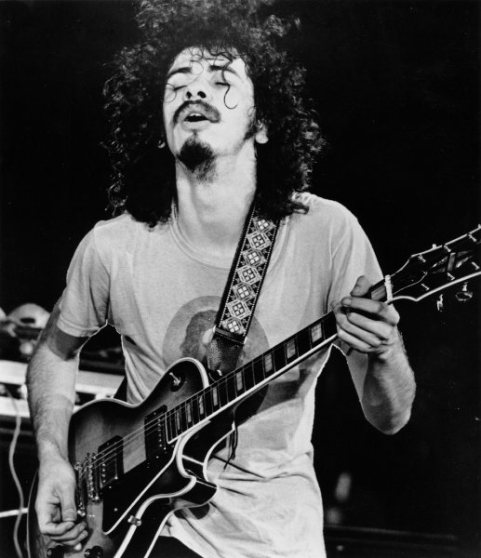 Rock guitarist and singer Carlos Santana
*
Cinco de Mayo (The Fifth of May) refers to the date in 1862 of The Battle of Puebla. When Mexican and French troops clashed outside the town of Puebla it was a crucial event in The Franco-Mexican War (1861-1867). France had invaded México over nonpayment of loan debts but President Napoleon III had imperial designs on México as well. The opposing forces were far from evenly matched – yet México won the Battle and this victory became the turning point in the War.
*
Cinco de Mayo in the USA is not really about The Battle of Puebla – it’s about all things Mexican in “America” – and about all things Mexican-American. In states such as California and Texas – whose very names derive from Spanish and Náhuatl (Aztec) words – and whose territories had been part of “New Spain” (later México) up until the 1840s – Cinco de Mayo can be a holiday akin to St. Patrick’s Day – good times, plus food and drink for all – but the day is also a flashpoint for political activism. In 2012, Mexican-Americans are by now integral to U.S. society, and they have leapt many hurdles, establishing themselves successfully.
Yet the bar has been raised – and in a sinister manner…In 2010, Arizona SB70 – the Support Our Law Enforcement and Safe Neighborhoods Act – gave that state’s police discretionary power to stop people on the street based on suspicion of “being illegal”. Both widely supported and denounced, the law is extremely problematic. And in April 2012, the Tucson School Board voted to discontinue its Mexican-American studies programme – lauded as having an integrating effect on all students – by pandering to fears about the Hispanicization of Arizona. Whatever may be the outcome of these worrying developments, one thing is clear: Mexican-Americans – and there are 32 million of them, representing 10 percent of the population – are full of energy and spirit. They have built, and will build – just like other Peoples – the future of The United States of America.
*
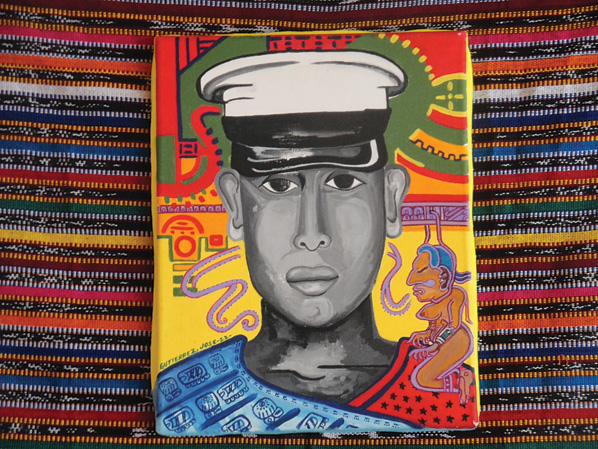 José Gutierrez, U.S. soldier killed in Iraq_memorial portrait by Xicana poet-artist, Ana Castillo
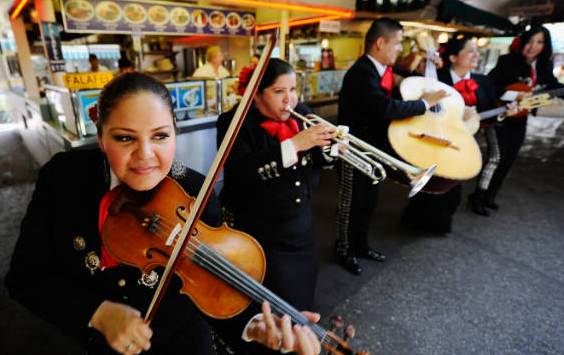 Mariachi Ellas Son performing in Los Angeles_Cinco de Mayo 2011
 “Being Mexican-American is hard. We have to be more Mexican than the Mexicans, and more American than the Americans. Both at the same time — it’s exhausting!”
 Cinco de May hoy día_Bellas Chicas en Rosa
 Zócalo Poets