Lupicínio Rodrigues: “Volta” / “Come back to me”
Posted: October 13, 2012 Filed under: English, Lupicínio Rodrigues, Portuguese, Translator's Whimsy: Song Lyrics / Extravagancia del traductor: Letras de canciones traducidas por Alexander Best, ZP Translator: Alexander Best Comments Off on Lupicínio Rodrigues: “Volta” / “Come back to me”
“Volta”
(Letras/música: Lupicínio Rodrigues, compositor brasileiro, 1914-1974:
canção cantada por Gal Costa, 1973)
.
Quantas noites não durmo
A rolar-me na cama
A sentir tantas coisas
Que a gente não pode explicar – quando ama.
.
O calor das cobertas
Não me aquece direito
Não há nada no mundo
Que possa afastar esse frio do meu peito.
.
Volta,
Vem viver outra vez ao meu lado
Não consigo dormir sem teu braço
Pois meu corpo está acostumado.
.
Volta,
Vem viver outra vez ao meu lado
Não consigo dormir sem teu braço
Porque meu coração está acostumado…
. . .
“Come back”
(words and music by Lupicínio Rodrigues, Brazilian composer, 1914-1974:
as sung by Brazilian singer Gal Costa, 1973)
.
How often I can’t sleep!
– tossing and turning in bed –
Feeling so many things
That people – who are in love – cannot explain.
.
The heat of the blankets
Doesn’t warm me well
And there’s no-one in this world
Can keep this chill from my breast.
.
Return to me,
Come live again at my side
I can’t keep sleeping without your arms around me
– well, my body’s grown used to you!
.
Come back,
And live once more by my side
I can’t go on sleeping without your embrace
– and my heart’s accustomed to you now…
.
Translation/interpretation from the Portuguese: Alexander Best
“Yancuic Xochicuicatl”: Poemas náhuatl para celebrar el Día de la Independencia – ¡Vivan las lenguas indígenas mexicanas, hoy y siempre! / Poems to celebrate México on Independence Day – Long live Her Indigenous Languages, Today and Always!
Posted: September 15, 2012 Filed under: English, Natalio Hernández, Náhuatl, Spanish, ZP Translator: Alexander Best | Tags: Poemas para el Día de la Independencia de México Comments Off on “Yancuic Xochicuicatl”: Poemas náhuatl para celebrar el Día de la Independencia – ¡Vivan las lenguas indígenas mexicanas, hoy y siempre! / Poems to celebrate México on Independence Day – Long live Her Indigenous Languages, Today and Always!
Natalio Hernández (nace 1947, Naranjo Dulce, Veracruz)
Selecciones del poemario Semanca Huitzlin
/ Colibrí de la Harmonía
/ Hummingbird of Harmony (2005)
.
“Yancuic Xochicuicatl”
Huetzis atl
huetzis atl
tiyolpaqui
huetzis atl,
tiyolpaqui
huetzis atl.
.
Huala atl
huala atl
tepetzala
huala atl,
tepetzala
huala atl.
.
Cuali atl
cuali atl
yatihnequi
cuali atl,
yatihnequi
cuali atl
.
Xochi atl
xochi atl
huetztihuala
.
xochi atl,
huetztihuala
xochi atl.
.
Huetzis atl
huetzis atl
tiyolpaqui
huetzis atl,
tiyolpaqui
huetzis atl.
.
“Yancuic Xochicuicatl”: Traducción en inglés / translation into English: Donald Frischmann
.
“New Flowers, New Songs”
It will rain
It will rain
we are happy
it will rain
we are happy
it will rain.
.
Rain is coming
rain is coming
o’er the hills
rain is coming
o’er the hills
rain is coming.
.
Good pure water
good pure water
we now wish for
good pure water
we now wish for
good pure water.
.
Flowered water
flowered water
is now falling
flowered water
is now falling
flowered water.
.
It will rain
it will rain
we are happy
it will rain
we are happy
it will rain.
Note: the words Flower + Song together in Náhuatl mean “Poetry”.
The phrase in Náhuatl is: ” in xochitl in cuicatl “
.
“Yancuic icuic Monteso Xocoyotzin”
Ximosehui tetahtzin
ximoyolsehui
xihcahua cuesoli
amo ximotequipacho;
nican tlachixtoque:
moconehua
mopilhuan
motlacamecayo,
ipan Mexihco totlalnantzin
nican titlachixtoque.
.
Xihuicahuitl panoc
panoc xopanatl;
ehecatl quihuicac cuesoli
quisehui choquilistli
quipahti totlacayo
quitlalochti mahmahtli.
Yancuic tonati
tech tlahuiltihuala.
.
Ximosehui tetahtzin
ximoyoltlali
amo nempolihuis in altepetl
chamanis totlahtol.
Nochipa manis in ixtli,
in yolohtli
in tlacamecayotl,
in xicnelhuayotl.
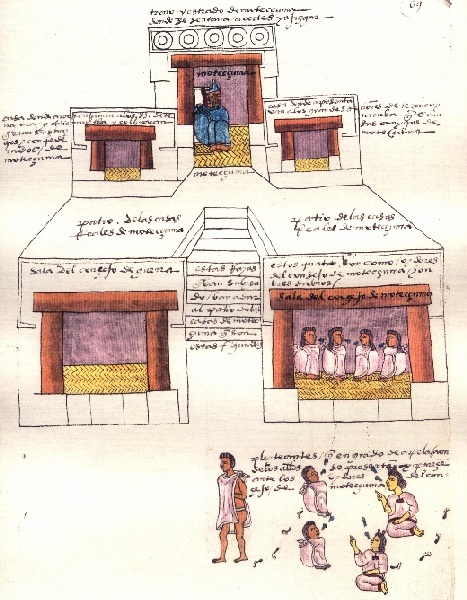
“Canto Nuevo a Moctezuma Xocoyotzin”
Reposa venerable viejo
apacigua tu corazón
abandona la tristeza
ya no te aflijas;
aquí permanecemos:
tus hijos
tus príncipes
tu linaje,
en la nación mexicana
aquí permanecemos.
.
Han pasado los años
la tempestad ya pasó;
El viento recogió nuestra tristeza
secó nuestras lágrimas
restauró nuestras heridas
ahuyentó el miedo.
Un nuevo sol
ya nos alumbra.
.
Reposa venerable viejo
tranquiliza tu corazón;
permanecerá el pueblo
renacerá la palabra.
No perecerá el rostro,
el corazón,
el linaje,
la raíz antigua.
. . . . .
“El Ritmo del Tiempo”
Todo a su debido tiempo…ni antes ni después.
Al año reverdece el campo.
El sol brota en el horizonte cuando la noche recoge su manto.
El hombre madura cuando el otoño llega y los árboles pierden sus hojas…
ni antes ni después.
El colibrí / huitzilin, inverna seis meses al año
y despierta cuando llega Xopantla / la primavera.
Ocurre lo mismo con el amor: llega con el tiempo…ni antes ni después.
.
“The Rhythm of Time”
In due course everything has its time…not before, not after.
The countryside greens up during the passage of the year.
The sun sprouts from the horizon when night gathers up its cloak.
Man matures when autumn comes and the trees lose their leaves
…not any sooner than that, not any later.
Hummingbird / Huitzilin* winters away for half the year
and awakes when Xopantla** / Spring arrives.
The same occurs with Love:
It comes with time…neither too soon, nor too late.
.
*Huitzilin – Náhuatl word for hummingbird
**Xopantla – Náhuatl word for spring
.
“El Ritmo del Tiempo”: Traducción del español al inglés: Alexander Best
“The Rhythm of Time”: Translation from Spanish into English: Alexander Best
Poemas para el Día de la Independencia: perspectivas frescas sobre Malinalli / Doña Marina / Malintzin / La Malinche – de los poetas Rosario Castellanos y Claribel Alegría
Posted: September 15, 2012 Filed under: Claribel Alegría, English, Rosario Castellanos, Spanish, ZP Translator: Alexander Best | Tags: Poemas para el Día de la Independencia de México Comments Off on Poemas para el Día de la Independencia: perspectivas frescas sobre Malinalli / Doña Marina / Malintzin / La Malinche – de los poetas Rosario Castellanos y Claribel Alegría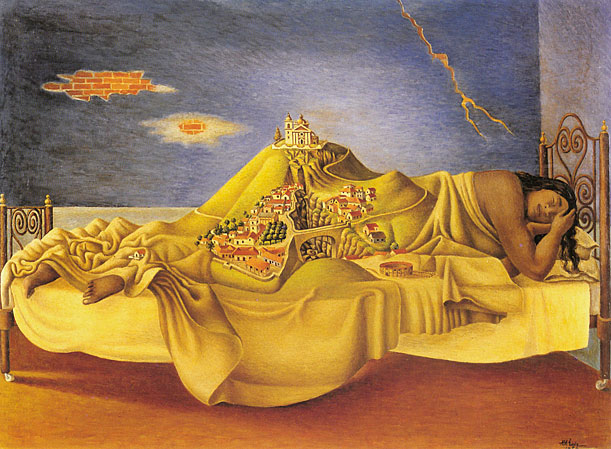
Rosario Castellanos (1925-1974, México)
“La Malinche”
Desde el sillón del mando mi madre dijo: “Ha muerto”.
.
Ya se dejó caer, como abatida,
en los brazos del otro, usurpador, padrastro
que la sostuvo no con el respeto
que el siervo da a la majestad de reina
sino con ese abajamiento mutuo
en que se humillan ambos, los amantes, los cómplices.
.
Desde la Plaza de los Intercambios
mi madre anunció: “Ha muerto”.
.
La balanza
se sostuvo un instante sin moverse
y el grano de cacao quedó quieto en el arca
y el sol permanecía en la mitad del cielo
como aguardando un signo
que fue, cuando partió como una flecha,
el ay agudo de las plañideras.
.
“Se deshojó la flor de muchos pétalos,
se evaporó el perfume,
se consumió la llama de la antorcha.
.
Una niña regresa, escarbando, al lugar
en el que la partera depositó su ombligo.
.
Regresa al Sitio de los que Vivieron.
.
Reconoce a su padre asesinado,
ay, ay, ay, con veneno, con puñal,
con trampa ante sus pies, con lazo de horca.
.
Se toman de la mano y caminan, caminan
perdiéndose en la niebla.”
.
Tal era el llanto y las lamentaciones
sobre algún cuerpo anónimo; un cadáver
que no era el mío porque yo, vendida
a mercaderes, iba como esclava,
como nadie, al destierro.
.
Arrojada, expulsada
del reino, del palacio y de la entraña tibia
de la que me dio a luz en tálamo legítimo
y que me aborreció porque yo era su igual
en figura y rango
y se contempló en mí y odió su imagen
y destrozó el espejo contra el suelo.
.
Yo avanzo hacia el destino entre cadenas
y dejo atrás lo que todavía escucho:
los fúnebres rumores con los que se me entierra.
.
Y la voz de mi madre con lágrimas ¡con lágrimas!
que decreta mi muerte.
. . .
El poema “La Malinche” – del poemario Poesía no eres tú (1972) – es uno de varios textos de Castellanos que revisa y reinterpreta figuras famosas femeninas.
. . .
Rosario Castellanos (1925-1974, México)
“La Malinche”
From her royal throne my mother announced: “She is dead”.
.
And then she collapsed, humbled,
in the arms of the other, the usurper, my stepfather
who sustained her not with the respect
a servant owes to the majesty of a queen
but with the mutual submissiveness
with which lovers, accomplices, abase themselves.
.
From the Plaza de los Intercambios
my mother announced: “She is dead.”
.
The scale
remained immobile for an instant
the cacao bean reposed quietly in its chest
the sun stood still in the sky’s zenith
as if awaiting a sign
which was, when it shot out like an arrow,
the penetrating cry of the mourners.
.
“The many-petaled flower has withered
the perfume has evaporated
the torch’s flame extinguished.
.
A girl returns, scratching at
the spot where the midwife left her navel.
.
She returns to the Place of Those who have Lived.
.
She beholds her father, murdered,
ay, ay, ay, with poison, with a dagger,
with a trap set before his feet, with a hangman’s noose.
.
Taken by the hand, she and they walk, they walk,
losing themselves in the fog.”
.
Such was the weeping and lamentation
over an anonymous corpse; a cadaver
that was not mine, because I, sold to
the merchants, went forth to exile like a slave,
a pariah.
.
Expelled, cast out from
the kingdom, from the palace and warmth
of her who gave honest birth to me
and who despised me because I was her equal
in figure and rank
she who saw herself in me and hated her image
and dashed the mirror to the ground.
.
I go, in chains, toward my destiny
and am followed still by the sounds
of the mournful chants with which they bury me.
.
And the voice of my mother in tears – in tears! –
that decries my death.
Translation from Spanish into English: © Julian Palley, 1988
_____
Claribel Alegría (nace 1924, Nicaragua/El Salvador)
“La Malinche”
Estoy aquí
en el banquillo de los acusados
dicen que soy traidora
¿a quién he traicionado?
era una niña aún
cuando mi padre
es decir
mi padrastro
temiendo que su hijo
no heredara las tierras
que a mí correspondían
me condujo hacia el sur
y me entregó a extraños
que no hablaban mi lengua.
Terminé de crecer en esa tribu
les servía de esclava
y llegaron los blancos
y me entregaron a los blancos.
¿Qué significa para ustedes
la palabra traición?
¿Acaso no fui yo la traicionada?
¿Quién de los míos vino a mi defensa
cuando el primer blanco me violó
cuando fui obligada
a besar su falo
de rodillas
cuando sentí mi cuerpo desgarrarse
y junto a él mi alma?
Fidelidad me exigen
ni siquiera conmigo
he podido ser fiel.
Antes de florecer
se me secó el amor
es un niño en mi vientre
que nunca vio la luz
¿Qué traicioné a mi patria?
Mi patria son los míos
y me entregaron ellos.
¿A quién rendirle cuentas?
¿A quién?
decidme
¿a quién?
.
Claribel Alegría (born 1924, Nicaragua/El Salvador)
“La Malinche”
Here I am
In “the dock”…
They say I’m a traitor,
Who have I betrayed?
I was just a little girl
When my father
(that is, my stepfather)
Fearing that his son
Would not inherit his lands
– lands to which I was entitled –
led me away to the south
And handed me over to strangers
Who didn’t speak my language.
I stopped growing in that tribe,
I served as slave.
And white people arrived
And I was handed over to them.
What does the word betrayal mean to all of you?
Wasn’t I the betrayed one?
Who of my people came to my defence
When the first white man violated me,
When I was made to kiss his phallus,
Down on my knees,
When I felt my body torn
And my soul right next to him?
Loyalty you demand of me
When I have not even been able to be true to myself.
Before blooming
I was already dessicated by Love.
There’s a child in my womb
who never saw the light.
In what way did I betray my homeland?
My country is my people
– and they abandoned me.
Who will account for that?
Who?
All of you, tell me – who?
Alegría translation from Spanish into English: Alexander Best
_____
La Malinche – born Malinalli, of Nahua parentage, in 1496 – was sold as a teenager by her mother and step-father to slave-traders – from whom she learned the Mayan language. She ended up as one of many “gifts” to recently-arrived “conquistador” Hernán Cortés, in 1519. She proved invaluable to him; her knowledge of both Náhuatl (the language of the Aztecs’ Empire) and of the neighbouring Maya meant that she could interpret for Cortés in his dealings with officials of both Peoples, thereby gaining the upper hand for Spain. Her fluency in Spanish soon followed, and in 1522, Doña Marina (her Christian baptism name, with the word “Lady” (Doña) before it) or Malintzin (as she was called respectfully by the Nahuas) bore a son by Cortés. His name was Martín, and he is said to symbolize the first true Mexican, being “mestizo” (“mixed race” of white/amerindian). Historians are in disagreement over the date of Malintzin’s death – 1529 or 1551. At any rate, Cortés was an ambitious and greedy man-in-a-hurry and he did not remain with Malintzin; yet she had been supremely useful to him – and to “el Imperio español”/The Spanish Empire, which was then in its initial surges of power.
Like The Virgin of Guadalupe La Malinche is a cultural icon in México – but unlike “Our Lady” she is also viewed negatively.
While she is seen as the “womb” of Mestizaje – the on-going union of different races and cultures – she is also, unfairly many contemporary scholars believe – a symbol of the “betrayal” of Indigenous Peoples – the Mexicas, the Tlaxcalans, the Totonacs, the Chichimecas – the lot.
The flashpoint is her multilinguality: ¡Traductora, traidora! Translator — Traitor!
This is a great deal for one woman to bear. And poets Rosario Castellanos and Claribel Alegría understand such a fact – so they have allowed Malintzin to “speak” in our era instead of only “interpreting” for others in centuries past…
Grito de Dolor, de Dignidad, de Orgullo: Cuauhtemoctzin, Anáhuac Huei Tlahtohuani: Su Último Mandato
Posted: September 15, 2012 Filed under: English, Náhuatl, Spanish, ZP Translator: Alexander Best | Tags: Poemas para el Día de la Independencia de México Comments Off on Grito de Dolor, de Dignidad, de Orgullo: Cuauhtemoctzin, Anáhuac Huei Tlahtohuani: Su Último Mandato
Cuauhtémoc (1496-1525) fue el último “tlatoani” mexica de México-Tenochtitlan.
Reinó durante la toma de Tenochtitlan por Hernán Cortés y sus soldados.
.
Tlatzacan Cuauhtemoctzintli Itenahuatil
.
Totonaltzin ye omotlatihzinoh,
totonaltzin ye omixpoliuhtzinoh,
ihuan centlayohuayan otechcahuilih.
.
Mach tictomachiliah occeppa mohualhuiliz,
ma occeppa moquizaltiz
ihuan yancuican techmotlahuililiquiuh.
.
In oquic ompa mictlanzinco momanilticaz
.
ma zan iciuhca titocentlalihtzinocan,
ma titonechicohtzinocan
ihuan toyolnepantlahtzinco ma tictotlatilican
mochi in toyollotzin quimotlazohtilia
ihuan ticmachiliah totlaqui:
topan yuhquin huei chalchihuitzintli.
.
Ma tiquinpohpolhuican in toteocalhuan,
in tocalmecahuan, in totlachcohuan,
in totelpochcalhuan, in tocuicacalhuan;
ma mocelcahuican in toohuihuan
ihuan tochantzitzinhuan ma techpielican
.
Quin ihcuac moquizaltiz in yancuic totonaltzin,
in tetahzitzintin ihuan in tenantzitzintin
ma aic xicmilcahuilican
quimilhuitizqueh in intelpochtzitzinhuan
ihuan ma quinmachtilican inpilhuantzitzinhuan
in oquic nemitizqueh,
huel quenin cualli moyetzinoticatca
quin axcan Totlazohanahuac
in campa techmocuitlahuiqueh toteotzitzinhuan,
intlanequiliz ihuan intlaelehuiliz,
ihuan zan ye no ipampa toquinmahuiliz
ihuan toquinpololiz
oquinceliliqueh in tiachcatzitzihuan,
ihuan tlen in totahtzitzihuan,
ahhuic yolecayopan,
oquinximachtiliqueh toyelizpan.
.
Axcan tehhuantzitzin tiquintotequimaquiliah
in topilhuan:
¡Macamo quicalhuilican, ma quinnonotzacan
inpilhuan huel quenin moyetzinotiyez
in imahcoquizaliz,
quenin occeppa moehualtiz in totohaltzin;
ihuan huel quenin mochicahuilihtzinoz
huel quenin moquitzontiliz hueyica
inehtotiliztzin inin
totlazohtlalnantzin Anáhuac!
” CUAUHTEMOCTZIN,
Anáhuac Huei Tlahtohuani ”
.
“El Último Mandato del Venerable Cuauhtémoc”
Nuestra sagrada energía ya tuvo a bien ocultarse,
nuestro venerable sol ya dignamente desapareció su rostro,
y en total obscuridad se dignó dejarnos.
.
Ciertamente sabemos que otra vez se dignará volver,
que otra vez tendrá a bien salir
y nuevamente vendrá dignamente a alumbrarnos.
.
En tanto que allá entre los muertos tenga a bien permanecer.
.
Muy rápido reunámonos,
congreguémonos
y en medio de nuestro corazón escondamos
todo el nuestro corazón se honra amando
y sabemos nuestra riqueza
en nosotros como gran esmeralda.
.
Hagamos desaparecer los nuestros lugares sagrados,
los nuestros Calmécac los nuestros juegos de pelota,
los nuestros Telpochcalli, las nuestras casas de canto;
que solos se queden los nuestros caminos
y nuestros hogares que nos preserven.
.
Hasta cuando se digne salir el nuevo nuestro Sol,
los venerados padres y las veneradas madres
que nunca se olviden de
decirles a los sus jóvenes
y que les enseñen a sus hijos
mientras se dignen vivir,
precisamente cuán buena ha sido
hasta ahora nuestra amada Anáhuac
donde nos cuidan nuestros venerados difuntos,
su voluntad y sus deseo,
y solo también por causa de nuestro respeto por ellos
y nuestra humildad ante ellos
que recibieron nuestros venerados antecesores
y que los nuestros venerados padres,
a un lado y otro en las venas de nuestro corazón,
los hicieron conocer en nuestro ser.
.
Ahora nosotros entregamos la tarea a
los nuestros hijos
Que no olviden, que les informen
a sus hijos intensamente como será
su elevación,
como nuevamente se levantará el nuestro venerable Sol
y precisamente como mostrará dignamente su fuerza
precisamente como tendrá a bien completar grandiosamente
su digna promesa esta
nuestra venerada y amada tierra madre Anáhuac!
.
“The Final Mandate of the most Venerable Cuauhtémoc”
Our sacred energy has already had to hide itself away,
Worthily, the face of our venerable Sun has disappeared
And in total darkness deigned to leave us.
.
Most certainly we know that once again he will condescend to return to us,
That again he will have to come out
And anew to shine worthily upon us.
.
Even while there among the dead he might well have to remain.
.
Most quickly now, let us gather,
Let us congregate
And in the middle of our heart let us hide,
All our heart is honoured in loving
And we know there are riches
Inside us like an enormous emerald.
.
Let us make our sacred places disappear,
Our Calmécac, our ball-games,
Our Telpochcalli, our song-houses;
That all that might remain be our roads
And our homes that we might preserve.
.
Until he our new Sun may deign to come out,
The venerable fathers and mothers
Who never may forget
To tell of themselves to the young
And who may teach the children
While they deign to still live,
Precisely when it has been
Up til now our belovéd Anáhuac
Where our venerated deceased ones care for us,
Their will, their desire,
And also only by reason of our respect for them
And our humbleness before them
Who received our venerable antecedents
And our venerated parents,
From one side to the other in the veins of our heart,
They made themselves known in our being.
.
Now we present to our children the task that
They not forget, that they might tell their children
Intensely as is fitting to their age and rank
As newly he will rise – our venerable Sun,
And precisely as he will show worthily his strength
He will have to truly and grandly complete
His worthy promise in
This our venerated, our belovéd, our earth-mother Anáhuac!
.
Translation from Spanish to English: Alexander Best
La poesía lésbica mexicana: dos voces pioneras / Mexican lesbian poetry: voices of two pioneers
Posted: July 9, 2012 Filed under: English, Nancy Cárdenas, Rosamaría Roffiel, Spanish, ZP Translator: Alexander Best | Tags: Poesía lésbica mexicana Comments Off on La poesía lésbica mexicana: dos voces pioneras / Mexican lesbian poetry: voices of two pioneersNancy Cárdenas (Coahuila, 1934-1994)
*
Si habitamos en el Distrito Federal,
las pueblerinas románticas tenemos que
resignarnos:
la vida no transcurre junto a un estanque,
sino a un costado del Periférico.
Allí, Muñeca del Asfalto
– bajo la lluvia –
decidiste que esa noche dormirías conmigo.
*
If we dwell in México City,
we romantic ‘country bumpkins’ must
resign ourselves to:
Our Life not taking place next to a pond,
but on the side of The Periférico Highway.
There, Dolly of the Asphalt,
– beneath the rain –
you decided that that night you would sleep with me.
_ _ _ _ _
Entre tantas Liberacionistas que conozco,
sólo tú – de apariencia tan frágil –
has querido llevar a la cama
esos principios básicos de la teoría.
*
Among so many of the Liberationists I know,
only you – who appear so fragile –
have wanted to bring to bed
those basic principles of theory.
_ _ _ _ _
Soy peligrosa,
es cierto: siempre busco vengarme
de los dueños del capital, los burócratas,
los curas… y las mujeres que abusaron de mi cariño.
*
I’m dangerous,
that’s for certain: I’m always looking to avenge myself
on the owners of big money, the bureaucrats,
the priests… and the women who took advantage of my affection.
_ _ _ _ _
Dejemos
que el amor declare su santo nombre
en cada uno de nuestros tejidos, estratos emocionales
y apetencias más escondidas
antes de comprometernos por las dos leyes:
la tuya y la mía.
*
Let us allow
Love to declare its holy name
in the very fibre of us, in our emotional strata,
and in our most hidden appetites
before we commit ourselves to those two laws:
yours – and mine.
Rosamaría Roffiel (Veracruz, nace 1945)
La Suave Danza
Nos besamos
por el puro
absoluto
placer de besarnos
listones de lenguas
dientes como peces alados
festín de salivas
giros
valses
pájaros
*
tu boca ranura
cereza
grosella
mi lengua gaviota
cometa
sirena
se encuentran
se tocan
se enredan
*
marineras de un viaje
sin ida ni vuelta
*
tu boca es el mar
mi lengua – un barco de vela.
*
The Smooth Dance
We kiss each other
for the pure
absolute
pleasure of kissing each other
ribbons of tongues
teeth like winged fish
a feast of salivas,
revolvings
waltzes
birds
*
your mouth-slot
cherry
red currant
my seagull tongue
kite
they meet
they touch
they become entangled
*
sailors on a voyage
with no departure, no return
*
your mouth is the sea
my tongue – a sailboat.
_ _ _ _ _
Sin título
Hasta mi noche llegas
y te recuerdo fiera
celosa en mi caverna
y te recuerdo sirena
nadando entre mis pechos
y te recuerdo tierna
como paloma, tierna
y te recuerdo fuego
encendida de deseo
y te recuerdo plena,
antes del miedo.
*
Untitled
You arrive…to my night…
and I recall you, a wild animal,
protective, zealous, in my cave
and I recall you as a mermaid
swimming between my breasts
and I recall you tender
like a dove, tender,
and I recall you as a fire
lit by desire
and I recall you as fullness – complete –
without fear.
_____
Translations from Spanish into English / Traducciones del español al inglés: Alexander Best
La poesía gay mexicana: una muestra de Monterrey
Posted: July 9, 2012 Filed under: Alejandro del Bosque, Antonio García, Jorge Cantu de la Garza, Spanish, Xorge M. González, ZP Translator: Alexander Best | Tags: Poesía gay mexicana Comments Off on La poesía gay mexicana: una muestra de Monterrey 
Jorge Cantu de la Garza (1937-1998)
Antes de partir
De amor, amor, nunca he escrito un poema.
He de hacerlo ahora pues me dicen que la muerte se aproxima
y sé que Amor amorosamente me ha tocado
como la aurora, con uno de sus rosados dedos.
*
No es sólo del joven que, apenas salido de la adolescencia
comparte hoy sus días con quien esto escribe
de quien escribiré. Si hablo en singular
es porque todo el amor es uno
y de ello pongo a cualquier hombre por testigo.
*
Fui al pozo del limo con mi cántaro vacío
infinitas veces, como amanece.
Y siempre fue, como la primera vez,
la inauguración del Universo
con sus arreboles y huracanes
llenos de siempres, nuncas, vida mía.
Y luego había que partir, dolorosamente.
Recuerdo tantas despedidas.
*
Ven, amado, y contempla el ejército
de ángeles que te precede,
ven y mira cómo sobrevivieron
aunque ellos, igual que tú, que yo,
pensaron que el fin de nuestro amor
era el fin del mundo.
Toma ejemplo, amado, para que vivas
cuando yo te falte.
*
Cánceres, escorpiones, acuarios, sagitarios
nadando en la pecera de mis sueños,
como el joven obrero aquel, en Guayaquil,
que una noche me llevó a su cuarto de madera
donde bajo una débil bombilla, sobre la duela,
había una sábana por cama
y en la pared un clavo por guardarropa de su atuendo.
Qué limpia su pobreza, qué amorosa su hospitalidad,
tanto, que me avergoncé del hotel de lujo
a donde aquella noche yo regresaría cargado
de sucres que no necesitaba y que le di
– para que te compres una camisa que te recuerde al mexicano –
le dije para vencer su resistencia al pago que tranquilizara
mi conciencia por su pobreza inmerecida y mi opulencia,
también inmerecida.
*
O como aquel japonesito brasileño que una noche
de cachaza en Belo Horizonte me acompañara al hotel
y más tarde, por la mañana,
al aeropuerto, donde nos despedimos
como amantes de mucho más que unas cuantas horas, como amantes
verdaderos que se despiden llenos de promesas,
para siempre.
*
Géminis, virgos, aries, libras
de Los Angeles, de México, Caracas, Bogotá,
Lima, Río, Buenos Aires, Madrid, Sevilla o Monterrey,
apurados en la certeza que da la partida inminente,
la seducción irresistible de lo efímero,
la libertad irrenunciable del anonimato.
*
La barbarie en que creciste, amado,
no podré borrarla jamás de tu memoria;
los saltos de tu madre y sus golpes en el vientre
para que no nacieras me duelen más que a ti.
Después de nacido, te dicen, fuiste el mejor,
el bienamado. Y sin embargo,
quién sino yo con mis manos torpes
podría tranquilizar tus noches inquietas,
tus pesadillas de horror.
*
En cierto modo, nuestras infancias se parecen,
sólo que de la mía me separa un medio siglo
y he aprendido a olvidar – o casi.
*
Cómo te amo.
*
Sé que también tuviste por años un amor prohibido,
que no sabías que era amor ni que era prohibido.
Cómo te envidio.
Yo nunca tuve un hermano así.
_____
Xorge M. González (1952-1997)
Ritmo
Fueron los meses de beber Villaurrutia
con las voces del poder de los relojes
Tus iconos lamían la noche
la luna
del espejo ágil se alejaba
Aprendí la distancia
los bosques
la selva aún miedosa
dibujó un cuerpo
Dijo adiós
aquel 6 de diciembre de álamos.
_____
Estos cantos
desenvueltos entre estrellas
declinando días
por los montes que no dicen
y desgarran la mirada
esas nubes de letras
esos bosques antiguos
te dibujan
*
Pudiendo precisar la luna
en una cama sola
veo esas inmensidades
silenciosas ahora
Canto
otros ojos
otras manos
– éstas que juegan con el aliento
de los gestos
*
Entre una naranja y risas
– tan viejos como el amor –
las calles de la ciudad
por donde siempre he andado.
_____
Caminata
Me pusiste en la calle soledad
fui tus pasos y tu historia
fui los encuentros con las verdades de todo precio
Me pusiste en la calle soledad
y me encontré con mis hermanos.
_____
Aún se podrían guardar otras cosas
entre esas papeletas que algun vez dijeron
las cuerdas de tu guitarra
los platos cansados
los regalos de cumpleaños
que pasamos narrando soledades
poemas sin esperanza de ser leídos
La habitual plática de tus presentaciones
y otras noches no olvidadas
*
La traición de la rentera
– y de la piadosa amiga –
nos had pedido nuestra intimidad sola
de algunos miles de pesos
para dejarnos
– sin saberlo –
más juntos.
_____
Amargos pasos gritan la noche;
bailan en el abierto estómago,
llave del dolor
de la espera del amanecer
de besos y frutas y ojos;
beben los faunos.
*
Me desnudaron no sé ni día ni hora
bajé
con la misma soledad de Isthar
a beber los presagios de divinidades
telúricas.
*
No sé ni día ni hora
en mares de luz
aparecieron los rostros míos.
_____
Antonio García (nace 1956)
Des
nudo
estoy
en
el
umbral; ven,
tu cuerpo ansioso
de la ternura
y frenesí, de
la locura de
mis manos,
a tientas,
a ciegas te
traerá por el
camino sin reclamos.
“Ven”. Sólo otra vez,
yo te digo:
“Ven.
Aquí
espero.”
Lo sé
– y házle
como quieras
– vendrás
tu cuerpo a
compartir conmigo.
_____
Estatua en paraiso
Y los esperamos
se confundieron en el mismo instante
Luego vino Luego queso
Vino el beso
Vino el yeso y quedó tieso
descansando en la llanura amplia
de su vientre amado, de su vientre dueño
Petrificado
Esbozando una sonrisa quieta
desde el sueño-vuelo de su pedestal eterno
Esbozando una sonrisa quieta desde su alma
que pasaba aquel invierno.
_____
Cucaracha’s Inn
Cucaracha en
pared muerta envuelta
pobre
de mí y de ella no
hubo comida
está suspendida es pera
espera
su tiempo es pera
el tiempo es perra
y espera
tocar el cielo
y nuestros huesos.
Alejandro del Bosque (nace 1965)
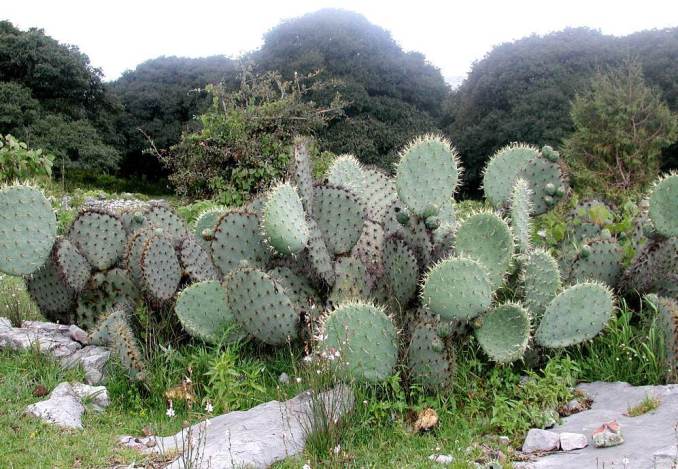
Los nopales
Desde su asiento
él observa la noche capada de estrellas,
copada de ambos.
A su lado yo dormito.
El sigue mirando sin saberse mirado.
La otra vez viajé solo.
El sol se desmayó en la carretera
durante varias horas,
y en el interior del autobús había frío.
El pequeño televisor, casi echado en mí,
proyectaba una película fastidiosa.
Afuera, algunos nopales parecían viejos discutiendo
con los brazos extendidos,
en la espera de asestar un golpe débil;
otros simulaban saludarse entre sí,
como preservando las buenas maneras.
El trayecto será largo.
El busca otra posición
Para estar menos incómodo.
_____
El Volante
Eluno espera a que llegue Elotro.
Elotro sabe que Eluno lo espera.
Eluno fuma los cigarros de Elotro.
Elotro los busca en la bolsa de su camisa.
Eluno mira hacia el camellón.
Elotro maldice a quien se pasó un rojo.
Eluno sonríe a quien le sonríe y cruza la calle.
Elotro recuerda que hay poca carne en el refri.
Eluno conversa animoso moviendo los hombros.
Elotro piensa en las ofertas del martes.
Eluno recibe una tarjeta y promote comunicarse.
Elotro marca y nadie contesta.
Eluno identifica la llamada y apaga el celular.
Elotro arroja el aparato al asiento trasero.
Eluno entra a una fonda y ordena comida corrida.
Elotro detiene su auto y recarga la cabeza en el volante.
_____
La peluca
A cierta hora del día
el metro es un reclusorio de hombres y mujeres separados,
pero Elella se escabulle
y viaja en el vagón de los varones.
Todos los obreros para mí nomás,
– va pensando Elella –
que lo quiere todo, no más, no menos.
La recibe un silbido de mira qué forro de vieja.
Ella se deja hacer.
Le pellizcan las nalgas.
Le aprietan las tetas.
Le muerden los labios.
Le embarran sudores.
Ellos se dejan hacer,
pero Elella necesita cambiar de estación.
Elella se va con un silbido de vuelve pronto mamacita,
acomodándose la rubia peluca,
ciñéndose la morada vida que se le va cayendo.
_____
El amado
Hombre mío
que estás tan lejos,
amado sea tu recuerdo,
ignorado sea tu desprecio;
olvida a quien me besa
como yo también olvido a quien te toca;
no me dejes,
que el dejarnos aún hiere,
y libérame de todo yo.
Alejandro del Bosque (born 1965)
The prickly-pear cactuses
From his seat
He observes the night caped by stars
By his side I snooze.
He continues gazing out not knowing that he’s being looked at
That other time I travelled solo.
The sun faded upon the highway
Over several hours,
And inside the bus it was cold.
The little TV, almost falling on me,
showing an annoying film.
Outside, some prickly-pear cactuses seemed like old people arguing
With arms extended,
In the hope of striking a feeble blow;
Others were pretending to greet one another,
As if maintaining the tradition of good manners.
The journey will be a long one.
He shifts his position
So he’s less uncomfortable.
*
The steering wheel
The One hopes that the Other arrives.
The Other knows that the One is waiting for him.
The One smokes the cigars of the Other.
The Other searches for them in the pocket of his shirt.
The One looks toward the traffic island.
The Other curses the guy who ran the red light.
The One smiles at someone who smiles back at him and crosses the street.
The Other remembers there’s not much meat in the fridge.
The One chats,his shoulders going up and down, excited.
The Other thinks about the Tuesday specials.
The One takes a business card and promises to get in touch.
The Other dials and nobody answers.
The One sees who’s calling and turns off his cell.
The Other throws the phone into the back seat.
The One goes into a greasy-spoon and orders food to go.
The Other stops the car and puts his head down on the steering wheel.
*
The wig
At a certain time of day
The subway trains (in México City) are a prison of men and of women
– separated (by gender),
But HimHer slips through
And travels in the male car.
“All the Regular Joes just for me,”
– HimHer goes in thinking –
Wanting it all – no more, no less.
Got whistled at:
“Look at her – what an ass she has.”
She lets them…
They grab her buttocks.
They squeeze her nipples.
They bite her lips.
They cover her with their sweat.
They let themselves do it…
But HimHer has to change stations.
HimHer, exiting the subway car, gets whistled at:
“Come back soon, mamacita.”
Adjusting the blonde wig,
Girding herself for this tough life that’s going down…
*
The belovéd
Man of mine,
You who are so far away,
Belovéd be the memory of you,
Ignored be your disdain;
Forget whoever kisses me
As I forget whoever touches you
Do not leave me,
Even as our breaking up still hurts,
And free me from all that is myself.
Traducciones del español al inglés / Translations from Spanish into English: Alexander Best
_____
Estos poemas son parte de una compilación © Arnulfo Vigil y Ernesto Castillo.
Los redactores escriben:
“Lo importante, a fin de cuentas, no es la sexualidad de un poeta
sino el tratamiento poético de la diversidad sexual.”
Translating Poetry: a Creative Challenge / Traduciendo Poesía : Un Desafío a la Creatividad
Posted: May 30, 2012 Filed under: Elsa Burgos Alonso, Encarnación de Armas, English, Nuvia Estévez Machado, Spanish, ZP Translator: Alexander Best, ZP Translator: Lidia García Garay Comments Off on Translating Poetry: a Creative Challenge / Traduciendo Poesía : Un Desafío a la Creatividad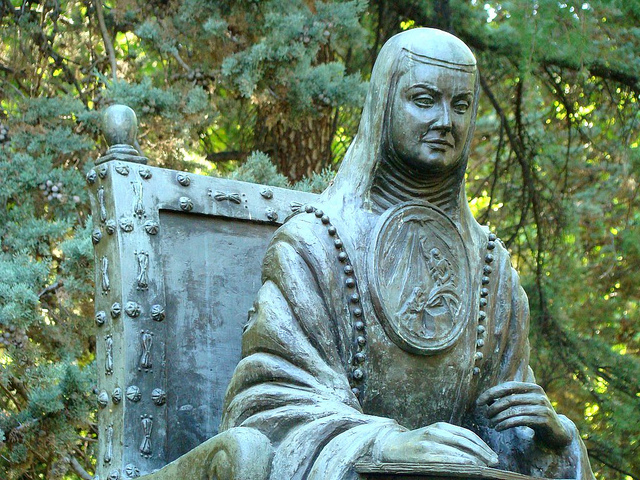
Translating Poetry: a Creative Challenge
The Décima is a Spanish poem form consisting of ten rhyming lines. It is credited to Vicente Martinez de Espinel (1550-1624), who based it on the forms of mediaeval Spanish ballads. Sometimes called The Espinela, it has been popularized in Puerto Rico with a rhyme pattern of ABBAACCDDC and each line contains 8 syllables. In Puerto Rico it was often sung by singer-poets who were jíbaros (peasants).
We have translated a selection of décimas by Cuban decimeras (women who write décimas). Some of the poems are hermetic and not as straightforward as traditional décimas – yet they somehow respect the tradition as well.
There is the skill of translation – there is also the art of translation. It is easier to achieve the former than the latter This is tough stuff! Some translators that we have noticed on the Internet do work that is enthusiastic but sloppy. But translators in heavy leather-bound books may do the same. An example is Peter H. Goldsmith, who, in 1920, translated Juana Inés de la Cruz’s famous poem: “Arguye de Inconsecuentes el Gusto y la Censura de los Hombres que en las Mujeres acusan lo que causan”. Goldsmith was true to the original’s rhythm and rhyme but he was not faithful to the poet’s meaning – even the final, intense quatrain (#17) went mysteriously missing.
There is an Italian saying: “Translator…Traitor !”. While we do not agree with such an extreme statement, still it is true that it’s difficult to get a translation 100% right. Translator Myralyn F. Allgood wrote: “It has been said – obviously by a man – that translated poetry is rather like a beautiful woman: if she’s beautiful she’s not faithful, and if she’s faithful she’s not beautiful.” Yet another provocative generalization…
But when you translate a poem and you know you’ve done your best work – you’ve been faithful to the meaning, captured the spirit, and even made it sound fresh – well, there is nothing like that good feeling!
*
Traduciendo Poesía : Un desafío a la Creatividad
La Décima es una forma de poesía en español que consiste de diez líneas que riman. La creación de la décima se le atribuye a Vicente Martinez de Espinel (1550-1624), quien la basó en la forma de baladas españolas medievales. Algunas veces llamada La Espinela, ha sido popularizada en Puerto Rico con un patrón rítmico de ABBAACCDDC y cada línea contiene ocho sílabas. En Puerto Rico era cantada comúnmente por cantantes y poetas jíbaros (campesinos).
Nosotros hemos traducido una selección de décimas de decimeras cubanas, quienes escriben décimas, de una forma más hermética y no exactamente como la forma tradicional – y aún así de alguna manera se apegan a ella.
En la Traducción hay destreza técnica– y también existe el arte de la Traducción. Es más fácil adquir la primera que la segunda. Hemos visto el trabajo de algunos traductores en la internet que se nota están hecho con mucho entusiasmo, pero malhecho. Y traductores en libros de tapa dura de cuero pueden hacer lo mismo. Un ejemplo de esto es Peter H. Goldsmith, quien en 1920 tradujó el famoso poema de Juana Inéz de la Cruz : « Arguye de Inconsecuentes el Gusto y la Censura de los Hombres que en las Mujeres Acusan lo que Causan ». La traducción de Goldsmith es fiel al texto original en ritmo y rima pero no es fiel al significado del poema—aún el final, la cuartilla #17, ha desaparecido misteriosamente.
Hay un dicho italiano que dice : « ¡Traductor – traidor !». A pesar que no estamos de acuerdo con esta declaración tan extrema, todavía es verdad que es difícil hacer la traducción de un poema 100% exacta. La traductora Myralyn F. Allgood escribió : « Ha sido dicho – obviamente por un hombre – que la poesía traducida es como una mujer bella : si ella es bella no es fiel, y si ella es fiel no es bella. » Otra generalización que nos da en que pensar…
Pero cuando se traduce un poema y usted sabe que ha hecho el mejor trabajo posible—usted ha sido fiel al significado, ha captado el espíritu del texto y aún lo ha hecho lucir flamante—bueno, entonces ¡no hay sentimiento que se compare!
__________
THREE CUBAN ” DECIMERAS ” / TRES DECIMERAS CUBANAS
Nuvia Estévez Machado (born/nace 1971)
Sometimes
I don’t understand
my thorny identity
sometimes I’m the morphine
of the “nutbars” I’m the thunder
weak lust the horrific
dirty water of the fish
wet earth reversals
I’m a mutilated dog
Lucifer in love
Sometimes
only sometimes.
_____
A veces
Yo ni me entiendo
esta indentidad de espina
a veces soy la morfina
de los locos soy estruendo
pobre lujuria lo horrendo
agua sucia de los peces
tierra mojada reveses
Soy un perro mutilado
Lucifer enamorado
Sólo a veces
sólo a veces.
_____
Tie her up
tie up the crazy woman, come,
She undresses and bites all
who mocked the twists
of her destiny Be
fair Stop
her anger her pranks
Bind tight her craziness
Knees, hips,
Legs – savage beasts –
But let her waist be free.
_____
Amarren
La loca vengan
se desnuda y muerde a todos
los que burlaron los modos
de su destino Mantengan
ecuanimidad Detengan
su rabieta su diablura
Aten fuerte su locura
las rodillas las caderas
los muslos – salvajes fieras –
Pero suelten su cintura.
_____
That one
Who was my canary
my toy my serenity
who was blind
when I taught him the alphabet
That one who was my rosary,
he counted glory
he who rolls without memory
him of the dirty shirt
he who hates by a smile
– that one will die without history.
_____
Ese
Que fue mi canario
mi juguete mi sosiego
a ese que cuando era ciego
enseñé el abecedario
Ese que fue mi rosario
donde contaba la gloria
el que rueda sin memoria
el de la sucia camisa
el del odio por sonrisa
ese fallecerá sin historia.
_____
It’s True
I’m the happy whore
the melancholic
a fearsome one, an idyllic one,
who grumbles and enjoys herself
It’s true I’m the one spits
my tongue upon your brains
drowning in excesses
she who howls
who barks at your flesh
she who tears at it
I’m the one bites your bones.
_____
Es verdad
Yo soy la puta
la feliz la melancólica
la temible la bucólica
quien se lamenta y disfruta
es verdad soy la que esputa
la lengua sobre tus sesos
la que se ahoga en excesos
quien ladra sobre tu carne
la que aúlla la que escarne
Soy la que muerde tus huesos.
_____
Requiem for the Crow
Oh death, arrive early and
bring an axe and a scythe
bring the mockery, the discord
Come my friend bring your hand
with which to break the mysterious
heart strike a wooden blow with a cross
ways of sleeping on my back
do not deceive me, come soon,
heal this orphanhood Don’t die.
_____
Réquiem por el cuervo
Oh muerte llega temprano
trae el hacha y la guadaña
trae la burla y la cizaña
ven amiga trae la mano
con que rompes el arcano
corazón Trae de maderas
un golpe de cruz maneras
de dormir sobre mi espalda
no engañes ven pronto salda
esta orfandad No te mueras.
_____
Elsa Burgos Alonso (born/nace 1945)
Homily
Split in two, borderless
An island in a high-tide of pain
I find no way of loving
These treacherous voices.
Homily of the beasts
That today vents forth in me
The dawn spins toward you
In a swift crystal I look for shoulders
Where one conceals the rubble
The bones and the dust I yield.
_____
Homilía
Desdoblada, sin fronteras
dolor de isla en pleamar
no encuentro forma de amar
a esas voces traicioneras.
Homilía de las fieras
que hoy se desfogan en mi
El alba gira hacia ti
en raudo cristal busco hombros
donde esconder los escombros
hueso y polvo que cedí.
_____
Encarnación de Armas (born/nace 1933)
Amor lejano (acróstico)
Amor, no sé si de amarte
Muero a solas cada día,
O nazco por la agonía
Repetida de esperarte.
La distancia se reparte
Entre tu adiós y mi beso
Junto a la duda que expreso
A veces, cuando te evoco,
No sé si olvidarte un poco
O soñar con tu regreso.
_____
Far-off Love (an acrostic poem)
From loving you: don’t know if that’s Love,
Alone I die each day.
Repeated agony of waiting for you –
Oh, I am born through this.
From the distance that spreads between your
Farewell and my kiss, these joined to the doubt
Left over from times when I evoke you –
Oh, I don’t know. Am I forgetting you just a
Very little bit? Or do I dream –
Even of your return?
_____
Traducciones / Translations: Lidia García Garay, Alexander Best
Alfonsina Storni y Karla Báez: Buscamos Mujeres que tengan alas para volar / We seek Women with wings who just might fly
Posted: May 25, 2012 Filed under: Alfonsina Storni, English, Karla Báez, Spanish, ZP Translator: Alexander Best Comments Off on Alfonsina Storni y Karla Báez: Buscamos Mujeres que tengan alas para volar / We seek Women with wings who just might fly
Today there takes place in Toronto a loud, serious and fun march of women – and their friends – from City Hall to Queen’s Park, the provincial legislature. The march goes by the provocative name Slut Walk. The first Slut Walk took place in April 2011 – and its destination was Toronto police headquarters – after remarks made by a police constable addressing female law students at a crime prevention forum at York University. The officer said: “Women should avoid dressing like sluts in order not to be victimized.” By ‘victimized’ he meant ‘raped’. The comment caused a furor in a city that wishes to see itself as progressive. It seemed the ‘same-old same-old’ sexist bullshit was alive and well. Feminism in Canada has often slipped under the popular radar in the past twenty five years – one generation – and advertisement images of women’s bodies – sometimes without heads – are used to sell everything. Everybody – and he’s often male – has got a hard opinion or a strict belief about what’s acceptable and what’s “asking for it” (“it” meaning rape) when it comes to what a woman ought to wear and how/when/why she’s walking down the street.
Like the Take Back the Night marches of the 1970s and 1980s – organized by women angered that police kept telling them to “stay inside at night so you’ll be safe” – the Slut Walk brings those same fundamental concerns into the 21st century. Though there is debate and reasoned opposition among women about the choice of name – Slut Walk – slut being a thorny word that can draw blood and may or may not be able to be “reclaimed” (queer, bitch, and nigger are three other examples) – there is also plenty of chutzpah and a healthy “Fuck you!” attitude in that name, too. Slut Walks have been organized in Argentina, India and South Africa, as well.
A placard seen at the first Slut Walk captures with simple intelligence one of the march’s aims:
“No means No, Yes means Yes – wherever we go, however we dress.”
*
We feature Spanish-language poems by two female poets, one from 1930s Argentina, the other from 21st-century México. The first poet, Alfonsina Storni, writes in proto-feminist fashion about the vain possessiveness of men, also about their hypocrisy (the “experienced” man wants a “pure” woman). Storni’s poem, “You want me white”, is a kind of spiritual descendant of Mexican nun Juana Inés de la Cruz’s 17-quatrain poem which begins with the phrase: “Hombres necios que acusáis a la mujer sin razón…”.
The second poet, Karla Báez, is full of passionate idealism – and energy for Change.
* * * * *
Alfonsina Storni (poetisa argentina / Argentinian poet, 1892-1938)
Hombre Pequeñito
Hombre pequeñito, hombre pequeñito,
suelta a tu canario que quiere volar.
Yo soy el canario, hombre pequeñito,
déjame saltar.
*
Estuve en tu jaula, hombre pequeñito,
hombre pequeñito que jaula me das.
Digo pequeñito porque no me entiendes,
ni me entenderás.
*
Tampoco te entiendo, pero mientras tanto,
ábreme la jaula que quiero escapar.
Hombre pequeñito, te amé media hora,
no me pidas más.
_____
Little wee man
Little wee man, little wee man,
Release your canary that wants to fly.
I’m that canary, you little wee man,
Let me jump.
*
I was in your cage, little wee man,
Little wee man who incarcerates me.
I call you “wee little” because you
don’t understand me – nor will you, ever.
*
Nor do I understand you…but in the meantime,
Open the cage – I want to escape.
Little wee man, I loved you a mere hour,
Ask of me no more.
_____
Tú me quieres blanca
Tú me quieres alba,
Me quieres de espumas,
Me quieres de nácar.
Que sea azucena
Sobre todas, casta.
De perfume tenue.
Corola cerrada
Ni un rayo de luna
Filtrado me haya.
Ni una margarita
Se diga mi hermana.
Tú me quieres nívea,
Tú me quieres blanca,
Tú me quieres alba.
*
Tú que hubiste todas
Las copas a mano,
De frutos y mieles
Los labios morados.
Tú que en el banquete
Cubierto de pámpanos
Dejaste las carnes
Festejando a Baco.
Tú que en los jardines
Negros del Engaño
Vestido de rojo
Corriste al Estrago.
Tú que el esqueleto
Conservas intacto
No sé todavía
Por cuáles Milagros.
*
Me pretendes blanca
(Dios te lo perdone),
Me pretendes casta
(Dios te lo perdone),
¡Me pretendes alba!
*
Huye hacia los bosques,
Vete a la montaña;
Límpiate la boca;
Vive en las cabañas;
Toca con las manos
La tierra mojada;
Alimenta el cuerpo
Con raíz amarga;
Bebe de las rocas;
Duerme sobre escarcha;
Renueva tejidos
Con salitre y agua;
Habla con los pájaros
Y lévate al alba.
Y cuando las carnes
Te sean tornadas,
Y cuando hayas puesto
En ellas el alma
Que por las alcobas
Se quedó enredad…
– entonces, buen hombre,
Preténdeme blanca,
Preténdeme nívea,
Preténdeme casta.
_____
You want me white
You want me to be the dawn
You want me made of seaspray
Made of mother-of-pearl
That I be a lily
Chaste above all others
Of tenuous perfume
A blossom closed
That not even a moonbeam
Might have touched me
Nor a daisy
Call herself my sister
You want me like snow
You want me white
You want me to be the dawn
*
You who had all
The cups before you
Of fruit and honey
Lips dyed purple
You who in the banquet
Covered in grapevines
Let your flesh go
Celebrating Bacchus
You who in the dark
Gardens of Deceit
Dressed in red
Ran towards Destruction
You who maintain
Your bones intact
Only by some miracle
Of which I know not
You ask that I be white
(May God forgive you)
You ask that I be chaste
(May God forgive you)
You ask that I be the dawn!
*
Flee towards the forest
Go to the mountains
Clean your mouth
Live in a hut
Touch with your hands
The damp earth
Feed yourself
On bitter roots
Drink from the rocks
Sleep on the frosty ground
Clean your clothes
With saltpeter and water
Talk with the birds
*
And set sail at dawn
And when your flesh
Has returned to you
And when you have put
Into it the soul
That via bedrooms
Became twisted and tangled…
– then, good man,
Ask that I be white
Ask that I be like snow
Ask that I be chaste.
_____
Karla Báez (nace/born 1977, México, D.F./ México City)
Llamada de Auxilio
Cruza la noche
un grito desgarrado,
…duele más el silencio,
ante la voz de la ira…
No me volverás a tocar,
ni con golpes ni palabras.
¿Duele verdad? Lo sé,
yo también fui tu víctima.
_____
A Call for Help
Crisscrossing the night,
A piercing cry.
Silence hurts more,
before the voice of rage…
You will not touch me again,
Neither with punches nor with words.
Does the truth hurt? I know it;
I too was your victim.
_____
Busco Mujeres
Busco Mujeres,
que sean sensibles ante la injusticia,
Busco Mujeres,
que luchen por sus ideales.
Busco Mujeres,
que se harten de las mentiras,
de los golpes, de la violencia.
Busco Mujeres
que no sean indiferentes
al dolor de la gente.
Busco Mujeres
que tengan alas para volar.
_____
I seek Women
I seek Women,
who can be aware of injustice,
I seek Women,
who can struggle for their ideals.
I seek Women,
who are fed up with all the lies,
the blows – the violence.
I seek Women
who cannot be indifferent
to people suffering.
I seek Women
who might have wings – women who will fly.
_____
Traducción del español al inglés / Translations from Spanish into English
(“Little wee man”, “A Cry for Help”, “I seek Women”): Alexander Best
Le pizzazz de Josephine Baker: “Si J’étais Blanche” / Josephine Baker’s pizzazz: “If I were White”
Posted: May 21, 2012 Filed under: English, French, ZP Translator: Alexander Best Comments Off on Le pizzazz de Josephine Baker: “Si J’étais Blanche” / Josephine Baker’s pizzazz: “If I were White”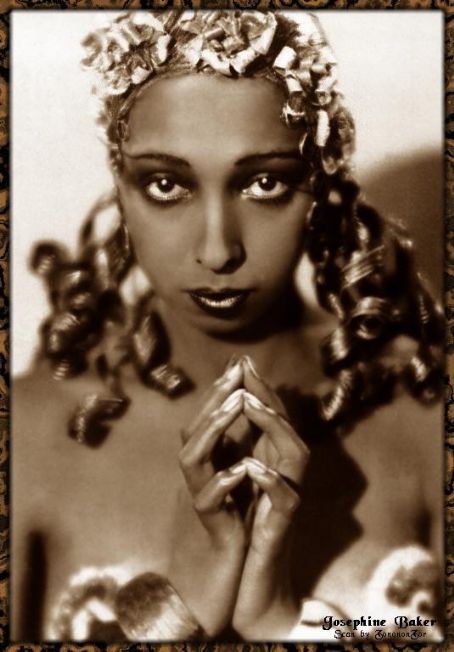
Si J’étais Blanche (1932)
Je voudrais être blanche
Pour moi quel bonheur
Si mes seins et mes hanches
Changent de couleur
*
Les Parisiens à Juan-les-Pins
Se faisaient gloire
Au soleil d’exposer leurs reins
Pour être Noires
*
Moi pour être blanche
J’allais me roulant
Parmi les avalanches
En haut du Mont Blanc
*
Ce stratagème
Donne un petit rigole
J’avais l’air dans la crème
D’un petit pruneau
*
Étant petite, avec chagrin,
J’admirais dans les magasins
La teinte pâle de poupées blondes
J’aurais voulu leur ressembler
Et je disais à l’air accablé
Me croyant toute seule brune au monde
*
Moi, si j’étais Blanche
Sachez que mon bonheur
Qui près de vous s’épanche
Garderait sa couleur
*
Au soleil c’est par l’extérieur
Que l’on se dore
Moi c’est la flamme de mon cœur
Qui me colore
*
Et si ma figure
Mon corps sont brunis
C’est parce que la nature
Me voulait ainsi
*
Mais je suis franche,
Dites-moi, Messieurs:
Faut-il que je sois Blanche
Pour vous plaire mieux ?
_____
If I were White (1932)
I’d like to be White
What a joy it would be
If my breasts and my thighs
Changed colour for me
*
The Parisians at * Juan-les-Pins
Grant themselves glory,
Get sun on their backs
So they can be Blacks
*
To make myself White
I went to the Alps
And rolled in an avalanche
At the peak of ** Mont Blanc
*
My strategy
Played a joke on me
– I seemed like a prune
In a blanket of cream
*
As a little girl I looked with ‘chagrin’
At the blonde dolls in stores
With their pale skin
I’d’ve liked to look like them,
And I’d say, overwhelmed:
I believe I’m the only brown girl in the world.
*
Me, if I were White,
Know that my happiness,
Which next to you flows,
Would keep its hue
*
Others by the sun
Get their golden glow
But the flame in my heart
Is what colours me so
*
And if my shape
And my figure are “bronze”
It’s because Nature
Wanted me this way
*
But, gentleman, tell me,
I’m going to be frank:
To please you all better
– Must I be White?
* Juan-les-Pins – resort town with beaches in the south of France; during the 1920s the “place-to-be” for the brand-new “fad” of suntanning – popularized by wealthy Europeans and Americans
* * Mont Blanc (literally, White Mountain) is snow-capped, and is the highest mountain in Europe
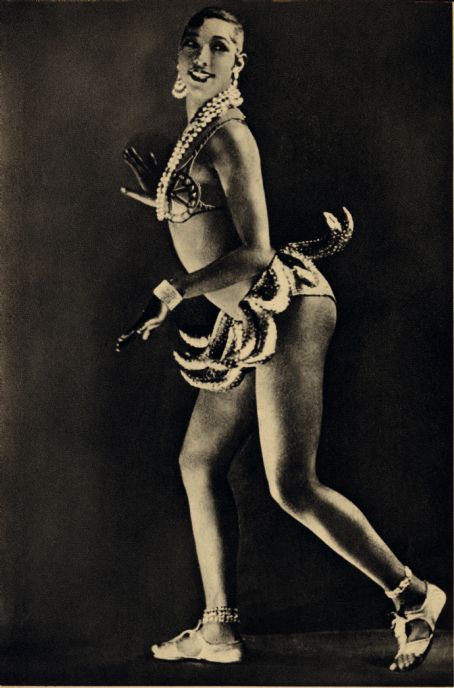
Josephine Baker (1906-1975) was born in St. Louis, Missouri, USA. She started out in near-poverty and at 12 years old she was dancing on street corners and living the life of a street child. Her birth coincided with the era of Ragtime and the evolution of Jazz – those first popular, native American musics that came out of Black-American life.
By the age of 16 – in 1921 – she’d made her way to New York City where the Harlem Renaissance was gathering steam. She worked as a dancer and chorus girl in Broadway revues. In 1925 she set out for Paris, where she became a sensation in an all-Black spectacle, La Revue Nègre. Her athletic style of dancing, her modern sexiness and humorous facial gestures were something the French had never experienced; she was a complete original.
There was a rage for all things “African” – mostly inaccurate – artifice for “exotic” effect – and impresarios tried to fit Baker into this mold. But she had so much natural joie-de-vivre, so much energy and inventiveness that she was up for all of it, and she subverted many ideas about race, gender and culture. She titillated audiences with her nudity and did the same when she wore a tuxedo and tophat with pomaded hair. Described by literary-‘macho’ Ernest Hemingway as “the most sensational woman anyone ever saw”, Baker also had love affairs with women such as Colette and Frida Kahlo. Biographer Bennetta Jules-Rosette writes: “Sidestepping the imprisonment by colonialist categories of Race through her performances, Baker transformed Race into a series of costume changes that foreshadowed the desire to be postmodern.”
She was a cheeky prankster and a clever self-promoter, using the gimmick of her pet cheetah, Chiquita – who wore a diamond collar – to enhance her “exoticism”; Baker would release the animal – an alter-ego of sorts ! – from the stage so it could go a-prowling in the orchestra pit and slinking through the theatre.
Yet the Black-American experience of her childhood – St. Louis, like many U.S. cities, was rife with segregation, Whites-Only “laws” – placed a fierceness at the core of her exuberance. Happily she became a French citizen in 1937, spied for France in Nazi-occupied Paris during World War II ( – Hitler’s belief in his “Master Race” included the exclusion of Blacks as well as Jews, and Baker’s husband during the 1940s was Jewish – ), receiving the Croix de Guerre, France’s highest honour. She adopted 12 children of different races and birth-nationalities, calling them “my Rainbow Tribe”, and raised them in a fantasy-château, realizing – in France, of all places – an oh-so-American Dream of wealth and celebrity.
Baker became fluent in her adopted country’s language, but sang also in English. We feature here one of her French “chansons” – “Si J’étais Blanche” (If I were White), from 1932 – which Baker performed in “white face”, wearing a blonde wig – an act of sophisticated minstrelsy that held up a double-mirror to the audience.
*
French-to-English translation: Alexander Best
“Picasso’s sure a weird one!”: a poem and some pictures / “¡Este Picasso es un caso!”: un poema y unas pinturas
Posted: May 1, 2012 Filed under: Carlos Reviejo, English, Spanish, ZP Translator: Alexander Best Comments Off on “Picasso’s sure a weird one!”: a poem and some pictures / “¡Este Picasso es un caso!”: un poema y unas pinturas
May 1st 2012 sees an awesome Picasso exhibition from Le Musée National Picasso in Paris opening here in Toronto, Canada…
Pablo Picasso (1881-1973) was born in Málaga, Spain, and by the end of his teens was already an energetic and talented imitator of all the “fin-de-siècle” painting styles then current in Europe.
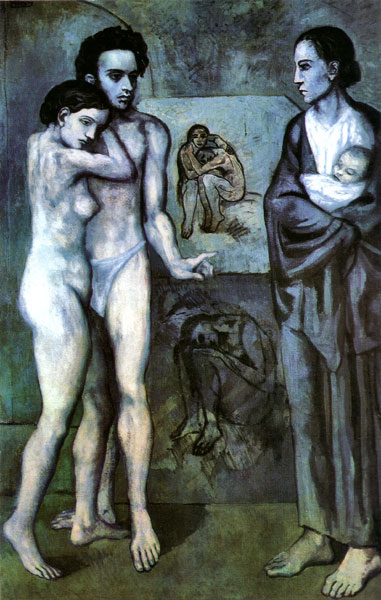
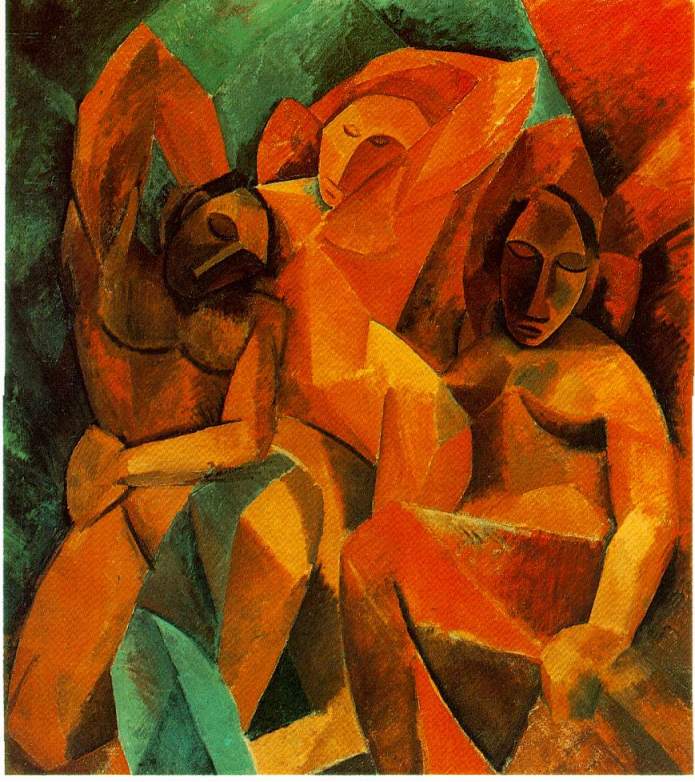
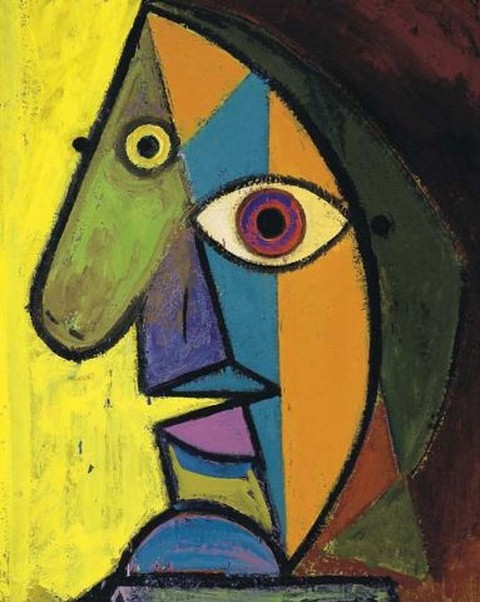
He made his first trip to Paris in 1900, and moved to the city – the centre of the art world – in 1902. It was the right place at the right time. Two crucial events occurred when he was in his mid-twenties. First – he met Gertrude Stein – a wealthy young American art collector who bought his paintings and championed him to everyone in her circle. And second – Picasso visited the Musée d’Ethnographie du Trocadéro where he saw masks and sculpture from Oceania and Africa. Highly stylized, these “primitive” artworks, unlike anything else Picasso had ever seen, were to make a forceful impression on his restless artistic sensibilities. The innovative effect of his “quick study” of Oceanic and African art was soon seen in his 1907 painting, “Les Demoiselles d’Avignon”. In this one canvas Picasso broke with 19th-century European art traditions and, along with a handful of his contemporaries, brought Western painting into the 20th century.
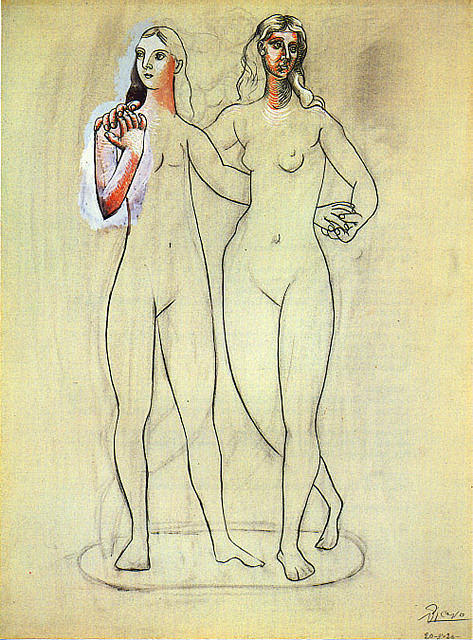
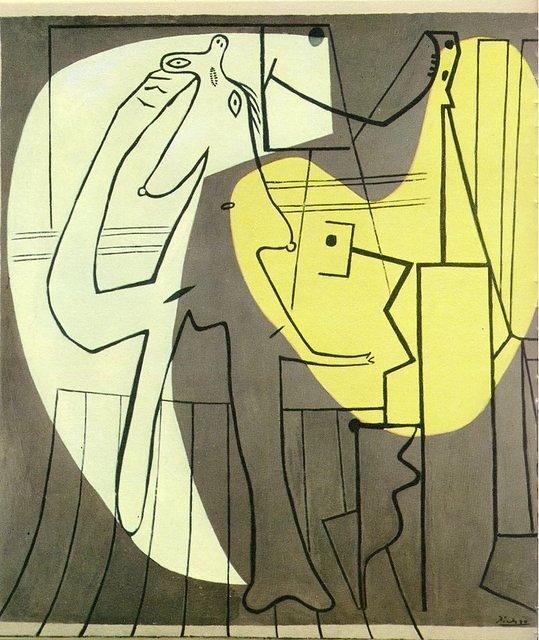
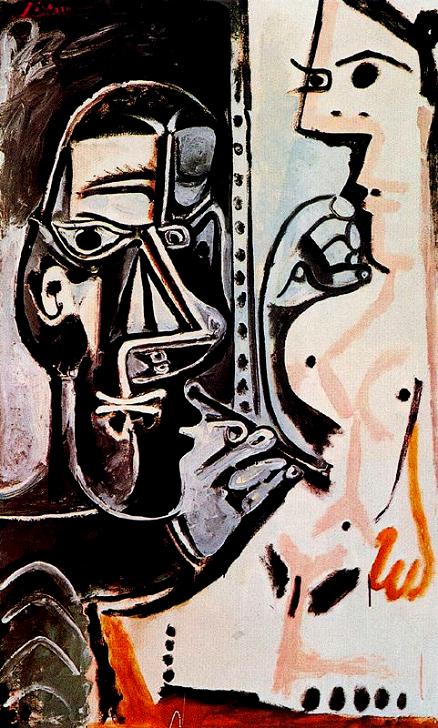
And yet – time and again – he would return to a theme straight out of the Classical Academies – that is: The Artist and The Model, or, for Picasso, The Artist and His Model.
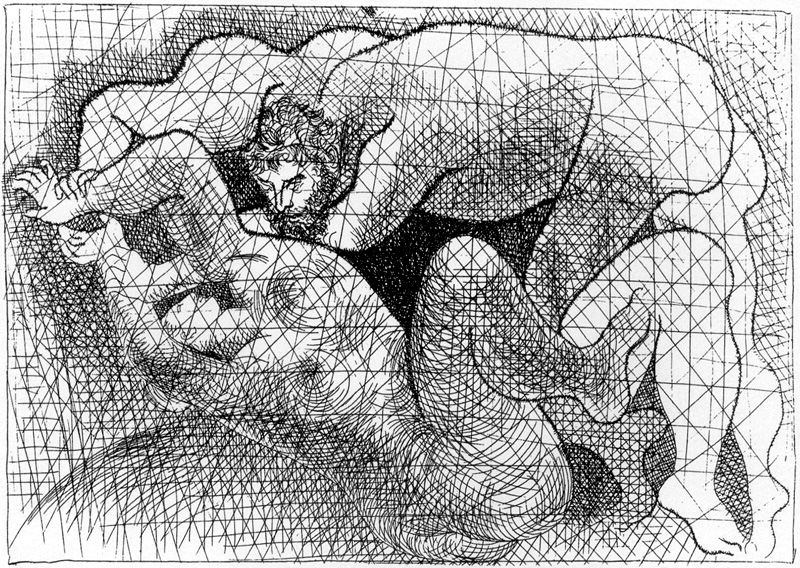
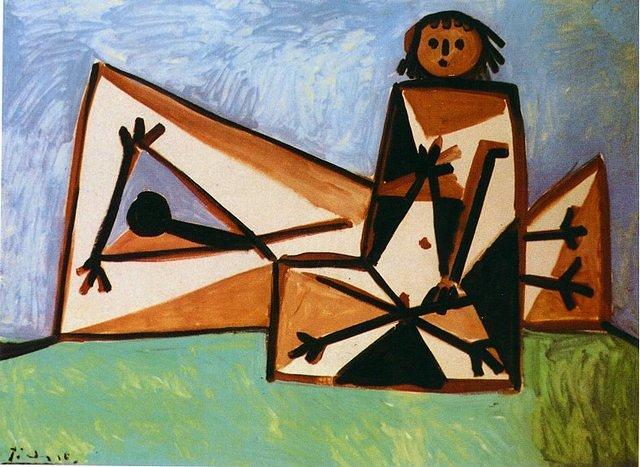
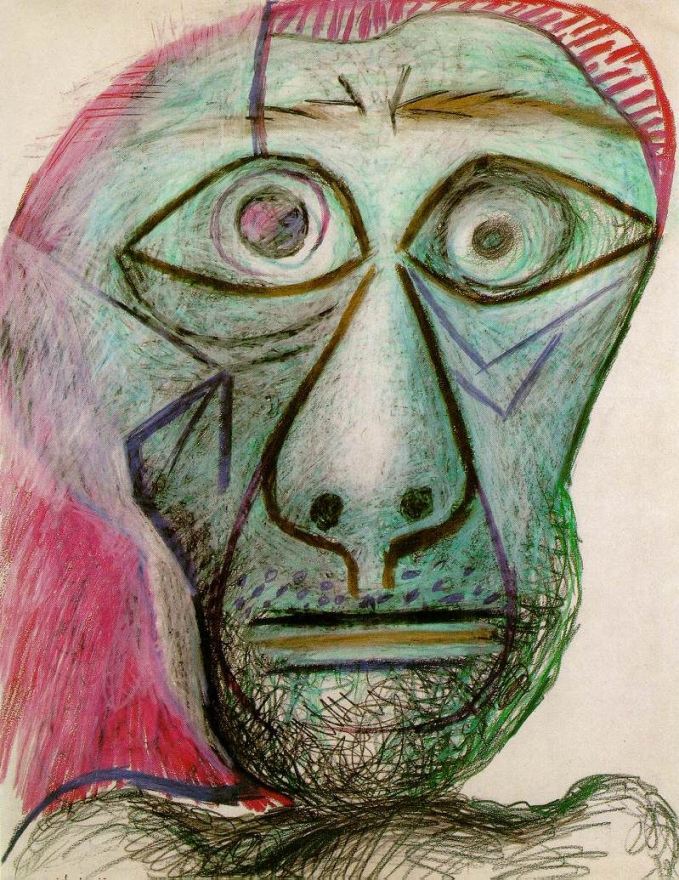
Picasso’s lust and egomania are well documented in their vigour and even ugliness. Yet in his prolific artwork, spanning 75 years, he shows his undeniable energy for Life – all of Life…the subtle, the tender, the brutal and raw.
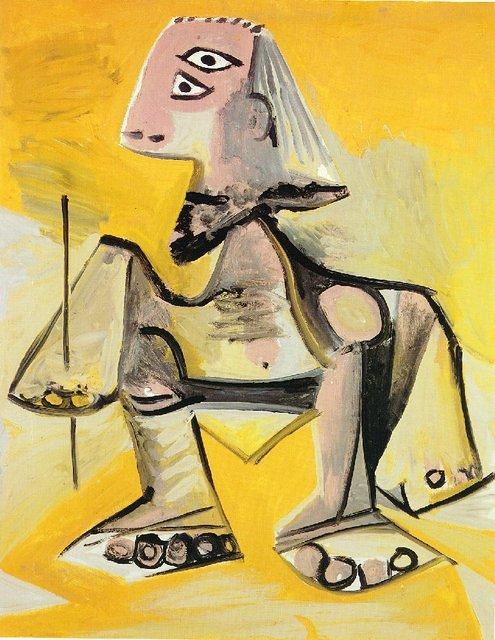
Famously, as an old man, he stated: “When I was young I could draw like Raphael, but it has taken me my whole life to learn to draw like a child.”
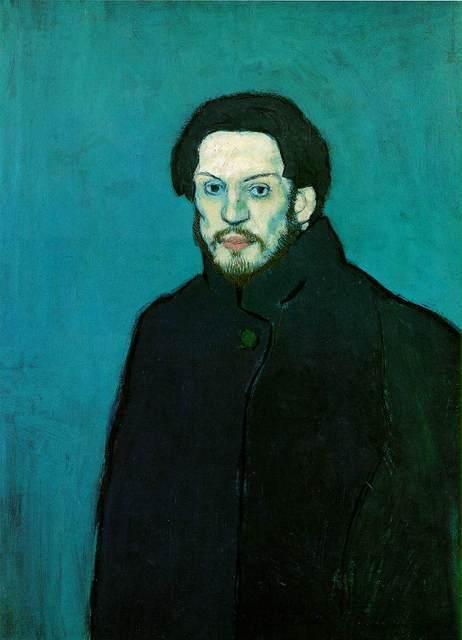
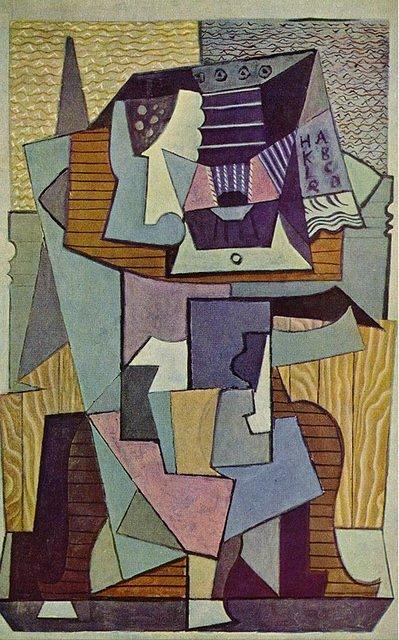
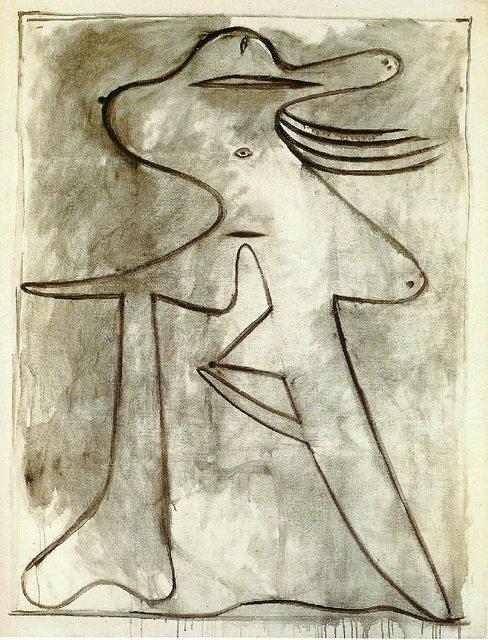
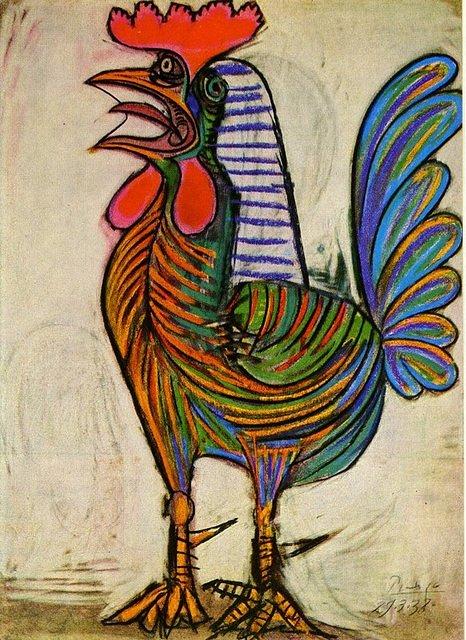
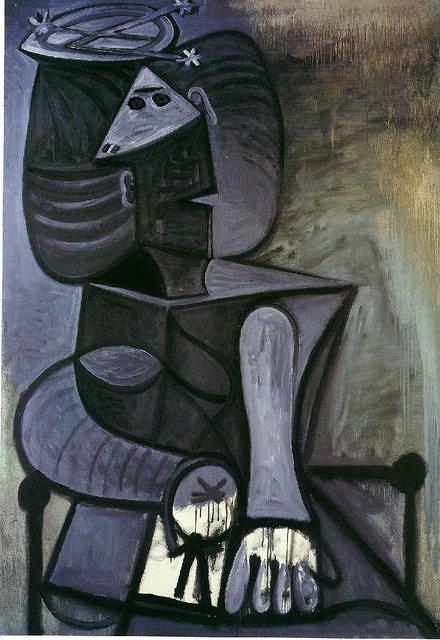
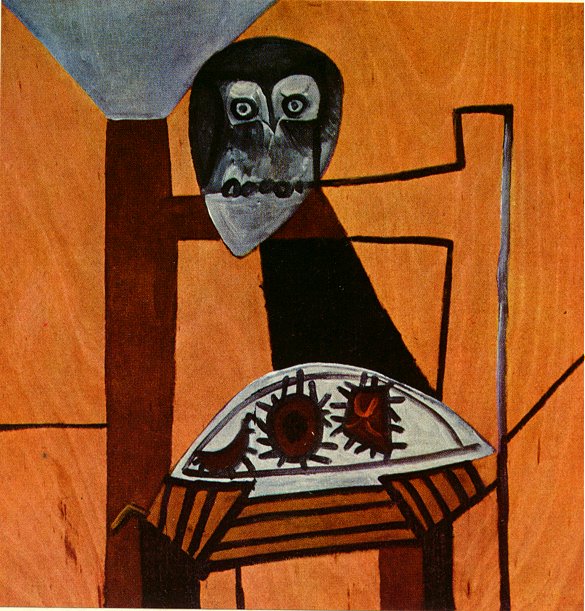
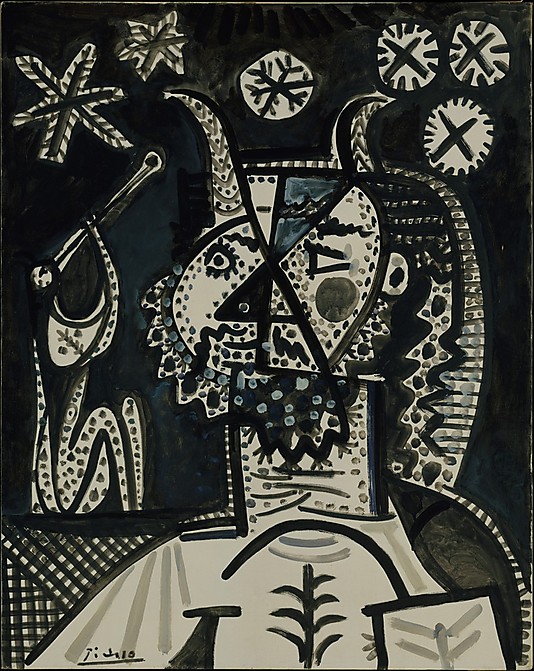
We feature here a light-hearted poem by Spanish children’s writer, Carlos Reviejo (born 1942), entitled “¡Este Picasso es un caso!” (Picasso’s sure a weird one!) – along with a selection of Pablo Picasso’s paintings and prints.
_____
Carlos Reviejo
“¡Este Picasso es un caso!”
¡Qué divertido es Picasso!
Es pintor rompecabezas
que al cuerpo rompe en mil piezas
y pone el rostro en los pies.
¡Todo lo pinta al revés!
¡Este Picasso es un caso!
Es un puro disparate.
No es que te hiera o te mate,
pero en lugar de dos cejas
él te pone dos orejas.
¡Vaya caso el de Picasso!
Te deja que es una pena: te trastoca y desordena,
te pone pies en las manos
y en vez de dedos, gusanos.
¡Si es que Picasso es un caso!
En la boca pone un ojo,
y te lo pinta de rojo.
Si se trata de un bigote,
te lo pondrá en el cogote.
¡Menudo caso es Picasso!
¿Eso es hombre o bicicleta?
¡Si es que ya nada respeta….!
Esos ojos que tú dices,
no son ojos…¡son narices!
¿No es un caso este Picasso?
Todo lo tuerce y disloca:
las piernas, brazos y boca.
No es verdad lo que tu ves.
¡Él pinta el mundo al revés!
¡Qué Picasso es este caso!
_____
Carlos Reviejo
“Picasso’s sure a weird one!”
A funny one, that Picasso!
A puzzling painter
who breaks a body into a thousand pieces
and puts the face where the feet should be.
He paints everything upside-down!
This Picasso’s a nutty one,
100% crazy!
It’s not that he might wound or kill you,
no, but in place of your eyebrows
he gives you ears.
A pity how he leaves you:
altered, a mess –
feet for hands
and worms for fingers.
Yes, Picasso’s a weird one!
In your mouth he puts an eye
and he paints it red.
When it’s all about the mustache,
well, he’ll place it on your neck.
What a case, that Picasso!
Here – is this a man…or a bicycle?
True, he respects nothing!
These eyes you said were eyes – ?
They’re noses!
Picasso’s a real head-case, isn’t he?
He twists and dislocates everything:
legs, arms, and mouth.
What you see is not for real.
He paints our world upside-down!
Yes, Picasso’s sure a weird one!
_
Spanish-to-English translation/interpretation: Alexander Best
_____

 Zócalo Poets