He is Risen! An Orthodox Easter Sunday Carol + “Easter in April” by Marina Tsvetaeva
Posted: April 12, 2015 Filed under: English, Russian | Tags: Easter Sunday poems Comments Off on He is Risen! An Orthodox Easter Sunday Carol + “Easter in April” by Marina Tsvetaeva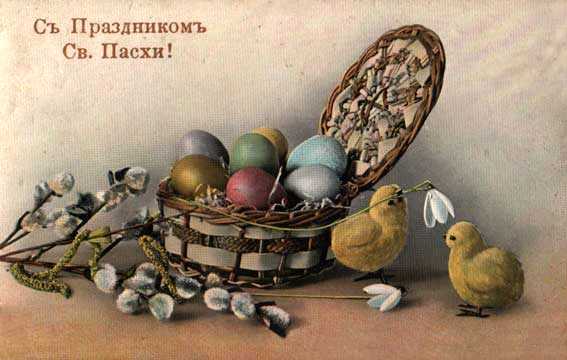
Traditional Russian Easter Carol (translated into English)
.
Easter eggs, Easter eggs,
Give to him that begs!
For Christ the Lord is arisen.
.
To the poor, an open door,
something give you from your store!
For Christ the Lord is arisen.
.
Those who hoard, can’t afford,
moth and rust be their reward!
For Christ the Lord is arisen.
.
Those who love freely give,
long and well may they live!
For Christ the Lord is arisen.
.
Eastertide, like a bride,
comes, and will not be denied.
For Christ the Lord is arisen!

Marina Tsvetaeva (1892-1941)
Easter in April (1910)
.
Eggs on a plate warmed the soul with delight,
And ringing of bells.
What is more radiant than Easter in April,
People, pray tell?
.
Rays are caressing the grass, from the street
Phrases and words…
Quietly I wander from porch to the barn,
Measuring boards.
Waves of Easter ringing, external dawn,
Like a glow in the sky,
Sound of our neighbours’ gramophone
Bitterly cries,
From the kitchen it follows in an endlessly woeful
Harmonica’s sound.
Much has gone on, oh yes, much has gone on;
The past: fall down!
.
No, I won’t get any help from eggs on a dish!
It’s late, and gone are the rays…
What is more hopeless than Easter in April,
People, please say?
. . .
МАРИНА ЦВЕТАЕВА
ПАСХА В АПРЕЛЕ
.
Звон колокольный и яйца на блюде.
Радостью душу согрели.
Что лучезарней,скажите мне,люди,
Пасхи в апреле?
.
Травку ласкают лучи,дорогая,
С улицы фраз отголоски…
Тихо брожу от крыльца до сарая,
Меряю доски.
В небе,какзарево,внешняя зорька,
Волны пасхального звона…
Вот у соседей заплакал так горько
Звук граммофона.
Вторят ему бесконечно-уныло
Взвизги гармоники с кухни…
Многое было,ах,многое было…
Прошлое рухни!
.
Нет,не помогут и яйца на блюде!
Поздно…Лучи догорели…
Что безнадежней,скажите мне,люди,
Пасхи в апреле?
. . .
. . . . .
C Рождеством – C новым годом! Борис Пастернак стихи / Two poems for Russian Christmas and New Year: Boris Pasternak
Posted: January 6, 2014 Filed under: Boris Pasternak, English, Russian Comments Off on C Рождеством – C новым годом! Борис Пастернак стихи / Two poems for Russian Christmas and New Year: Boris Pasternak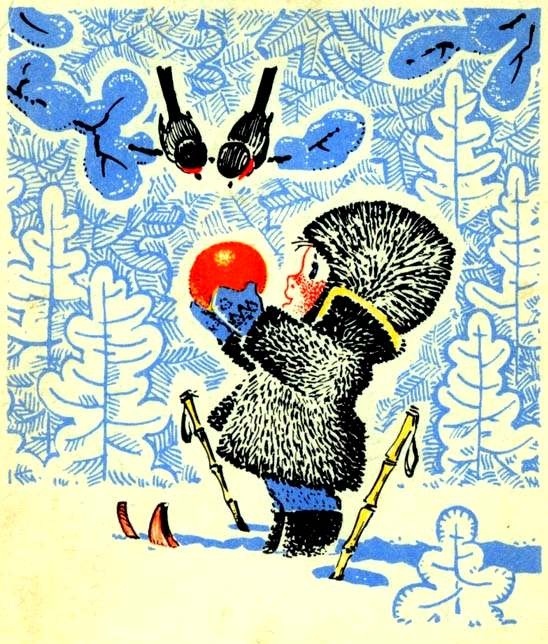
Soviet-era Christmas greeting card from 1960
Boris Pasternak (1890-1960)
“Snow is falling”
.
Snow is falling, snow is falling.
Geranium flowers reach
for the blizzard’s small white stars
past the window’s edge.
.
Snow is falling, all is lost,
the whole world’s streaming past:
the flight of steps on the back stairs,
the corner where roads cross.
.
Snow is falling: snow is falling,
not snowflakes stealing down,
Sky parachutes to earth instead,
in his worn dressing gown.
.
As if he’s playing hide-and-seek,
across the upper landings,
a mad thing, slowly sneaks,
Sky creeps down from the attic.
.
It’s all because life won’t wait,
before you know, it’s Christmas here.
And look, in a minute,
suddenly it’s New Year.
.
Snow is falling, deeper – deeper.
Maybe, with that same stride
in that same tempo,
with that same languor,
Time’s going by?
.
Year after year, perhaps,
passing, as snow’s falling,
like words in a poem?
Snow’s falling: snow’s falling.
Snow is falling, all is lost –
the whitened passers-by,
leaves’ startled showing,
the corners where roads cross.
. . .
Борис Пастернак (1890-1960)
Снег идет
.
Снег идет, снег идет.
К белым звездочкам в буране
Тянутся цветы герани
За оконный переплет.
Снег идет, и все в смятеньи,
Bсе пускается в полет,
Черной лестницы ступени,
Перекрестка поворот.
Снег идет, снег идет,
Словно падают не хлопья,
А в заплатанном салопе
Сходит наземь небосвод.
Словно с видом чудака,
С верхней лестничной площадки,
Крадучись, играя в прятки,
Сходит небо с чердака.
Потому что жизнь не ждет.
Не оглянешься и святки.
Только промежуток краткий,
Смотришь, там и новый год.
Снег идет, густой-густой.
В ногу с ним, стопами теми,
В том же темпе, с ленью той
Или с той же быстротой,
Может быть, проходит время?
Может быть, за годом год
Следуют, как снег идет,
Или как слова в поэме?
Снег идет, снег идет,
Снег идет, и все в смятеньи:
Убеленный пешеход,
Удивленные растенья,
Перекрестка поворот.

Soviet-era Happy New Year holiday card_The two “Poles” meet and greet.
“Winter Sky”
.
Ice-chips plucked whole from the smoke,
the past week’s stars all frozen in flight,
Head over heels the skater’s club goes,
clinking its rink with the peal of night.
.
Step slow, slower, slow-er, skater,
pride carving its trace as you race by.
each turn’s a constellation cut there,
scratched by a skate in Norway’s sky.
.
The air is fettered in frozen iron.
Oh, skaters! There – it’s all the same,
that, like snake’s eyes set in ivory,
night’s on earth, a domino game:
.
that moon, a numb hound’s tongue
is there, frozen tight: that mouths like
the forgers of coins – are stung,
filled with lava of breathtaking ice.

Vintage New Year’s greeting card_USSR_1950s
Зимнее небо
.
Цельною льдиной из дымности вынут
Ставший с неделю звездный поток.
Клуб конькобежцев вверху опрокинут:
Чокается со звонкою ночью каток.
.
Реже-реже-ре-же ступай, конькобежец,
В беге ссекая шаг свысока.
На повороте созвездьем врежется
В небо Норвегии скрежет конька.
.
Воздух окован мерзлым железом.
О конькобежцы! Там — все равно,
Что, как глаза со змеиным разрезом,
Ночь на земле, и как кость домино;
.
Что языком обомлевшей легавой
Месяц к скобе примерзает; что рты,
Как у фальшивомонетчиков, — лавой
Дух захватившего льда налиты.
. . . . .
Aki no ki no…Autumn begins…Стихи про осень…Autumn poems…
Posted: September 21, 2012 Filed under: English, German, Japanese, Russian, Spanish Comments Off on Aki no ki no…Autumn begins…Стихи про осень…Autumn poems…
Марина Ивановна Цветаева (1892-1941)
.
Солнцем жилки налиты — не кровью —
На руке, коричневой уже.
Я одна с моей большой любовью
К собственной моей душе.
.
Жду кузнечика, считаю до ста,
Стебелёк срываю и жую…
— Странно чувствовать так сильно и так просто
Мимолётность жизни — и свою.
.
Marina Tsvetaeva (1892-1941)
.
My veins are filled with sun –
Not blood –
Brown is a hand – already like straw.
Alone I am with this strong love,
With love to my own wandering soul.
.
Waiting for a grasshopper
I count to ten,
Gathering flower-stalks to taste it…
– Feeling so simple, feeling so strange
The transience of life –
And me.
*
А́нна Андре́евна (1889-1966)
.
Есть в осени первоначальной
Короткая, но дивная пора —
Весь день стоит как бы хрустальный,
И лучезарны вечера…
.
Anna Akhmatova (1889-1966)
.
At the beginning of autumn
There is a short but wondrous time
When days seem made of crystal
And evenings are radiant…
*
Александр Блок (1880-1921)
.
Медлительной чредой нисходит день осенний,
Медлительно крутится желтый лист,
И день прозрачно свеж, и воздух дивно чист –
Душа не избежит невидимого тленья.
.
Так, каждый день стареется она,
И каждый год, как желтый лист кружится,
Всё кажется, и помнится, и мнится,
Что осень прошлых лет была не так грустна.
.
Alexander Blok (1880-1921)
.
In slow motion an autumn day is coming,
A yellow leaf is spinning tardily,
The day is quite fresh, the air divinely clear –
My soul shall not avoid its unseen fading.
.
Thus, one grows older with every day,
And every year spins like a yellow leaf,
As I enliven memories, it seems to me
That autumns of years past were not so sad…
*
Goethe (1749-1832)
“Herbstgefühl”
.
Fetter grüne, du Laub,
Am Rebengeländer
Hier mein Fenster herauf!
Gedrängter quellet,
Zwillingsbeeren, und reifet
Schneller und glänzend voller!
Euch brütet der Mutter Sonne
Scheideblick, euch umsäuselt
Des holden Himmels
Fruchtende Fülle;
Euch kühlet des Mondes
Freundlicher Zauberhauch,
Und euch betauen, ach!
Aus diesen Augen
Der ewig belebenden Liebe
Voll schwellende Tränen.
.
Goethe (1749-1832)
“Autumn Emotion”
.
A fuller green, you leaves,
up here to my window, along the grape trellis!
Swell more crowdedly,
indistinguishable berries,
and ripen more quickly
and more fully gleaming!
On you broods the mother sun’s parting glance,
all around you rustles the lovely sky’s fruitful abundance;
you are cooled by the moon’s kindly and magical breath,
you are bedewed
—ah!—
by the tears overflowing from
these eyes of eternally enlivening love.
*
Pablo Neruda (1904-1973)
“Te recuerdo como eras…”
.
Te recuerdo como eras en el último otoño.
Eras la boina gris y el corazón en calma.
En tus ojos peleaban las llamas del crepúsculo.
Y las hojas caían en el agua de tu alma.
.
Apegada a mis brazos como una enredadera,
las hojas recogían tu voz lenta y en calma.
Hoguera de estupor en que mi sed ardía.
Dulce jacinto azul torcido sobre mi alma.
.
Siento viajar tus ojos y es distante el otoño:
boina gris, voz de pájaro y corazón de casa
hacia donde emigraban
mis profundos anhelos
y caían mis besos alegres como brasas.
.
Cielo desde un navío. Campo desde los cerros.
Tu recuerdo es de luz, de humo, de estanque en calma!
Más allá de tus ojos ardían los crepúsculos.
Hojas secas de otoño giraban en tu alma.
.
Pablo Neruda (1904-1973)
“I remember you as you were…”
.
I remember you as you were that final autumn.
You were: grey beret, still heart.
In your eyes the flames of twilight fought on.
And the leaves fell in the water of your soul.
.
Clasping my arms like a climbing plant,
Leaves harvested your voice slow, at peace.
Bonfire of awe where my thirst was burning.
Sweet blue hyacinth twisted upon my soul.
.
I feel your eyes traveling, and the autumn is far off:
grey beret, voice of a bird, heart like a house,
towards which my deep longings migrated
and my kisses fell, happy as embers.
.
Sky from a ship. Field from the hills:
Your memory is made of light, of smoke, of a still pond!
Beyond your eyes, farther on, the evenings were blazing.
Dry autumn leaves revolved in your soul.
*
Robert Louis Stevenson (1850-1894)
“Autumn Fires”
.
In the other gardens
And all up the vale,
From the autumn bonfires
See the smoke trail!
.
Pleasant summer over
And all the summer flowers,
The red fire blazes,
The grey smoke towers.
.
Sing a song of seasons!
Something bright in all!
Flowers in the summer,
Fires in the fall!
*
藤原敏行
秋立つ日よめる
あききぬとめにはさやかに見えぬども
風のをとにぞおどろかれぬる
.
aki tatsu hi yomeru
aki kinu to me ni wa sayaka ni mienudomo
kaze no oto ni zo odorokarenuru
.
Fujiwara no Toshiyuki 藤原敏行
(10th century, Japan)
.
“Composed on the first day of Autumn…”
That autumn has come is not obvious to the eye,
rather, I was surprised by the sound of the wind.
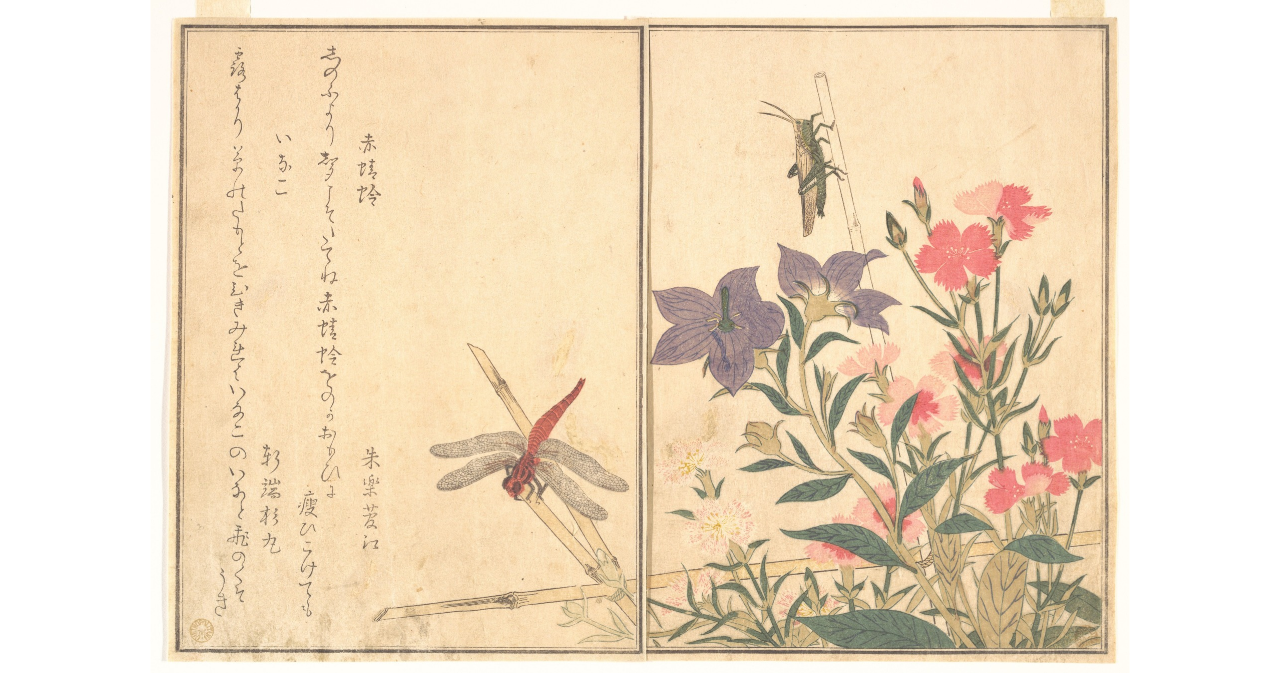
Kaya Shirao (1738-1791, Japan)
Aki no ki no / Autumn begins
.
Aki no ki no
Aka tombo ni
Sadamarinu.
.
The start of Autumn
Is always decided by
The red dragonfly.
_____
Special thanks:
David Bentley Hart (German, Spanish translations)
+ Yelena (Russian translations)
Толстой, Майков, Фет, Пушкин, Дельвиг: Весна Pycckar! / Russian Spring!
Posted: March 20, 2012 Filed under: English, Russian Comments Off on Толстой, Майков, Фет, Пушкин, Дельвиг: Весна Pycckar! / Russian Spring!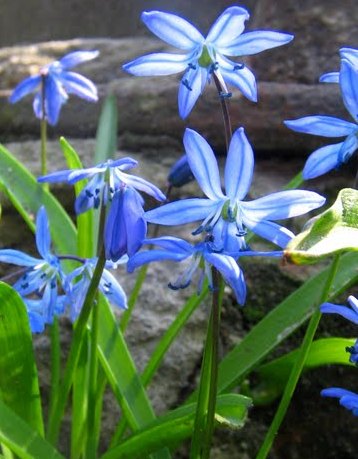
Алексей Толстой / Count Aleksey Tolstoy (1817-1875)
Early-early Spring
The early-early spring it was,
new blades of grass peered forth,
rivulets ran, the air was warmly soft,
and the woods were of transparent green.
The shepherd’s horn at break of day
was yet unheard in the village;
the forest ferns still kept their fronds
in spikes of laces furléd.
*
Early-early spring it was –
white gleamed from the silver birch-trees –
– and then I beheld thine eyes to smile
from under lowered eyelids…
Was it in answer to my love
thine eyelashes did tremble – ?
O Life – woods – sunshine clear!
O Youth, O hopes high soaring!
And tears came to my eyes
As I adored thy features…
*
It was in early-early spring –
the silver birches gleamed –
in this morning of our life,
O happiness – and tears!
O Life – woods – and sunshine clear!
Fresh breath of silver birches!
_____
Аполлон Майков / Apollon Maykov (1821-1897)
Весна / Spring
Посвящается Коле Трескину
Уходи, зима седая!
Уж красавицы Весны
Колесница золотая
Мчится с горней вышины!
Старой спорить ли, тщедушной,
С ней – царицею цветов,
С целой армией воздушной
Благовонных ветерков!
А что шума, что гуденья,
Теплых ливней и лучей,
И чиликанья, и пенья!..
Уходи себе скорей!
У нее не лук, не стрелы,
Улыбнулась лишь – и ты,
Подобрав свой саван белый,
Поползла в овраг, в кусты!..
Да найдут и по оврагам!
Вон – уж пчел рои шумят,
И летит победным флагом
Пестрых бабочек отряд!
(1880)
_____
Афанaсий Фет / Afanasy Fet (1820-1892)
Vesna na dvore / Spring Has Come
What fresh, invigorating air!
No words can do it justice—none!
How loud, at noontide, runnels in the gulley
Spin their silvery skeins against the stones!
Birdsong trembles in the ether, fades;
Rye is greenly sprouting in the field—
And soft a gentle voice is singing:
“Another spring, and you alive to greet it!”
(1856)
_____
Александр Пушкин (1799-1837)
Ты и вы
Пустое вы сердечным ты
Она обмолвясь заменила,
И все счастливые мечты
В душе влюбленной возбудила.
Пред ней задумчиво стою,
Свести очей с нее нет силы;
И говорю ей: как вы милы!
И мыслю: как тебя люблю!
(1828)
Alexander Pushkin (1799-1837)
You and Thou
She used the hearty thou, by chance,
Instead of you, so stiff and formal,
Arousing happy dreams at once
Inside my loving heart and soul.
I’m standing speechless in a glow
Admiring her sincerely;
I tell her: you are charming, really!
I think inside: I love thee so!
(1828)
_____
Антон Дельвиг (1798-1831)
Романс
Прекрасный день, счастливый день:
И солнце, и любовь!
С нагих полей сбежала тень –
Светлеет сердце вновь.
Проснитесь, рощи и поля;
Пусть жизнью все кипит:
Она моя, она моя!
Мне сердце говорит.
Что, вьешься, ласточка, к окну,
Что, вольная, поешь?
Иль ты щебечешь про весну
И с ней любовь зовешь?
Но не ко мне,- и без тебя
В певце любовь горит:
Она моя, она моя!
Мне сердце говорит.
(1823)
Anton Delvig (1798-1831)
Romance
Oh what a lovely, happy day!
There’s love, the sun, the plain!
The shadows all have gone away
My heart is light again.
Wake up, you groves and fields, and see
That all is filled with life!
She’s mine! – my heart is telling me,
She’s mine, and all is live.
Why do you, little swallow cling
Onto to my windowpane?
Perchance, you sing about the spring
Inviting love again?
It’s not for me, as I can see,
The singer’s love, divine.
It is my heart who’s telling me:
She’s mine, oh yes she’s mine!
(1823)
Translations from Russian: Alec Vagapov
_____
Рождество Христово – Ио́сиф Алекса́ндрович Бро́дский
Posted: January 6, 2012 Filed under: English, Joseph Brodsky, Russian | Tags: Christmas poems Comments Off on Рождество Христово – Ио́сиф Алекса́ндрович Бро́дский_____
Ио́сиф Алекса́ндрович Бро́дский
Рождество 1963: 1
Спаситель родился
в лютую стужу.
В пустыне пылали пастушьи костры.
Буран бушевал и выматывал душу
из бедных царей, доставлявших дары.
Верблюды вздымали лохматые ноги.
Выл ветер.
Звезда, пламенея в ночи,
смотрела, как трех караванов дороги
сходились в пещеру Христа, как лучи.
_____
Christmas 1963: 1
The saviour was born
into fierce, brutish cold.
Shepherds’ small campfires blazed in the wasteland.
A blizzard seethed and battered the souls
of the humble kings who bore gifts for the infant.
The camels lifted their shaggy legs in sequence.
The wind howled.
The star, aflame in the night,
looked on as the paths of the three processions
converged on Christ’s cave like beams of light.
_____
Рождество 1963: 2
Волхвы пришли. Младенец крепко спал.
Звезда светила ярко с небосвода.
Холодный ветер снег в сугроб сгребал.
Шуршал песок. Костер трещал у входа.
Дым шел свечой. Огонь вился крючком.
И тени становились то короче,
то вдруг длинней. Никто не знал кругом,
что жизни счет начнется с этой ночи.
Волхвы пришли. Младенец крепко спал.
Крутые своды ясли окружали.
Кружился снег. Клубился белый пар.
Лежал младенец, и дары лежали.
_____
Christmas 1963: 2
The magi had come. The infant soundly slept.
The star shone brightly from the vaulted sky.
A cold wind swept the snow up into drifts.
The sand rustled. A bonfire crackled nearby.
Smoke plumed skyward. Flames hooked and writhed.
The shadows cast by the fire grew now shorter,
now suddenly longer. No one there yet realized
that on that very night life’s count had started.
The magi had come. The infant soundly slept.
Steep arches loomed above the manger.
Snow swirled about. White steam rose in wisps.
With gifts piled near him, the child slept like an angel.
_____
Joseph Brodsky / Ио́сиф Алекса́ндрович Бро́дский
(1940-1996) was born of Jewish parents
in Leningrad. He began to write poetry in his mid-teens
and taught himself English so that he could translate John
Donne into Russian. In 1960 he met the 70-year-old
Anna Akhmatova, who had written the great epic poem
“Requiem” about Stalin’s Terror in the 1930s.
Her encouragement brought out in the young Brodsky
a flow of ideas and creativity – such that by 1963 he was
being denounced as a social parasite and anti-Soviet.
Arrested, put on trial, he spent 18 months at a labour camp
in the Arctic.
He kept on with his poetry after his release but
harassment became routine. In 1972, after persecution by
authorities who sought to have him declared schizophrenic and,
therefore, “useless to society”, he was put on a plane out of the
USSR and, with the help of foreign poets who valued his work,
he settled in the USA.
The Nativity – and the many themes of Life it touches upon –
was a constant topic in Brodsky’s poetry. He wrote
one or more Nativity poems per year between 1961 and
1995.
_____
We are grateful to Jamie Olson
for his translation from the Russian.
Visit his site: http://www.theflaxenwave.com
О́сип Мандельшта́м / Osip Mandelstam: “Maddening cherry brandy”
Posted: December 15, 2011 Filed under: English, Osip Mandelstam, Russian Comments Off on О́сип Мандельшта́м / Osip Mandelstam: “Maddening cherry brandy”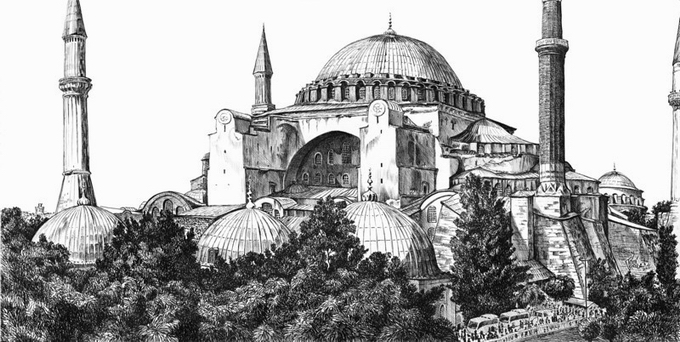
Hagia Sophia
Hagia Sophia: it was at this place
The Lord ordained that peoples and Caesars halt.
Your dome is, in a witness’s phrase,
As if hung by a chain from heaven’s vault.
And when Ephesian Diana allowed the looting
Of a hundred and seven green marble columns
For alien gods, it proved for ages yet to come
A monument to Justinian.
But what was it your generous builder meant
When he laid down apses and exhedrae,
As great his spirit as his intent,
Indicating to them east and west?
And bathing in the world, the shrine inspires awe,
Its forty windows are a celebration of light;
On the dome’s supporting vaults, the four
Archangels cause the most delight.
And the wisdom of his hemispherical dome
Shall outlive peoples, outlast the ages still to come,
While the full-voiced sobbing of the Seraphim
Shall not let its darkened gilding dim.
1912
_____
Ленинград
Я вернулся в мой город, знакомый до слез,
До прожилок, до детских припухлых желез.


Ты вернулся сюда, так глотай же скорей
Рыбий жир ленинградских речных фонарей,


Узнавай же скорее декабрьский денек,
Где к зловещему дегтю подмешан желток.


Петербург! я еще не хочу умирать!
У тебя телефонов моих номера.


Петербург! У меня еще есть адреса,
По которым найду мертвецов голоса.


Я на лестнице черной живу, и в висок
Ударяет мне вырванный с мясом звонок,


И всю ночь напролет жду гостей дорогих,
Шевеля кандалами цепочек дверных.


1930
Leningrad
I returned to my city, familiar as tears,
As veins, as mumps from childhood years.
You’ve returned here, so swallow as quick as you can
The cod-liver oil of Leningrad’s riverside lamps.
Recognize when you can December’s brief day:
Egg yolk folded into its ominous tar.
Petersburg, I don’t yet want to die:
You have the numbers of my telephones.
Petersburg, I have addresses still
Where I can raise the voices of the dead.
I live on the backstairs and the doorbell buzz
Strikes me in the temple and tears at my flesh.
And all night long I await those dear guests of yours,
Rattling, like manacles, the chains on the doors.
1930
_____
Я скажу тебе с
последней прямотой…
"Mа Vоiх аigrе еt fаussе..."
Paul Verlaine


Я скажу тебе с последней
Прямотой:
Все лишь бредни, шерри-бренди,
Ангел мой.


Там где эллину сияла
Красота,
Мне из черных дыр зияла
Срамота.


Греки сбондили Елену
По волнам,
Ну а мне - соленой пеной
По губам.


По губам меня помажет
Пустота,
Строгий кукиш мне покажет
Нищета.


Ой-ли, так-ли, дуй-ли, вей-ли,
Все равно.
Ангел Мэри, пей коктейли,
Дуй вино!


Я скажу тебе с последней
Прямотой:
Все лишь бредни, шерри-бренди,
Ангел мой.


1931
I’ll tell you bluntly…
"Mа Vоiх аigrе еt fаussе..."
(My sour, false Voice...)
Рaul Verlaine
I’ll tell you bluntly
One last time:
It’s only maddening cherry brandy,
Angel mine.
Where the Greeks saw just their raped
Beauty’s fame,
Through black holes at me there gaped
Nought but shame.
But the Greeks hauled Helen home
In their ships.
Here a smudge of salty foam
Flecks my lips.
What rubs my lips and leaves no trace?
— Vacancy.
What thrusts a V-sign in my face?
— Vagrancy.
Quickly, wholly, or slowly as a snail,
All the same,
Mary, angel, drink your cocktail,
Down your wine.
I’ll tell you bluntly
One last time:
It’s only maddening cherry brandy,
Angel mine.
1931
_____
Osip Mandelstam (1891-1938) was from a Polish-Jewish
family and grew up in St.Petersburg (later Leningrad), Russia.
His first poems appeared in 1913, and, after The Revolution
and Stalin’s increasing tendency toward totalitarianism,
Mandelstam made no effort to hide his non-conformist views.
Seized at a Moscow reading in 1934, he was banished from “the
big cities”. During The Great Purge of 1937, accused of
anti-Soviet views, he was arrested again and died en route to a
Gulag camp in Siberia.
Translations from Russian into English: Bernard Meares
_____
 Zócalo Poets